Misurgia Sisitlallan
Misurgia Sisitlallan
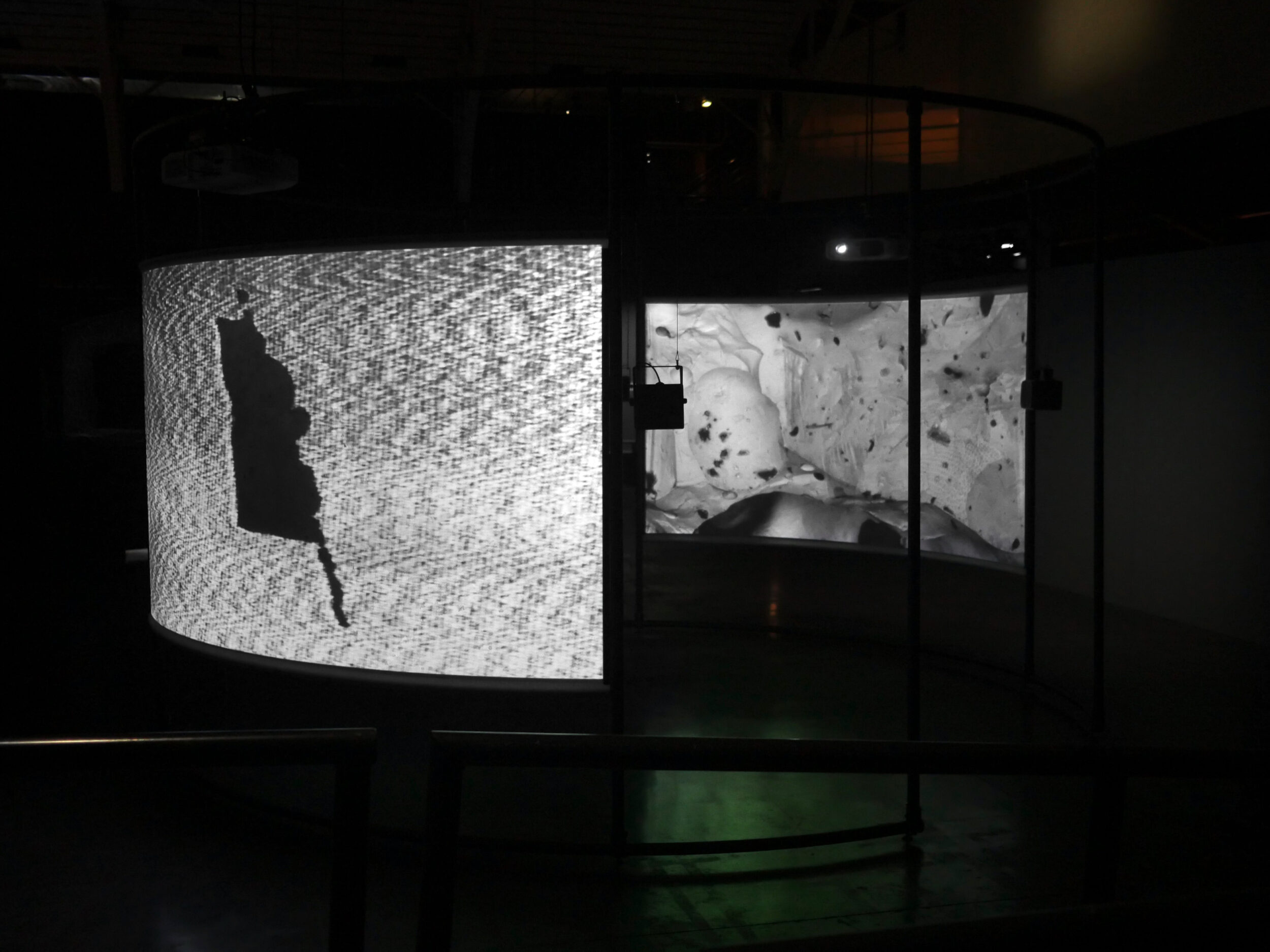
Misurgia Sisitlallan develops from Athanasius Kircher’s Misurgia Universalis and from the baroque poetics of Juana Inés de la Cruz, where scientific instruments, theology and linguistic invention coexist within the same cosmological imagination. The work does not revive this model. It displaces it.
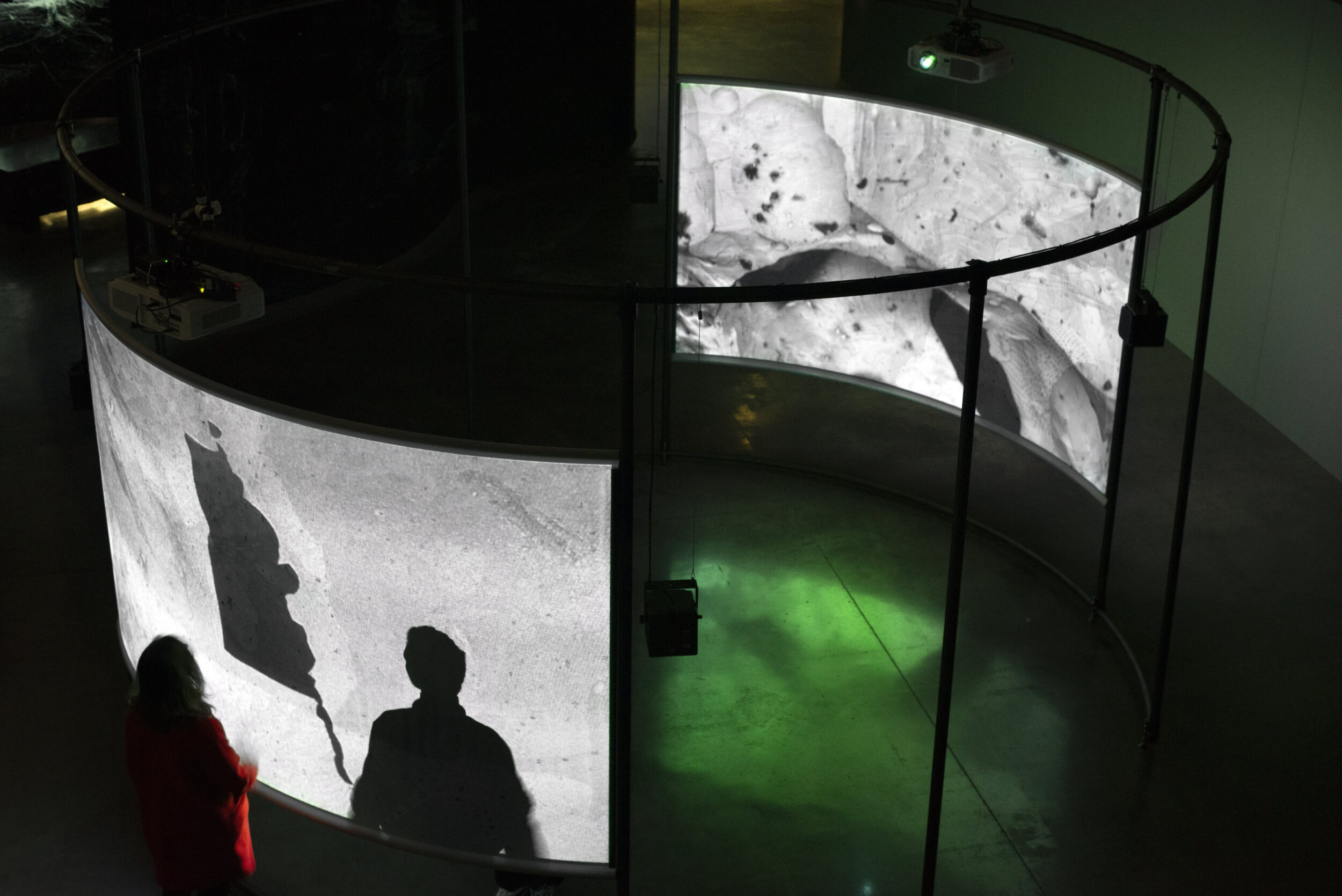
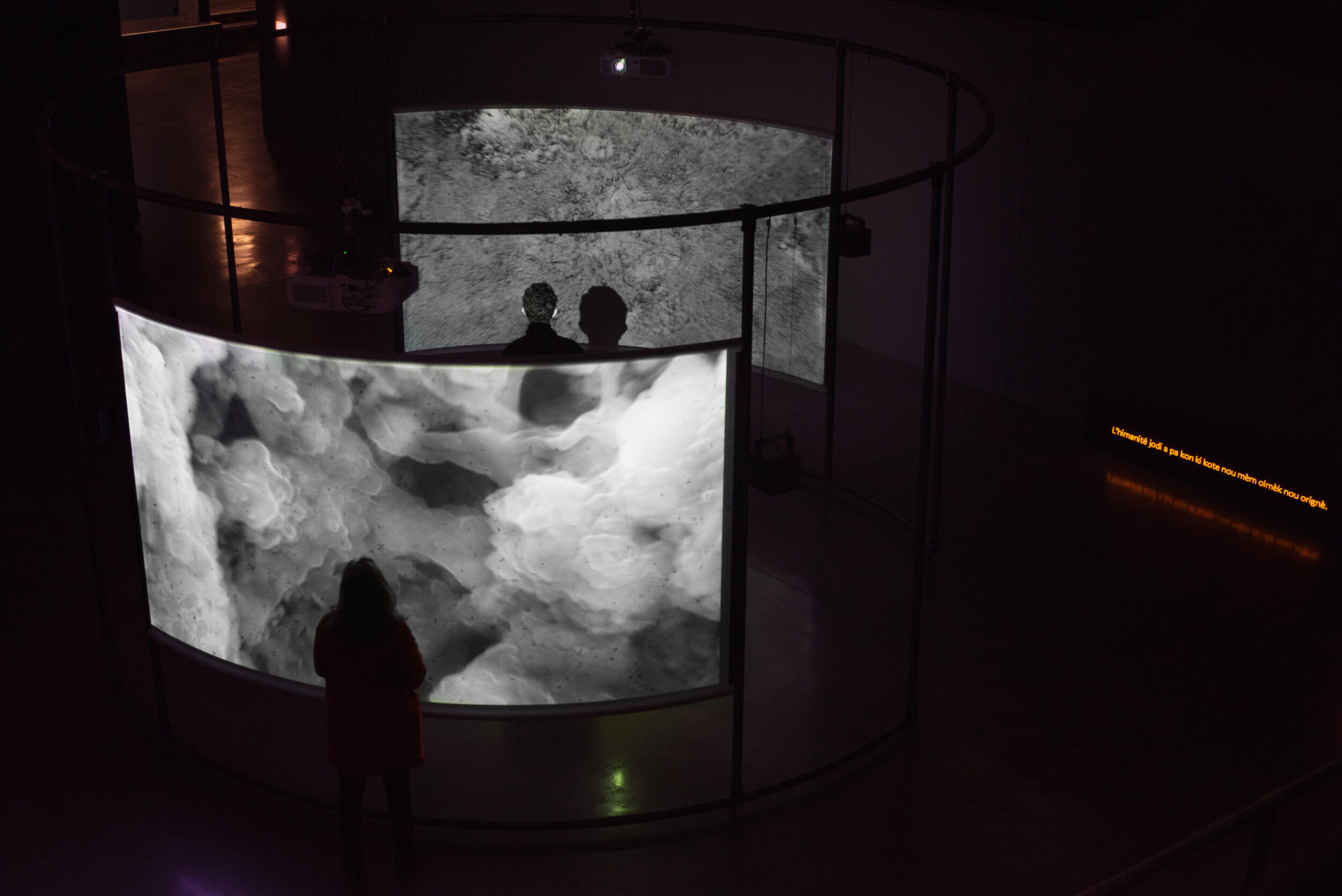
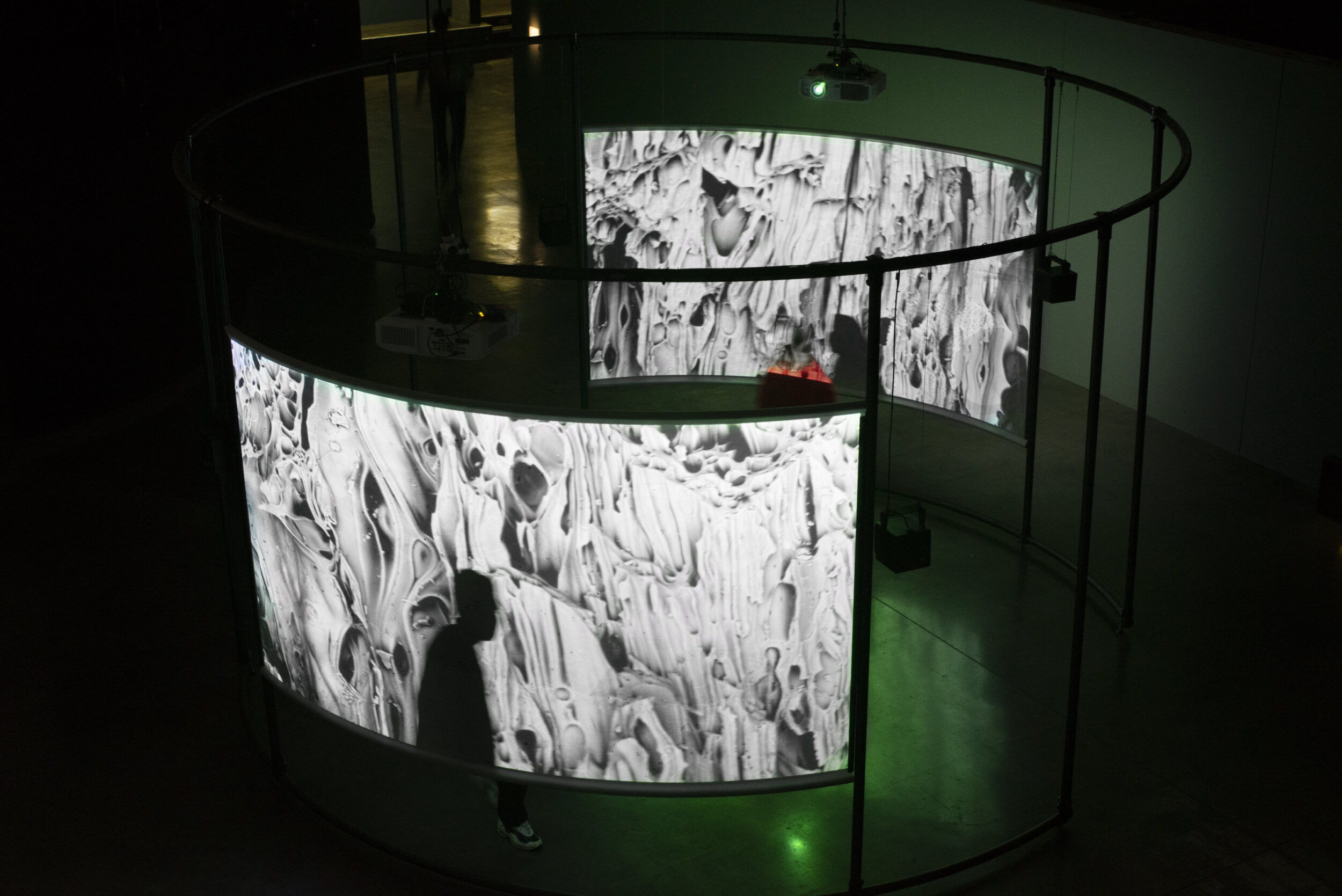
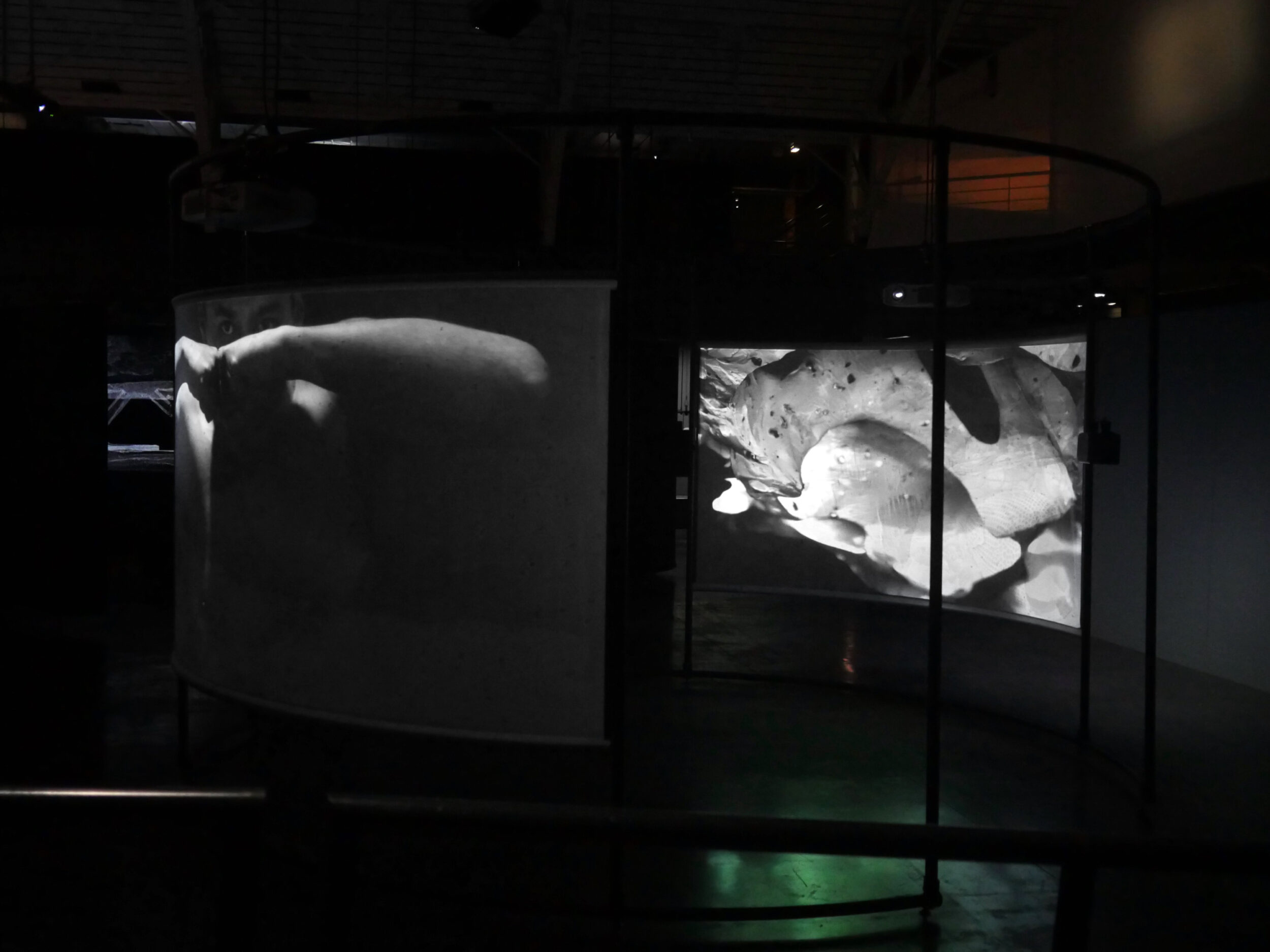
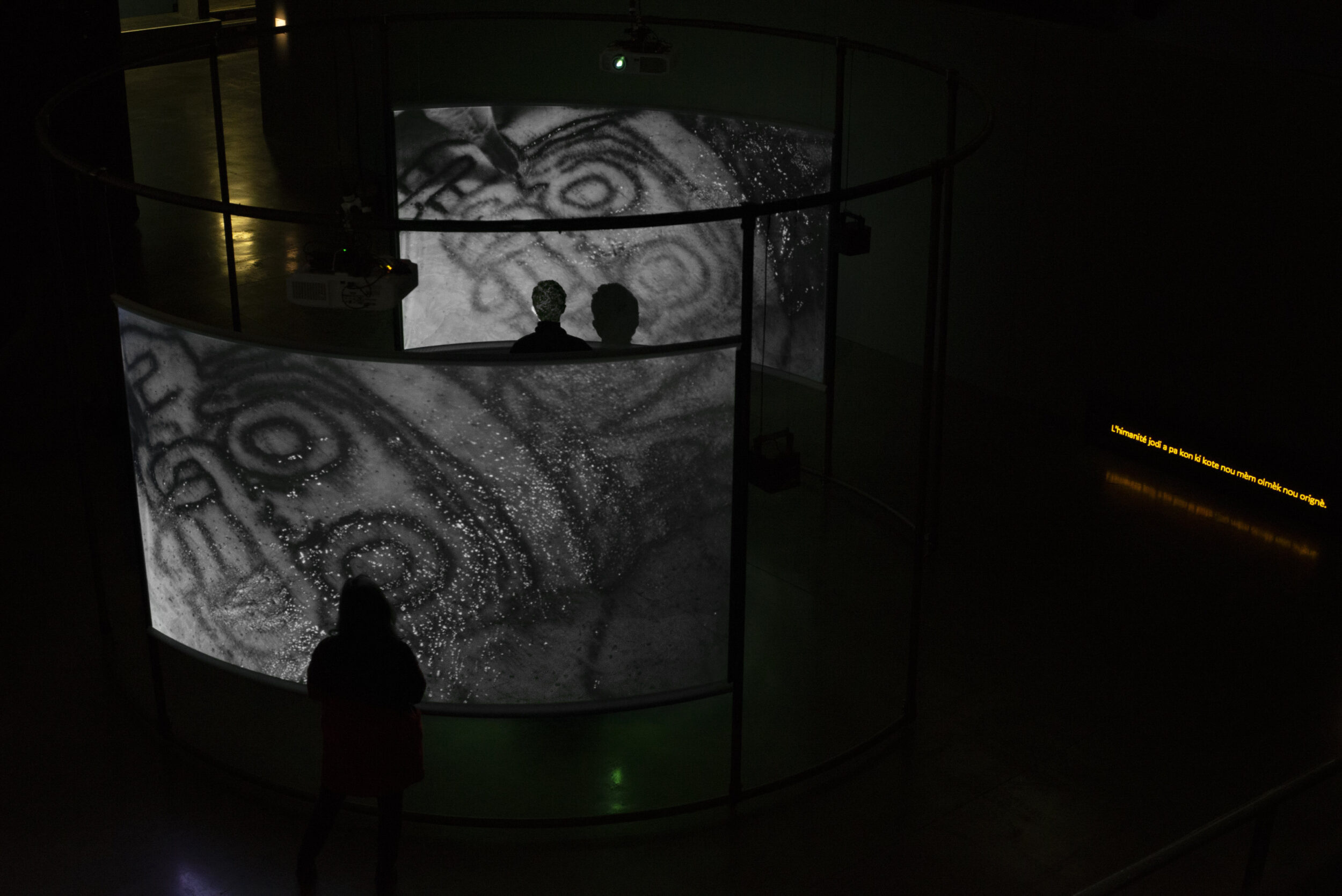
Installed within a circular architecture, the project brings together scanning electron microscope imagery, ritual gesture and a polyphonic sound composition. Languages overlap without translation becoming central. Nahuatl, Fon, French, Spanish, English and Haitian Creole circulate simultaneously. The software environment developed with Jérôme Nika (IRCAM) does not organize speech according to semantic coherence but according to duration, intensity and spectral density. Hundreds of vocal layers accumulate, fragment and recombine, voices cut across one another and fragments persist. Meaning accumulates unevenly and sometimes collapses into noise.
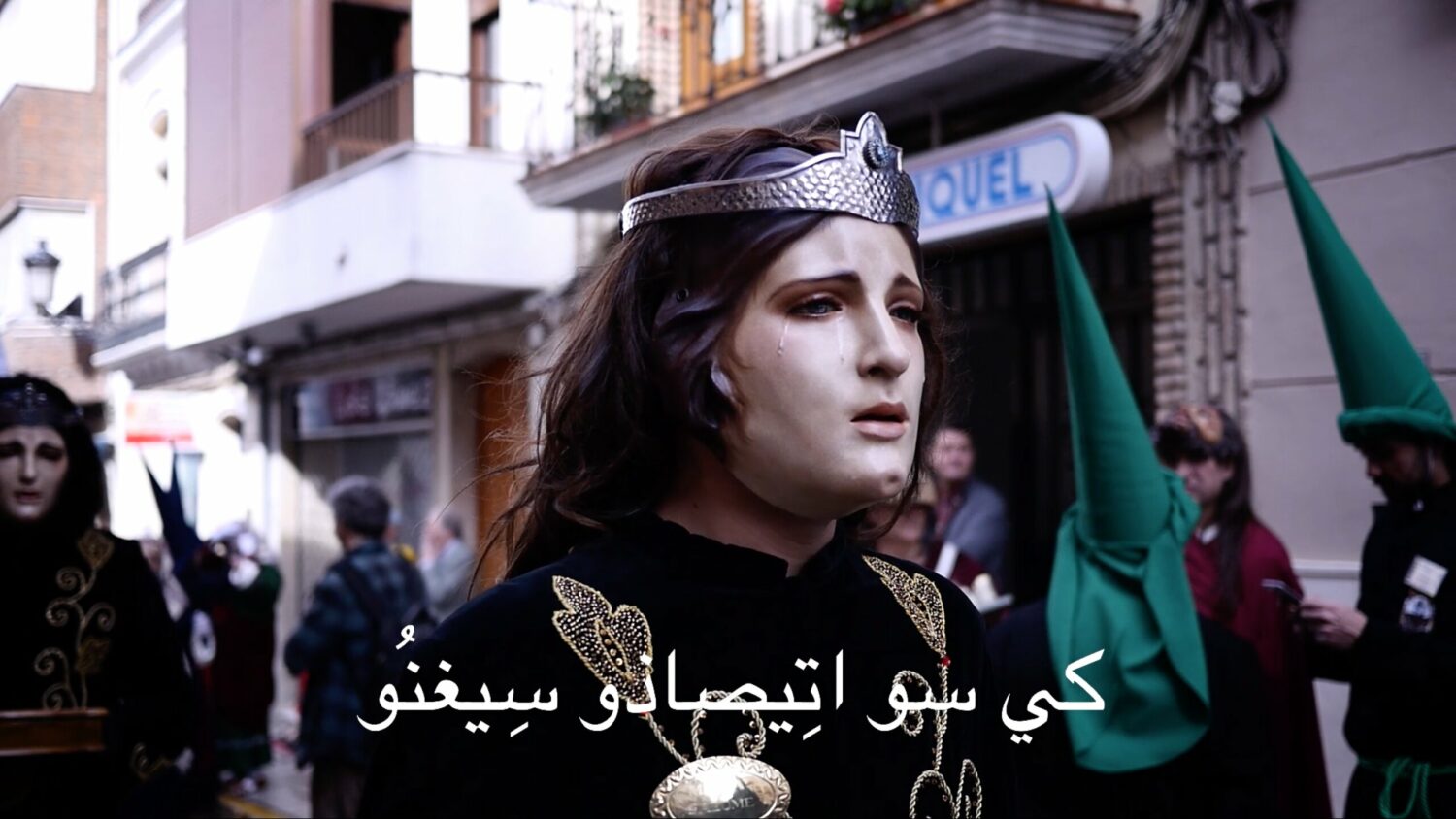
The spectator moves inside an acoustic field where comprehension is partial. Surtitles are positioned outside the projection space.
Understanding requires distance. Remaining inside means accepting opacity and saturation.
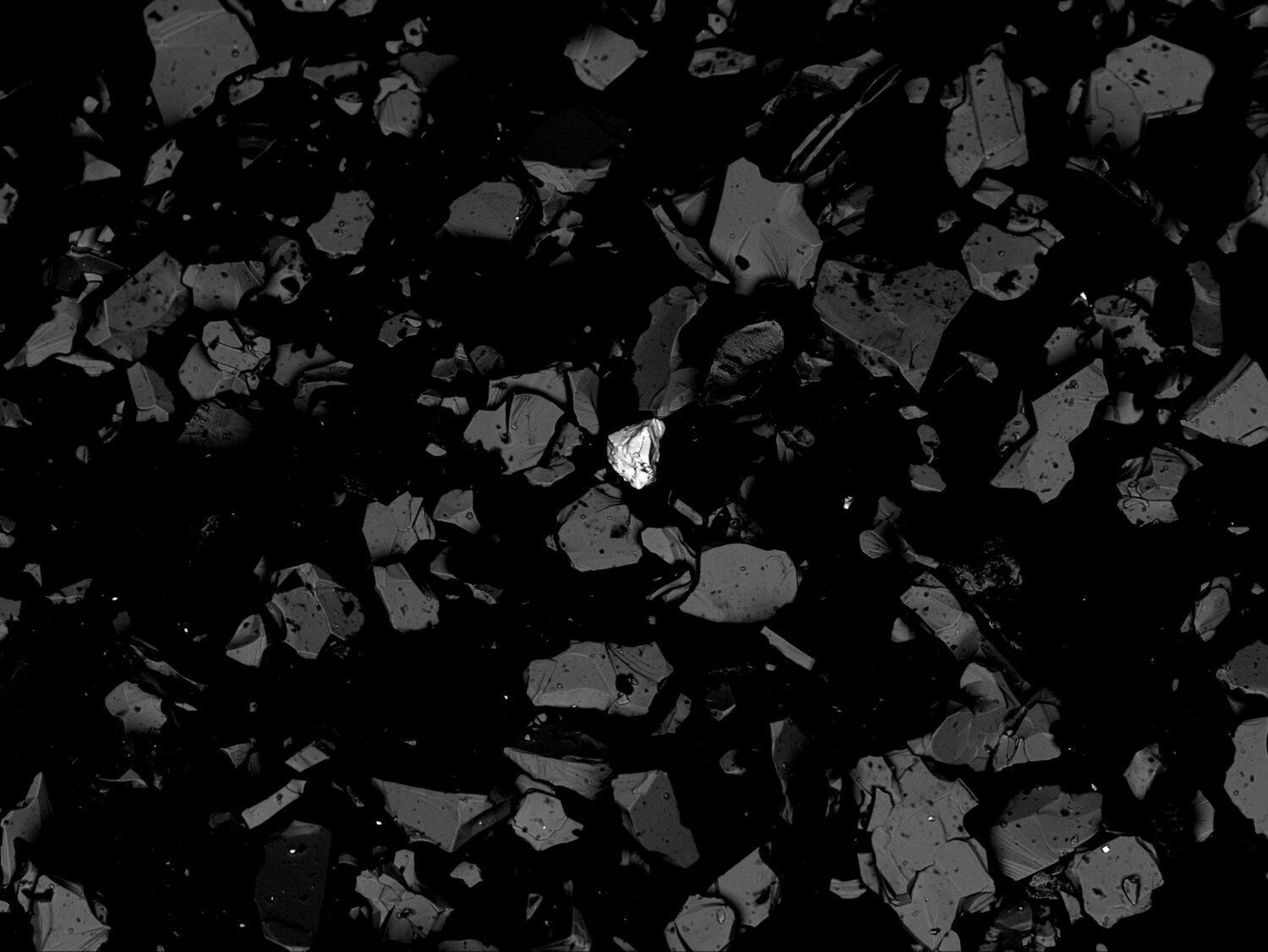
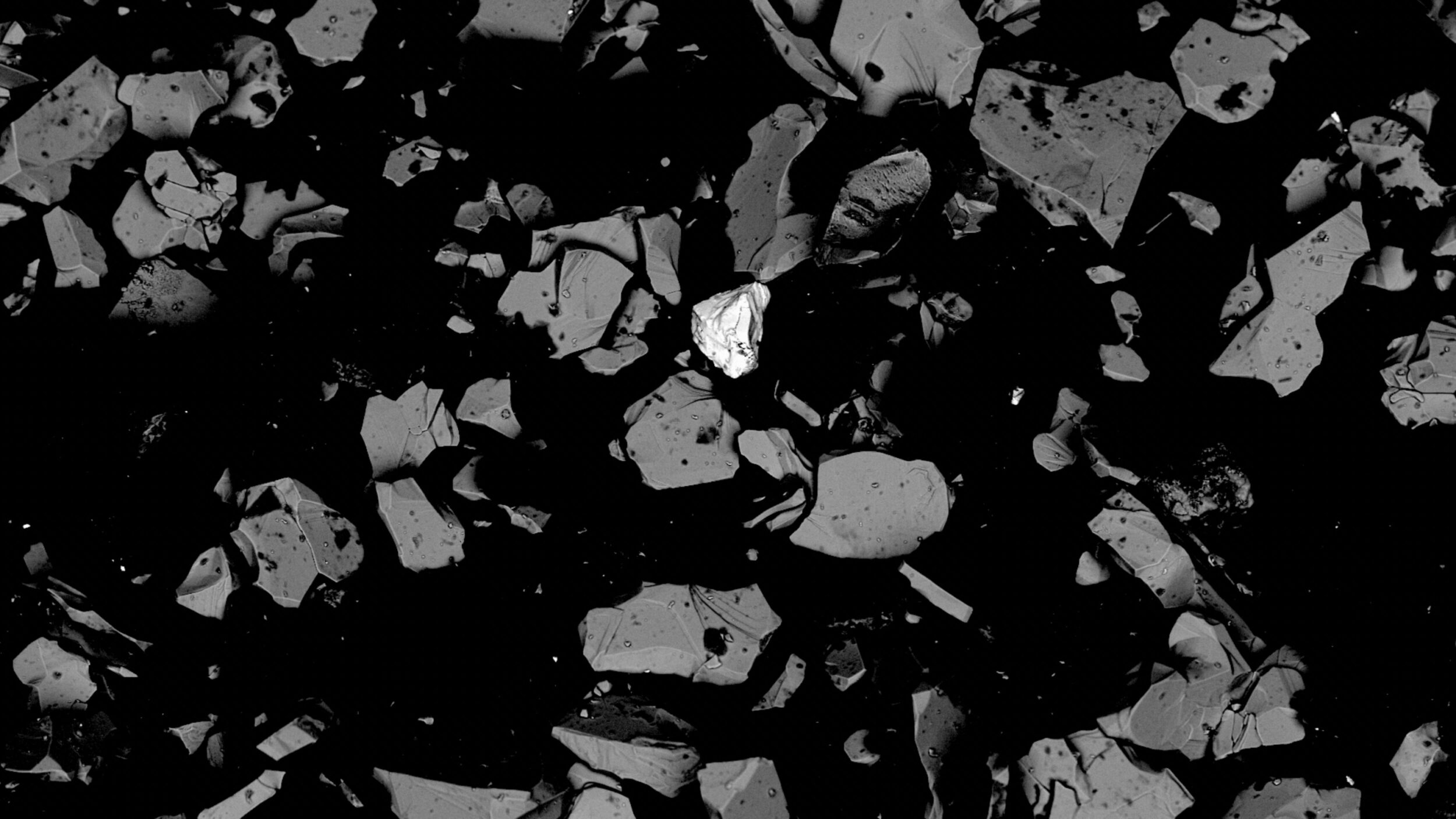
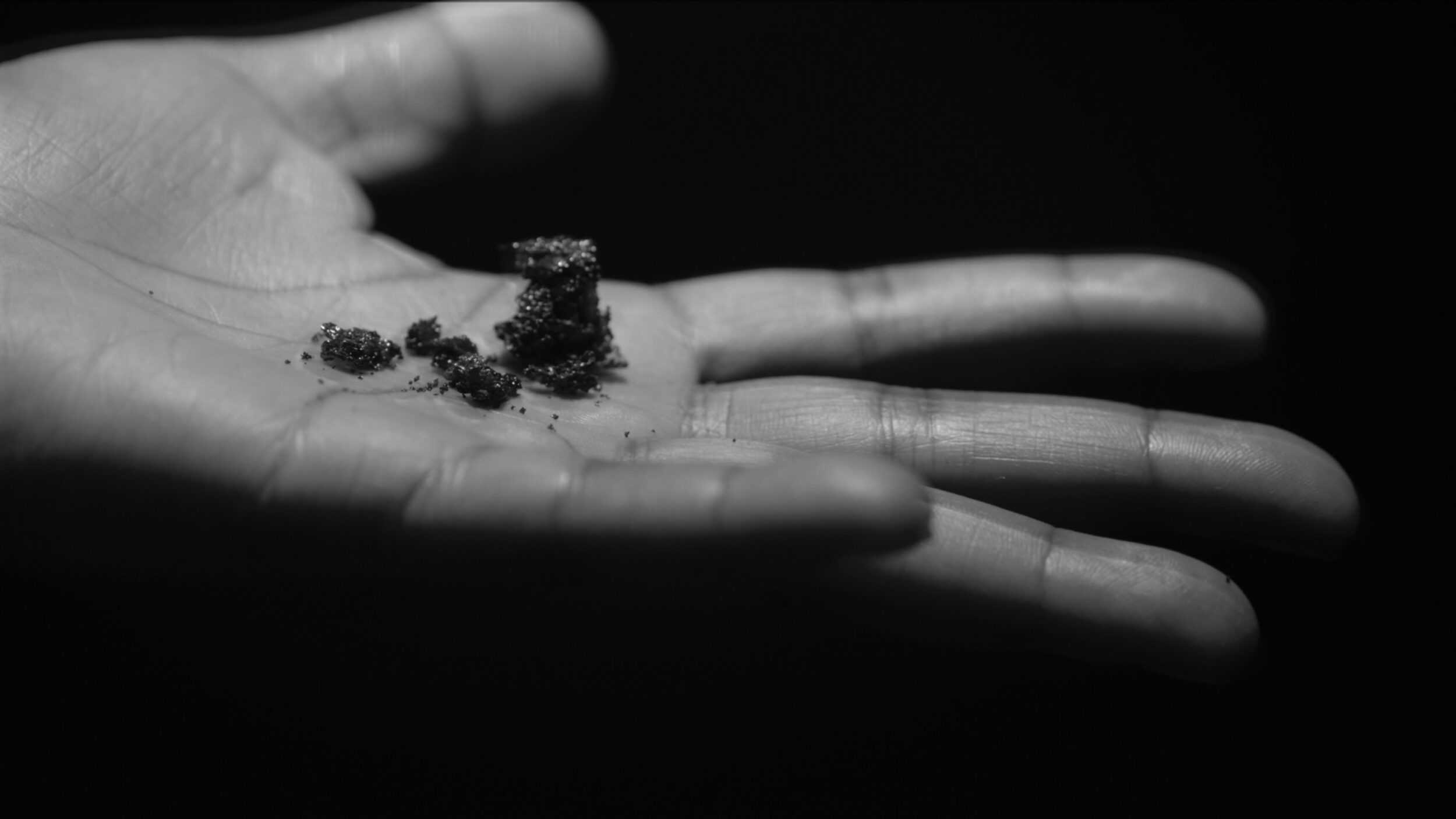
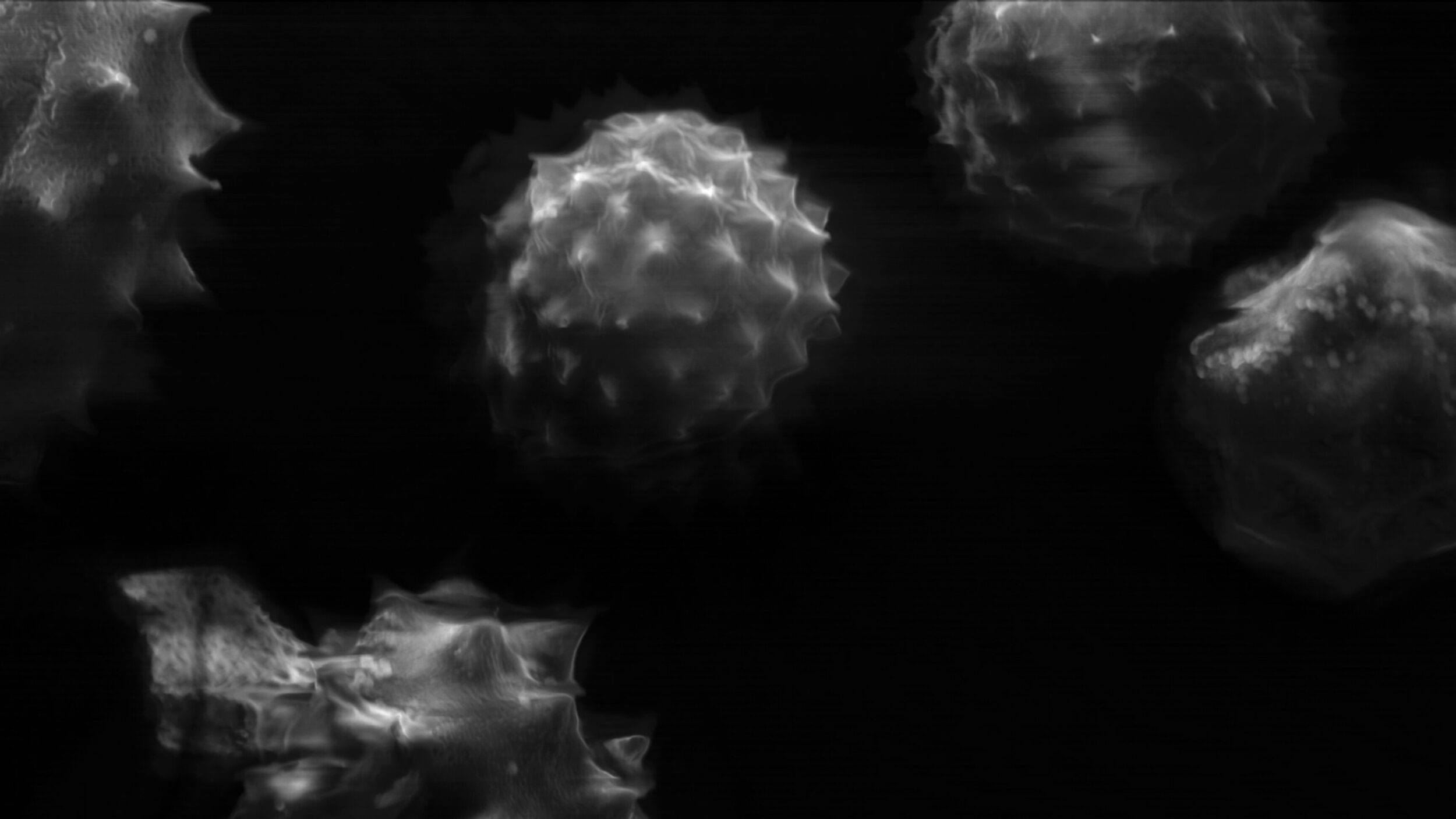
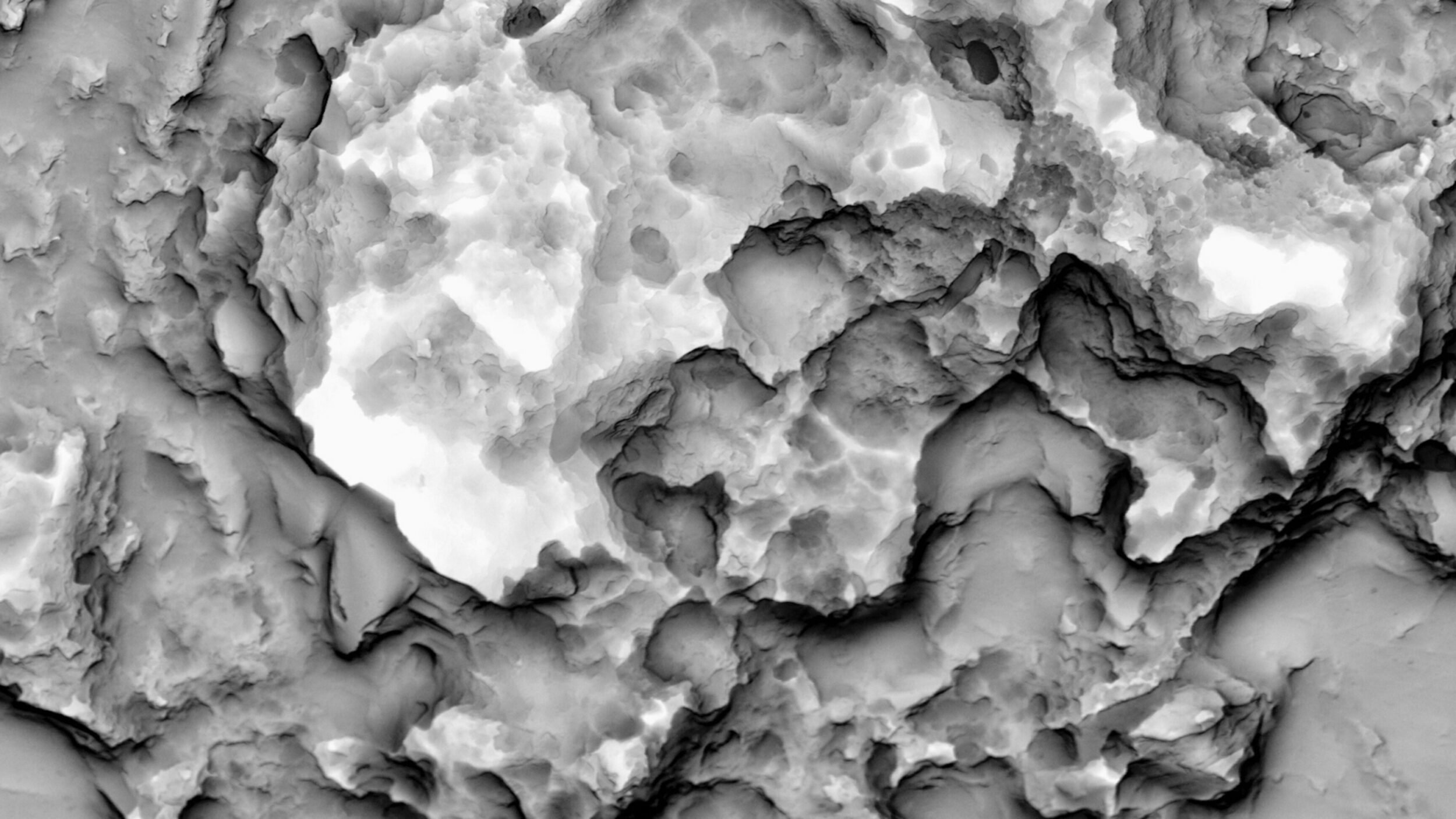
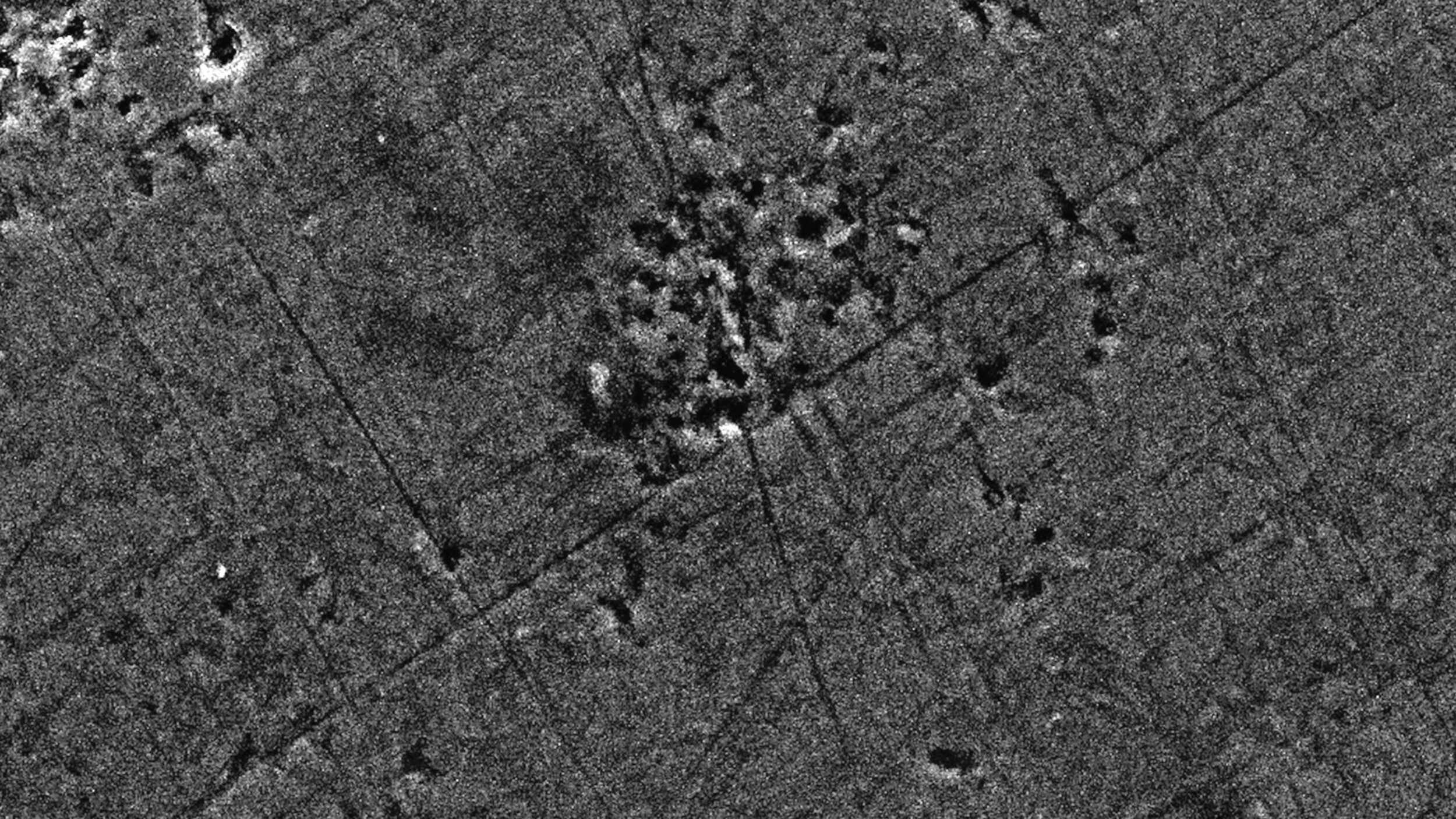
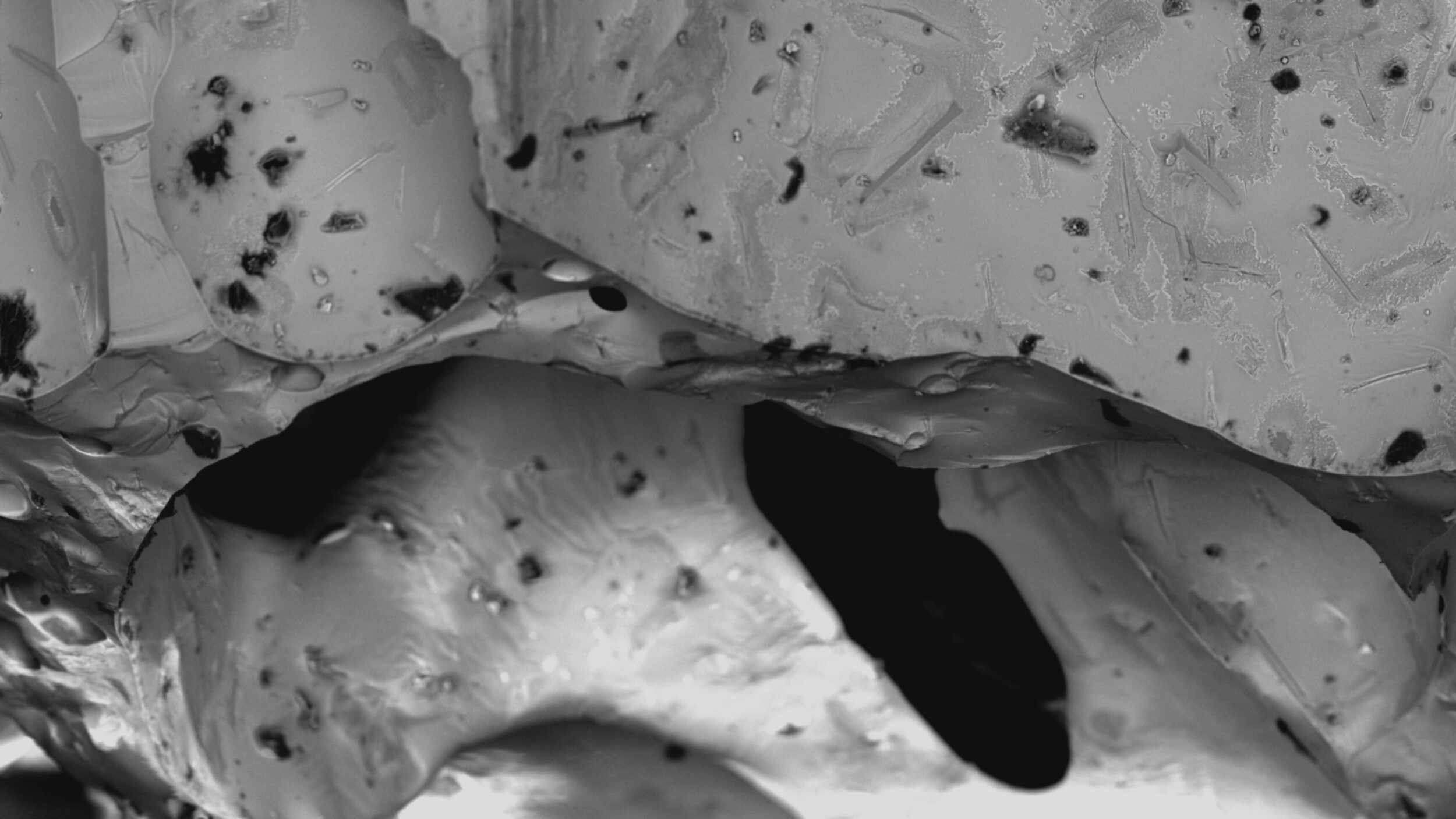
The visual material results from collaboration with a materials science laboratory (UMET). Meteorites, lava and pollen are recorded through a scanning electron microscope. At this scale, geological and biological matter loses familiar proportions. The microscopic resembles astronomical cartography. Cavities approach craters, particles read as constellations, scale ceases to stabilize perception.
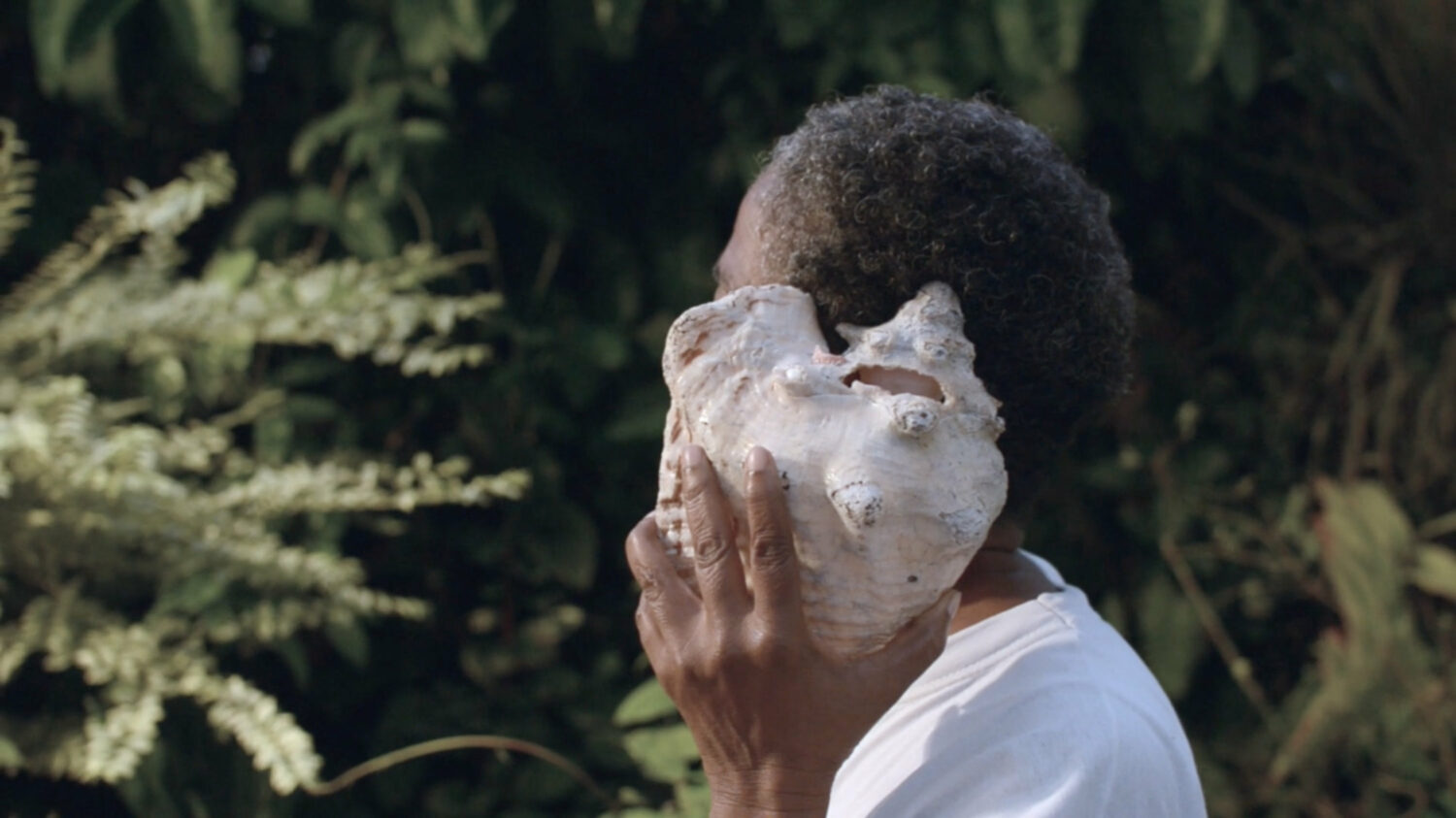
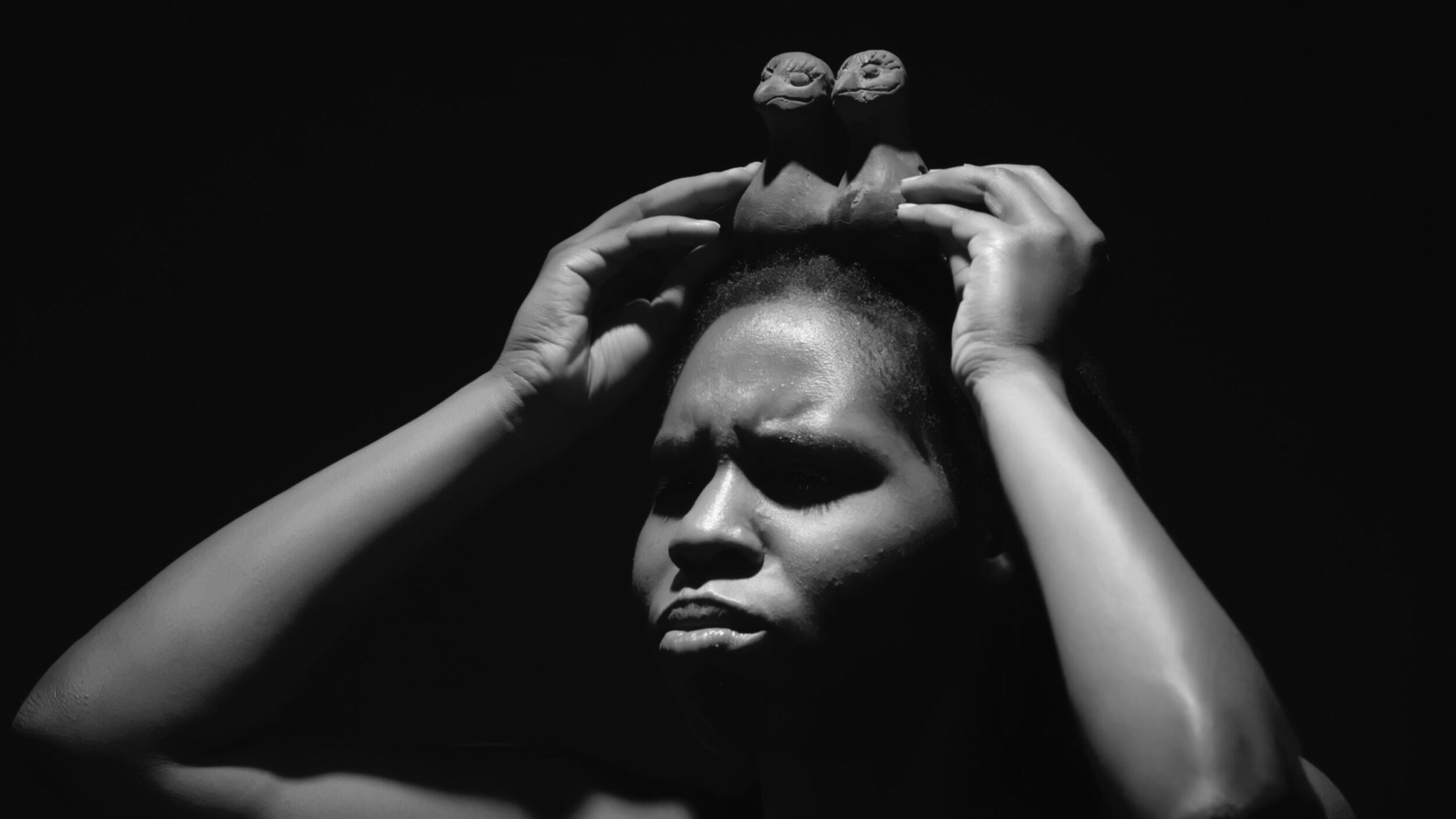
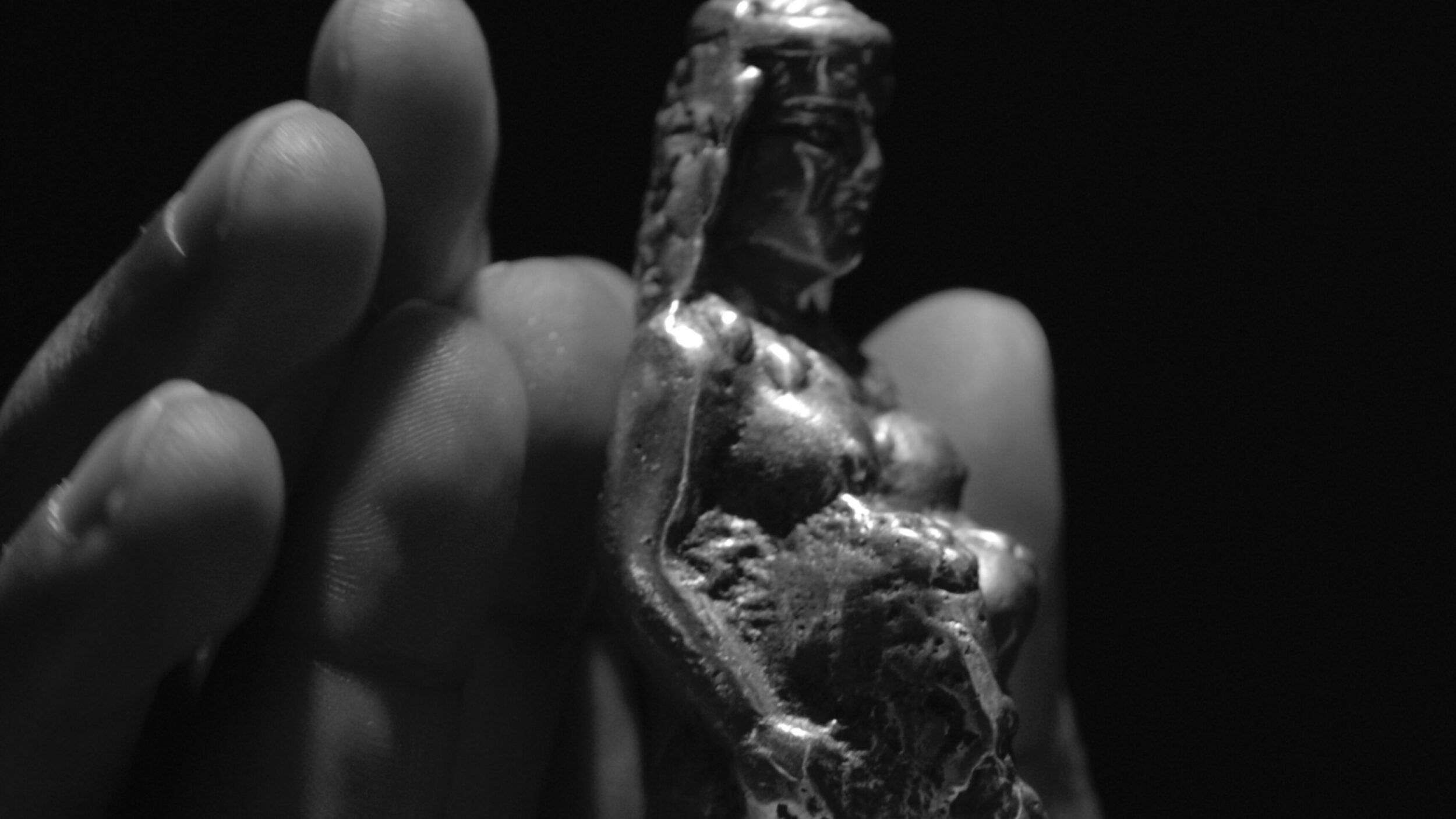
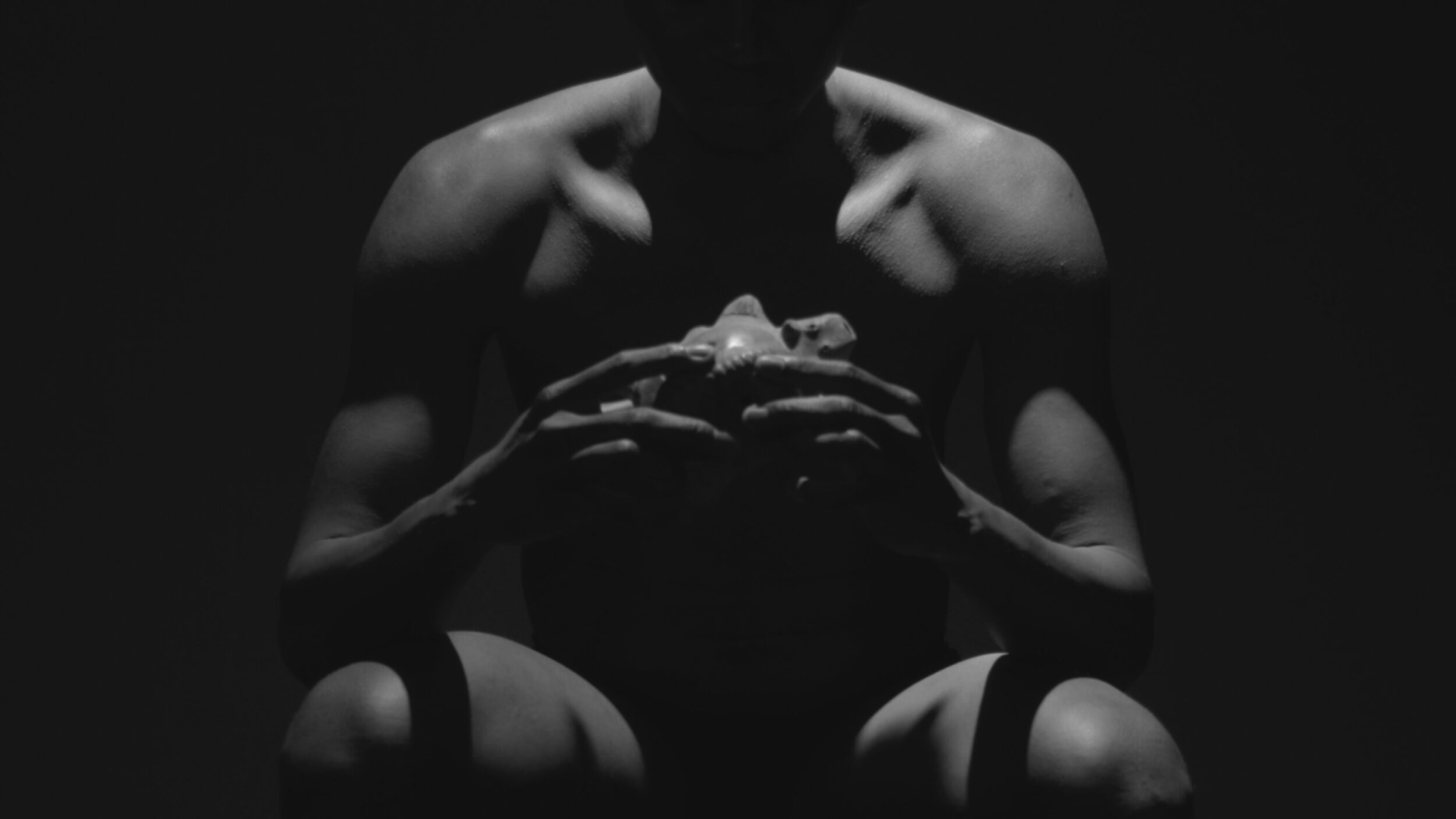
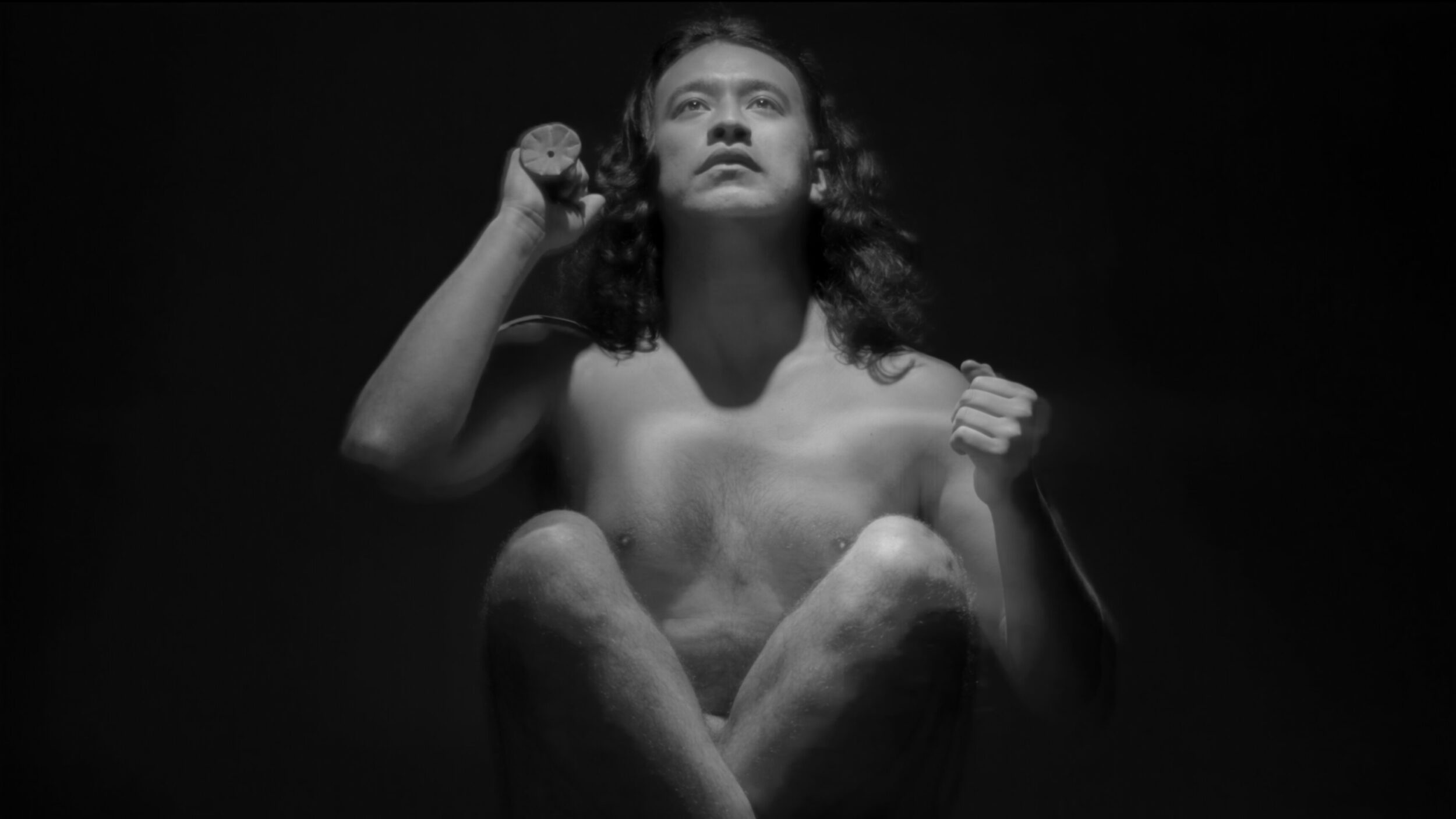
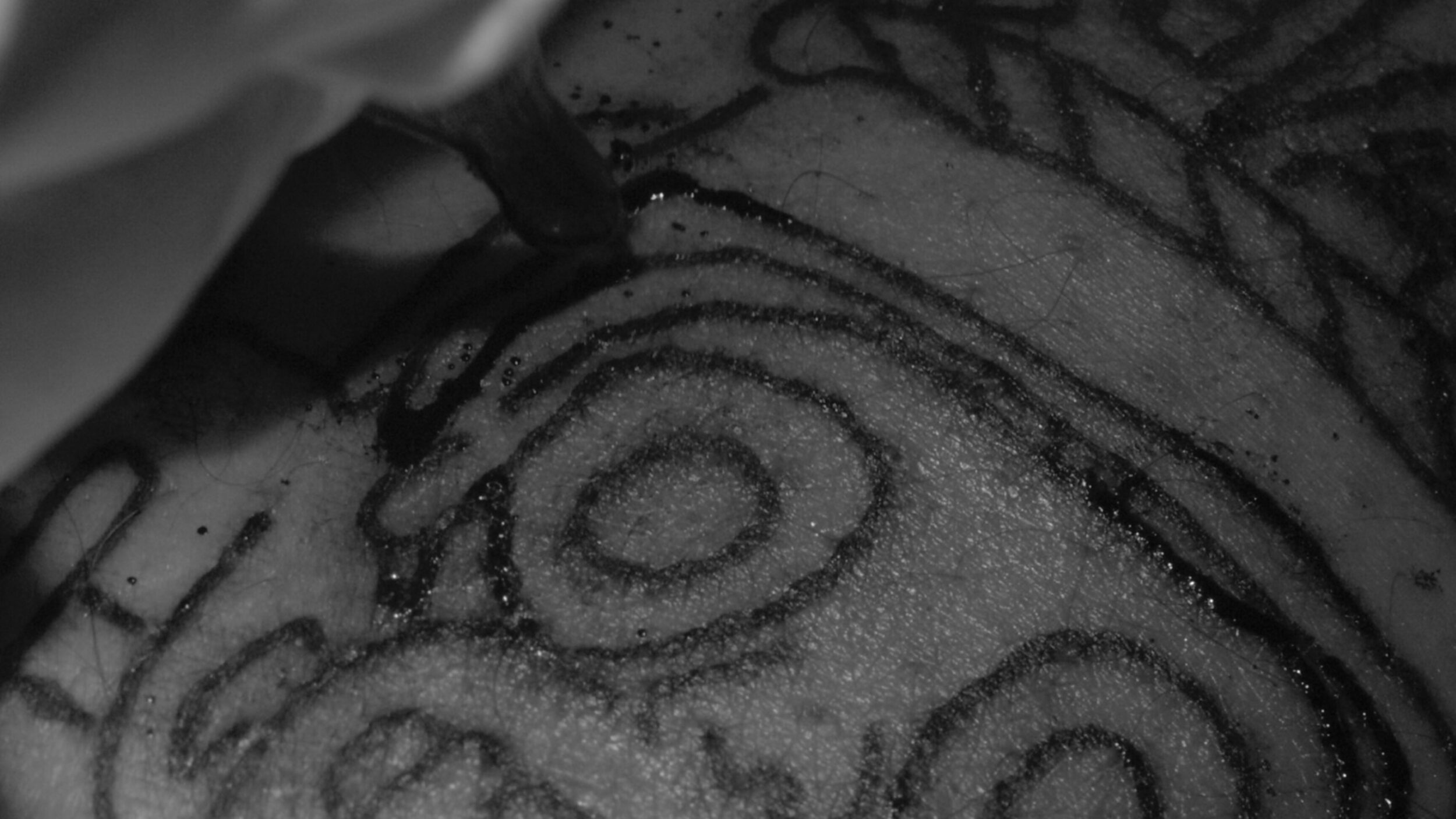
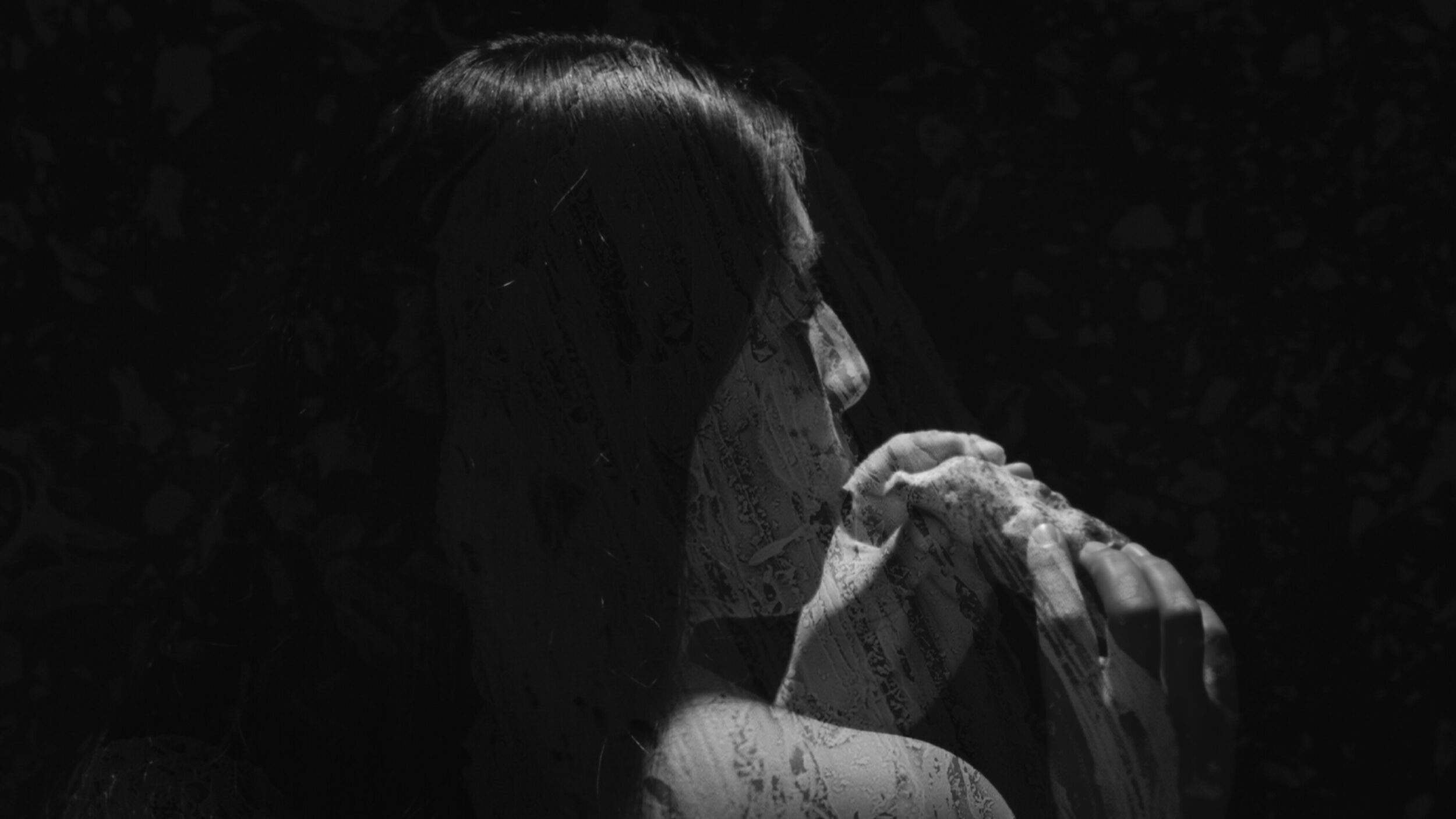
The SEM sensor and the camera sensor both translate matter into signal. In Misurgia Sisitlallan, these instruments operate alongside incantation. Pre-Columbian and African deities appear through ancestral gestures, not as illustrations of mythology but as interruptions within a scientific image regime. Ritual and laboratory share the same surface.
In dialogue with Guillaume Vallée’s practice on glitch aesthetics and signal disruption, the work treats technological error as structure rather than accident. Distortion, interference and instability are beyond being post-production effects, they are epistemic positions where images tremble, where signal resists clarity.
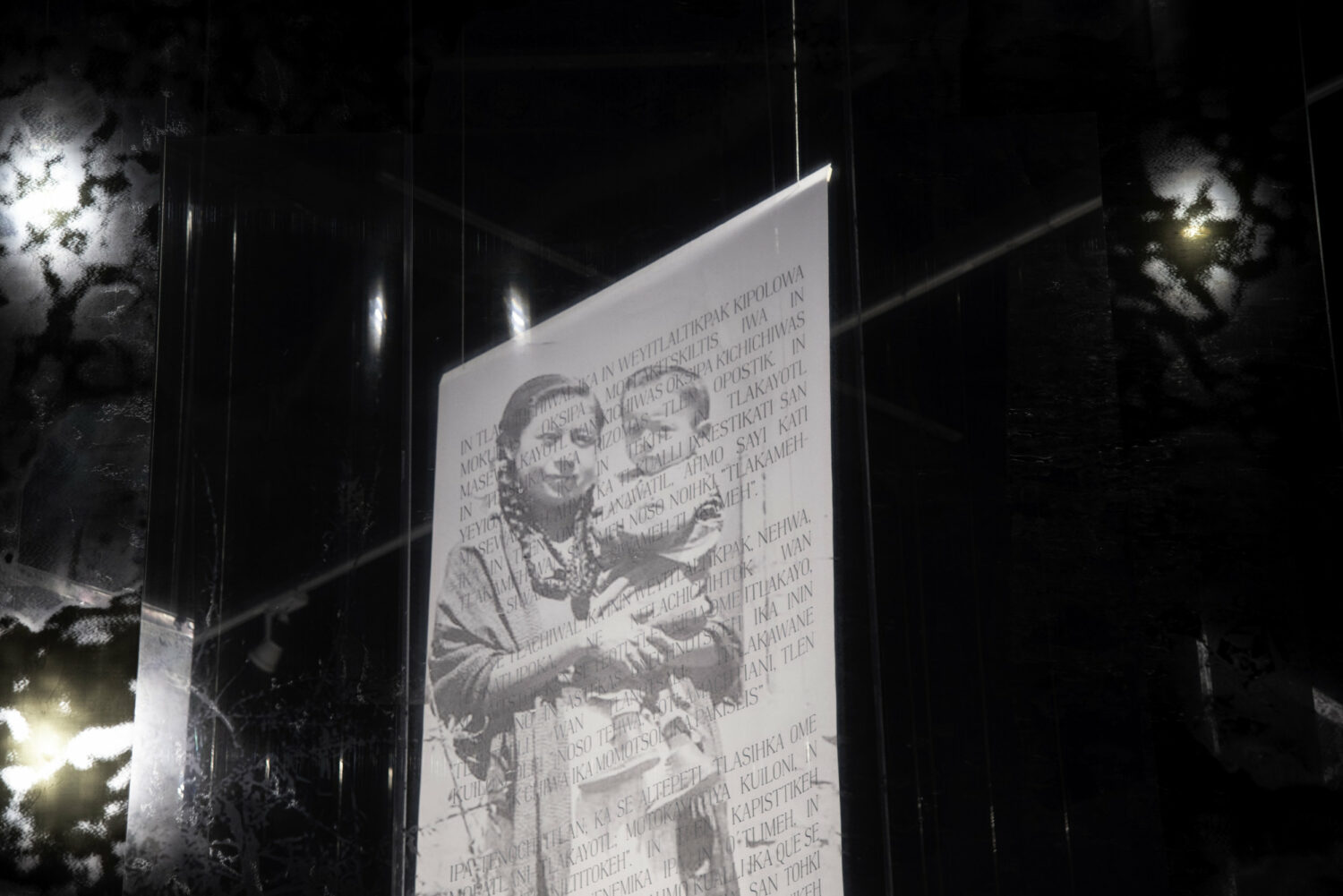
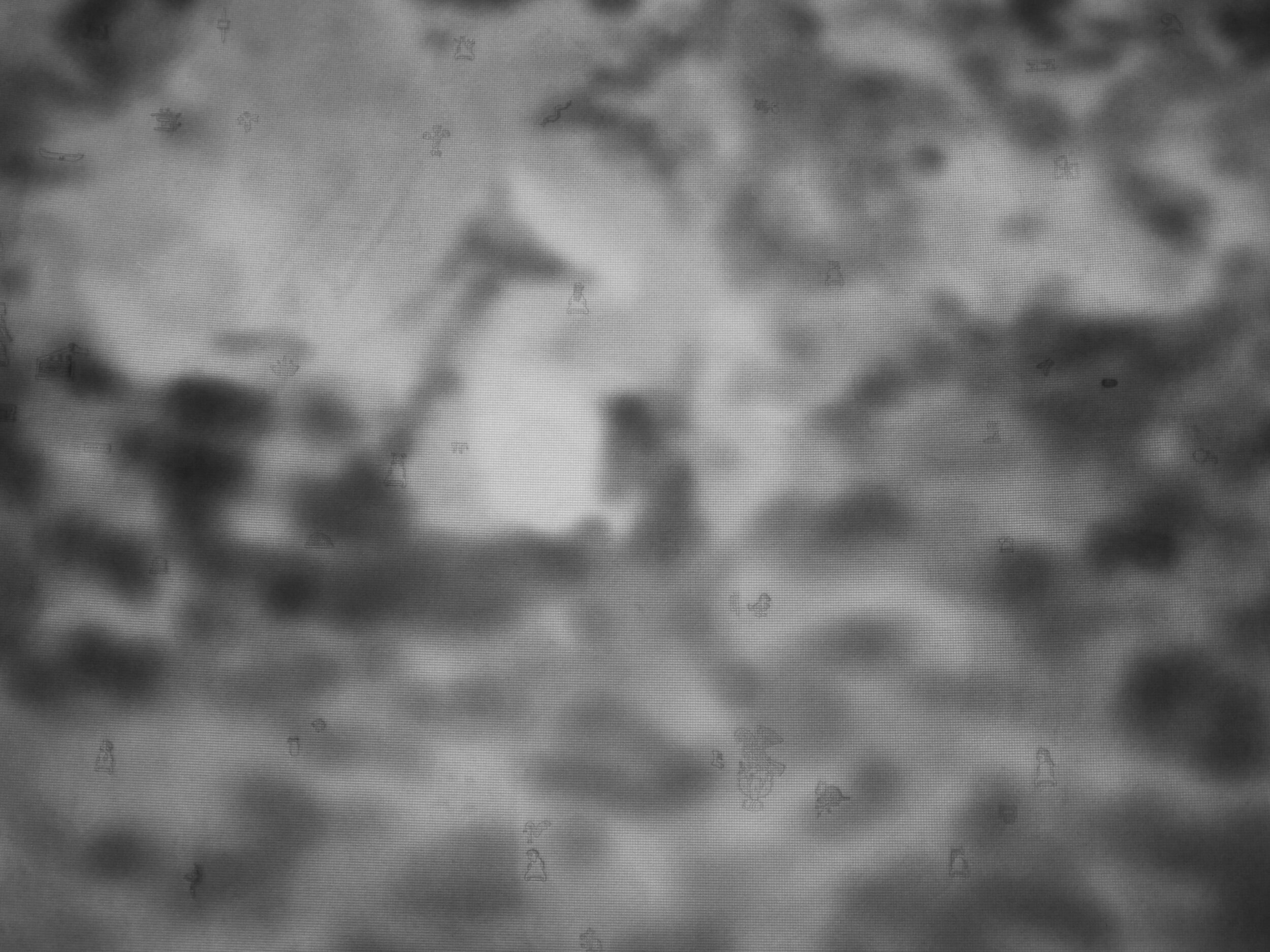
The work questions structures of inscription. The projection screens are printed with hieroglyphic forms prior to illumination; the image never lands on a neutral support as memory precedes projection. Linguistic and material traces remain visible beneath the moving image.
Misurgia Sisitlallan approaches the emergence of speech and the emergence of the universe as parallel processes of vibration and differentiation. Instead of privileging harmony, the installation sustains friction between voices, scales and epistemologies coexisting under tension.
Chapters:
Ixtlilton
Mayawel
Tezkatlipoka
Tlalok
Kowatlikue
Amélie Agbo — Kowatlikue
Fernando Colin-Roque — Xochipilli
Yongkwan Joo — Tezkatlipoca
Moïse Togo — Ixtlilton
Jazmin Lespinasse — Mayawel
Juana was a poet and philosopher in colonial Mexico. She wrote with unusual intellectual freedom, expressing what we would today call queer desire. She publicly defended women’s right to study and think, enduring the tension between faith and insubordination.
Mahoutin Ablawa Eliane Aisso — Fon
Santiago Bonilla — Nahuatl, Spanish
Rachel Castilla — Spanish
Felipe Esparza — Spanish
Alice Goudon — Chant
Vir Andres Hera — Nahuatl
Mario Lollia — Haitian Creole
Kendra McLaughlin — English
Florianne Niox — French
Jakob Ohrt — English
Lourdes Ontiveiros — Spanish, French
Damien Jacob
Pierre-Marie Zanetta
Alexandre Fadel
Yongkwan Joo
Dmitry Gelfand
IRCAM – Centre Pompidou
Opéra de Lille
Université du Québec à Montréal
Qalqalah
Le Fresnoy – Studio national technical teams
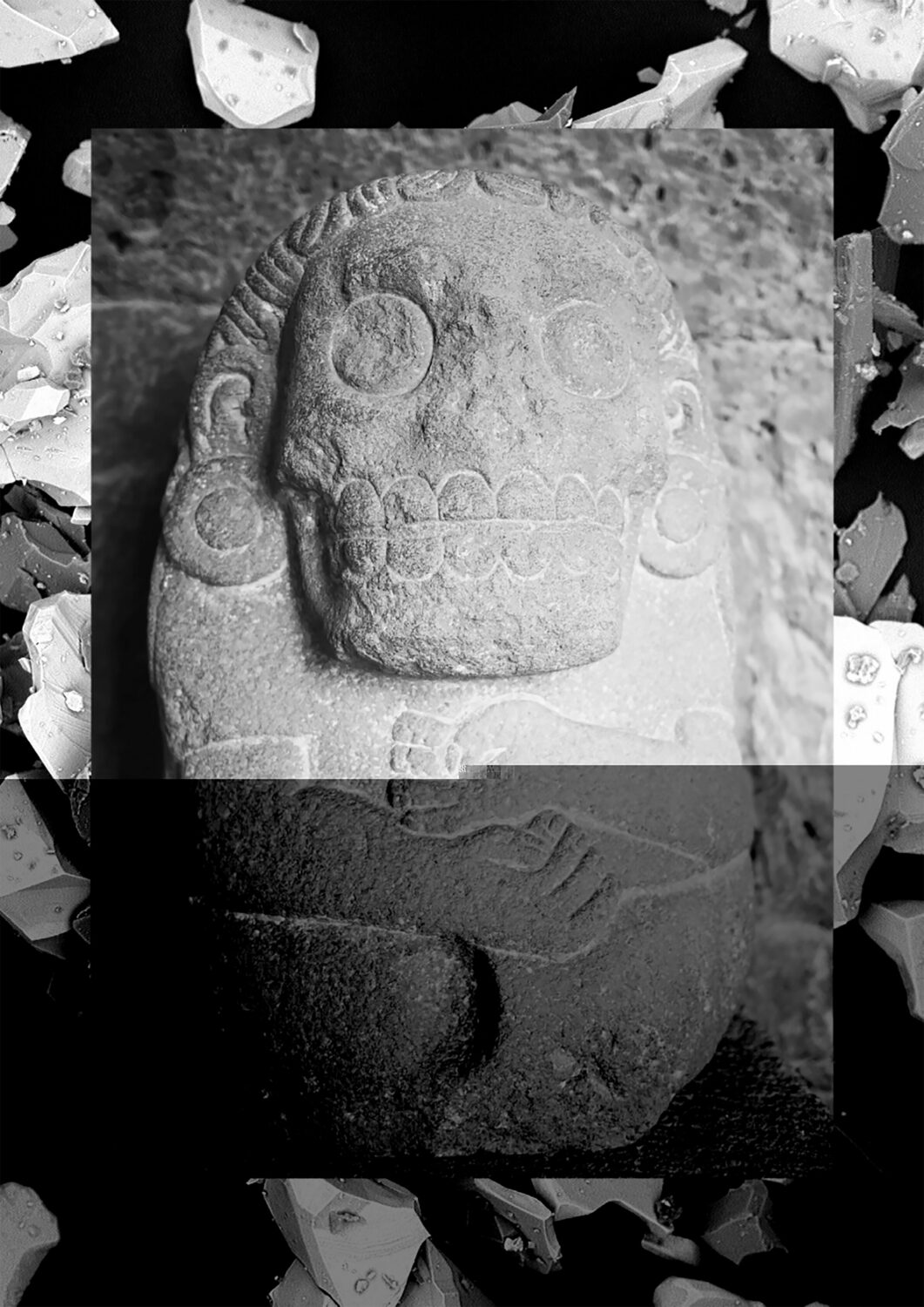
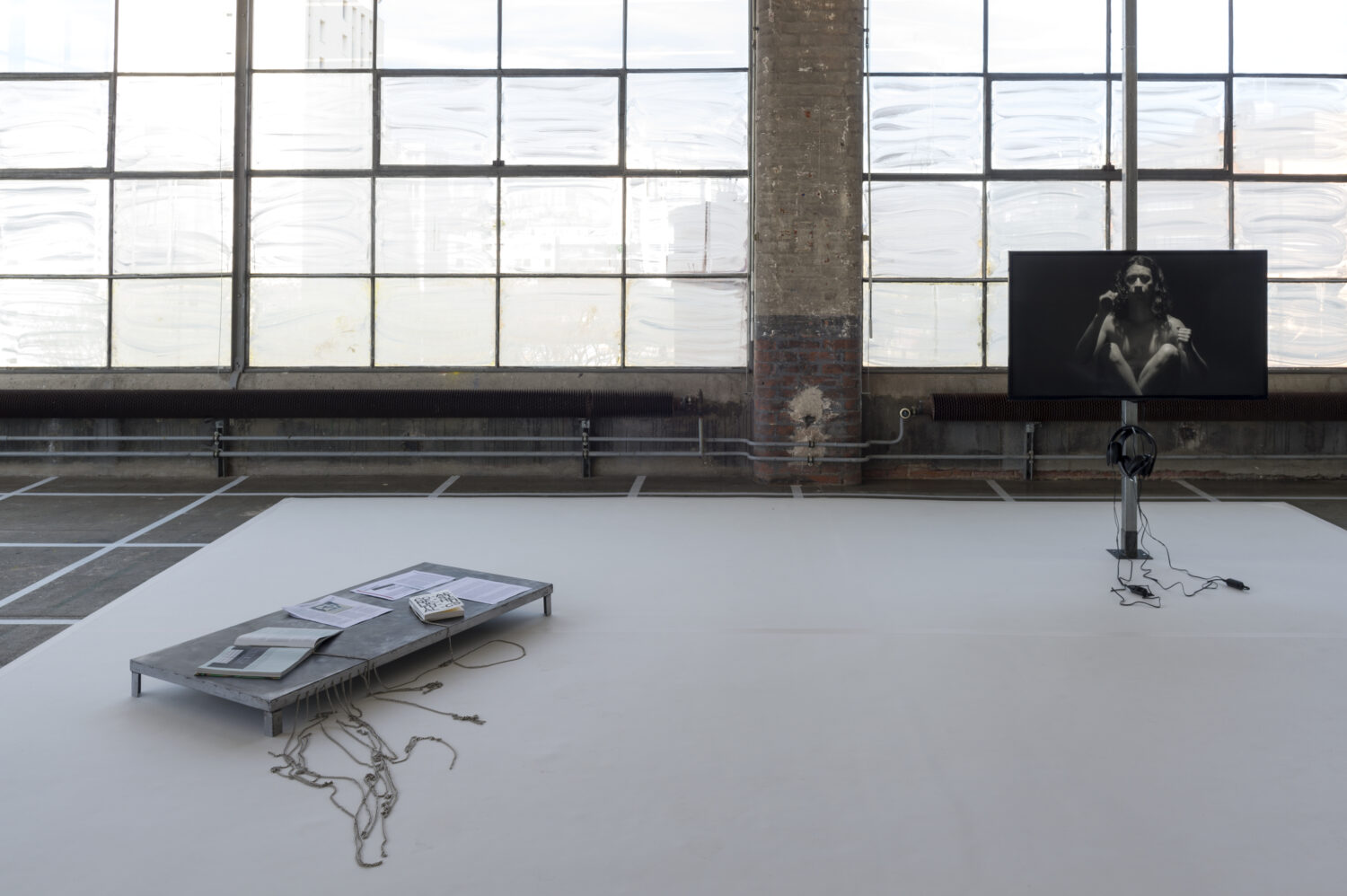
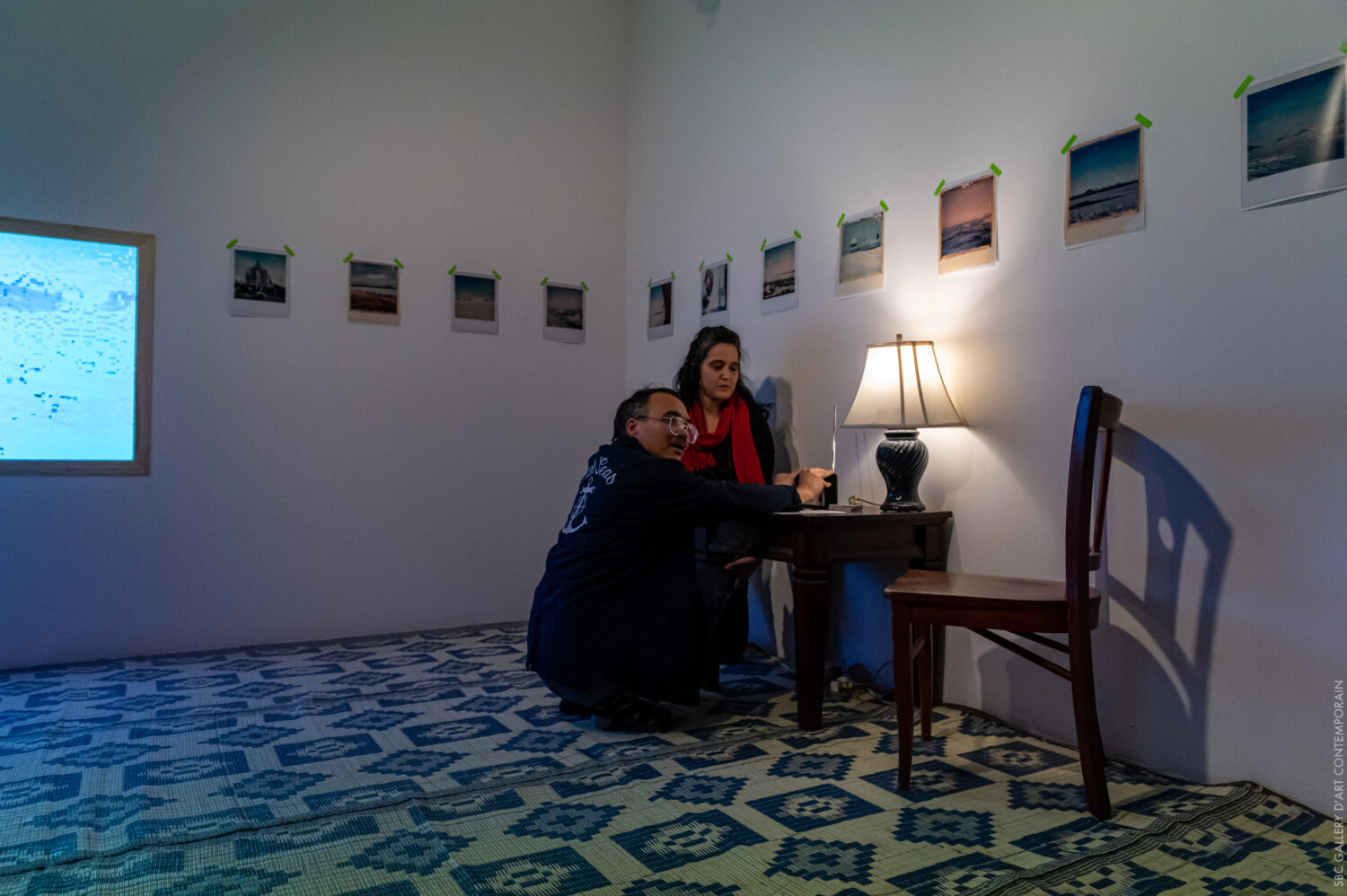
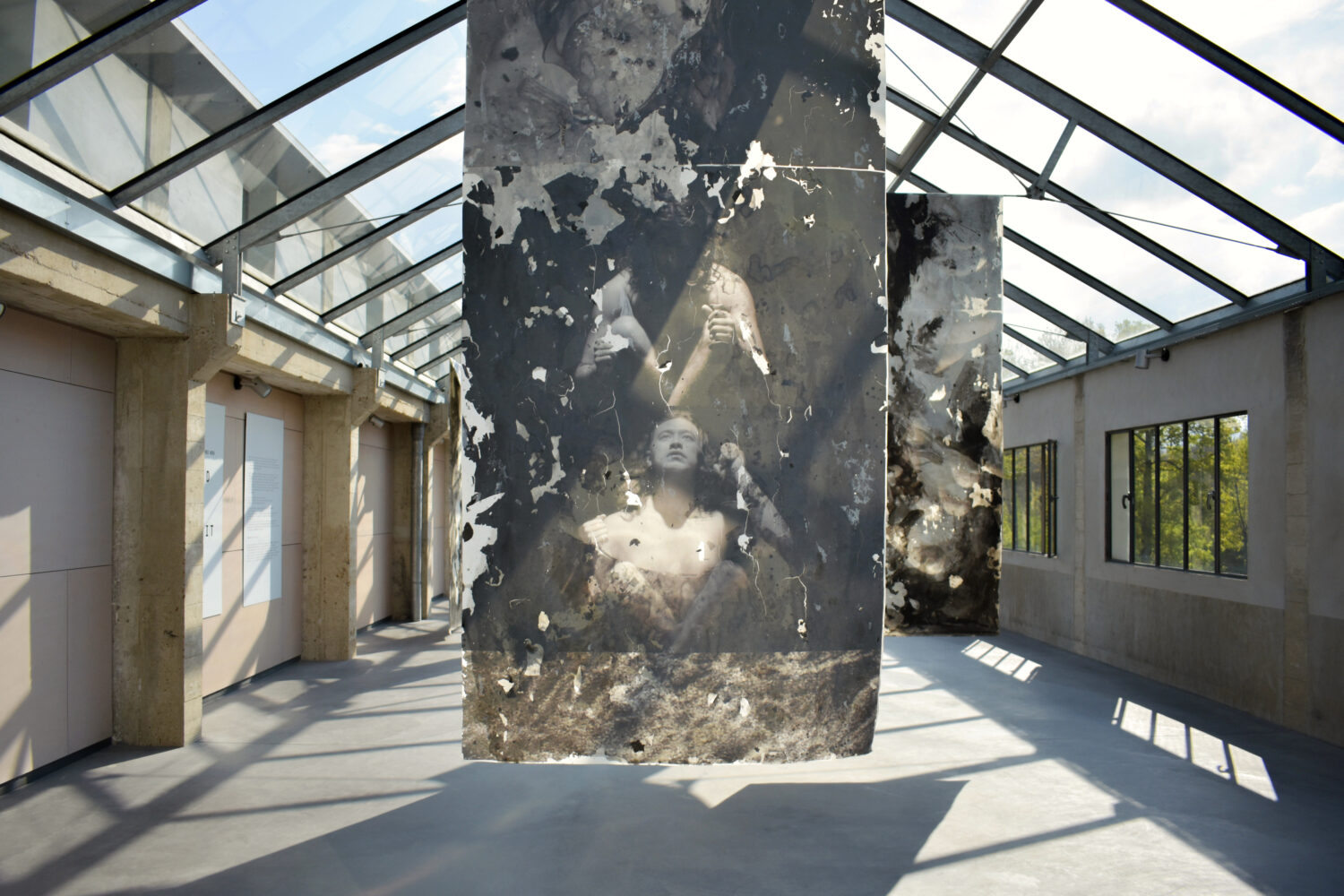
All film stills: Misurgia Sisitlallan, 2020. Courtesy of VAH Studio.
All film stills: Misurgia Sisitlallan, 2020. Courtesy of VAH Studio.