Talaveresco (subtitles)
Talaveresco (subtitles)
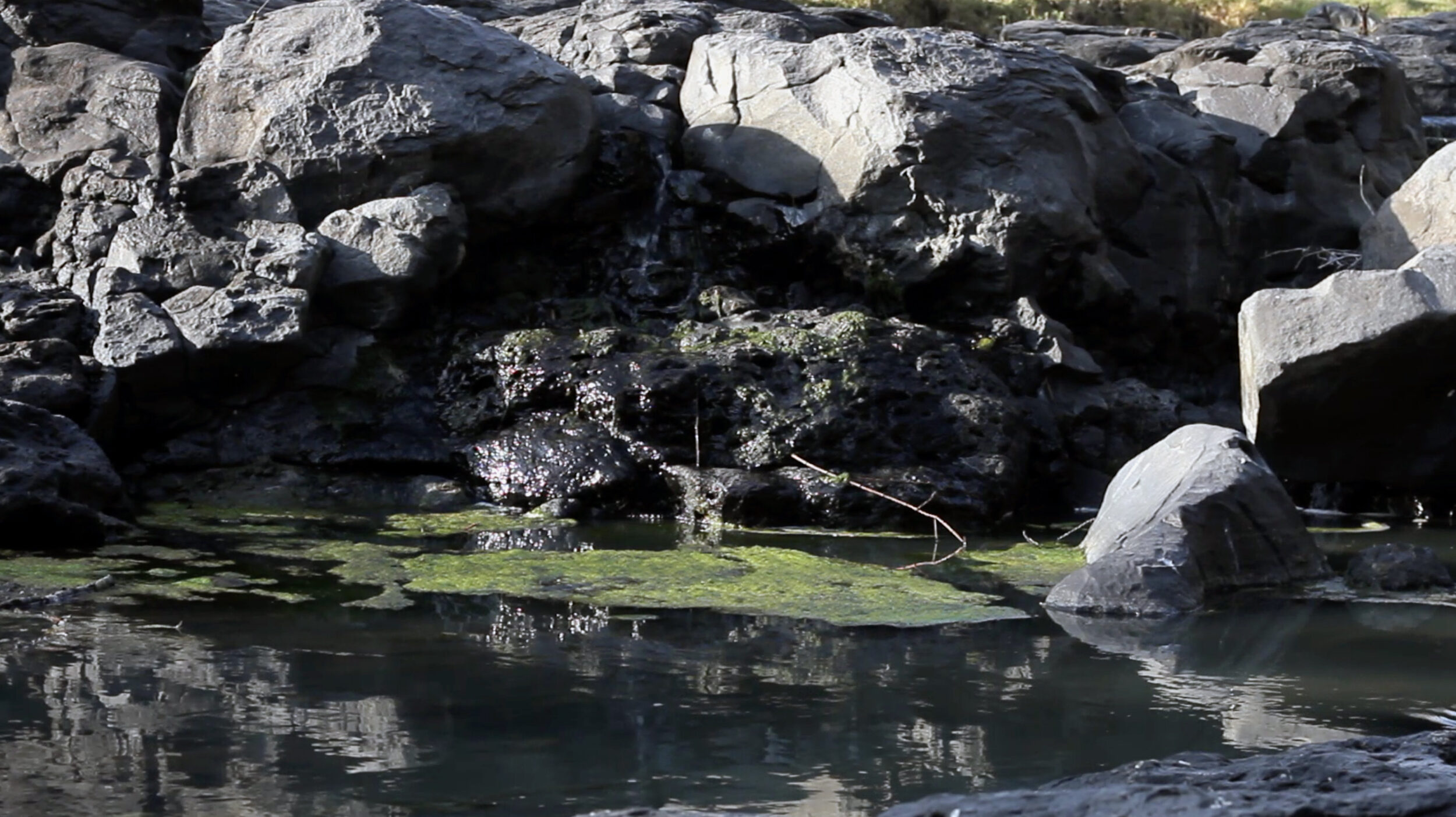
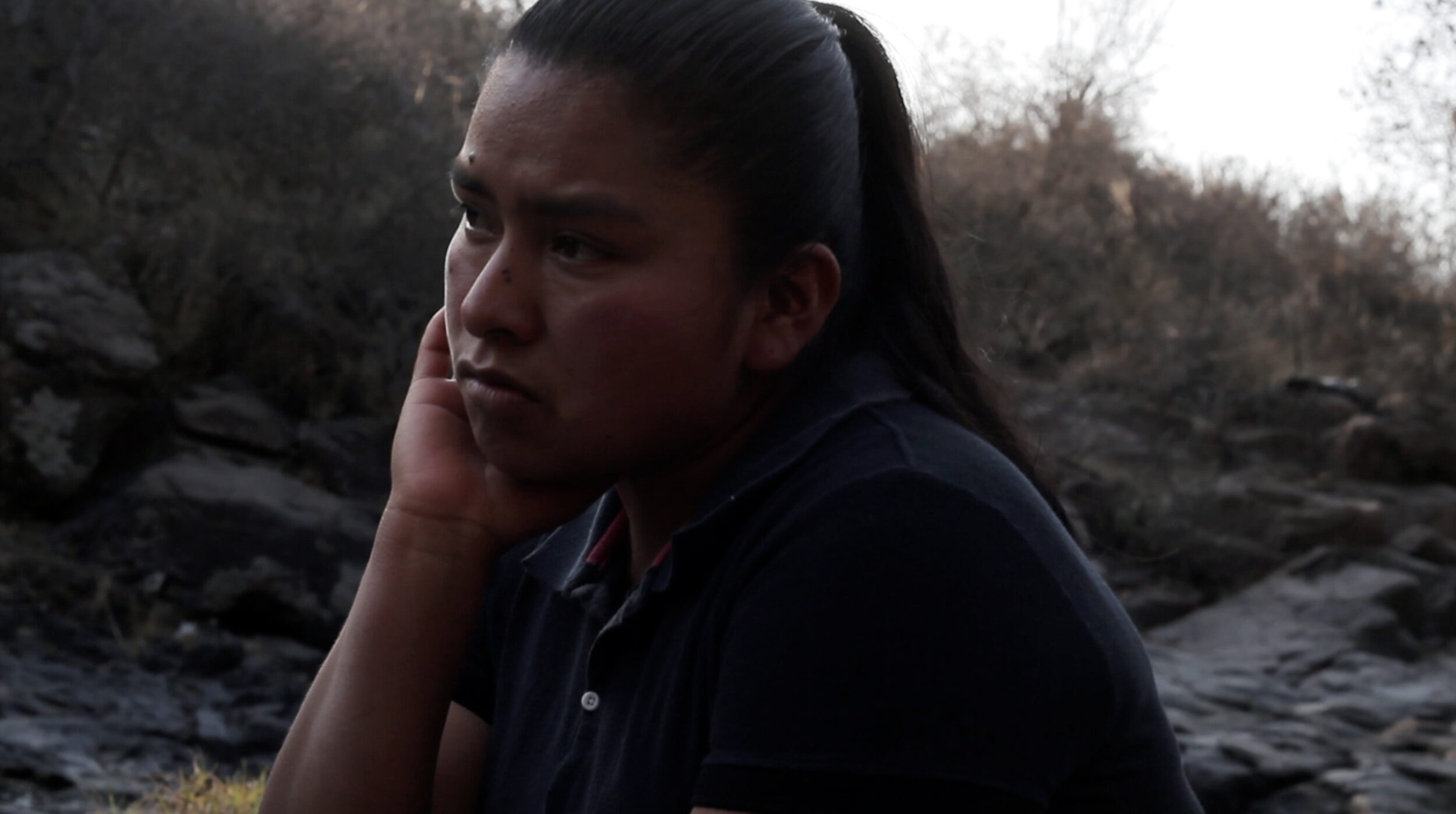
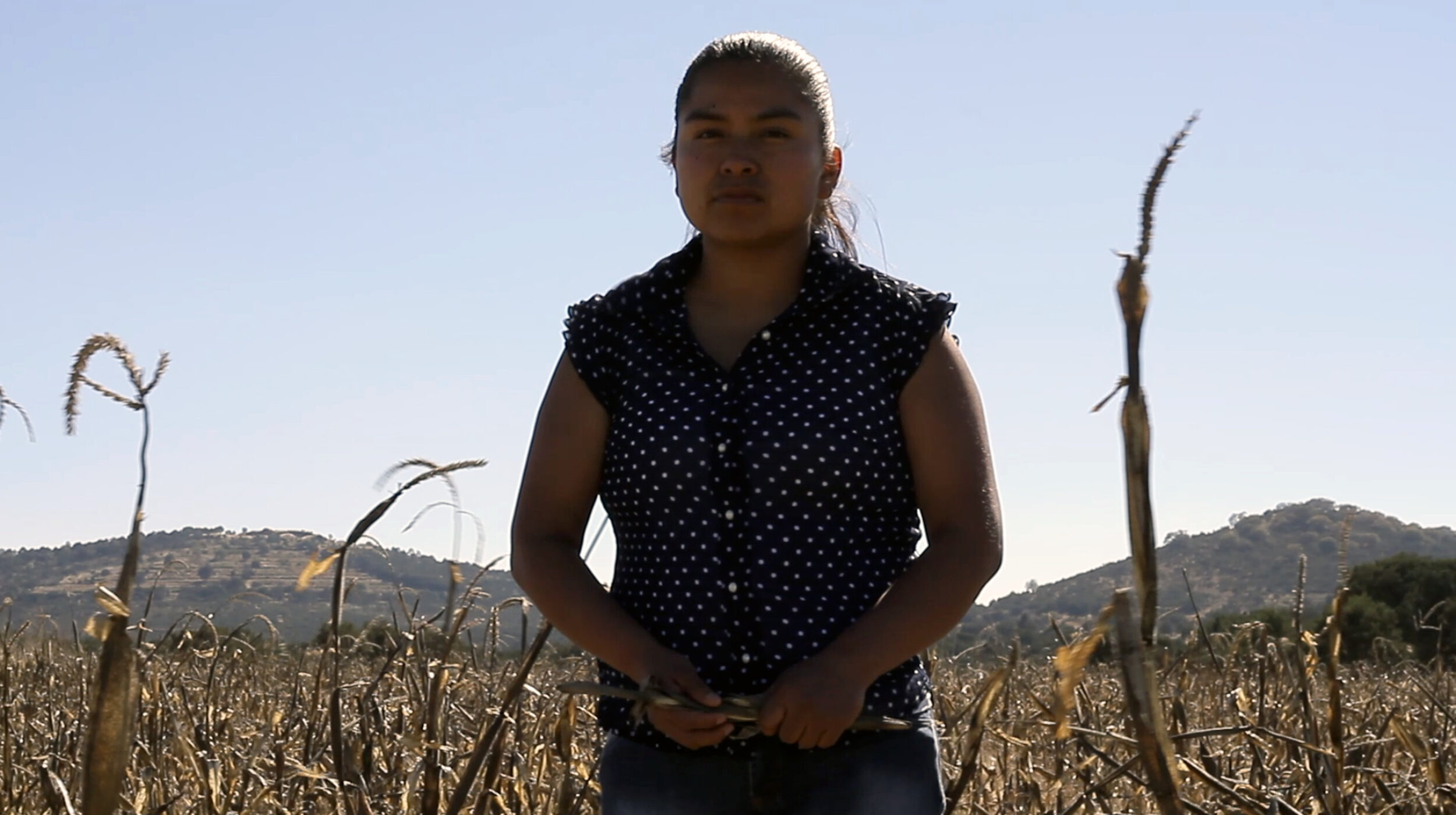
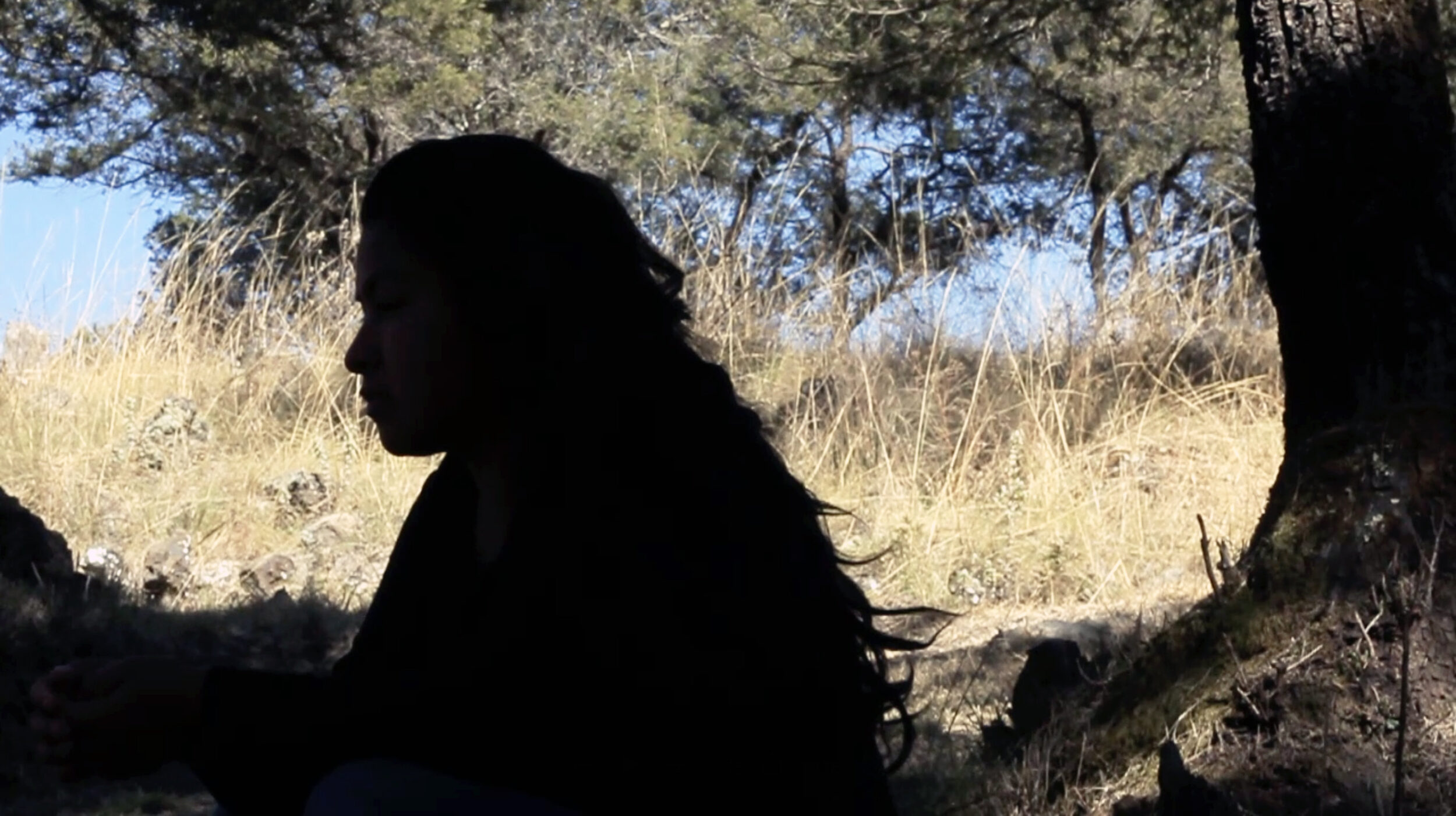
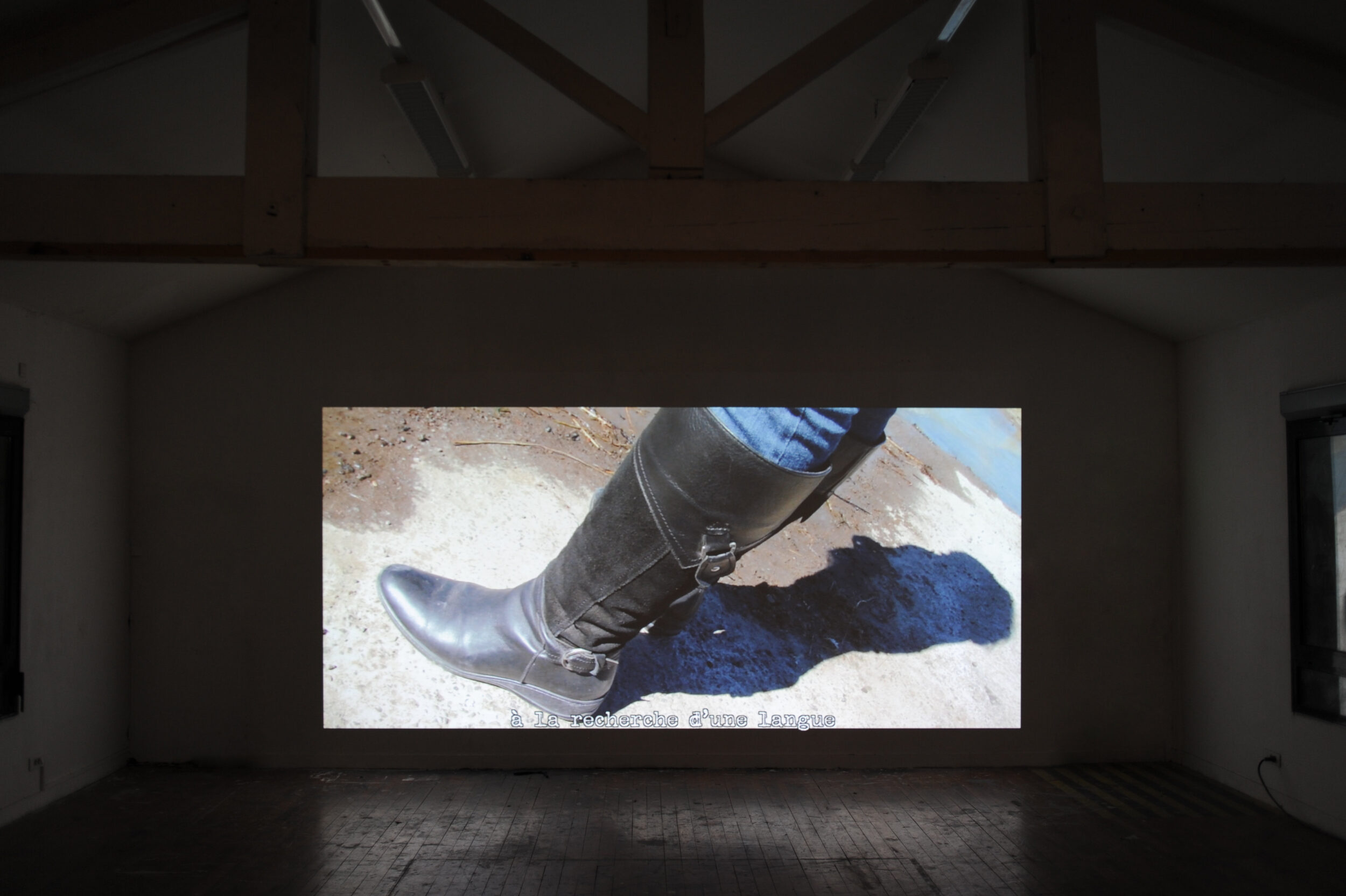
Talaveresco (subtitles) unfolds with Antonia de Jesus, a Me’phaa woman, walking backward along the edge of the water. The movement carries a temporal fold, as if the image were returning through its own sedimented histories. Her voice moves in Me’phaa, a language transmitted without fixed inscription, held in use, in breath, in repetition.
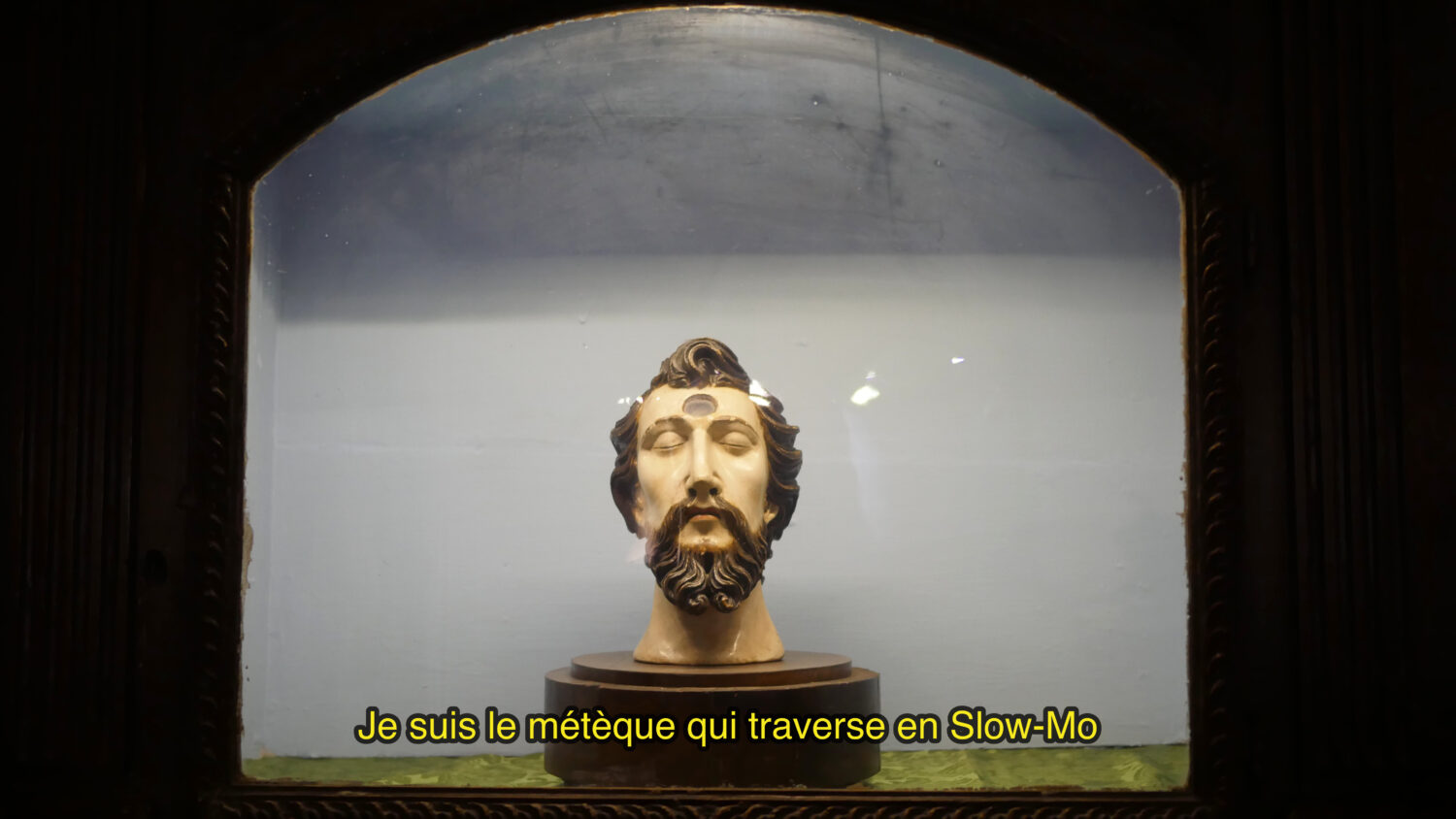
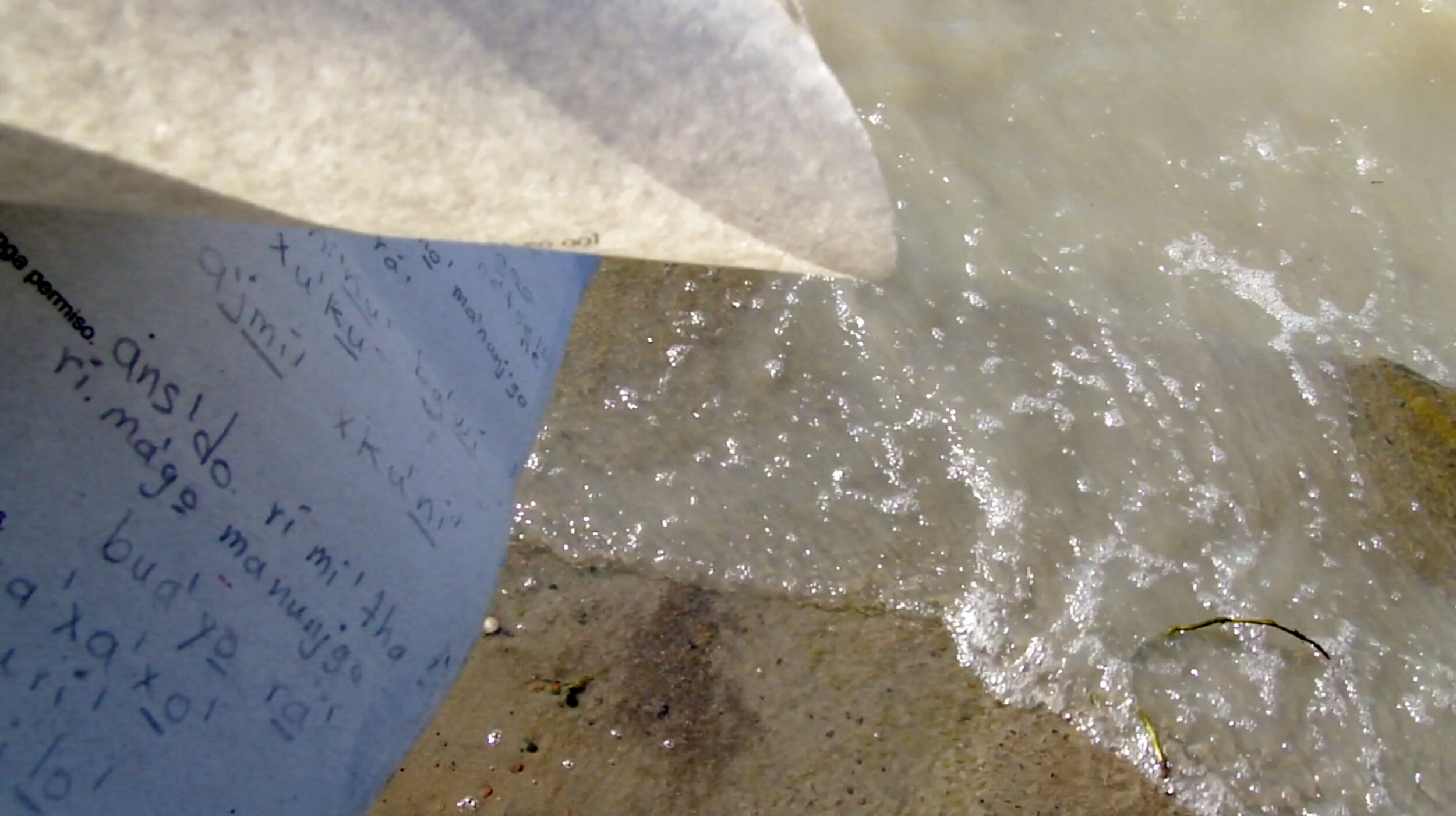
The film passes through translation. Dialogues from Michael Kohlhaas circulate into Me’phaa, shifting from script to oral transmission, from fixed text to variable form. What persists is transformation, drift, rearticulation. Subtitles enter as another current. They give the illusion of translation, as if the voice could be held there. French appears, but does not coincide. Reading falters. The two voices diverge, producing a disruption that resists capture, that refuses to let the language settle into form.
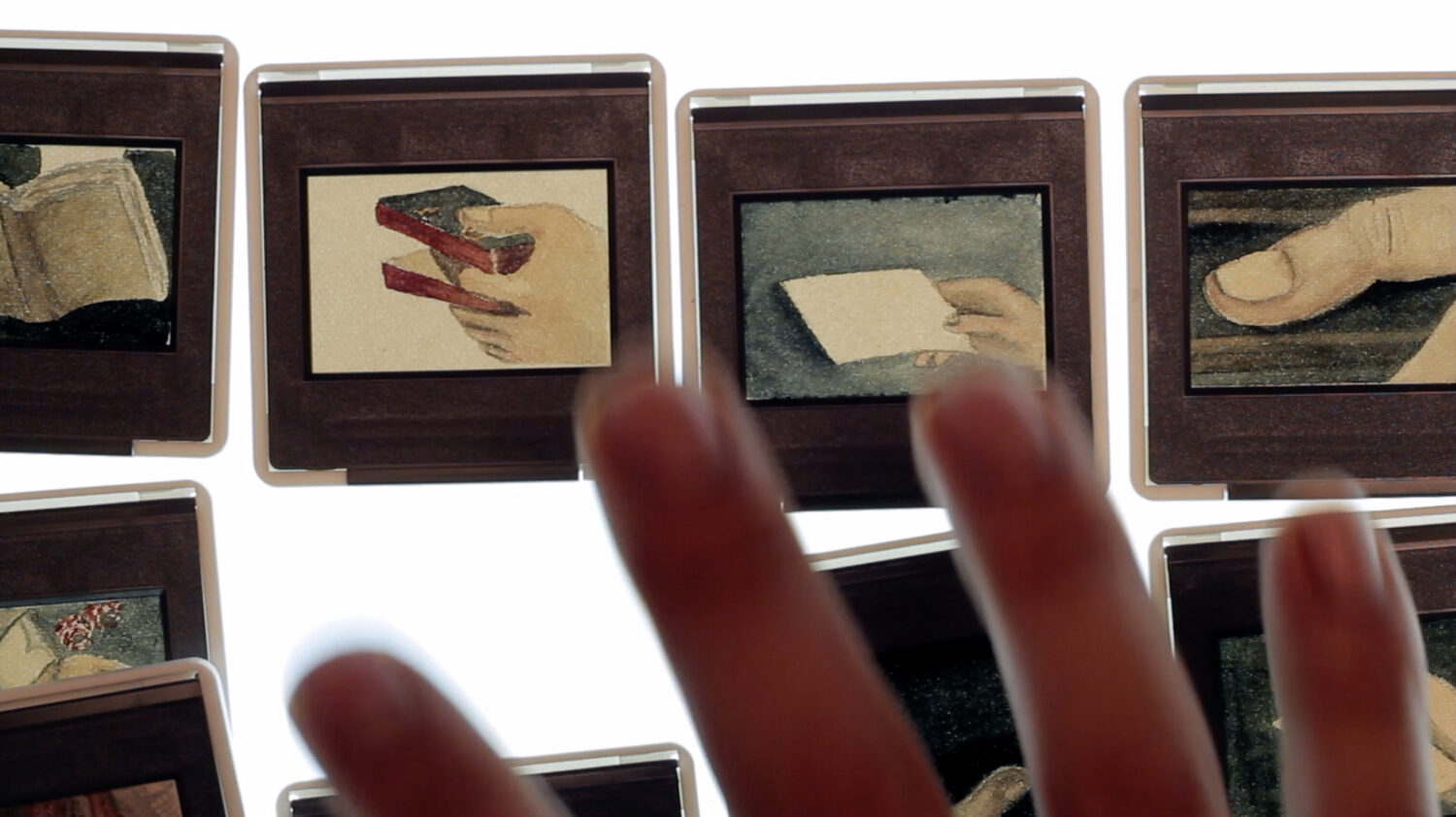
The title carries Talaveresco, a baroque formation marked by excess, ornament, instability. Talaveresco (subtitles) composes a moving archive: fragments, gestures, voices, inflections. A sequence where images are handled, displaced, set back into circulation. The film advances within this movement. Language, image, and body remain entangled, carrying what persists across translation, time, and regimes of visibility.