Les Amitiés Spirituelles
Espace le Carré Lille
Les Amitiés Spirituelles
Espace le Carré Lille
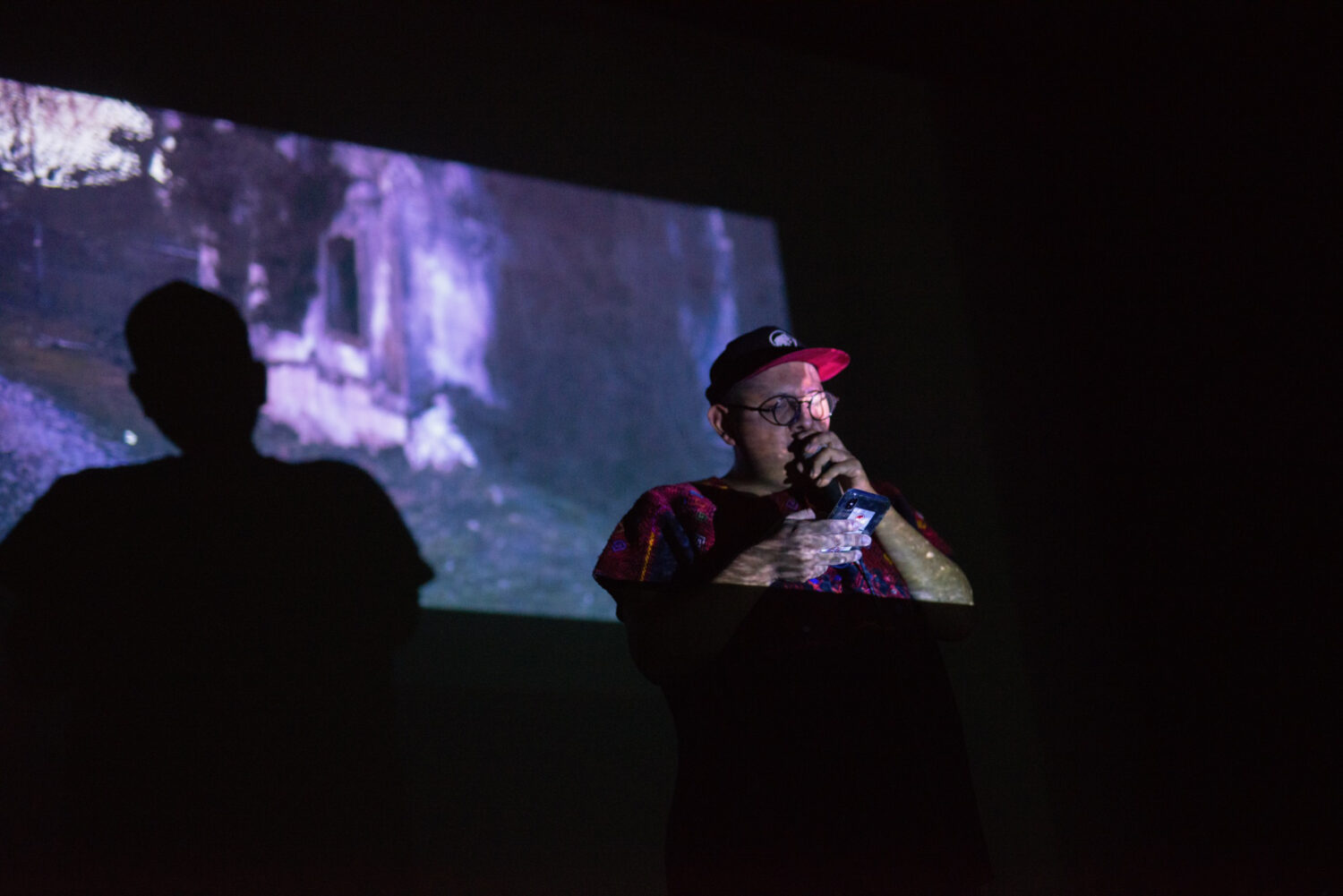
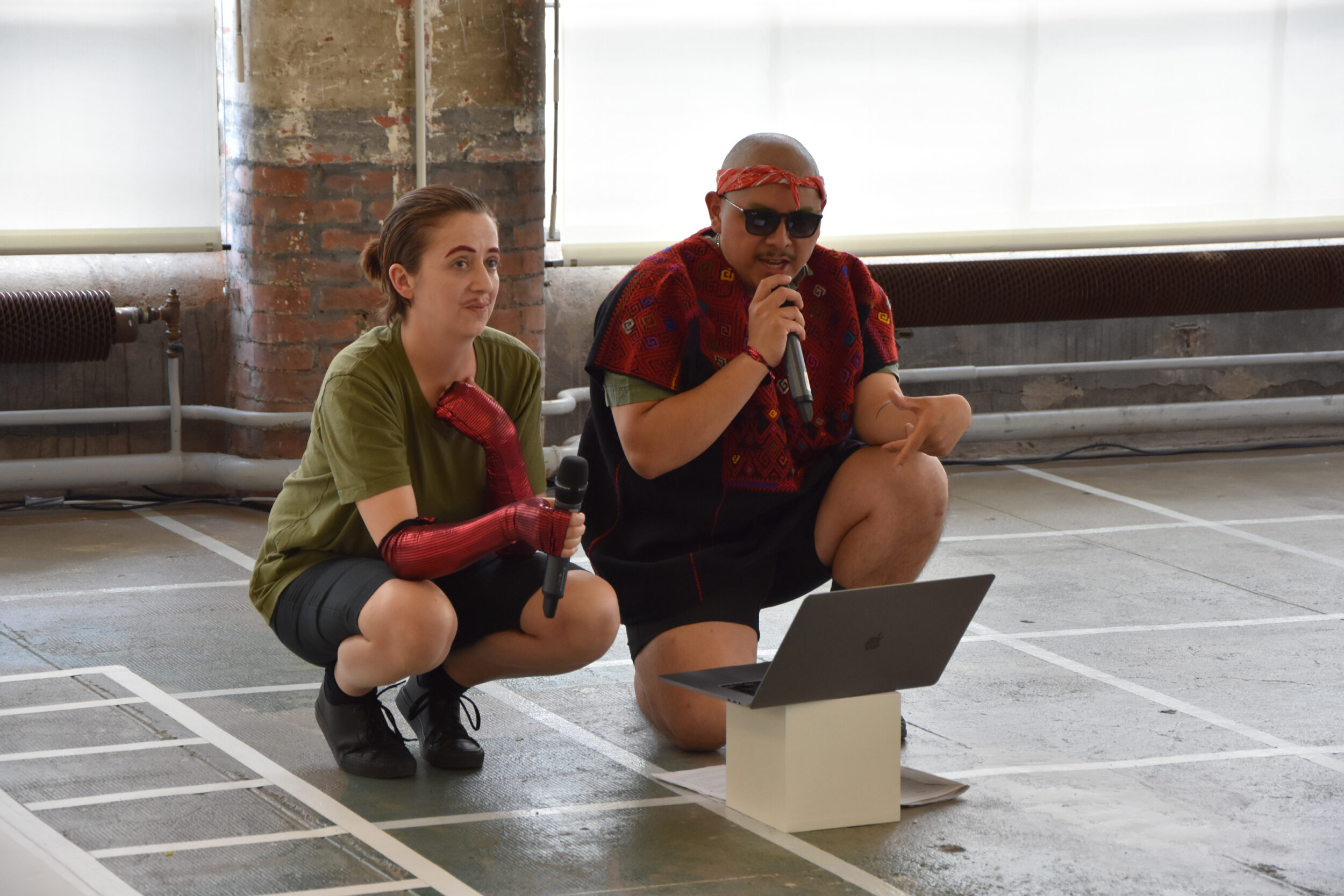
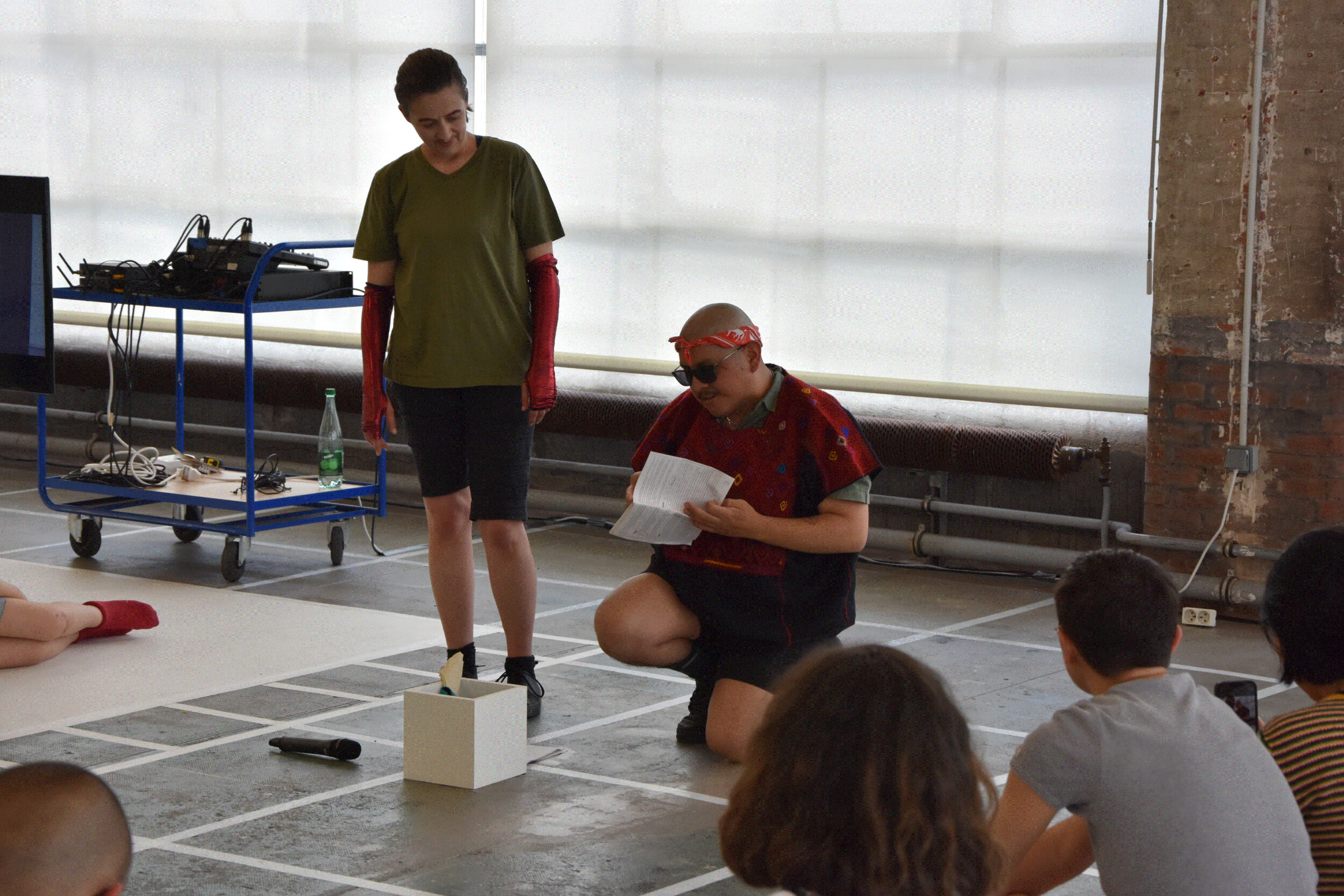
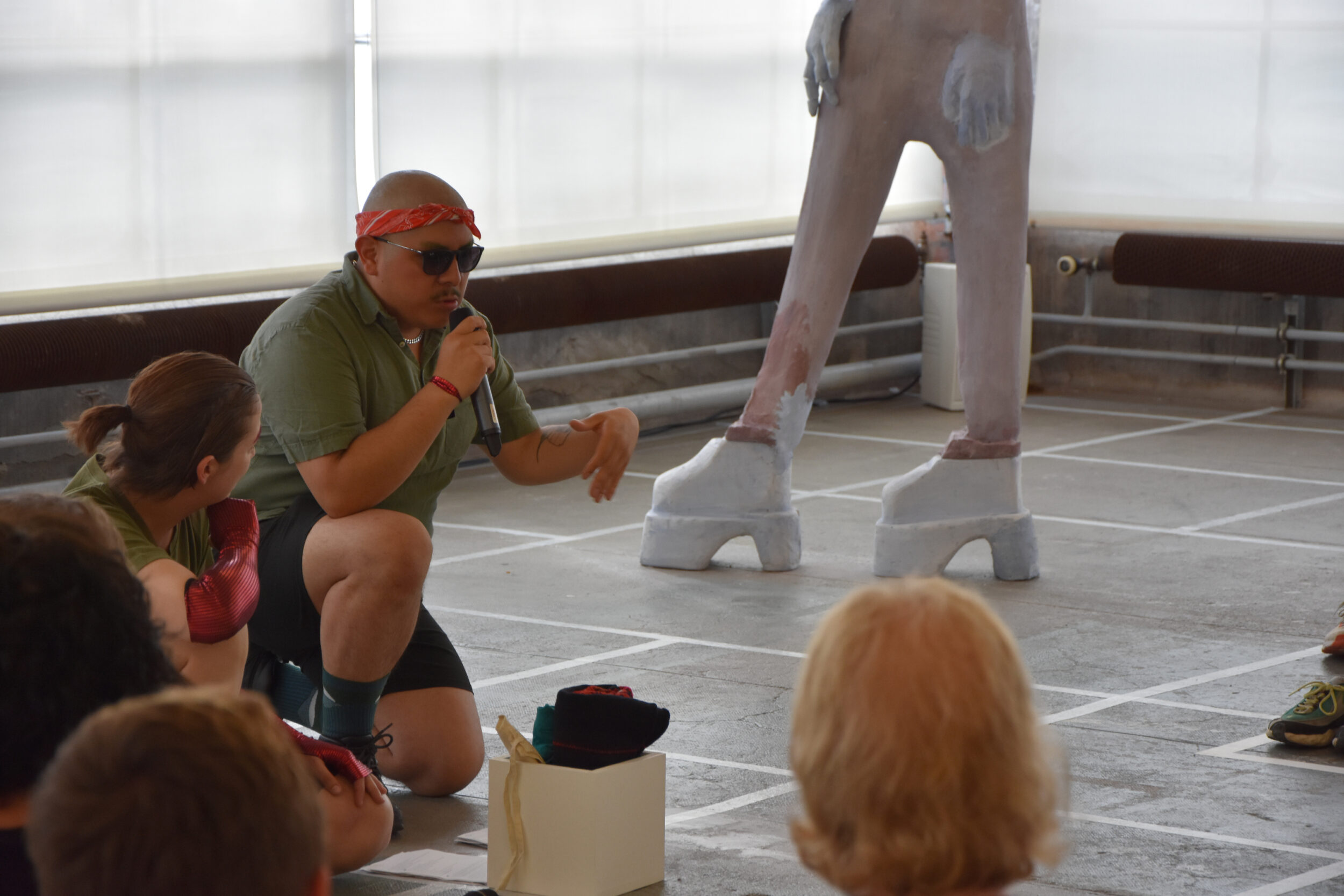
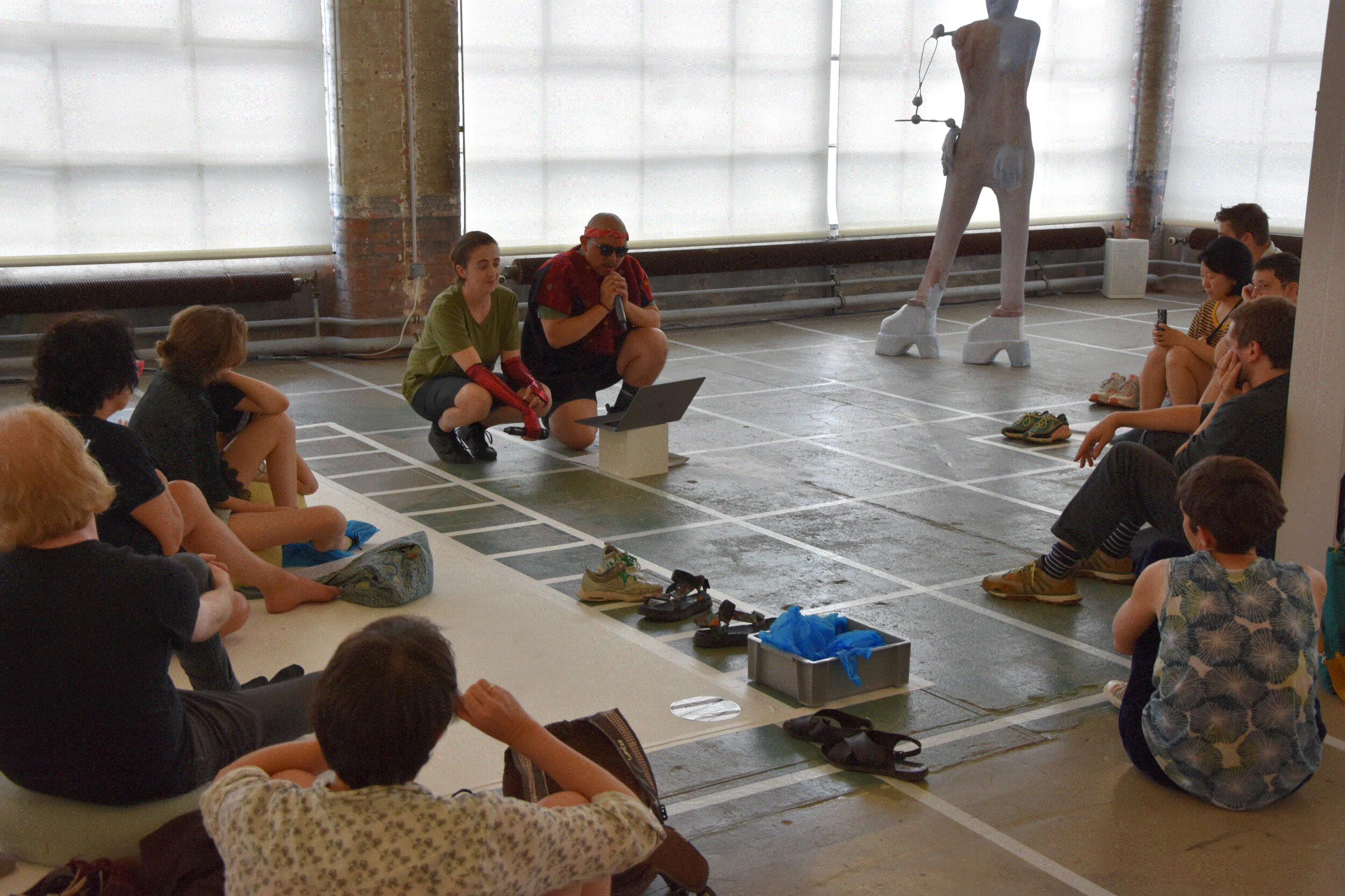
Les amitiés spirituelles is a performed lecture that investigates the long history of intense same-sex attachments prior to the modern stabilization of sexual identity categories.
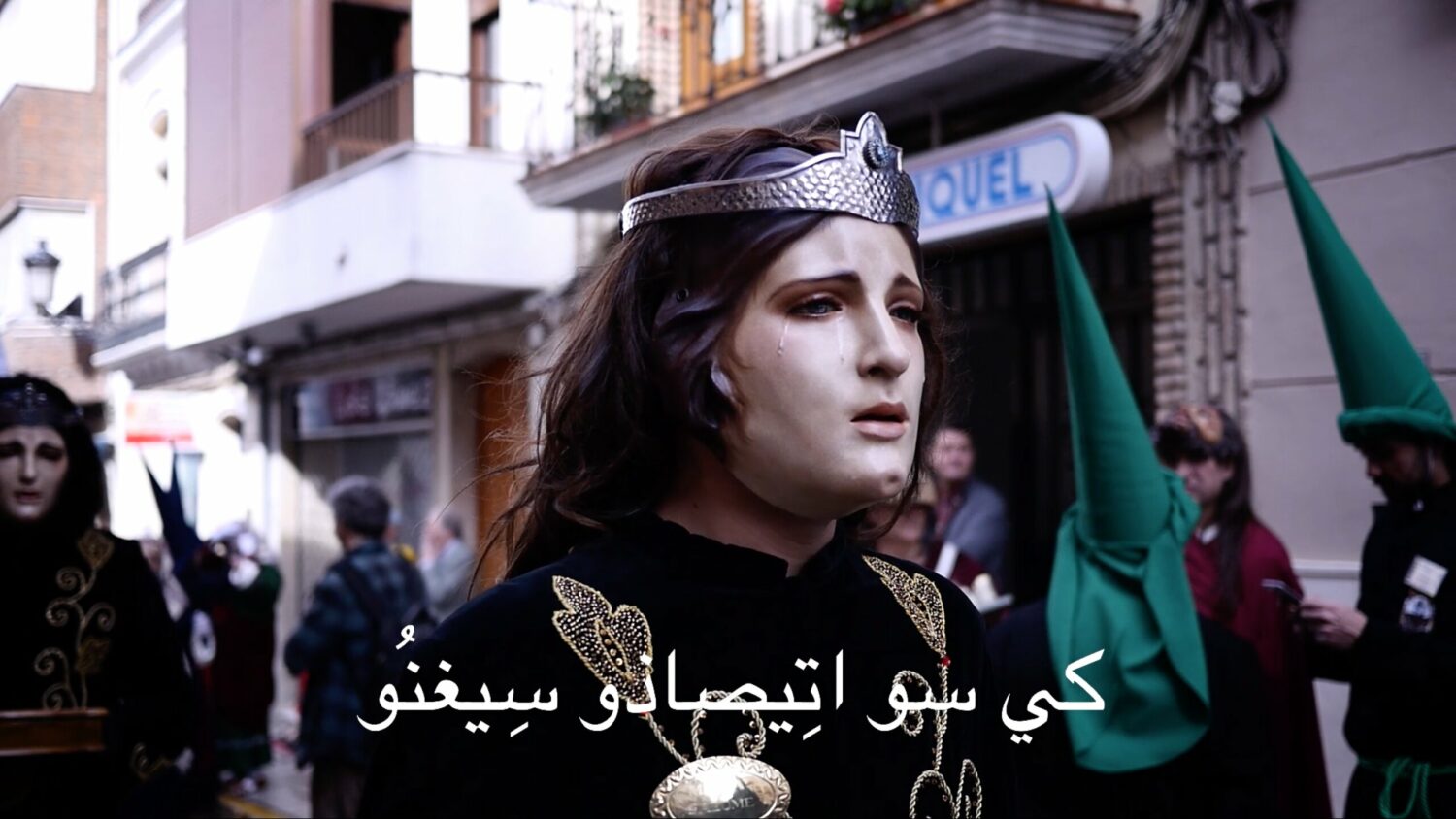
Beginning with De spirituali amicitia by Ælred of Rievaulx, a twelfth-century Cistercian monk, the performance revisits a moment when friendship could be articulated in the language of love without being immediately classified as sin, pathology, or identity. Gestures are central: a kiss, an exchange of breath, a hand brushing the chin. In different historical contexts, these gestures shift in meaning. What was once an emblem of spiritual friendship later becomes eroticized; what was read as erotic may later appear innocent. Affective codes are unstable, historically contingent, politically charged.
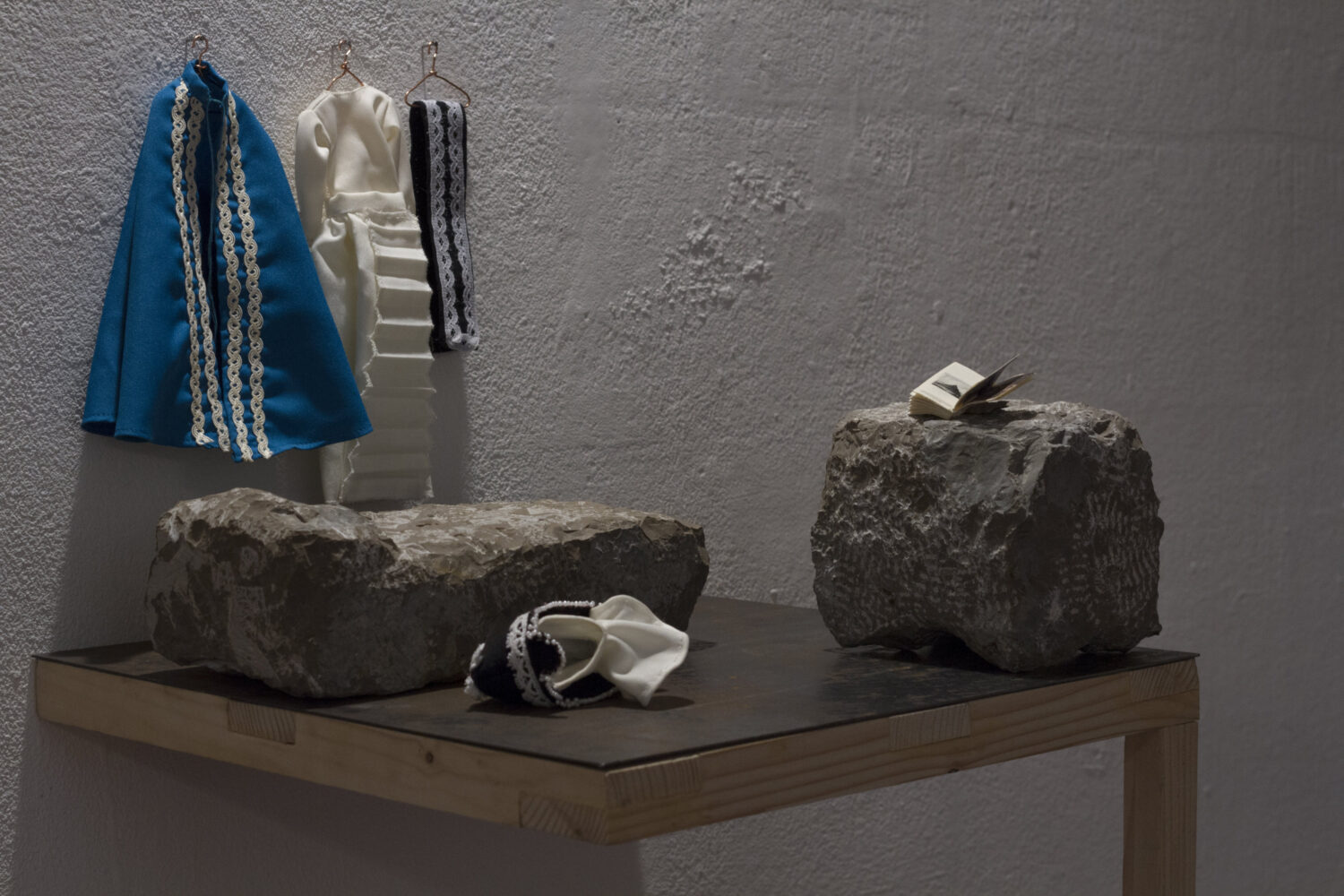
The performance unfolds as a constellation of temporalities. Alongside Ælred appear Gloria Anzaldúa and the chicana imaginary, baroque survivals, the Virgen de Coatlalopeuh, copal incense, the computer screen as altar. Writing is staged as ritual practice, as sacrifice, as a material operation of the body. Spiritual friendship is reimagined in the era of digital correspondence as an embodied form of epistolary intimacy across distance.
The medieval figure of Fanuel, born from the scent of a flower and the juice of an apple, moves through the work as a metaphor for a body that exceeds categorical boundaries. Fanuel shifts across states and forms, human and animal, masculine and feminine, sacred and abject. The text becomes a site of migration, a dream-space in which identities are neither fixed nor singular.
The voices of Hadewijch of Antwerp and Sor Juana Inés de la Cruz extend this genealogy. Their ecstatic, excessive languages of love, whether addressed to God or to a woman, complicate the separation between mysticism, devotion, and desire. The performance lingers on this instability: at what point does love become sin, then doctrine, then silence, then archive?
The disappearance of spiritual friendship at the end of the Middle Ages, and its replacement by a more surveilled and moralized concept of love, frames the historical arc of the piece. The work approaches these affective archives not as nostalgic recoveries, but as speculative tools for thinking contemporary forms of relationality beyond stabilized identity frameworks.
Clovis Maillet
Clovis Maillet is a medievalist, writer, and filmmaker who reads the Middle Ages through queer and trans lenses, turning saints, mystics, and forgotten bodies into living questions about gender and desire.
Juana was a poet and philosopher in colonial Mexico. She wrote with unusual intellectual freedom, expressing what we would today call queer desire. She publicly defended women’s right to study and think, enduring the tension between faith and insubordination.
Gloria E. Anzaldúa – Borderlands / La Frontera
Le Roman de saint Fanuel – anonyme
Hadewijch of Antwerp – Visions and Poems
Sor Juana Inés de la Cruz – Redondillas