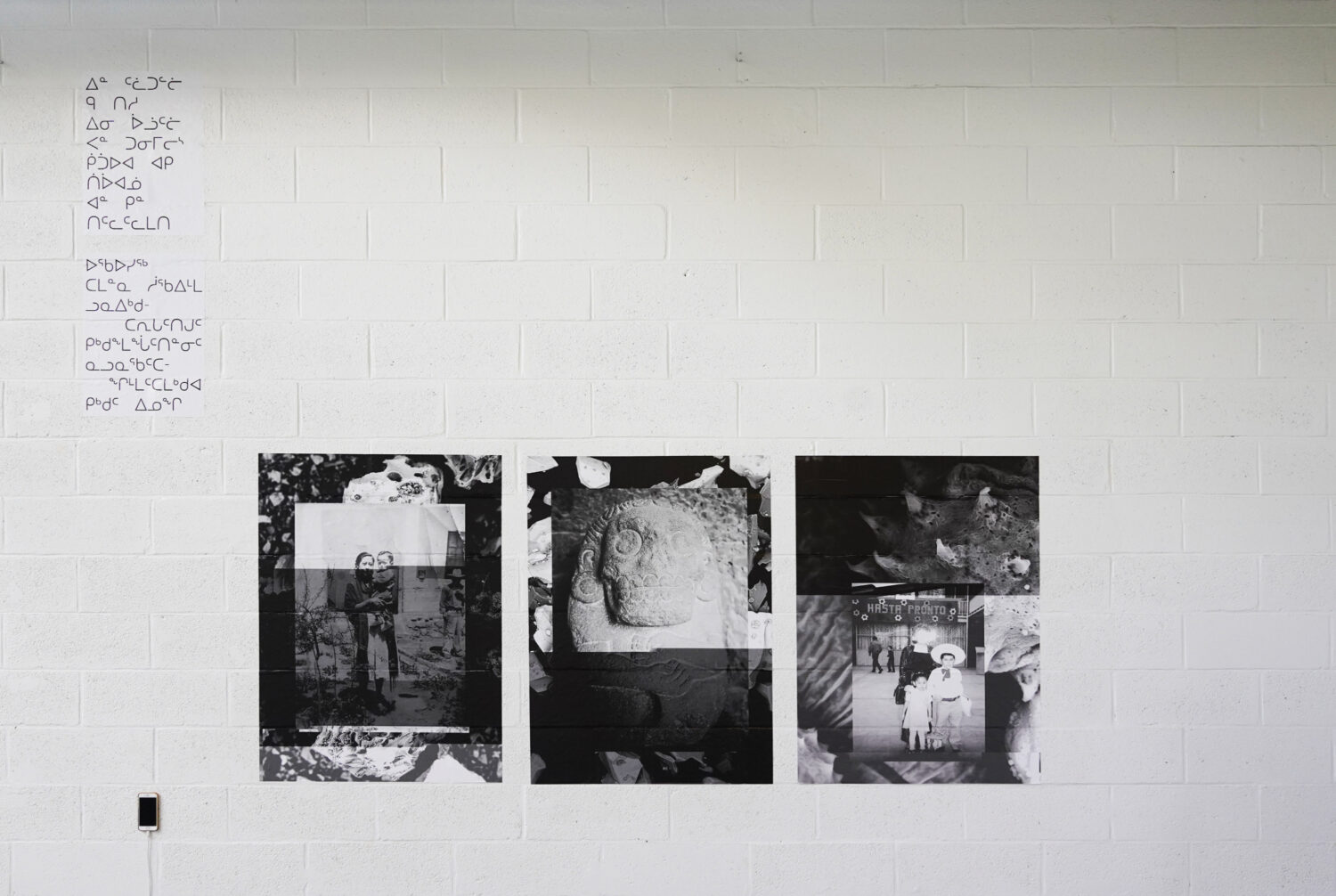
A Room of One’s Ghosts
A Room of One’s Ghosts
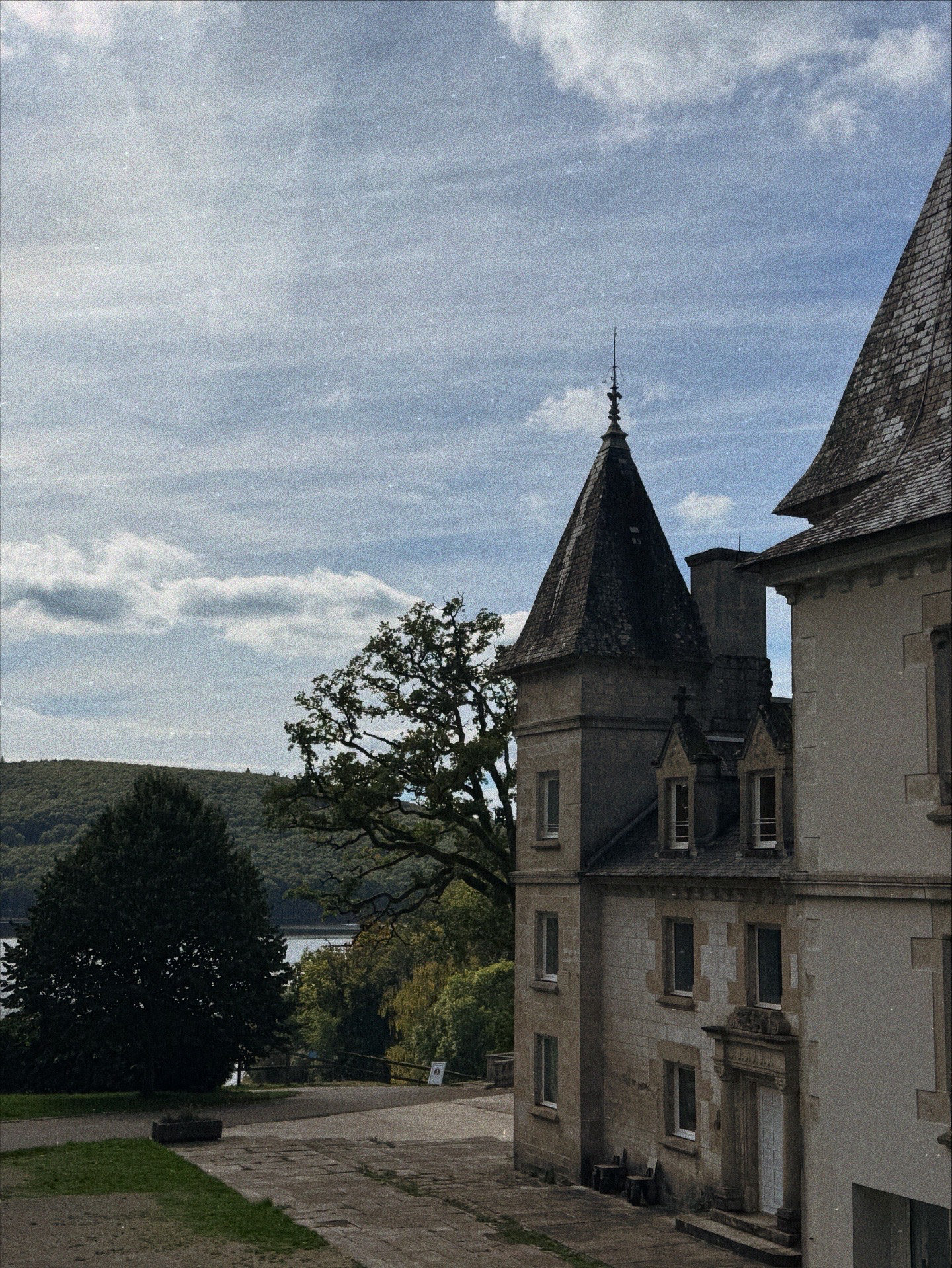
This residency took place on Île de Vassivière, within the framework of the Centre international d’art et du paysage de Vassivière.
The stay unfolded within a context marked by racist violence and a media campaign that exposed the contradictions of the surrounding Plateau de Millevaches: a territory shaped both by alternative, anti-capitalist modes of living and by persistent structures of racial hostility. This condition marked the work and reframed listening as a situated act, inseparable from histories of exclusion, dissidence, rural abandonment, and the presence of minoritized people.
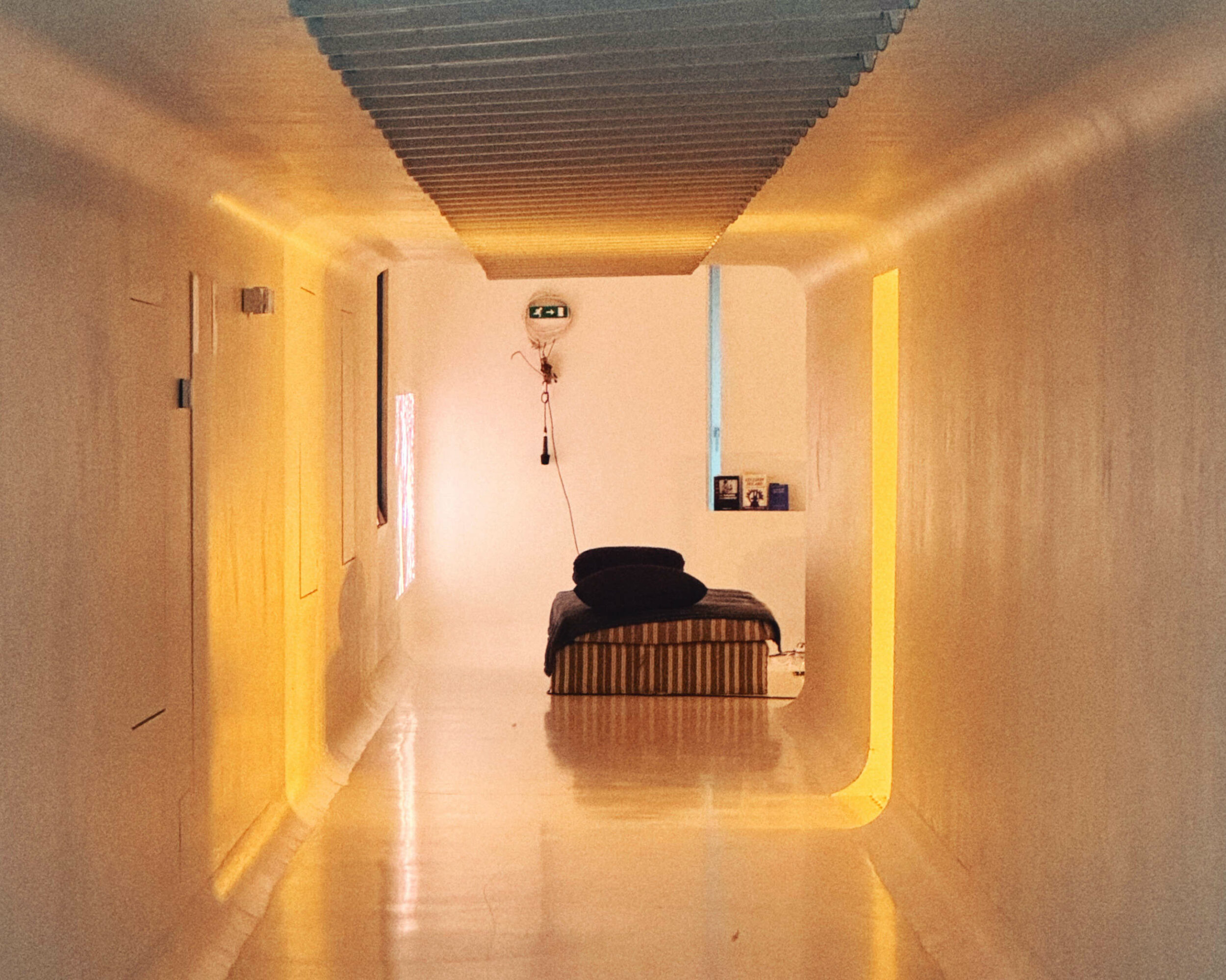
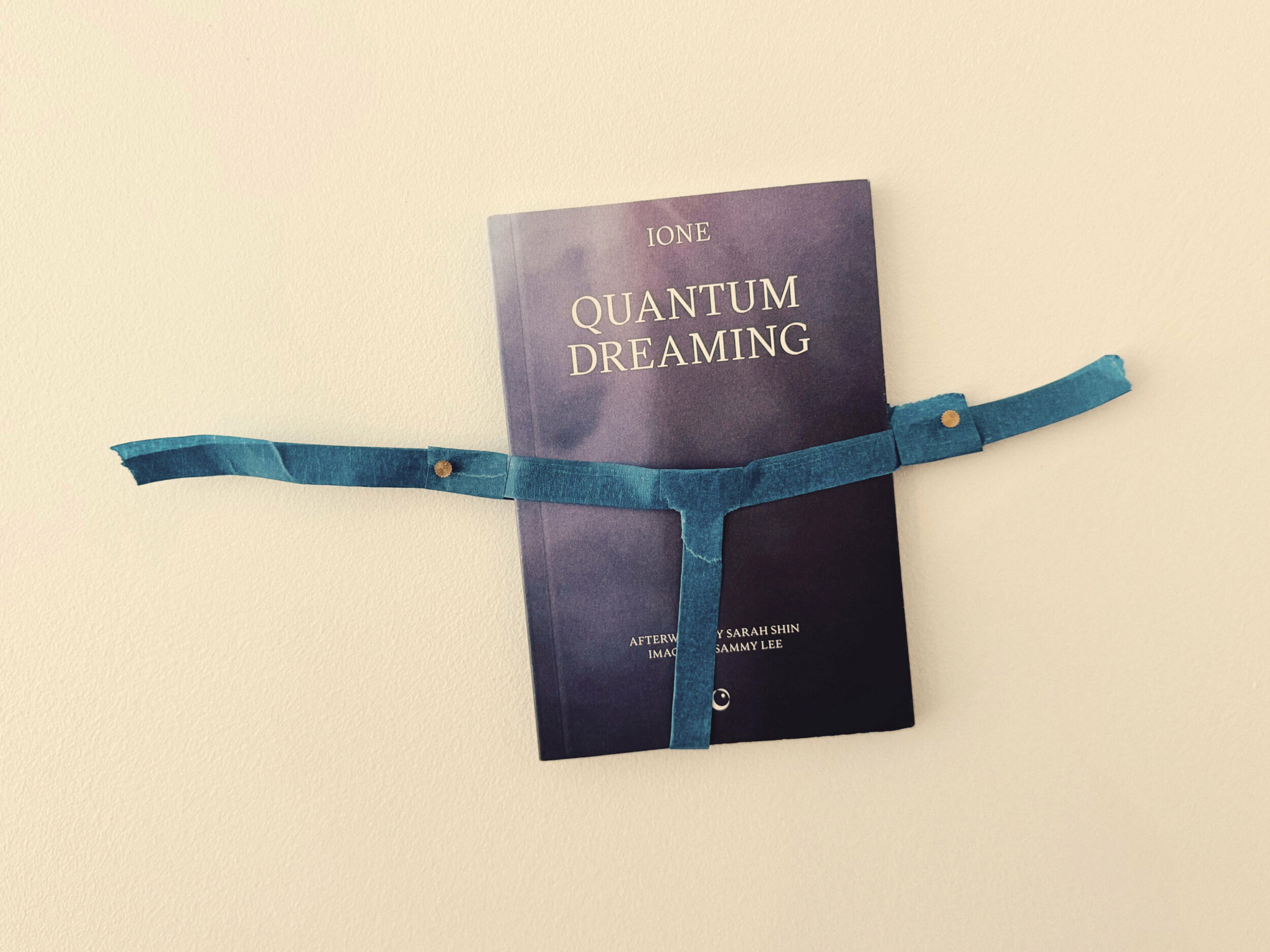
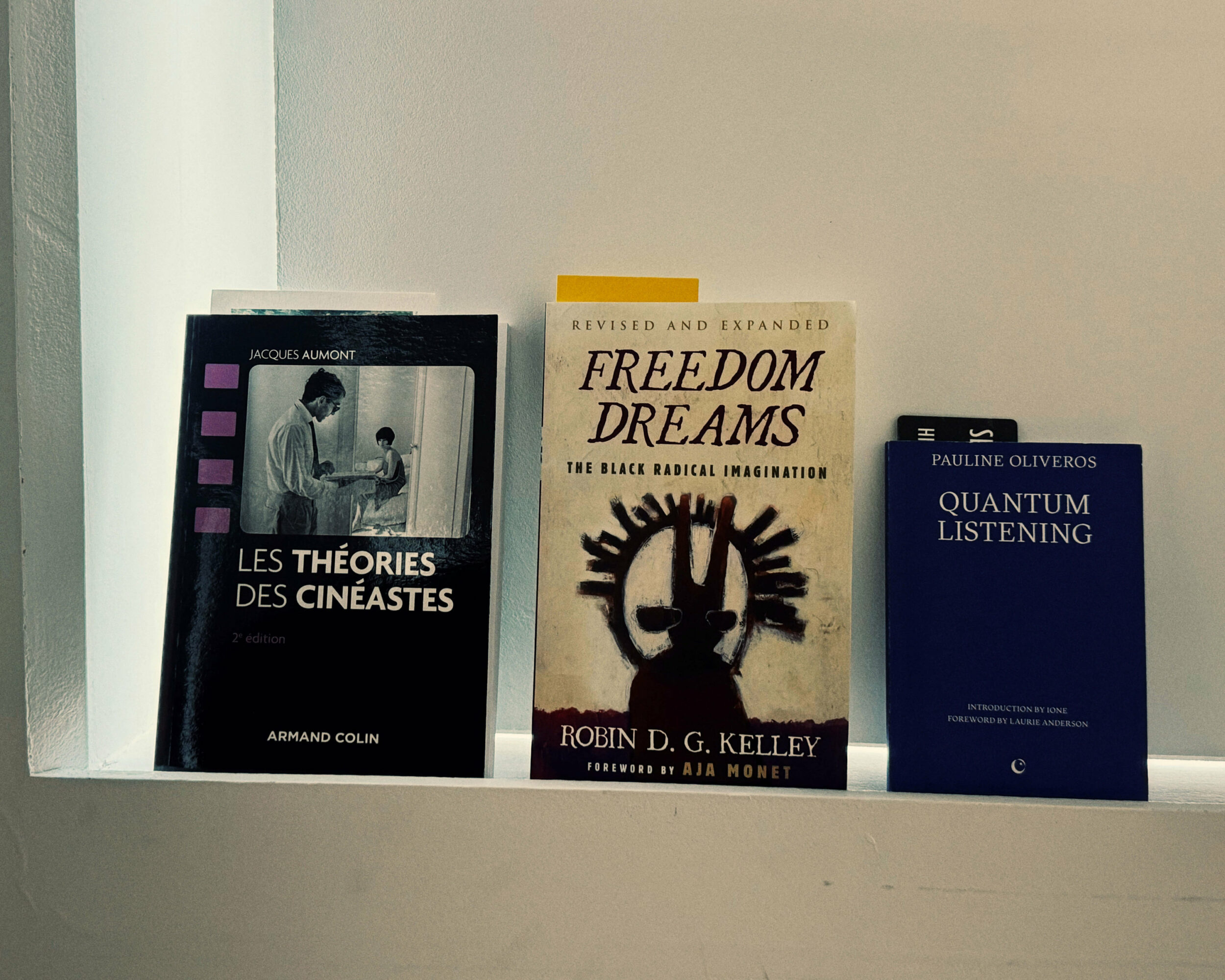
The work developed through listening-based research, material testing, and reading practices, engaging sound, scent, vibration, and minor infrastructures as tools for approaching haunted territories. The process drew on collective and theoretical resources including Quantum Dreaming by Ione, Quantum Listening by Pauline Oliveros, Freedom Dreams by Robin D. G. Kelley, Sonic Agency by Brandon LaBelle, and Les Âmes sauvages: face à l’Occident, la résistance d’un peuple d’Alaska by Nastassja Martin. These texts operated as thinking instruments for approaching vibration, fugitivity, and listening as political practice.
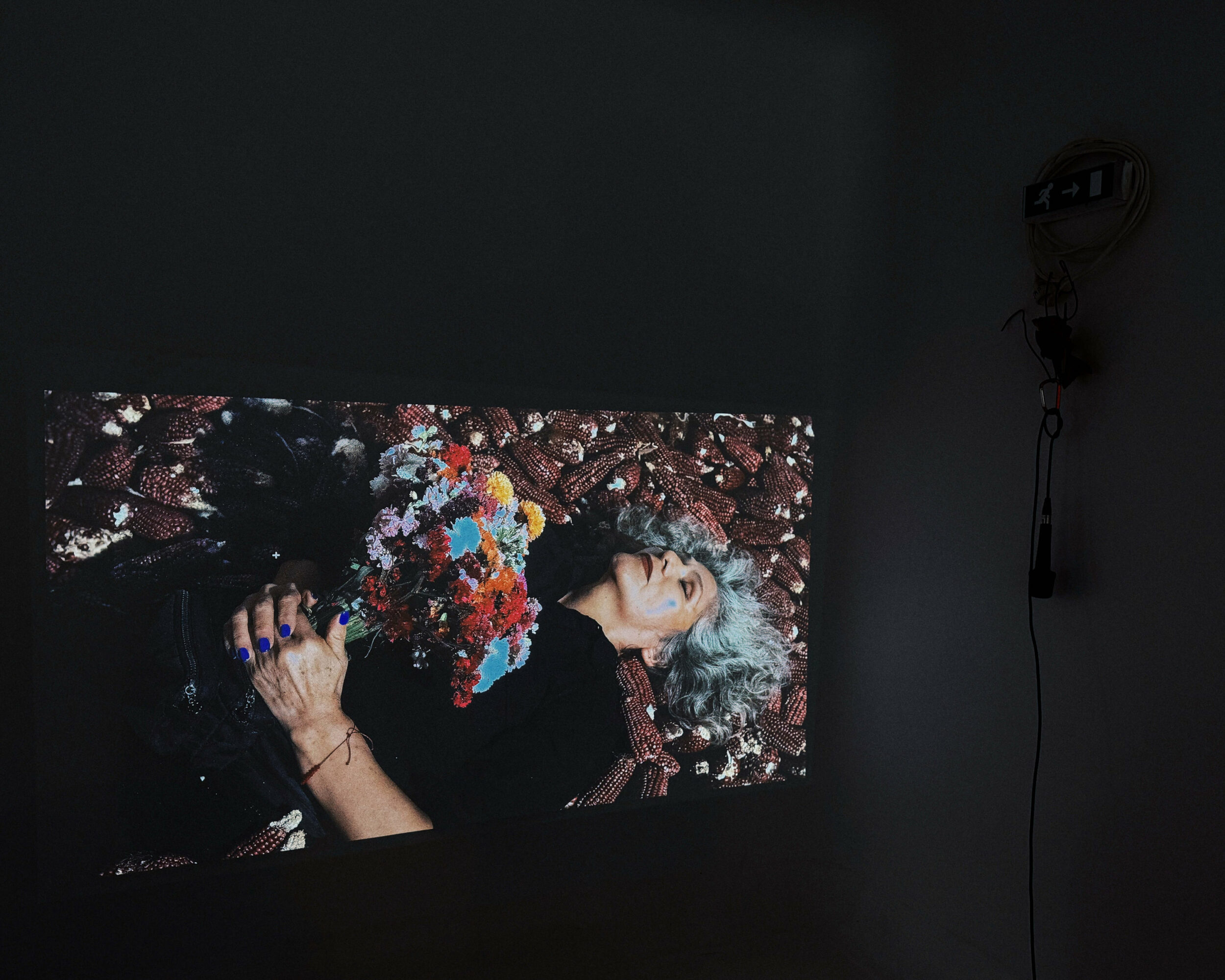
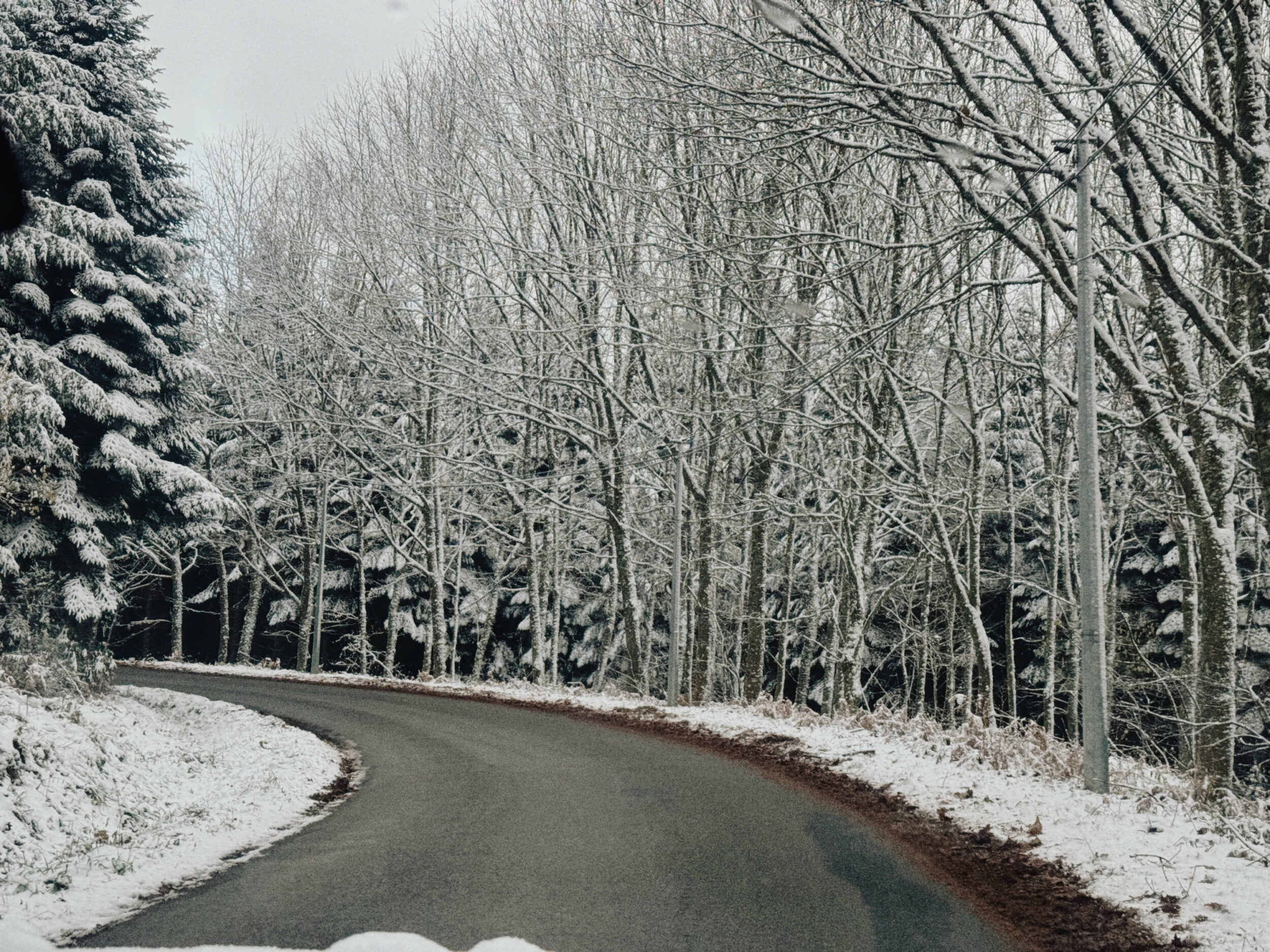
The research asked how rural landscapes record dissident life. How memory sediments in forests, lakes, informal archives, and abandoned infrastructures. How territories retain traces of migration, refusal, and collective survival beyond the urbanite gaze. This inquiry was informed by understandings of environments as recording fields, where gestures, thoughts, and dreams enter a latent archive held by human and non-human actors alike. From this perspective, sound, scent, and vibration became methods for approaching what persists beneath visibility.
During the residency, I sought continuity with previous artistic presences on the island, reaching out to Nadia Myre and Denetem Touam Bona, and engaging with artists living nearby in Eymoutiers, notably Aëla Maï Cabel, as well as Treignac Project. These exchanges contributed to a dispersed field of relations extending beyond the institutional frame, reflecting on the agency of working from and thinking outside metropolitan centers, and on reappropriating belonging and futurity from rural sites.
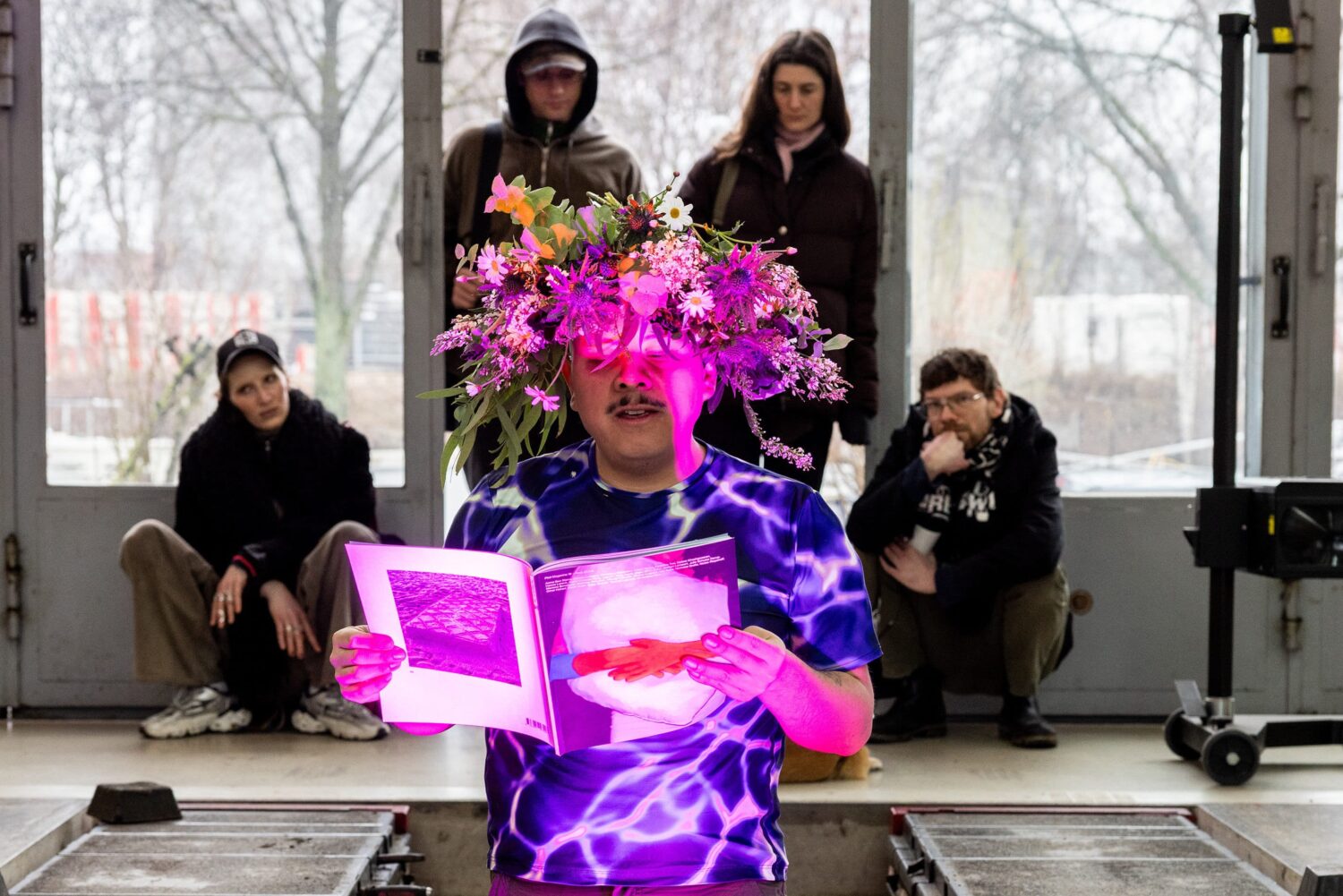
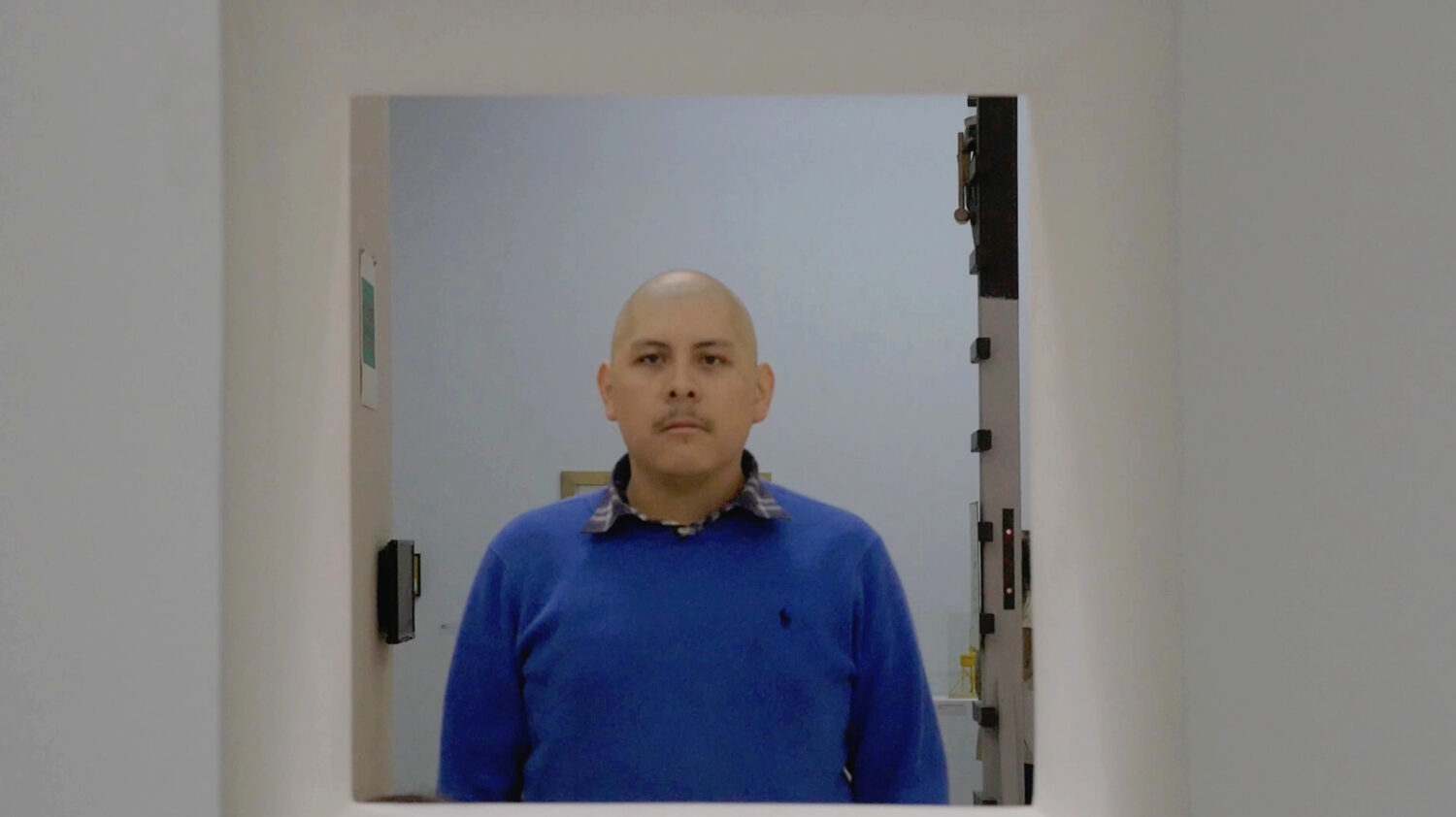
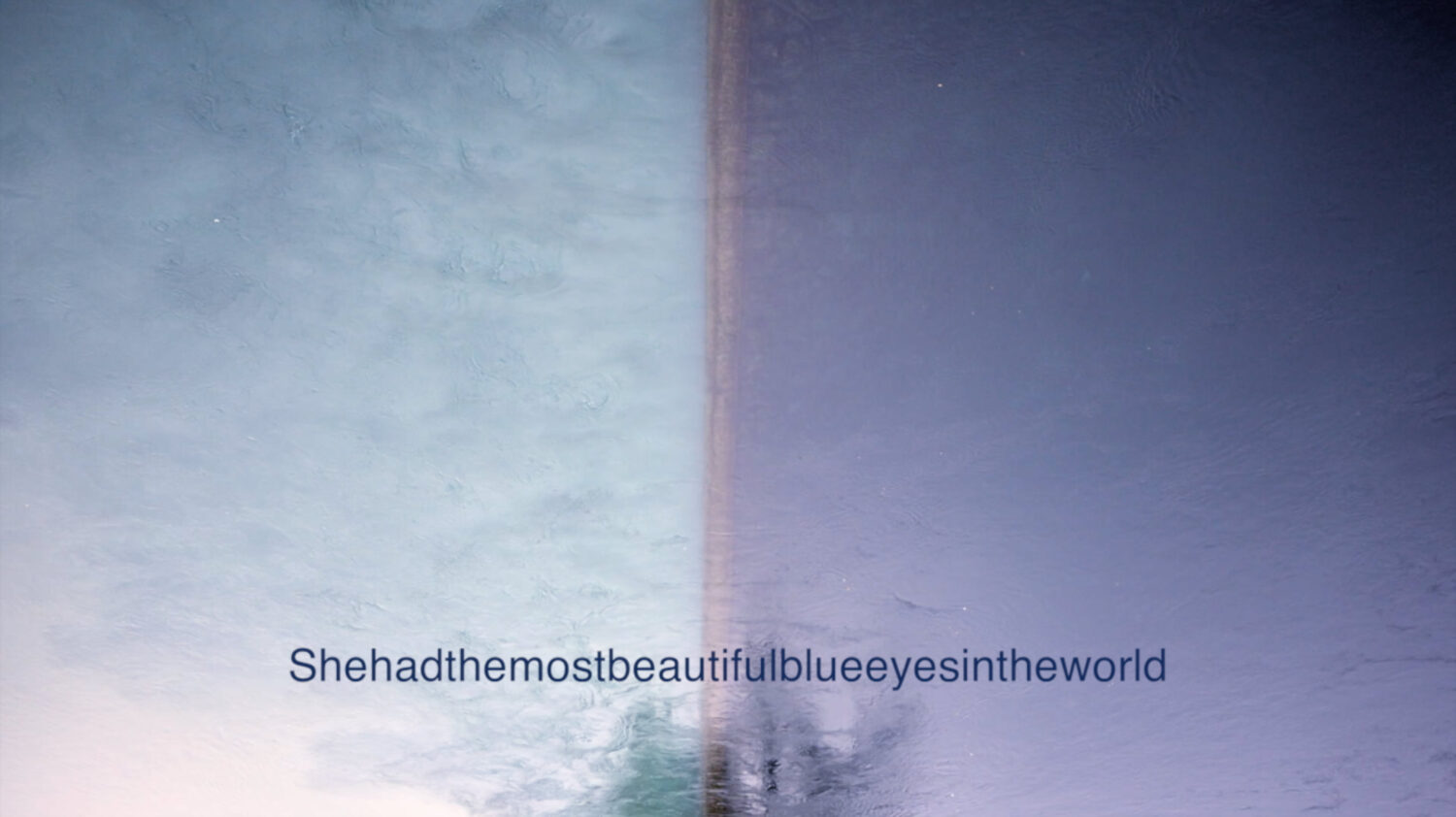
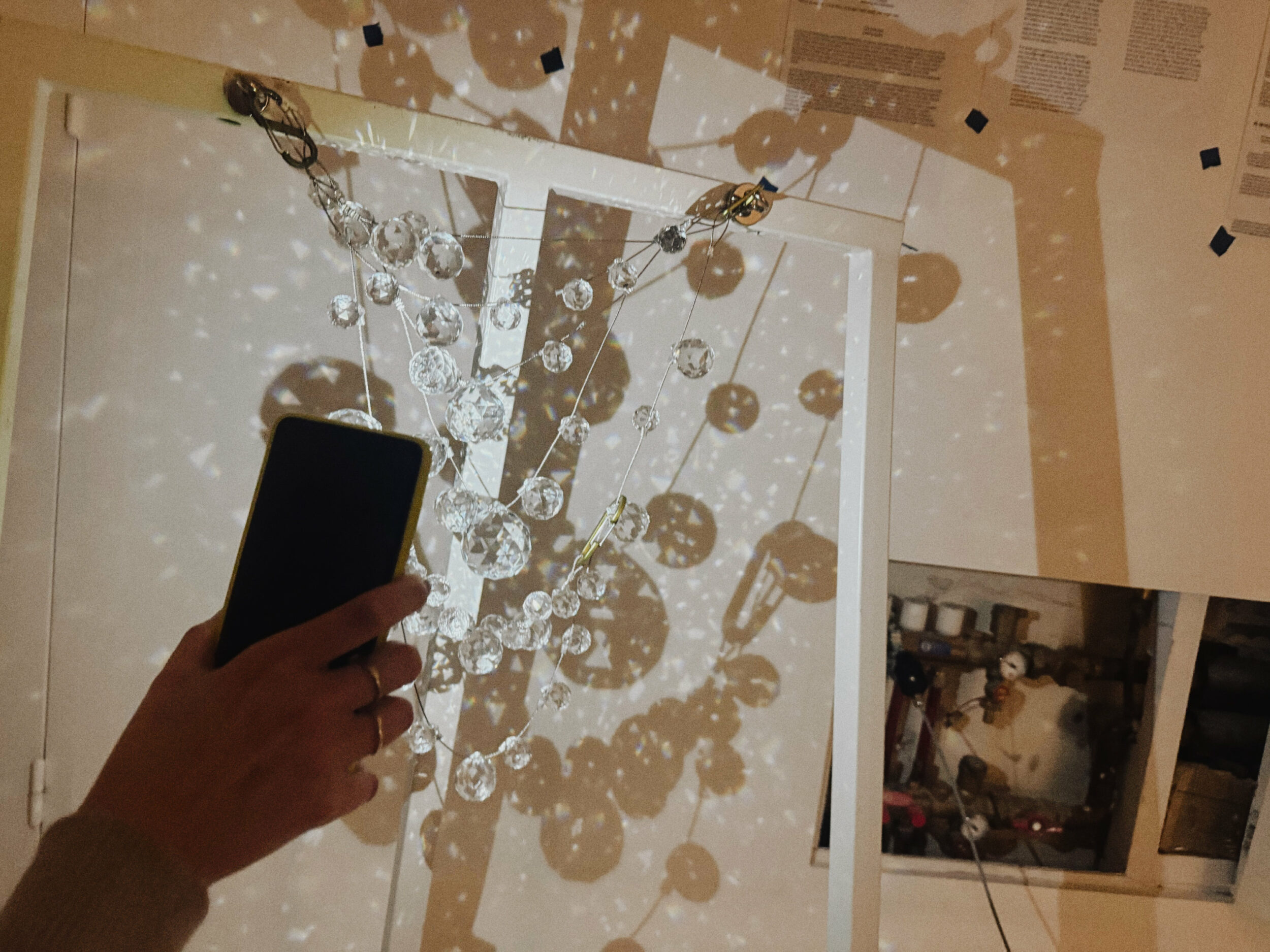
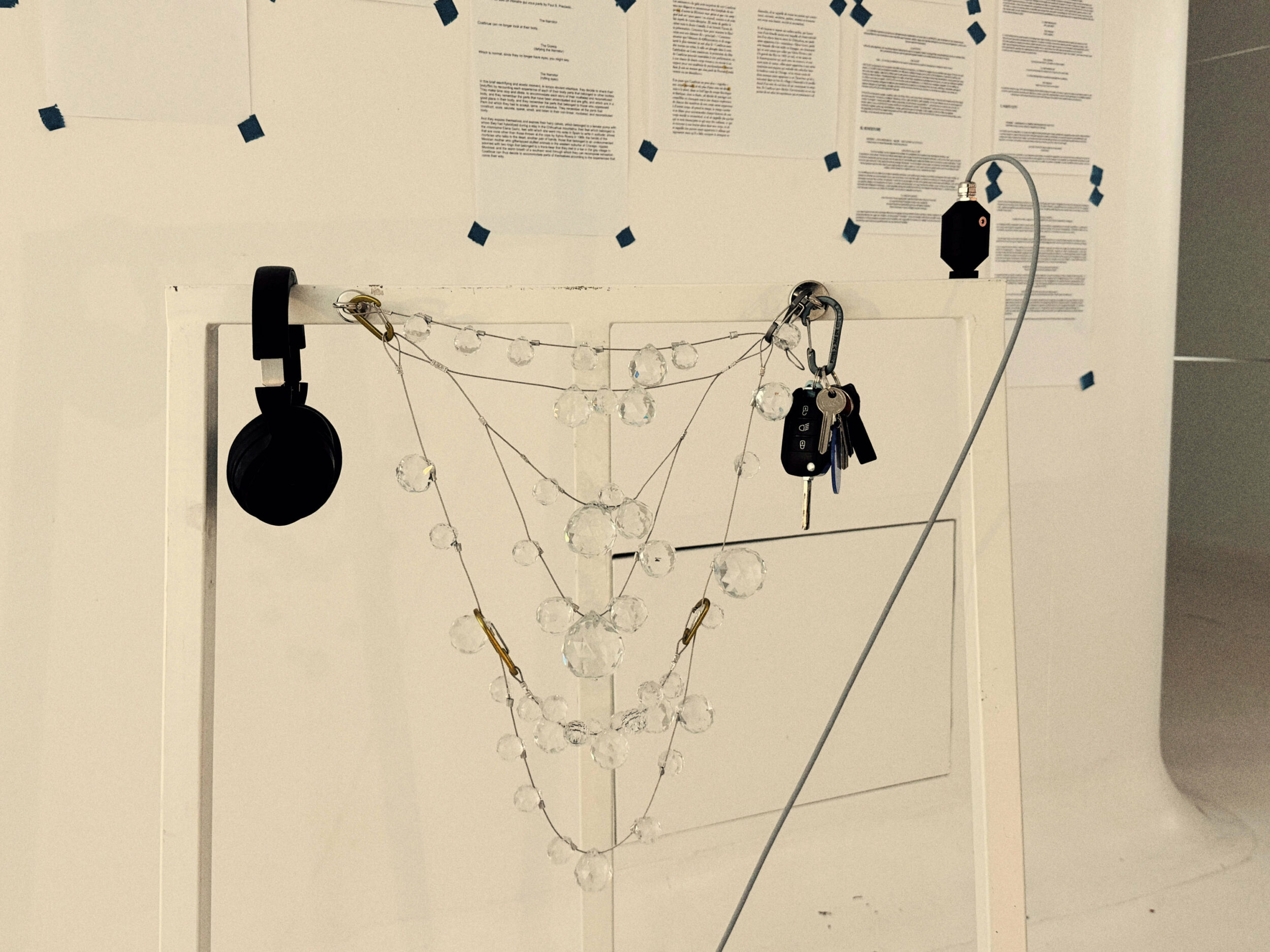
The work moved through sound recordings, crystal-based assemblages, scent, video, and performative listening situations, treating the installation not as an autonomous object but as a temporary sensing apparatus.
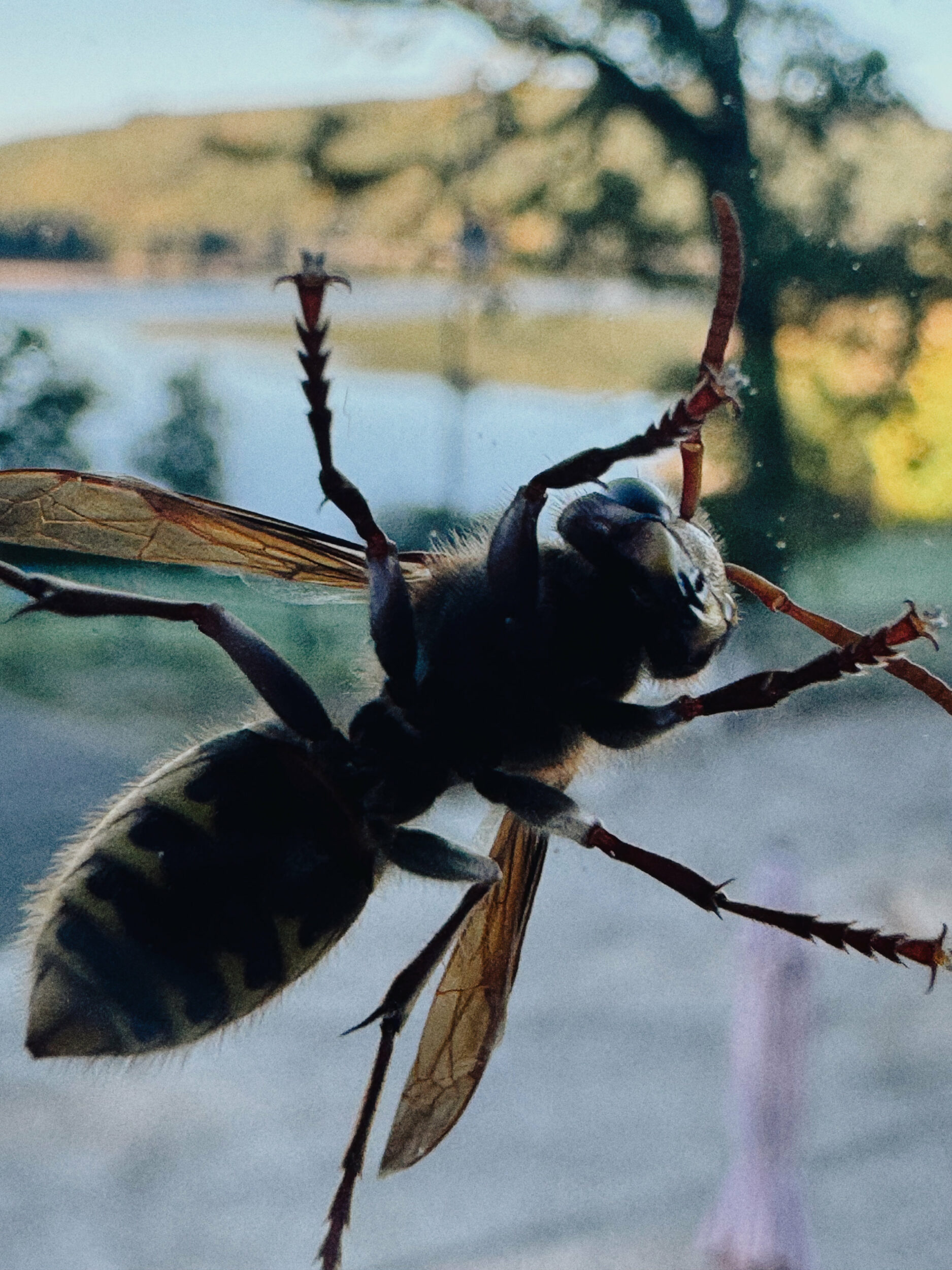
Rather than producing a finished outcome, the residency contributed to an evolving investigation into rural memory, spectral infrastructures, and dissident presence. The project A Room of One’s Ghosts is an ongoing research, shaped by territorial contradictions, collective exchanges, and the fragile conditions of working inside institutions while remaining accountable to what exceeds them.