Amoxtli
CNAP (Centre National des Arts Plastiques)
Amoxtli
CNAP (Centre National des Arts Plastiques)
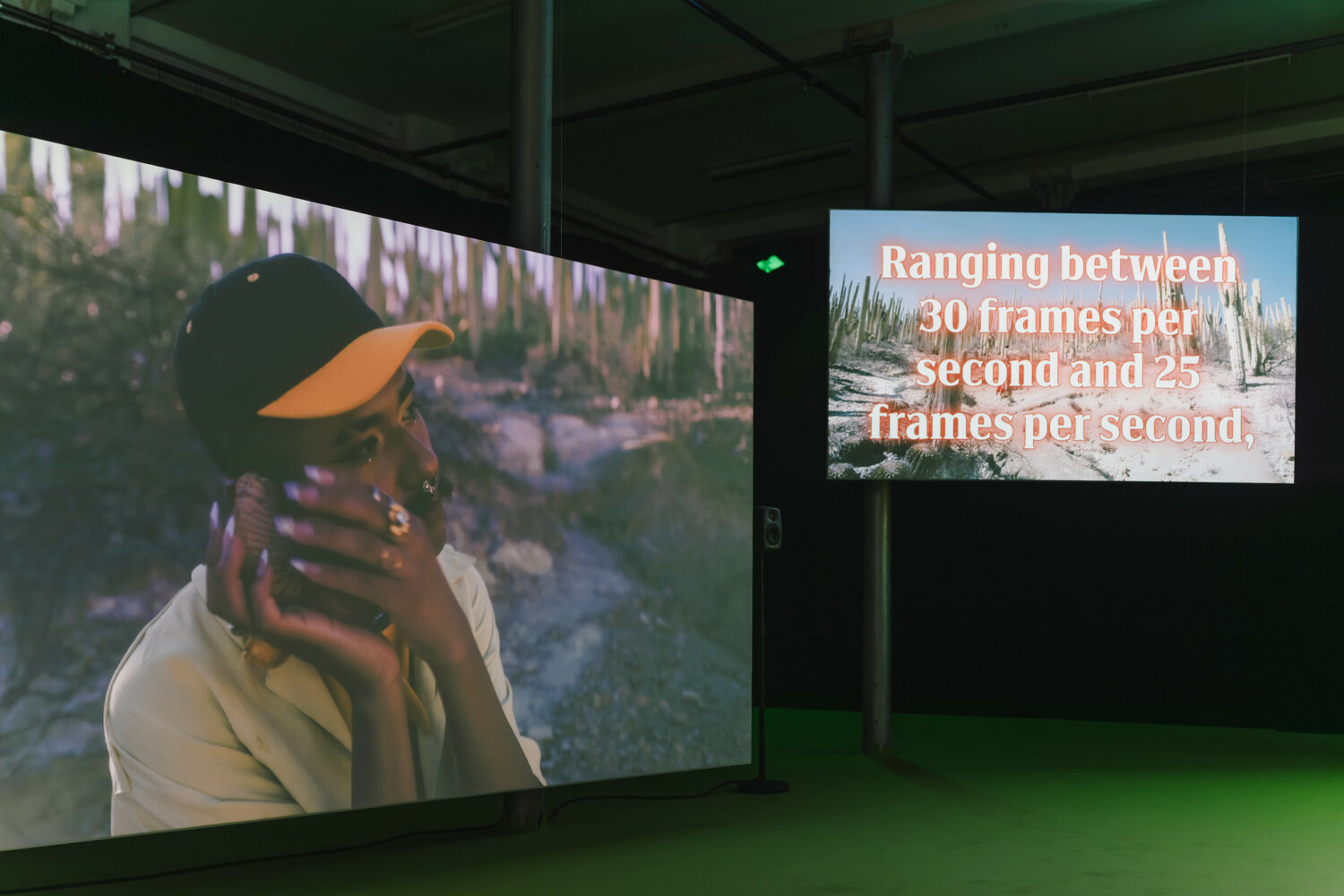
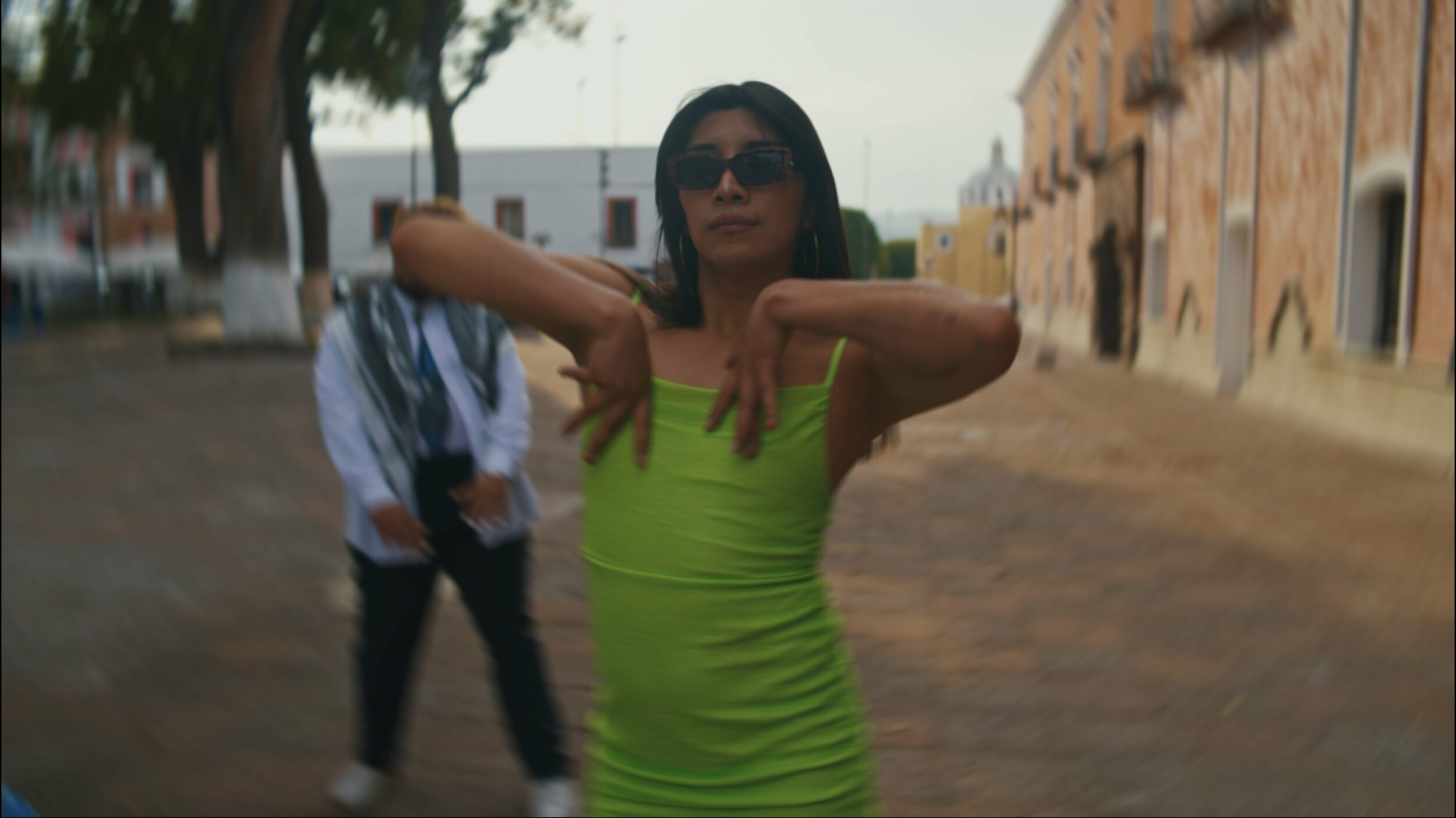
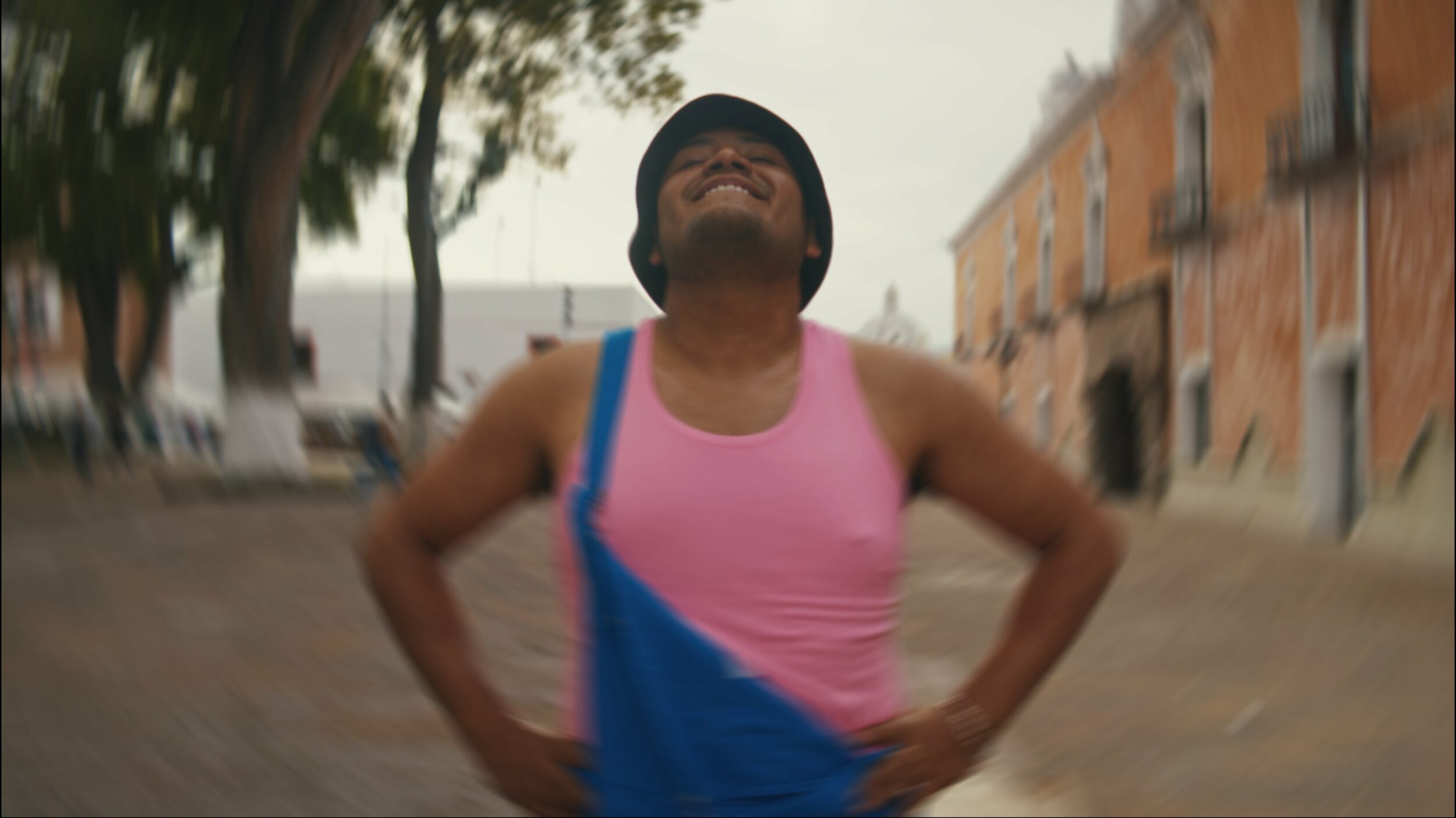
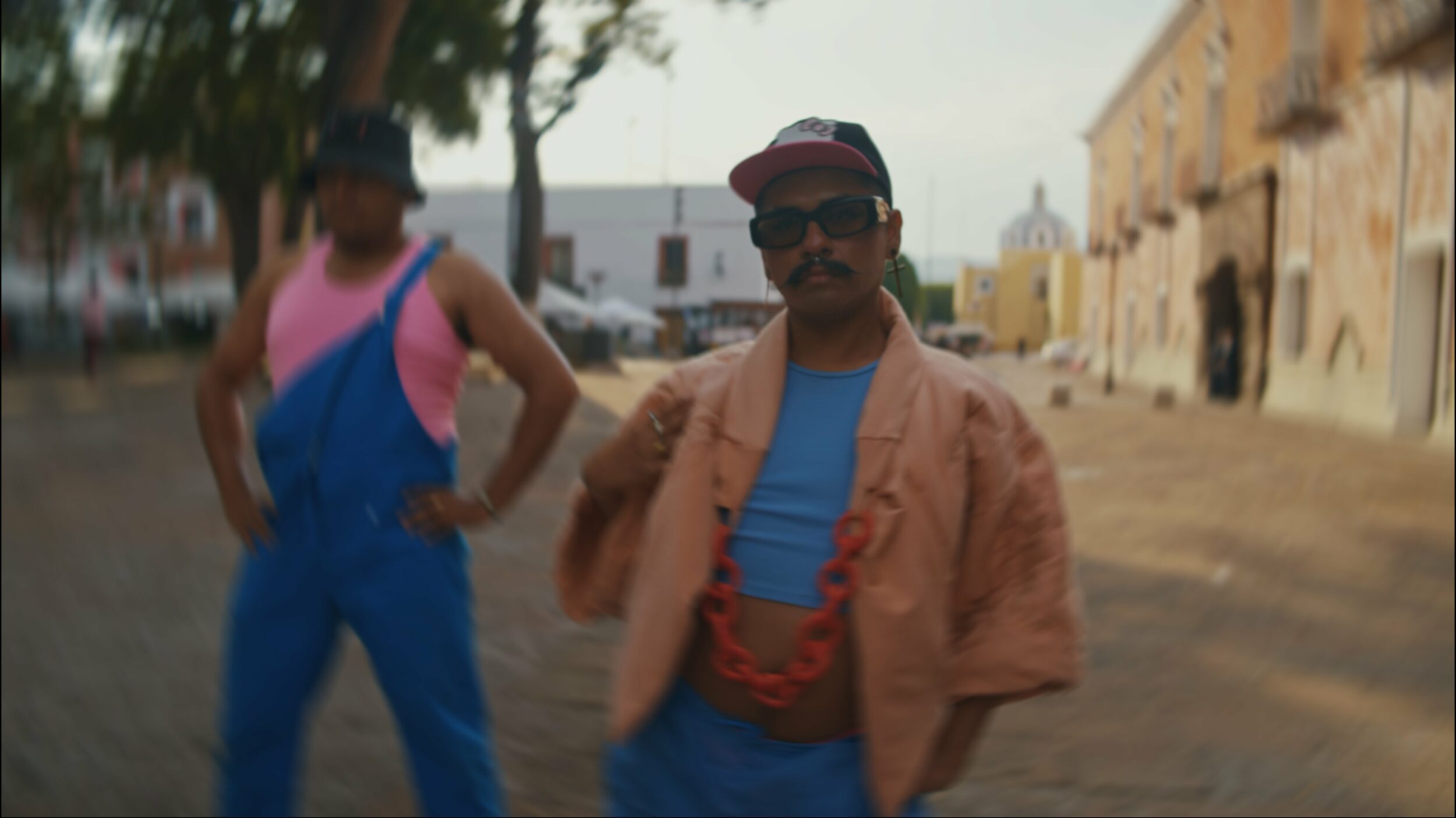
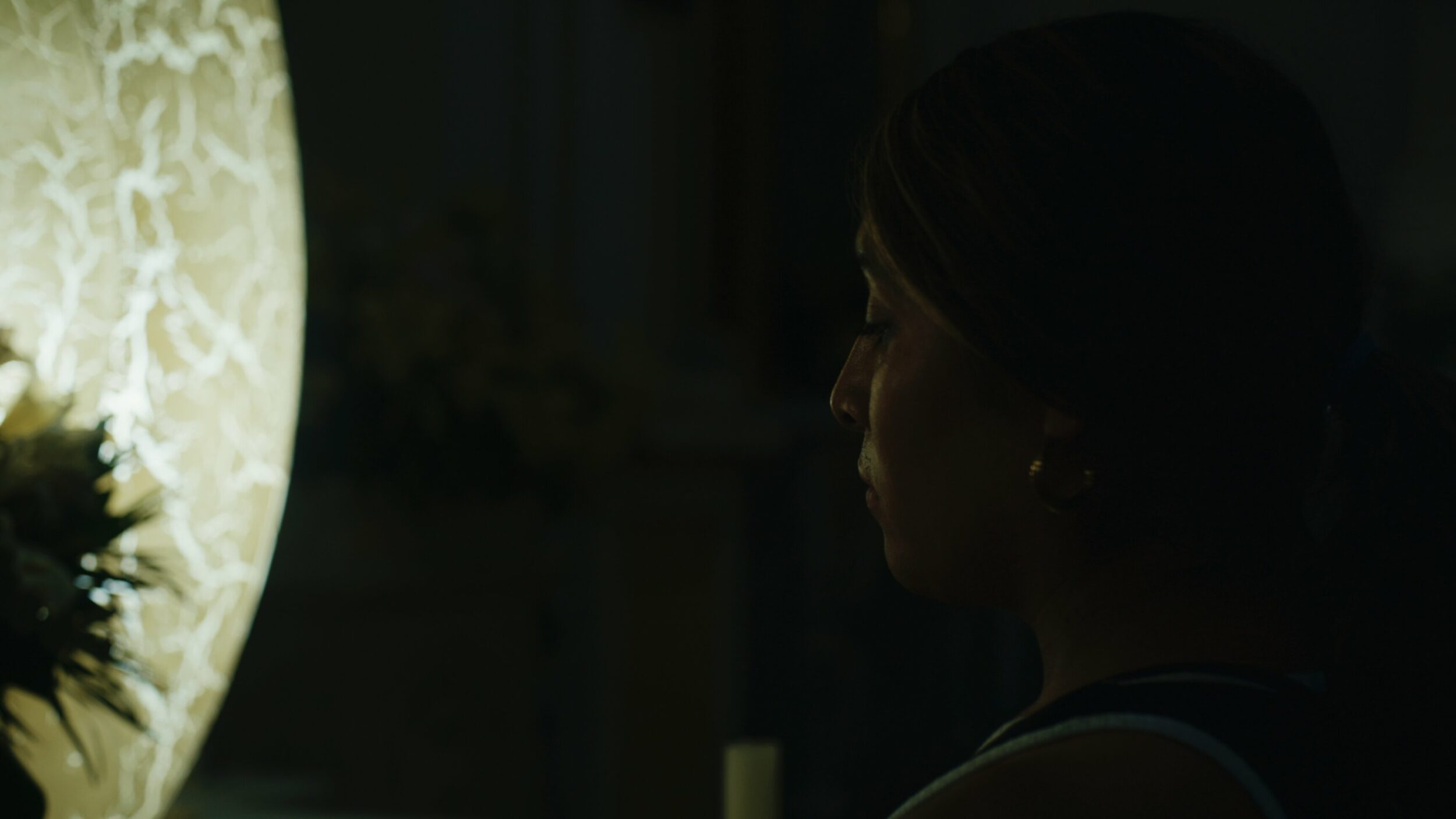
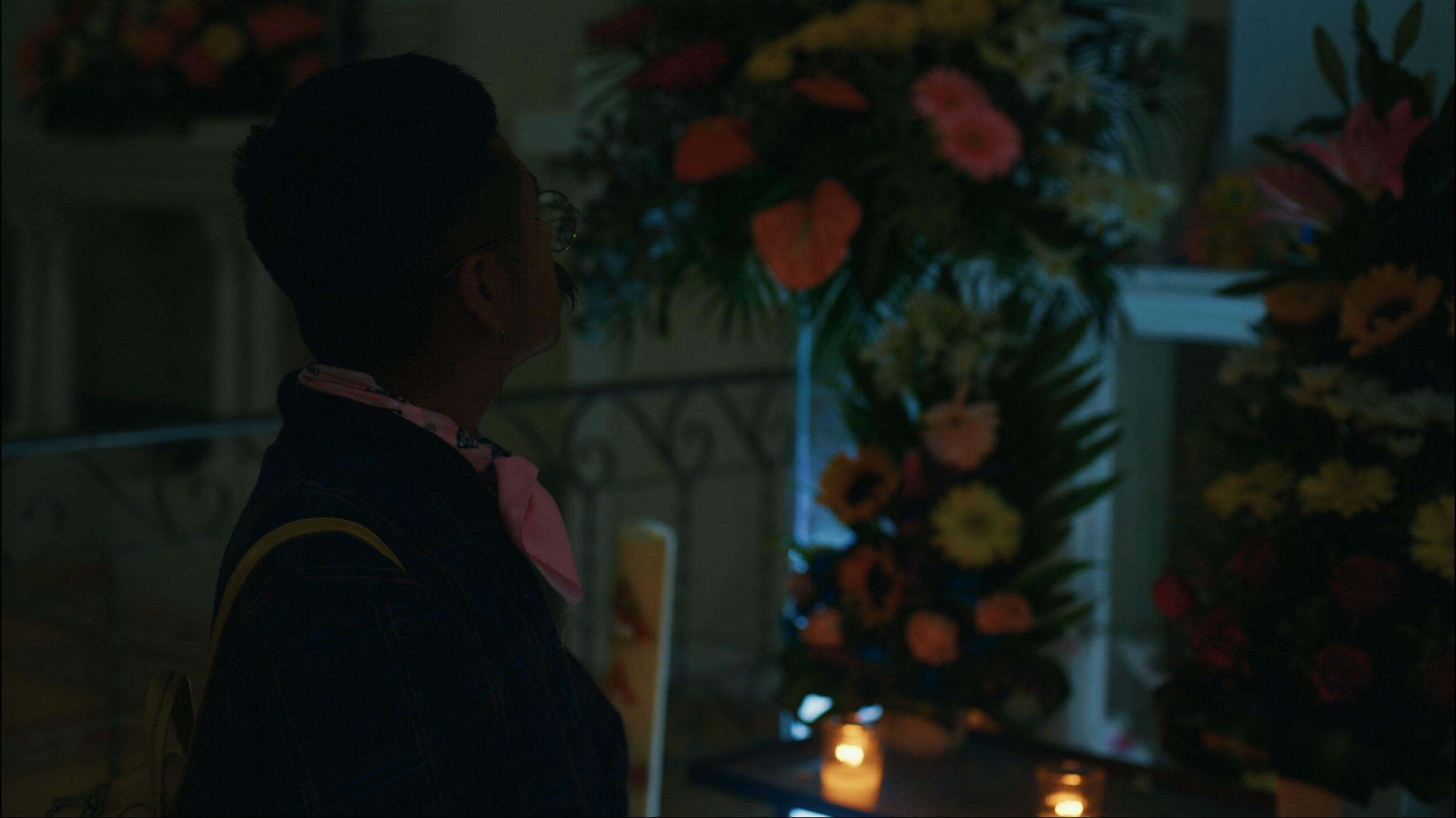
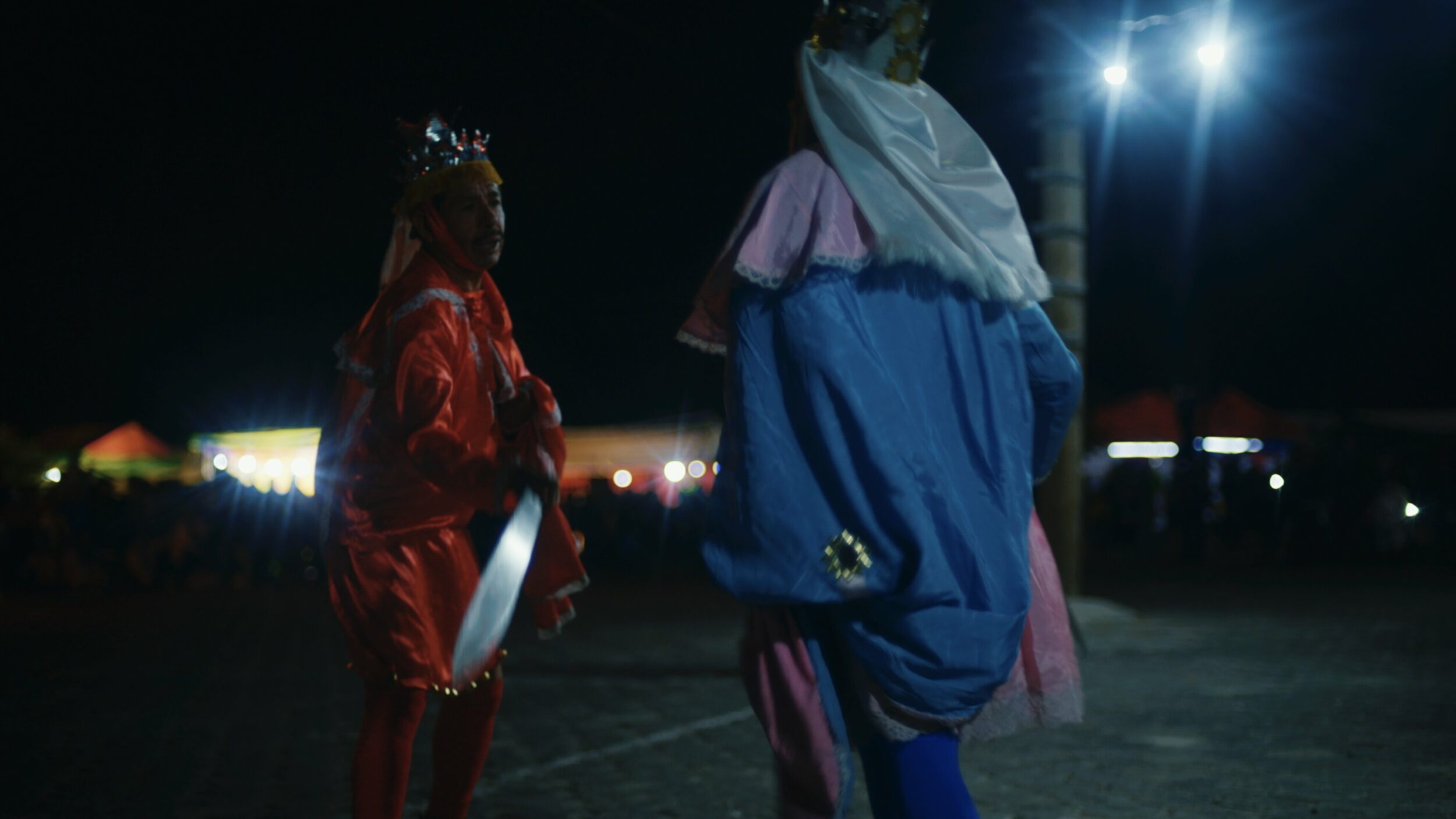
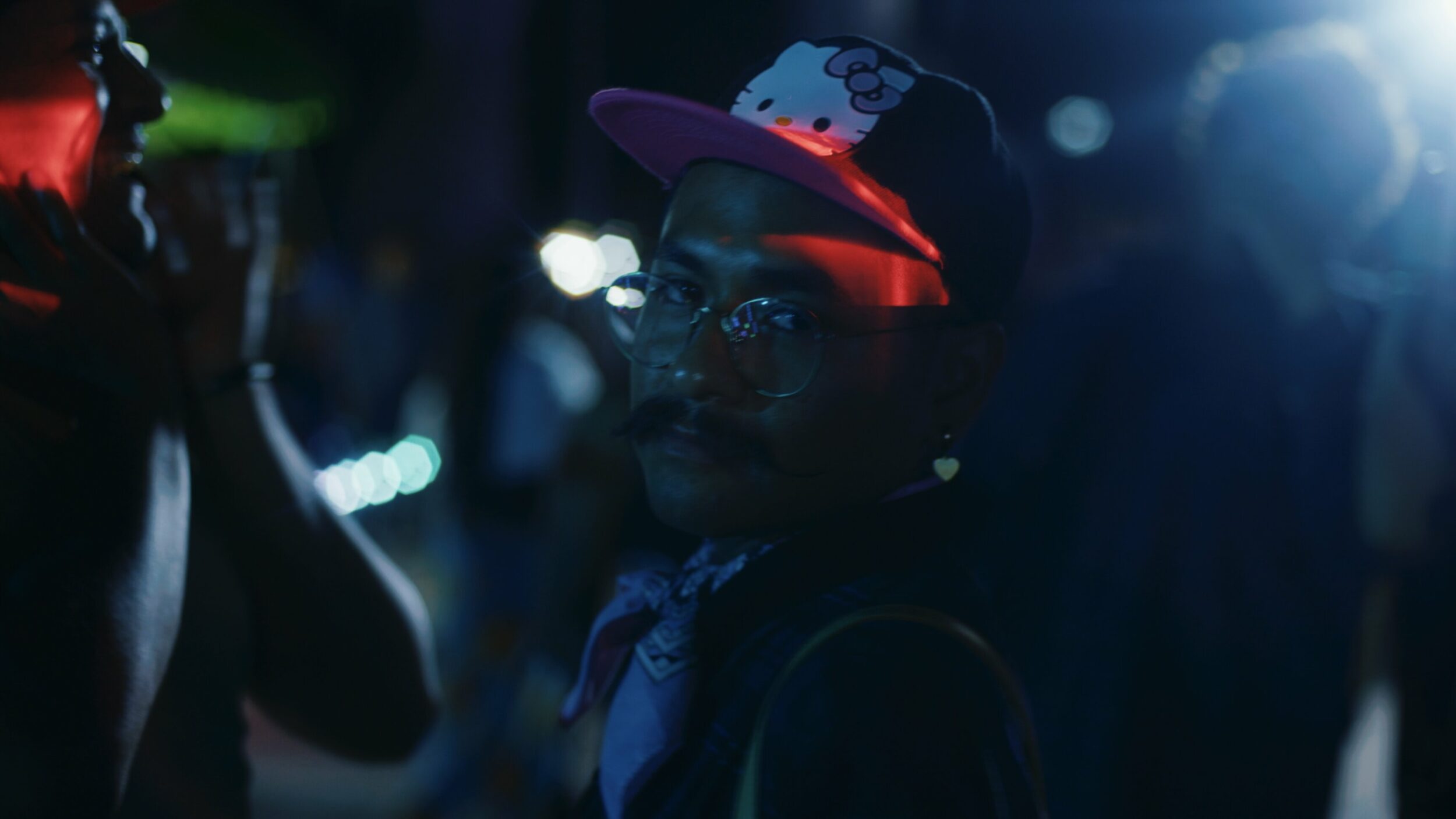
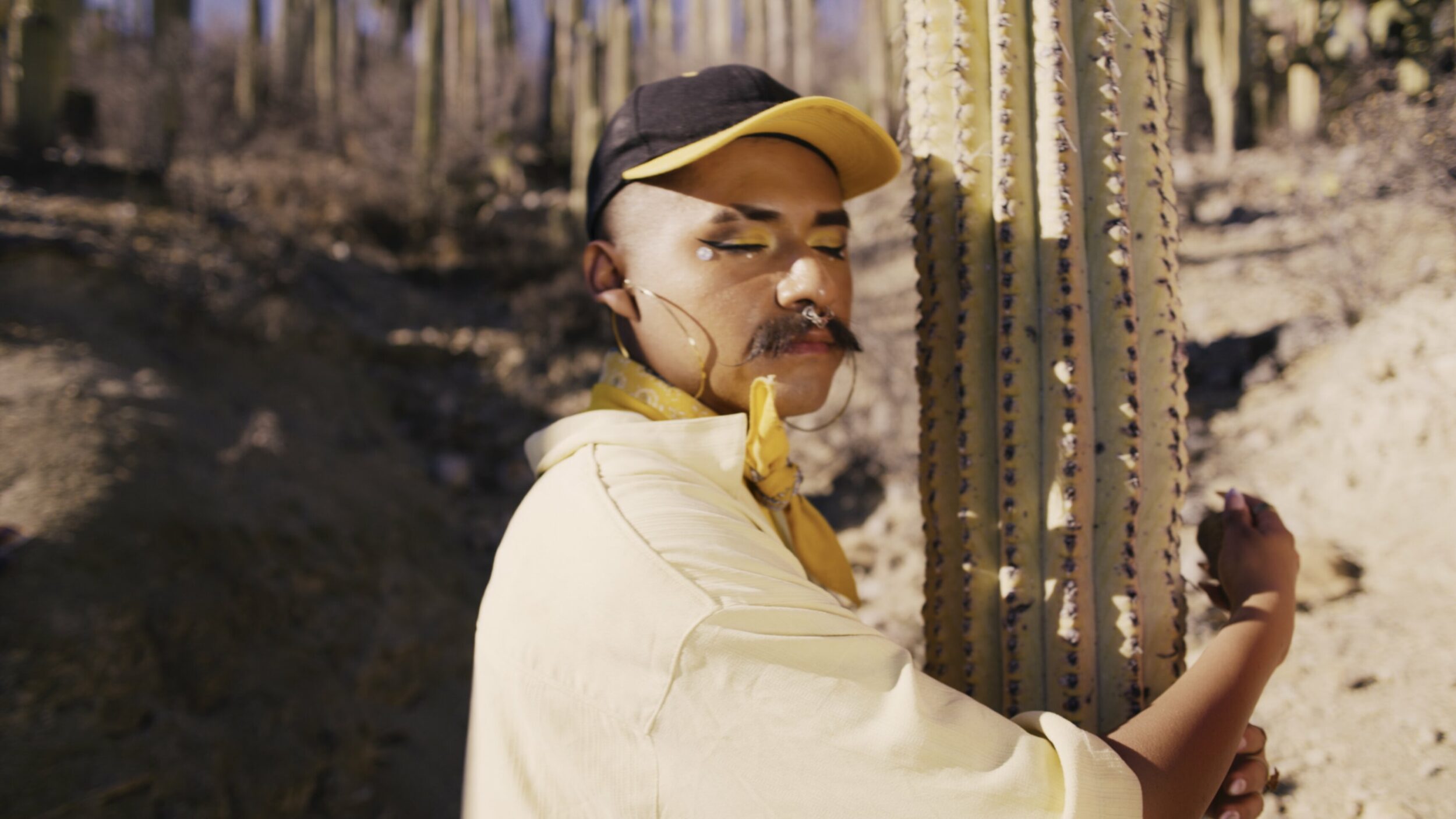
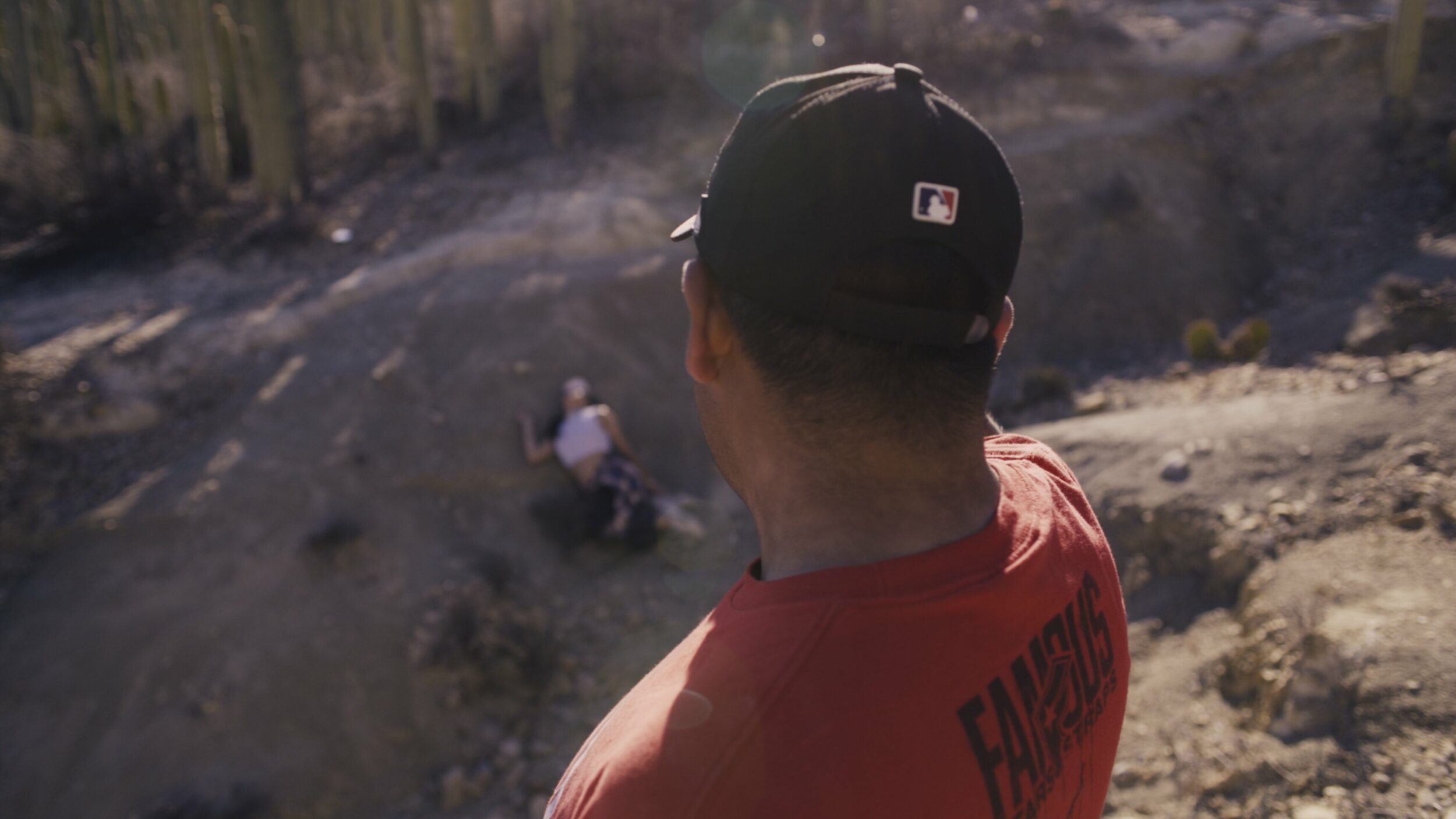
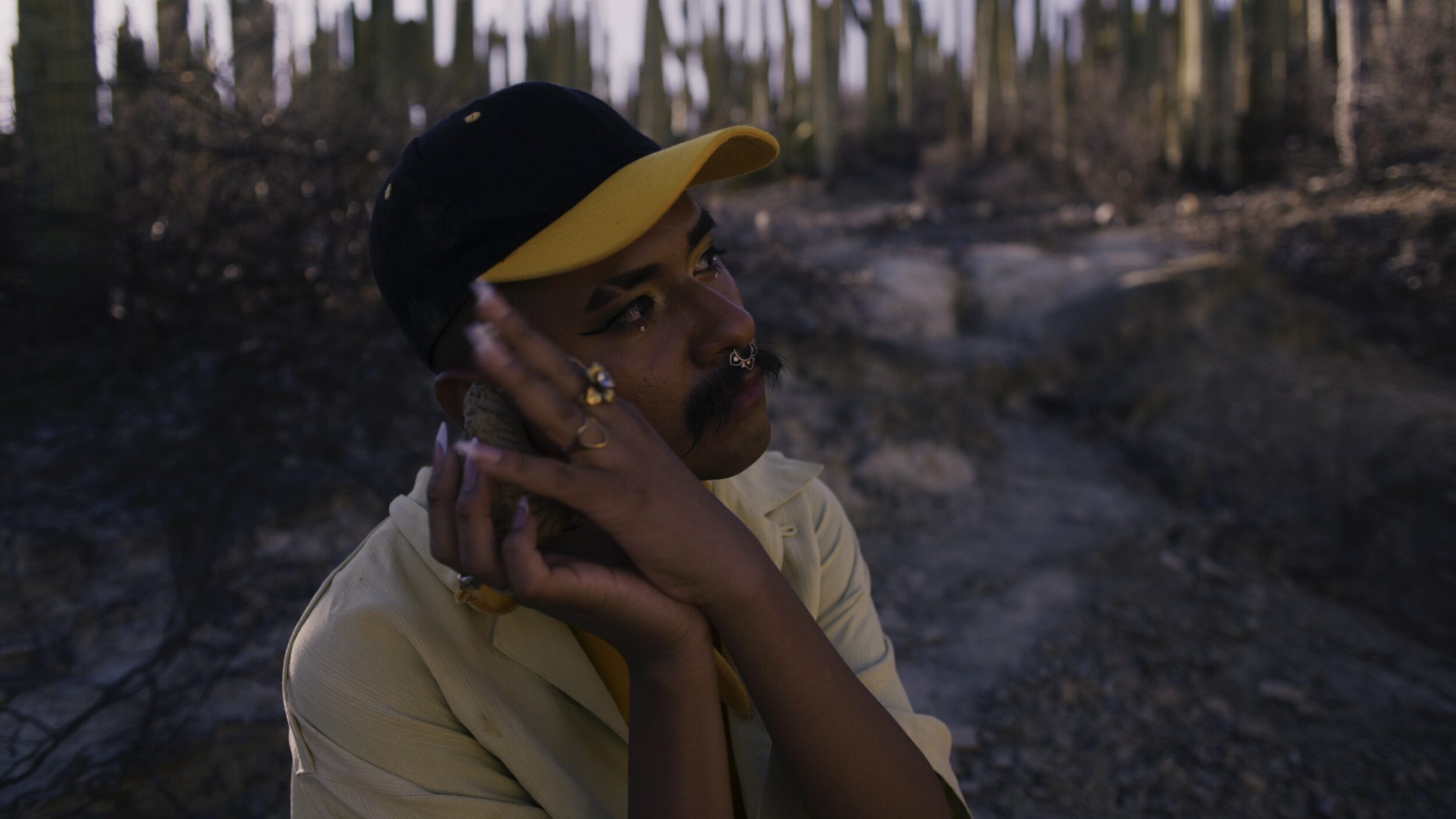
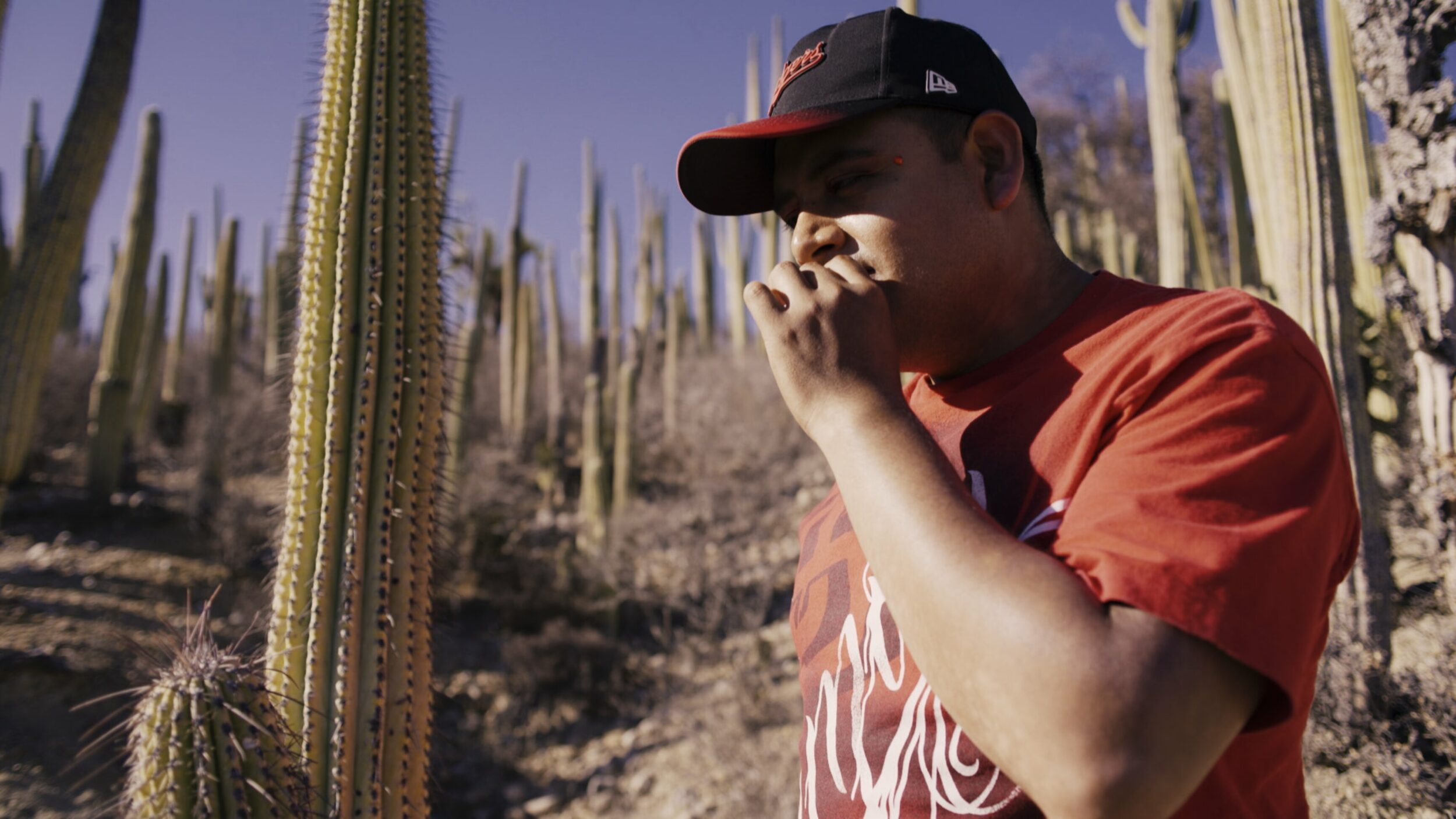
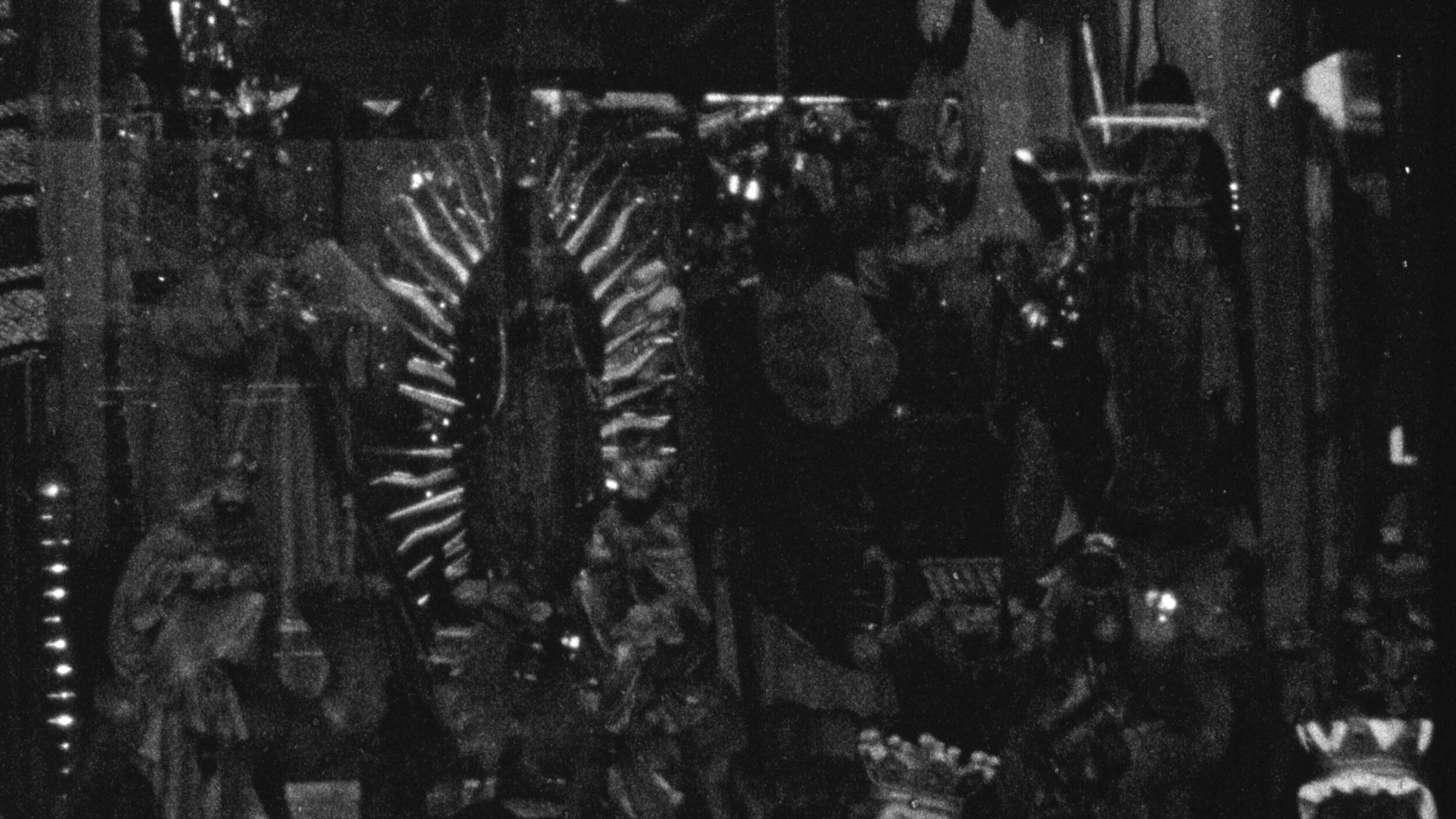
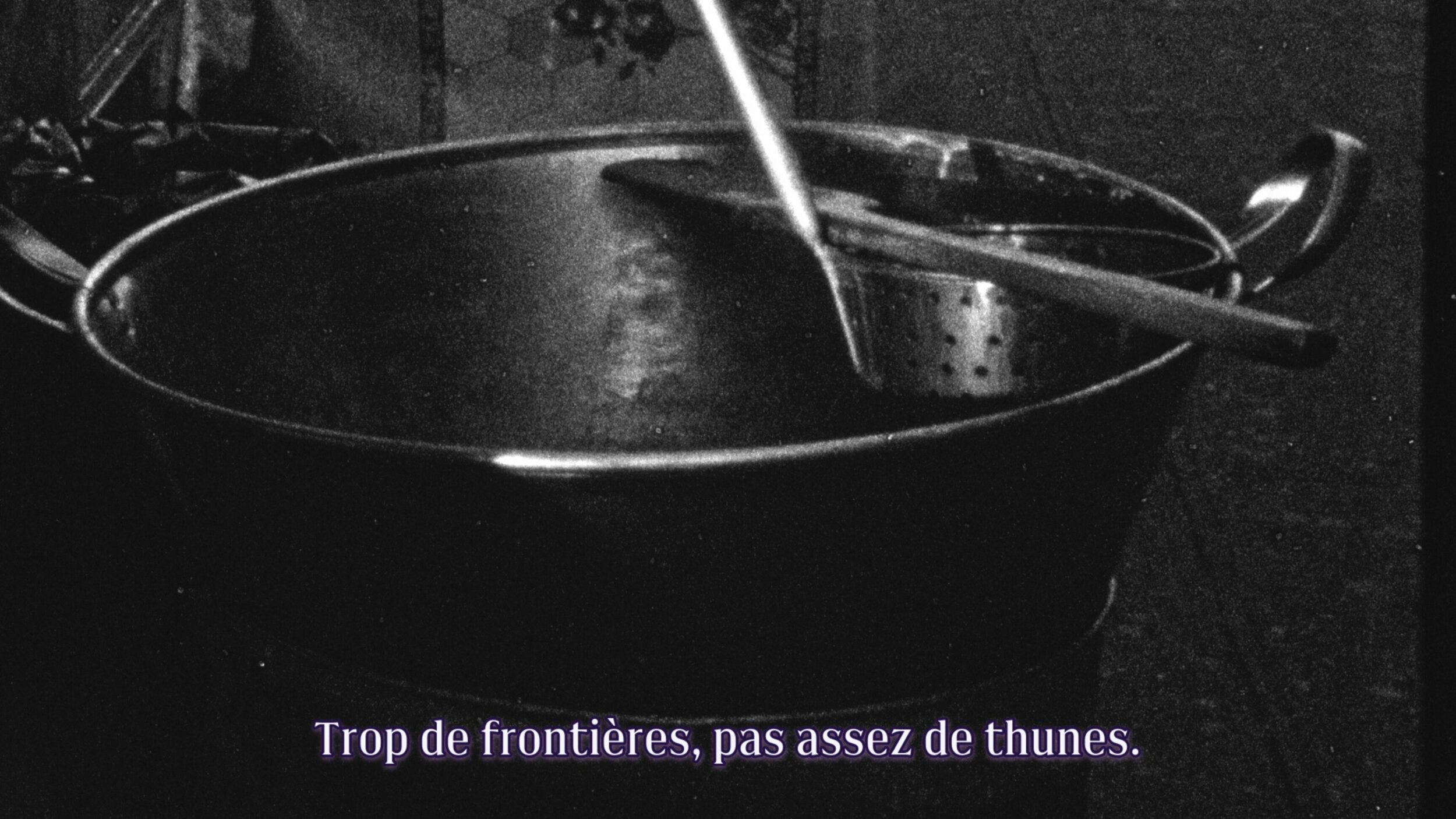
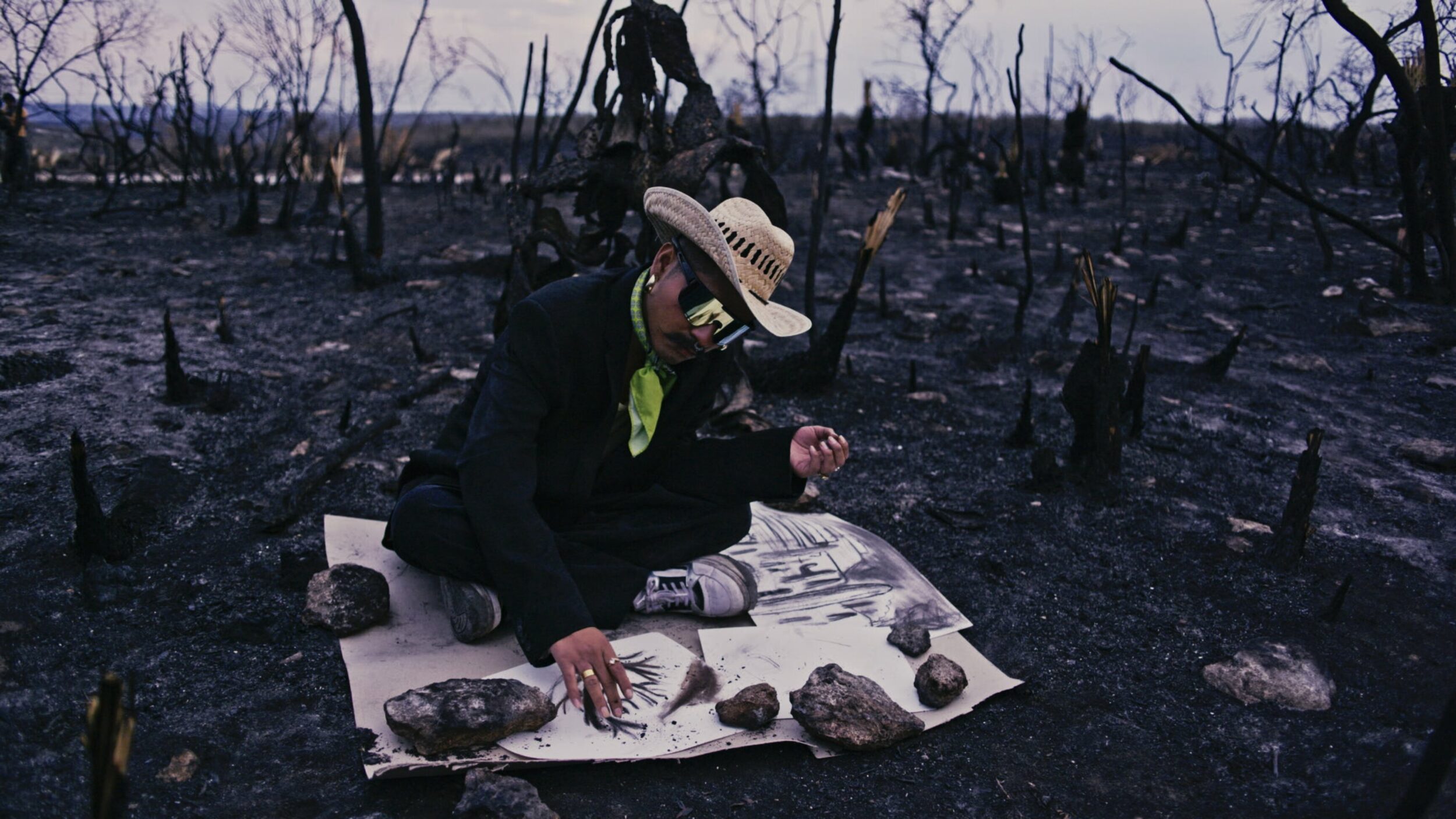
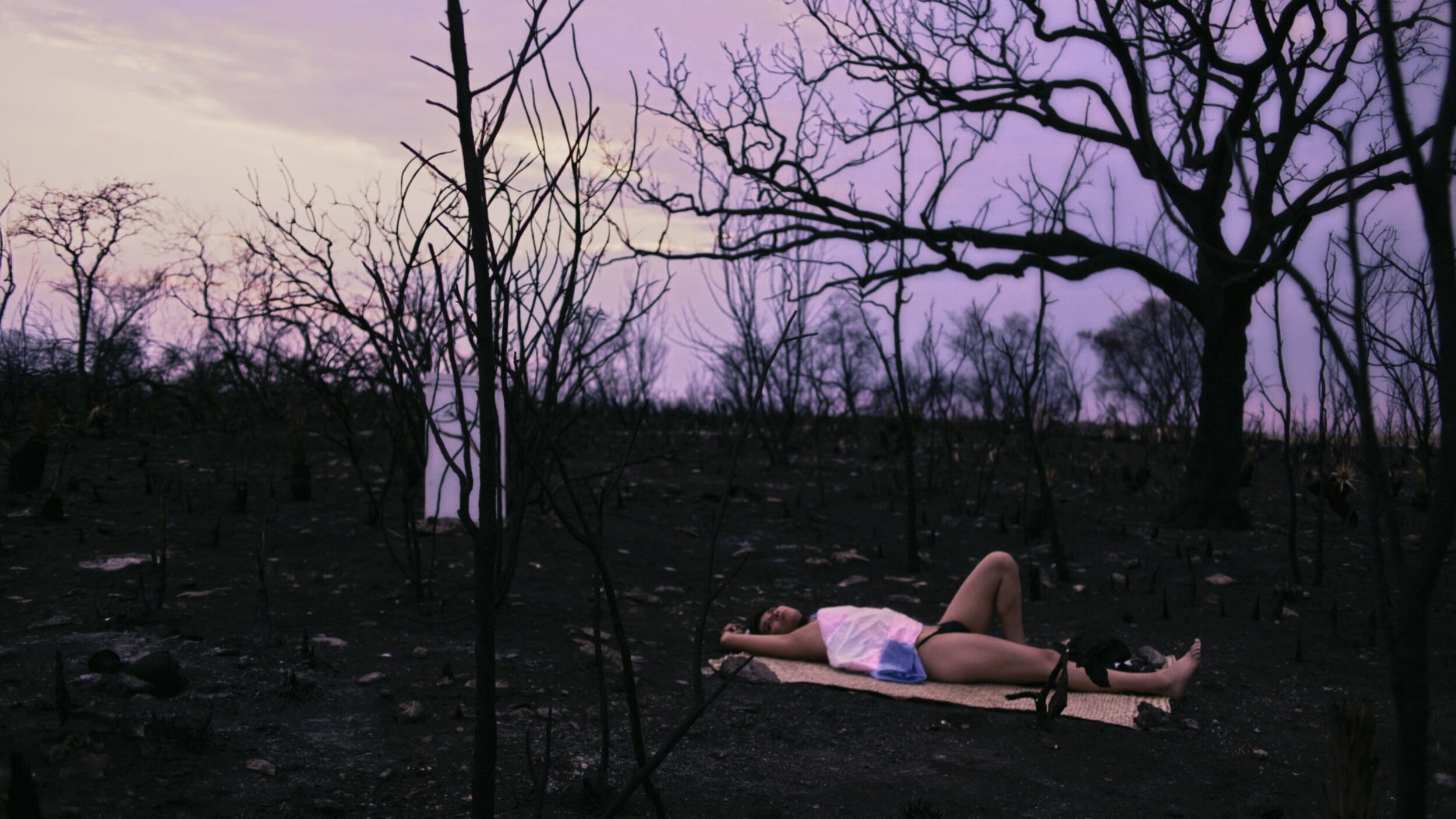
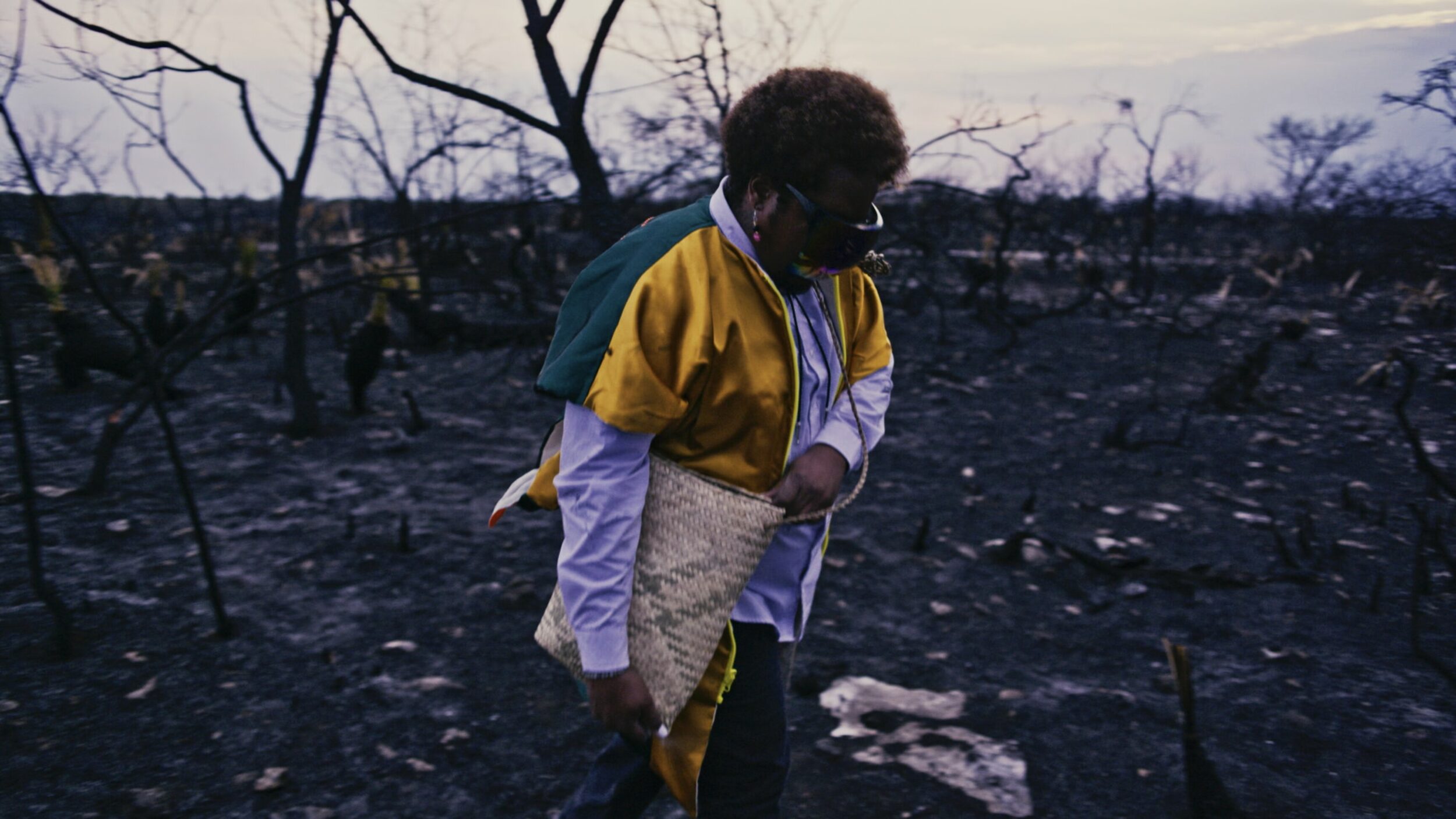
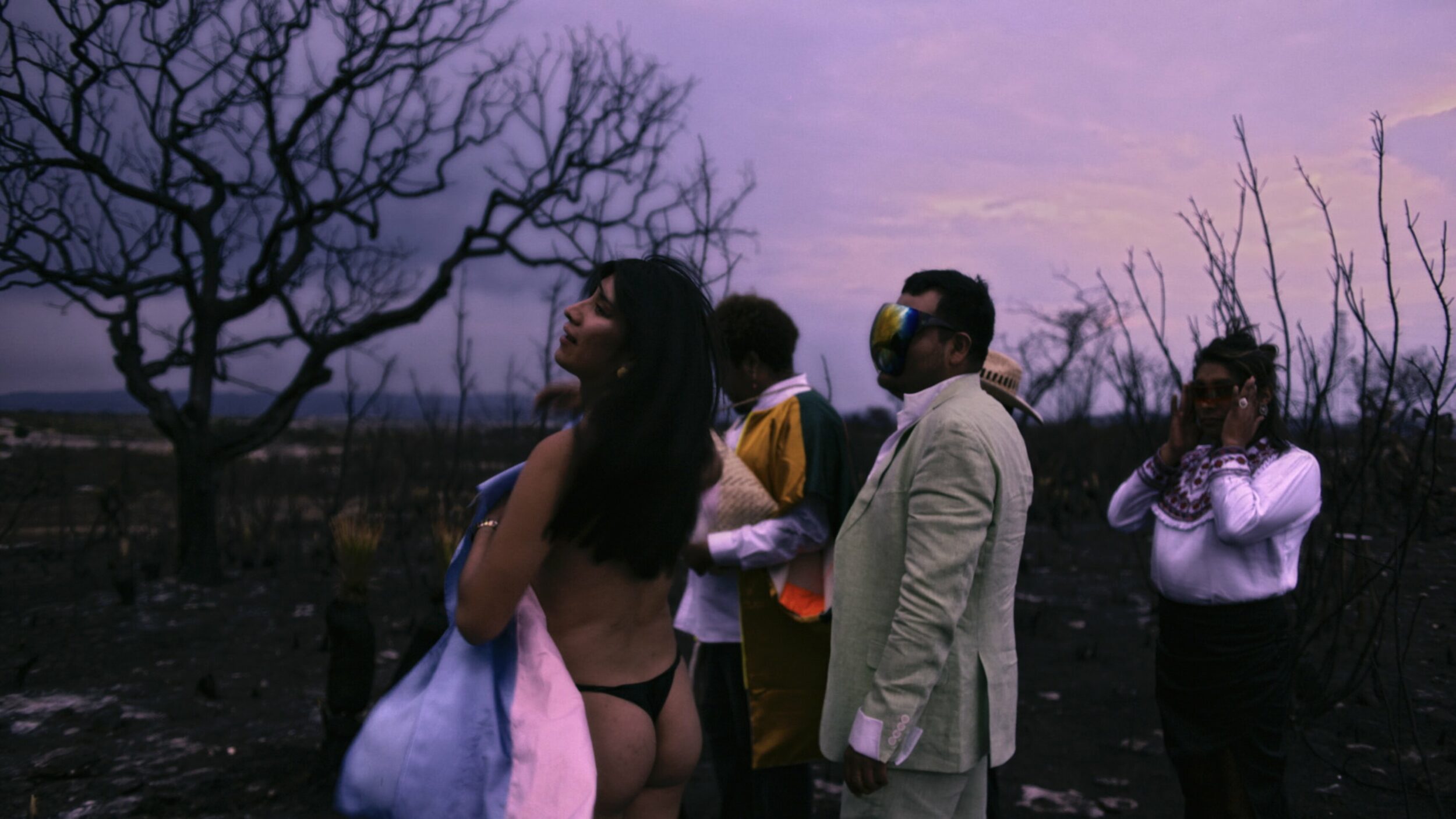
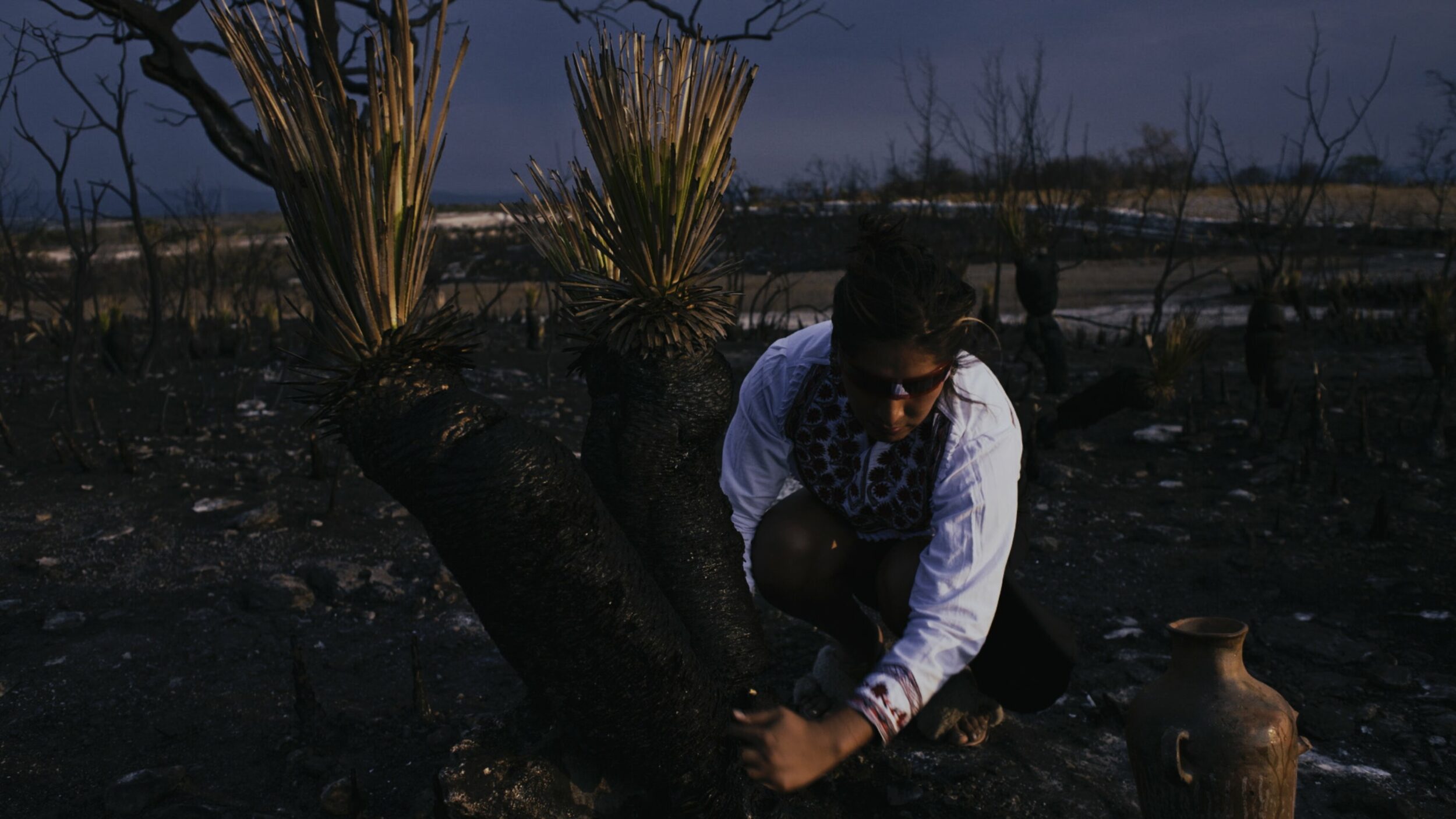
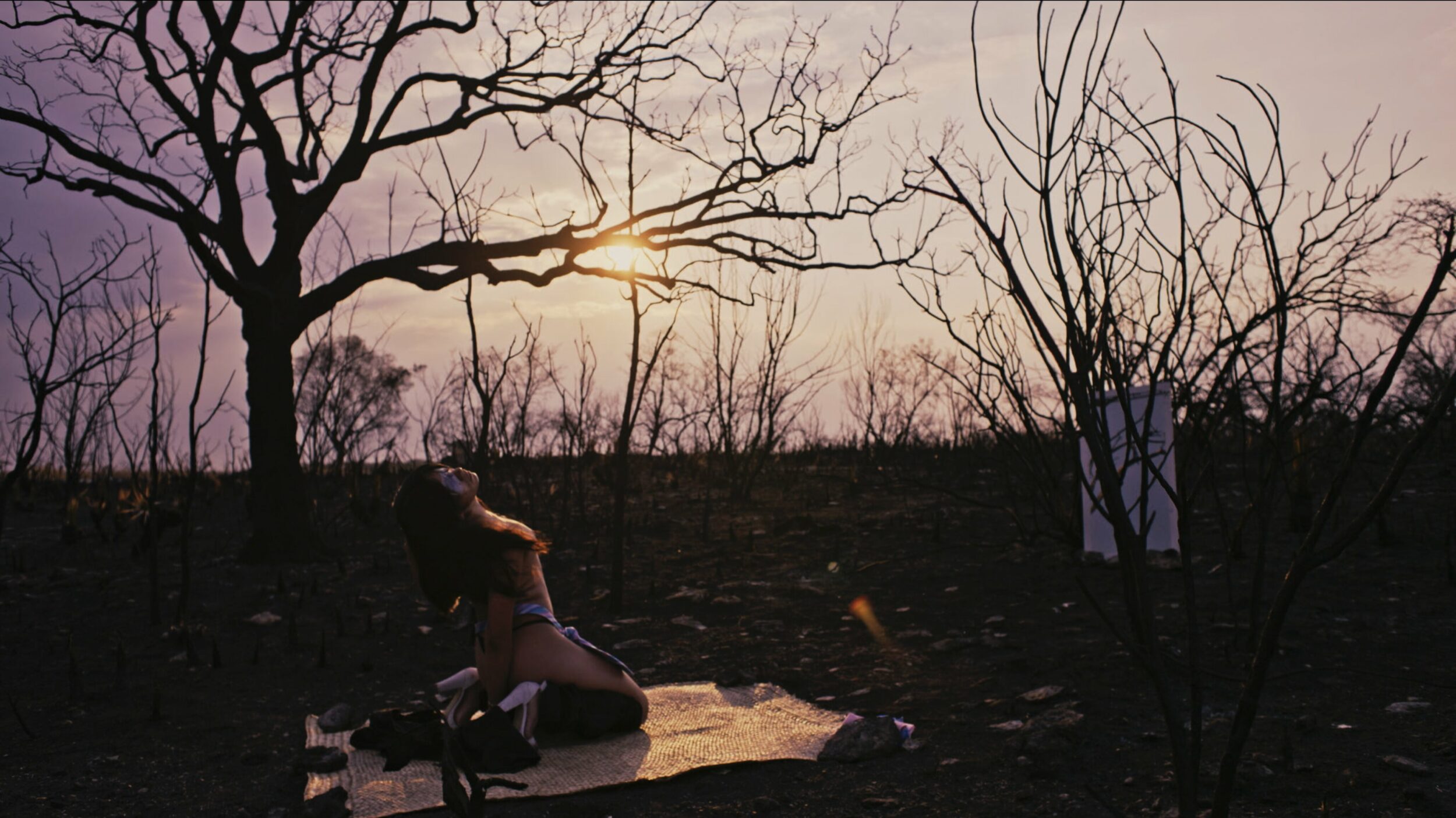
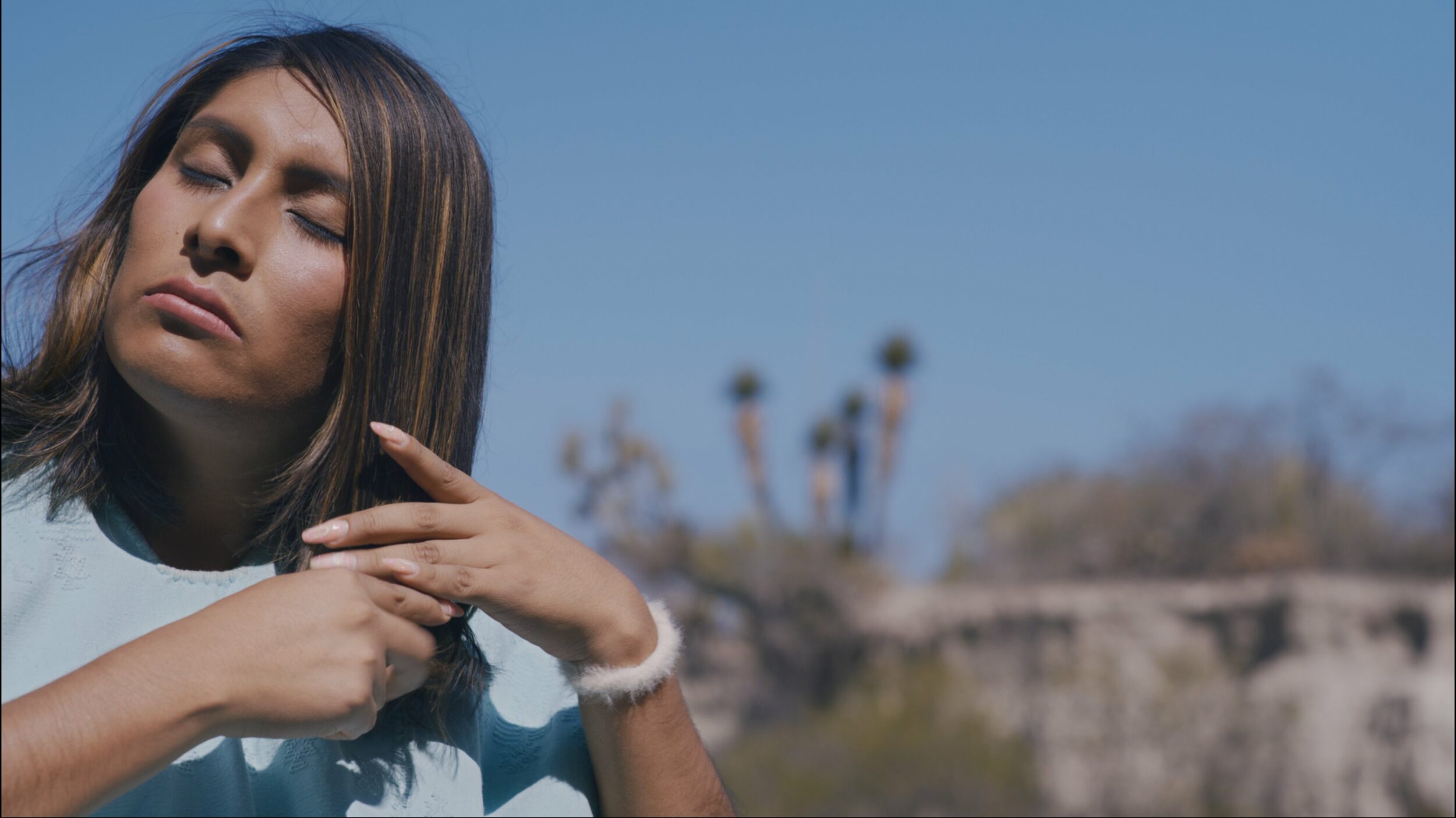
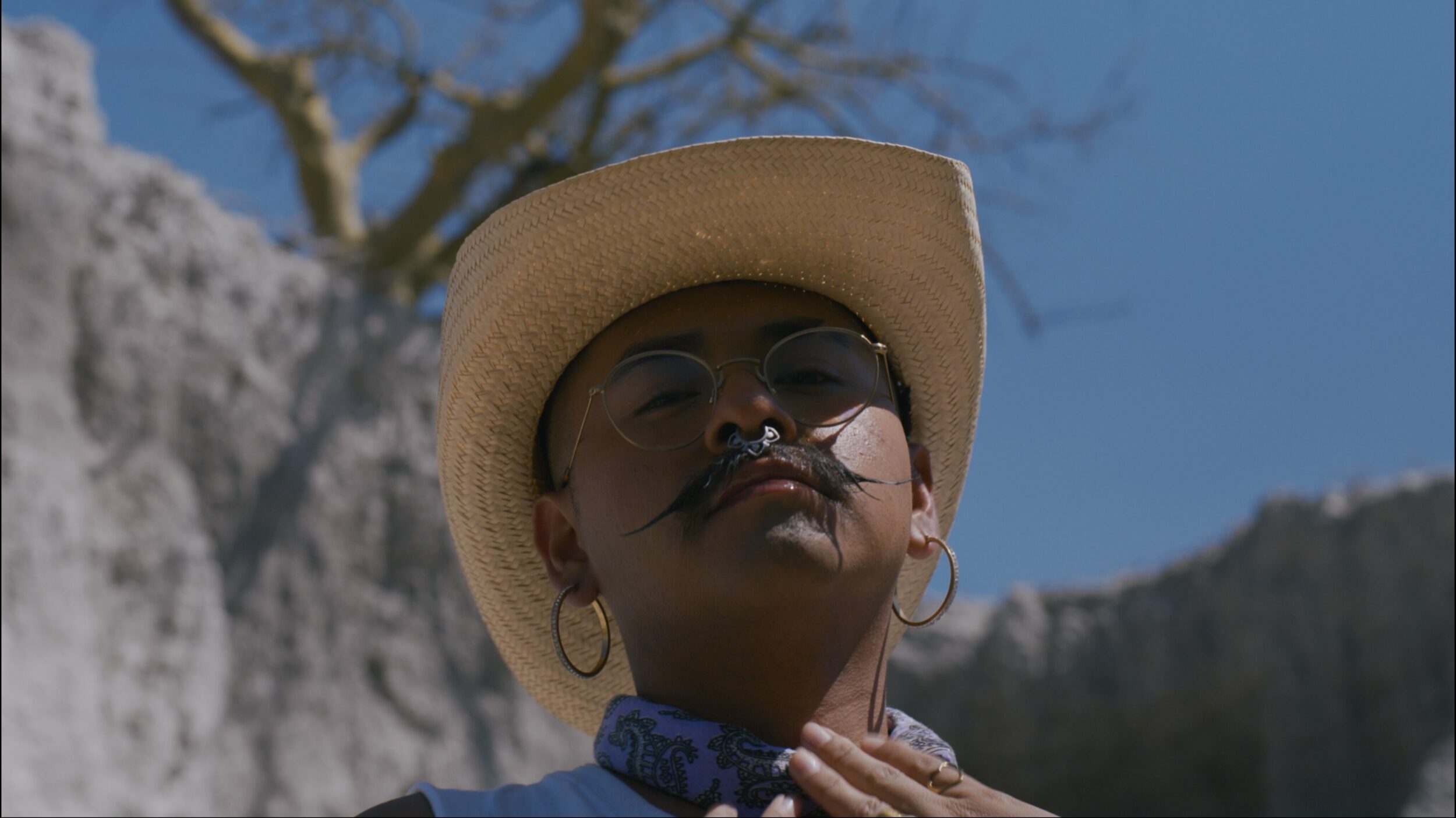
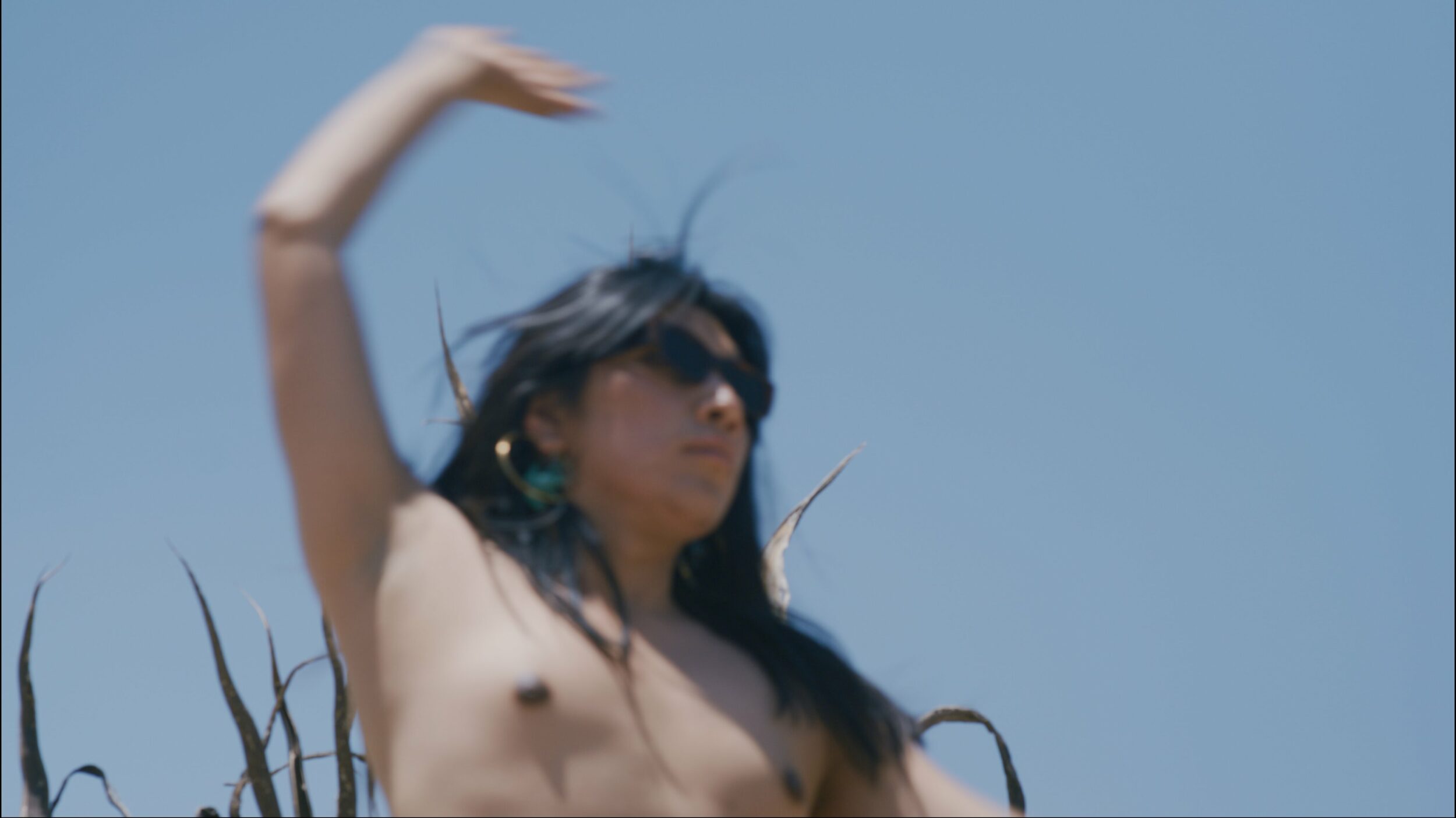
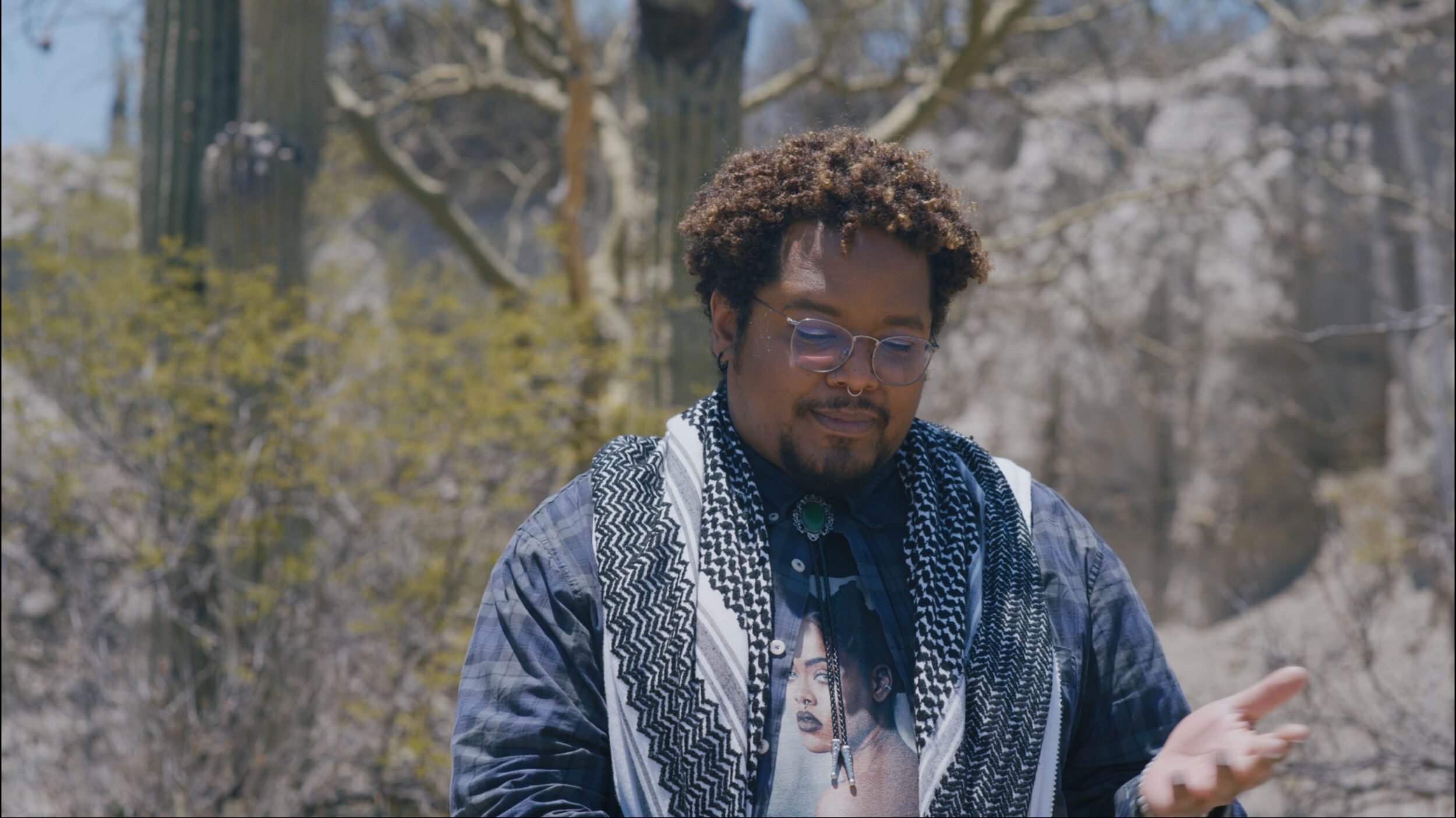
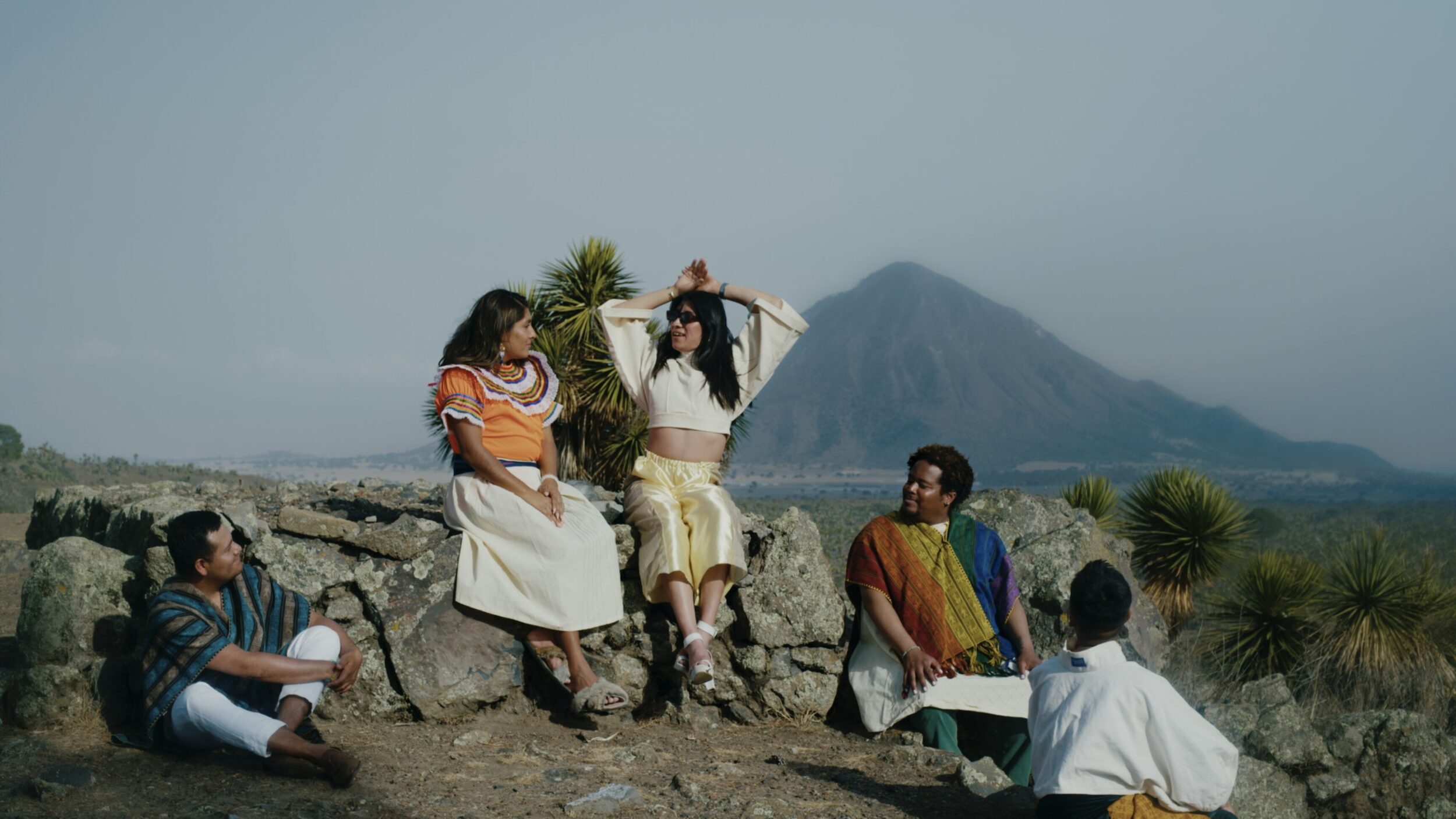
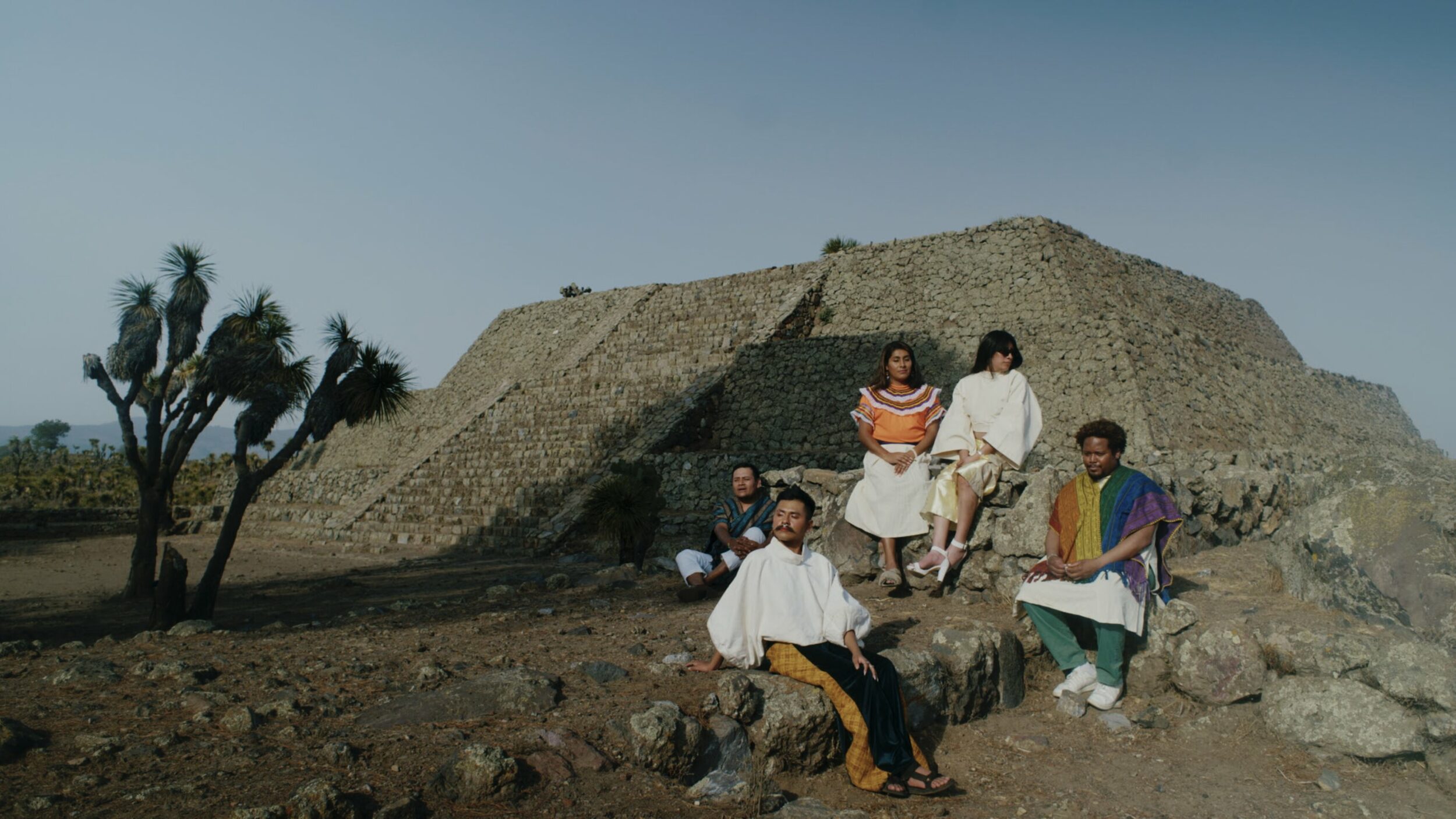
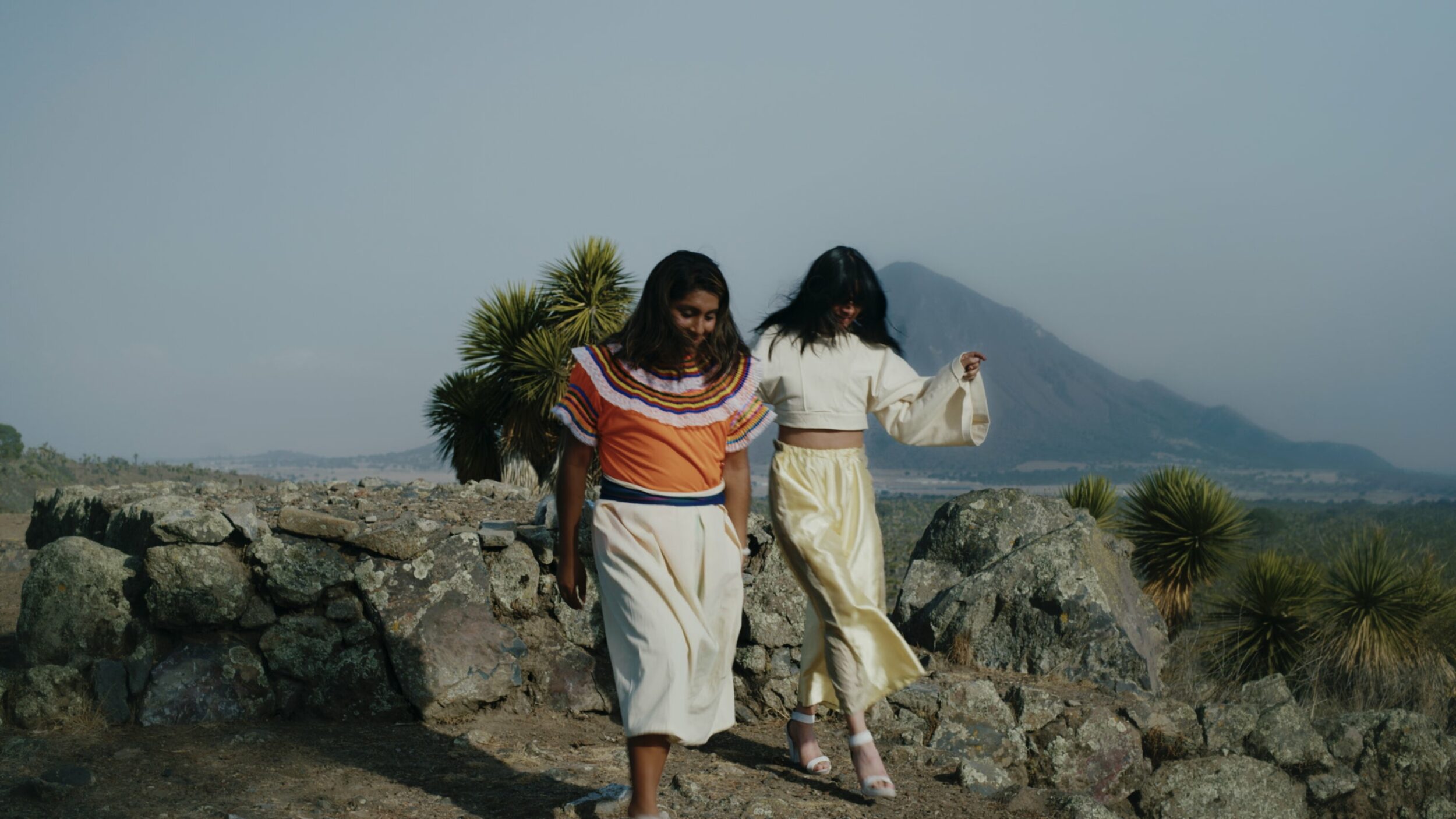
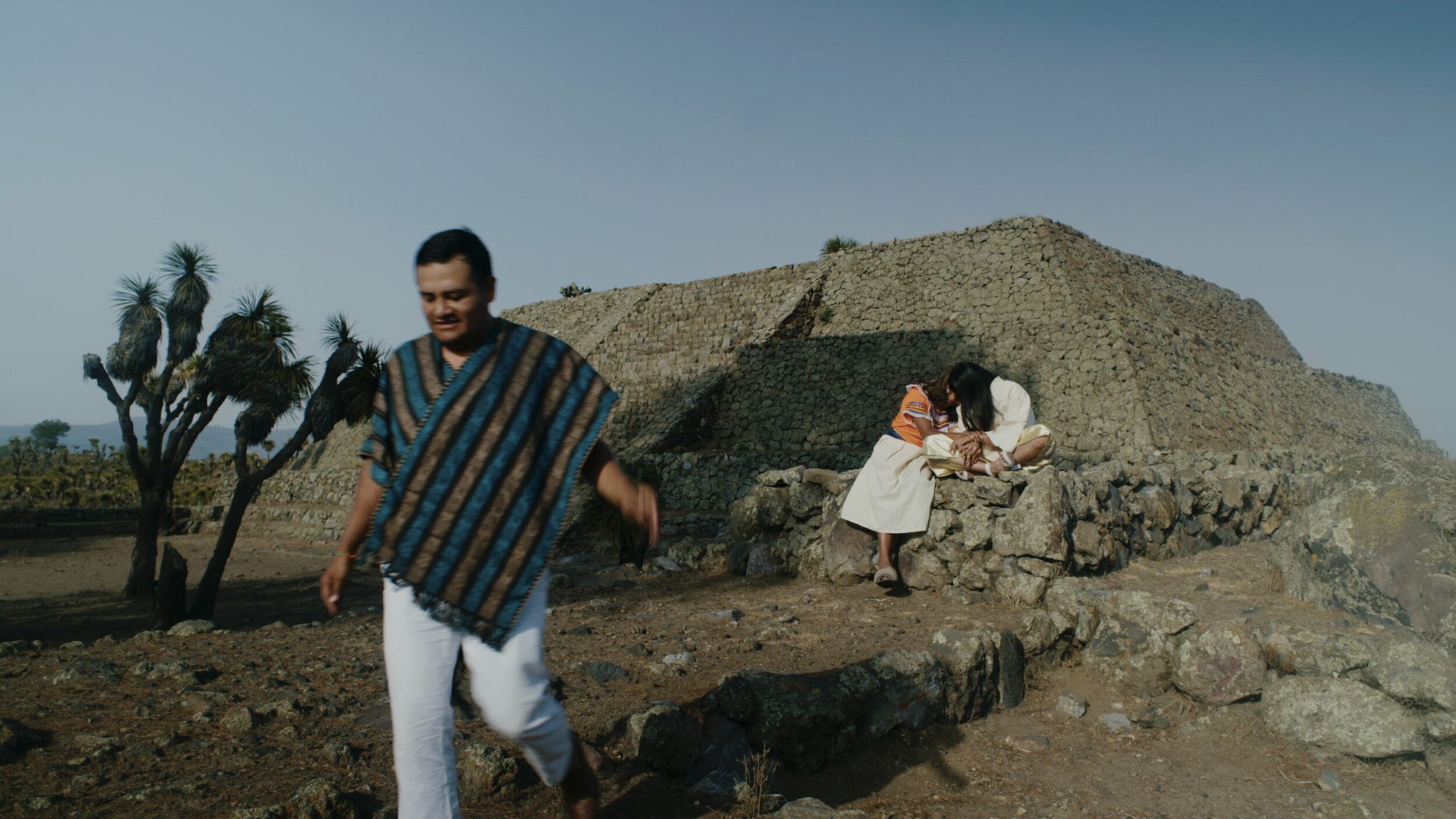
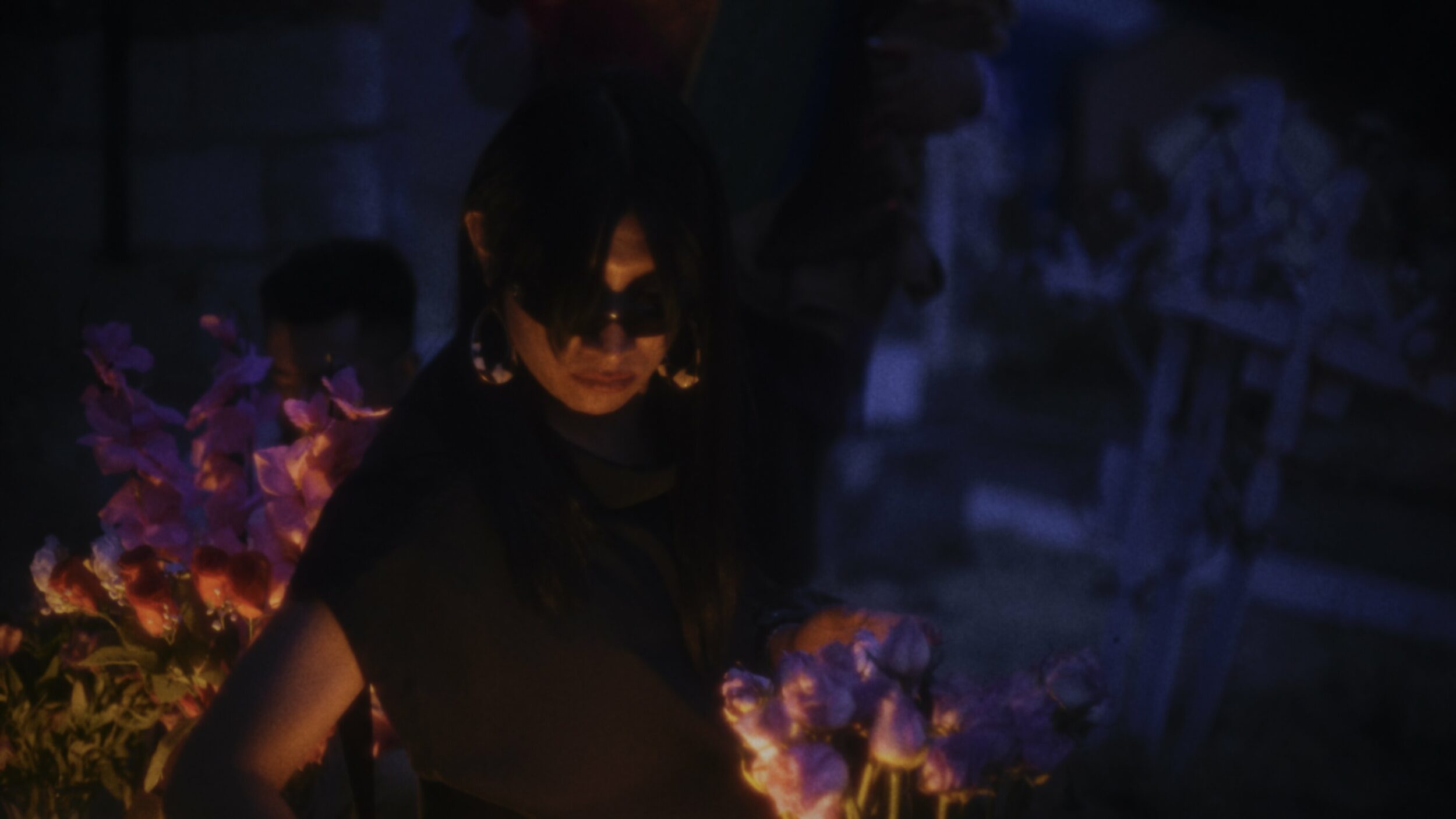
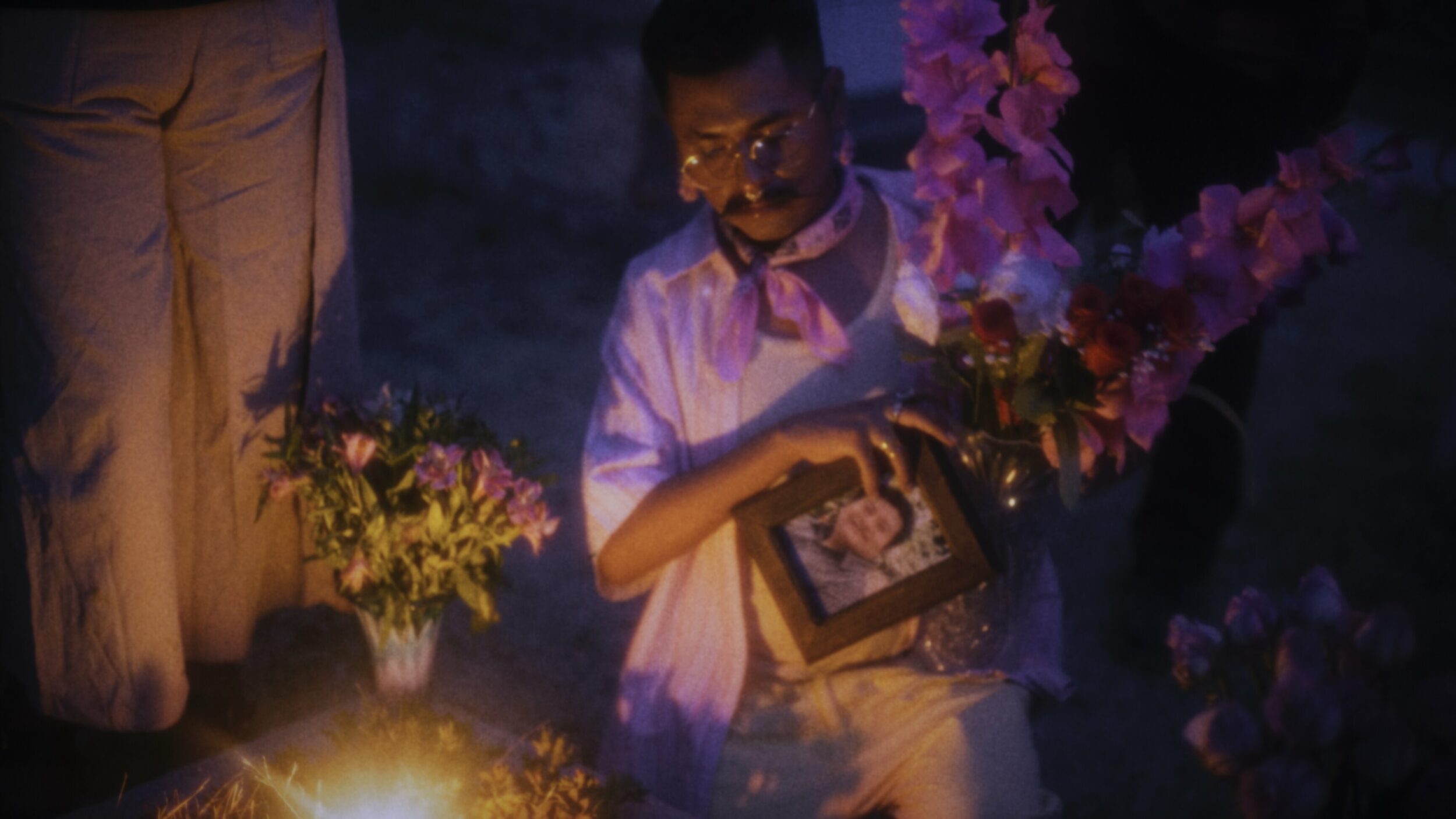
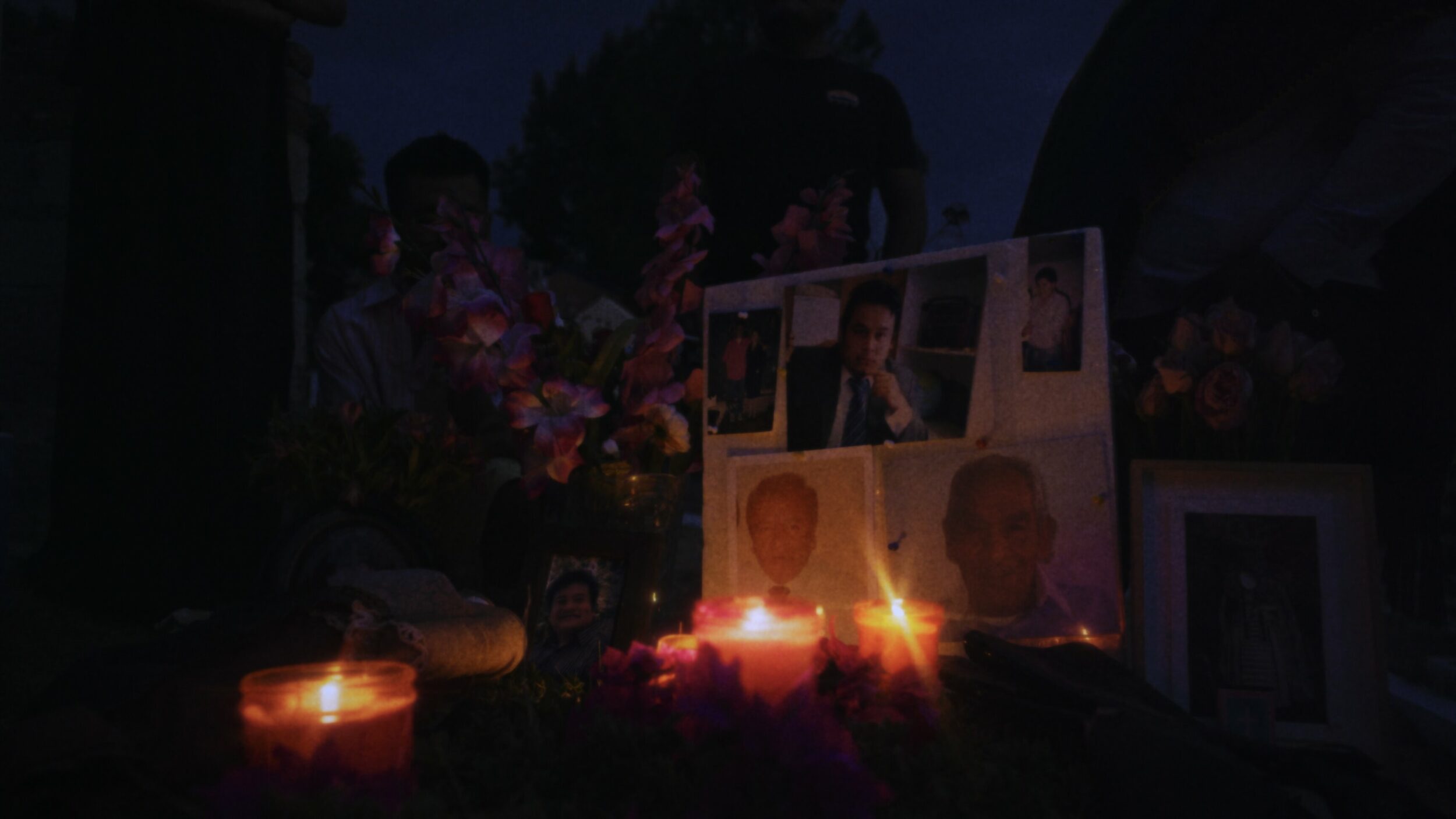
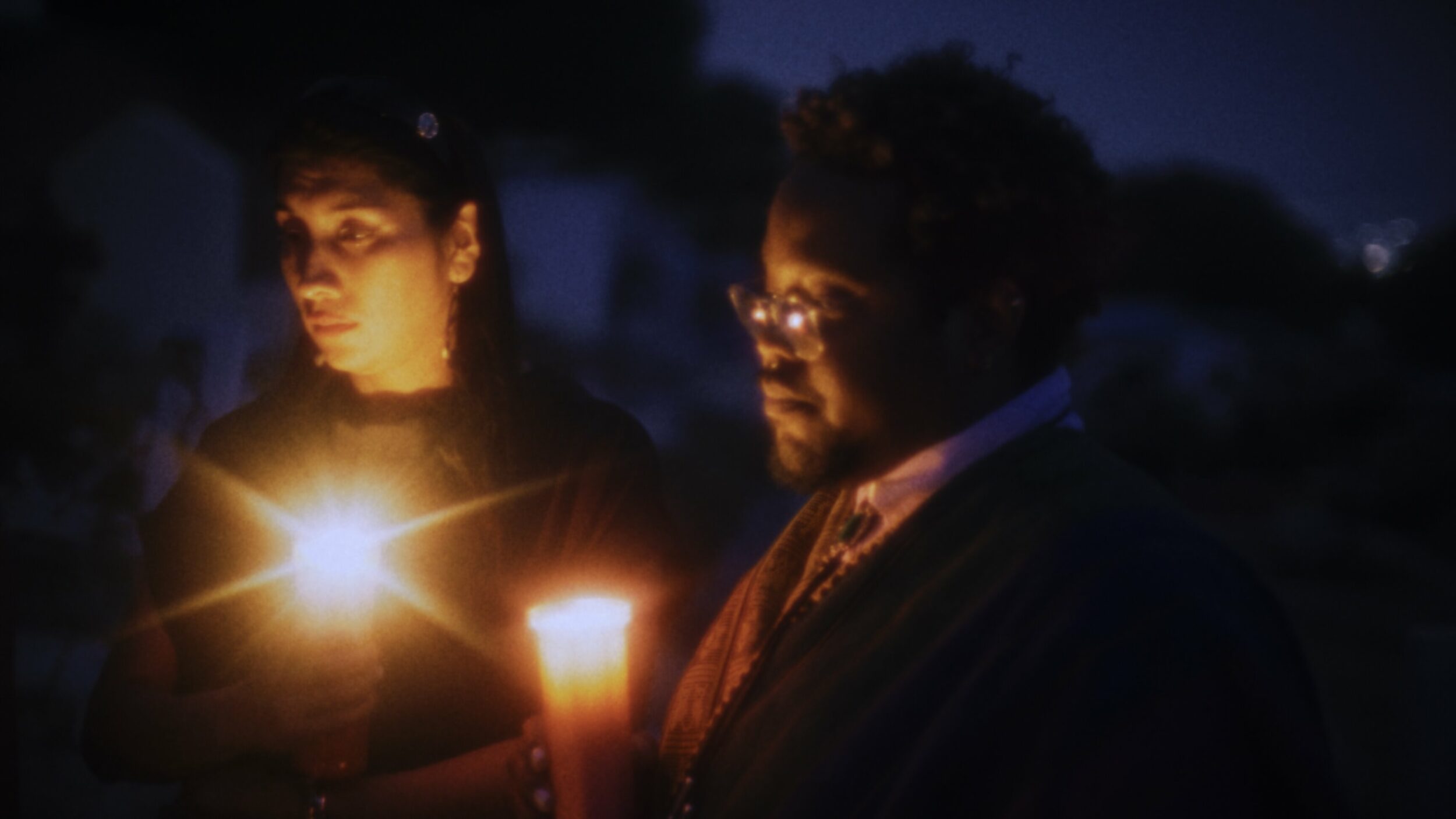
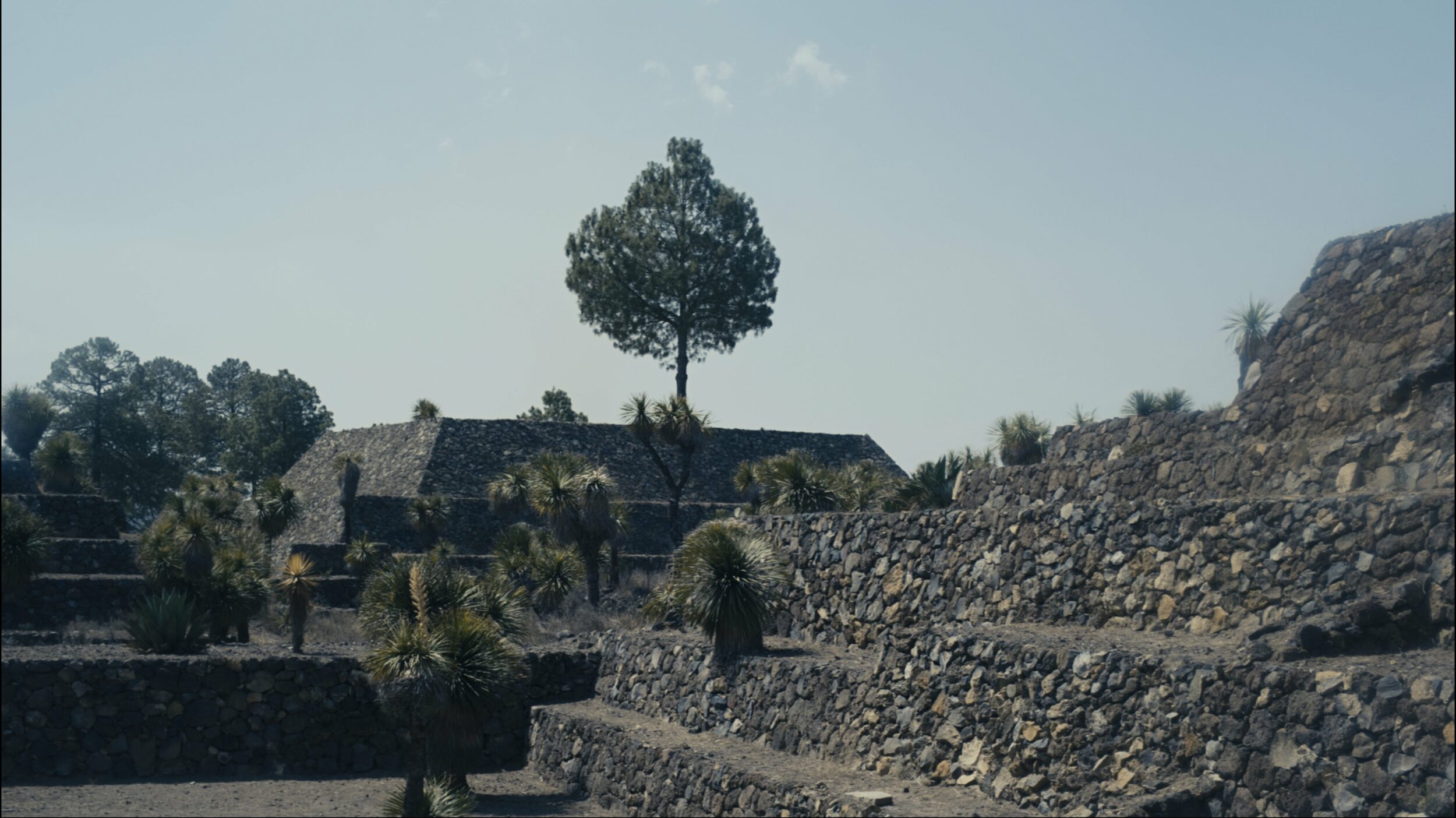
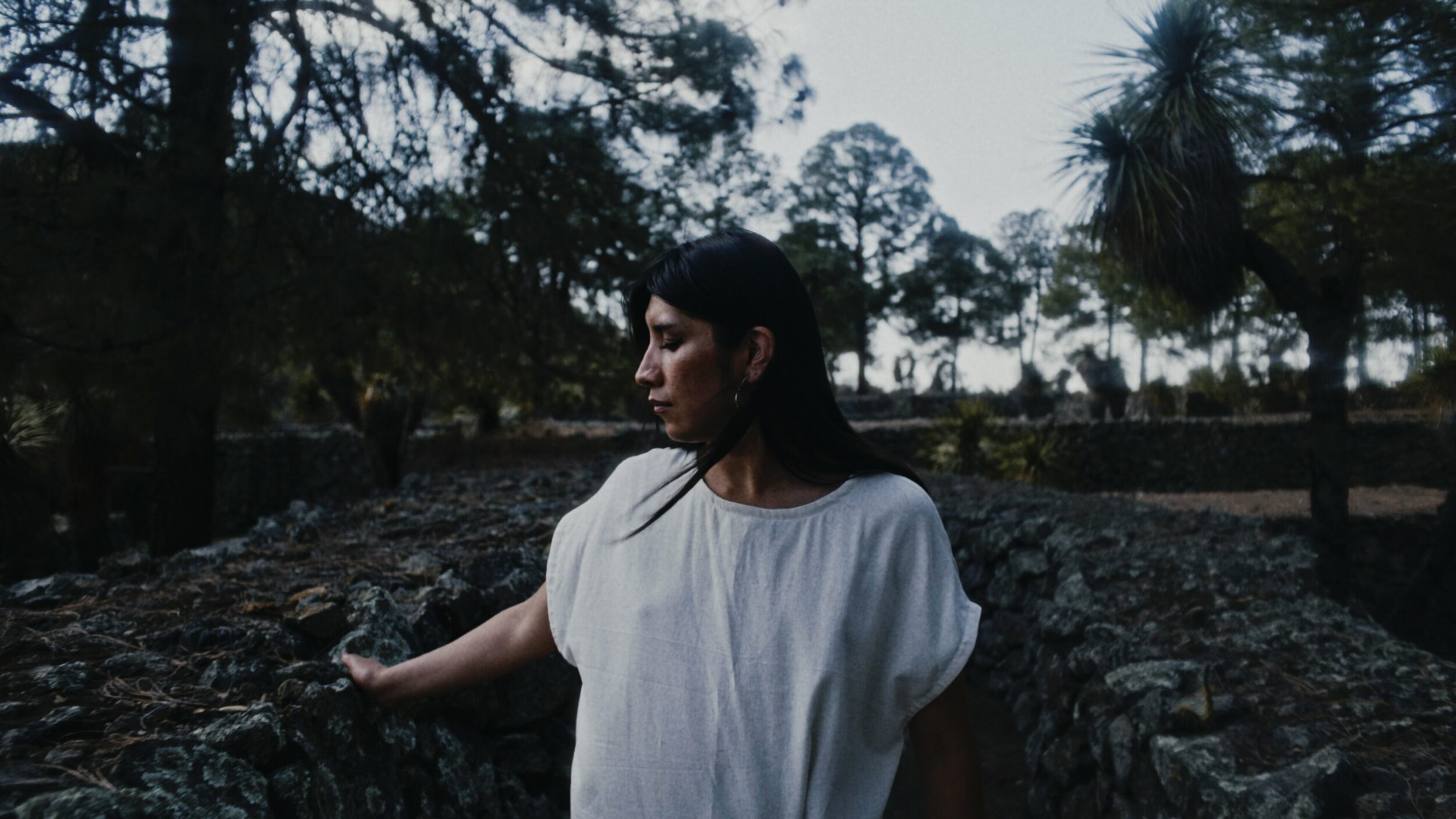
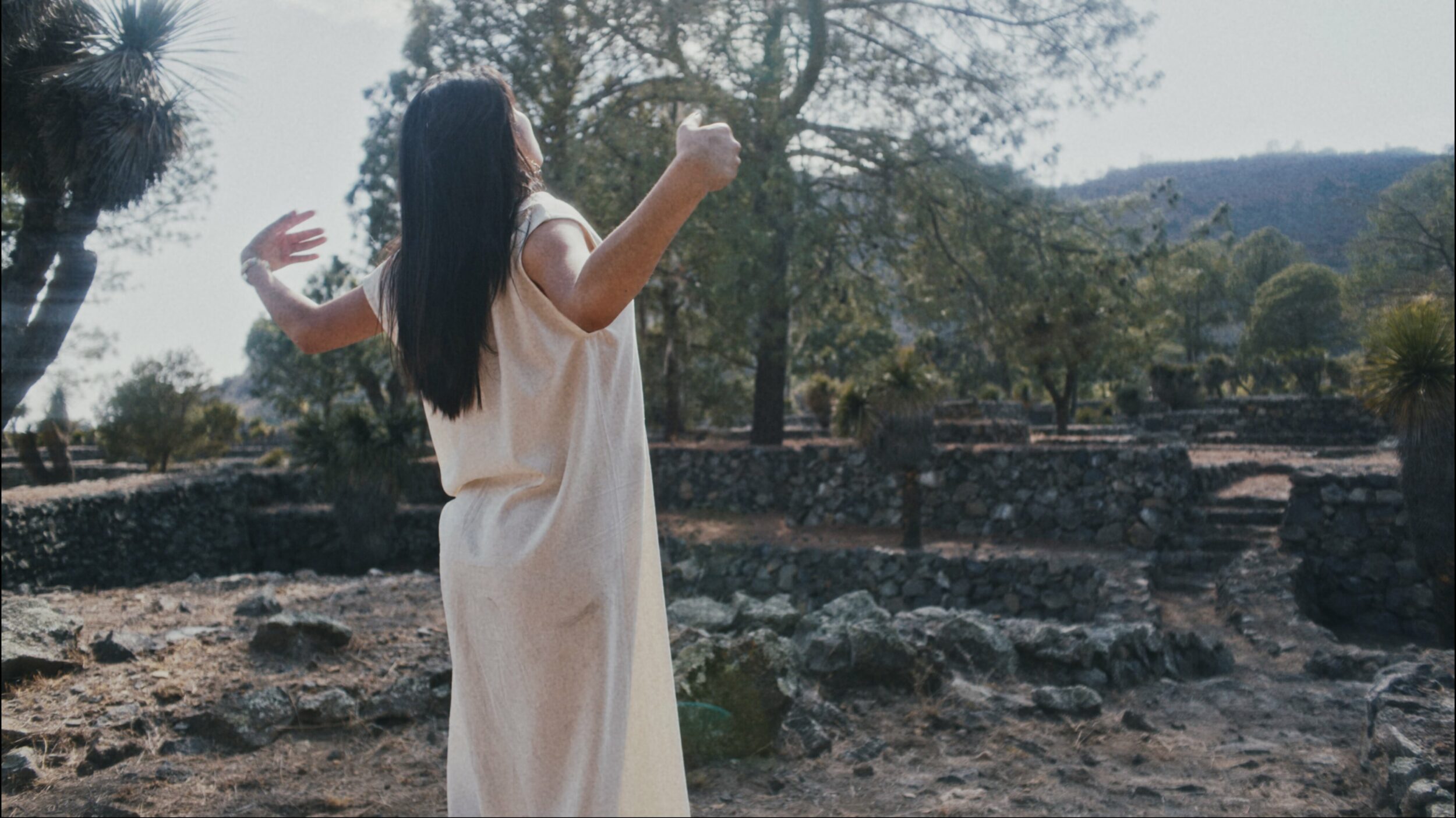
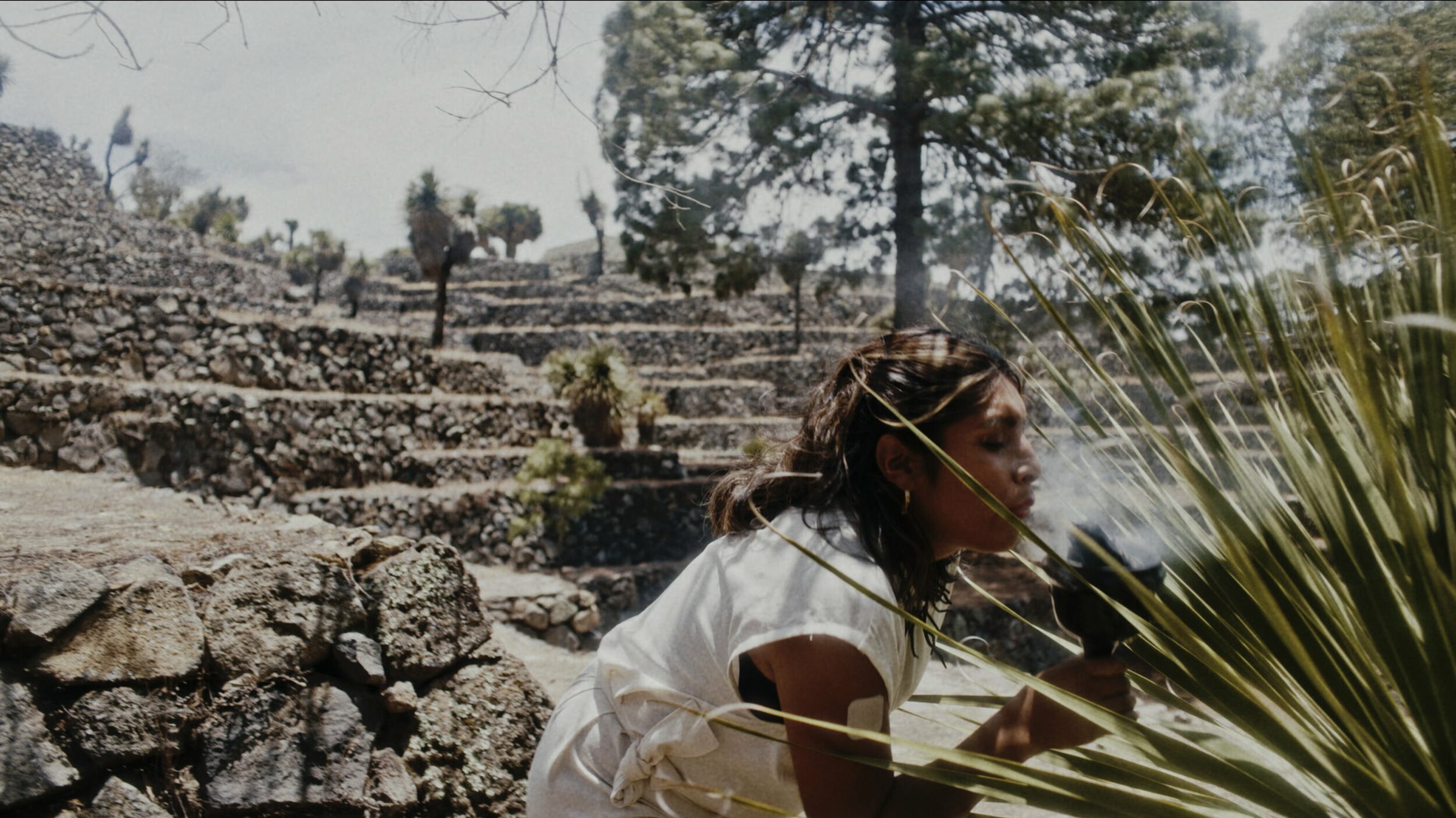
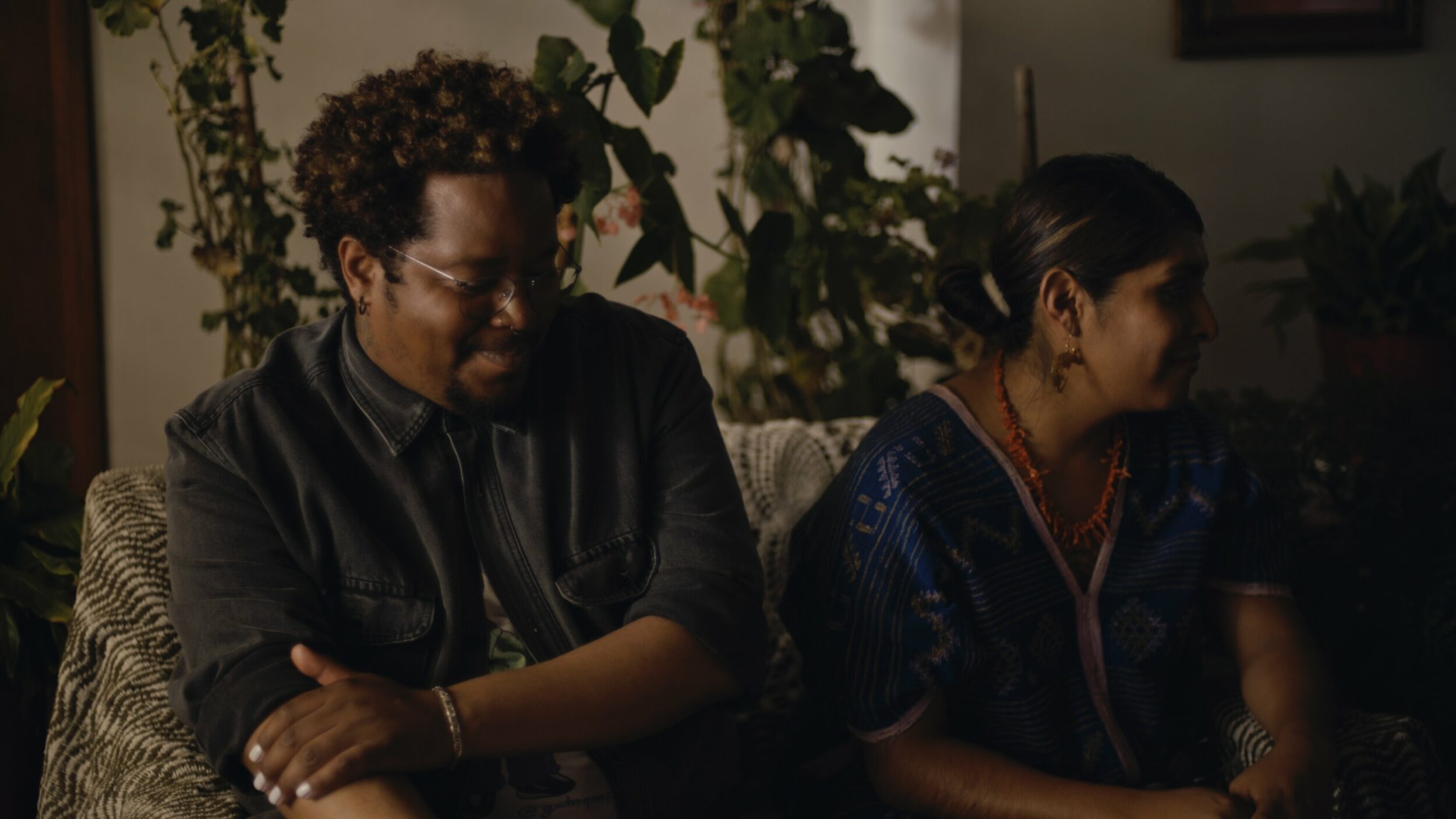
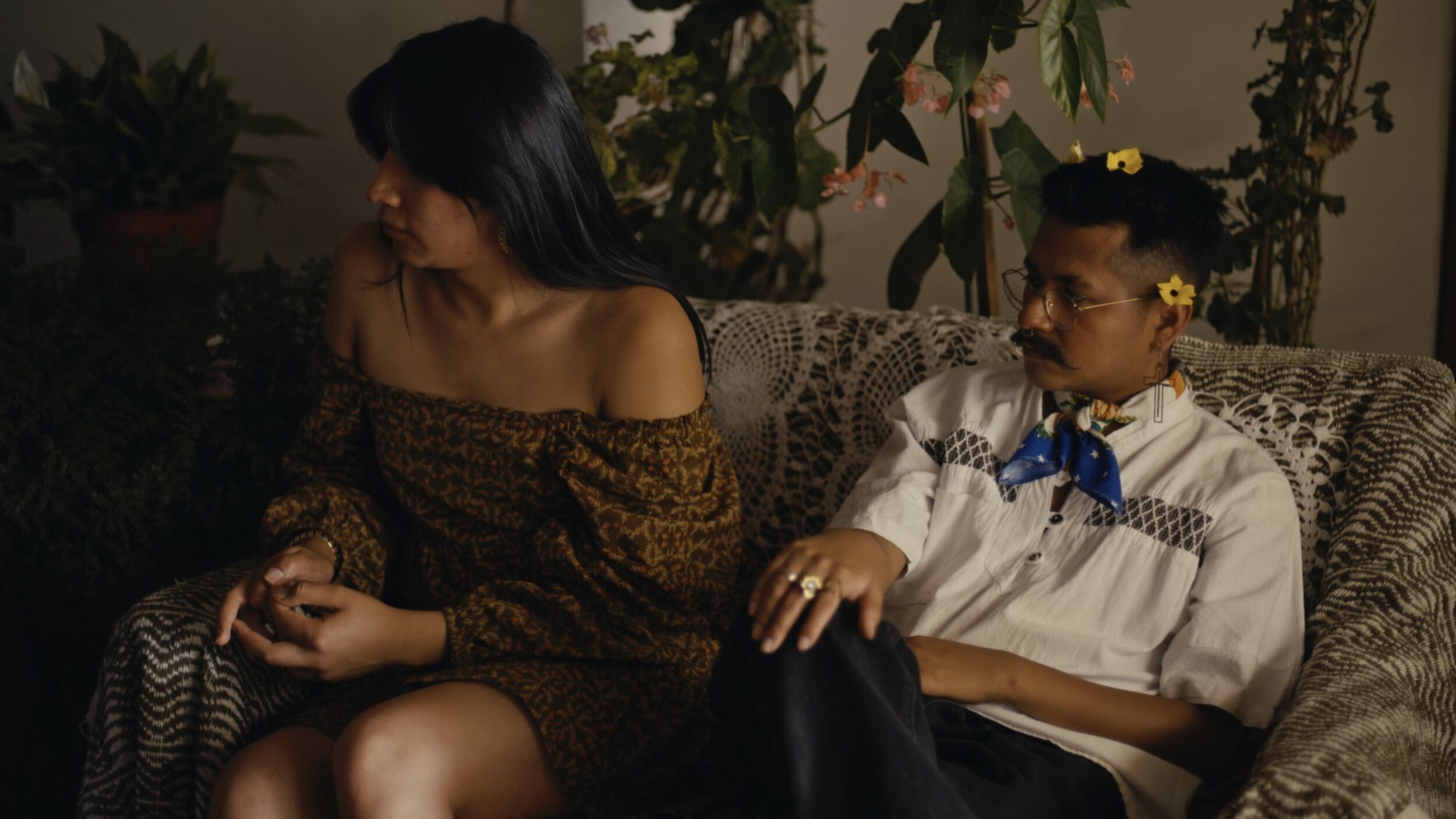
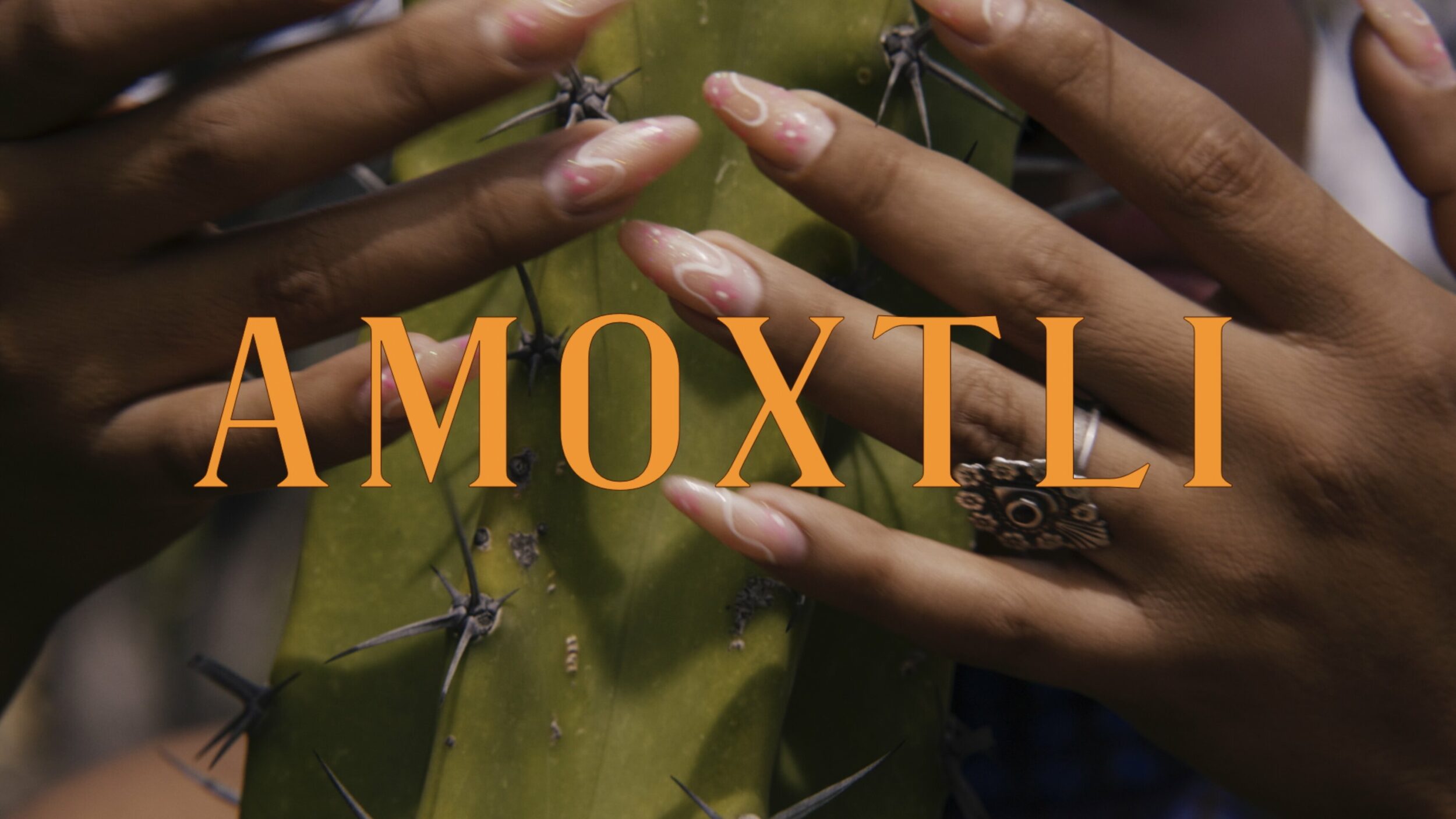
Amoxtli is a film project developed primarily in Mexico initiated by Vir Andres Hera with invited collaborators. It was filmed across Tlaxcala, Puebla, Oaxaca, Mexico City, and rural plateaus marked by archaeological, agricultural, and migratory histories. Additional fragments were recorded in France, where sections of the voice-over were written and performed, and in New York City within Mexican communities on 8mm film.
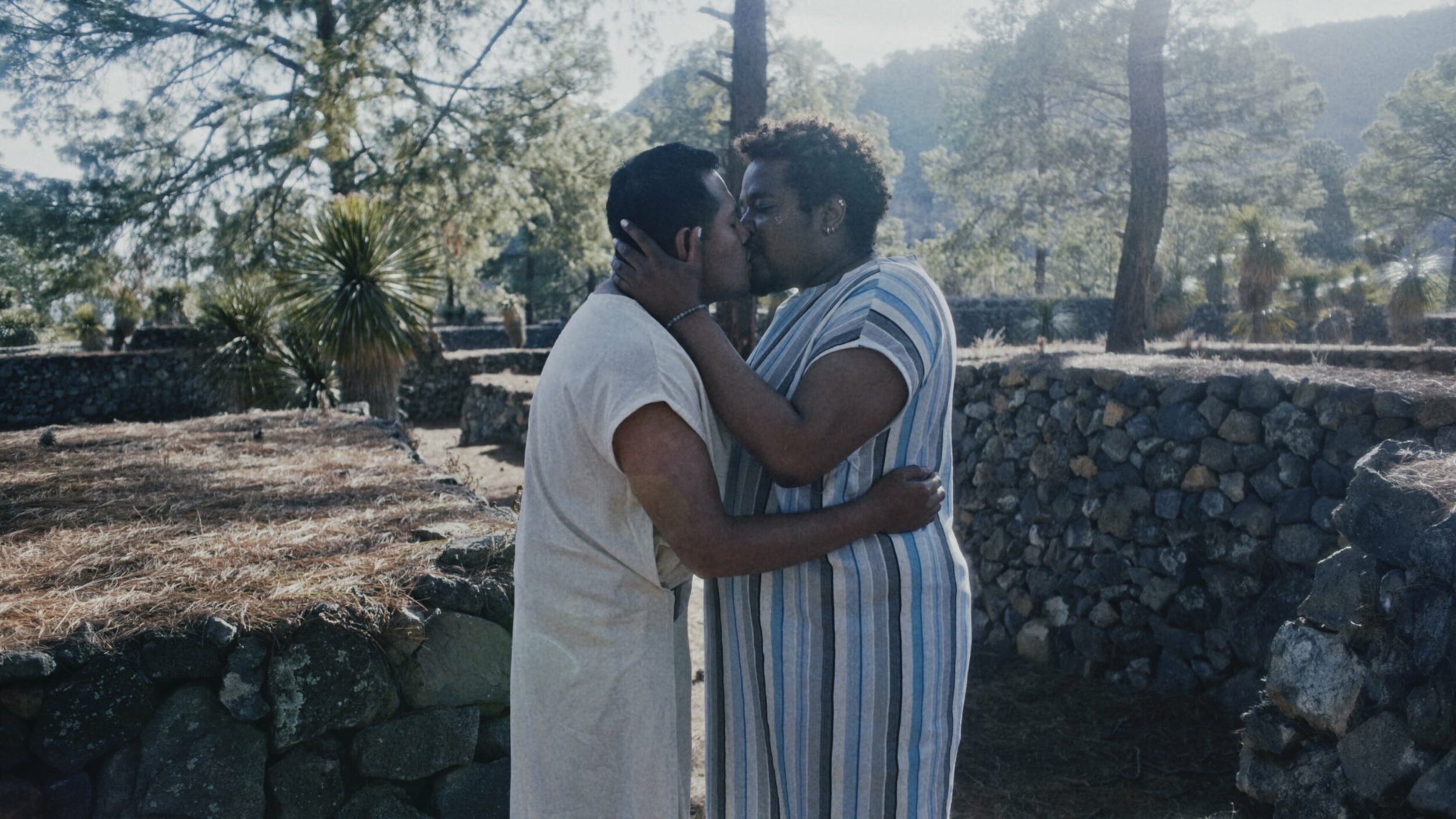
The project articulates a decolonial cinematic methodology grounded in landscape, collective writing, and embodied knowledge. Cinema is approached as a site of situated encounter rather than representation. The structure emerged from extended conversations, improvisations, and shared reflection generated through dialogue, and friction.
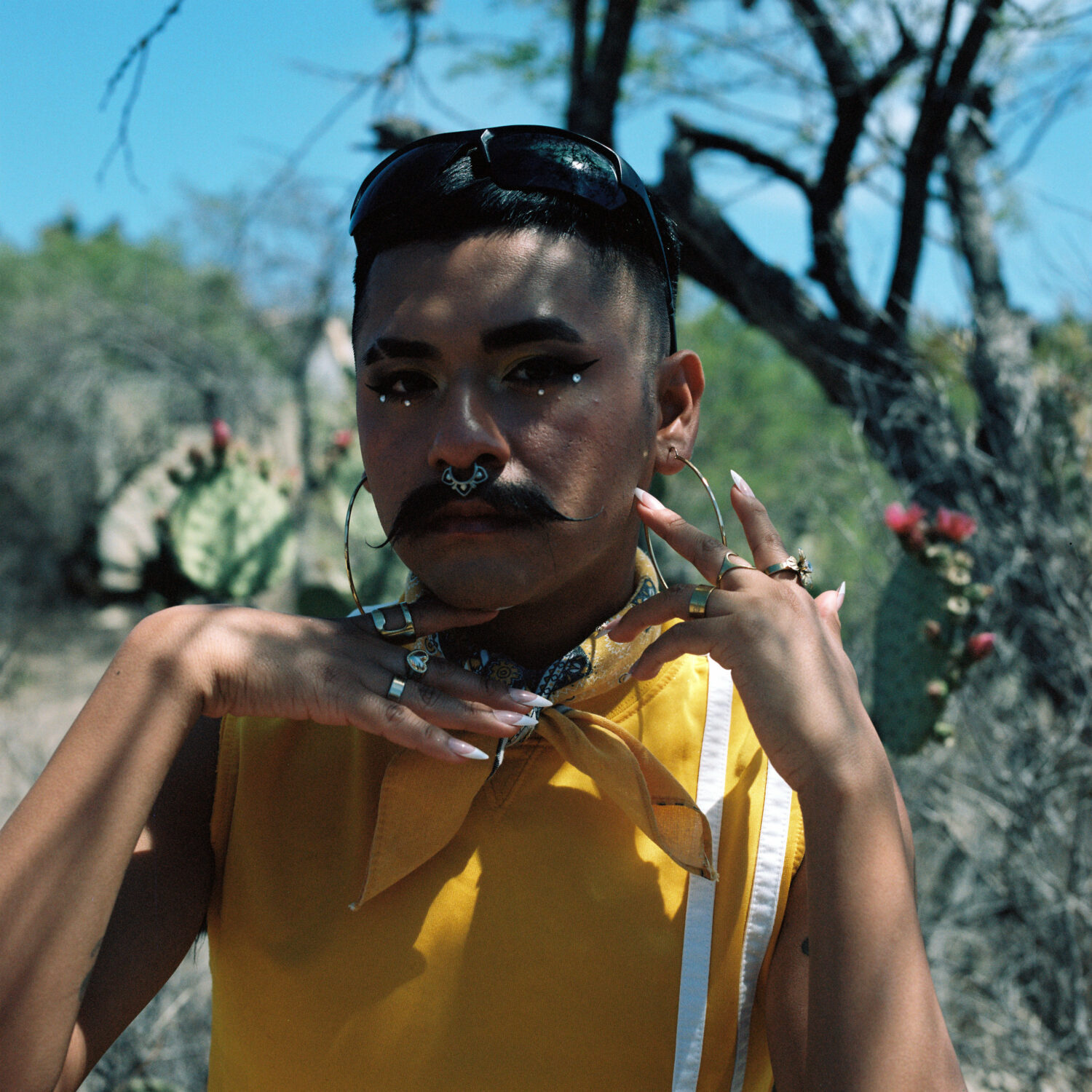
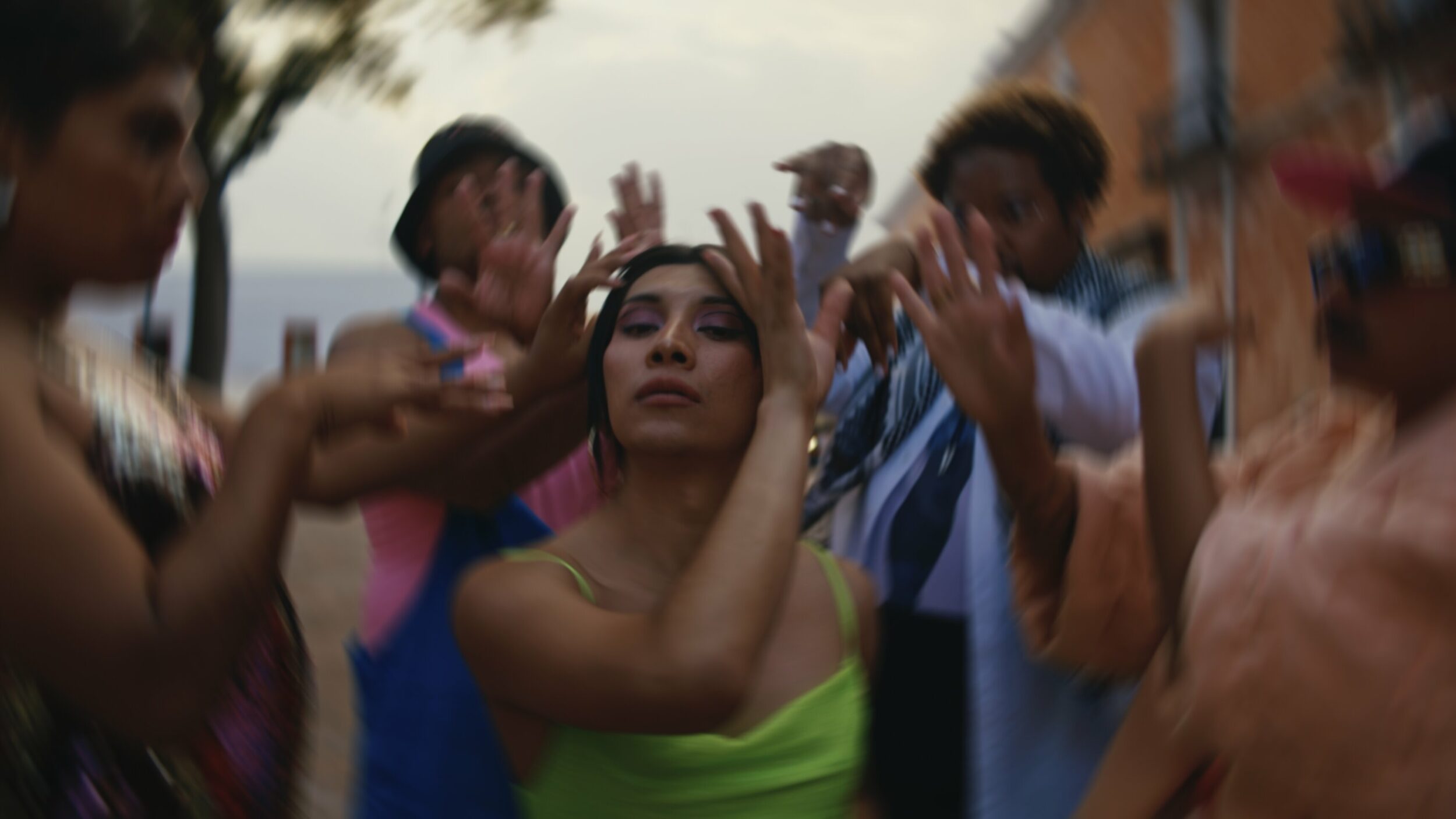
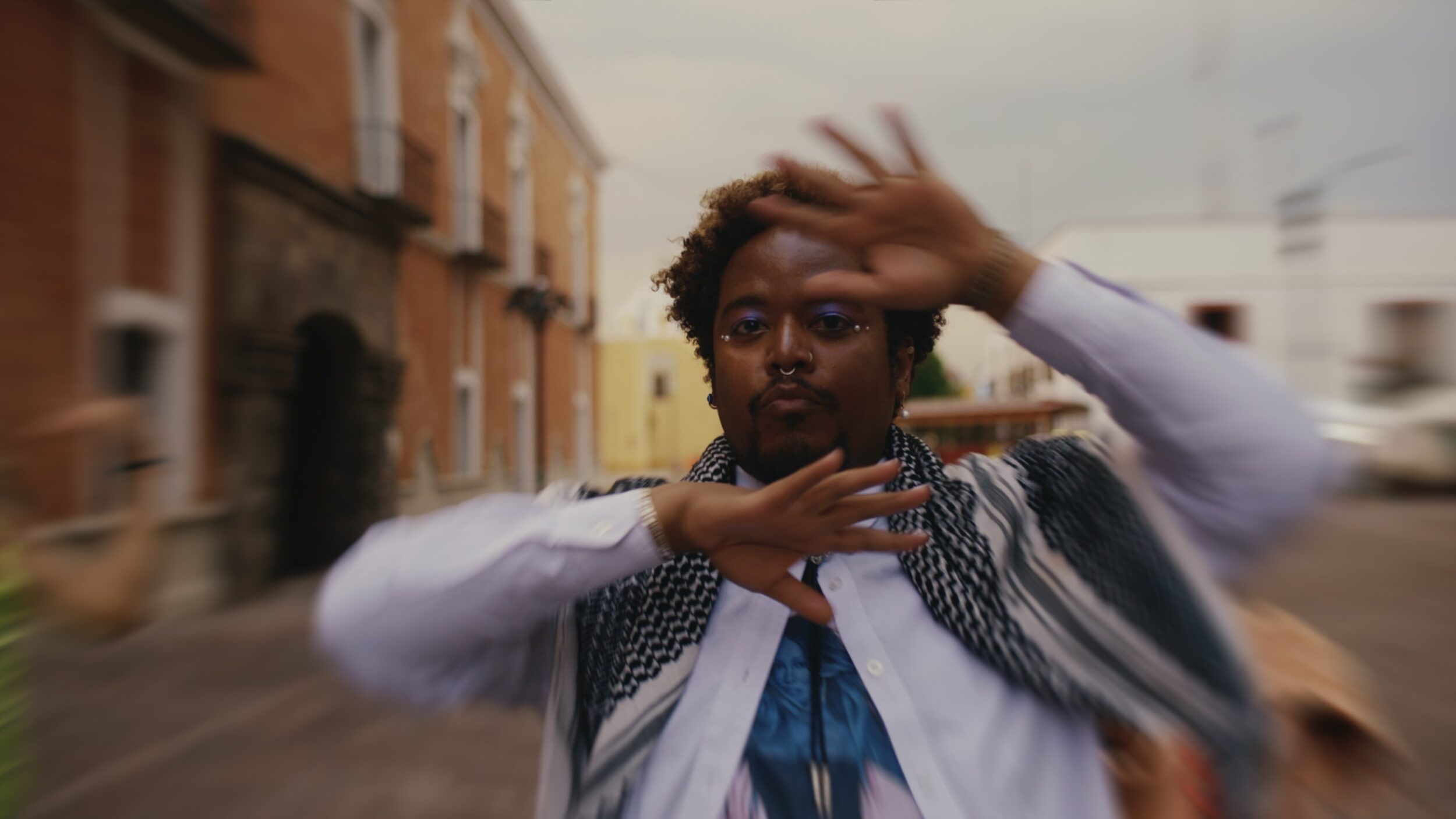
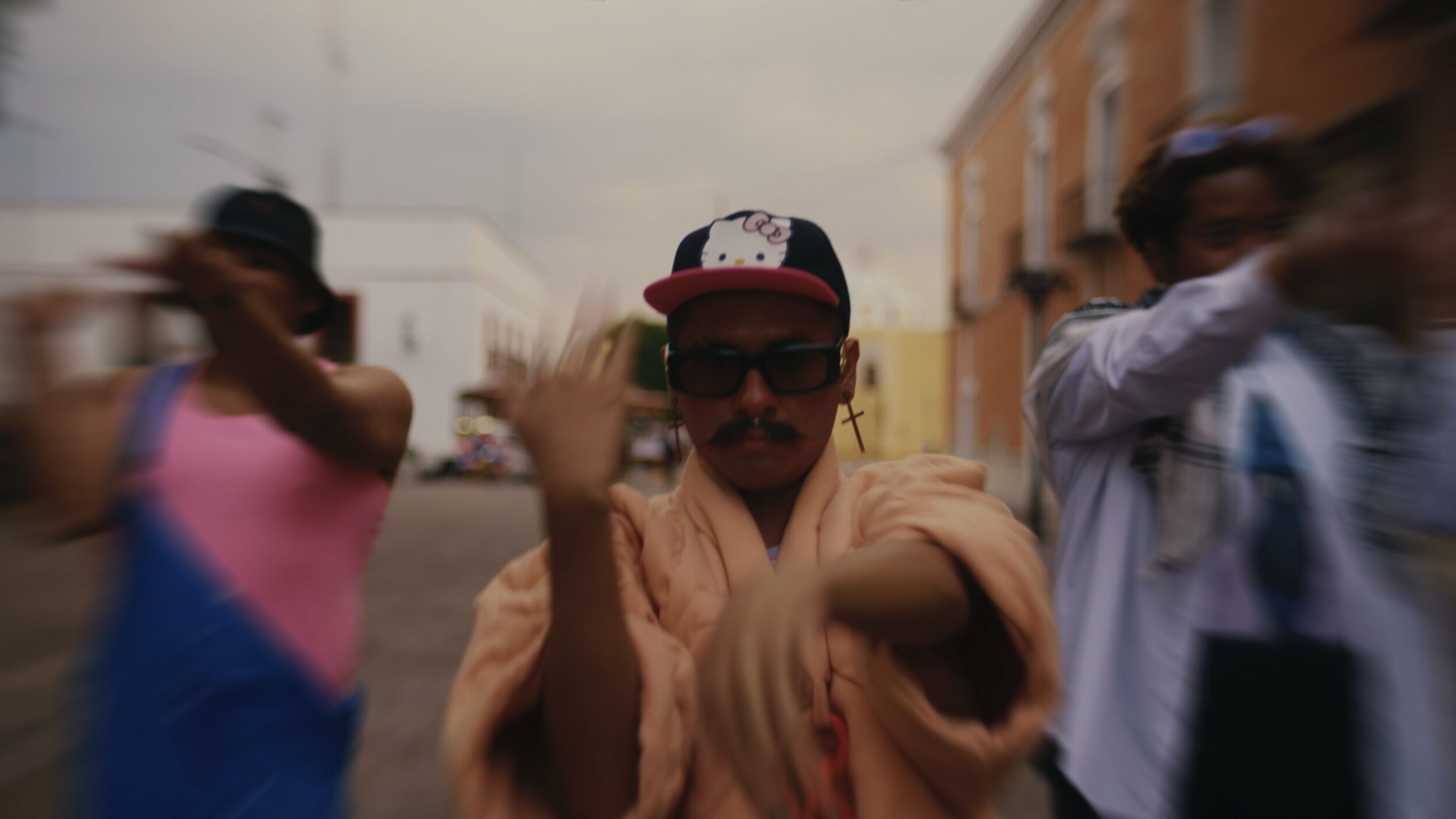
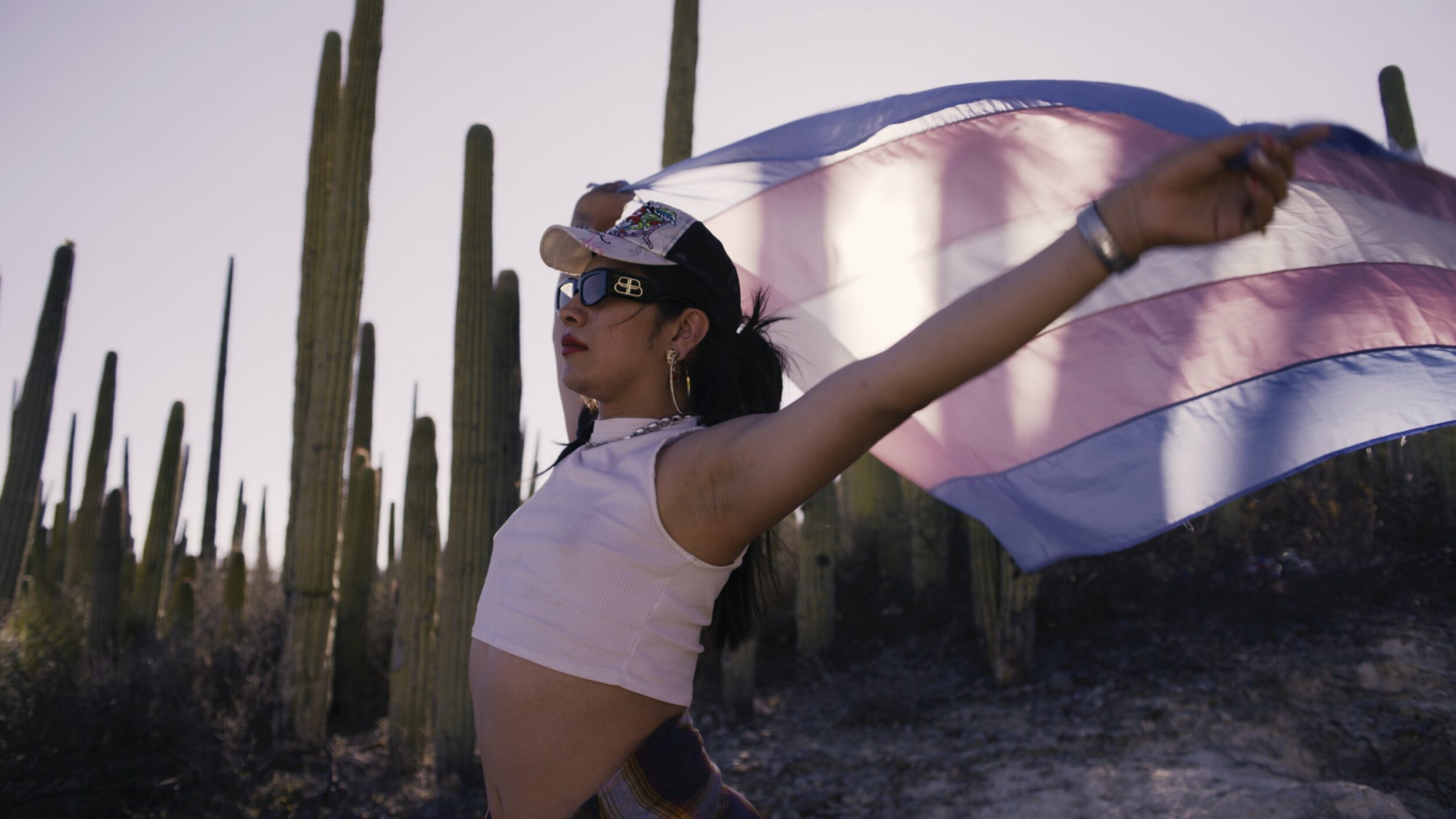
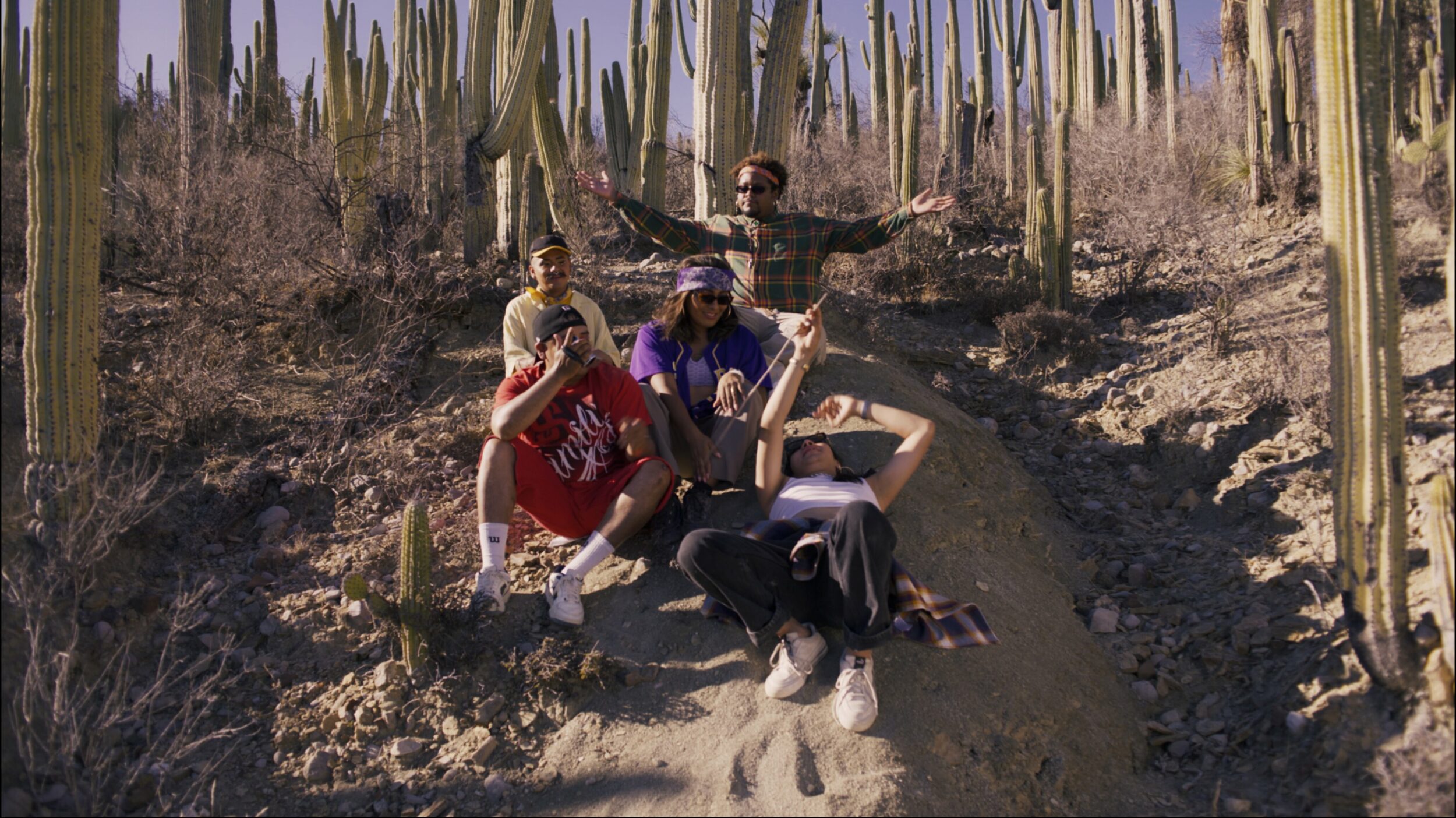
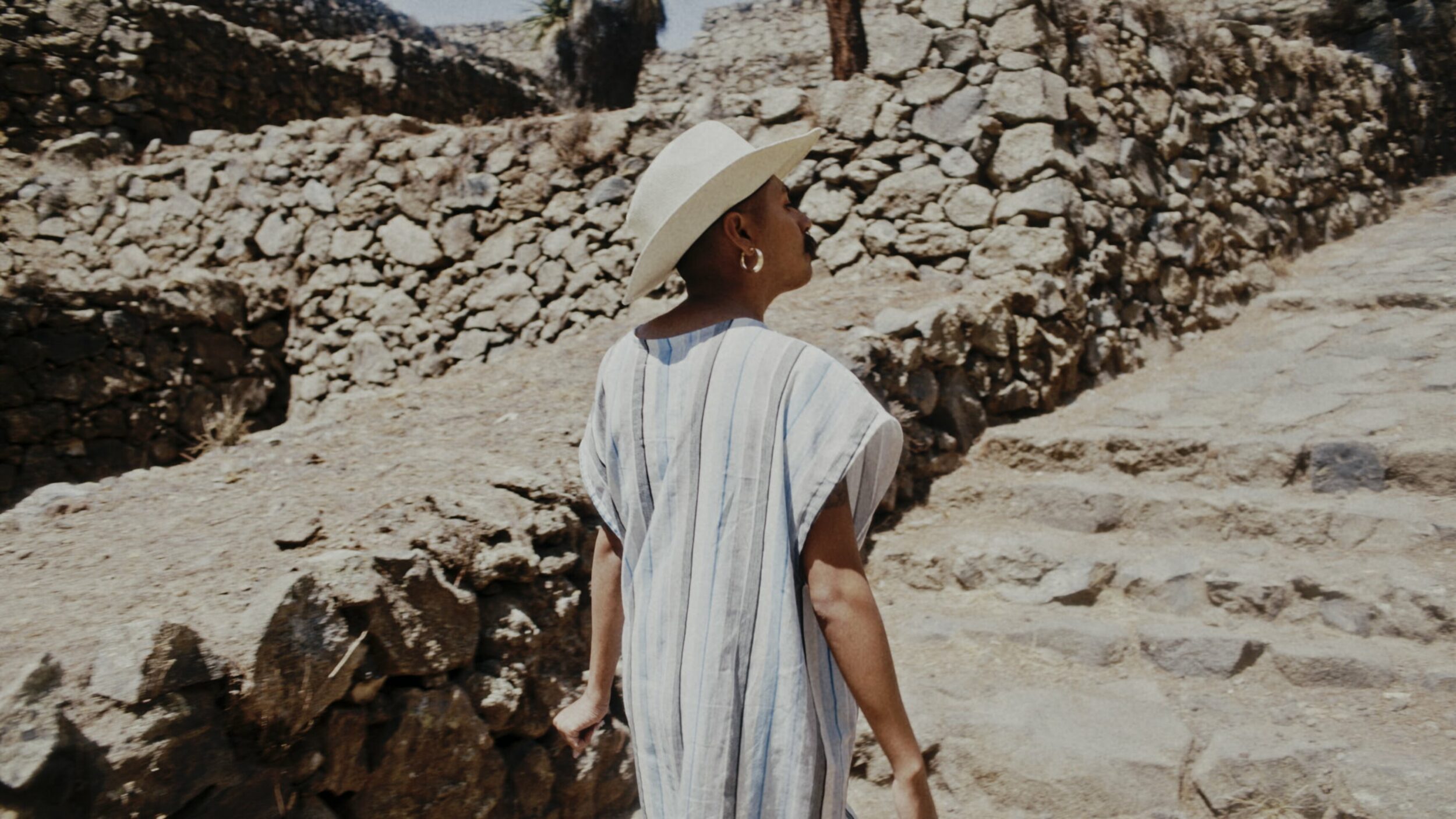
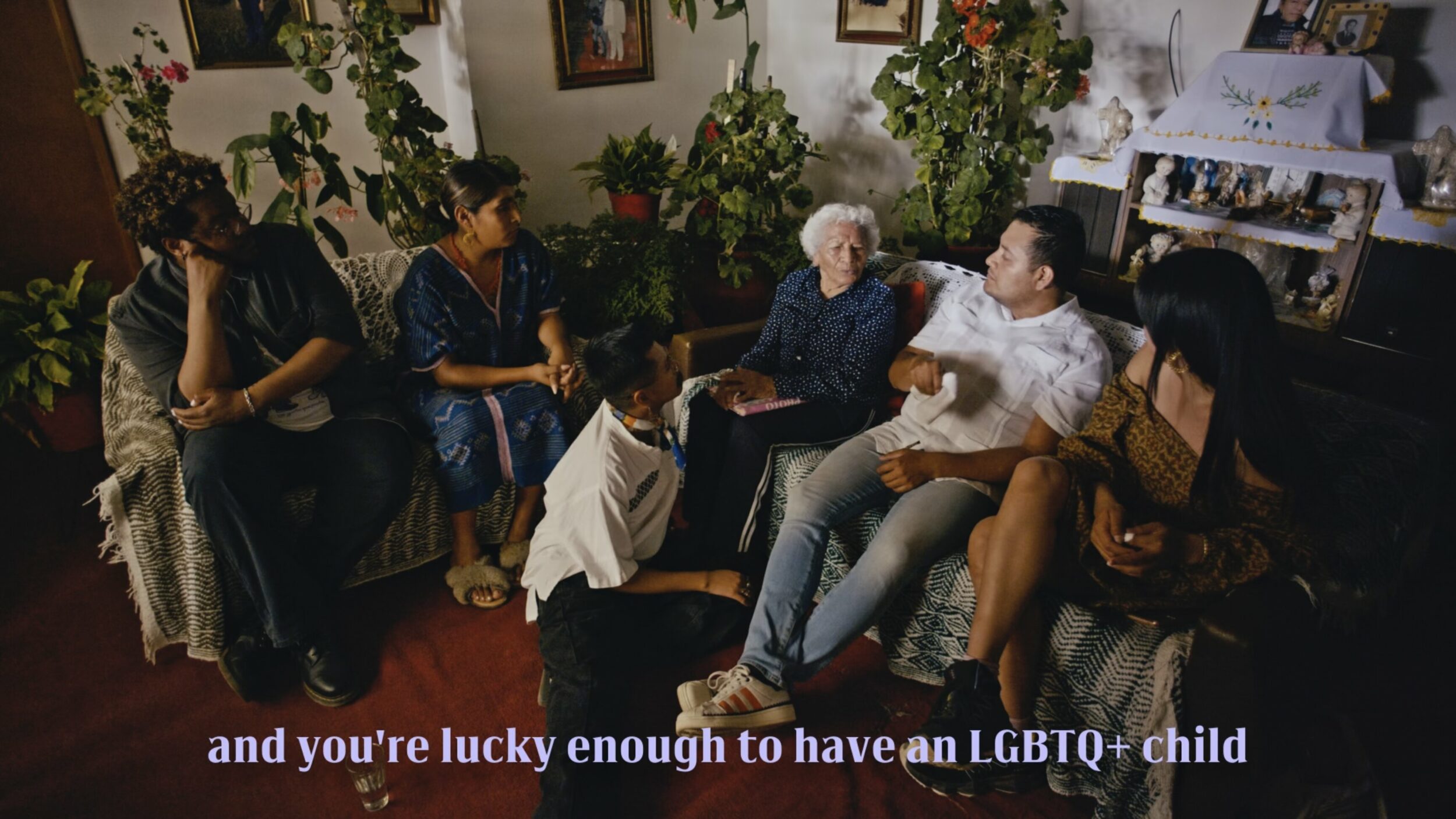
The performers are activists and cultural workers engaged in specific political communities: trans and Afro-Mexican activists based in Mexico City; members of anti-racist collectives such as Prietologías; Muxe artists from Oaxaca; non-binary rural practitioners rooted in territorial struggles. Their presence is anchored in lived political practice, Amoxtli stages encounters between their distinct positions without collapsing them into a unified identity. Difference, contradiction, and negotiation remain visible.
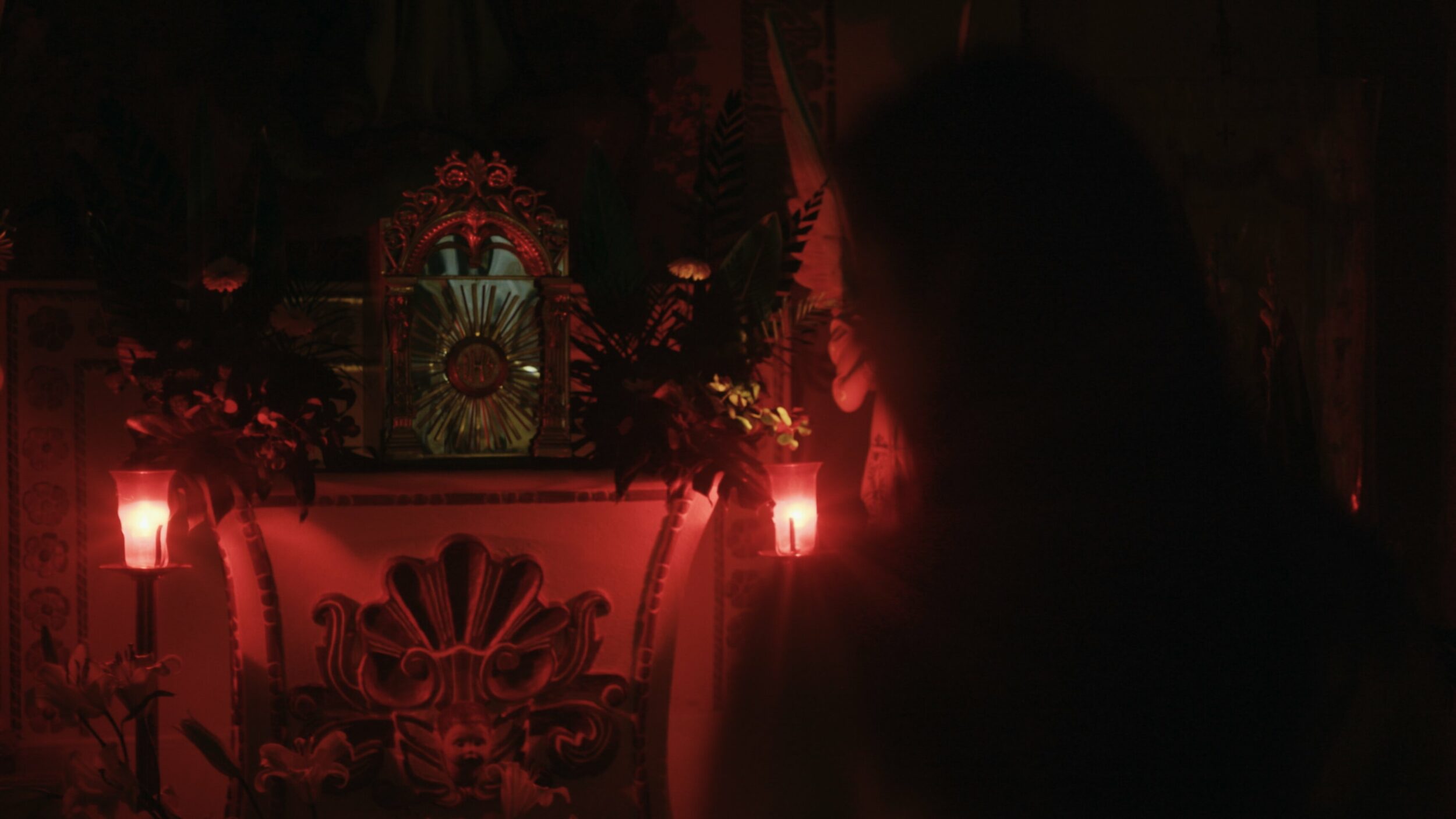
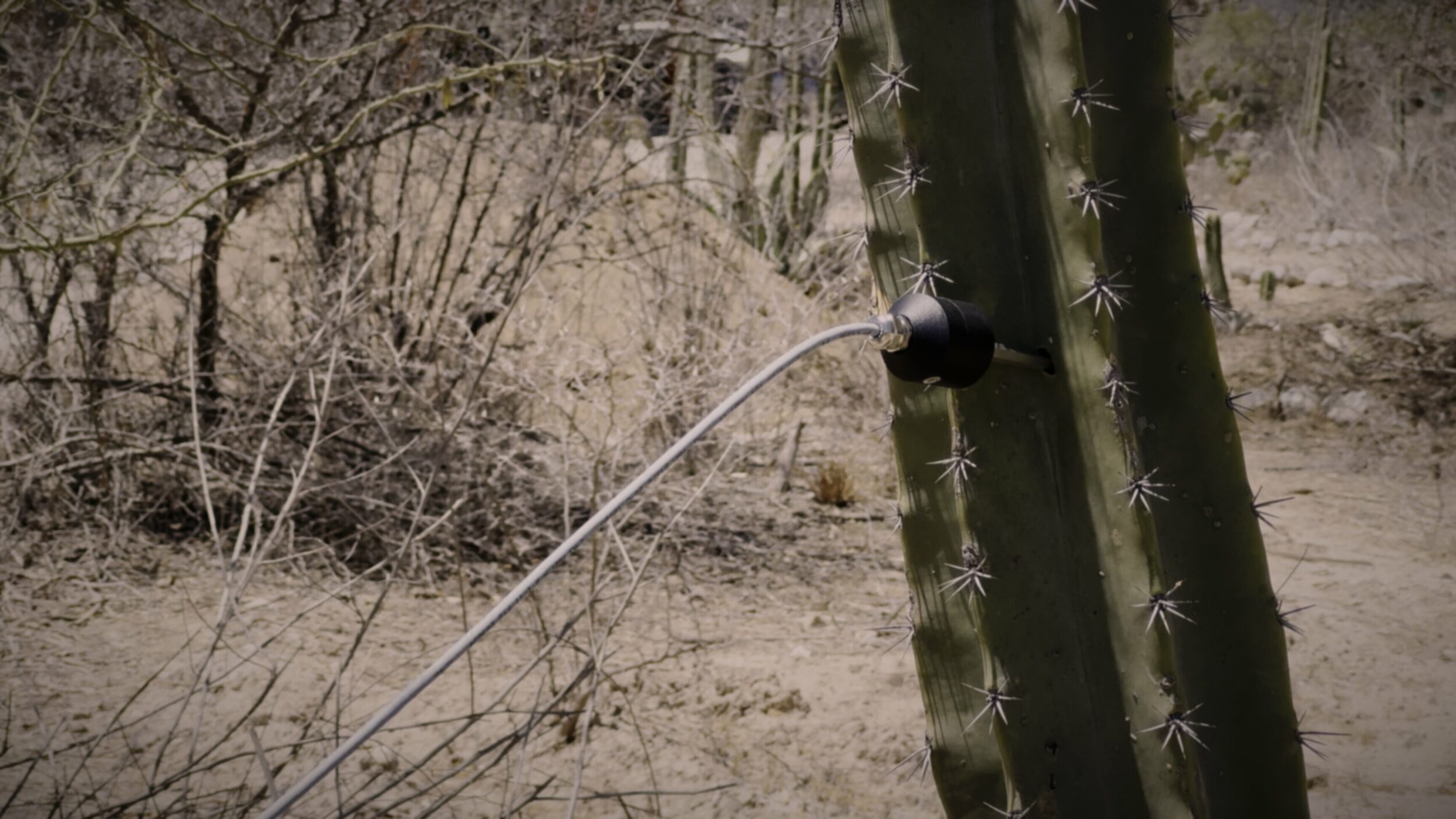
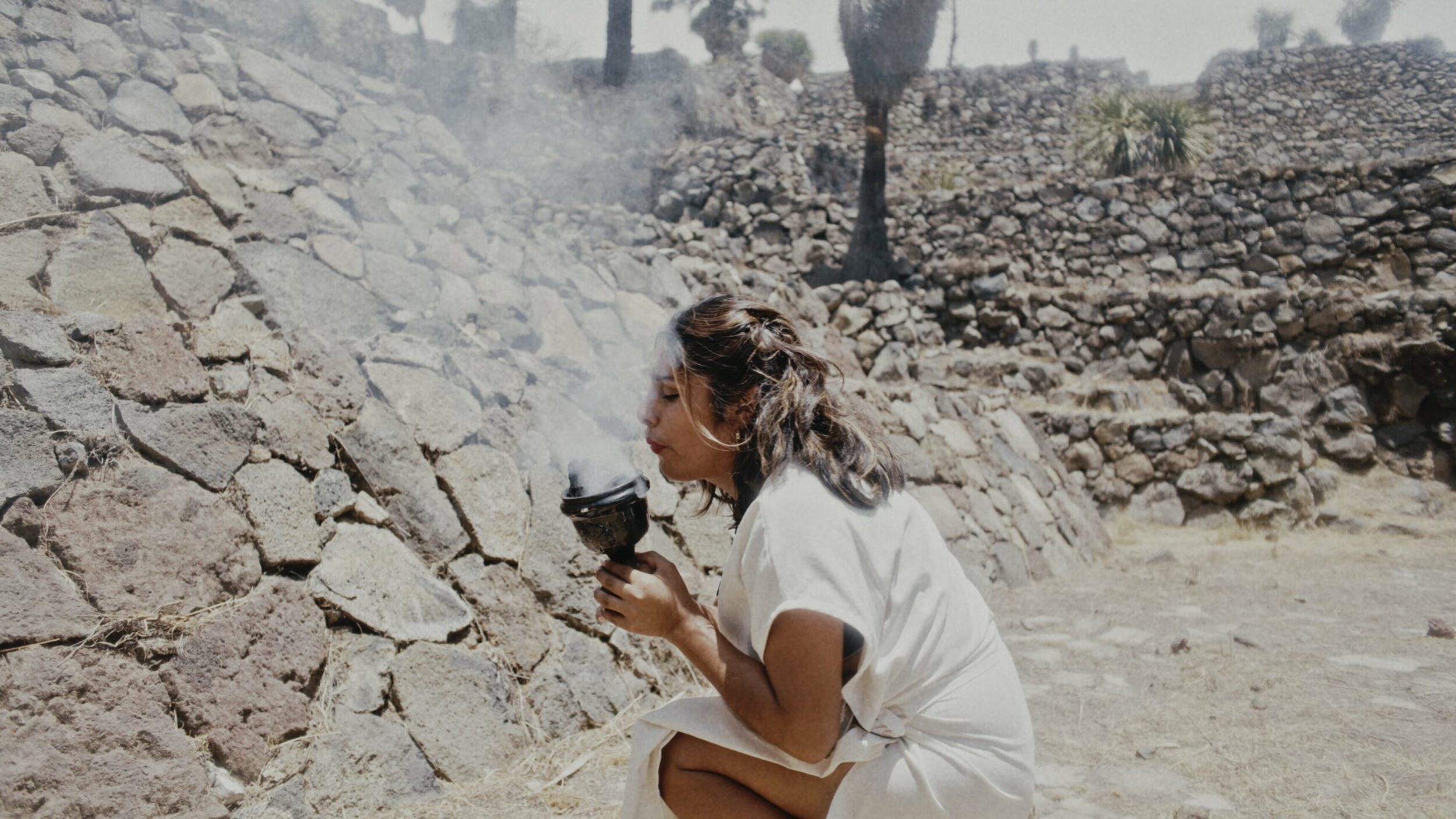
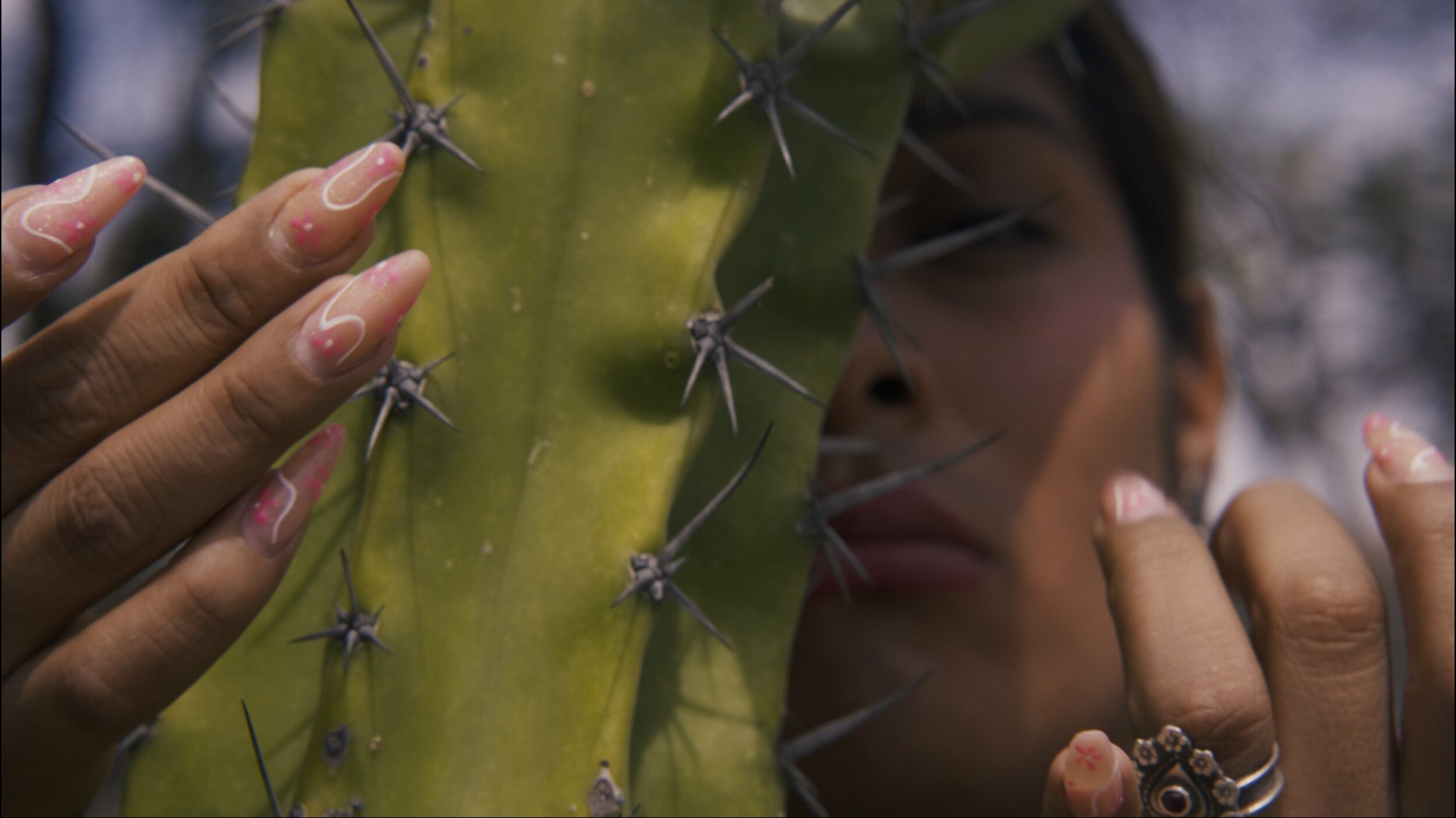
Landscape functions as a structural partner. Archaeological ruins, volcanic soil, cemeteries, dry fields, and stone walls are approached as material witnesses to colonial extraction, evangelization, racial hierarchy, and survival. The camera moves through these terrains as a searching body. Geological time and contemporary activism coexist within the same frame.
The film unfolds through a series of chapters, including:
Everywhere My Brown Shoe Steps
Malintzin Panteon [Alone, but never lonely]
And they became witches
Las Ancestras [A conversation over the ruins]
Camera Serpent
Baby house of Amoxtli
Es una mujer y nada más
About my name
El Encanto
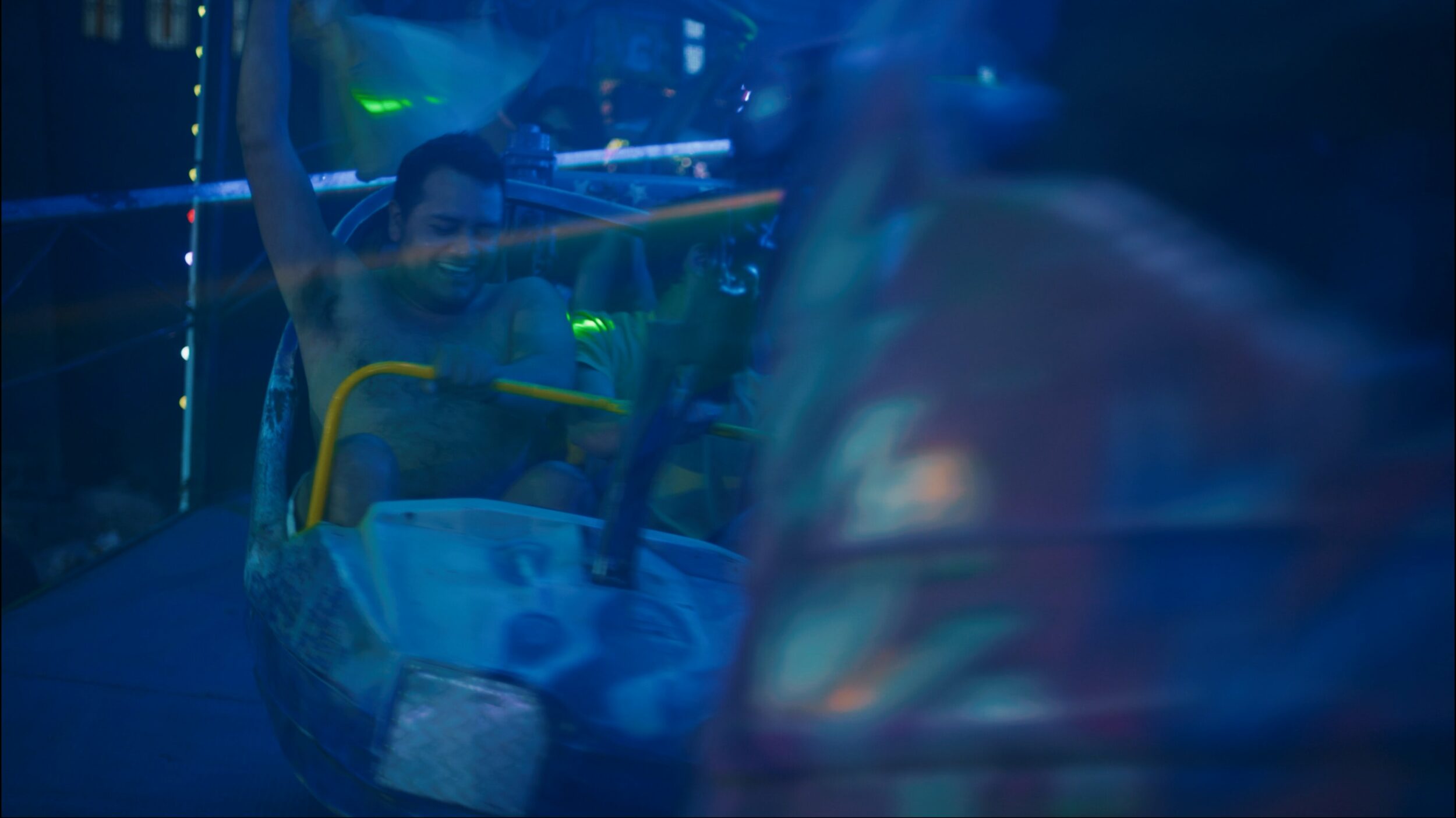
No tengas miedo de los truenos [Fête foraine]
Bois Brilé
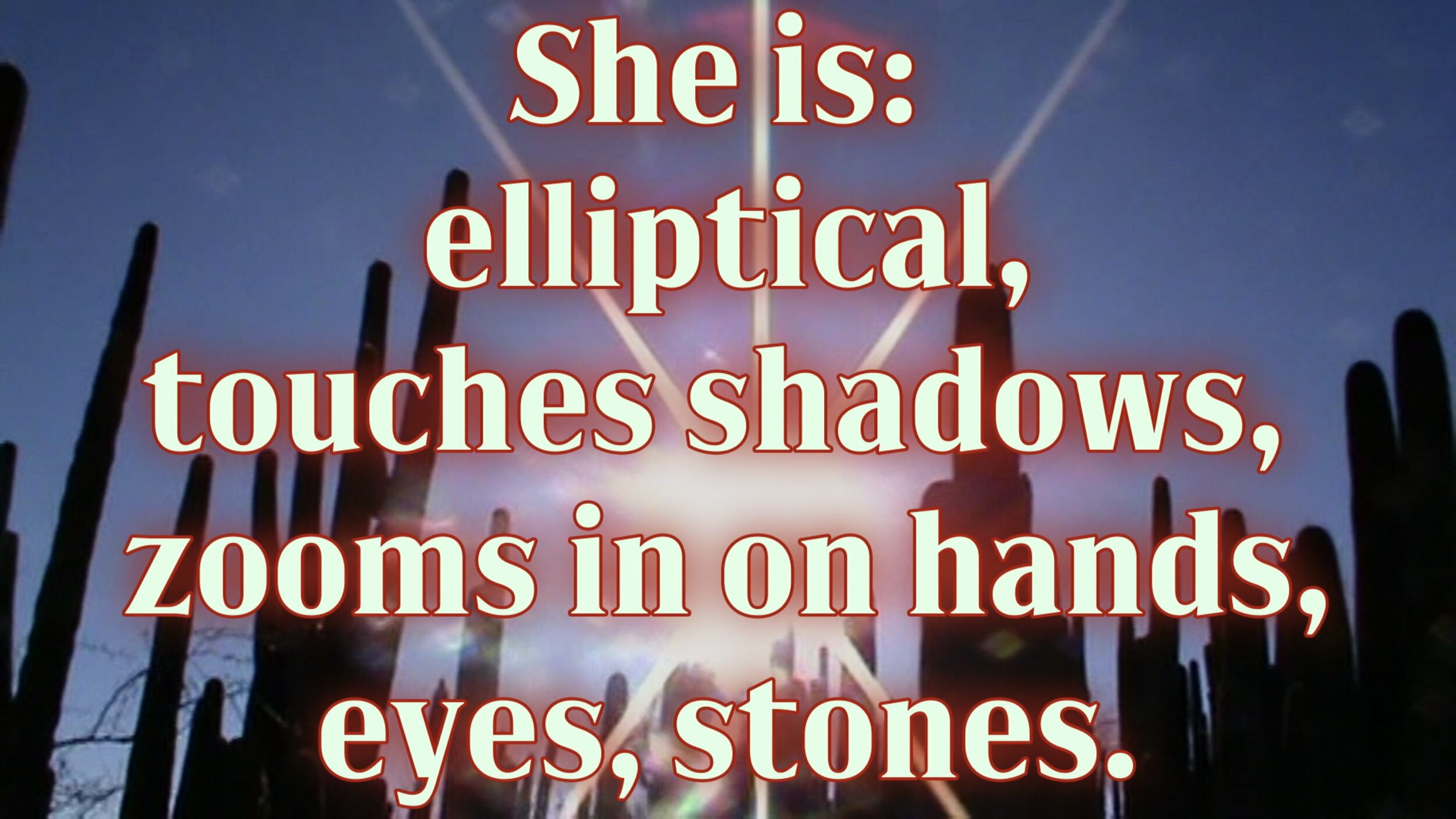
Credits [Cactus orchestra]
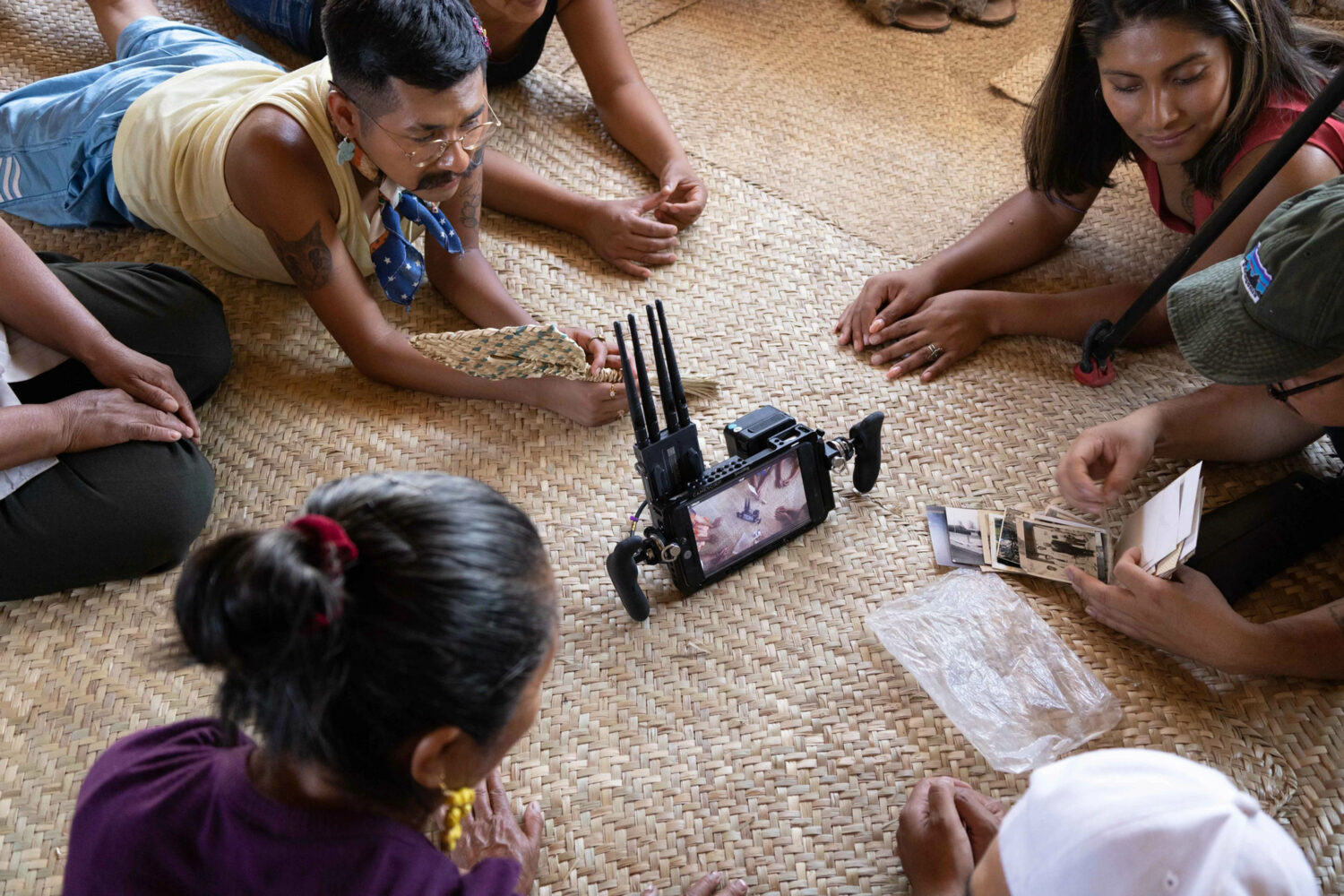
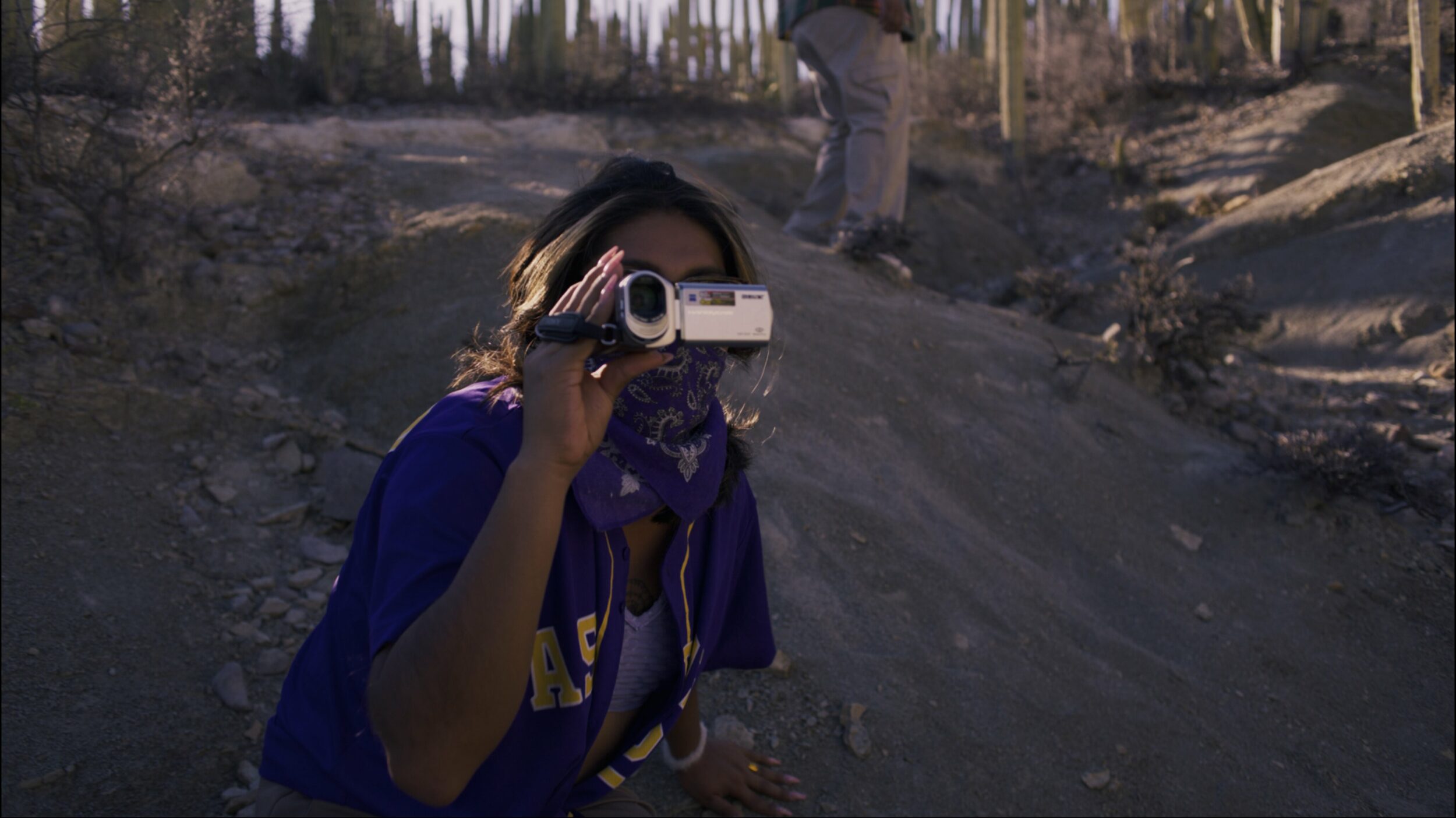
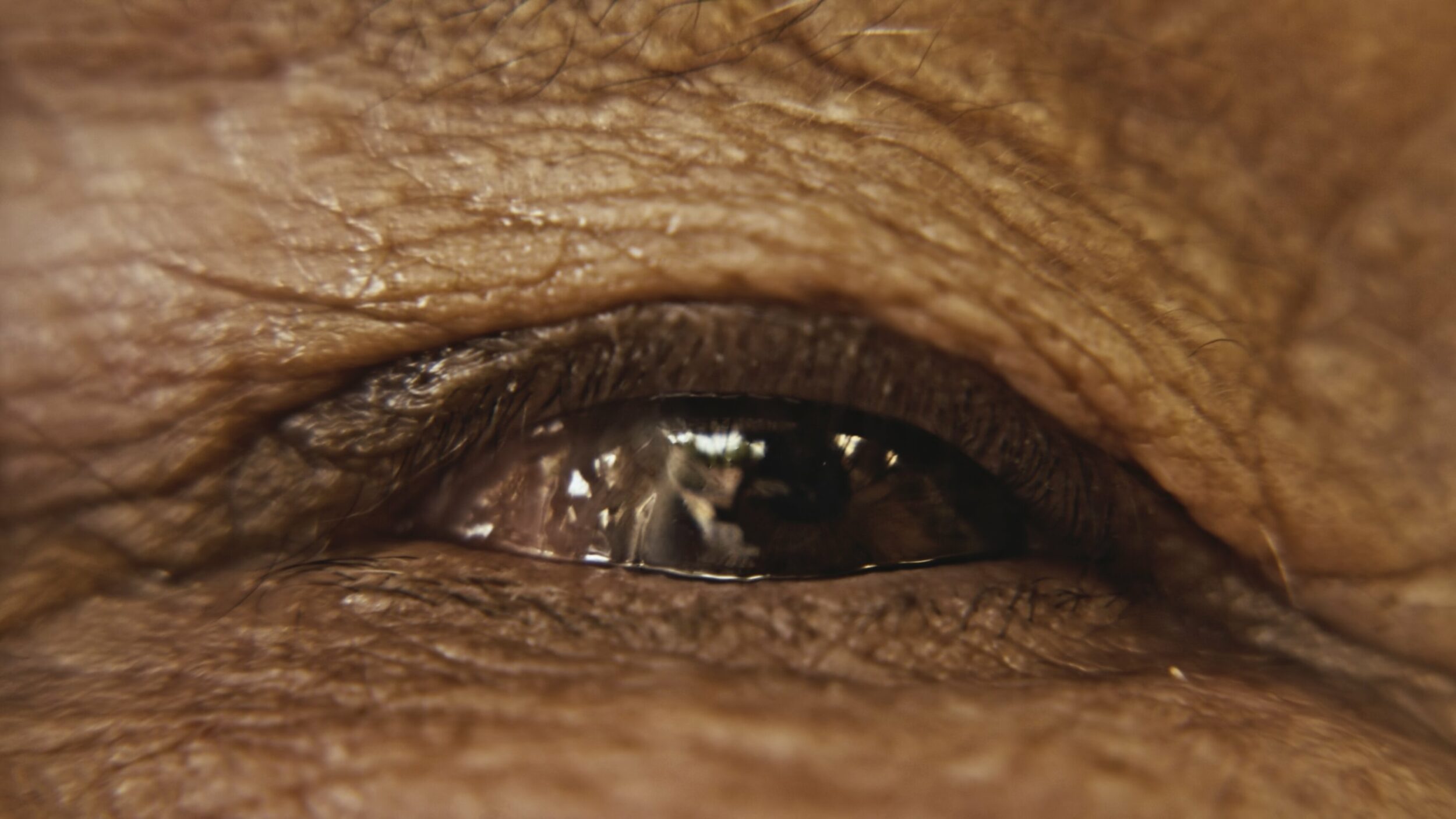
Across these chapters, Amoxtli investigates how knowledge circulates outside dominant archival systems. Oral transmission, rumor, erotic memory, humor, grief, and collective speculation shape the film’s writing. Scenes move between documentary conversation, staged fiction, ritual gesture, and intimate confession. Cinematic authority is fragmented through demultiplication. Multiple cameras operate simultaneously, producing parallel vantage points that resist hierarchical framing. As no single perspective stabilizes the image, vision becomes relational rather than extractive.
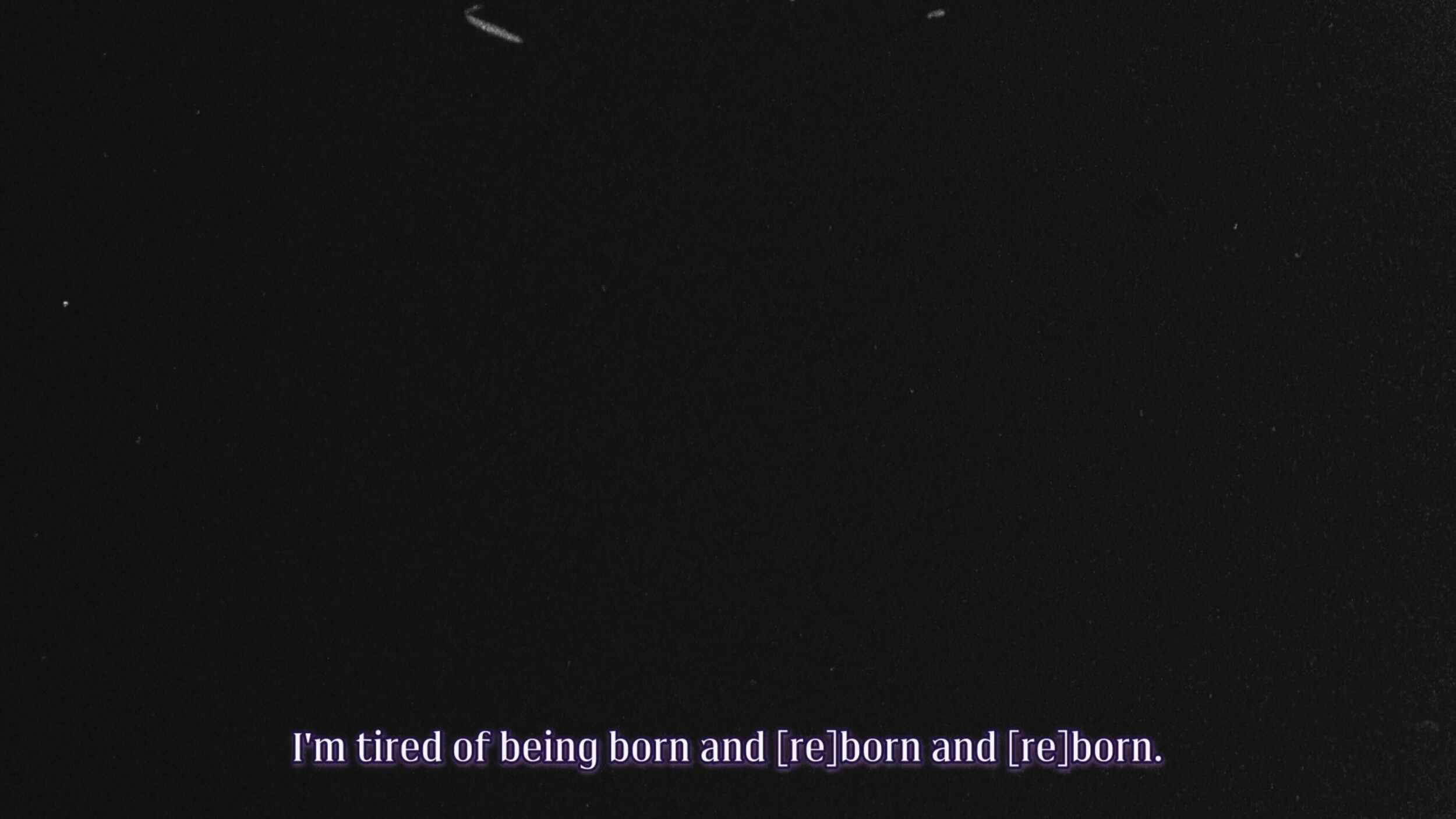
Language intensifies this structure. Spanish, English, French, and Nahuatl circulate across the film. The voice-over introduces distance and displacement. Misalignment between languages is preserved and translation remains partial.
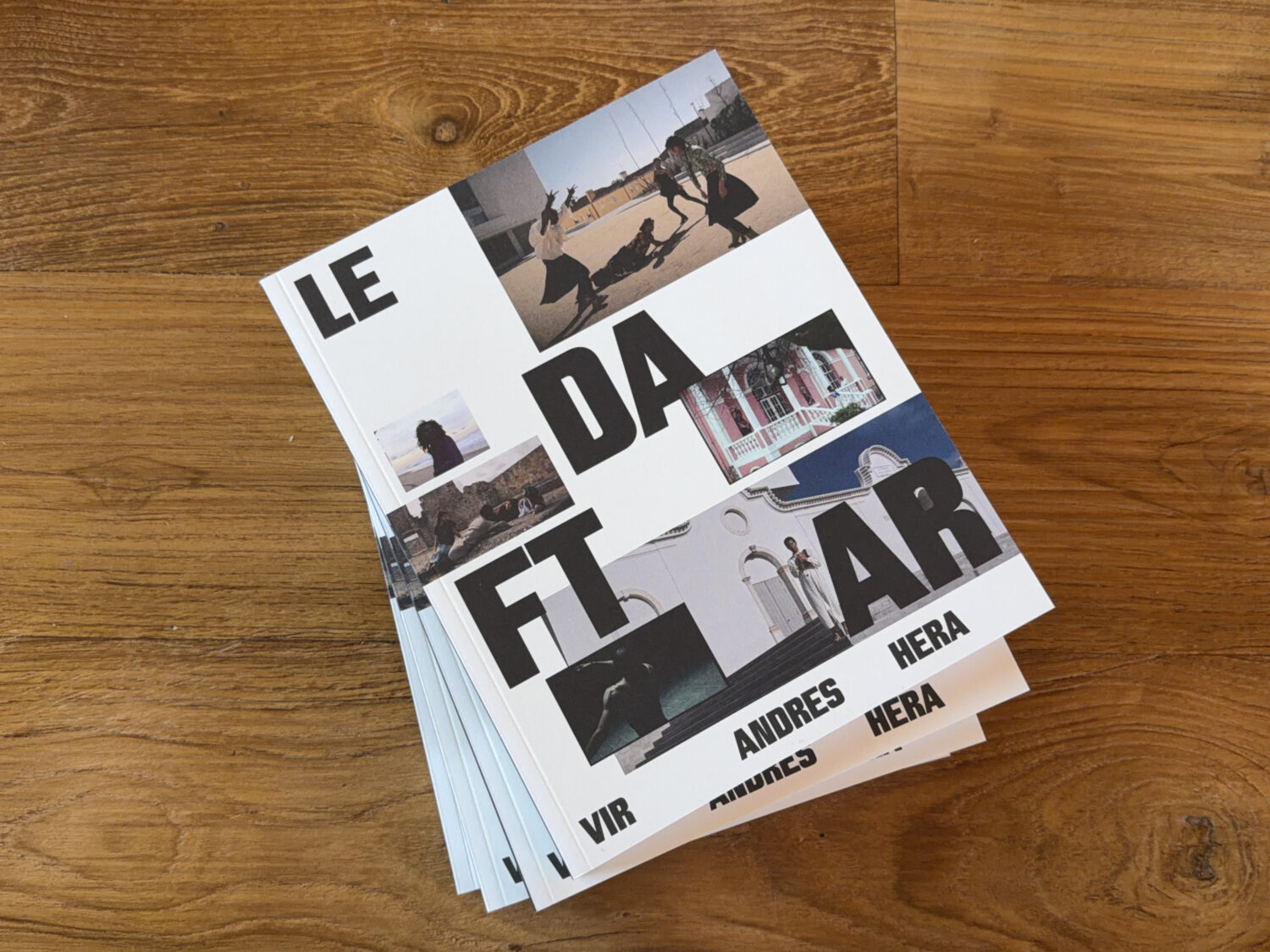
Amoxtli forms the second movement of a trilogy that began with Le Daftar and continues with Incwadi. Anchored in Mexico while tracing transnational circuits, the film approaches cinema as a collective practice in which communities articulate, contest, and reconfigure themselves, and where the camera remains accountable to their presence.
Vir Andres Hera
H. is a Mexican-Sudanese performer and writer based in Mexico City.
Yve is a Lesbian Mexican-American artist working with analog photography and intimate dyke performance practices, usually involving fear and filth.
Shakti is a researcher, writer and creative producer working across film, criticism and curatorial projects.
Mahesh is a French-Indian composer and sound designer creating experimental scores in dialogue with visual art and performance.
Alexandre is a French-Tunisian cinematographer based in Brussels, working across experimental, independent and mainstream cinema.
Xaneri is a Mixtec/Ñuu Savi textile artist and Muxe activist from Oaxaca working with textiles and queer cultural practices. She was the Muxe Queen of Mexico City in 2024.
Eloisa is an audiovisual producer, documentary maker and sound recordist working on community and gender-focused projects.
Aneth is a French artist and filmmaker who explores the legacies of romanticism and mediums of capture and their relationship to queer utopias, through words, fictionalization and collaboration.
Gabriela is a Colombian artist, performer and musician whose practice explores cycles of violence, memory and the body.
Serge is a Lebanese-born composer, musician, and performer who also works under the name So Dope Soda.
Gato is an artist from Tehuacán, Mexico. Their work combines illustration, muralism, performance, and digital media to highlight sexual diversity, queer affections, and dissident struggles.
Ulises is an Indigenous Ngiba Mexican artist, educator, and independent curator working with intuition, community-based research, and collective archives.
Chasen Thajni is a collective founded in 2019 by artist Ulises Matamoros Ascención with members of the Ngiba Indigenous community in Puebla, Mexico. Created as a communal space, the project has evolved into a distributed network across the Ngiba nation, fostering cultural transmission, autonomy, and collective self-representation.
Xaneri Damian
H.
Gato que pinta
Daniel Engels (Prietologías)
Serge Ghazale (So dope soda)
Shakti Aniorte-Mendez
Gabriela Fuentes Miranda
Aneth
Vir Andres Hera
Roberta Juan Mendoza
Leovigilda Ramírez Ruiz
Ulises Matamoros
Manov : Vestido Zipolite
Xaneri Damian : Ruanas de telar de cintura
Gato que Pinta : Y2k frutiger letter / Kill Bill Cholette / Chola Bellaka 2000K (la mas cretacica) / Cholette Core / Chicano 2K
Daniel Engels : Futuros Prietos
Angular Rentals. Mexico City
CNAP (Centre National des Arts Plastiques)
Triangle Arts - New York City.
Chasen Thajni - Ahuatempan Mexico.
Prietologias ©.
INAH - Instituto Nacional de Antropologia e Historia.
CONANP - Comisión Nacional de Áreas Nacionales Protegidas.
Cantona: David Roberto Cuevas Pastrana, Ex-Hacienda Tepetlcalli, Restaurante Atonalentzin.
Yauhquemehcan: Herlinda Ramírez, Juan Luis Ramírez Zarate, Jaqueline Ramírez Zarate, Jocelyn Ramírez Zarate, Drea Hera, Armelle Perreau, Frida Ramírez, Lourdes Ramírez, Sébastien Perreau, Selenia Cedillo Moreno. Ignacio Hernández, Bonifacio Sánchez.
Ahuatempan: Carina Ascencion Juan, Elías Tadeo Maceda Ascensión.
Annecy: Çağla Erdogan, Maya Zaton, Lyne Caroff, Matthieu Clainchard, Marissa Hamaïli, ESAAA.
Mexico City: Omar Castillo Alfaro, Daniel Galicia, Lenny Lopez, Mxro Conequis, Barbara Borowski.
Paris: Dayneris Brito, Noelia Portella, Eva Barois de Caevel, Charlotte Vicari, Marie-Lanne Chesnot, Alicia Knock, Ife Day.
Bruxelles: Perrine Wens, Ines Cabanne, Evy Roselet, Sofia Quintero Hernández.
New York City: Nova Benway, Diana Lozano, Alun Williams.
All rights reserved