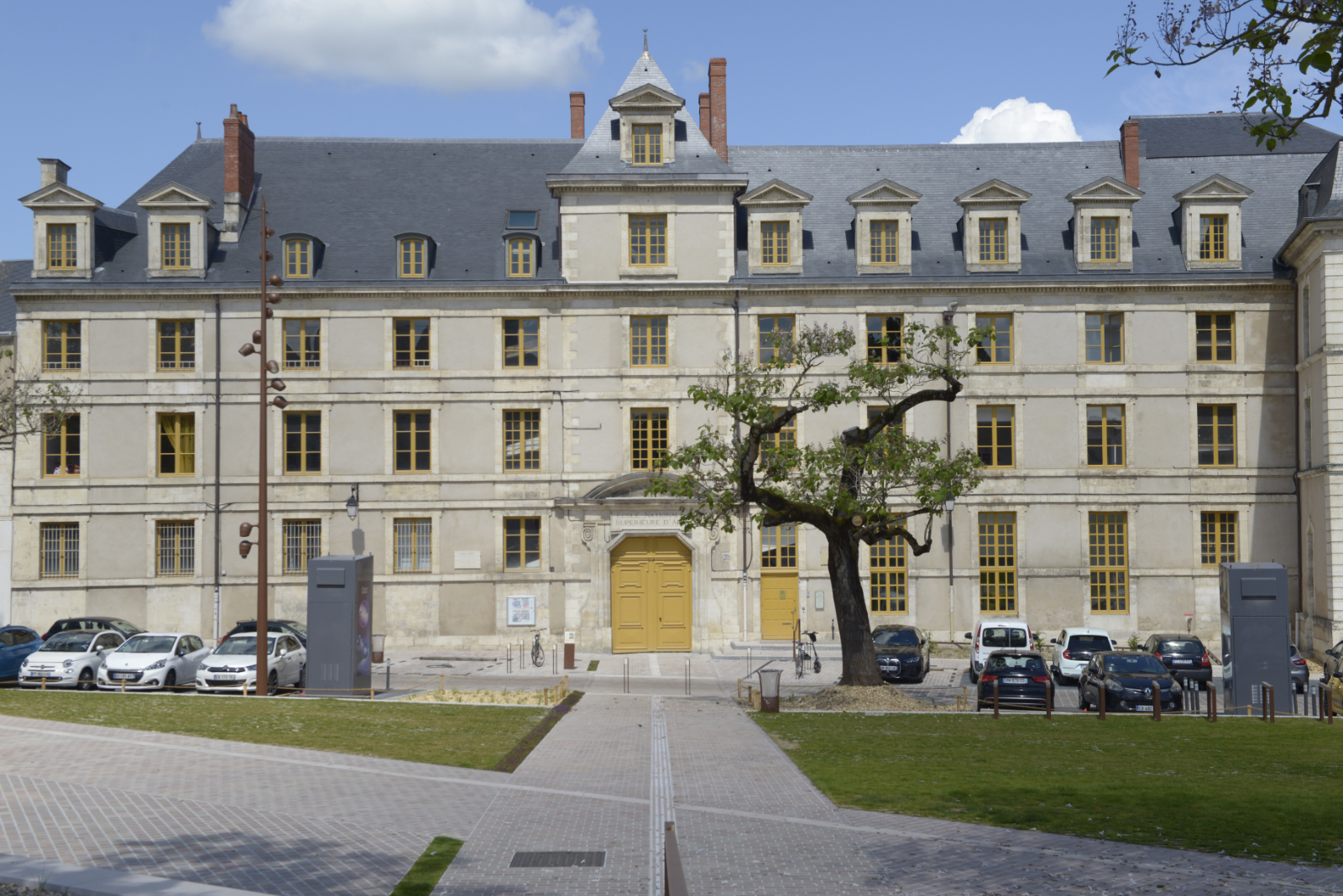
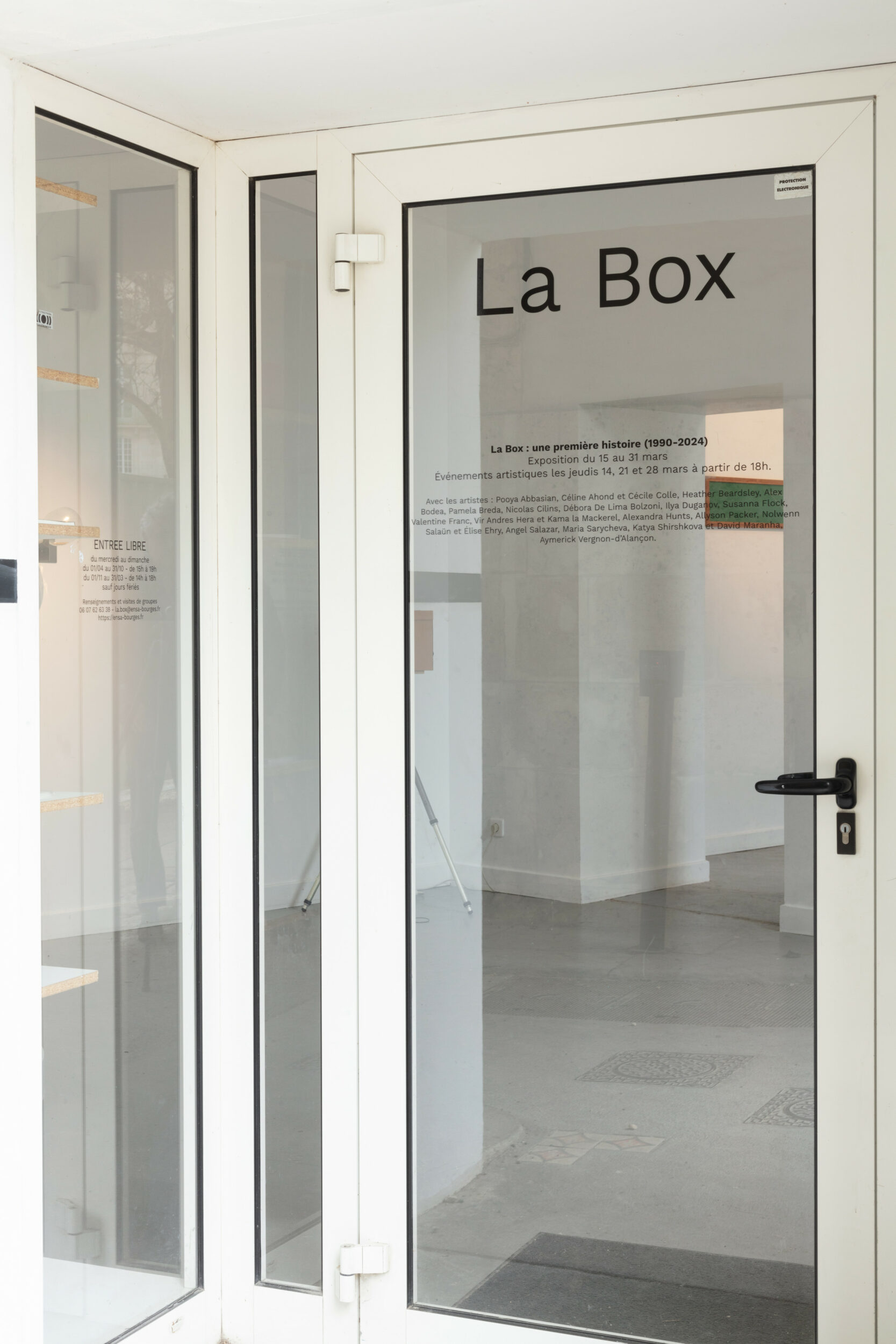
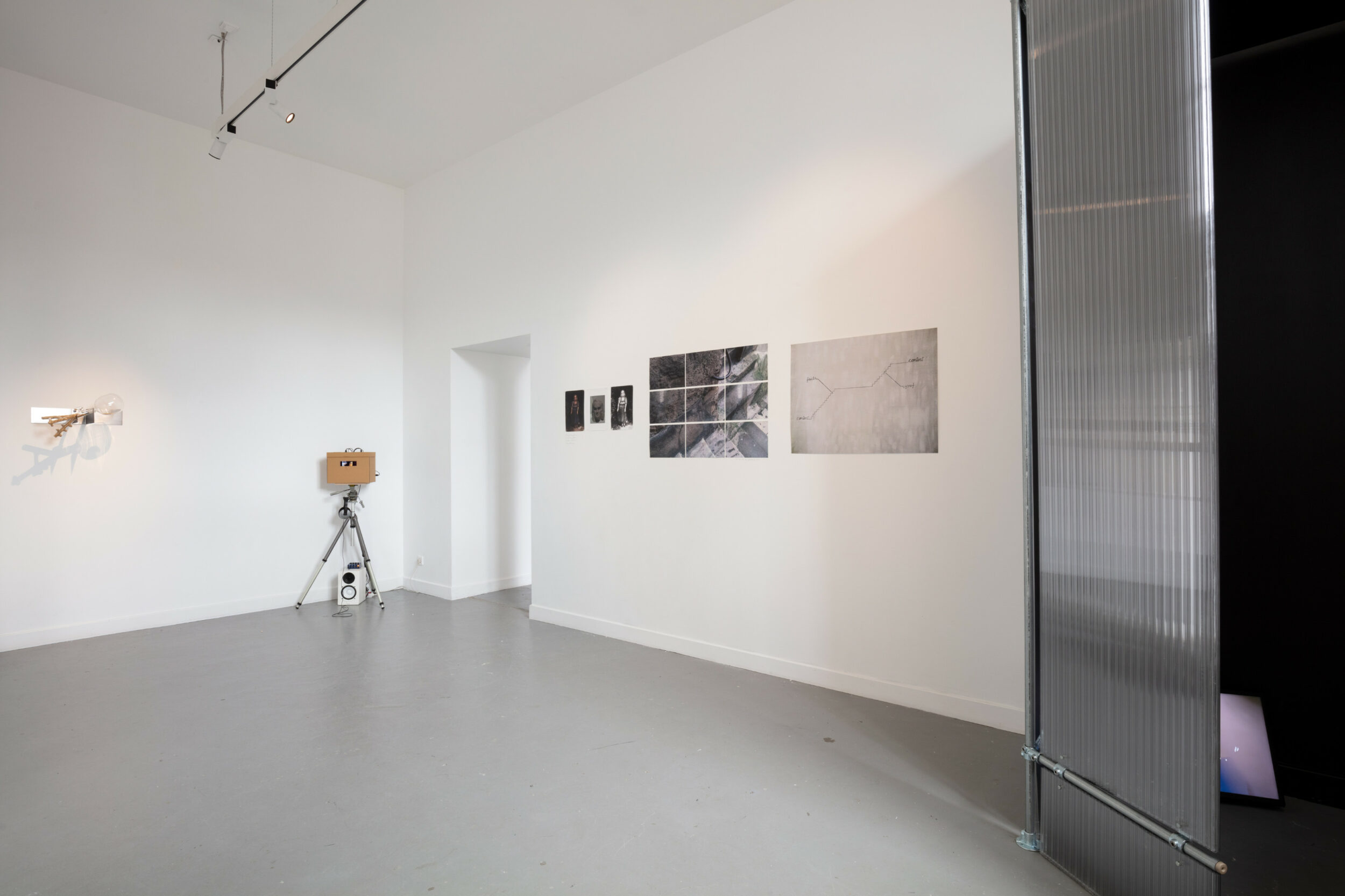
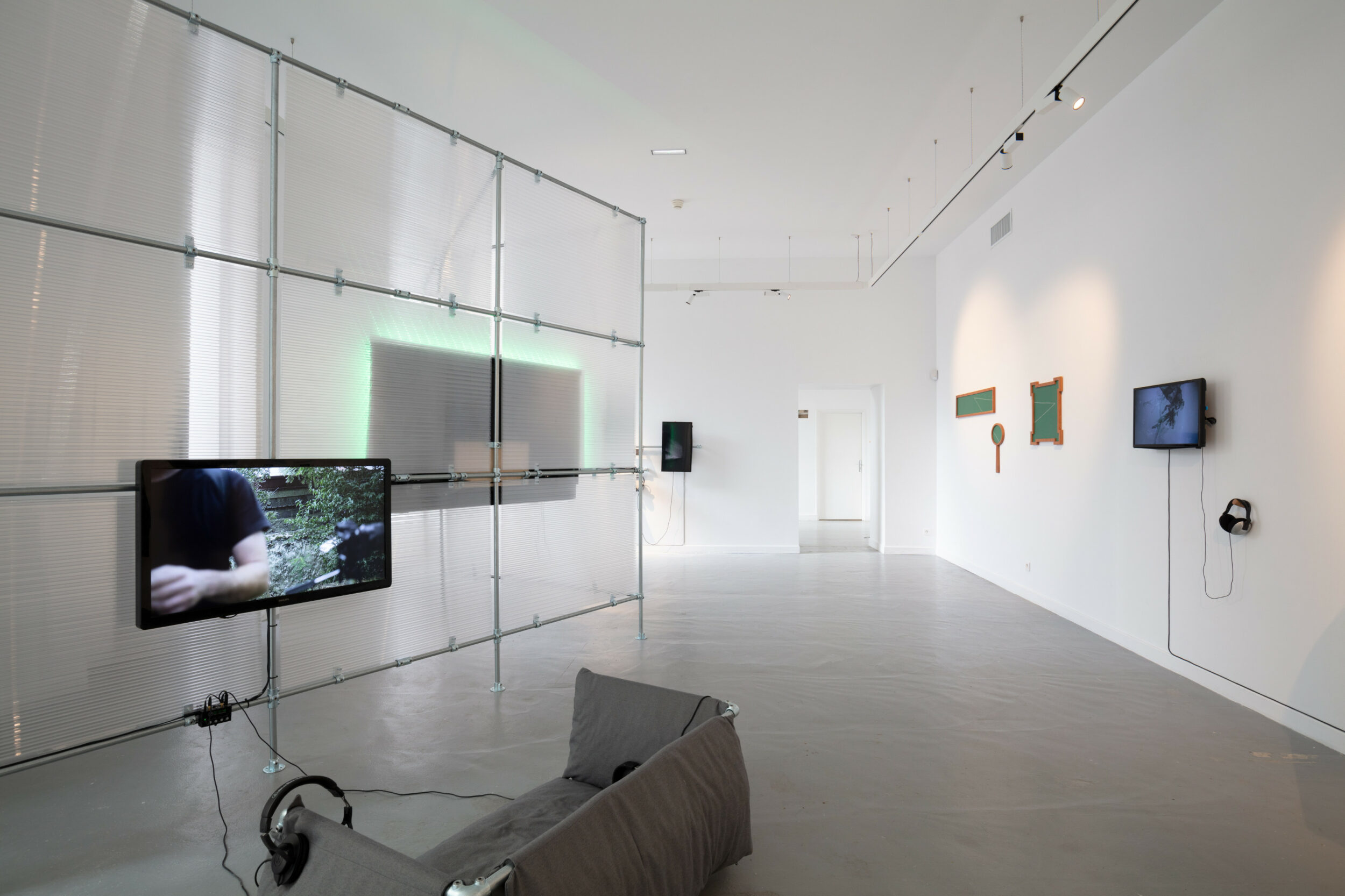
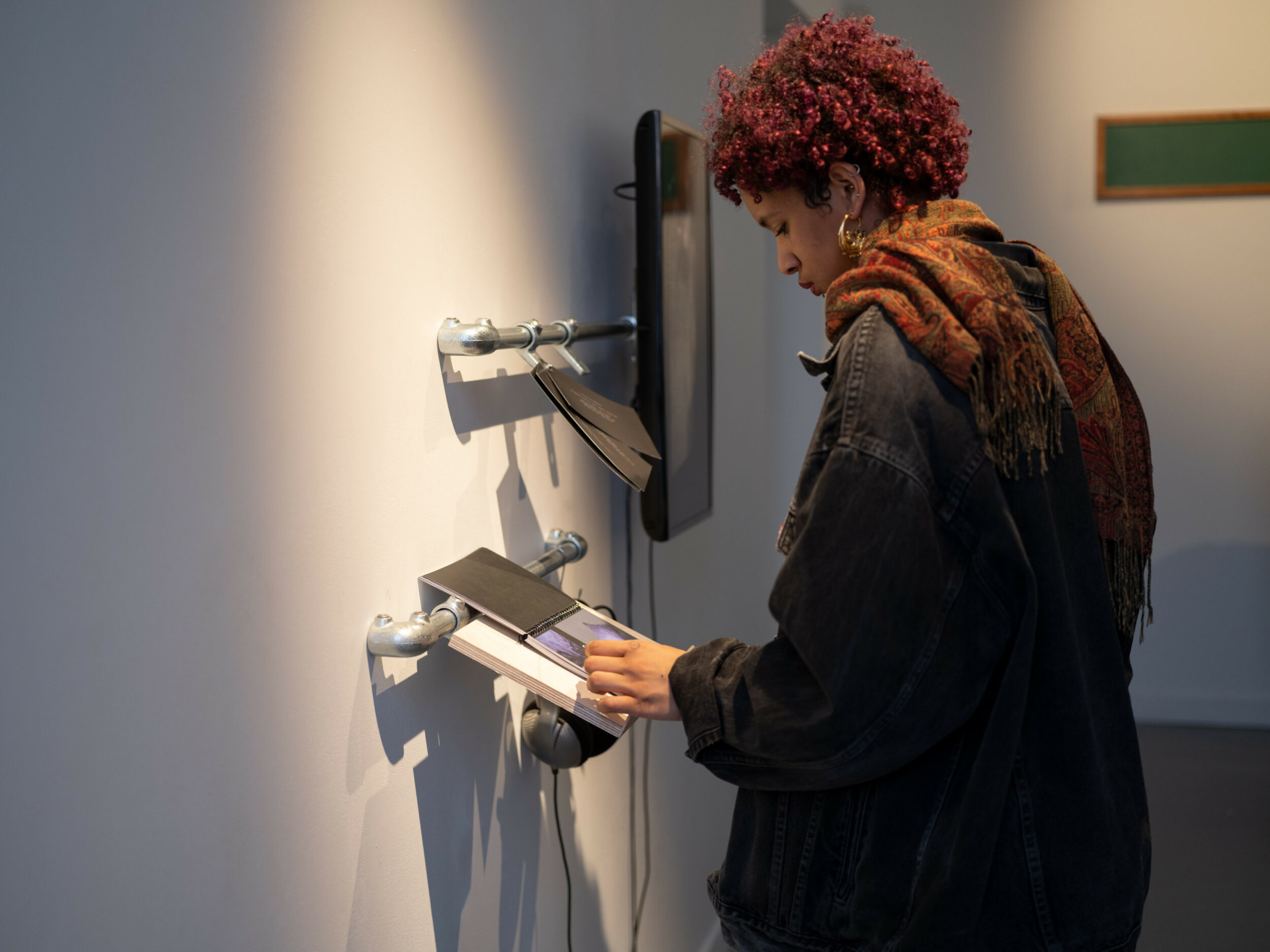
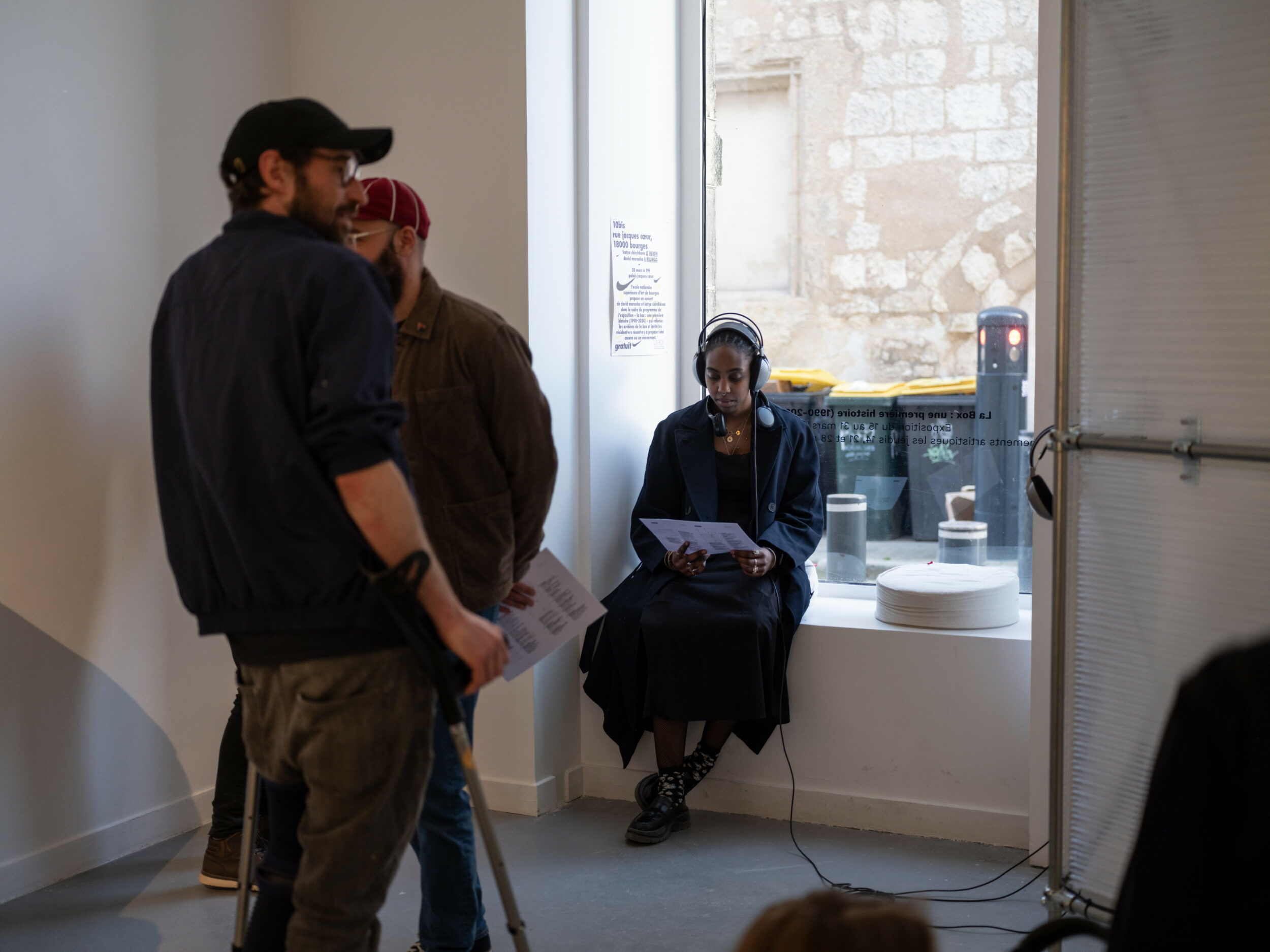
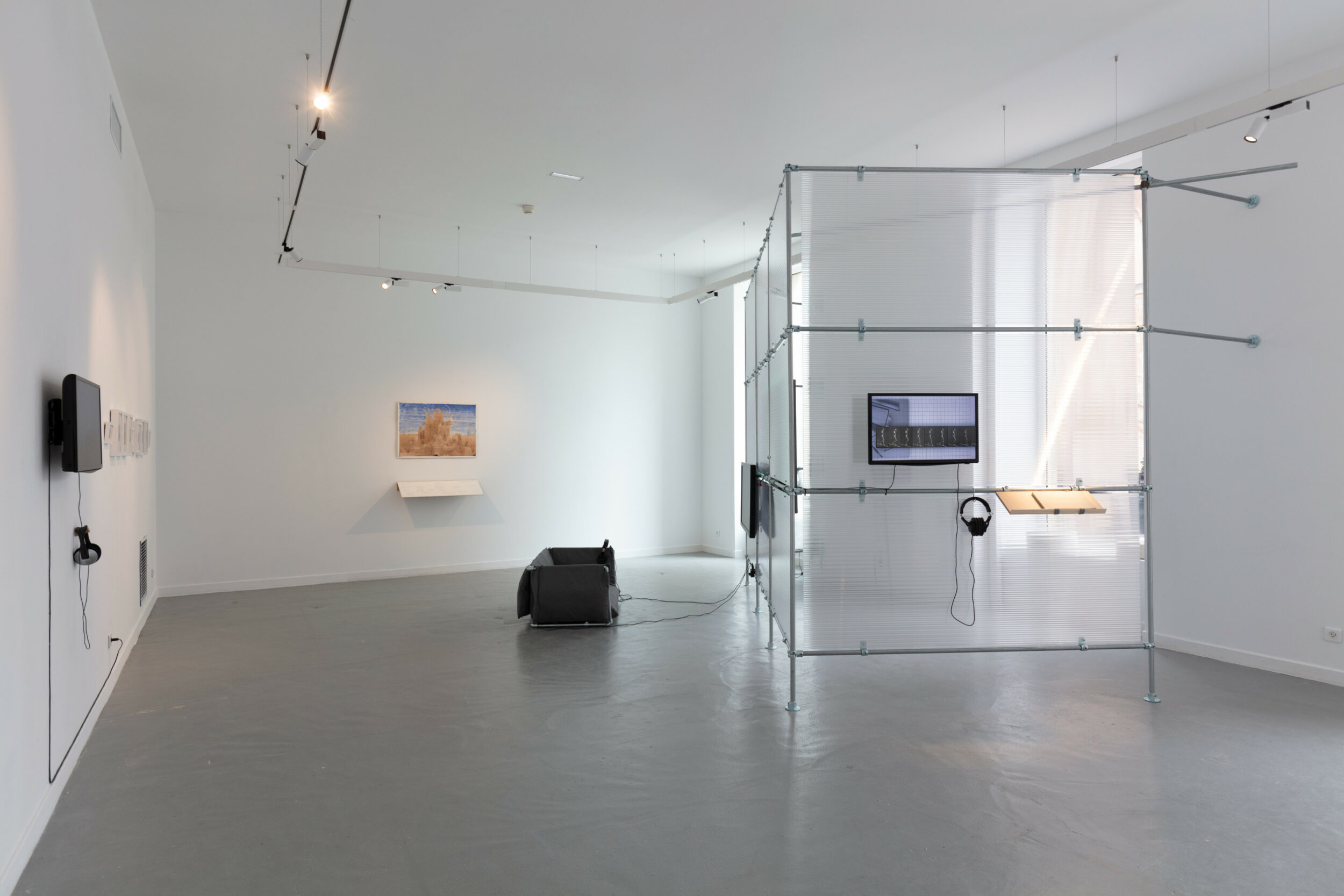
La Box – a first history (1990–2024) is an exhibition highlighting the archives of La Box and the artists hosted in residence between 2018 and 2023. Since March 2023, La Box has been a recipient of the National Program for the Digitization and Enhancement of Cultural Content (PNV), enabling public access to its digitized archives through the Departmental Archives of Cher. Founded in 1990, La Box has welcomed over 950 artists across 218 exhibitions and 67 residencies, and the exhibition navigates this history through archival materials, newly produced editions, and works by recent residents, alongside screenings, performances, and public events.
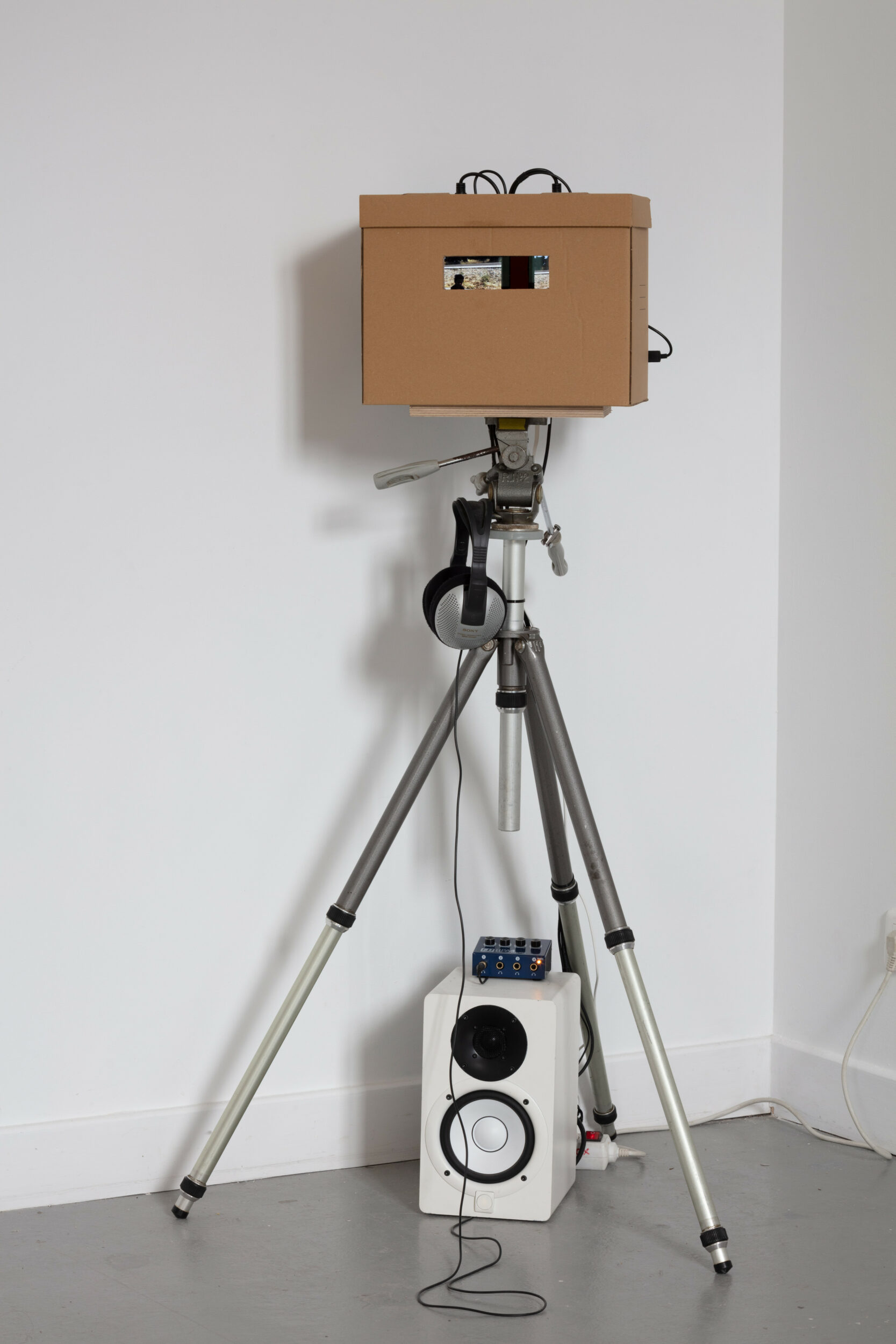
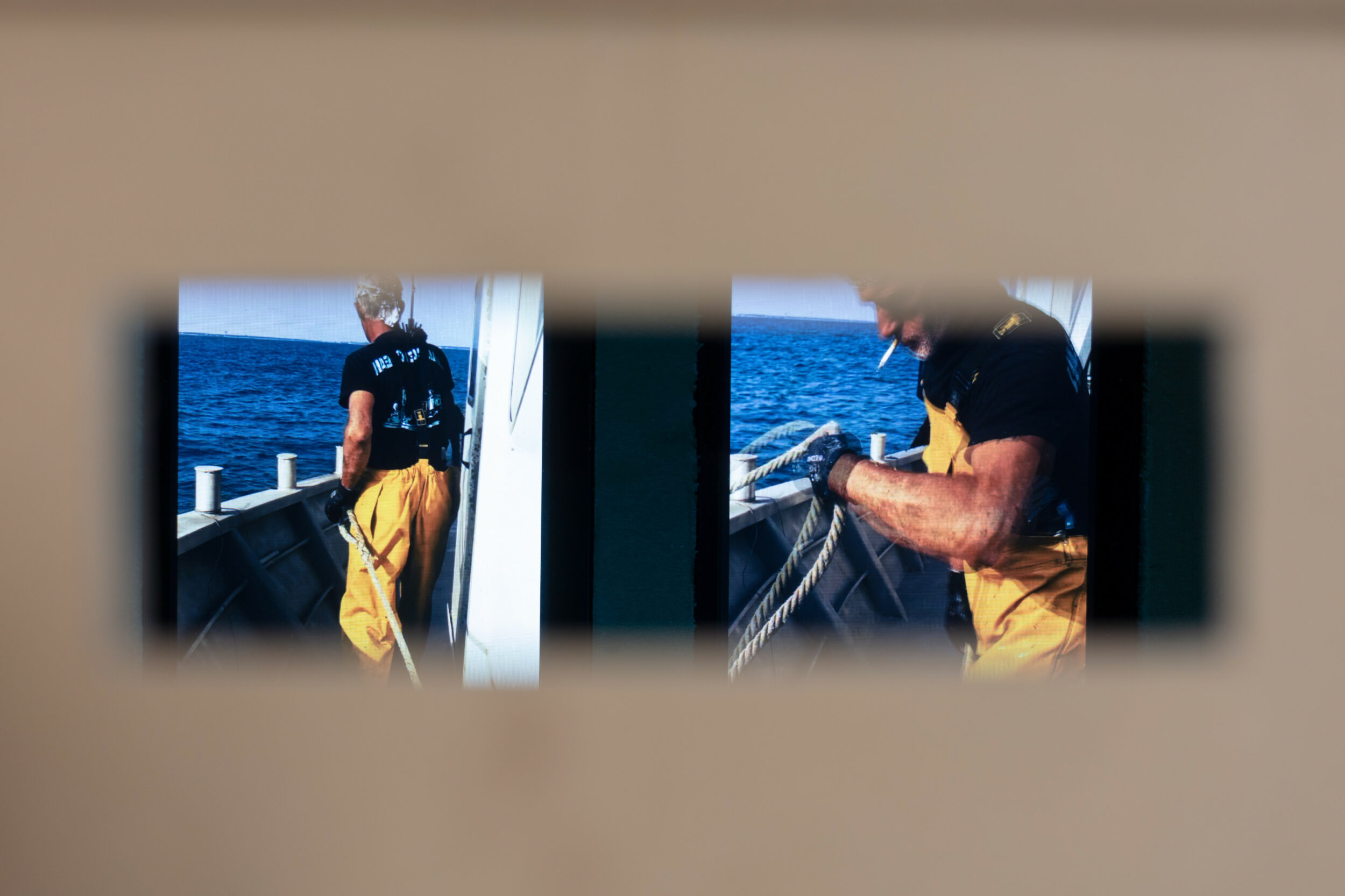
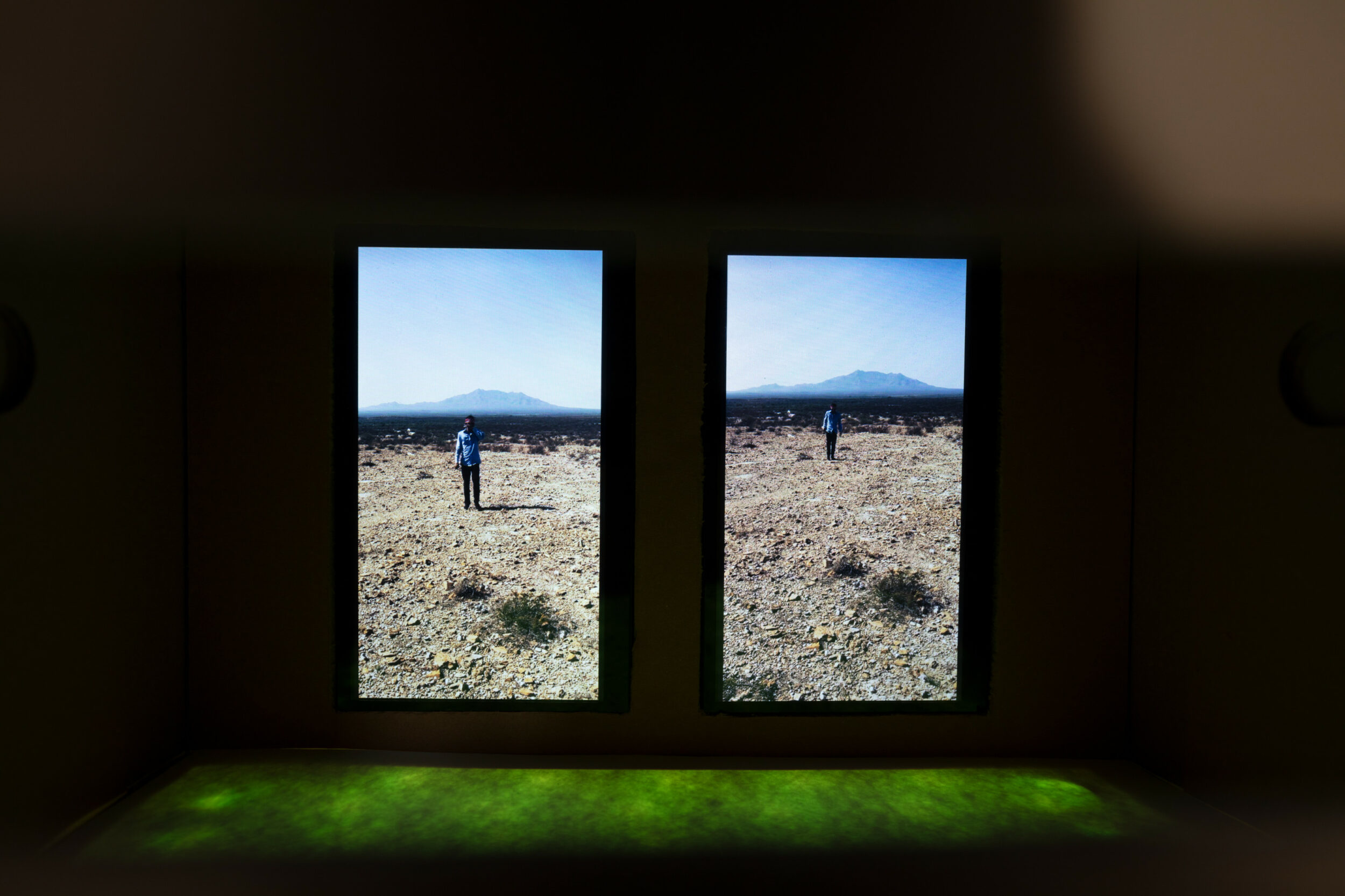
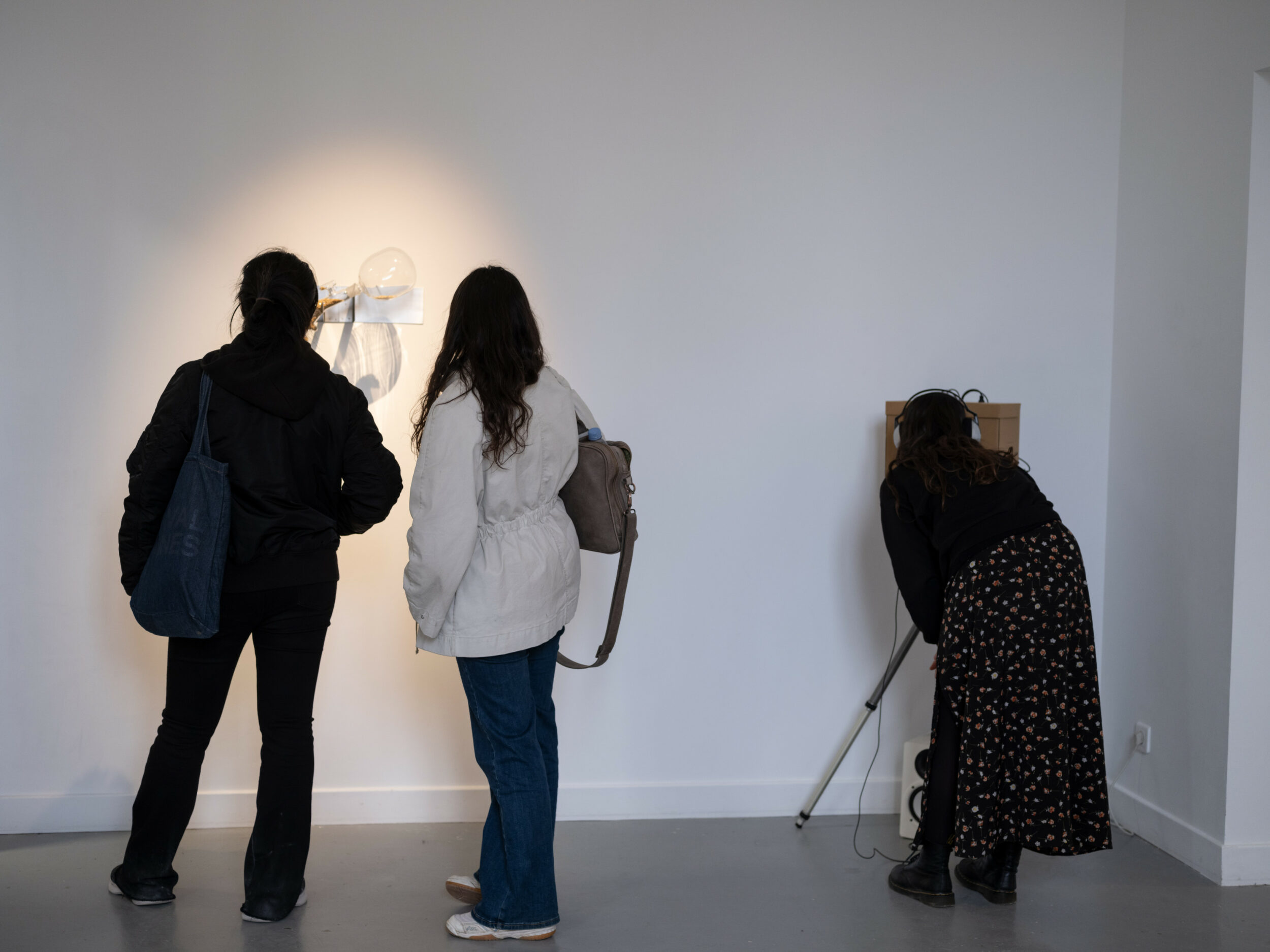
Within this context, Vir Andres Hera presented Machine à voyager dans le temps (2024), a video installation conceived as a temporal device. The work is composed of a collection of smartphone videos filmed between 2009 and 2024, gathering scattered fragments of life and seemingly ordinary observations of everyday situations. These images are assembled into a 90-minute film and displayed across two vertical video channels housed inside a cardboard box mounted on a tripod.
The same video plays on both screens, offset by a delay of approximately ten seconds. This temporal shift produces a slight disjunction that gestures toward the multiplicity of temporalities emerging from the different territories represented in the footage. The sound work, emphasizing reverberations and echoes, further articulates a sensory exploration of diasporic time: a time in which realities overlap, resonate, blur, or disappear.
Edited and assembled during Vir Andres Hera’s residency at La Box between February and July 2022, the work echoes the tradition of video diaries, particularly those developed by Jonas Mekas, while situating itself within a contemporary economy of informal recording technologies. Rather than constructing a linear narrative, Machine à voyager dans le temps materializes time as accumulation, drift, and recurrence.
The title of the work refers to the concept of “Congo time,” developed by American researcher Bedour Alagraa, which questions the possibility for subjects from Global South diasporas to project themselves into temporalities other than those imposed by colonial empires. The miniature, theatrical form of the installation reinforces this proposition, functioning as a handcrafted apparatus, somewhere between a helmet and a tool, designed to navigate time(s).
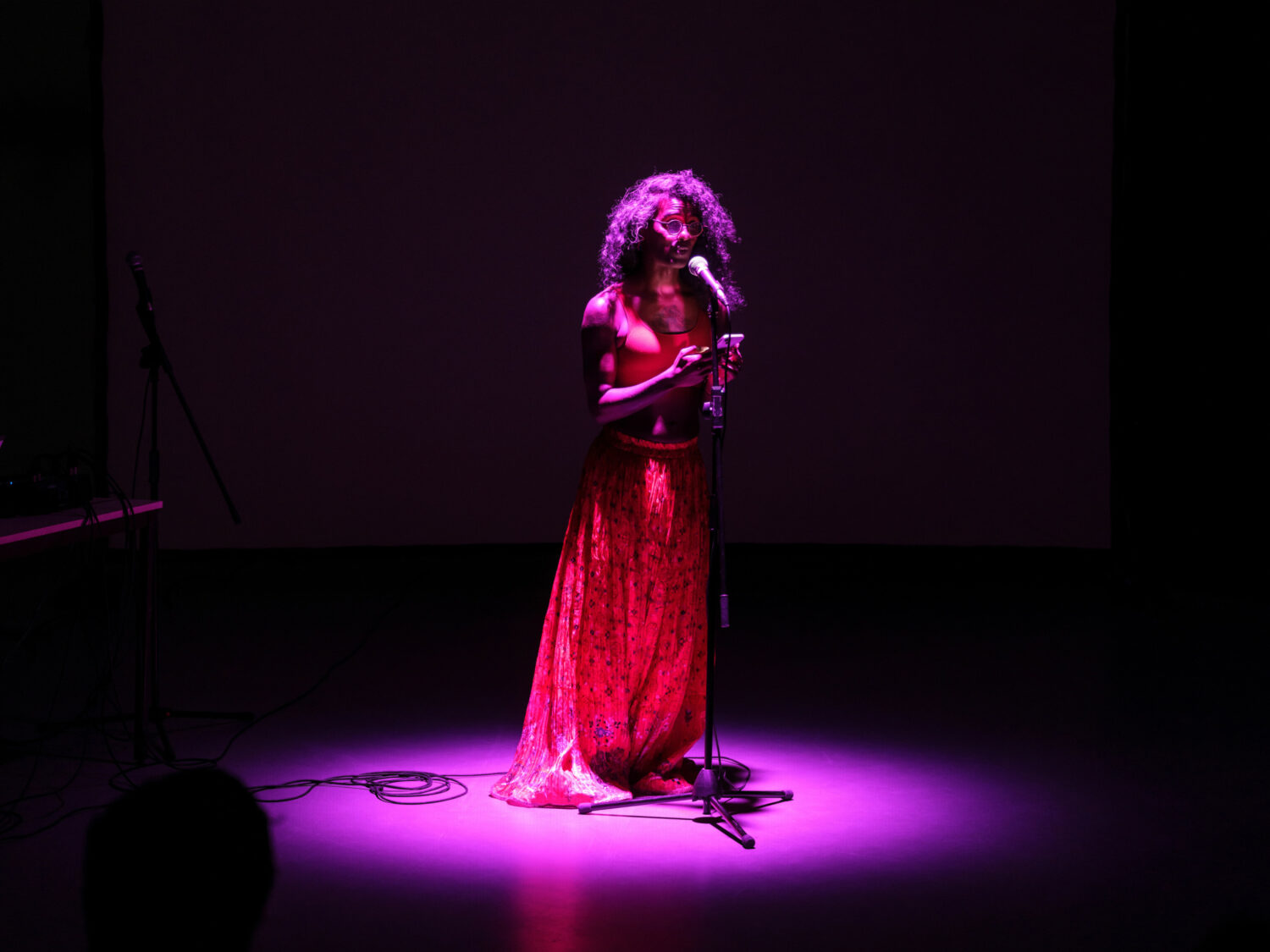
As part of the public program surrounding the exhibition, Vir Andres Hera was also invited to produce a performance with Kama La Mackerel.