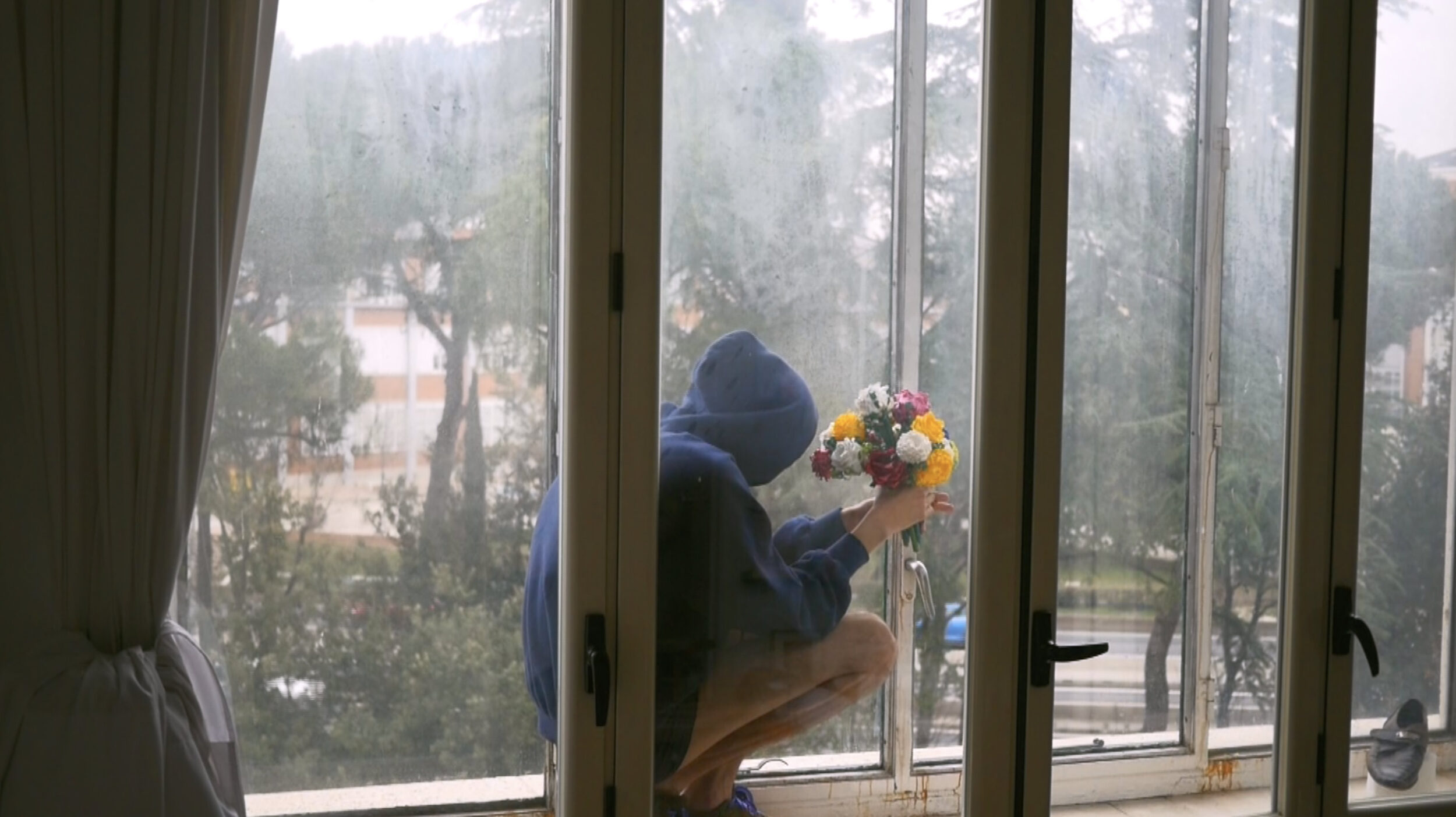
Souvenirs d’Occident
Souvenirs d’Occident
Souvenirs d’Occident unfolds as a fragmented dialogue structured around plants, flowers, and their naming. The film assembles a polyphonic exchange where botanical knowledge, personal memory, and fiction intersect.
The voice navigates between lived experience and systems of classification: wild flowers gathered in childhood, urban scarcity, stolen roses, and working-class memory coexist with references to botanical taxonomy, medicinal uses, and the history of naming. Scientific discourse appears alongside invented species, unstable descriptions, and speculative nomenclatures, producing a field where knowledge is continuously displaced.
The film examines the conditions under which they are named, classified, and circulated. The figure of Linnaeus, the misnaming of species, and the construction of botanical gardens emerge as signs of a broader epistemic project, where the organization of the natural world is inseparable from colonial expansion and control.
Through accumulation, repetition, and linguistic slippage, the film constructs a vegetal atlas in which science and fiction operate on the same level. Plants become sites of projection, carrying histories of migration, desire, extraction, and violence.
The dialogue gradually shifts toward confrontation. The act of naming appears as an act of domination, and the botanical order as a spatial and ideological enclosure. The film culminates in a refusal, where memory resists containment and turns against the structures that attempt to fix it.
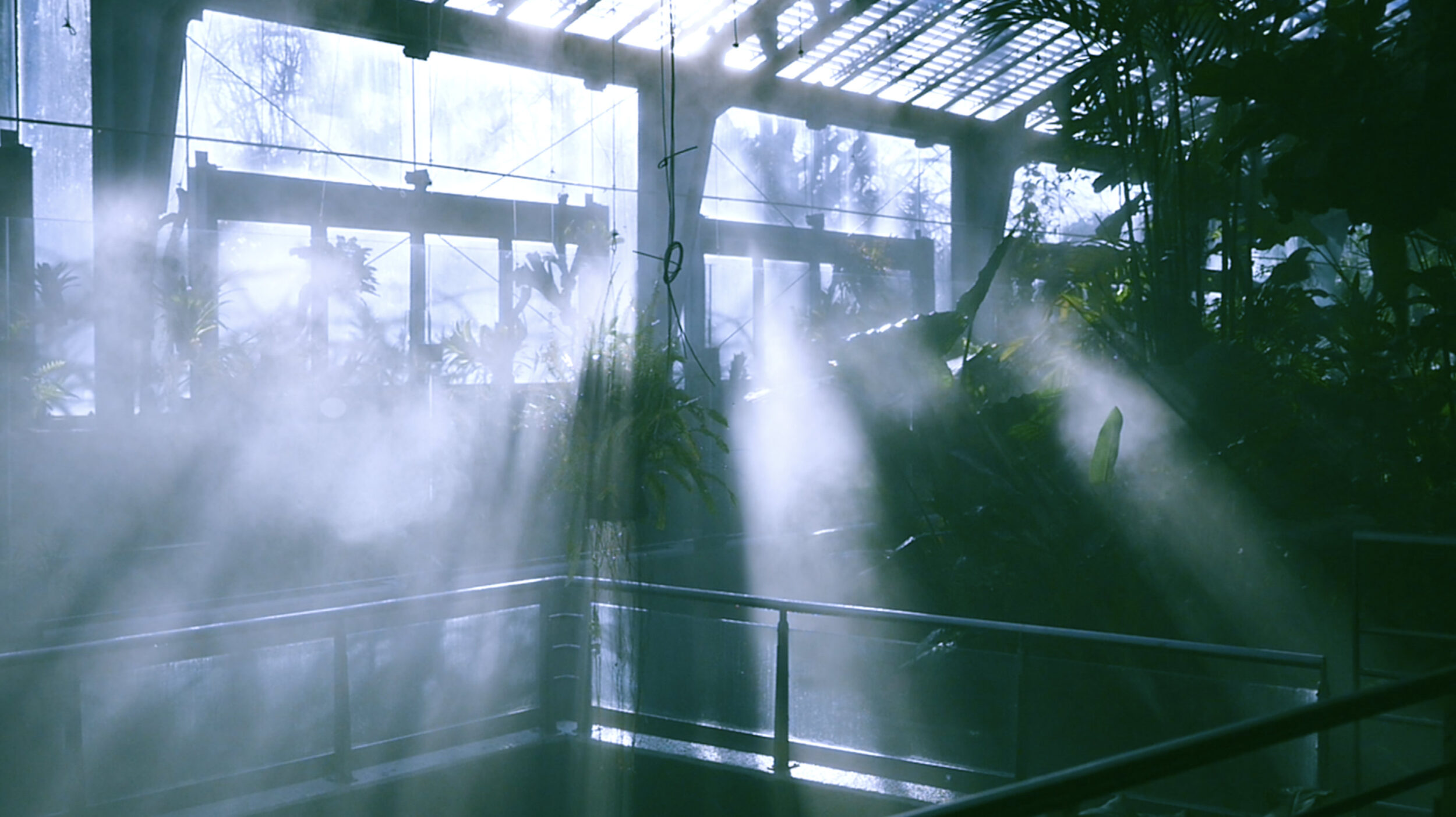
Real Jardín Botánico de Madrid
Jardin des Plantes Montpellier