They Listen
They Listen
In 2019, in the town of Sète, Vir Andres Hera wrote the story of their move to France. The text, titled Piramidal پيراميدال, coincided with the making of a film of the same title completed in 2020. Both works delve into and in between languages. Writing, it seems, has always been a tool for Hera to understand the many layers of displacement. “Mexico City, 2008. I had been learning French for three years,” Hera writes. “I would go back and forth between the educational services of the French Embassy and my hometown, Yauhquemehcan. In the waiting hall, other young Mexicans who wished to study in France awaited. The educational coordinator scrolled through hundreds of programs and pulled up the parameters that automatically sorted the results, until we were left with a convincing option: Arabic faculty at the University of Montpellier. . . . Either way, I was leaving the country.” » 1 «
In France, the French language resisted them. In Piramidal پيراميدال, Hera writes of a cartoonish Arabic teacher dressed as a Sahara explorer from the 1920s, and Arab comrades struggling in the backwash of colonial history. Hera tries to understand the situation of the Arabic-speaking minorities through the prism of a familiar experience: that of Mexicans and Mexican immigrants in North America.
Then there is Yacine—born in Marseille, but whose parents currently live in Algiers. With his partly unbuttoned white shirt, black patent leather shoes, and pressed trousers, his look reminds the artist of Mexican boys. Yacine, his brother, his sister-in-law, and their son take Hera to Marseille for a spicy chorba and a tour of the Noailles district. To thank him, Hera invites him over for a mescal. “When we laid down side by side, after the exhaustion induced by a raï-mariachi evening, he asked me: ‘Are you a fag?’ ‘Am I what?’ I replied. ‘Don’t you know what a fag is?’ he asked, bringing his face closer to mine. ‘No, I don’t.’ We both caressed each other while he whispered to me in Arabic. When I asked him to translate, he said: ‘No way, I can’t tell you that in French.’ I presume that the first words of love addressed to me since my arrival in France were pronounced in Arabic.” » 2 «
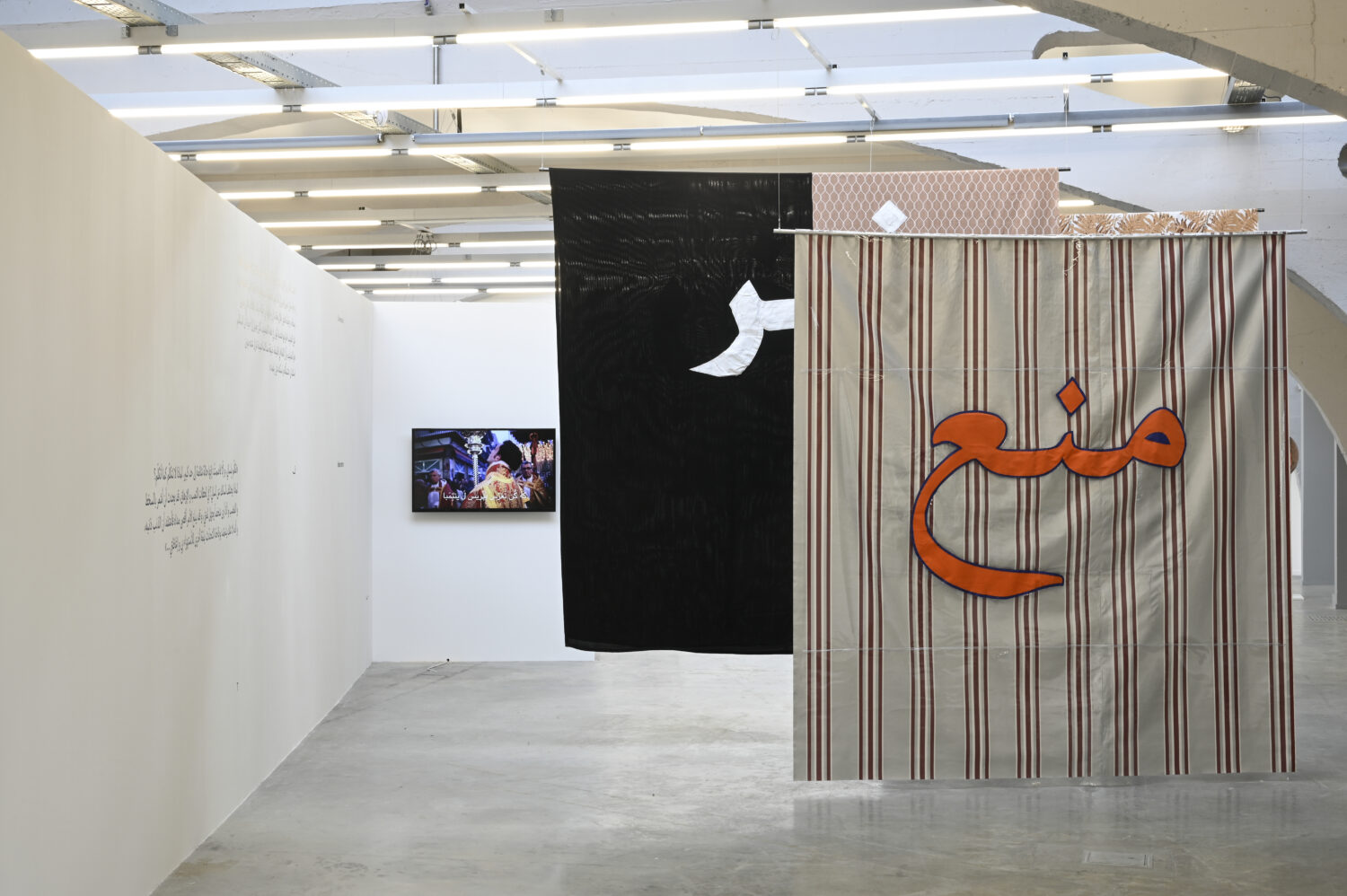
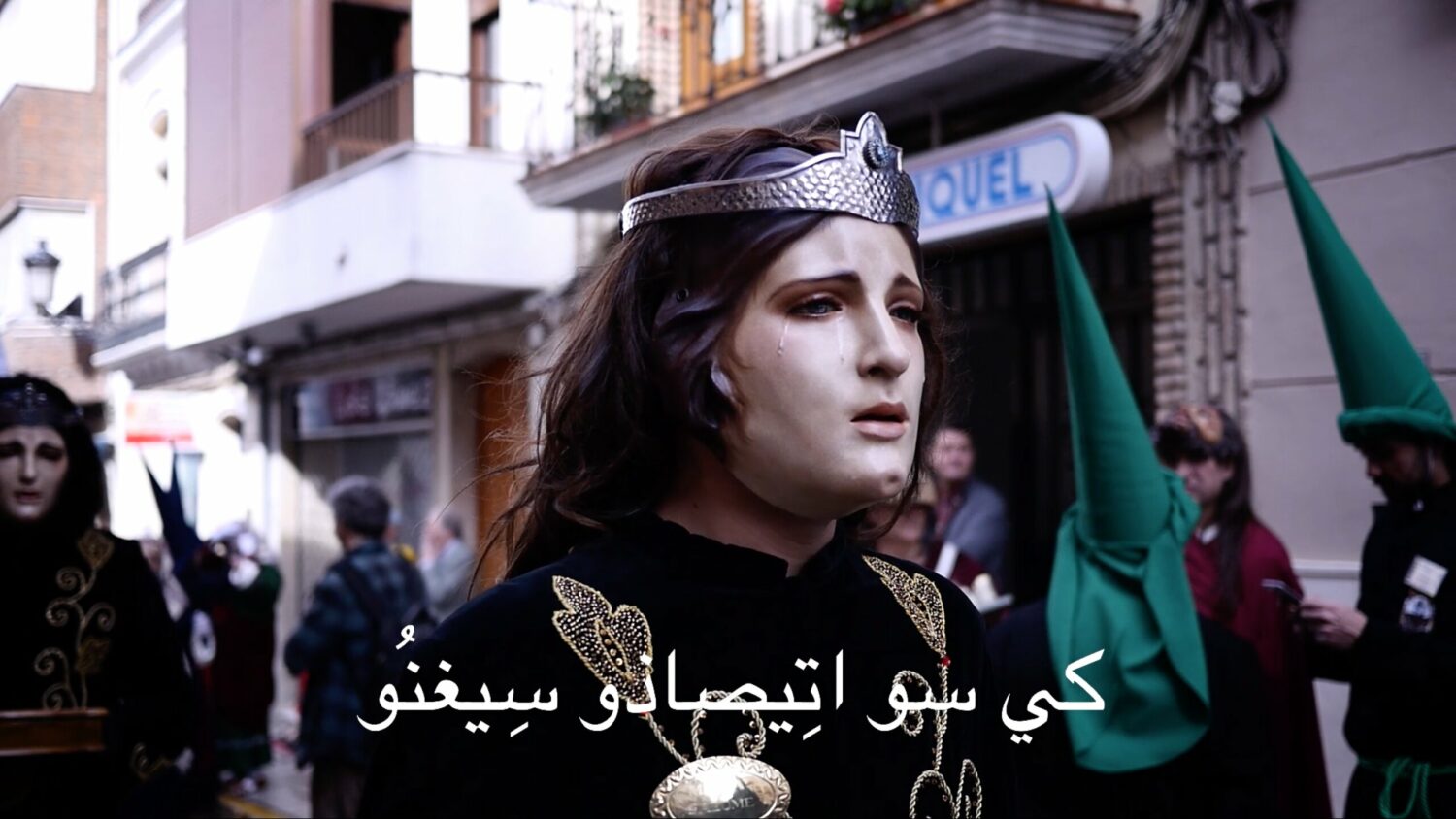
Hera learns to write Arabic but doesn’t learn to understand it. They listen. They practice writing Spanish texts with Arabic characters. Intuitively, the cryptic forms they are able to produce in notebooks lead them to others who wrote in coded ways. They are drawn for instance to Sor Juana Inés de la Cruz, a Mexican poet from the seven-teenth century. Full of rarely used words and unheard-of Spanish, her writing fascinates them. Sor Juana wrote in Nahuatl, her mother tongue being Spanish; her head was also full of Latin, and of another kind of Spanish, an “Afro-Mexican-Creole variety of Spanish,” as Hera puts it. » 3 « At one point in Piramidal پيراميدال, Hera writes about being in Madrid working on a transcription of Sor Juana’s poems into Arabic. They then hear about Aljamiado, a disappeared linguistic variant, namely a Spanish dialect written in Arabic characters spoken by the inhabitants of al-Andalus to communicate secretly.
Aljamiado became one of the main materials for the film, Piramidal پيراميدال, which combines footage of Holy Week festivities with a recording of Sor Juana’s translated poem. It is the culmination of the long and unforeseeable journey that led Hera from Yauhquemehcan to the Mexico City neighborhood of Polanco, from the university benches of Montpellier to the market of Noailles, from Madrid to Andalusia. The film organized Hera’s methodology: a documentary approach that consists of searching through history, language, architecture, or clothing for traces of feelings that echo their present experience. While Hera is part documentary filmmaker, they reject anthropology’s culturally constructed distance. Captivated, they let themselves go into the trance they film, and look for autobiographical bridges. They remember: “The Catholic Holy Week has always been a magical ritual for me: as a child, I forced my mother to stay awake in order to attend the night processions moving from village to village, while reading the bible as one reads a spell book. These processions are like a mole, this Mexican dish with heterogeneous components, whose ingredients allow us to make a wish. As for me, I no longer wish to resuscitate the Christ.” » 4 « In Piramidal پيراميدال, these childhood sensations are interwoven with a study of symbols used during the Andalusian Holy Week, the baroque of these symbols evoking a thwarted virility for the artist, and a reflection on how the Spanish language and its imperial ambitions have buried the cosmologies of other languages—Nahuatl, Quechua, Guaraní—and produced secrecy, like this Aljamiado. Some of these ingredients also explain the genesis of Hera’s ongoing project Daftar, which began as a film and continues to evolve in format and intention.
Daftar is also informed by an earlier work, Le Romanz de Fanuel (2017), shot on a site of sacred volcanoes in Mexico, which recounts the transfiguration of a saint from the European Middle Ages. Conversely, with Daftar, Hera wants to imagine deities from non-Western worlds inhabiting the ruins of Europe. Who are these divinities, and how could they inhabit European ruins? In search of the answer, Hera borrows from cyber-feminist methodologies, claiming a critical engagement with new technologies informed by the figure of the “transtemporal drag” as notably conceptualized by the artist Renate Lorenz, and African American and Chicano feminist methodologies such as Tina Campt’s “grammar of Black feminist futurity.” » 5 « They point to Donna Haraway, Ariella Aïsha Azoulay, and Gloria Anzaldúa as other
major influences.
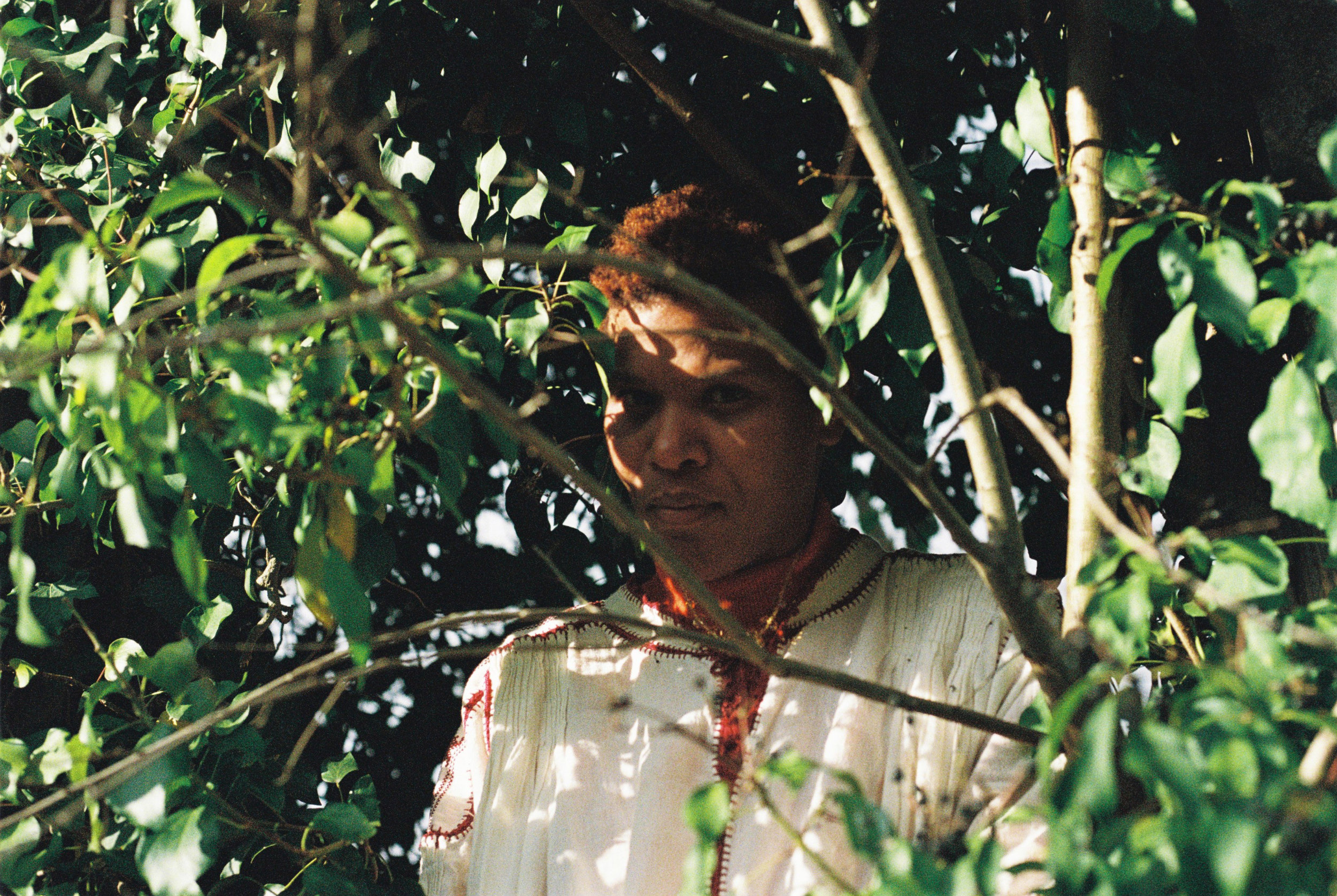
What most interests them about these authors (and what is fundamental in the Daftar methodology itself) could be a search for a tense of possibility that grammarians refer to as the future real conditional, or “that which will have had to happen.” The grammar of the Black feminist future, in Campt’s writings, is a representation of a future that has not yet happened but must. Hera is very influenced by the way Campt explains that we should search for this future not only through action, politics, and acts of resistance, but also in the everyday imagery created by the communities in whose emancipation we want to participate (Campt focuses on identity photographs). Daftar is inhabited by the quest for this imagery, found in the memories of the protagonists that are activated by the film, and by the desire to produce this everyday imagery, when it does not exist yet, as a potential desirable future.
One night, Hera dreams of “daftar,” a word mentioned in a poem by the Armenian mystic Sayat-Nova that means notebook. Sayat-Nova wrote multilingual poems in Armenian, Georgian, and Azeri, but the word “daftar” is of Arabic origin. In the artist’s dream, this dazzling miracle notebook is covered in Mayan and Aztec characters, as well as pidgin English and Haitian Creole words. It reveals itself differently depending on who consults it, and so the film project becomes Daftar. “I imagined that to find these ghosts, you had to call them, and that to call them, you had to work with the people involved.” » 6 «
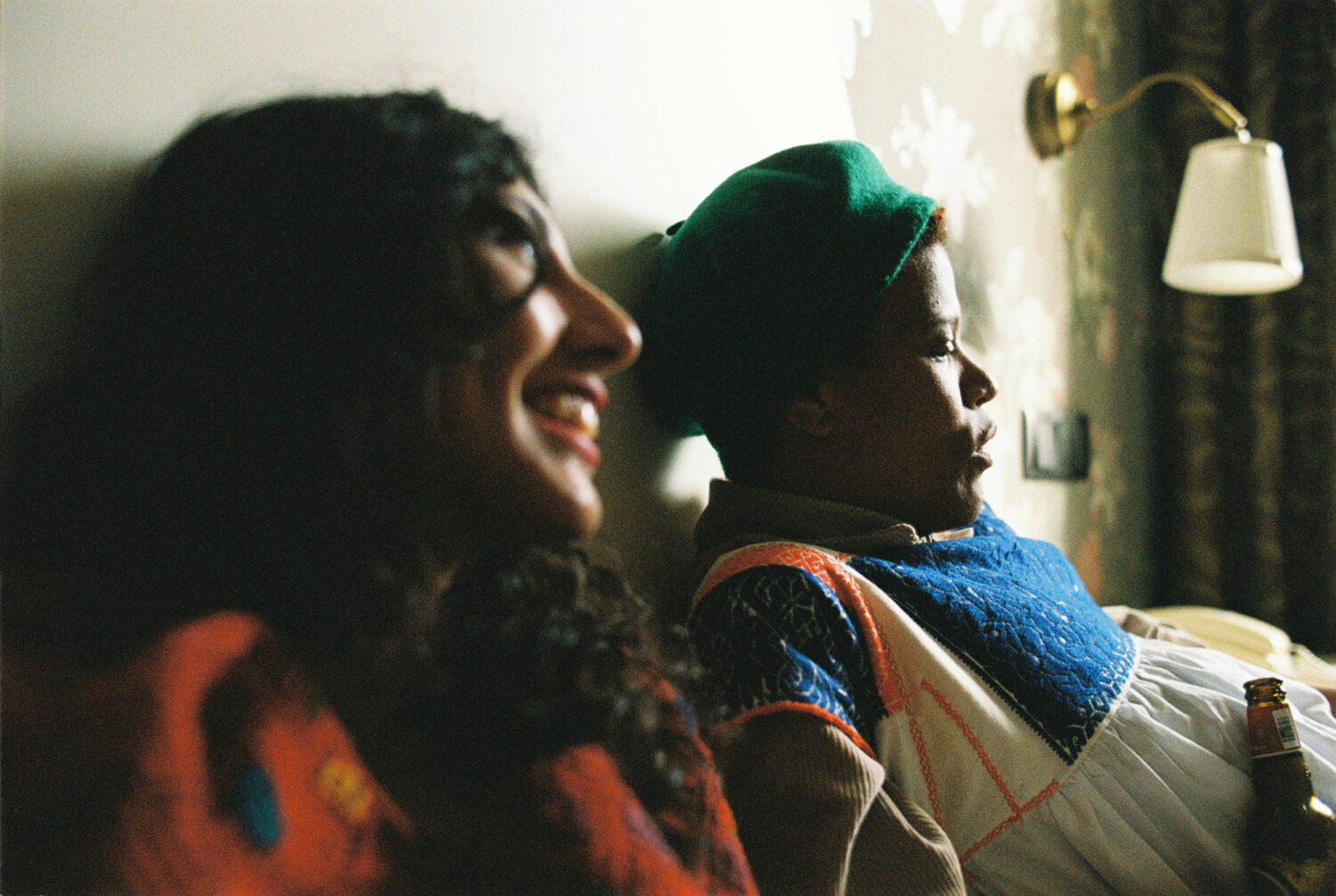
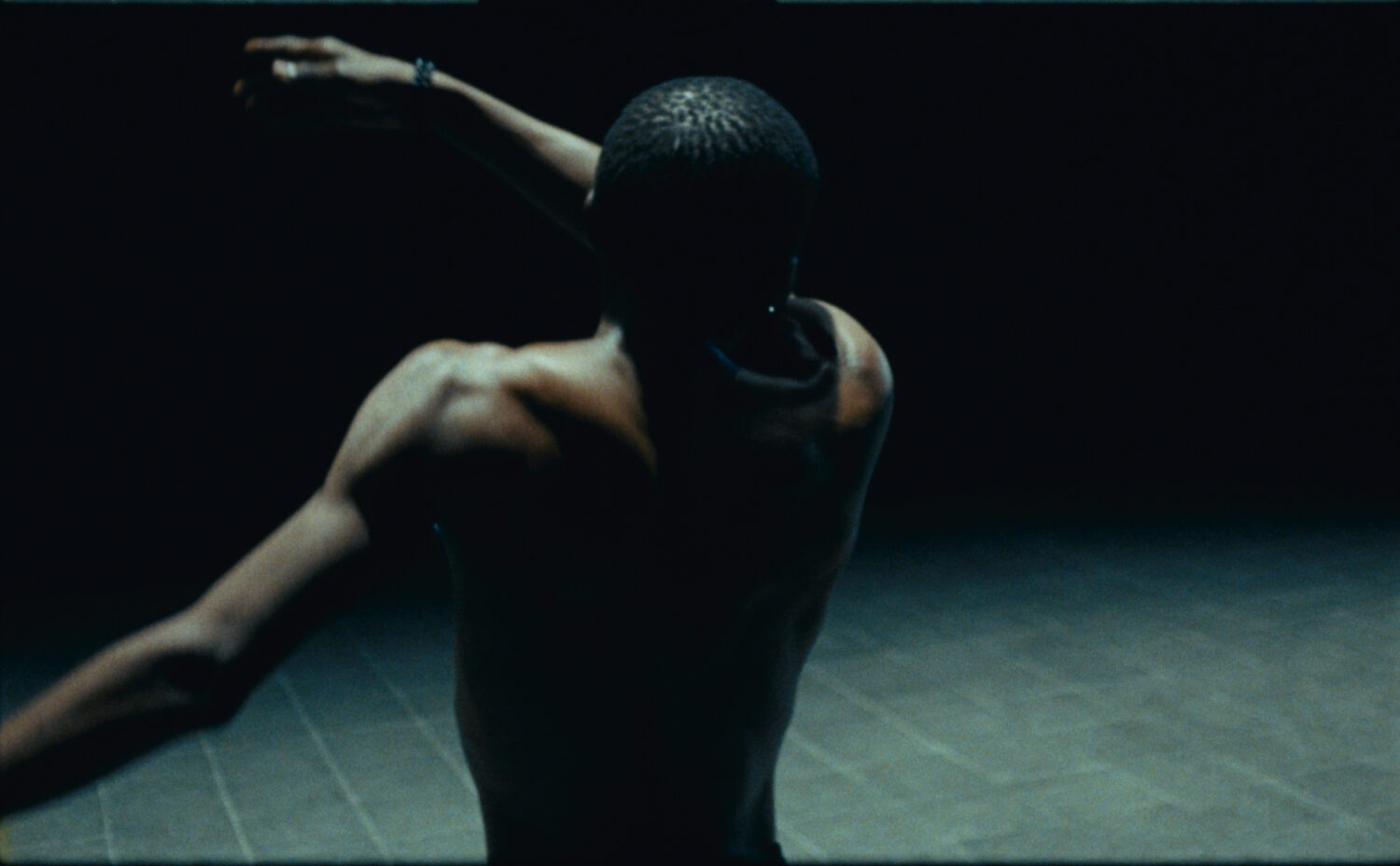
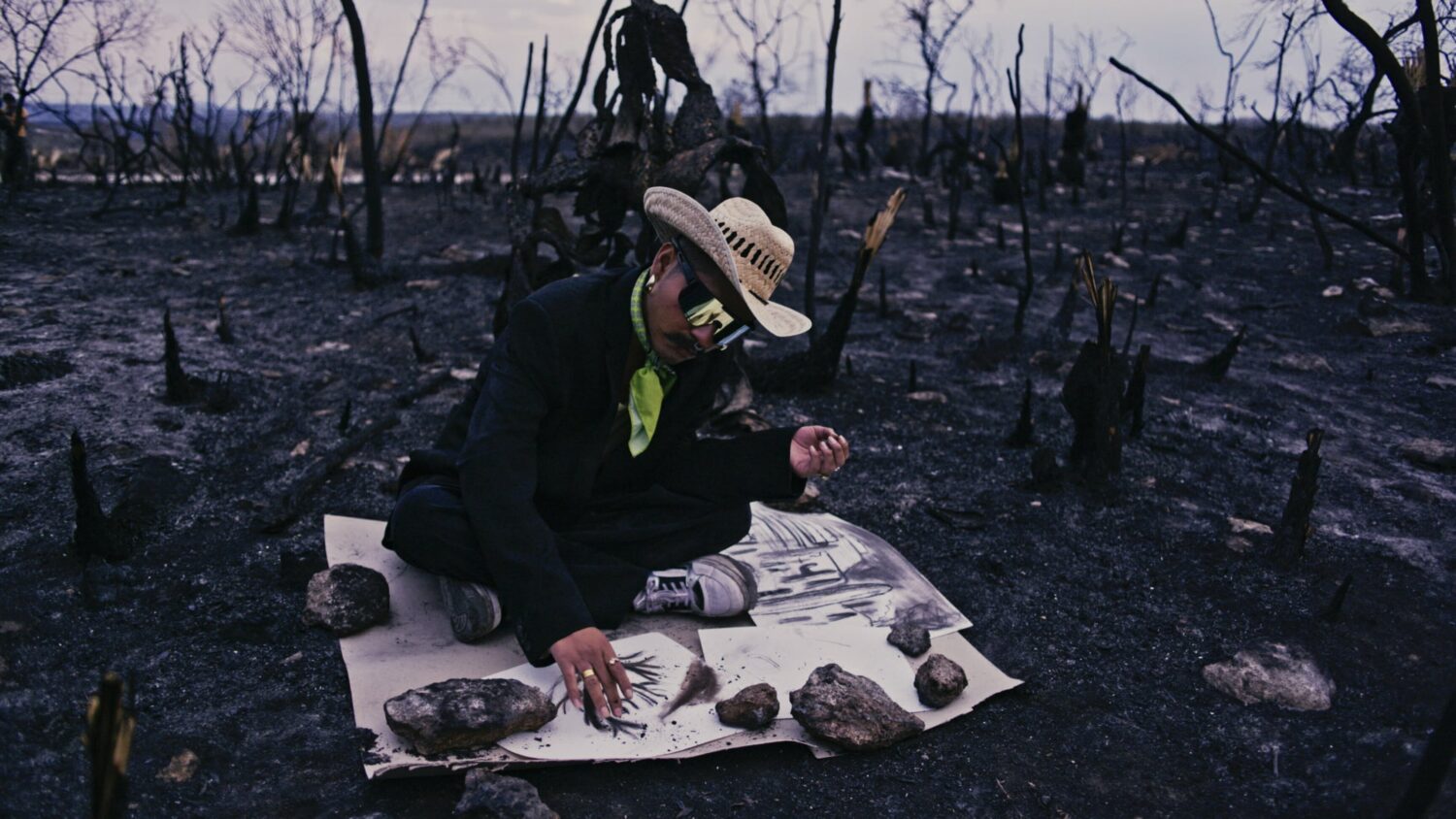
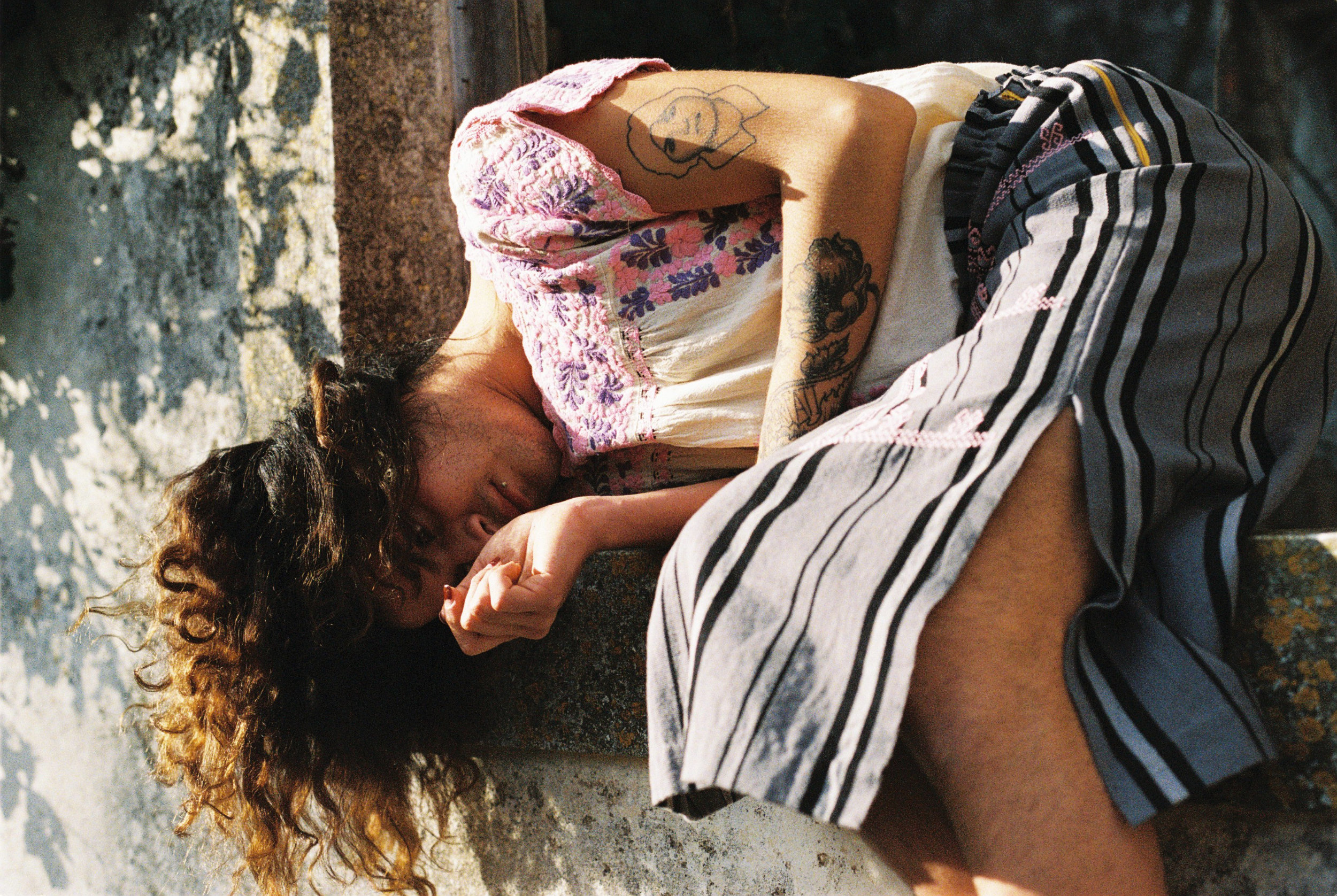
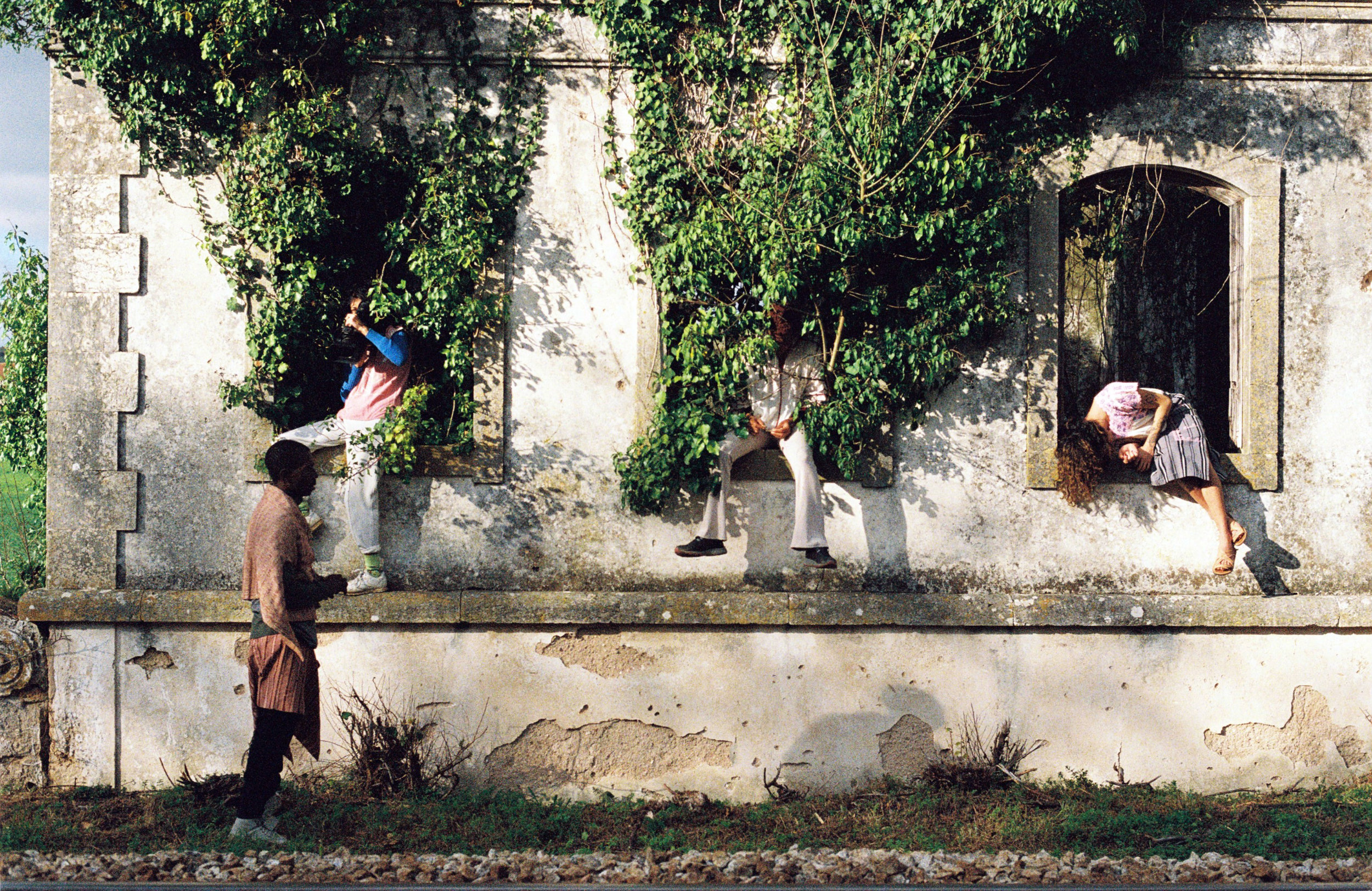
Hera’s search for collaborator-protagonists is guided by intuition and an embrace of chance encounters. Mexican designer Fabienne Guilbert was invited to contribute clothes that appear in the film. There is also Léonce Konan Noah, whose collection of writings in Nouchi, Baoulé, and French was instrumental in developing a dance for the project that sought to record memory of place through the body. Another collaborator, Ife Day, shares the artist’s interest in aquatic divinities, and in water as a vector of communication. Finally, Hera involved Daniel Galicia, a Mexican painter who migrated to Montreal at age fourteen.
In a 2023 text entitled “Daftar: Language(s) of the Pythia, Oracular Images, Trans-temporal Bodies,” I wrote that Hera “created a situation. . . . Vir is interested in seeing everyone’s knowledge unfold, and that’s what the film is about, to begin with. . . . Everything is constructed too, Vir’s head is bursting with images, ‘everything is a symbol and a mirror.’ . . . Vir cries. I wonder if this is not what their work is about. Producing and waiting for the overflow, . . . Vir is the one who listens, that’s why their images are full of voices. Vir is the one who listens: the long emancipation, in a furious world.” » 7 «
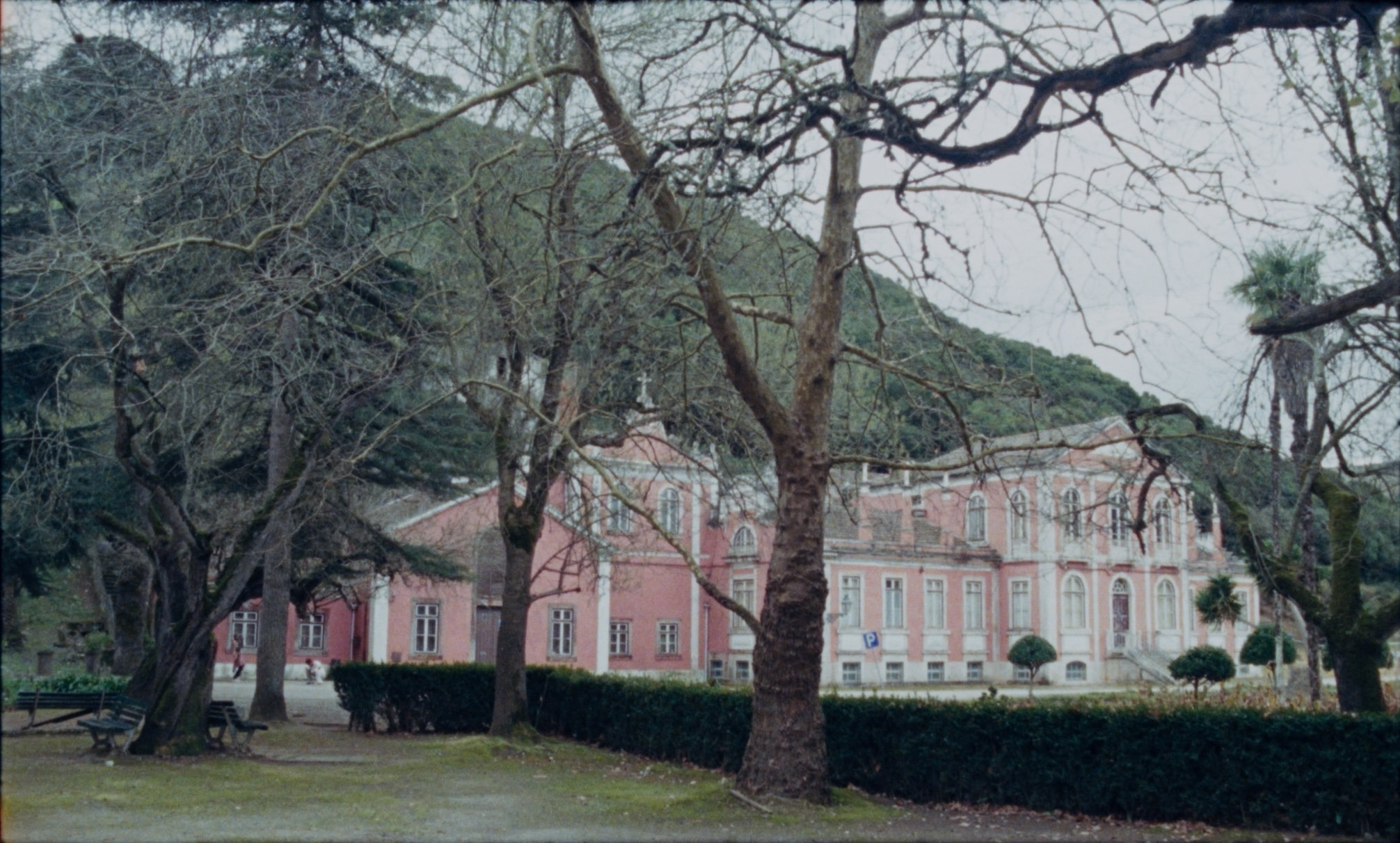
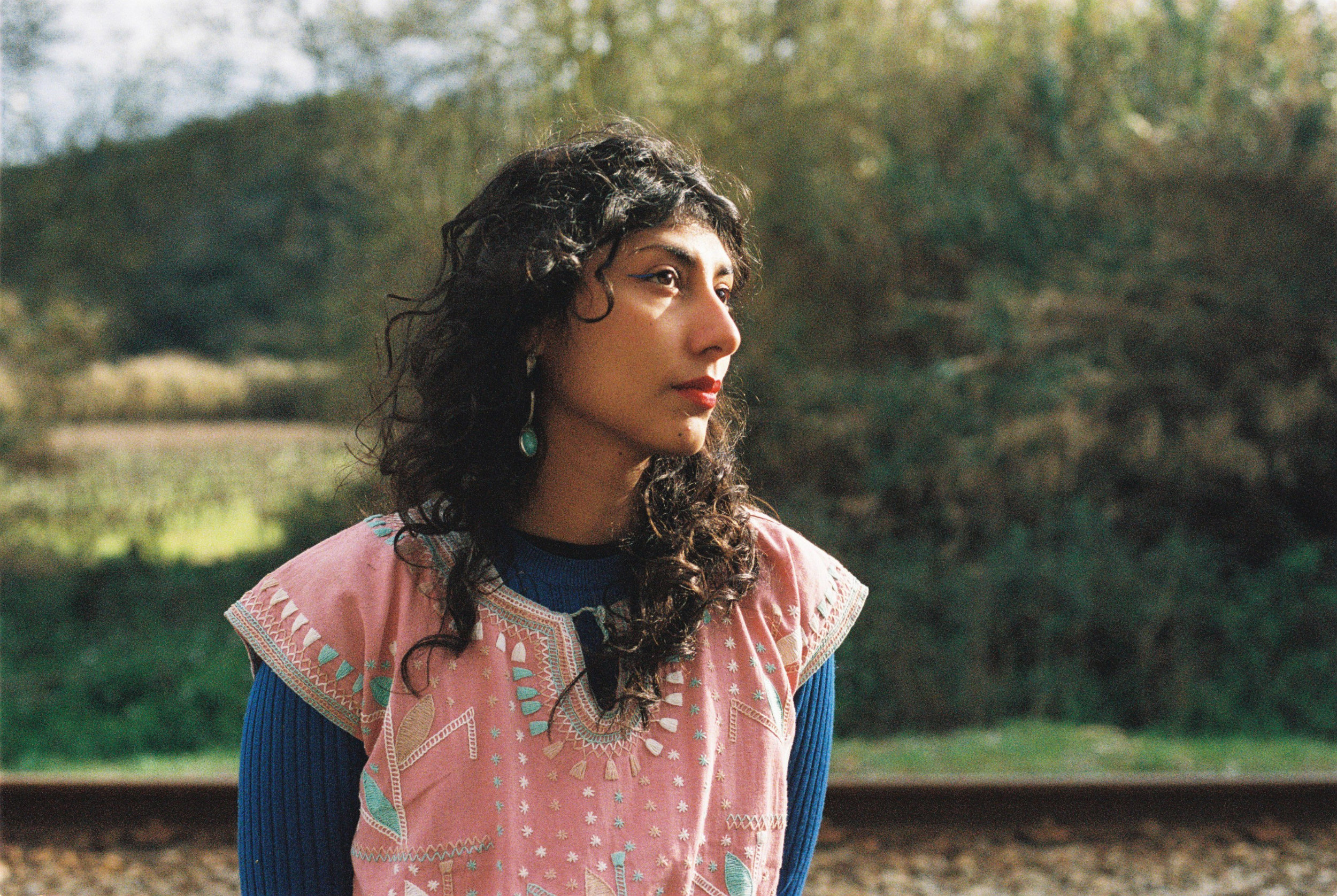
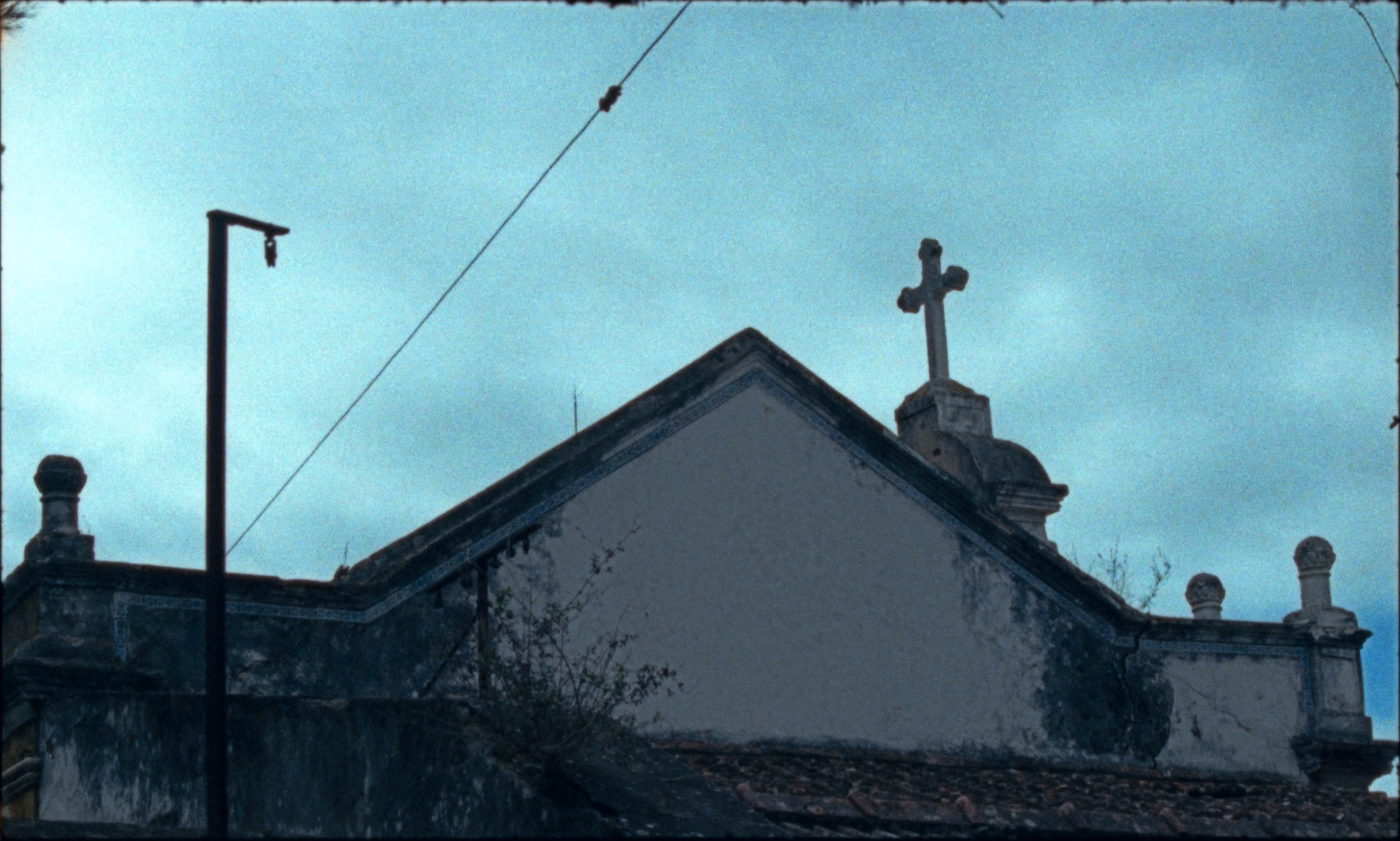
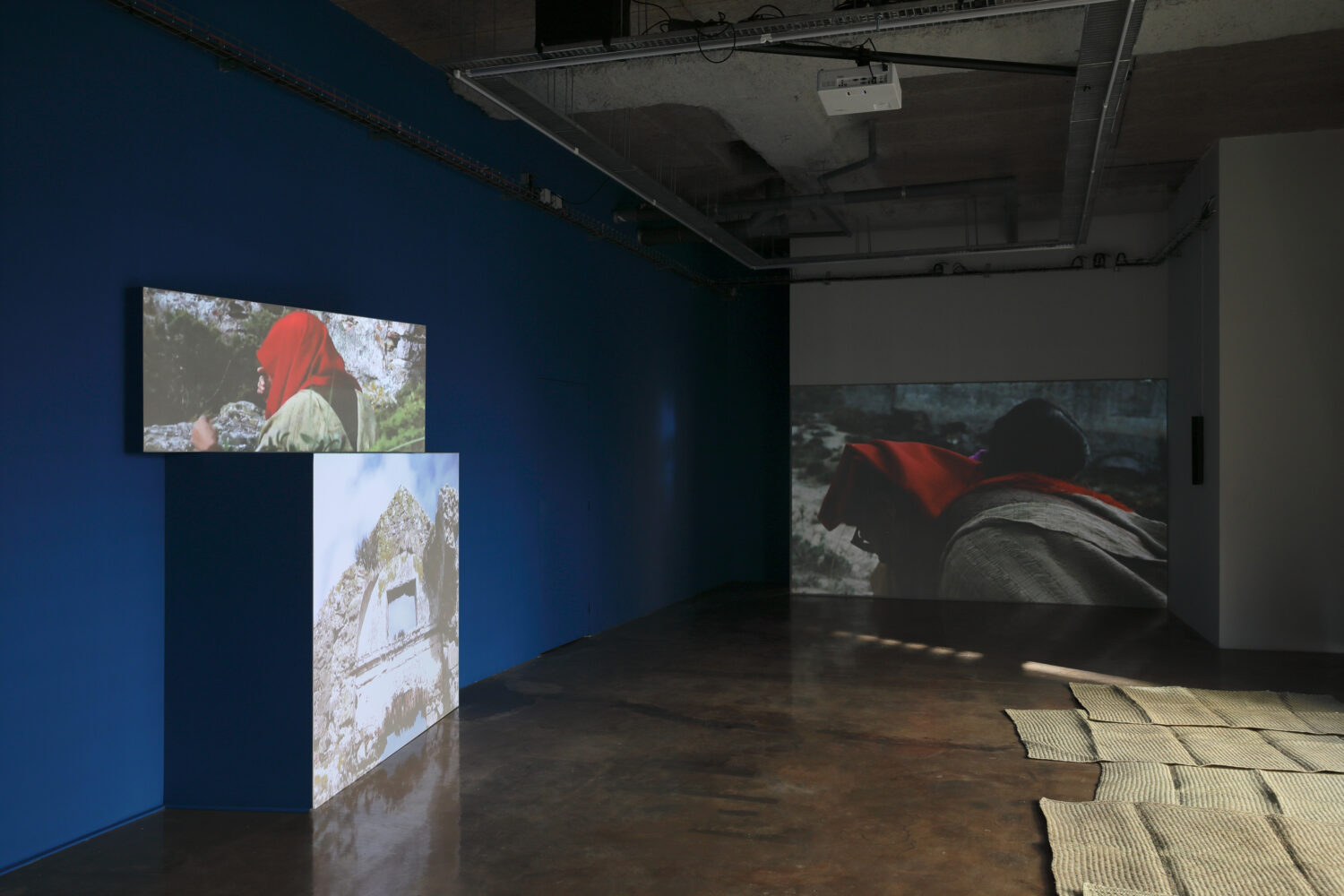
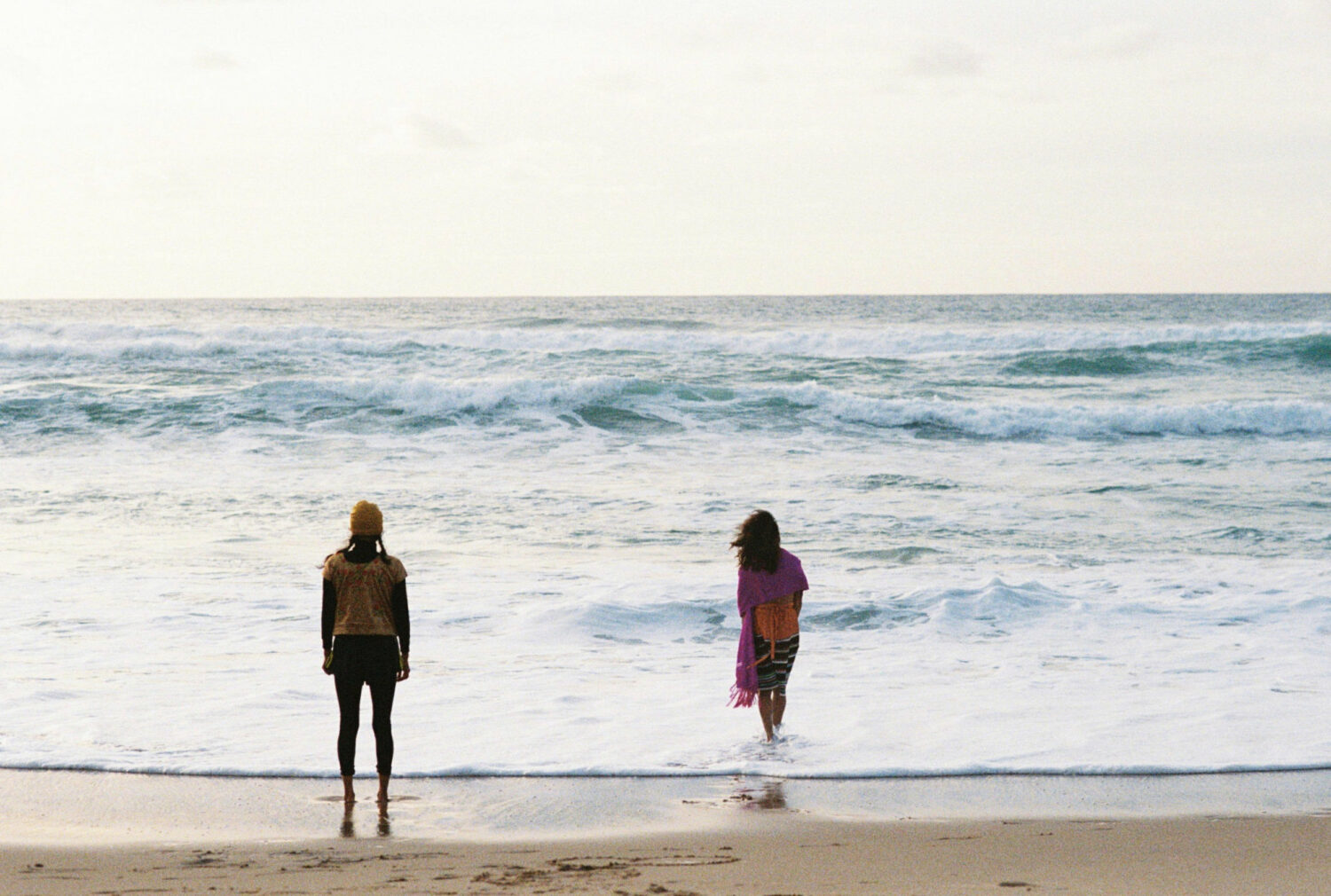
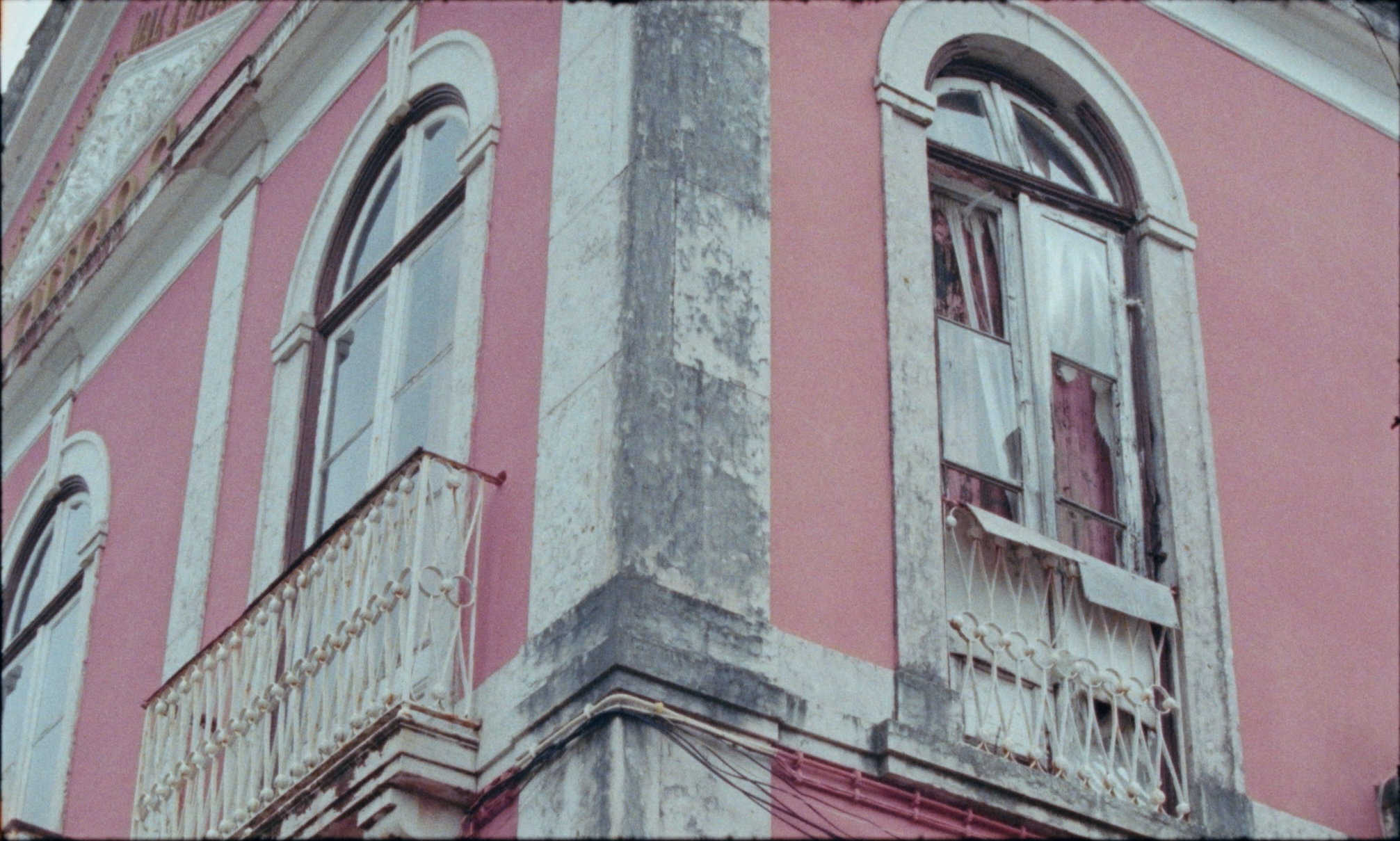
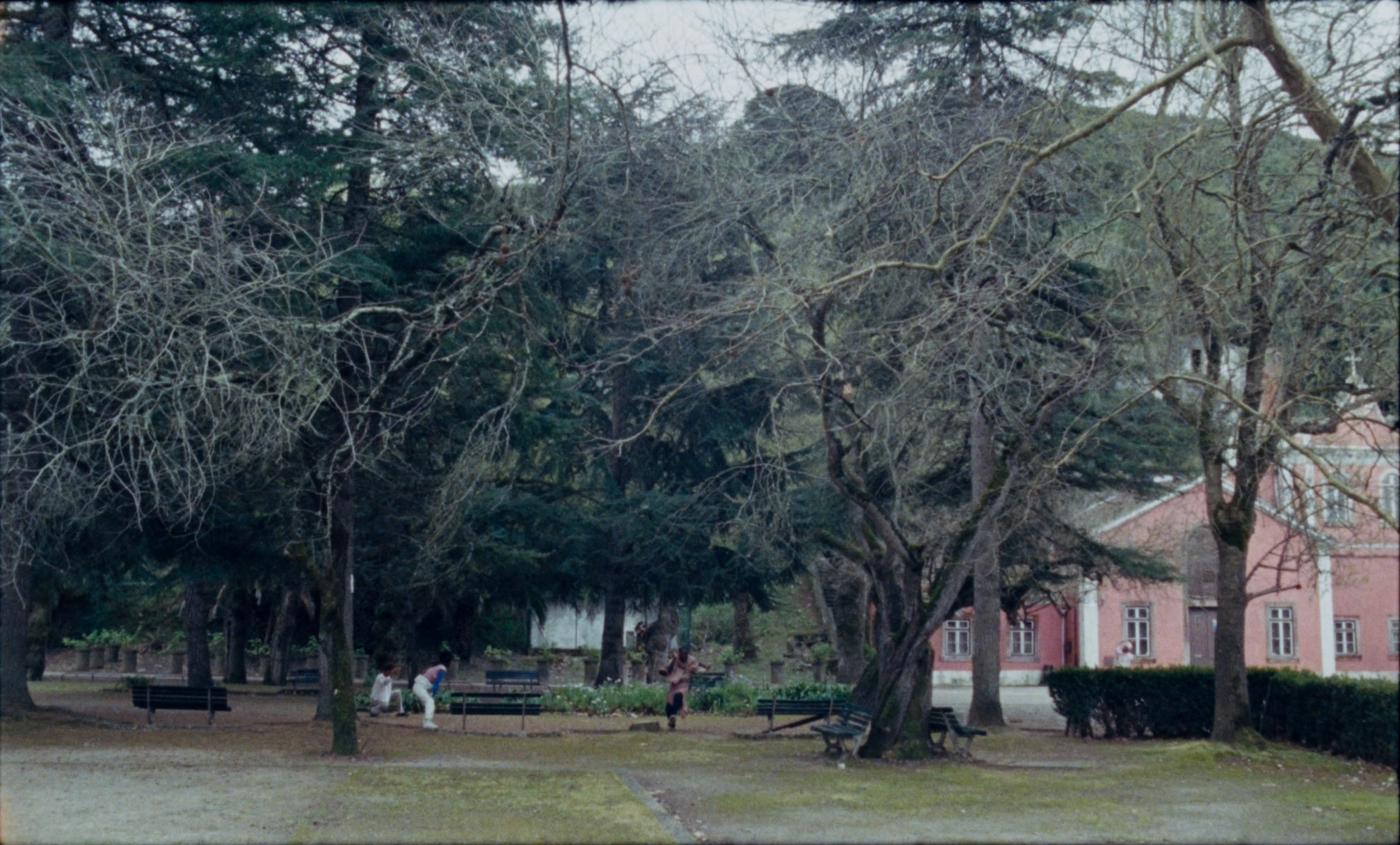
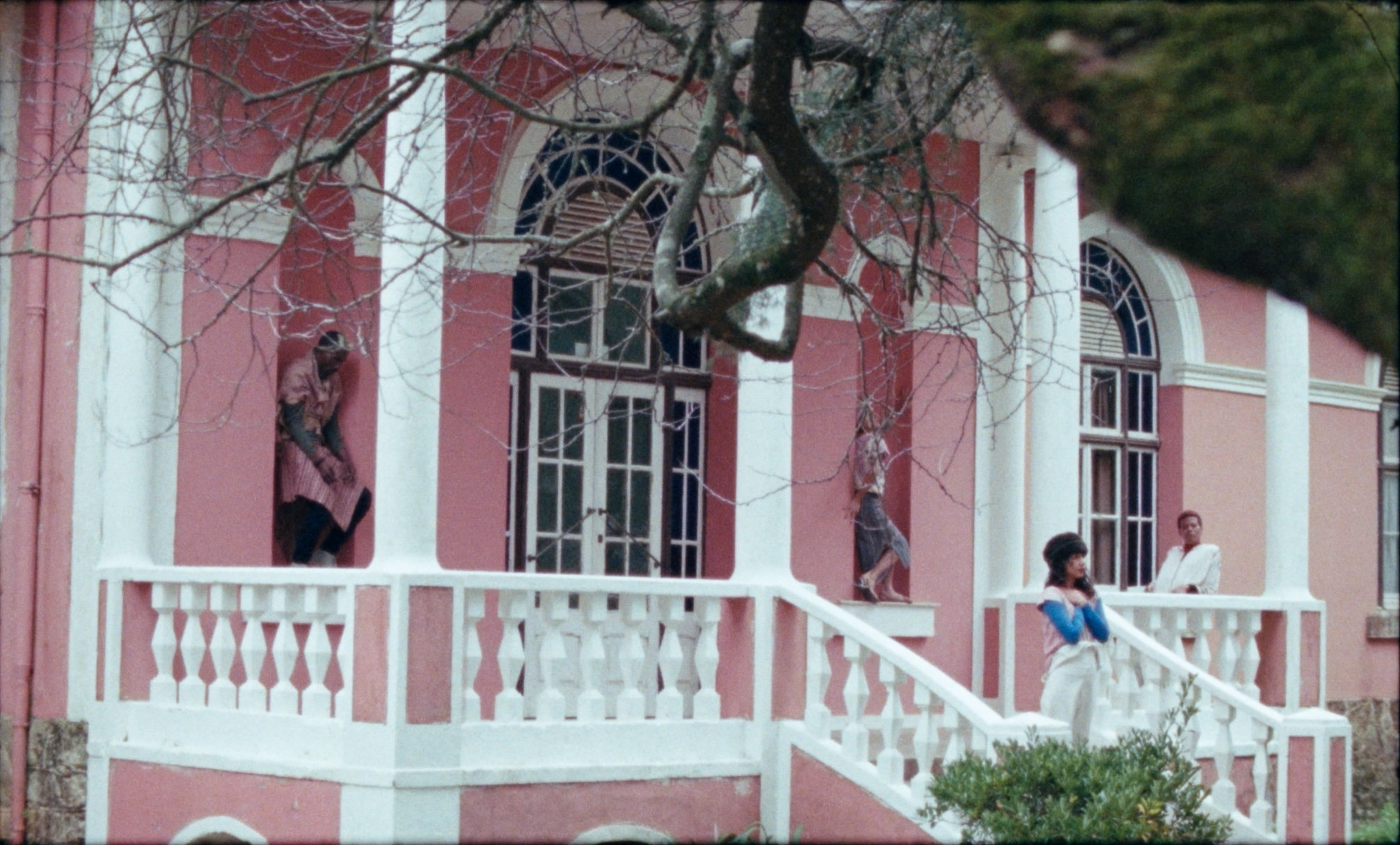
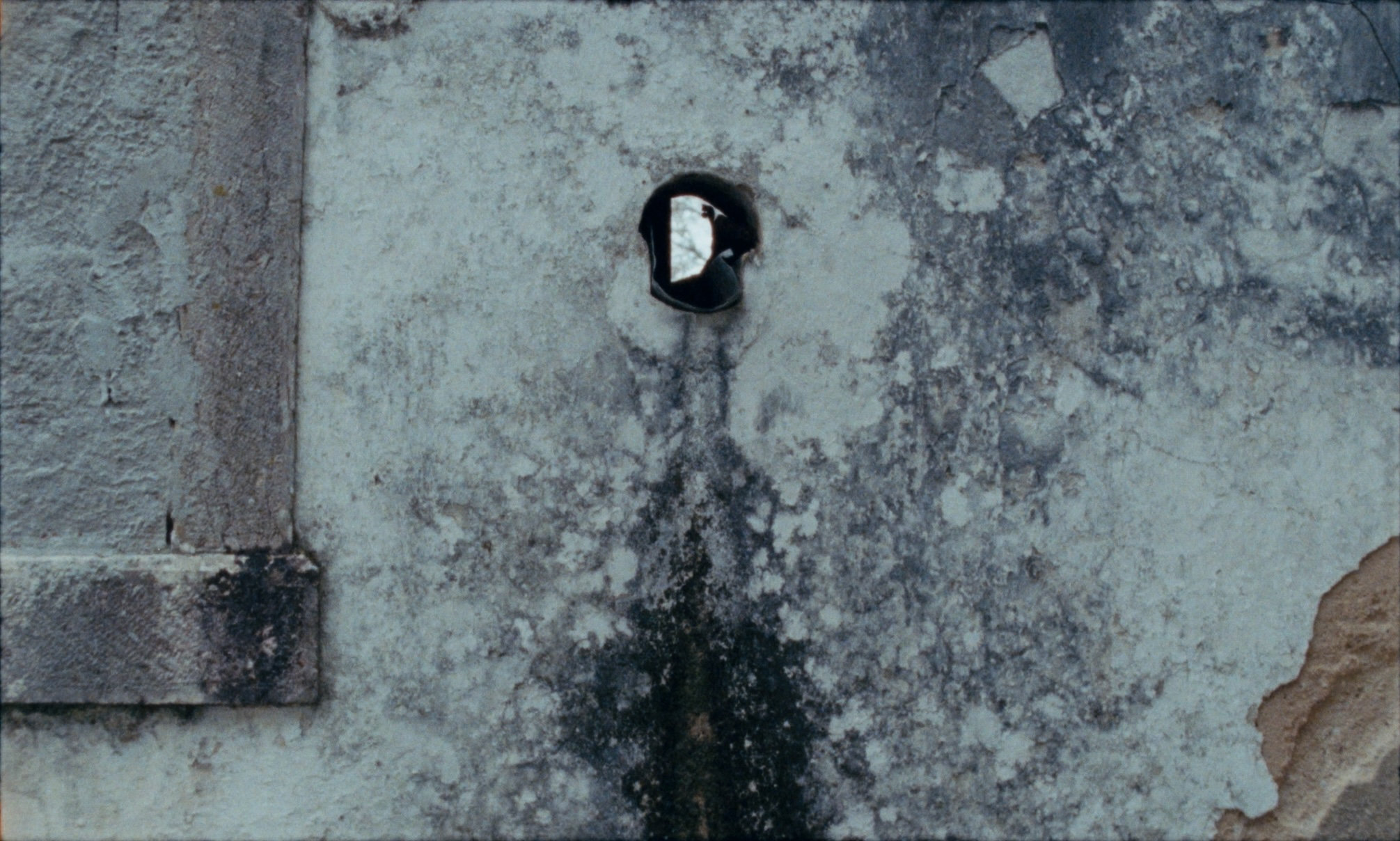
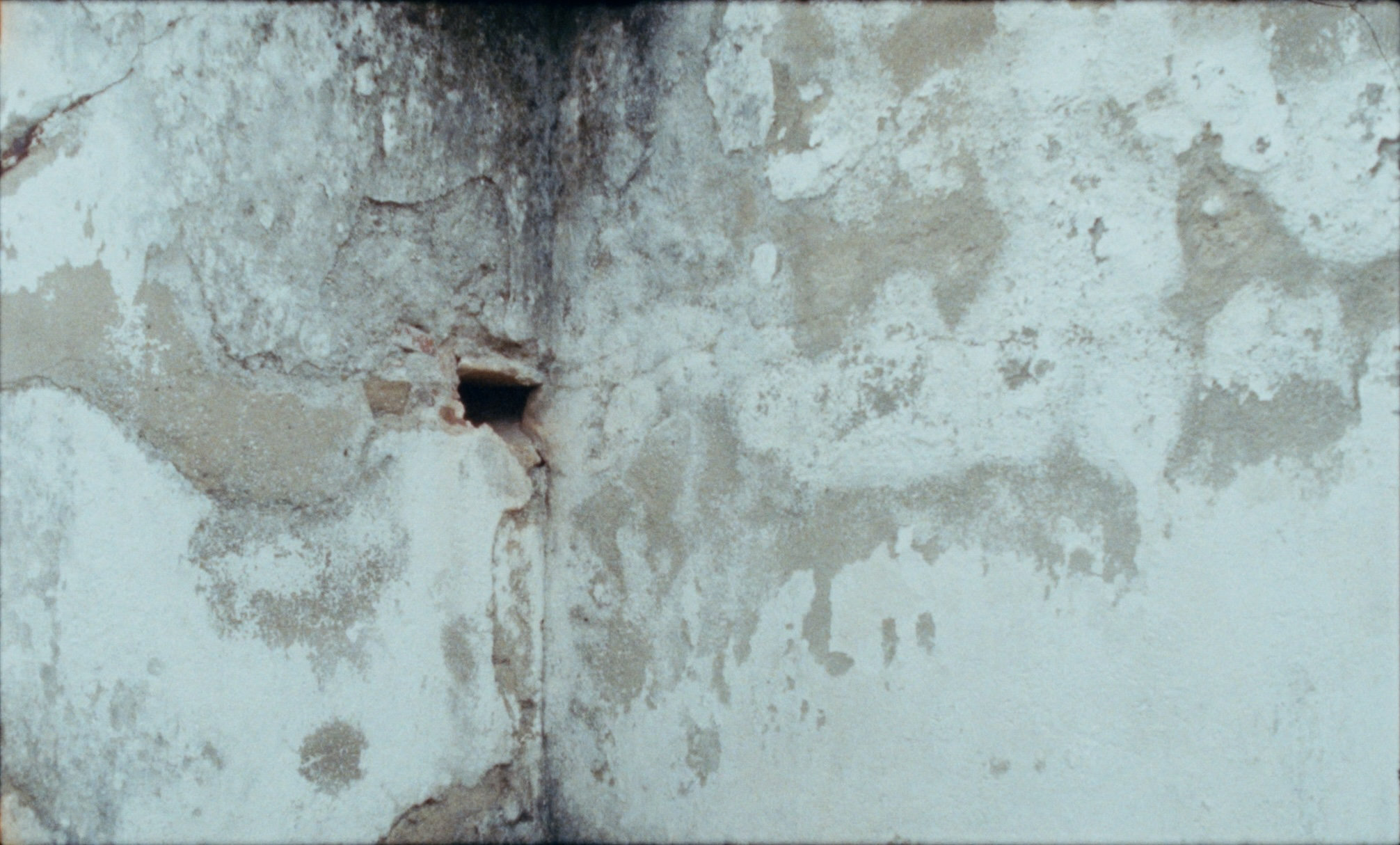
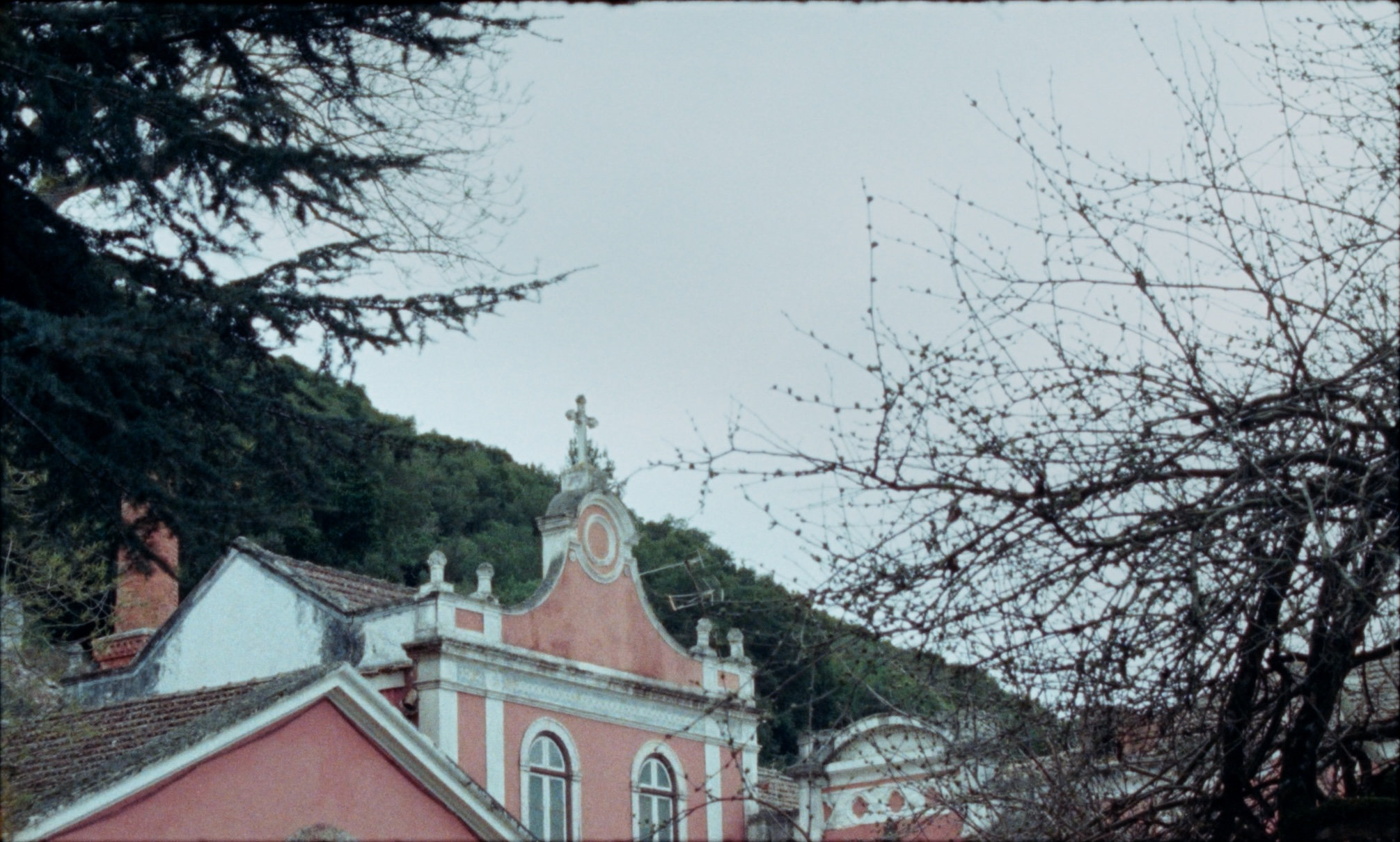
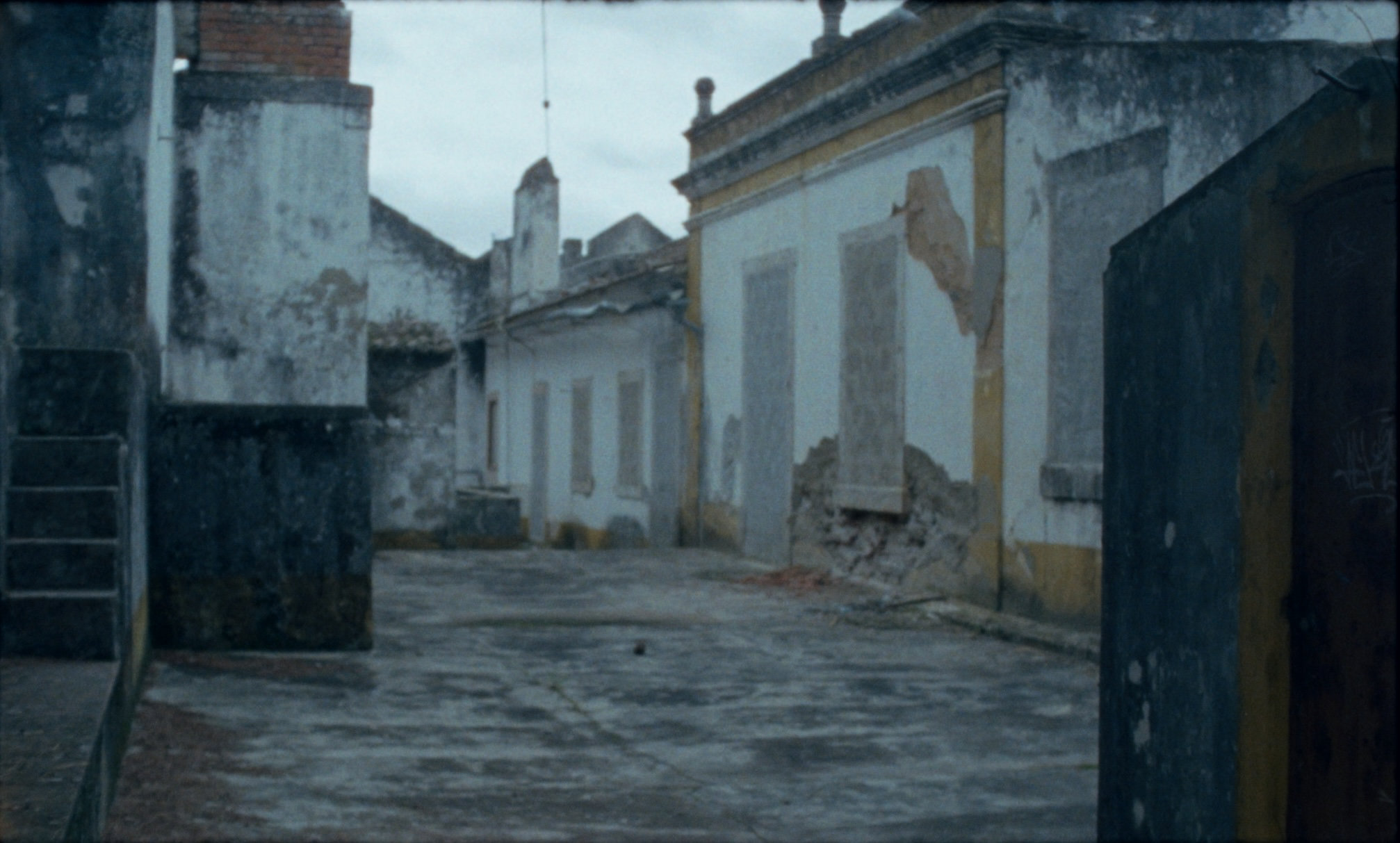
Daftar, when presented as a finished film, has three parts: The category is face takes place in a modernist building, A fire burns under pavement, in an alley in a nightclub at a carnival party, and Bulldog Non MacDo Non Hamburger Non in the ruins of a monastery buried under the sand of a beach in a former slave port in Torres Vedras, Portugal. The presence of a European carnival allows the artist to evoke the carnivals of Latin America and the Caribbean, as well as the recent tropicalization of European carnivals—a way of finding a visual tool to convey the idea of a European ruin invested by the bodies of the formerly colonized. Portugal was an obvious choice: “a country whose geography delimits Europe in a way, and which looks out over the Atlantic Ocean, filled with all that history linked to slavery, and the American continent. But I also chose Portugal because its kitschy baroque and neoclassical style is reminiscent of that colorful style found in the architecture of Mexico, Martinique, or Peru, or in the mansions of South Florida or Louisiana. I wanted to play with what seems to be a precise geographical location, but isn’t really.” » 8 « A voice was then added to these images, which conveys the importance of the conversations that took place, and the relationships formed, over the long shooting period:
Over meals, we’d talk about how such-and-such territory was colonized, . . . about racist or LGBT-phobic violence, about the experience of being an artist from the “South” in the “North,” about the financial and psychological resources it requires, about working conditions, about the photo of a dead grandmother, the Spanish song we knew in Haiti, the Mexican telenovela we watched in Ivory Coast. I asked myself how I could integrate all these stories without taking away their magic and intimacy, how to show these stories without having the impression of capitalizing on the slightest emotion. » 9 «
It is the voice of Belinda Zhawi, who lives in London and carries with her the story of her family’s move from Zimbabwe. Hera establishes a method: they tell her about the day’s shooting, as they remember it, day by day, hour by hour. In the evening, locked together in the recording booth, faced with the multitude of the images taken, Zhawi tries to recompose the story, to imagine what is missing, to dictate the meaning of the images, always in the present tense, once, twice, five times, for hours. “The instruction was not to stop, but rather to fill the void, to almost enter into a hypnotic state of the continuous flow of speech, until the banal became charged with spirits . . . and the meaning of the sentences took on a temporality that was not that of the present.” » 10 «
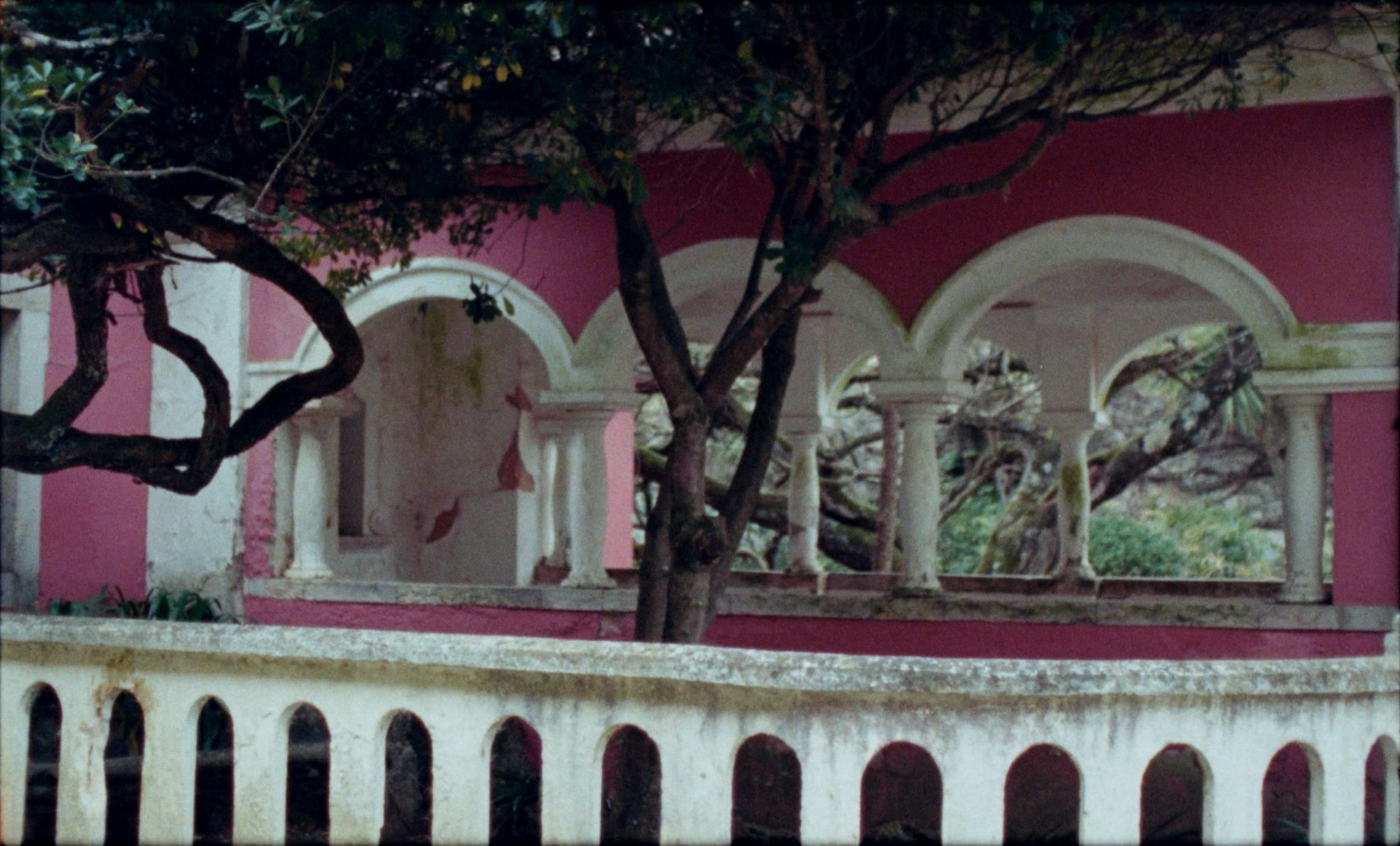
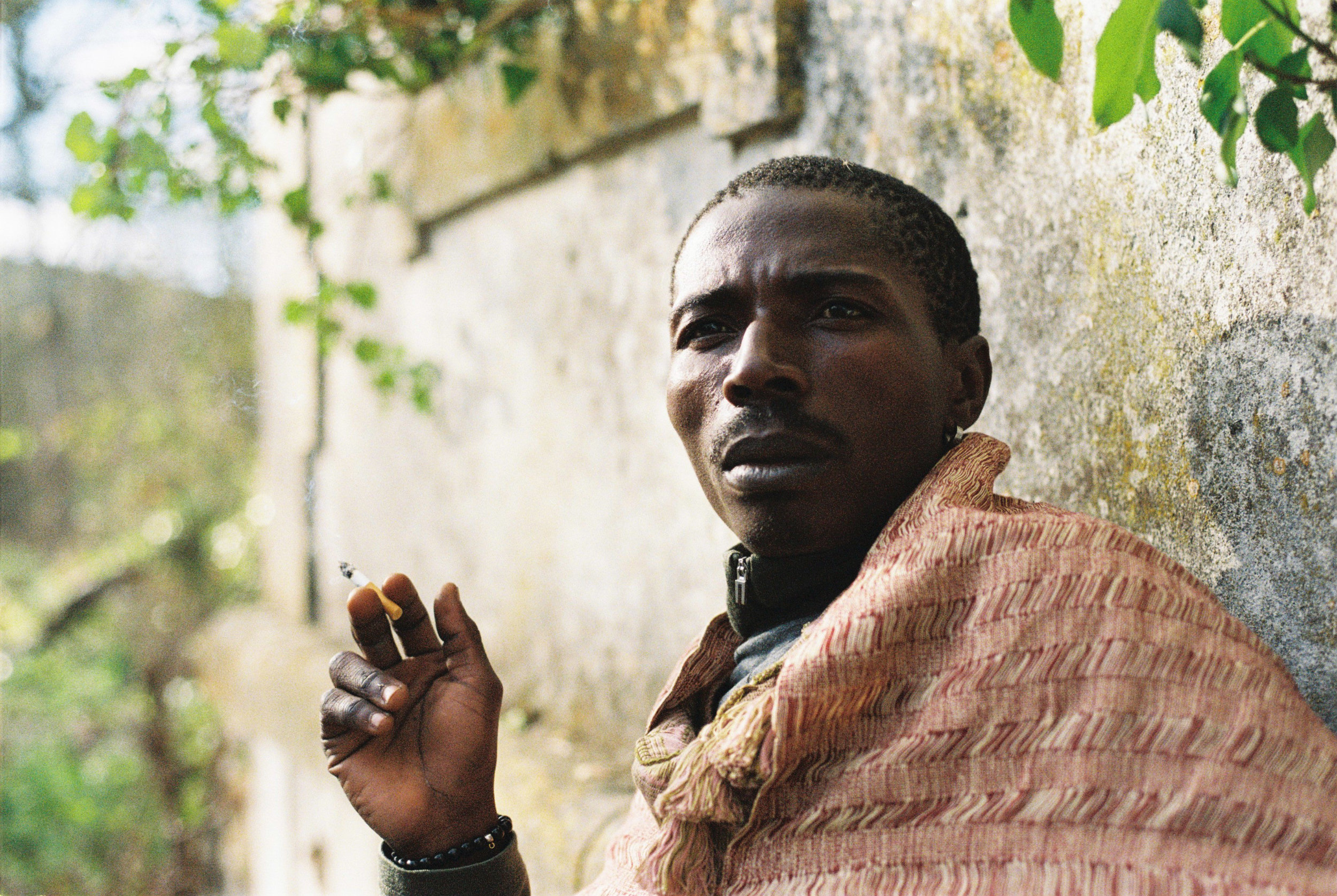
Fabienne, Léonce, Ife, and Daniel became the hoped-for ghosts and deities.
When production of the film came to a close, Hera, having integrated the qualities of their collaborators, felt as though they themselves had become like the Coatlicue, an Aztec goddess whose skirt is made either of snakes, or of hearts and hands belonging to other dead deities and which are now part of her.
In 2023, Hera was invited by the Museo Tamayo in Mexico for a program called “The Backroom,” where artists are asked to delve into their own archives but don’t need to produce new works. They chose to look into their textual archives, as an artist who writes, and return to a selection of texts. For “The Backroom,” Hera attempted to reread their texts, written since childhood, without judgment, while considering the effects of their decolonial consciousness. The rediscovery of a childhood story of a first gay love, unfinished, and of its rewriting upon their arrival in France, unfinished once again, made them want to return to New York—more precisely, to the Mexican neighborhood in Queens where they stayed at their boyfriend’s family home when they were eighteen. Currently, they are working on images from this trip, and preparing a sequel to Daftar.
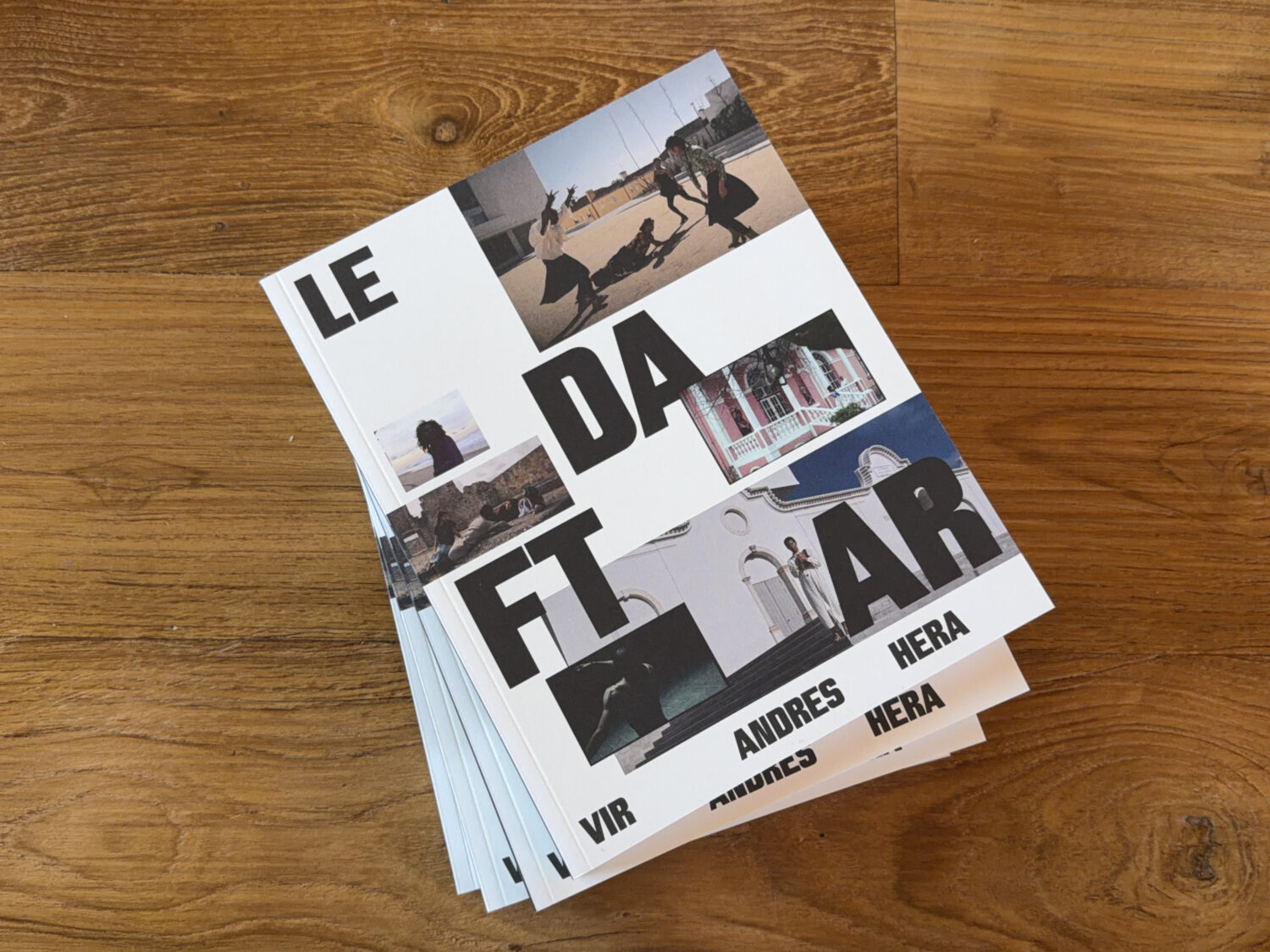
More than just a film, Daftar has become a device, a process, that allows the four collaborator-protagonists to recognize their shared stories and experiences of displacement and trans-temporality. As an evolving and open format, the project lends itself to screenings, parties, exhibitions, and performances, sometimes along other artifacts, in which Fabienne, Léonce, Ife, and Daniel are welcome to deploy their own practices. Forthcoming iterations of Daftar will bring together Princesse, born in Cameroon, whom Hera met when they were a waiter in Montreal; Serge, a student of Hera in Savoie who recently left Lebanon with his father; and Nassim, Maïmouna, Gato, Hiethel, Xaneri, and Daniel Encarnacion, whose stories Hera has yet to tell. Notably, they all share a childhood in a rural context. As the artist told me last time we spoke, they are not yet finished exploring the way queer and racialized bodies are assigned to the urban imaginary.
A first image from the forthcoming film, which at the time of this writing exists only in the artist’s mind, is Princesse dancing to a song by Mexican singer Juan Gabriel, music she first heard while with Hera.
Eva is an independent curator based in France, working on feminism, postcolonial studies and critical writing.