What Moves Backward, Forward
What Moves Backward, Forward
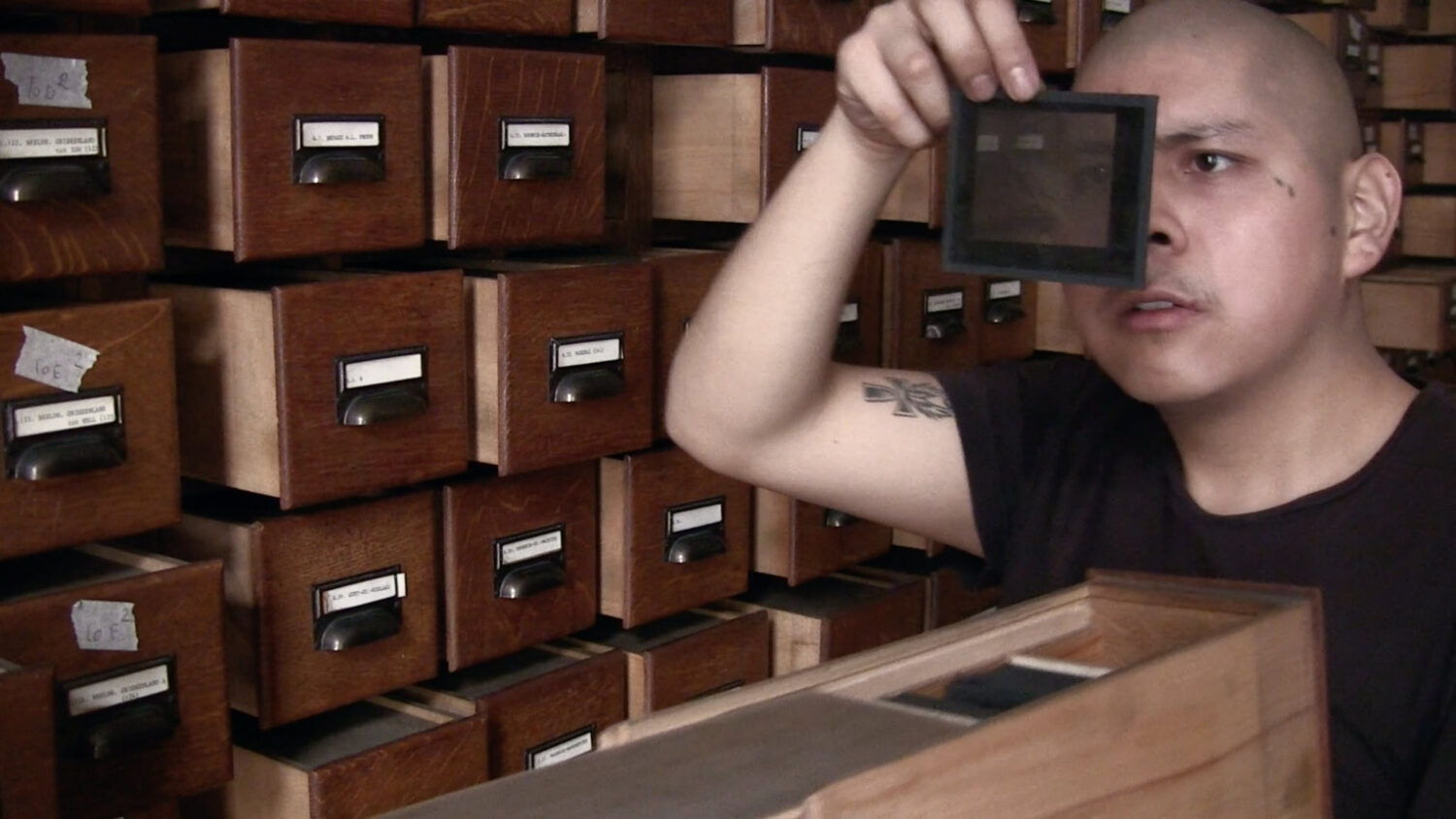
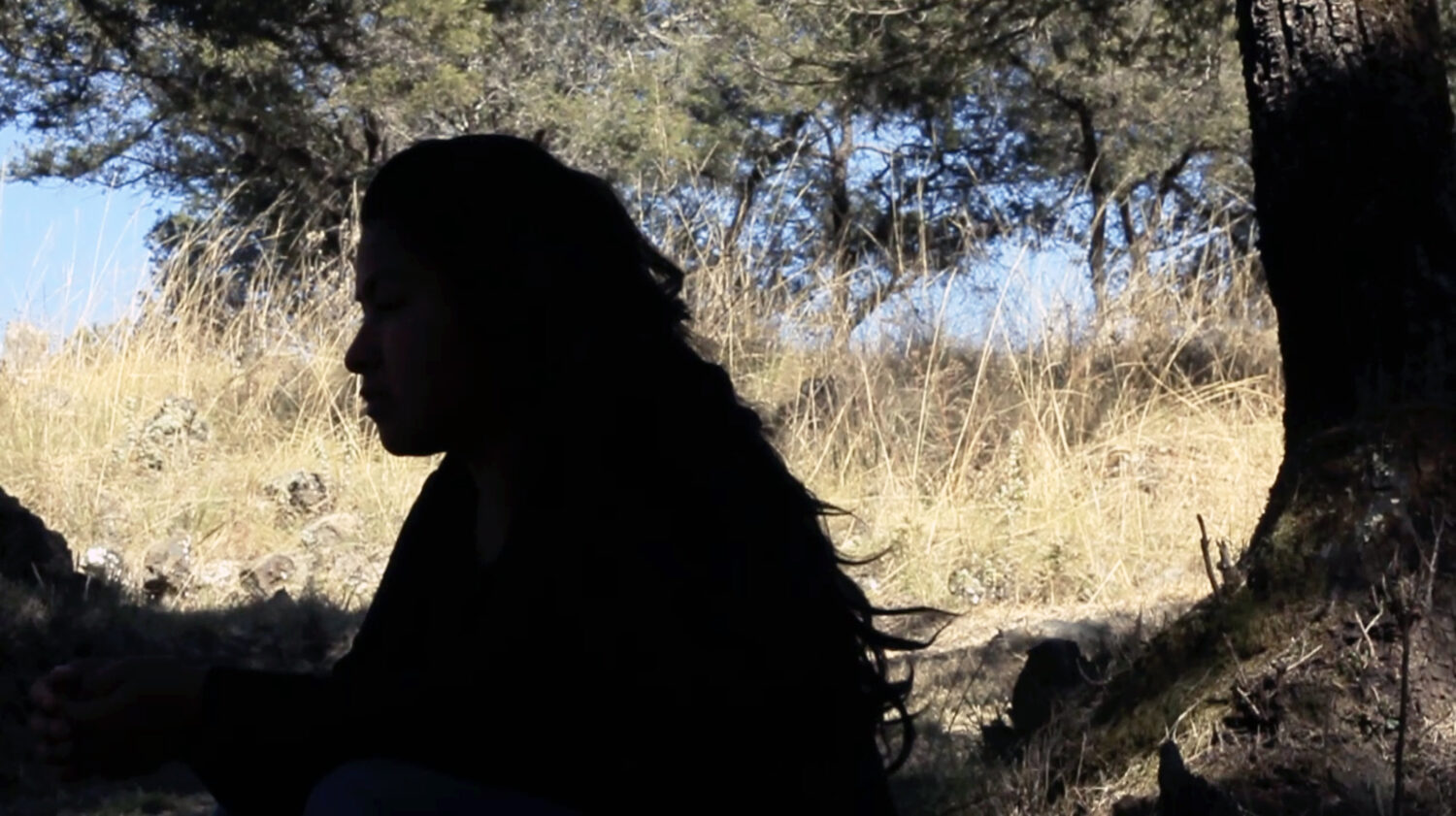
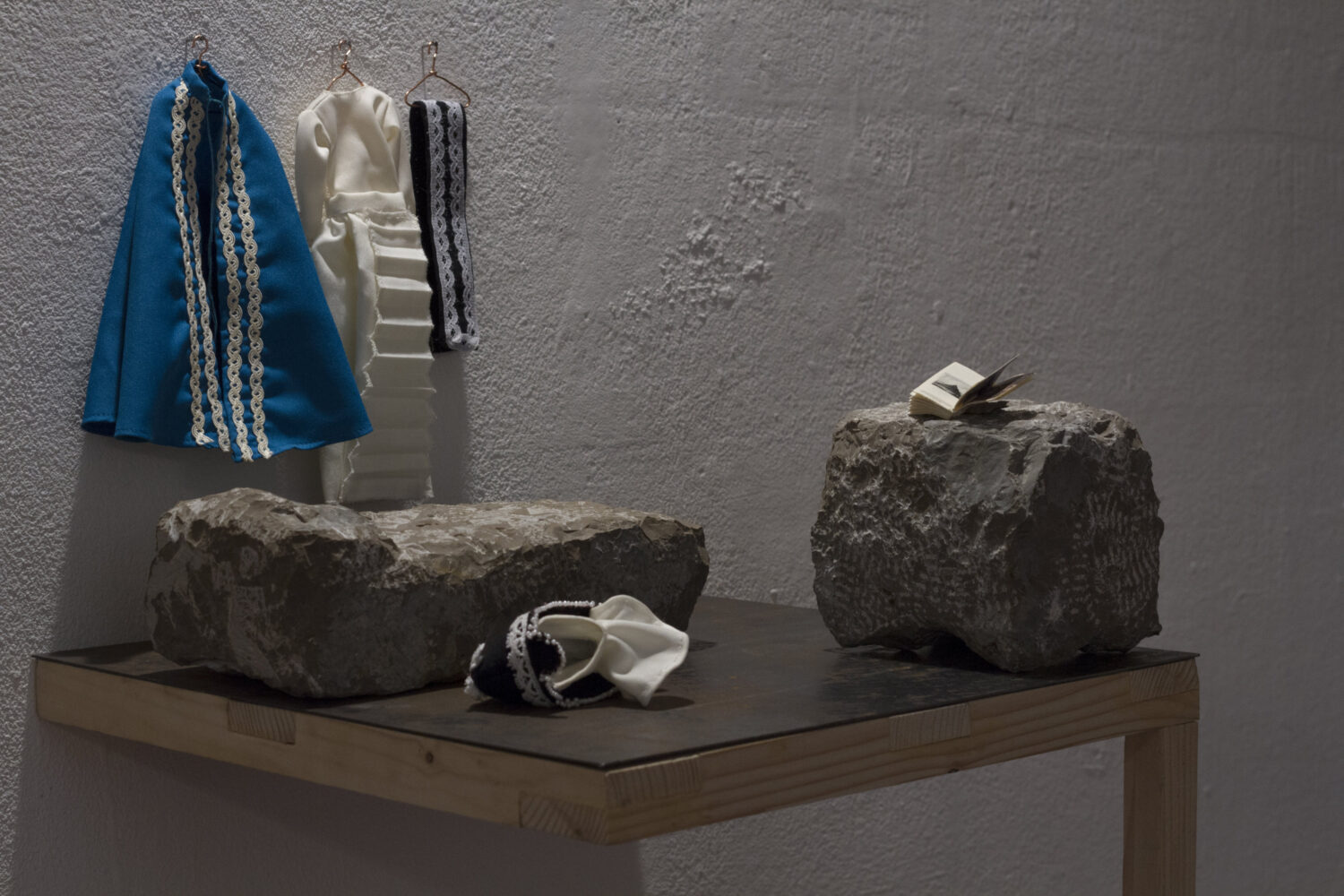
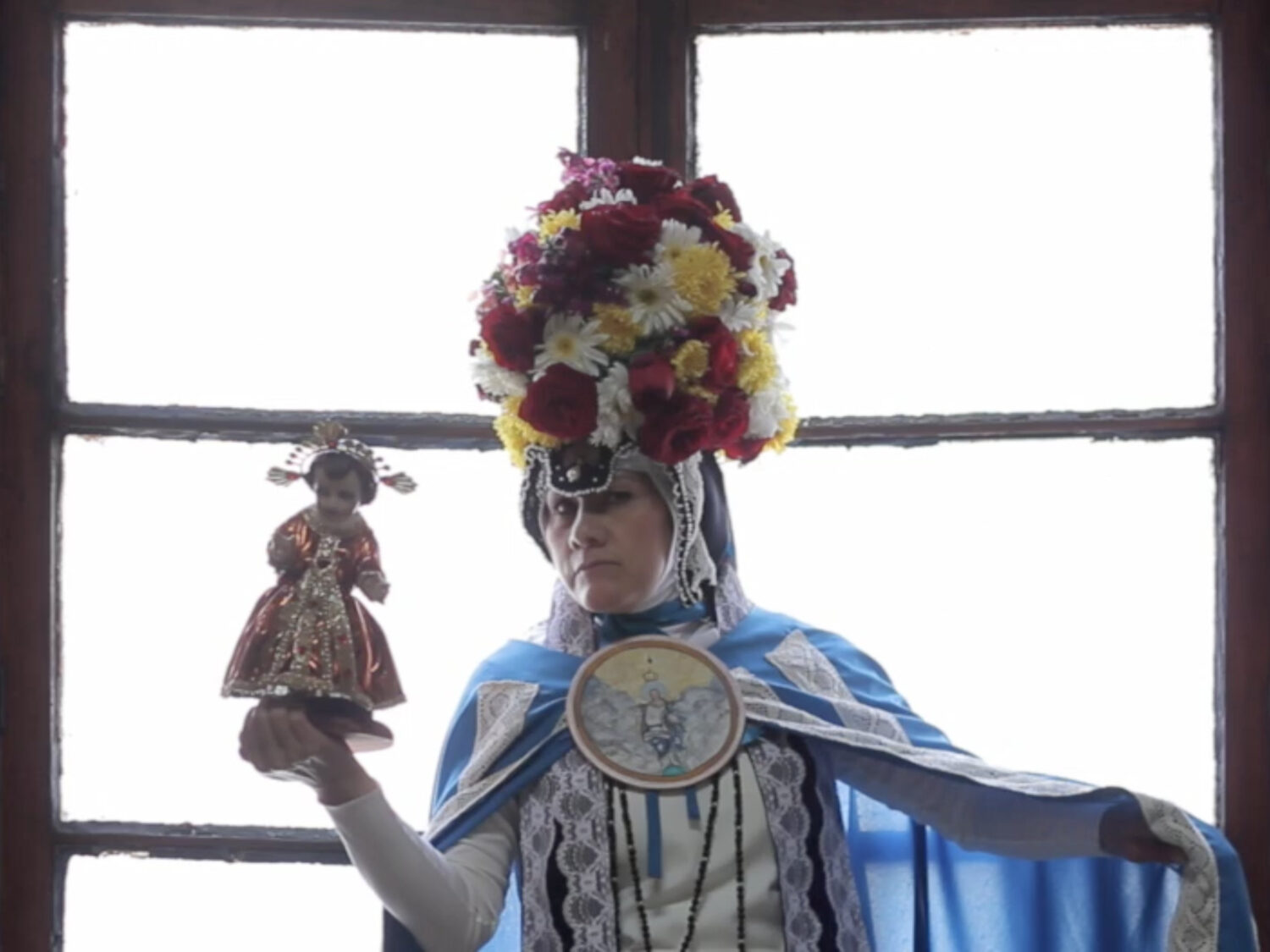
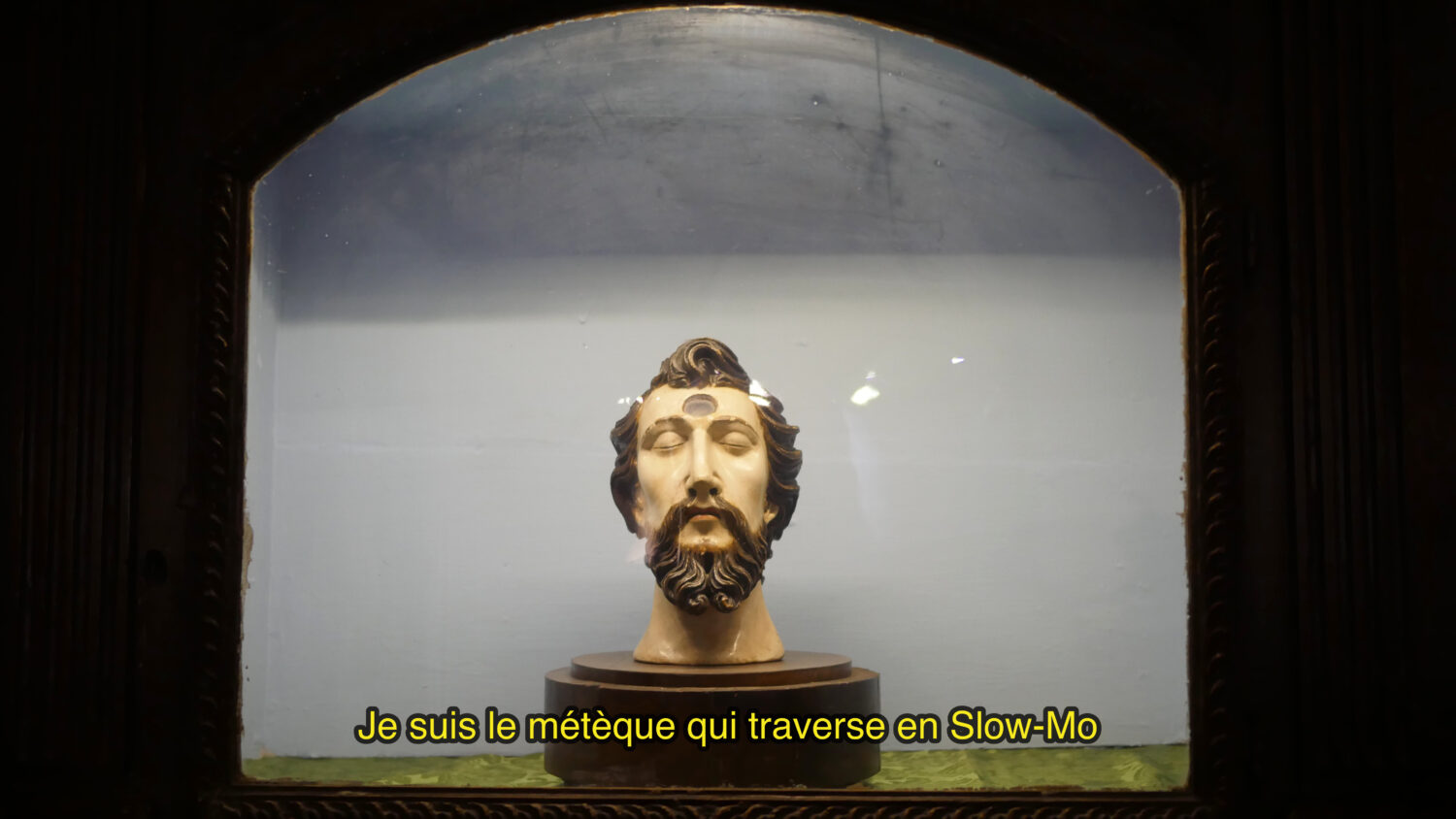
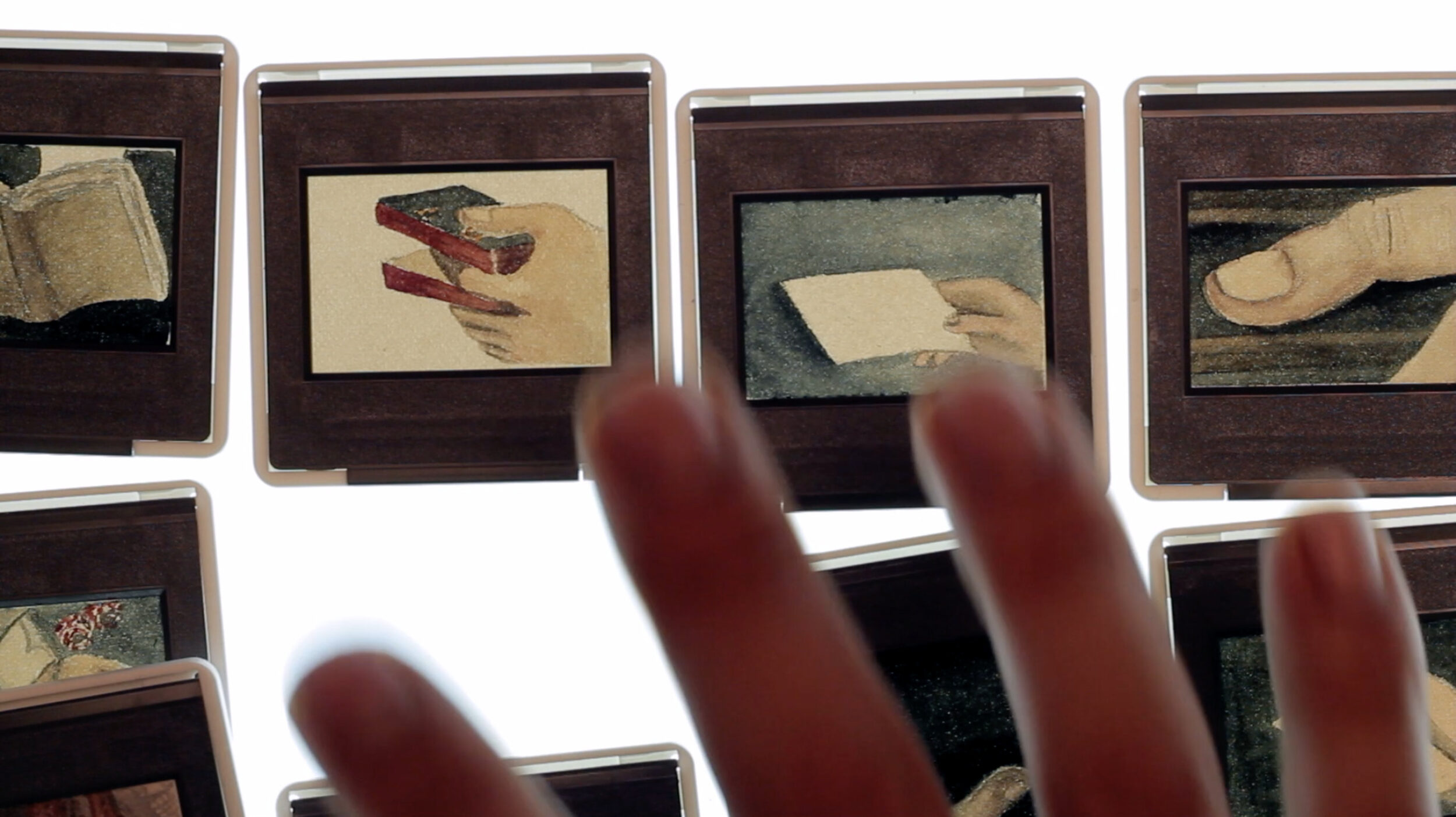
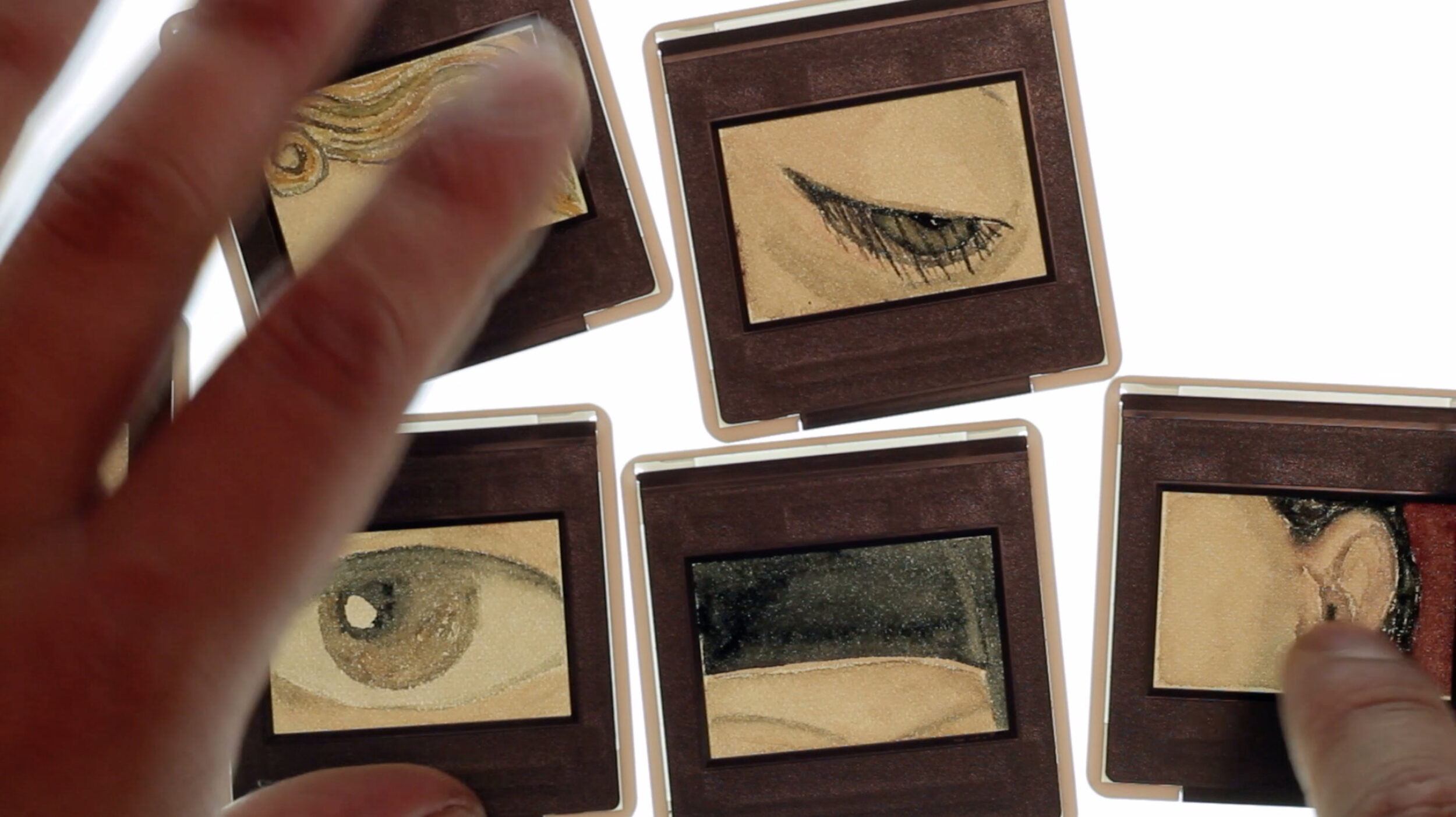
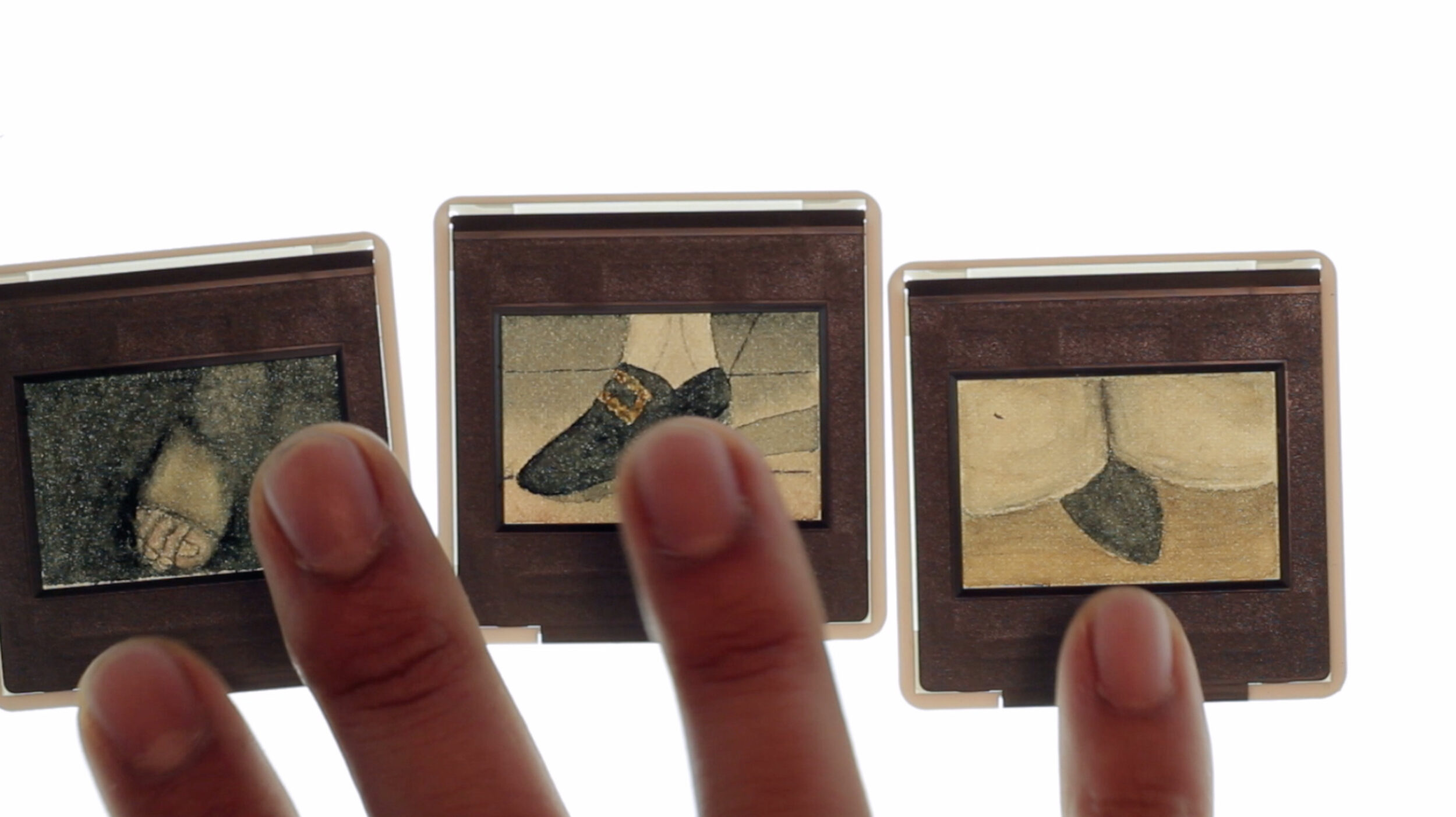
“Nothing is lost, nothing is created, everything is transformed.” This quote from Lavoisier could stand at the frontispiece of Vir Andres Hera’s studio. Their entire approach consists in challenging the idea that culture has an expiration date. They phonetically transcribe into Arabic the poems of a 17th-century Mexican nun, refusing to confine Sister Juana Inés de la Cruz to an ancient, Western, and elitist culture. Elsewhere, in a botanical garden, their camera lens is fixed on an old herbarium, using montage to bring back to life the flowers collected during the royal Spanish expedition to the Americas. They appear again, following the backward walk of a Tlapaneco Indigenous woman, aware that she speaks a dead language in a living, modern body. But is she really moving backward?
With a dismissive gesture toward positivist theories of art, Vir Andres Hera continually raises the same question: what moves backward and what moves forward? What if history were nothing more than a gigantic palimpsest written by the same person? This is what the book they published under the title Pieter Van Gent seems to suggest: a mysterious, supposedly immortal author of a 777-page palimpsest spanning the history of Mexico, from Spanish colonization to the end of the 20th century. The land, its architecture, its place names appear as the only stable points of reference in this vast temporal journey.
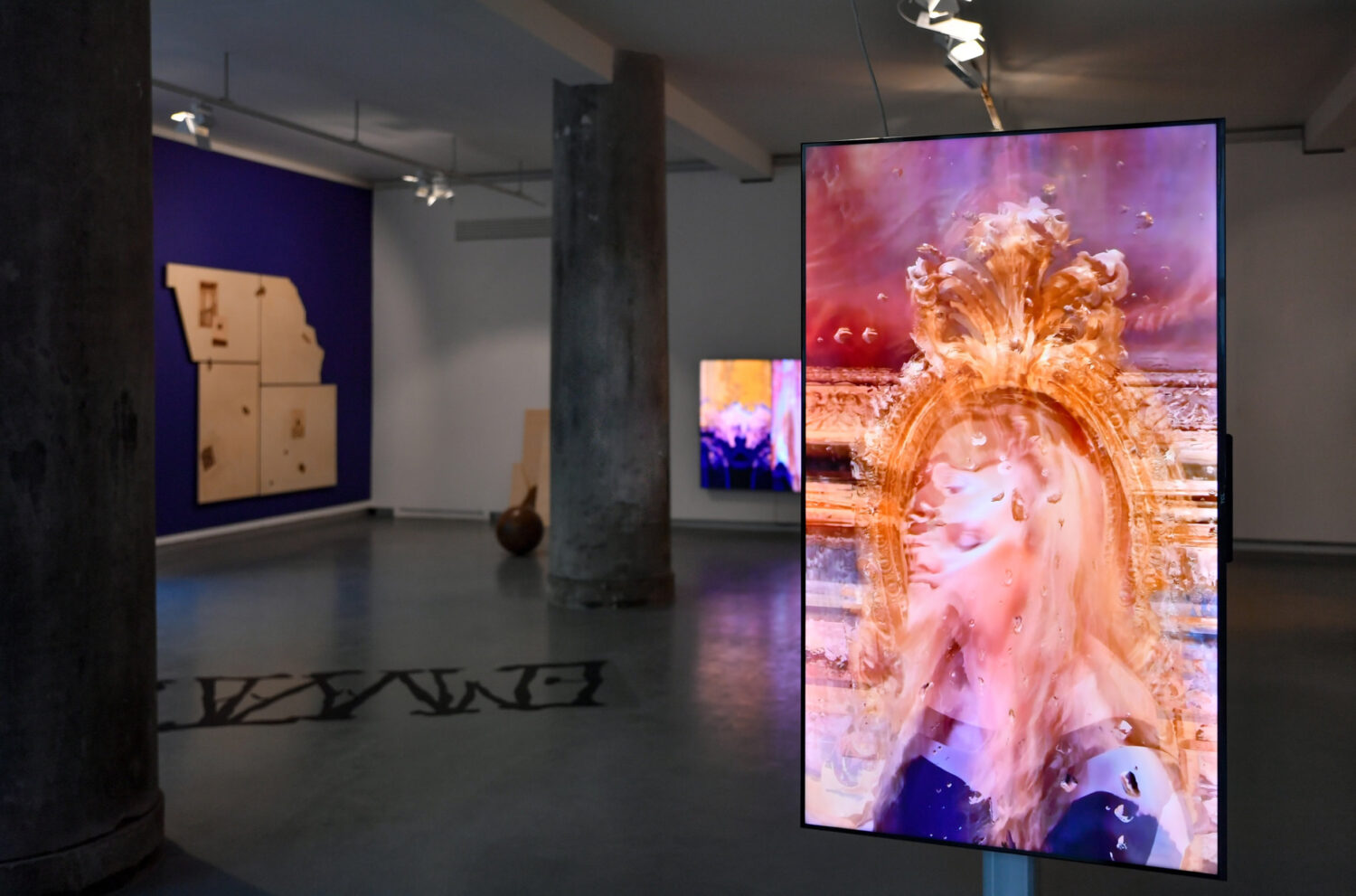
Because they are fascinated by diversity, because, like Victor Segalen’s “exot,” they “feel the full flavor of the diverse,” they lose themselves in it and lose us with them. But it is in order to retrieve us more fully. Faced with the dizzying proliferation of cultural production, Vir Andres Hera seeks to draw attention to what remains. This obsession with permanence leads them, for example, to the Basque Country, to the sites that inspired Peter Van Der Meulen’s painting Exchanges of Princesses Anne of Austria and Isabelle of Bourbon on the Bidassoa, to observe what endures from this exchange of women in the old port. Their approach is not archaeological: they do not exhume the past, but prolong its spells, endowing what humans once produced with an excess of soul. It is often said that to translate is to betray; conversely, Vir Andres Hera’s artistic approach is haunted by fidelity.
Amina is a novelist published by Gallimard, working across literature and contemporary art, where language becomes a site of translation, displacement, and colonial afterlives.