Baroque frequencies, endless conversions
Baroque frequencies, endless conversions
Vir Andres Hera’s representation of things is part of a diverse, multipolar universe with multiple skins. In his works, forms take on several appearances and constantly refer to the dislocated and baroque space that resulted from European colonization in the Americas. In Barroco, an essay by Cuban writer Severo Sarduy, who was exiled to France in 1960, the “fallout” of European colonization was evoked from the point of view of forms. For Sarduy, baroque aesthetics operated through twisting or anamorphosis. No more circles—the quintessential form of humanism—but a multiplicity of ellipses. It was in light of this derivative form that he proposed to approach cosmology, geography, science, the arts, literature, history, and time. “The word derivation is taken here in its lexical sense: the forms obtained, which are described as secondary only out of prejudice, have the same performative power as the ‘infinitive’ forms supposed to be at their base […] » 1 « Through these reflections, Sarduy brought to European postmodern thought, which was at the time revising the concepts of modernism, “origin,” original, copy, periphery, etc., an essential historical coordinate, soon taken up over by a generation of decolonial thinkers: the experience of American colonization, in other words, that of the construction of Europe vis-à-vis its lateral “double,” which was covered over by the misnomer of ‘Indigenous’, ‘Indian’, and ‘America’, encompassing “a diversity of peoples and nations that have experienced historical oppression that continues today through institutional racism, precariousness, and the dispossession of their property and territories » 2 « .” All of these names obscure the identity and chosen names of the latter.
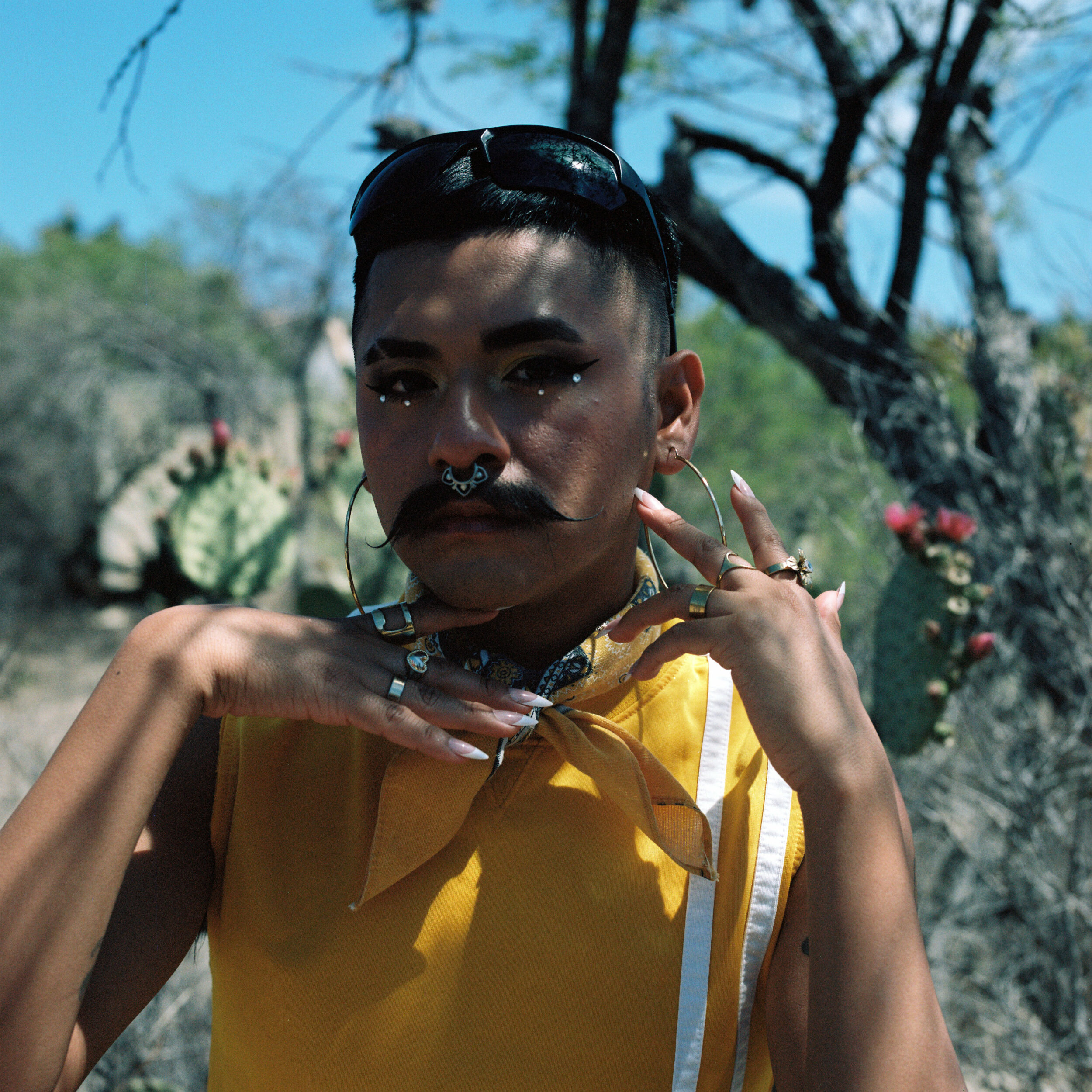
It is possible to consider the multiplicity of cultural forms, and therefore identities, that appear in Vir Andres Hera’s films, based on this baroque and colonial matrix. Not the “original” moment of shock and destruction, but the period of unprecedented creation and derivation that followed, until independence at the beginning of the 19th century. For indeed, before independence brought order to these syncretic practices according to European concepts—particularly through the prism of nationalism— the Americas found themselves at the crossroads of the entire world, which was reinventing itself there, as in New Mexico, where Nahuatl, Mayan, Spanish, Moorish, Muslim, Fon, Beninese, and Filipino cultures, among others, coexisted and hybridized.

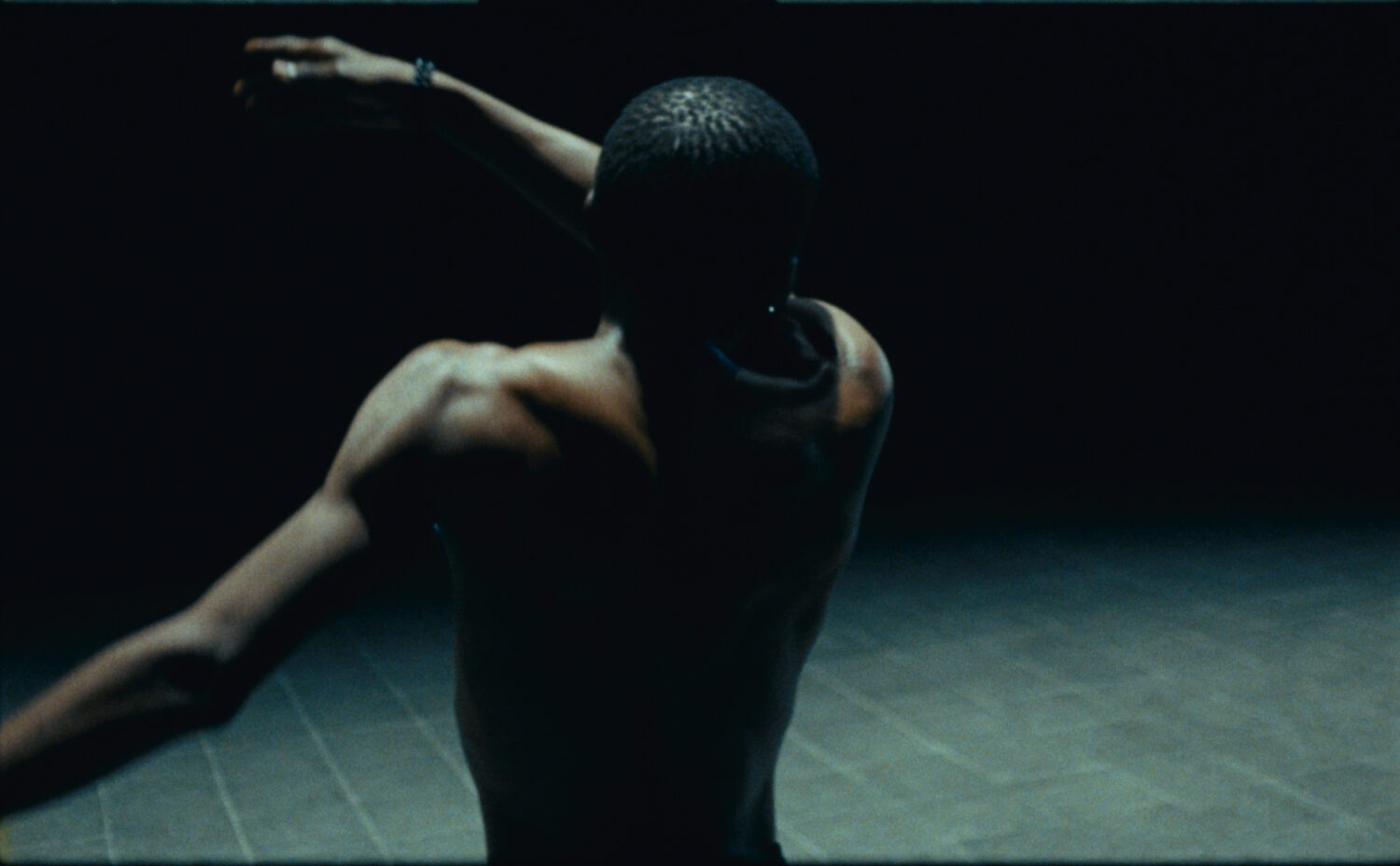
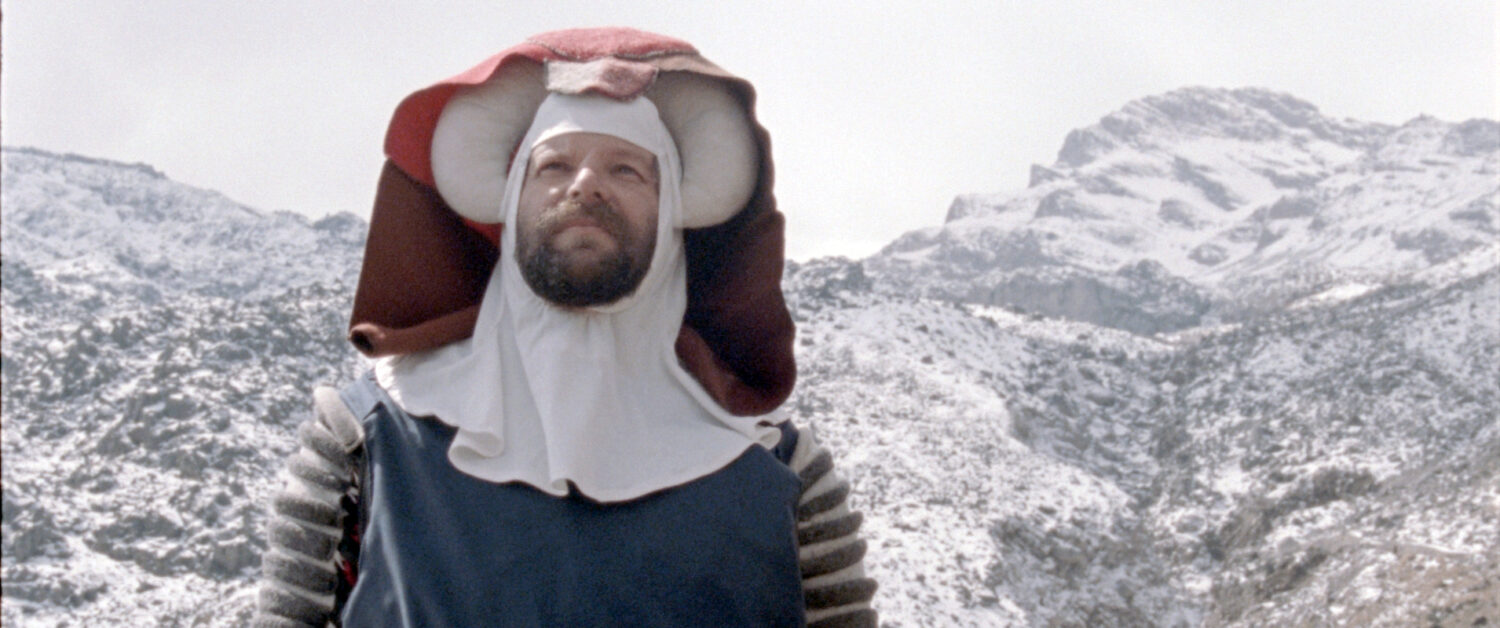
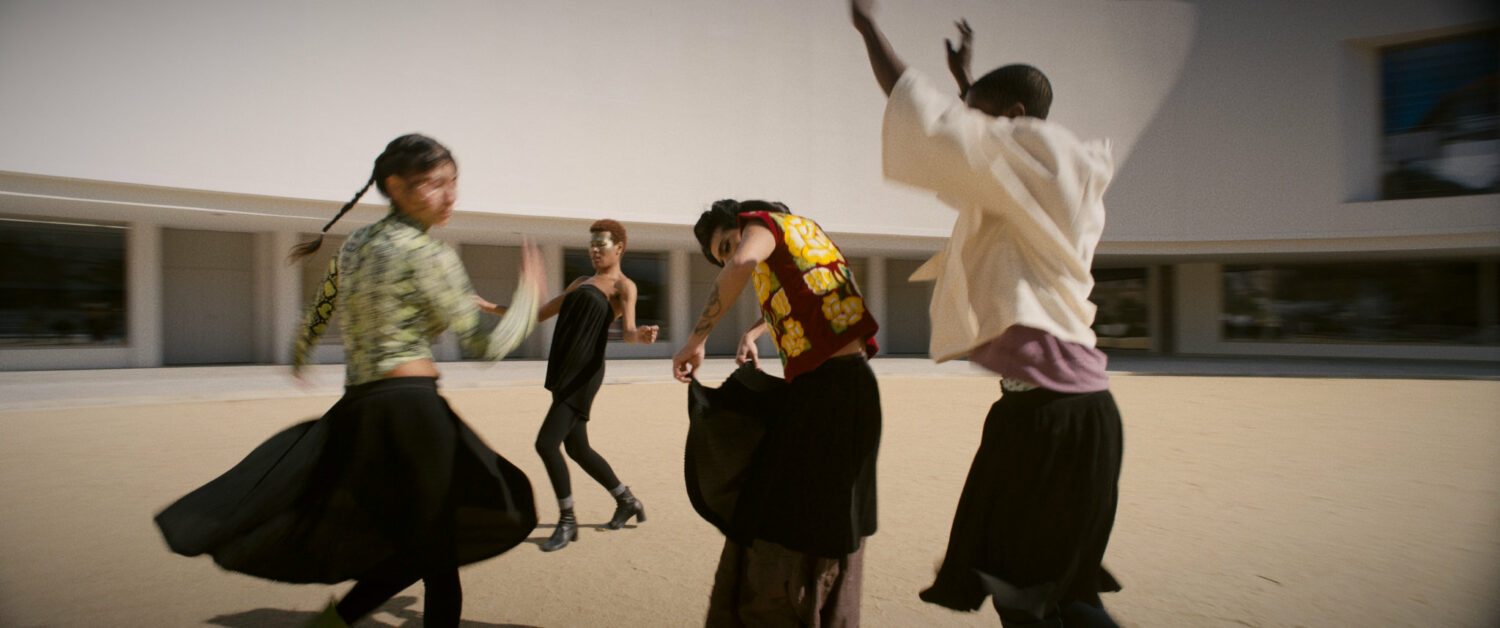
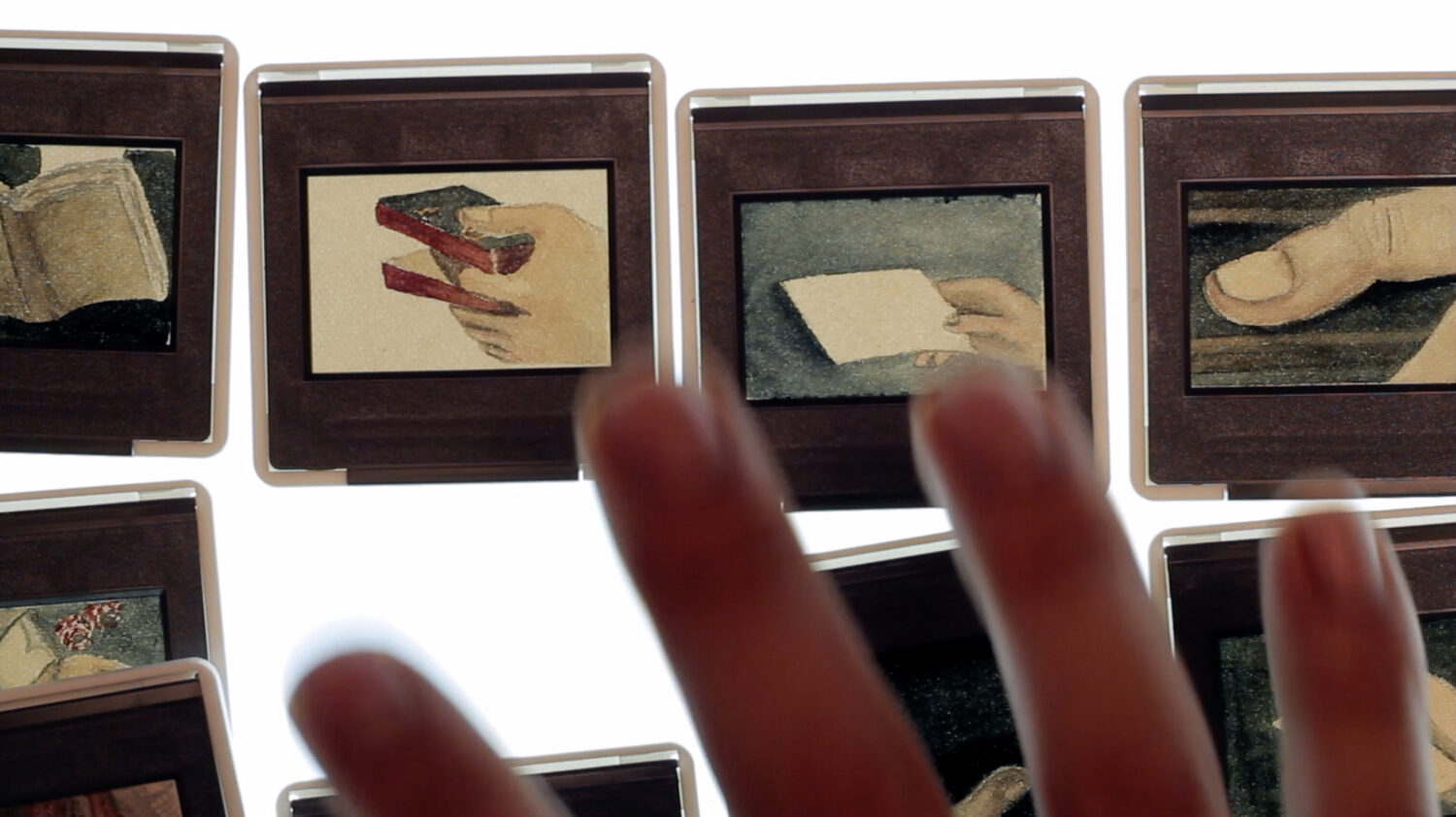
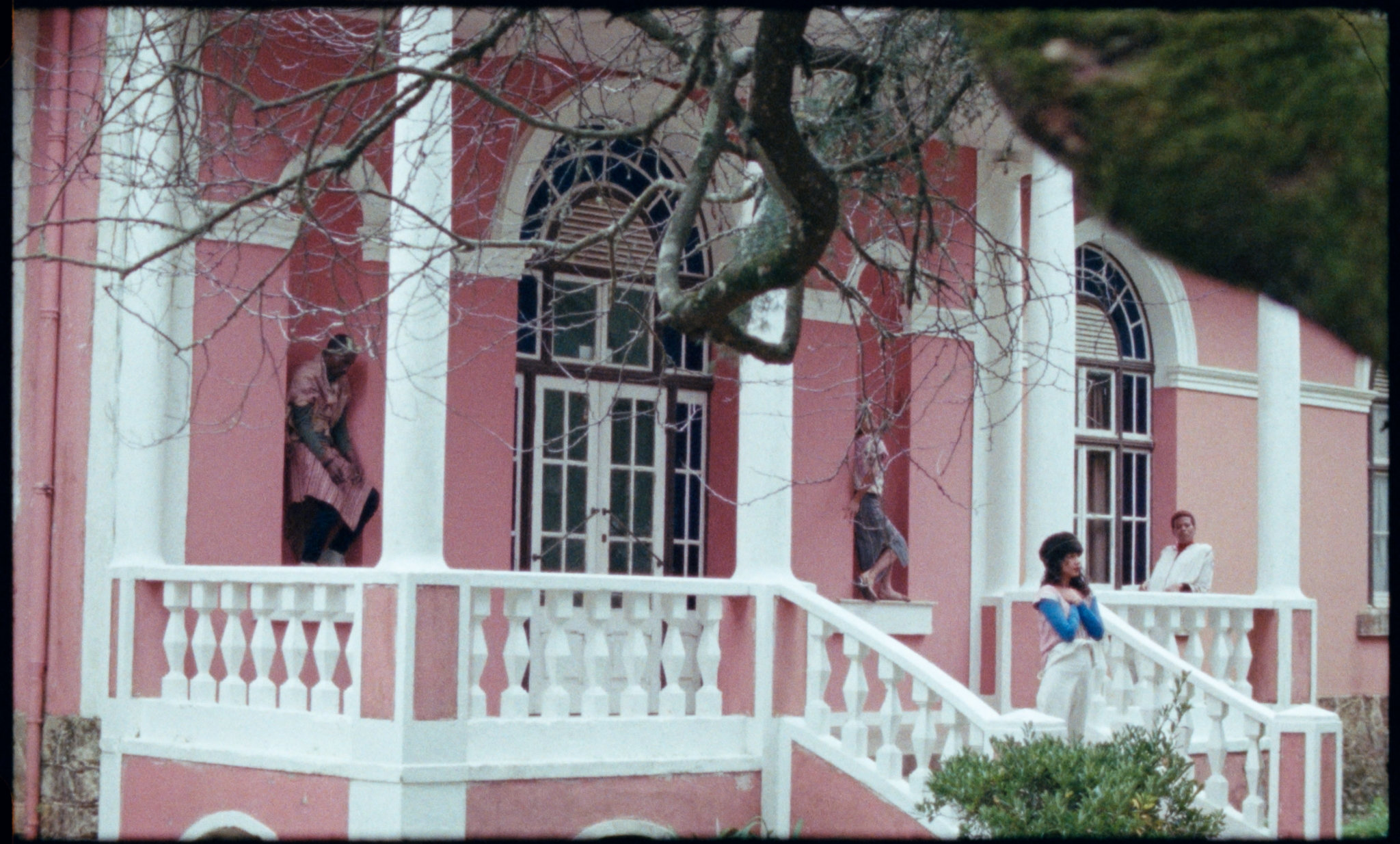
From the film le Daftar (2022) to the film Amoxtli, both of which mean “notebook,” the former in Arabic and the latter in Nahuatl » 3 « , we can observe how the question of the hybridity of cultural affiliations gradually shifts toward a hybridity understood in terms of gender and sexuality. With le Daftar, Vir Andres presents a four-screen video installation, with the collaboration of artists Ife Day, Daniel Galicia, Fabienne Gilbert Burgoa, Léonce Konan Noah, and Belinda Zhawi for the voice-over. The first four artists seem to “haunt” and confront architectural and landscape spaces marked by the history of slavery and colonialism, by modernism, and by the architecture of the three religions of Islam, Judaism, and Christianity, whose temples were often built on top of each other’s ruins in Mexico. In doing so, these bodies write a new chapter in the history of these places, which appear as surfaces to be re-signified. This activates a palimpsestic function, as spaces also play with appearances, and just like humans or things, and contrary to any essentialized understanding of the world, they are destined to pass from one state to another, according to a logic of endless conversion. Thus, in le Daftar, the characters evolve around a large colonial house reminiscent of the slave mansions of Louisiana, but located in Portugal, adjacent to a former slave trading port. Similarly, in an older film, Le Romanz de Fanuel, the character of Fanuel, the Virgin’s grandfather, begins a process of conversion into a woman, during which, after leaving a church and its paintings illustrating the mystical stages of the quest to be traversed, he continues on his way up the slopes of a snow-covered mountain that is in fact the Iztaccíhuatl volcano, literally “white woman” in Nahuatl.

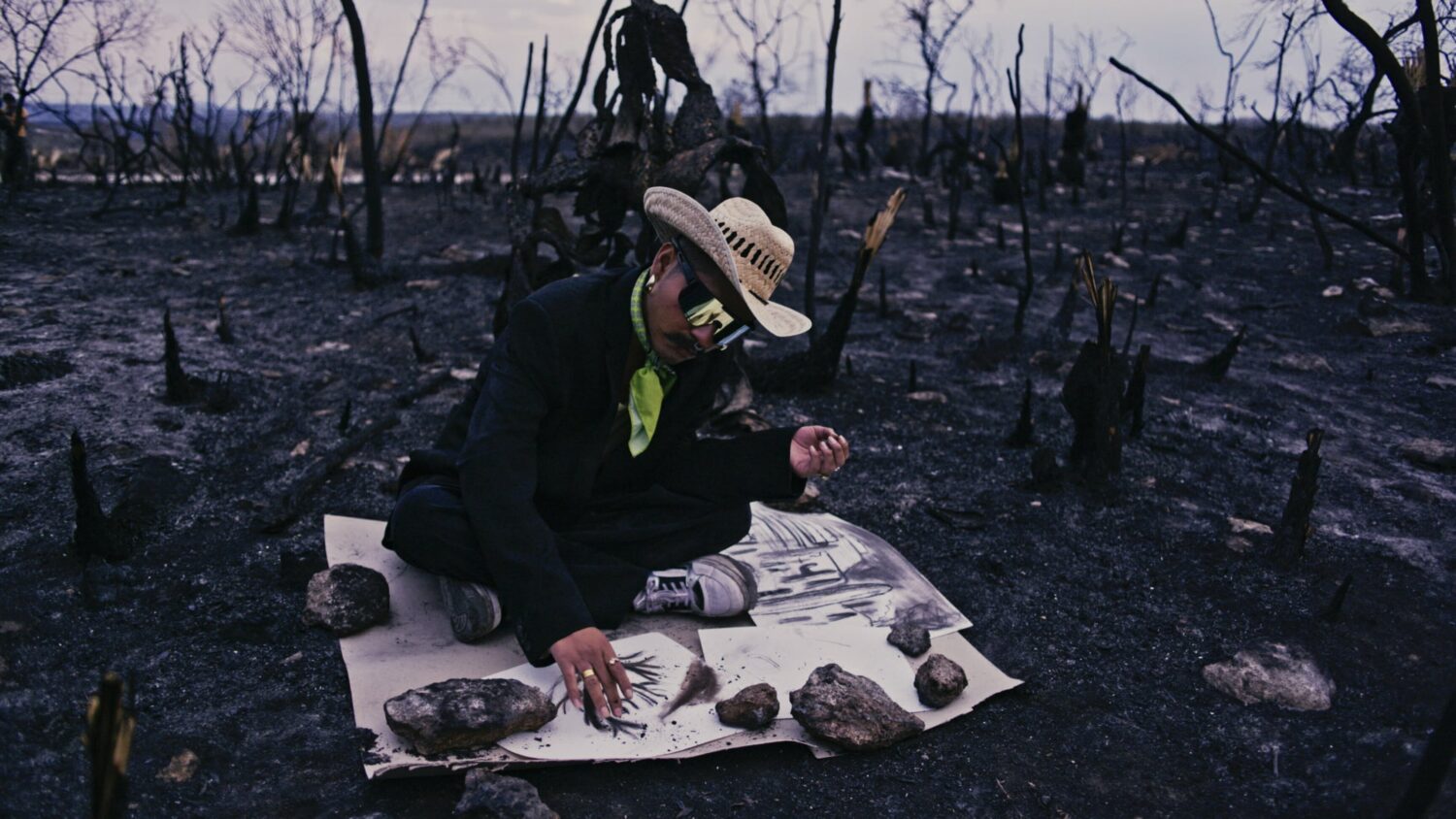
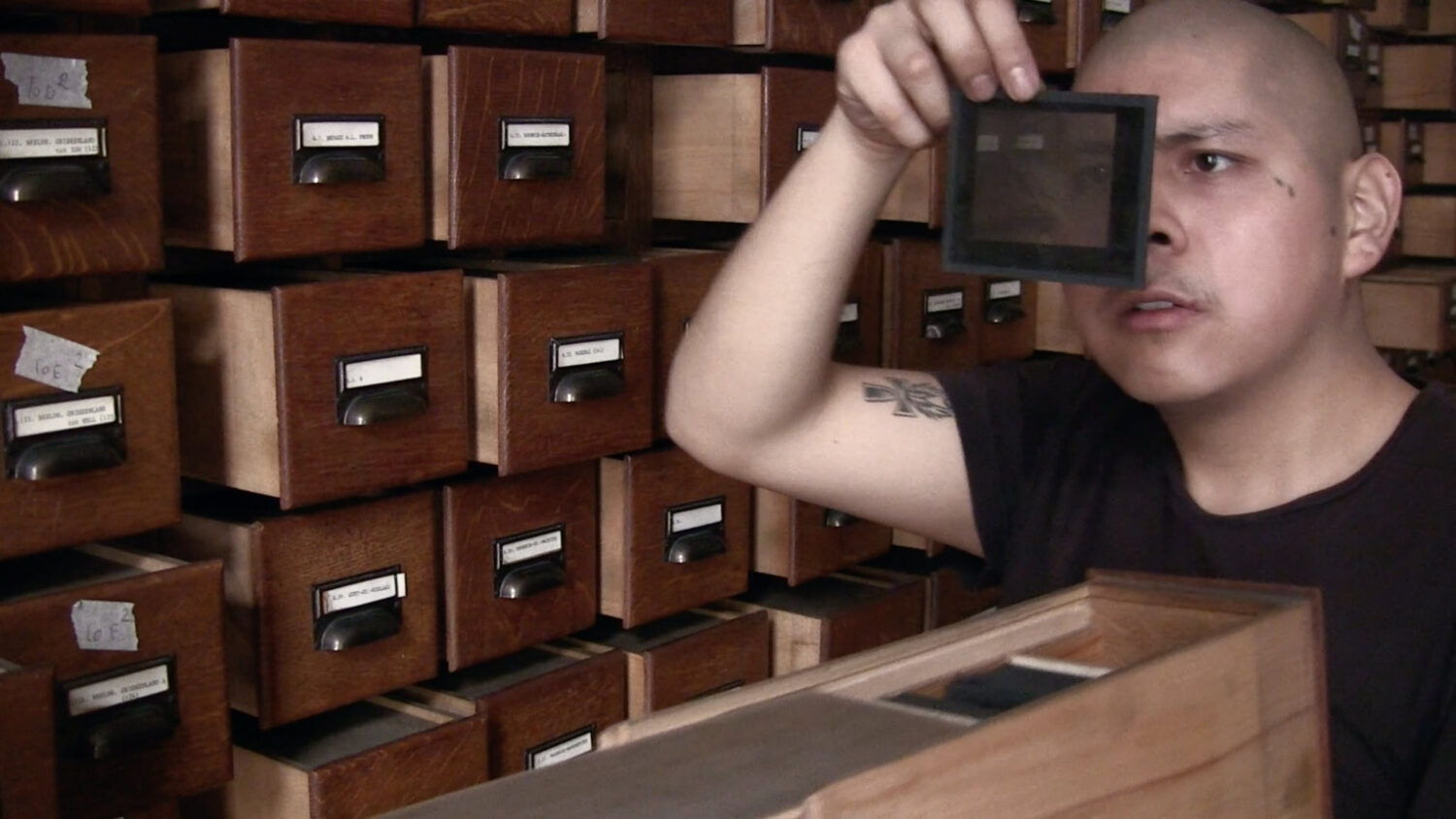
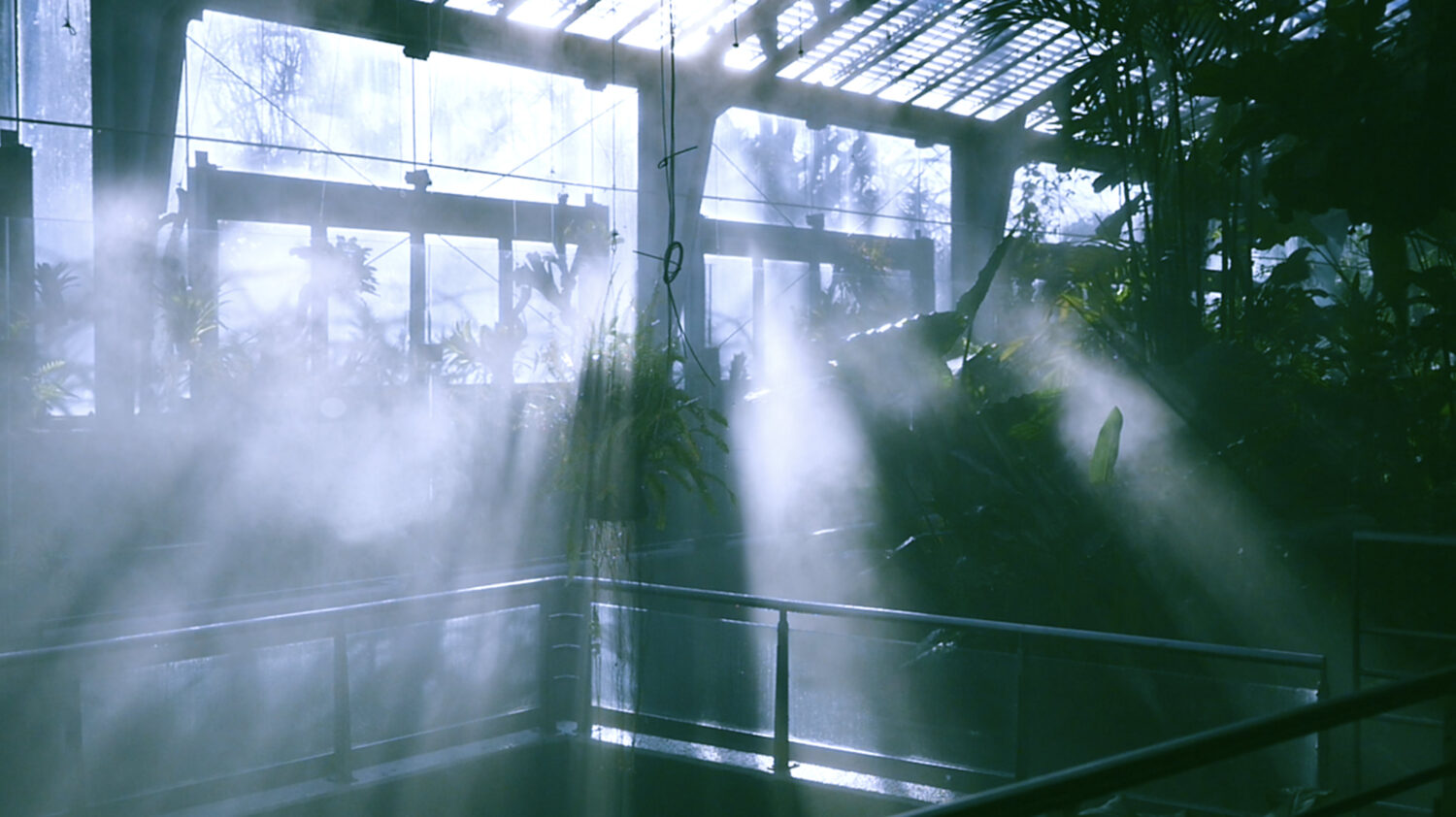
Vir Andres Hera seems to have first experimented with this scholarly form of palimpsest through his edition of the texts of Pieter van Gent, a monk born in Belgium who died in Mexico City in 1572, some of whose writings were found in a monastery where Vir Andres resided for several months » 4 « . These religious and poetic writings, produced on reused parchment, raise the question of the affinity between the form of the palimpsest and the process of conversion within the artist’s work. For just as history can be literally or materially written and deciphered through the signs deposited on the surface of things, human beings can infinitely deploy their multiple selves across genders, through different languages, and in various landscapes and countries. In Amoxtli, of which I was able to view a few sequences, there are five characters who, once again, find themselves in places marked by a history that must be questioned and pursued in a different way. Filmed in Cantona, a site of the Caltonac culture in the state of Puebla, as well as in the Tehuacán Biosphere Reserve, this film questions the ancestry of trans and queer identities. Cantona has recently been the subject of archaeological excavations that have identified practices of bodily and sexual transformation among other rites related to male fertility. For his part, Vir Andres Hera invites five LGBT activist figures, who are very active on social media, their presence attests to the unprecedented visibility of these issues in Mexico’s public sphere today. Lo Coletti, Xaneri, H, Daniel Engels, and Gato que pinta, all using invented names, as does Vir, talk about their journeys, perform, and interact in spaces that also reveal a damaged natural environment. In a particularly striking scene filmed in a charred forest where only a few roots and scattered branches remain, the characters appear, following the elliptical movements of the camera, like planets, each with its own trajectory and gravitational pull. Whispering poems, drawing with the forest turned to charcoal, dancing, posing on a petate » 5 « , transformed into a vessel of Mesoamerican futurism, Vir Andres’ films resist a unified narrative and propose to reopen history based on the co-presence of heterogeneous temporalities.
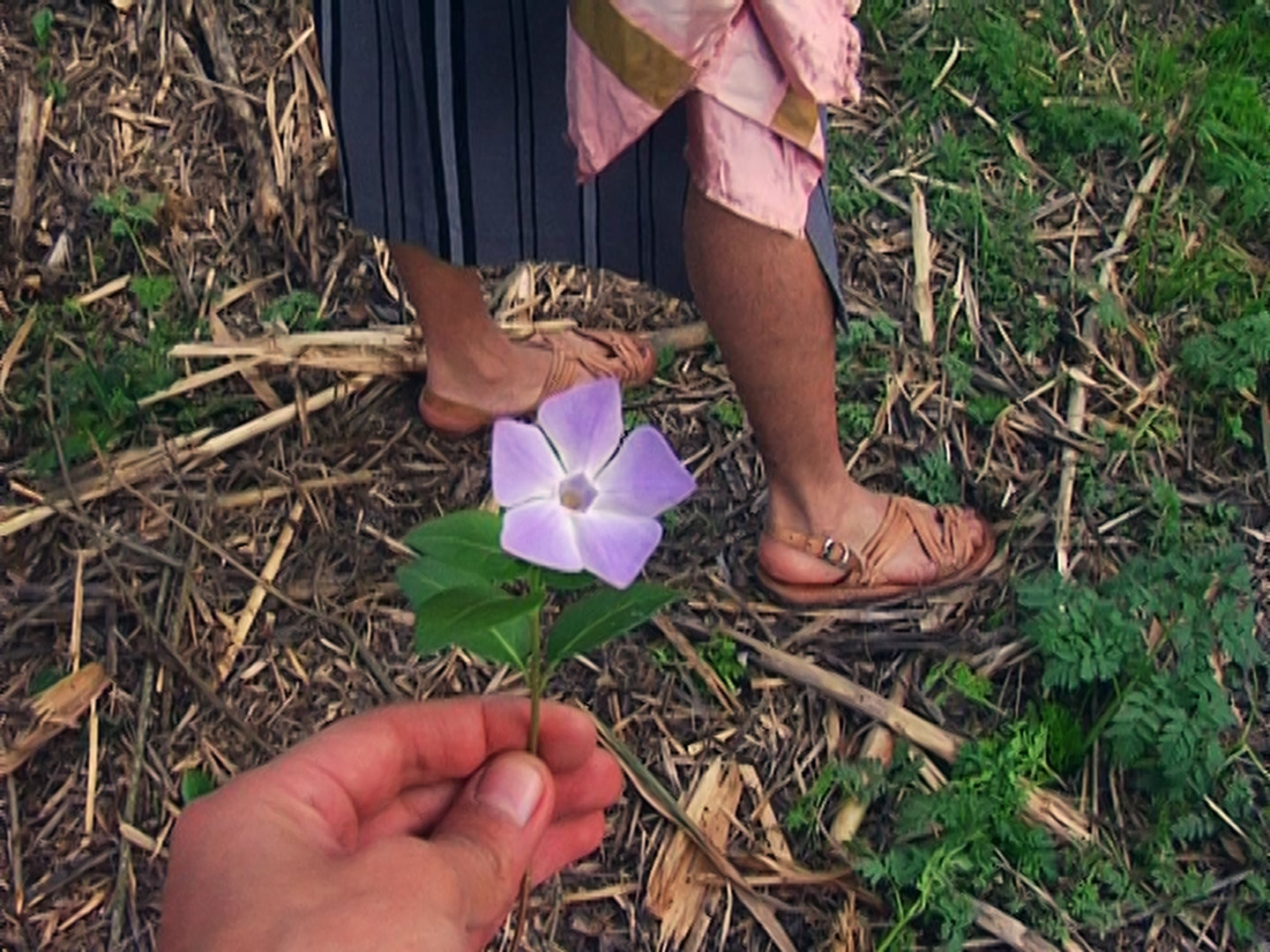
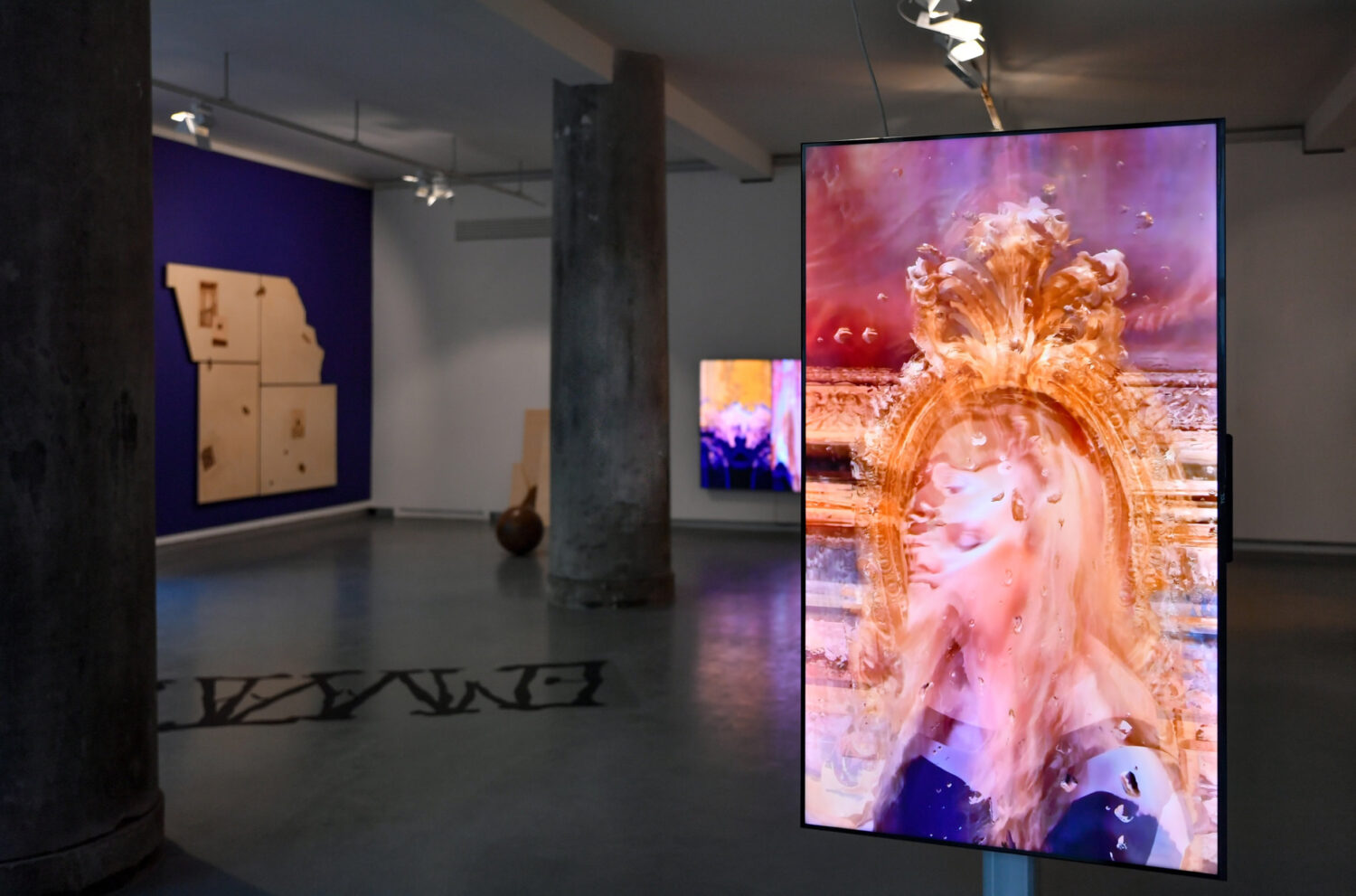
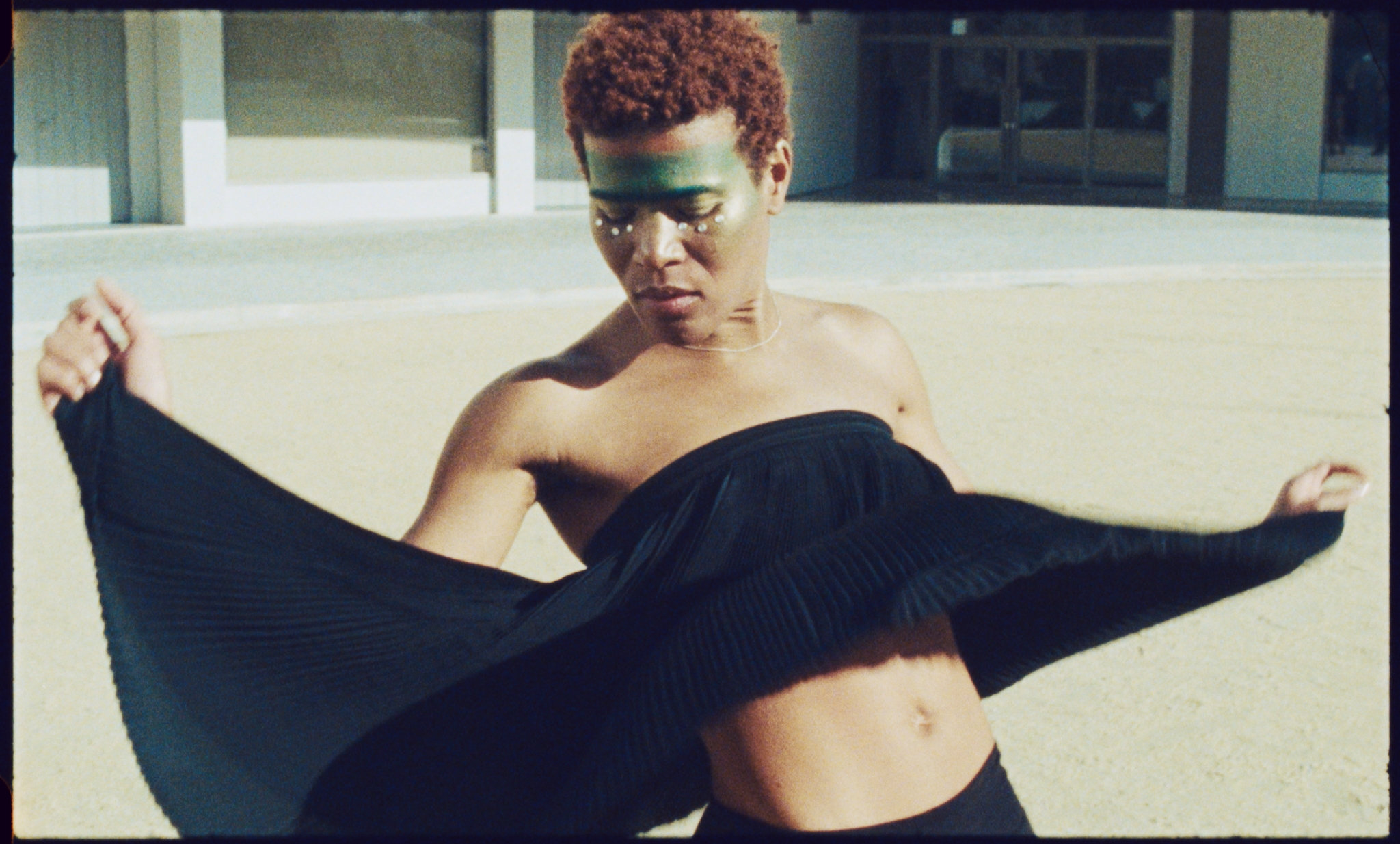
For it is ultimately in temporal terms that the baroque dislocation appears in Vir Andres Hera’s work. This is the case in an older video, Ignacia, made between 2015 and 2017, currently on display in Paris at the artist-run space Julio » 6 « . Curated by Dayneris Brito, the group exhibition Primer aviso. Assemblage #45, proposes a dialogue between three artists based in France, Vir Andres Hera, Omar Castillo Alfaro, and Manoela Medeiros, and questions the capacity for affirmation and reclamation of a non-European past in the French artistic context. Shown on two cathode-ray-tube televisions placed one on top of the other, Vir Andres’ installation shows the severed body of a “crowned virgin,” directly referencing the pictorial genre that flourished in 18th-century New Spain. The artist’s model poses against the light in front of a window, wearing her characteristic attire: a crown of flowers, a figurine of Christ held in her right hand, and even a “nun’s shield” depicting an Immaculate Virgin » 7 « . The two screens show the upper and lower parts of Ignacia’s body in fast motion, although they are not set at the same speed: the upper body is noticeably slower, as can be seen from the jerky movements of the model’s breathing, who nevertheless fixes the viewers with an intense gaze. Typical of a new Creole elite culture in full affirmation, the pictorial genre of crowned virgins replaces the genre of devotional postmortem portraits, but above all, it allows the figure of the Cihuatlamacazque, female priestesses crowned with flowers who officiated in Aztec liturgy, to reemerge. Some commentators observe how this reference to the Mesoamerican past became a strategy to place European antiquity, particularly Roman antiquity, on an equal footing with the Aztec past, which was no longer considered merely a “pagan” substratum without history. The numerous examples of hybridization and resignification of Mexica cultures within American Catholic culture could, in this sense, constitute another way of looking at the Baroque, beyond the elliptical and serpentine forms proposed by Sarduy. The Baroque would also be this possibility of conversion, in a mystical, cultural, and sexual sense, but one that would not be without remnants: a combination of scattered elements that would retain, as in a distant reflection, the testimony of their disruptive temporalities. The video Ignacia, shown in these two imposing blocks, appears in this sense as a reformulation of Coatlicue—the Aztec goddess of the dead composed of various pieces of gods, but perhaps also of combined times—proof of the persistence, not the survival, of a whole repertoire of forms, concepts, and frequencies from worlds silenced by the West, which have nevertheless transformed and find their way to us.
nacional de antropología y historia. On the genre of crowned virgins in New Spain, see the article by James Córdona, available online: [http://dx.doi.org/10.1080/10609160903080204].

Annabela is a French-Mexican art critic and lecturer at the École des Arts Décoratifs in Paris. Her writing traces modern and contemporary art through feminist and decolonial histories, with a strong focus on Latin America.
Katia Porro is a Cuban-Floridian curator and writer based in France. She is Director of In extenso and La Belle Revue. Her research engages the political life of the built environment and the power of regression and vulnerability as critical positions.