A Composition in the Ruins
A Composition in the Ruins
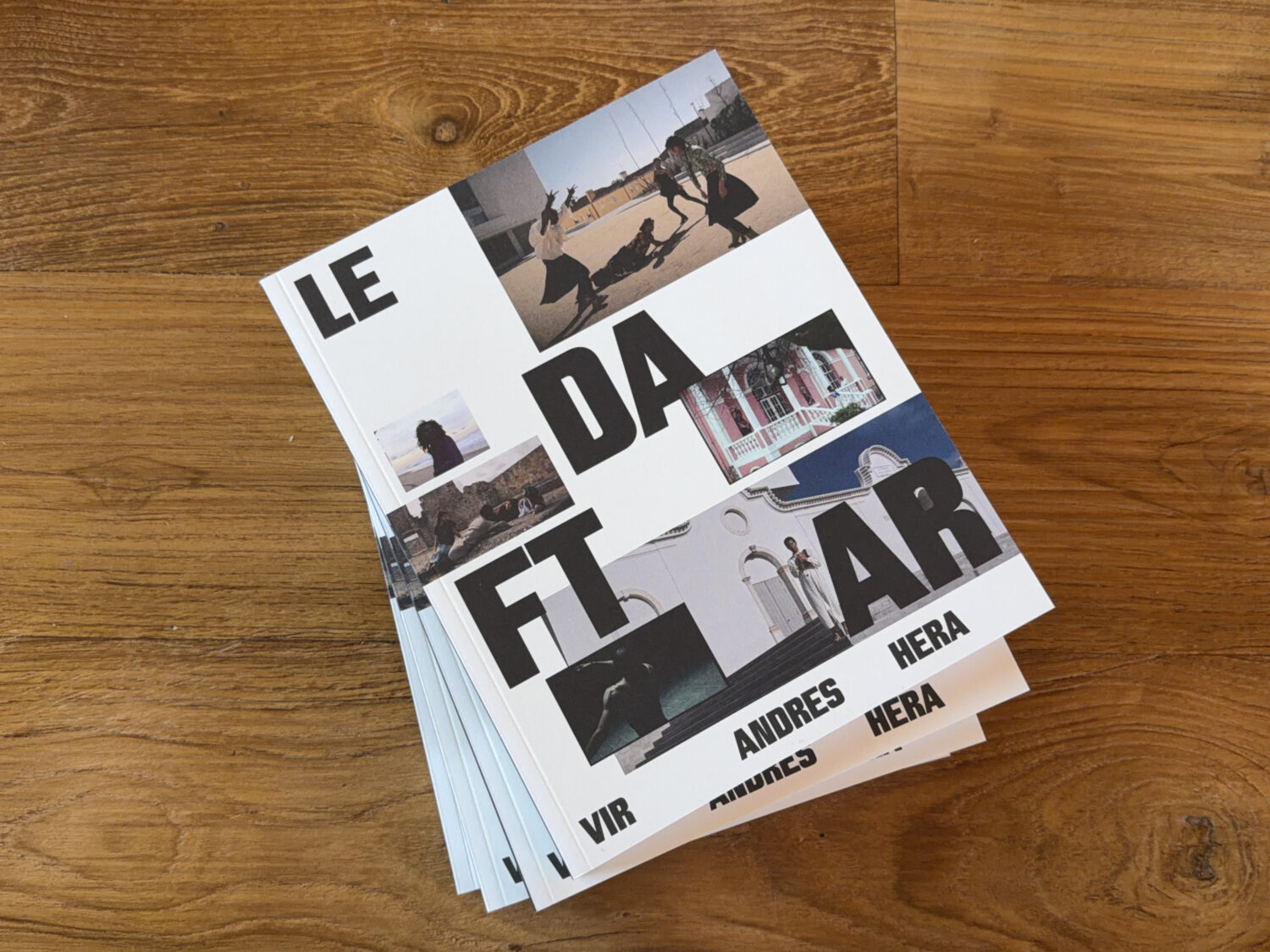
Le Daftar is built on dynamic composition consistent with Hera’s stylistic elements of filmmaking and video installation. With this project the artist steps away from a narrative driven script to give room for the viewer to uncover details about his four protagonists and their history through the various clues signaled by movement, colour, gesture and the ways in which they engage with lived/ embodied aspects of geographies and architecture. Hera unleashes a slow cinema aesthetic, which provides one with the option to consider other elements and subtleties within a frame. As with previous projects, their characters are conscientiously chosen not as performers or players but collaborators with sovereignty, it seems like they have power to dictate their own movements, to create and re-imagine the script and as a result their jazz-like movements – partly improvised and partly inscribed: their proximity to the subject matter allows for the work to go beyond material existence.
For one to fully comprehend the meaning of the film requires some exercise in contemplative practices. The installation is not only about deciphering symbols nor is it about seeking for an embedded “message” in the reencountering of the slow violence unleashed on the bodies of the four protagonists over time, Le Daftar points at the characters and sites and demonstrate the relations between place, knowing and power and asks for us to be present; to listen, to bring our compassion as we sit and watch our characters go through the motions.
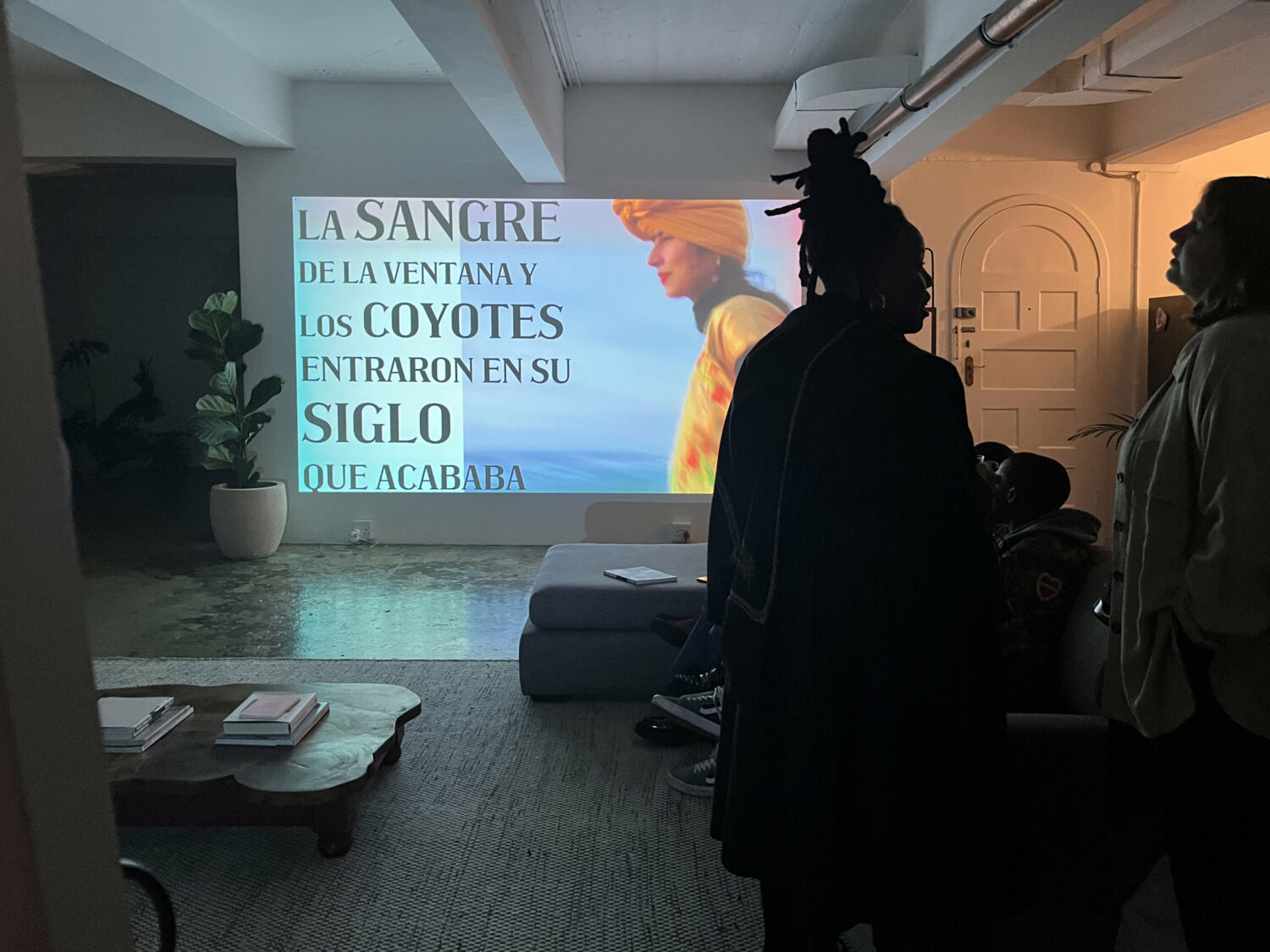
The installation is broken into six chapters consisting of multiple screens and scenes that are connected by either a location or an atmosphere. The protagonists move in coordinated and arbitrary motions around these spaces, demonstrating tension between their internal thought processes and these colonial structures that they move through. Throughout the film, several voices narrate the scenes interchangeably in English, French, Spanish and Nouchi, the French-based creole language from Ivory Coast. Their role points to that of a companion whose presence is there to offer guidance for navigating each scene. This gesture does not in any way take away the viewers’ urgency to decipher for themselves what they are seeing and feeling.
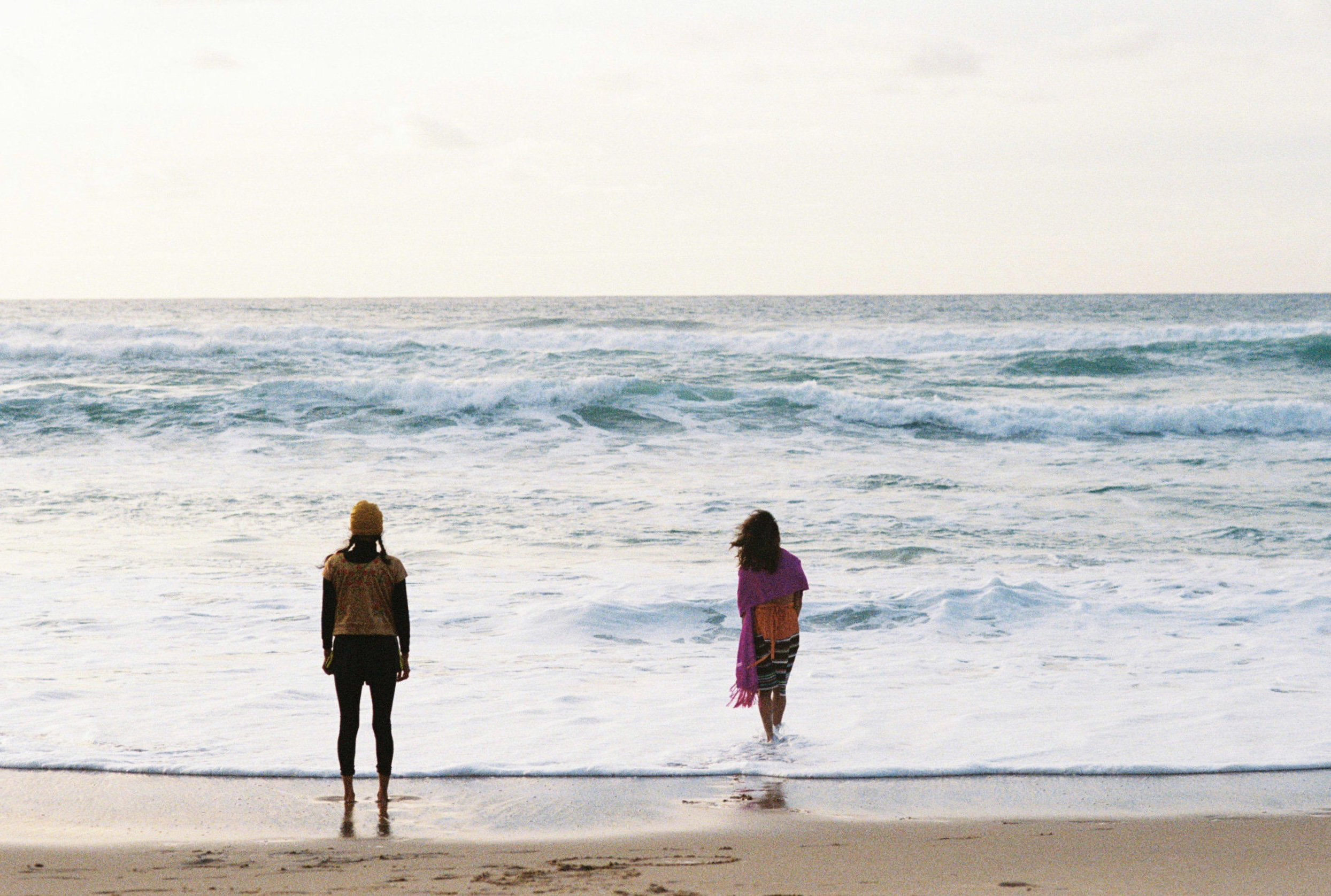
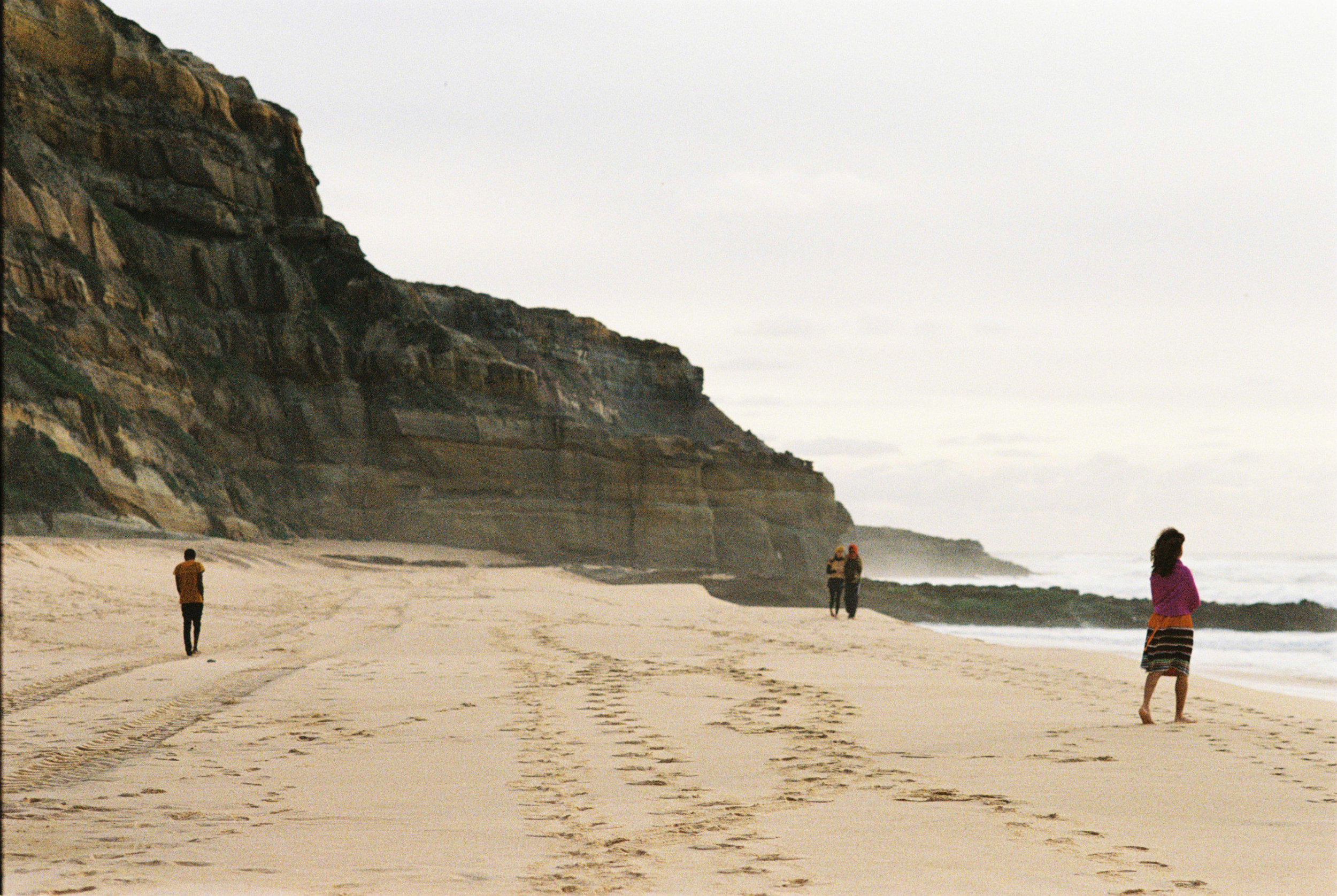
Whether the moments are improvised or premeditated, the film has a few powerful ones which can leave you feeling exposed, like on Bulldog. Non. Macdo. Non. Hamburguer. Non. when we encounter our characters at the sea on a gloomy day:

Daniel specifically catches my eye as she moves alongside the seashore. Her closed body language gives a sense of being caught off-guard by an unwelcome feeling of grief, or possibly being in a state of public mourning – a gesture of compassion which extends beyond loved ones or those connected by a single tragic event, to a shared history which resonates with Black life. Daniel makes a few glances into the sea, almost avoiding direct eye contact with it as if by giving it consideration, it might in turn provide cues that would retrieve buried memories she’d rather forget. But the stinging sea breeze and musky smell pulls her back, forcing her to acknowledge its presence which she responds with a couple of head nods.
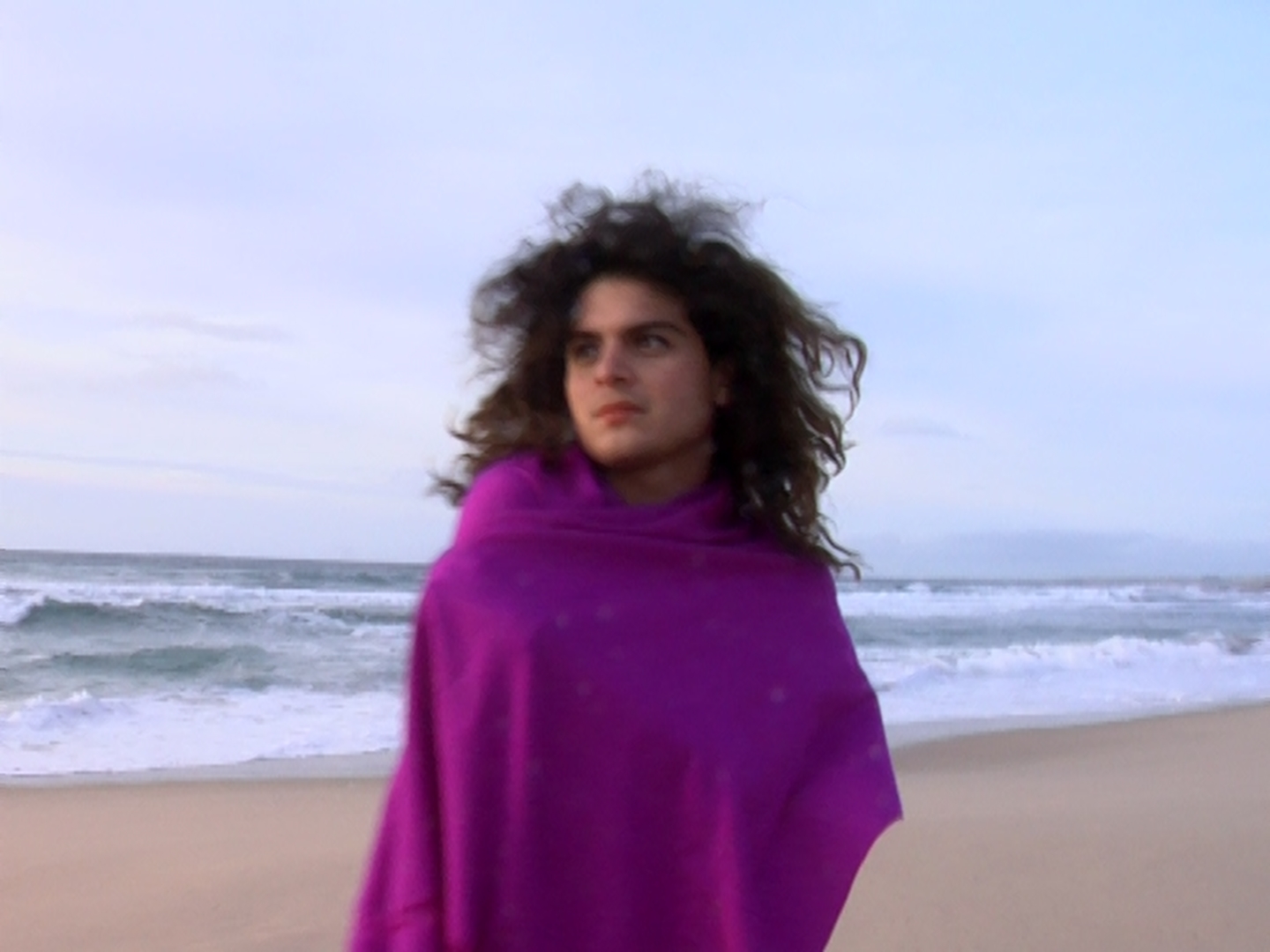
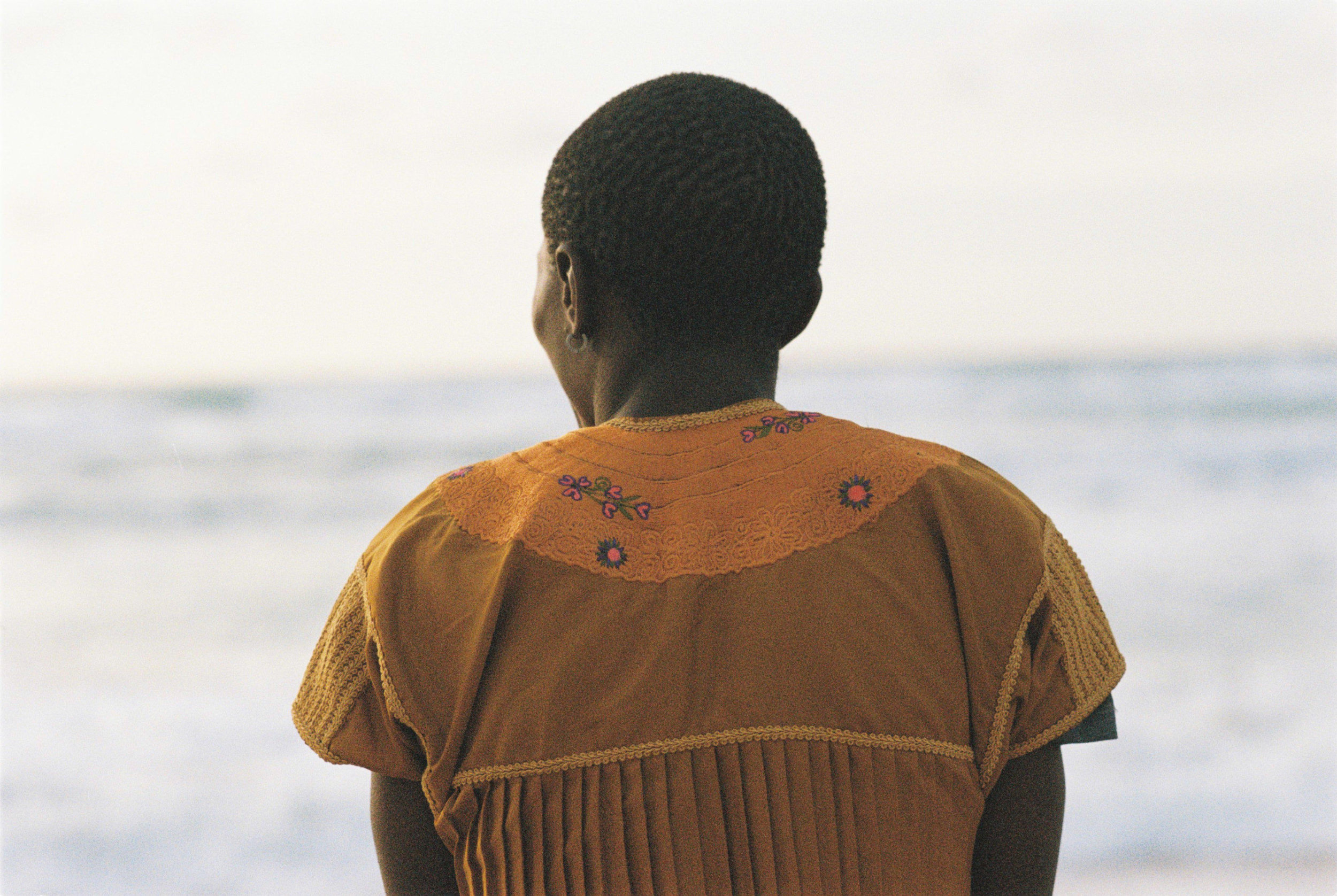
A second character, Léonce, is walking besides Daniel on the shore, he is having a different engagement. He energetically jumps in and out of the water, dancing as if to avoid being hit by the ripples. He engages the water in a manner reminiscent of a child with limited access to the sea but fond memories of his infrequent visits with the family which always seem too brief for him to be truly comfortable inside the water to a point where he rids himself completely of the fear of its substance. The bright yellow shirt perhaps indicates his emotional state of mind, Léonce is here to meet himself contrary to Daniel, whose wish is to empty herself.
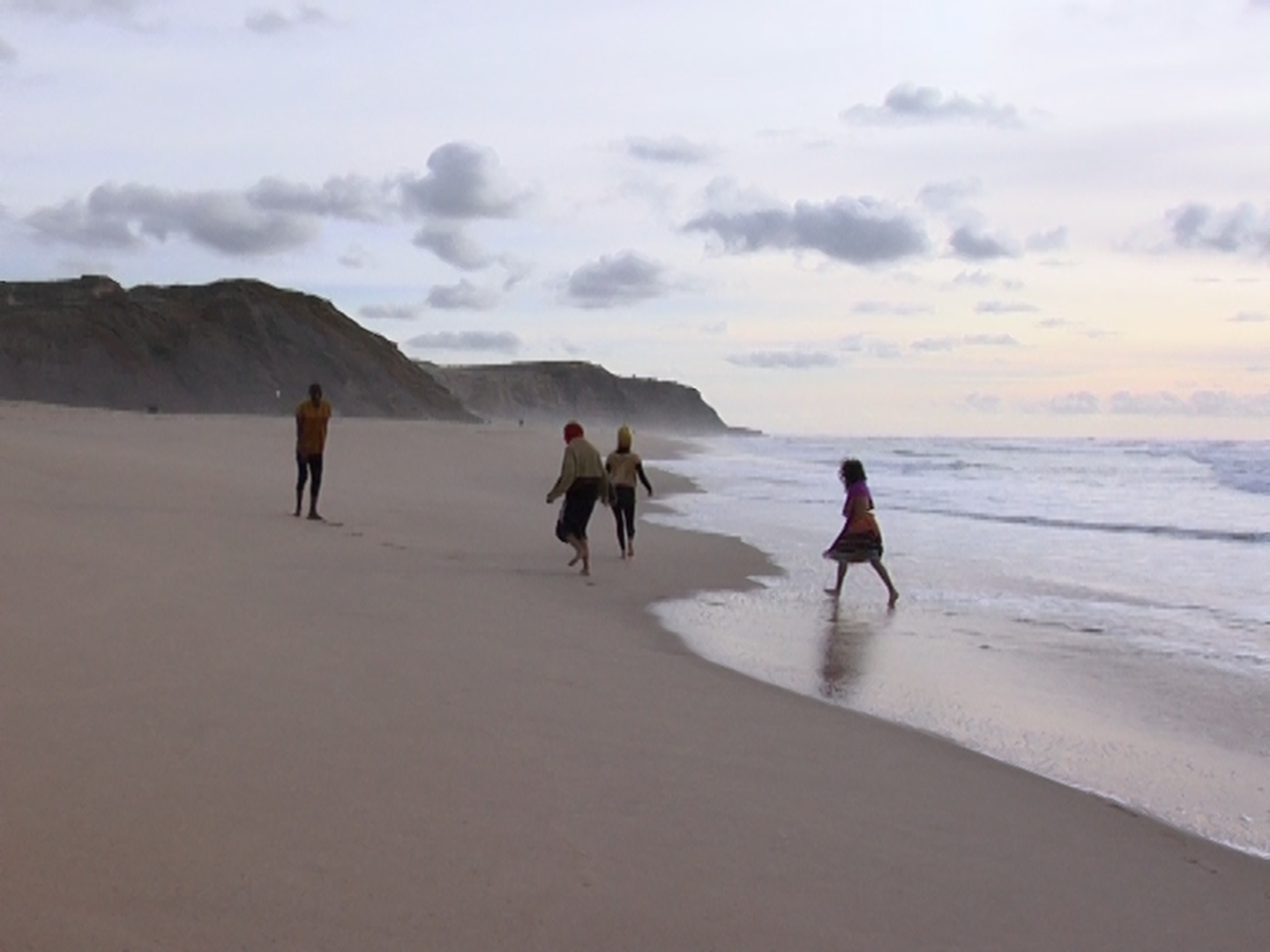
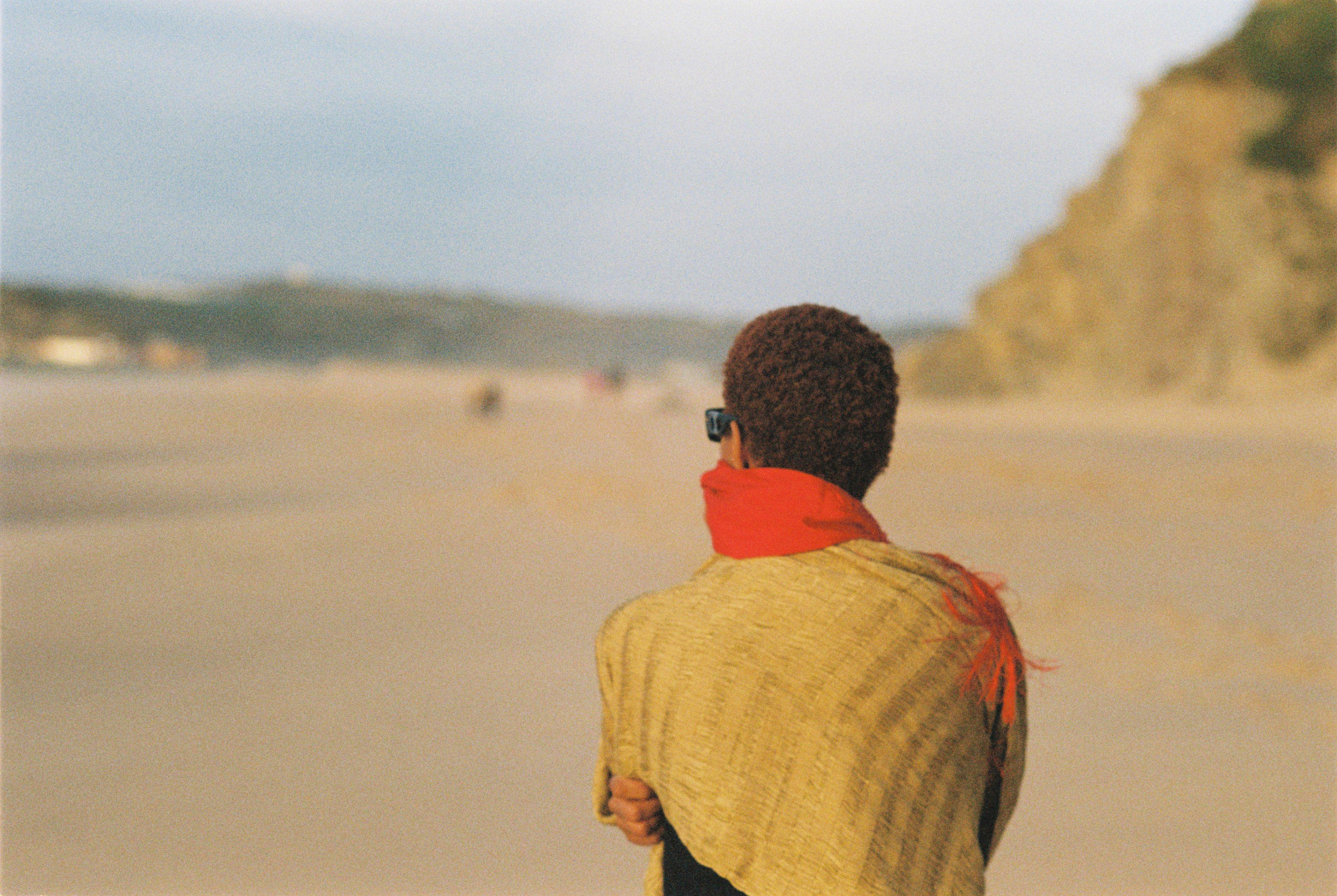
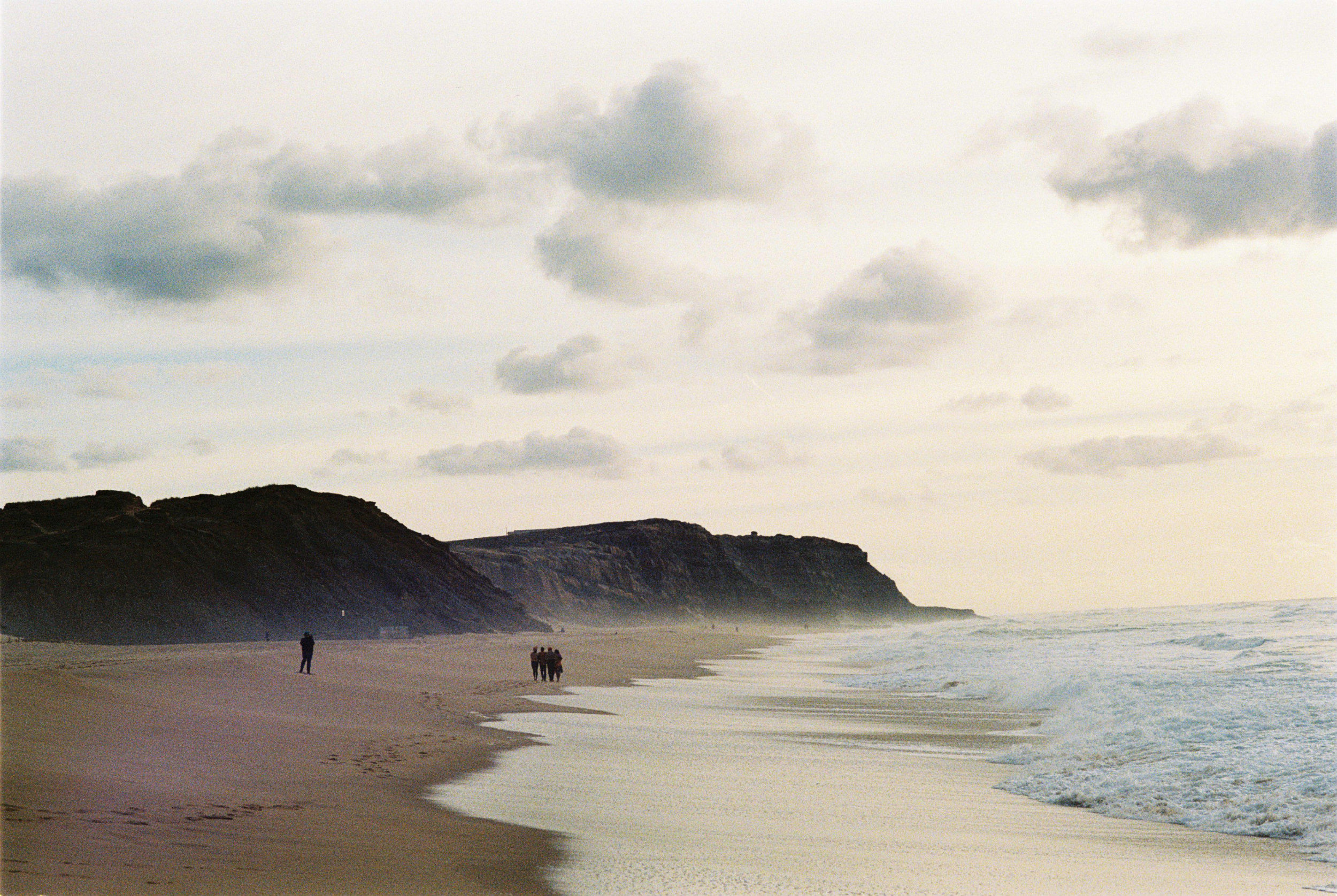
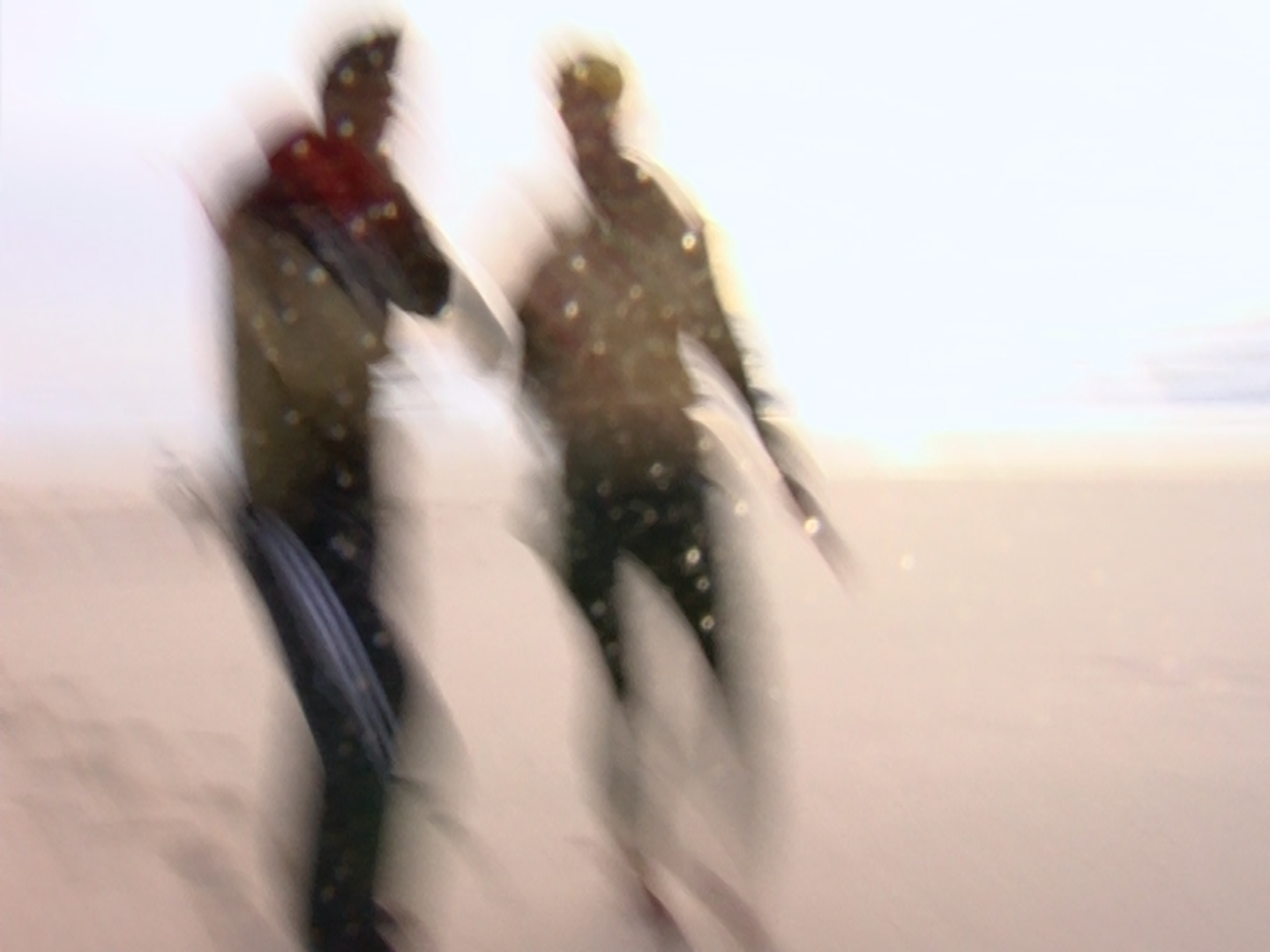
The other two protagonists, Ife and Fabienne, are also walking side by side, and seem to mirror Daniel and Léonce‘s emotional state of being but their gestures are much more subtle. As they continue to walk the awkwardness subsides, and they begin to converse. Eventually the four become one as they walk in a straight line, arm in arm. It’s during this moment where they are attached to one another that one gets a glimpse into the historical contexts and legacies of the sea. The image of human cargo shackled together down below compartments of slave ships is one that cannot be erased. Same with accounts by refugees and migrants who witness fatalities each time crossing the Mediterranean Sea to their former colonizer’s land in pursuit of a better life, as their home countries continue to be sucked dry in the perpetual onslaught and plunder which keeps Europe afloat.
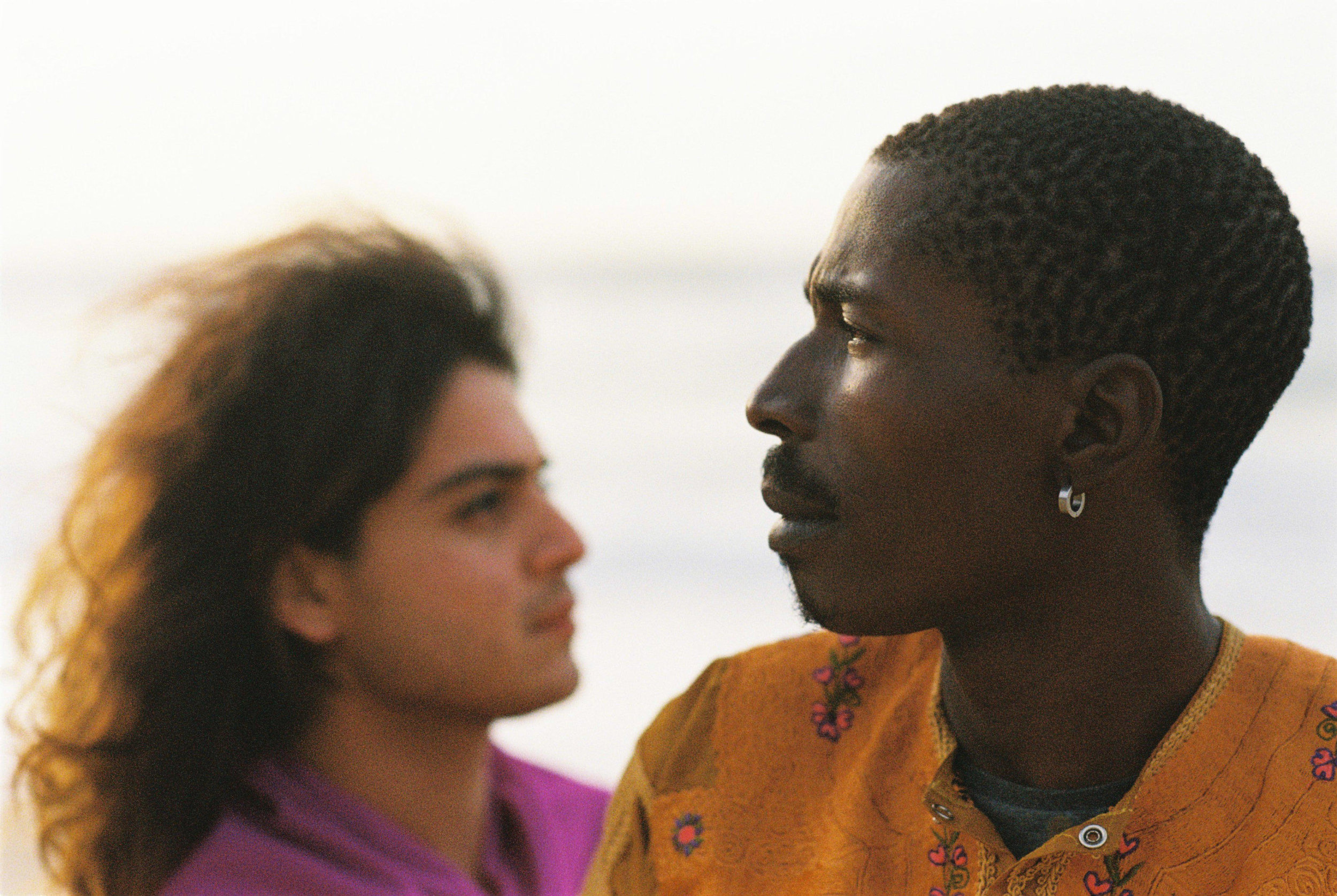
Le Daftar places colonial conquest as being the source of the characters’ nervous condition. In Water, by South African poet and playwright Koleka Putuma, he speaks of the sea as having memory:
[Every] time our skin goes under
It’s as if the reeds remember that they were once chains
And the water, restless, wishes it could spew all of the slaves and ships onto shore
Whole as they had boarded, sailed and sunk
Their tears are what have turned the ocean salty,
This is why our irises burn every time we go under.
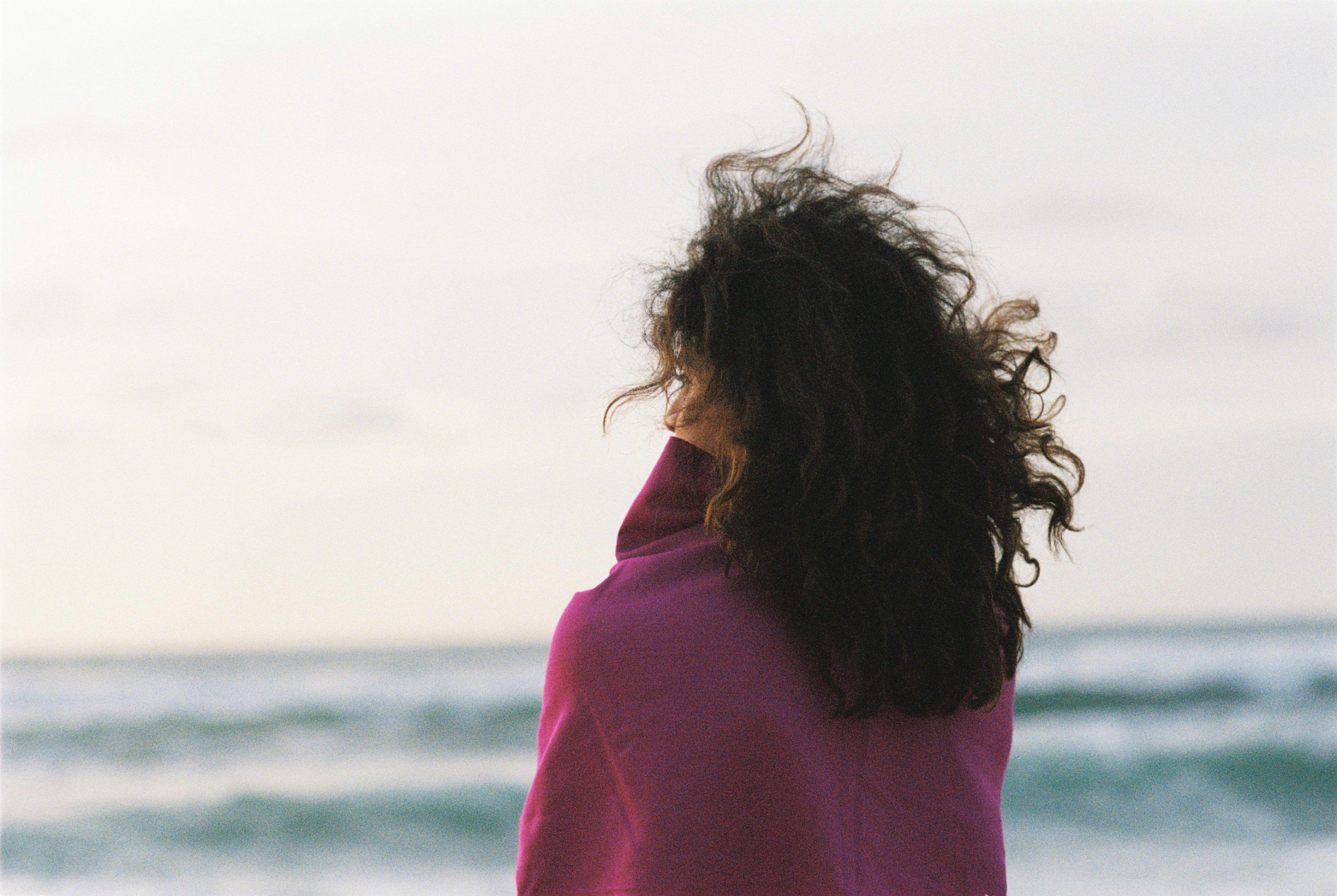
This belief attests to this reading of Daniel’s reluctance to engage with the colonized Mediterranean Sea for fear of re-experiencing symptoms of trauma or being the cause of the sea’s anguish.
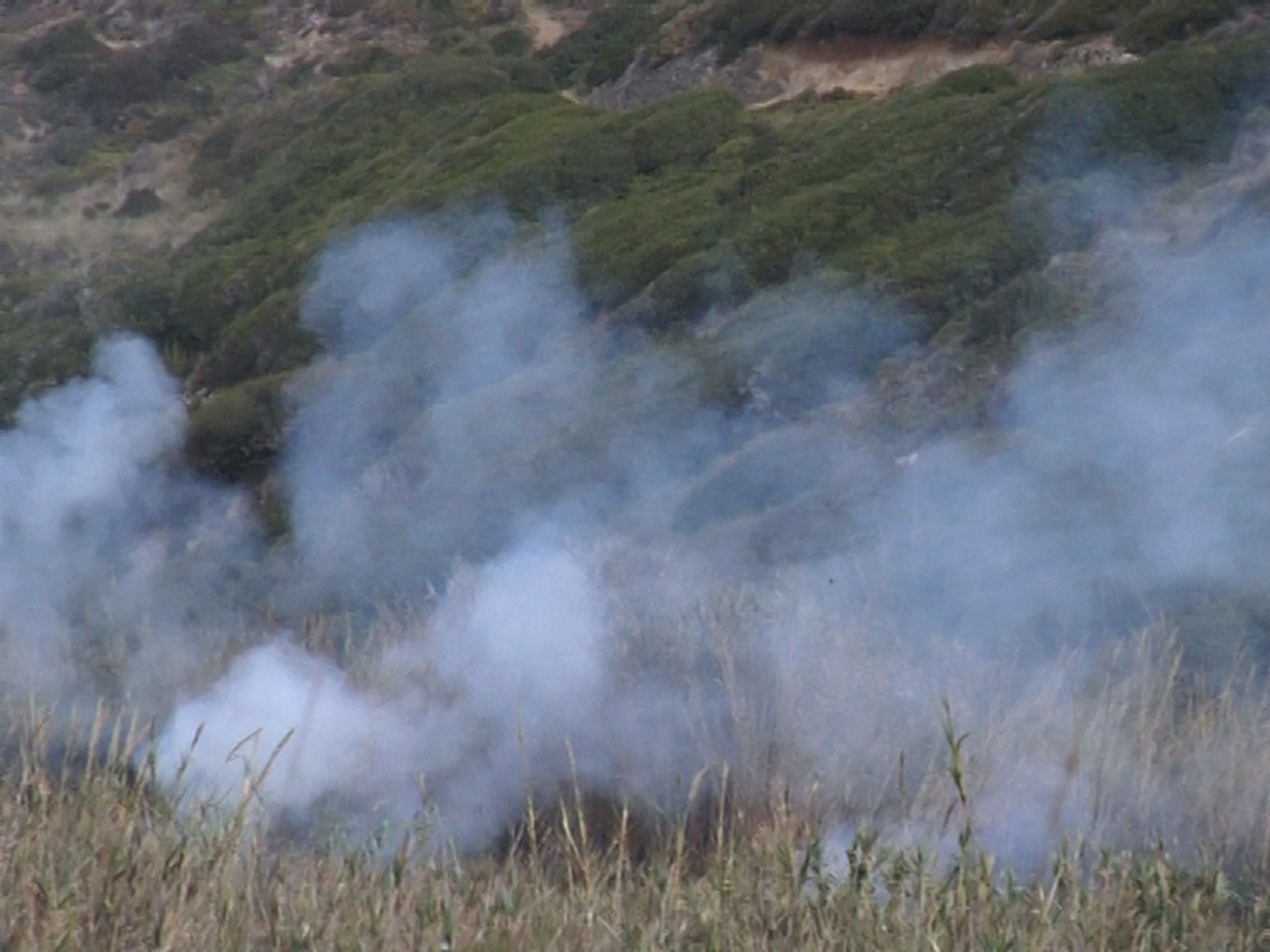
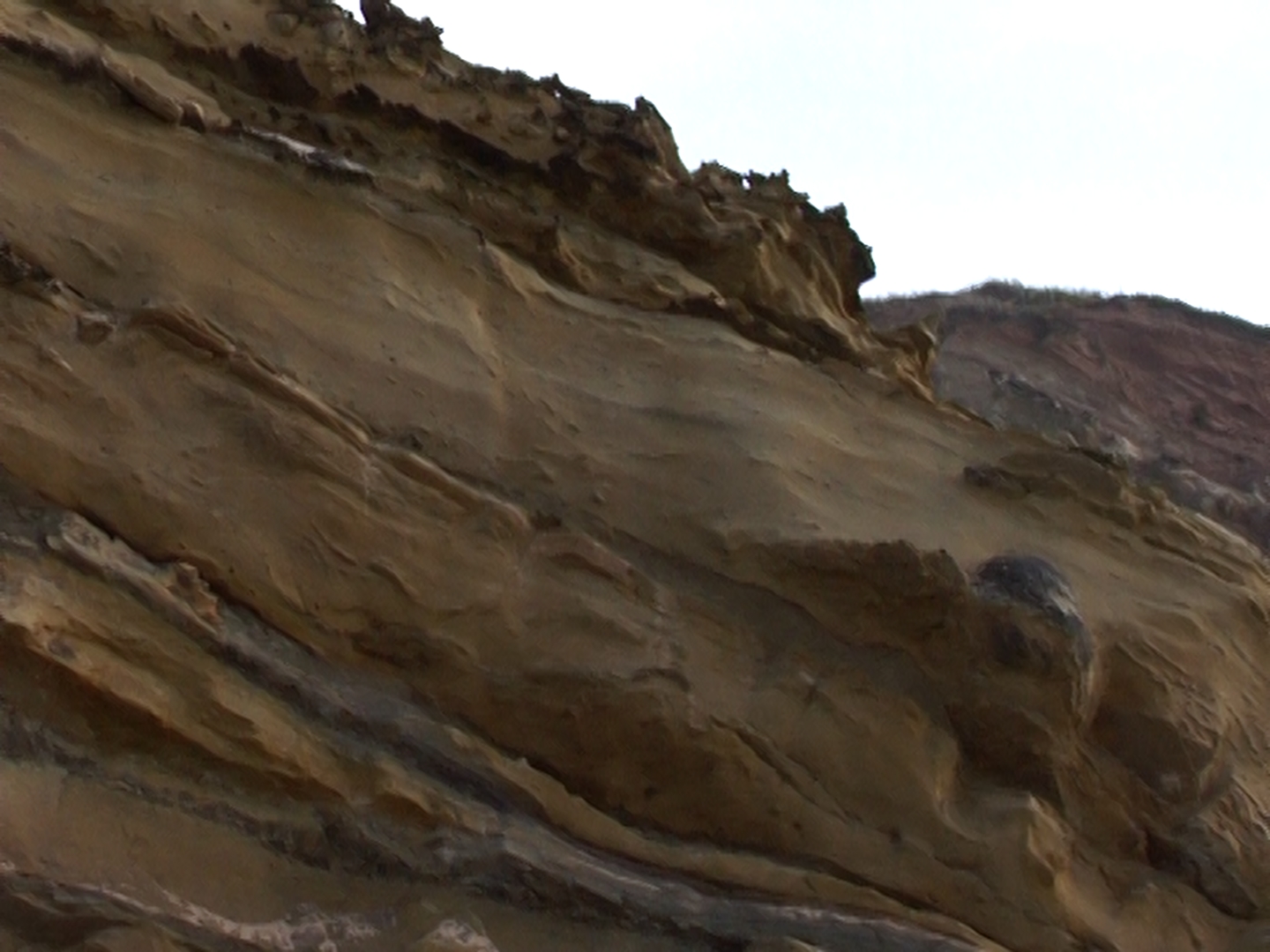
Another burning moment takes place on the mainland in Kété-Kété. Two of the protagonists move around what look like the remains of a French militia bunker. The characters are either in preparation for a combat or enacting scenes of a battle. A red cloth on the ground, underneath the body of one of the characters points towards an injury. The character‘s arm is lifted upright; he holds a white stone in hand, both gestures signalling that he wishes to surrender. His request seems to have been accepted as he moves around the bunkers almost freely with the white stone now on his head. Before you know it, a weapon [camera] is pointing directly at the character through a hole. We then feel the effect of that act as the character goes down in a slow motion as if being hit by a bullet. This scene points at the endless grief and senseless violence which occurs daily to people whose only defense is putting their hands up.
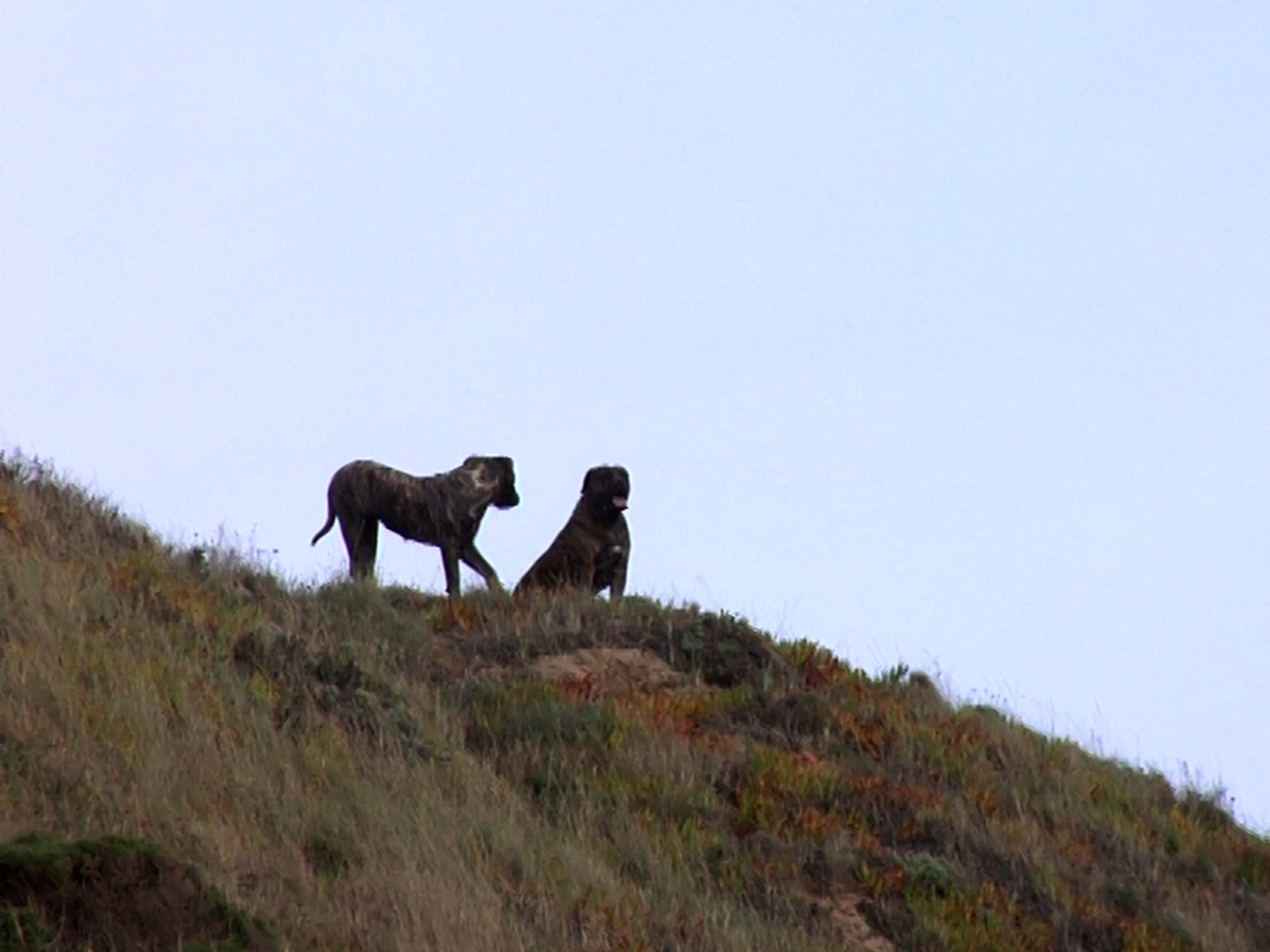
Although all of a sudden there is a burst of emotions that leave us not knowing what to do, Le Daftar is not all violence and gloom. We also witness moments of tenderness between our characters as they gather around in music, laughter, friendship, community and love, away from colonial relics and gaze. These acts appear affirmative and draw from exhilarating moments and places, these moments points at the possibility of a new life: Daniel’s re-enactment of a Latin-American folk song Cancion de las simples cosas, or Fabienne’s diaphanous movements as she plaits flowers in her hair, or as she passes sand through Ife’s hands reminding us of the transience of life. Ultimately, there are two moments that could be at the core of Le Daftar’ vision of uncanniness and mistery: the appearance of two dogs in Kété-Kété, reminding us both Egyptian and Aztec mythologies and their half-human half-animal divinities, or the ancient aboriginal practice of restoring the land by setting sections of it on fire.

Zipho is a South African artist and curator focusing on communality, encounter and collective cultural practices.