Language(s) of the pythia, oracular images, transtemporal bodies
Language(s) of the pythia, oracular images, transtemporal bodies
Prologue
I am writing this text from beneath my skin and it is important to Vir,
it is the first thing we say to each other.
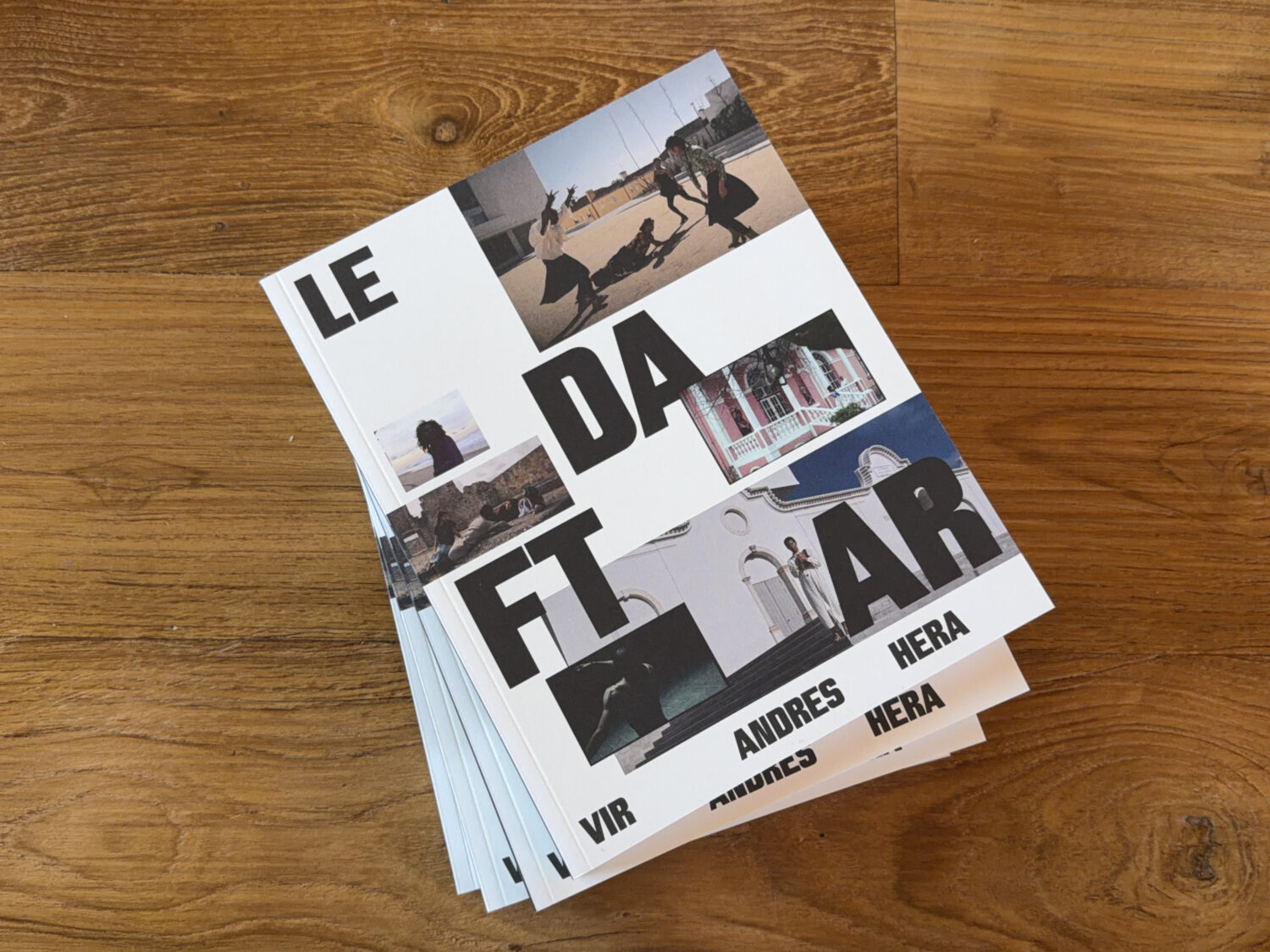
The work of Vir Andres Hera
is a very sophisticated and tender work.
There are layers of complex images, complex stories, complex sounds.
There are mechanisms and great technique.
All this creates small walls around the pure emotion
that would otherwise swallow you whole like a large wave of liquor.
Vir speaks, Vir works: from the in-between languages, the in-between bodies and the in-between sands.
Vir above all creates from the caresses bestowed on other souls;
from those they have received.
It seems to me that they are deeply interested in contemplating stories of emancipation.
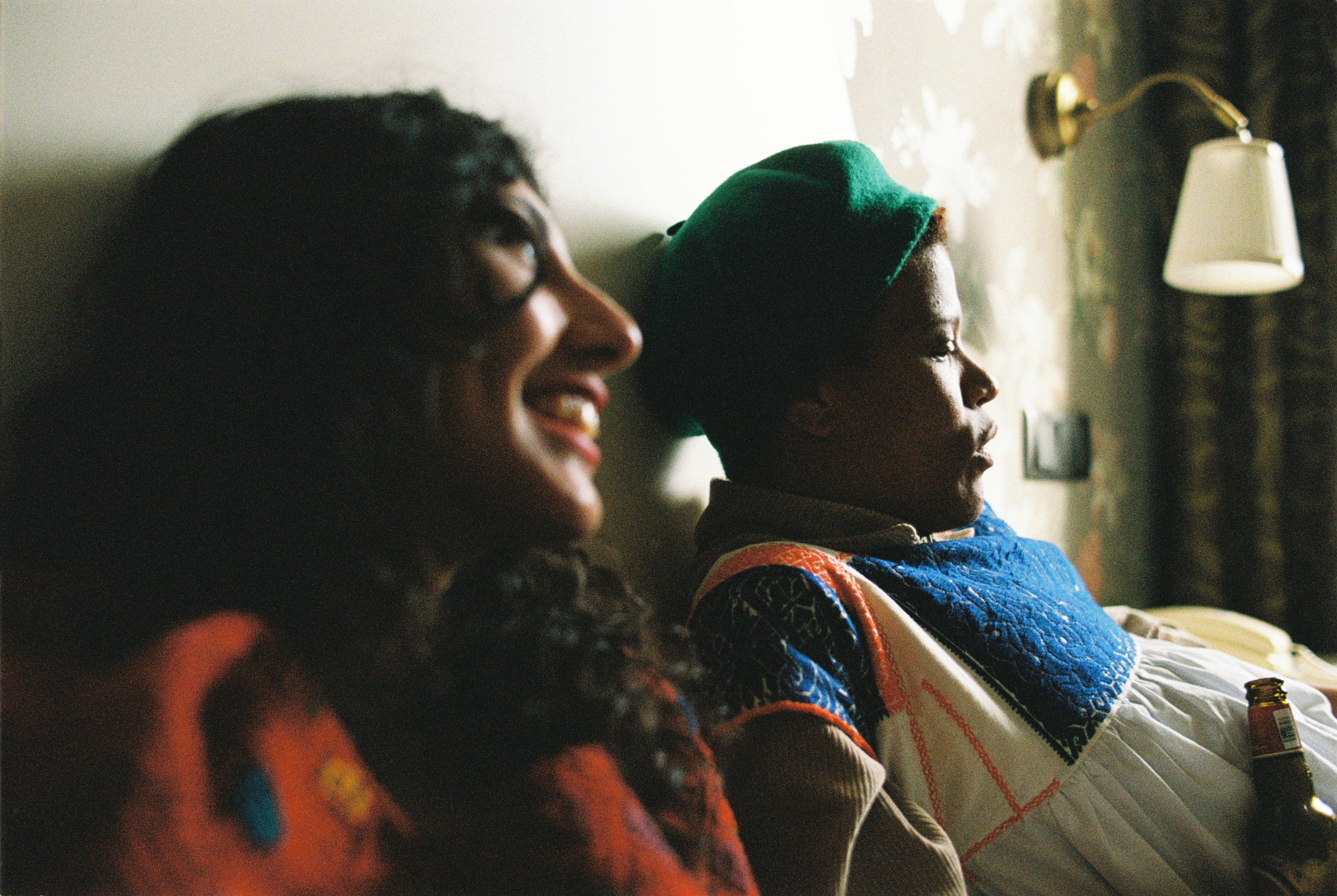
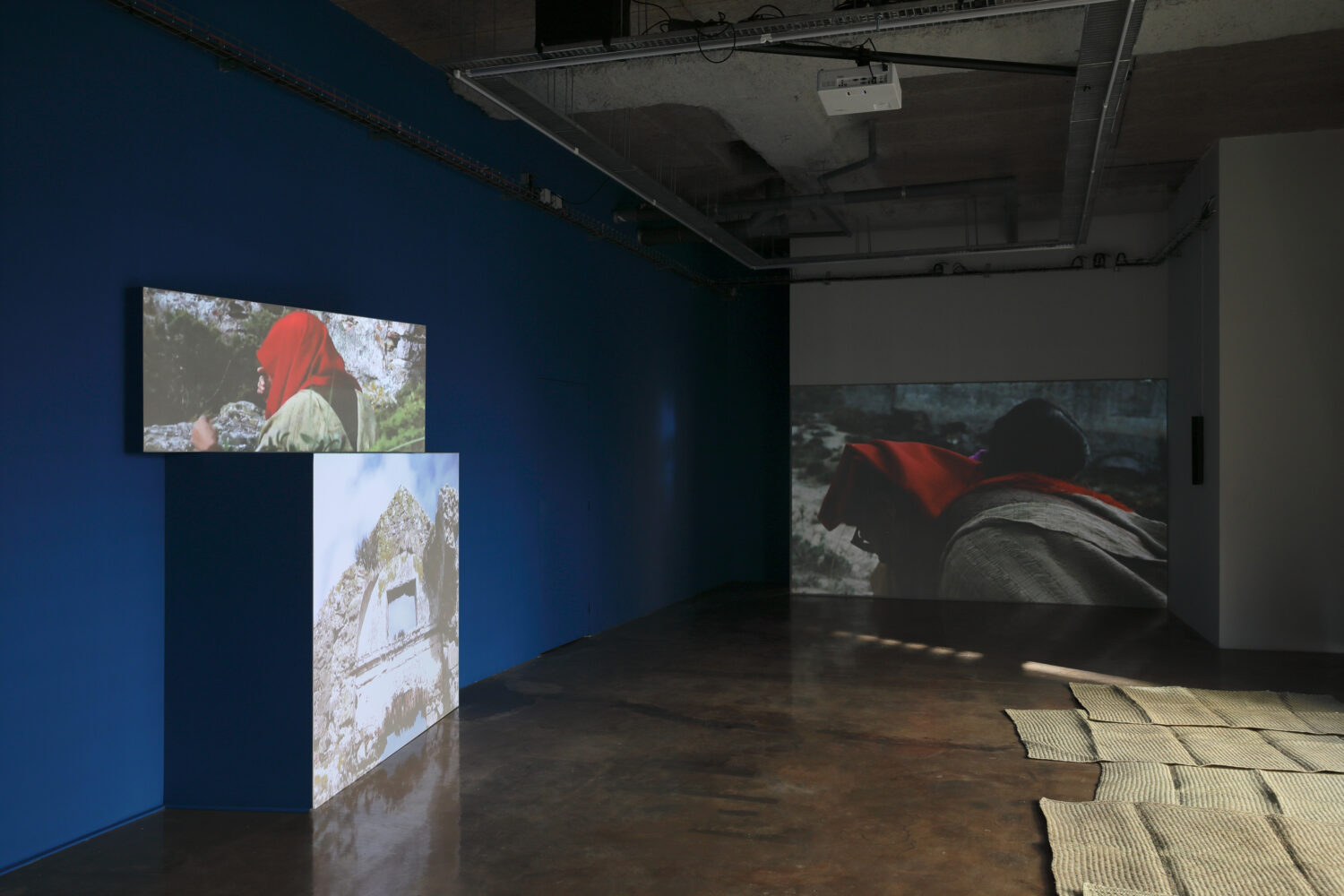
Vir is shooting their new video installation.
It is entitled Daftar,
named after the book of the Armenian mystic Sayat Nova,
Vir created a situation.
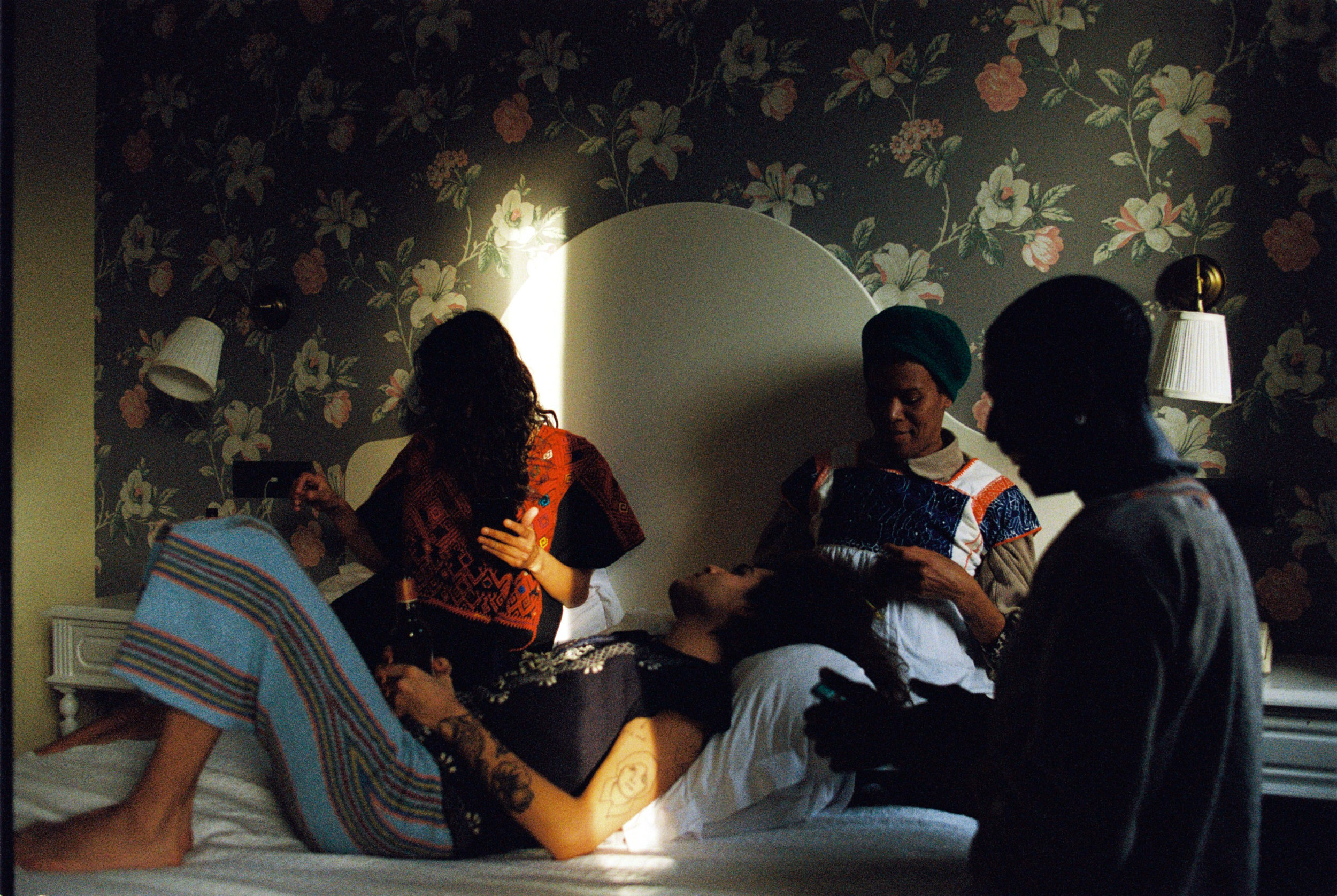
They brought together people whose work they like, people they like to look at and listen to in stigmatized places:
Vir is interested in seeing everyone’s knowledge unfold,
and that’s what the film is about, to begin with.
Their names are Ife Day, Daniel Galicia, Fabienne Guilbert Burgoa and Leonce Konan Noah.
Everything is constructed too, Vir’s head is bursting with images, “everything is a symbol and a mirror”
— in front of or behind this colonial house
there is a Victorian mansion on the plantation,
images of Beyoncé and a hacienda of conquistadors.
They ask the performers to come out of it, as if they were actors.
To stand there like caryatids.
And Fabienne finds a past,
though she doesn’t want to.
Because she “already left this house a long time ago.”
They all go out together.
Once and for all.
Vir cries.
I wonder, too, if that’s not what their work is about.
Producing and waiting for the overflow,
That evening, the whole team was left asking questions.
You won’t be able to see these questions in the film.
You will see the trance;
the grain obtained by the three cameras Vir used.
And you will hear voices,
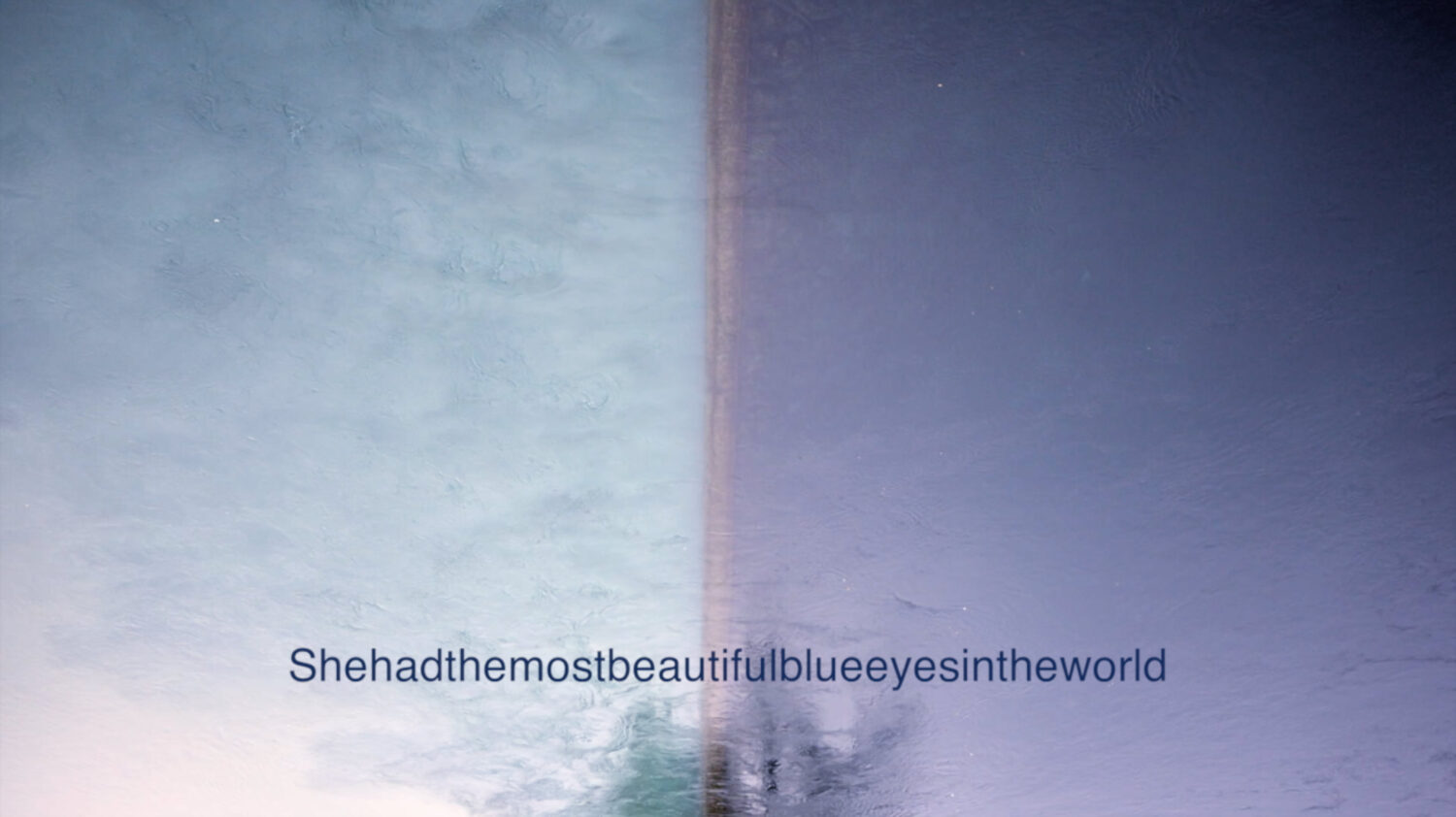
Belinda Zhawi’s, who tells what she sees,
with the memory of what Vir told her, before she saw.
A disturbing pythia for bodies in transit.
What alienates?
Vir is the one who listens, that’s why their images are full of voices.
Vir is the one who listens: the long emancipation, in a furious world.
* * *
Today I am turning my first text into this prologue. Perhaps it is a bit opaque: it tells of my sensations upon discovering the film and Vir’s installation. However, keeping track of this moment when the intuition of what a work speaks of, or what it speaks of to me, is a process for which I have a tenderness. So I keep these first words. Since then, with Vir, we have worked: the reflections that follow unfold the first words and feed the visions of other forms of thought.
* * *
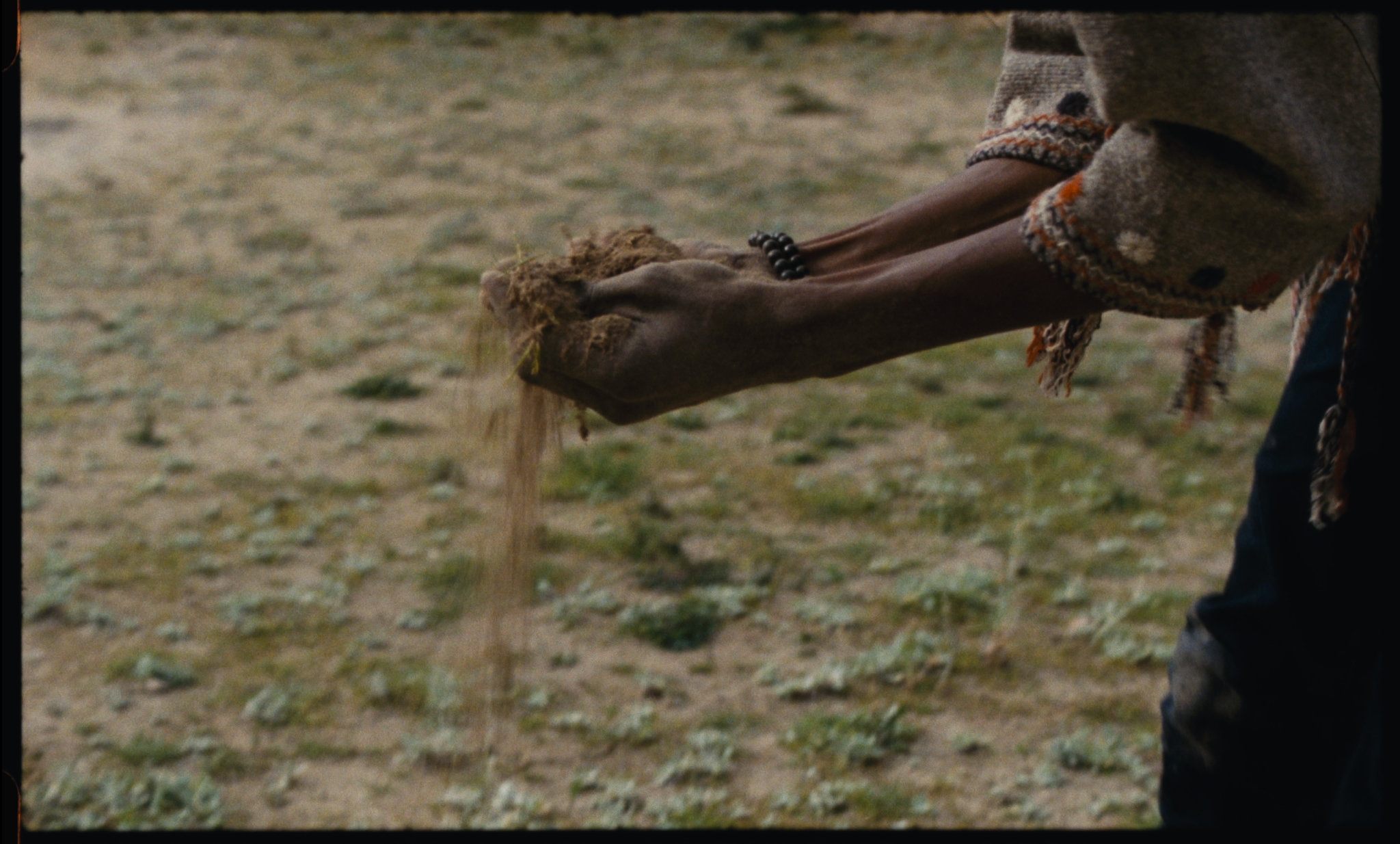
What is the Pythia? First of all, it is the oracle of the temple of Apollo at Delphi; a prophetess. In Daftar it is first the voice of the Zimbabwean poet Belinda Zhawi — a voice that suggests we listen to the images. A contemporary voice. Why did I think of a pythia? With Vir, we unfold. It is now the setting, these epic scenes (an intimate epic), these timeless clothes (costumes that are not really costumes and that, as much as they are atemporal, compose today’s clothes without a doubt); and the ruins. Perhaps, the pythia slips into my imagination even before hearing Belinda, but then comes the cadence of her voice, which walks with and over the images. Belinda’s voice tries to tell a story that has been told to her. She speaks in the present tense. At times interrupted by the even more present voice of one of them — when I get to the phone booth I call… She describes, or does she tell, or does she think? It is the cinematographic voice of the future. And at the same time she discovers the images, the triviality of objects, the simplicity of actions. And the images do not work like in the story that was told to her. They say less, or more, or something else. And there is where the game of prophecy is played: in the space for this voice that knows the story (and History), yet discovers the images – and their timelessness, and their potential.
Highlighted by Vir: Pascal Quignard, Sur l’image qui manque à nos jours » 1 « (On the Image We Are Missing Today). A small book, a collection of lectures concerning four ancient images, the first human representations or Italian frescoes. Showing is not the same as telling. Indeed, it is not. He says that the painters dream of a reality which is not yet ordered, which is not yet linguistic, which has not yet been narrated; that the Roman frescoes do not illustrate a narrative that would have preceded them: Roman painting comes out of the narrative to which it refers in a very particular way: by prefiguring the scene that is not shown on the wall. It is the return of the Pythia: behind the image there is the oracle. The image of Medea before her act. Before the story begins, the image shows in the conditional what the narrative avoids in its progression: the hesitation, the indecision, the restrained tension of possible outcomes that keeps us oblivious of fate, before the irredeemable and irreversible of what is narrated puts an end to it. In anticipation or haste, cornered to what may come, the moment before becomes the image which refuses the fatality of a fateful tale. Fatal, if only because it is told, beyond the drama, from a consumed end. The image shows and affirms the tenacity of the “not yet.” » 2 « Vir’s image, which is one that revolves and is cyclical (one can believe that it is endless), is both an image and an oracular voice-melody. We are not in the time of History, but in the time of transtemporal irresolution.
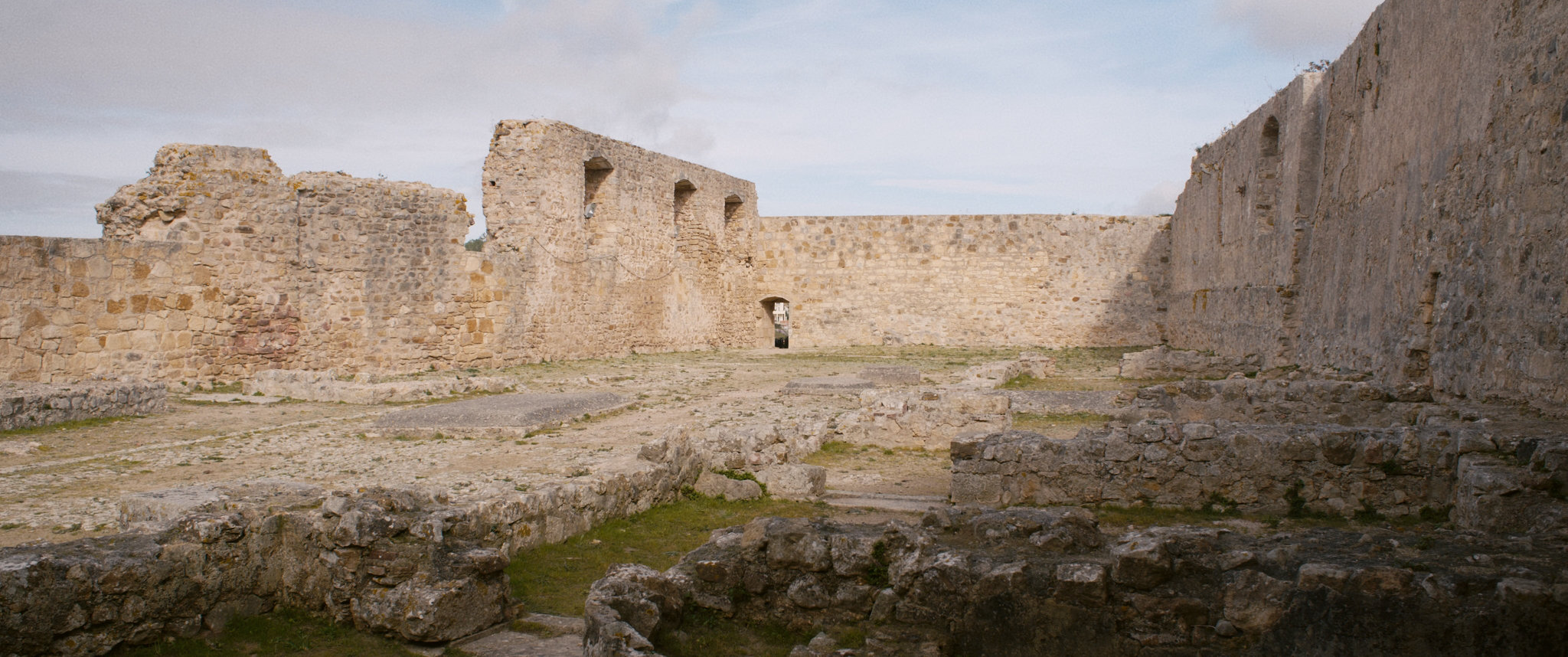
As I wrote in the prologue: no one has quite left this house yet, and at the same time Fabienne already left it long ago. Singular possibility. It is this very concrete movement of the body out of the wall-remains of a colonial house — which is not entirely a metaphor — that makes Vir’s oracle image a comprehensible reality for certain bodies. [Thus Vir sends me Renate Lorenz’s text on trans-temporal drag].
“Painters show events as they are happening, historians tell and write about them as already having happened.
History is death screaming.
The image sees what is missing.
The word names what was.” » 3 «
In Daftar, the pythia is not only the voice of the poetess-prophetess, the pythia is the image itself.
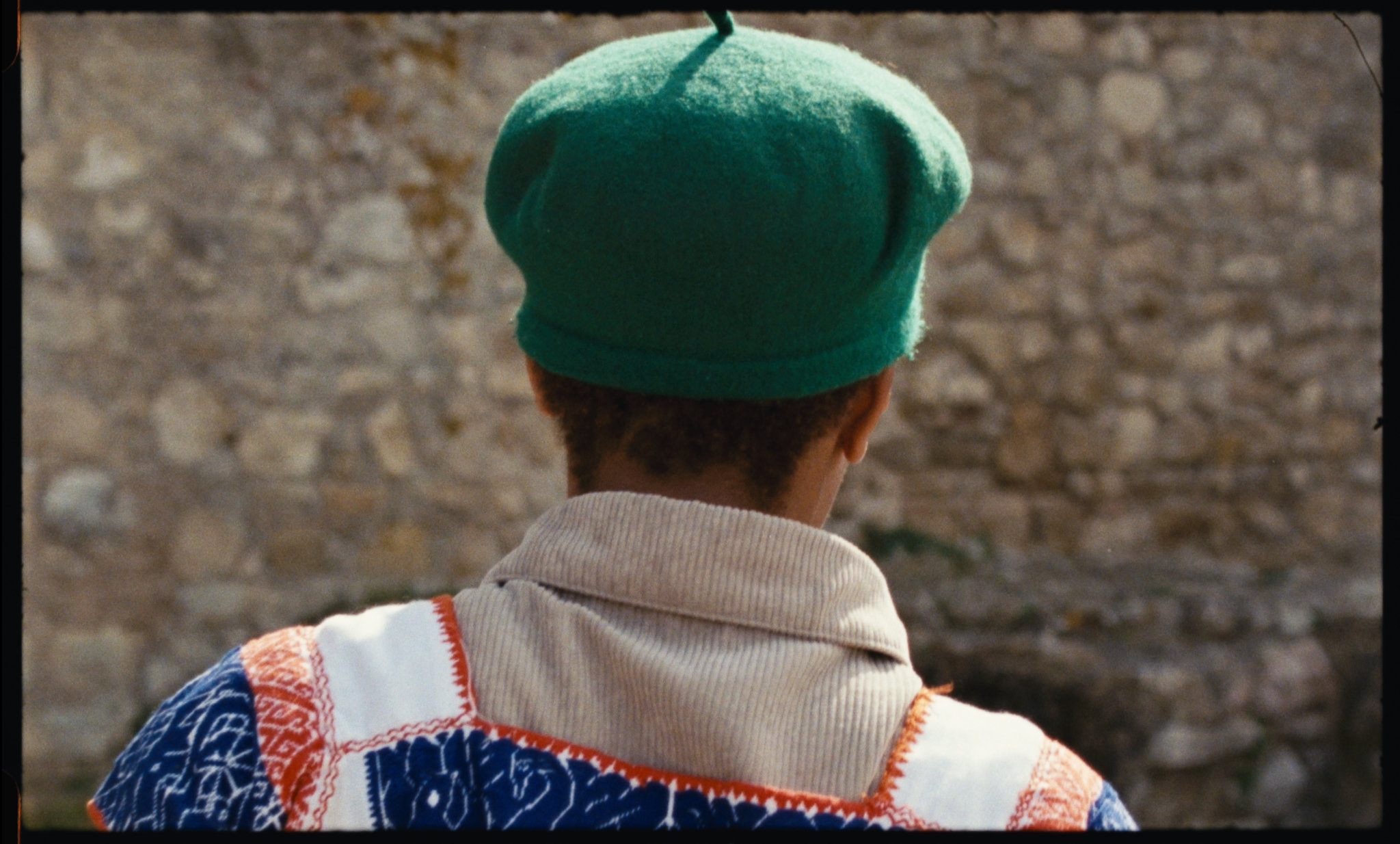
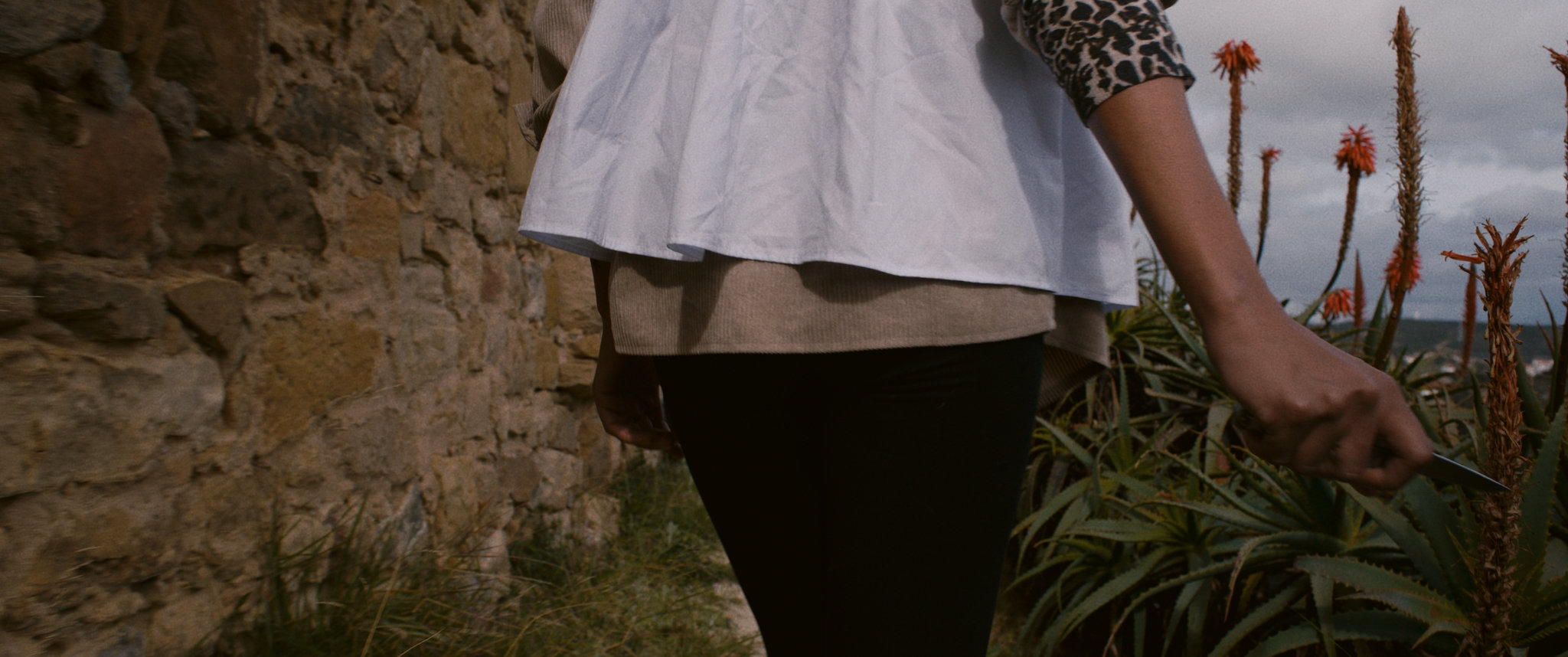
In Daftar bodies have the greatest presence, and objects the greatest actuality, in the image itself. A fabric, a garment is never traditional (which does not exist anyway), it is not placed like that in time: it is displaced, it is elsewhere – I repeat in transit – it has other potentials.
* * *
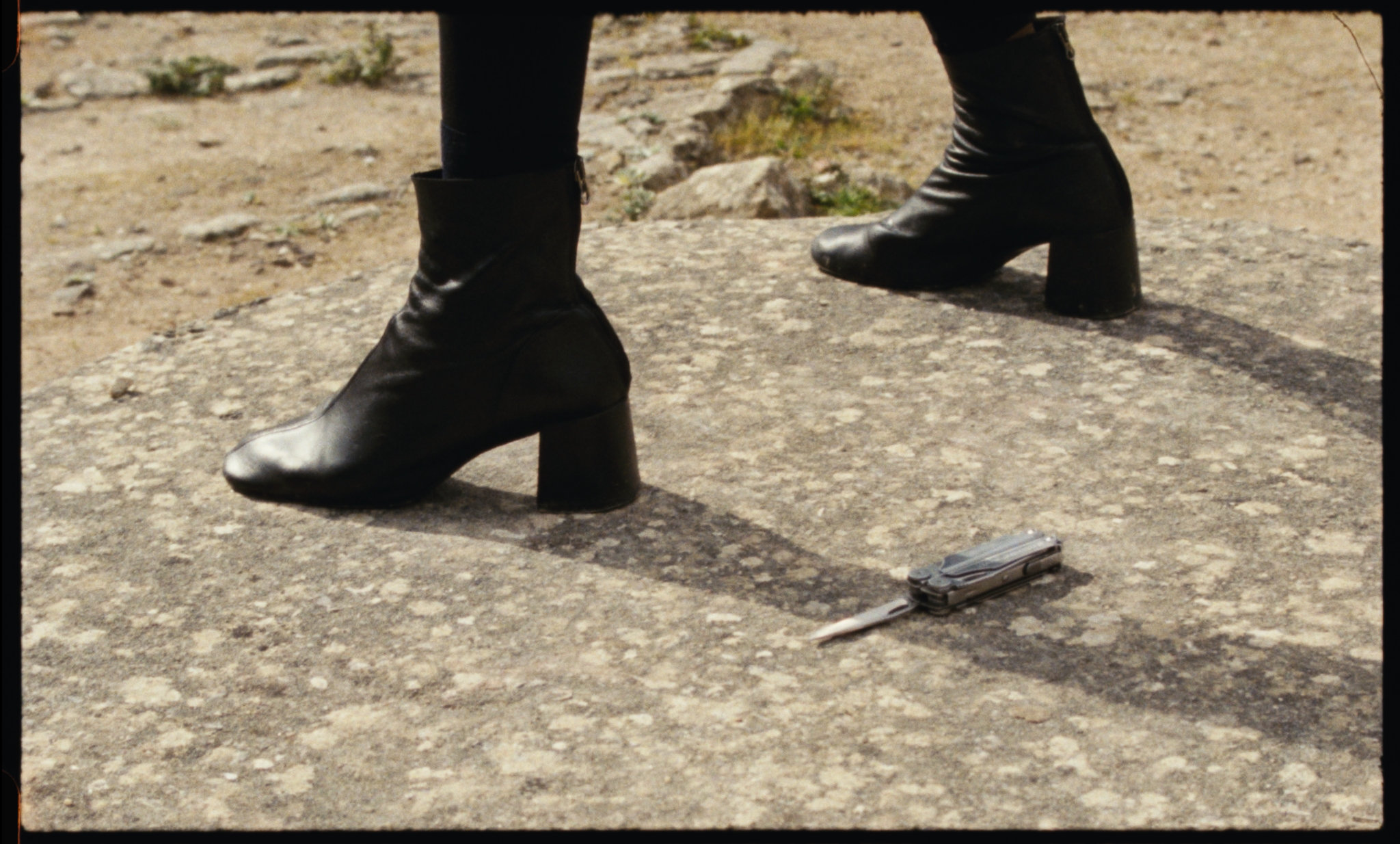
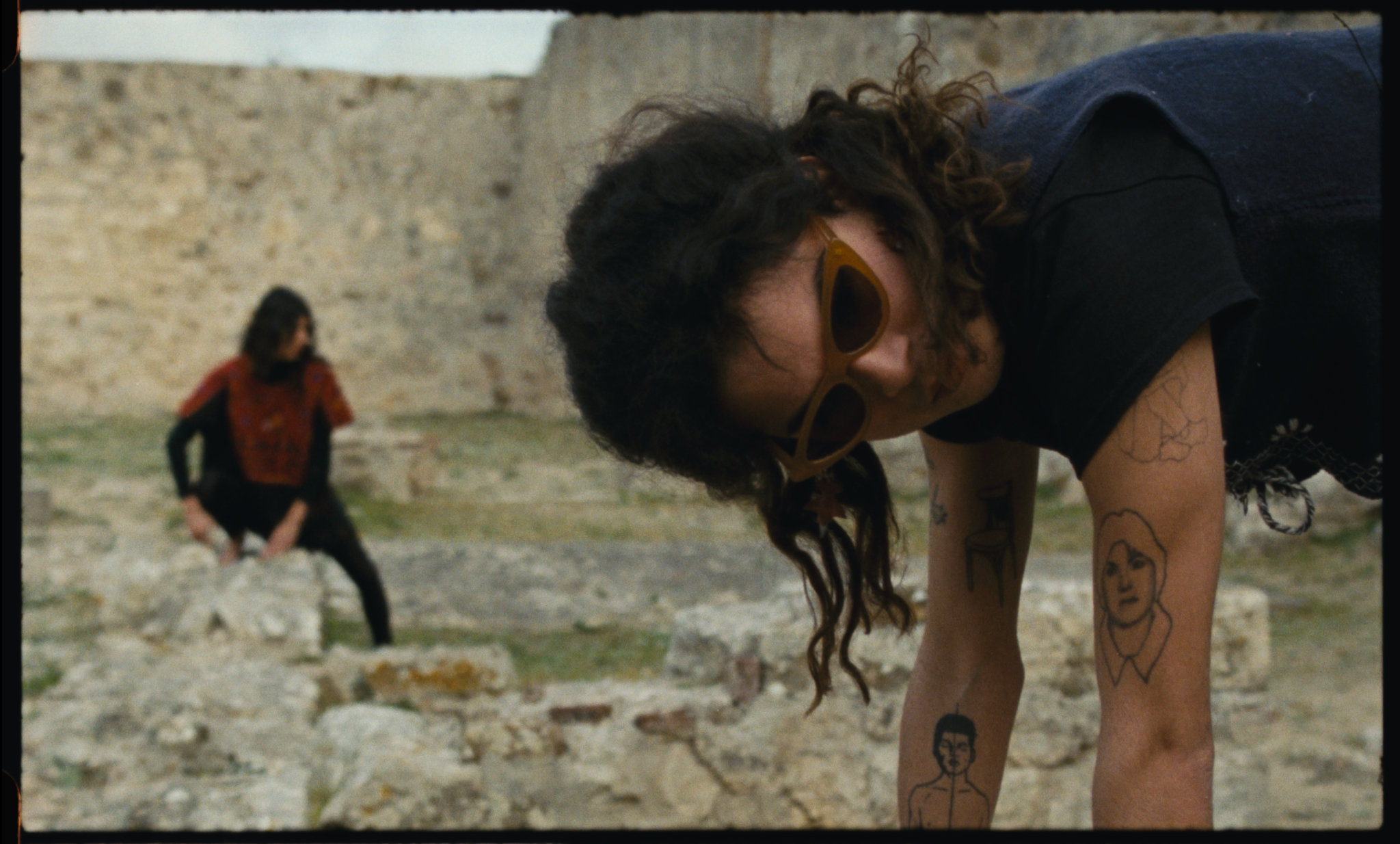
A feminist and black approach to the notion of the future: we read Tina Campt. » 4 « Highlighted by Vir who sent it to me. Is Daftar futuristic? It’s always that pythia tale. : The grammar of Black feminist futurity that I propose here is a grammar of possibility that moves beyond a simple definition of the future tense as what will be in the future. It moves beyond the future perfect tense of that which will have happened prior to a reference point in the future. It strives for the tense of possibility that grammarians refer to as the future real conditional or that which will have had to happen. The grammar of the black feminist future is a representation of a future that has not yet happened but must happen. It is an attachment to a belief in what should be true, in what drives us to achieve that aspiration. It is the power to imagine beyond the present in order to glimpse what is not, but must be. It is a politics of prefiguration that involves living the future now — as an imperative rather than a subjunctive — as an effort to make the future you want to see happen, right now, in the present. Tina Campt goes on to explain that we generally seek to live this future through action, through politics and through acts of resistance. But that it is also to be lived, and sought, and listened to, elsewhere. In places that are, in fact, more discreet. For example, in the everyday imagery created by the black communities of yesterday, today and tomorrow. Her book deals with photographic archives, and more specifically with identity photographs of the black community: quiet photographs.
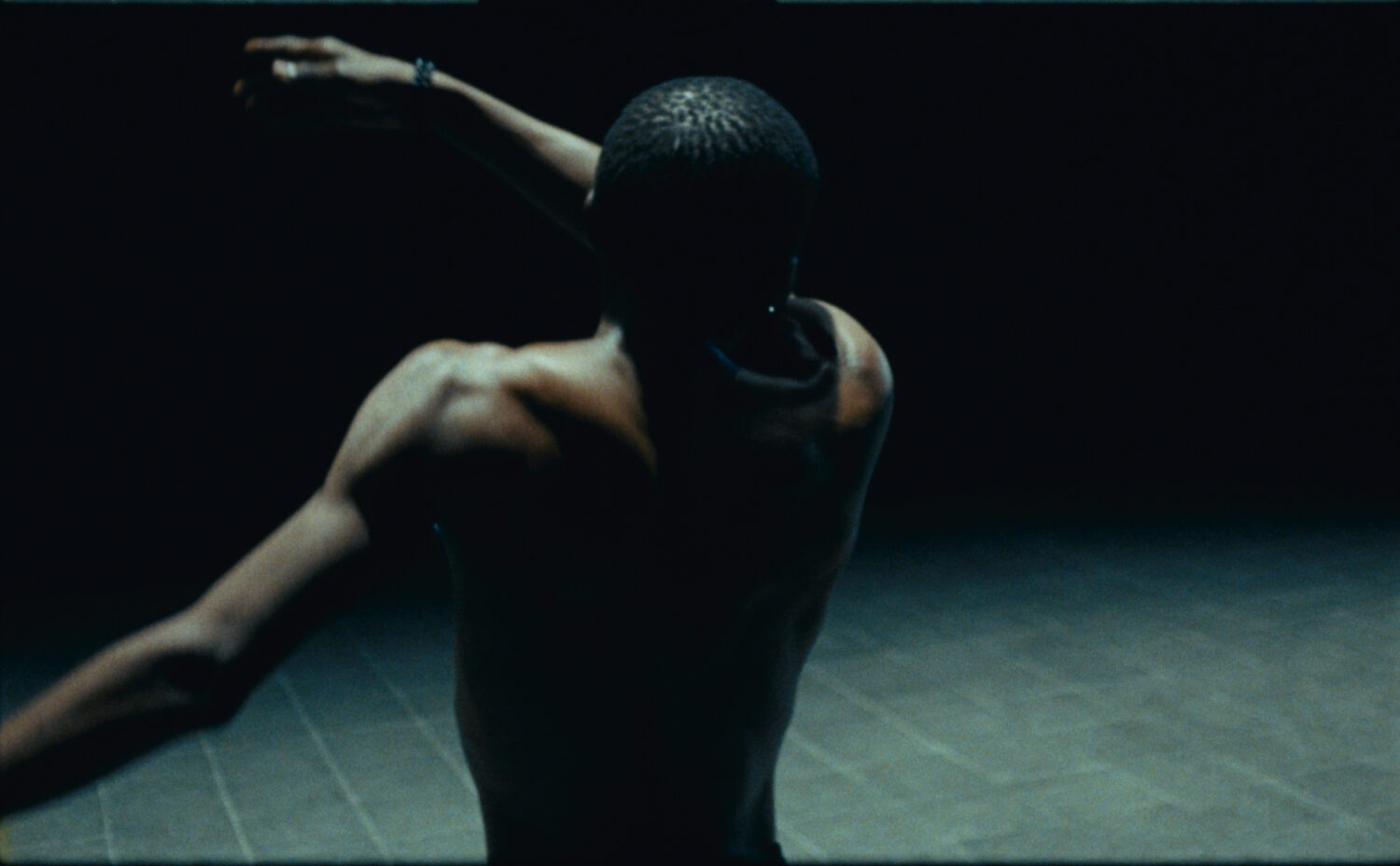
Daftar is not a series of identity photographs, and I don’t know if its images are really quiet. But it is, in its own way, four portraits, and yes, there is something peaceful and calming about these images, as well as lively (perhaps because, almost incessantly, they are spinning, moving or blowing in the wind). Does the rotation of the camera seek this right conjugation? I think so. Everyone in Daftar is post- or trans-, but these very notions seem inappropriate, as if they were not conjugated in the right tense. In Le Daftar, there is not only the voice and the images, but in the images there is architecture. It also imposes its own conjugation, its own tenses, and disrupts those of the bodies. For example, in the great modernist arena, even if the bodies seek their amplitude, what can happen? Architecture is a kind of neurotic pythia, which wants to always be ahead of its time, while always arriving very late.
Even its name for example — modernist architecture — we know that it is difficult for the body, and at the same time joyful because one becomes foolishly presumptuous as soon as one starts to succeed in making something of it, in spite of everything.
* * *
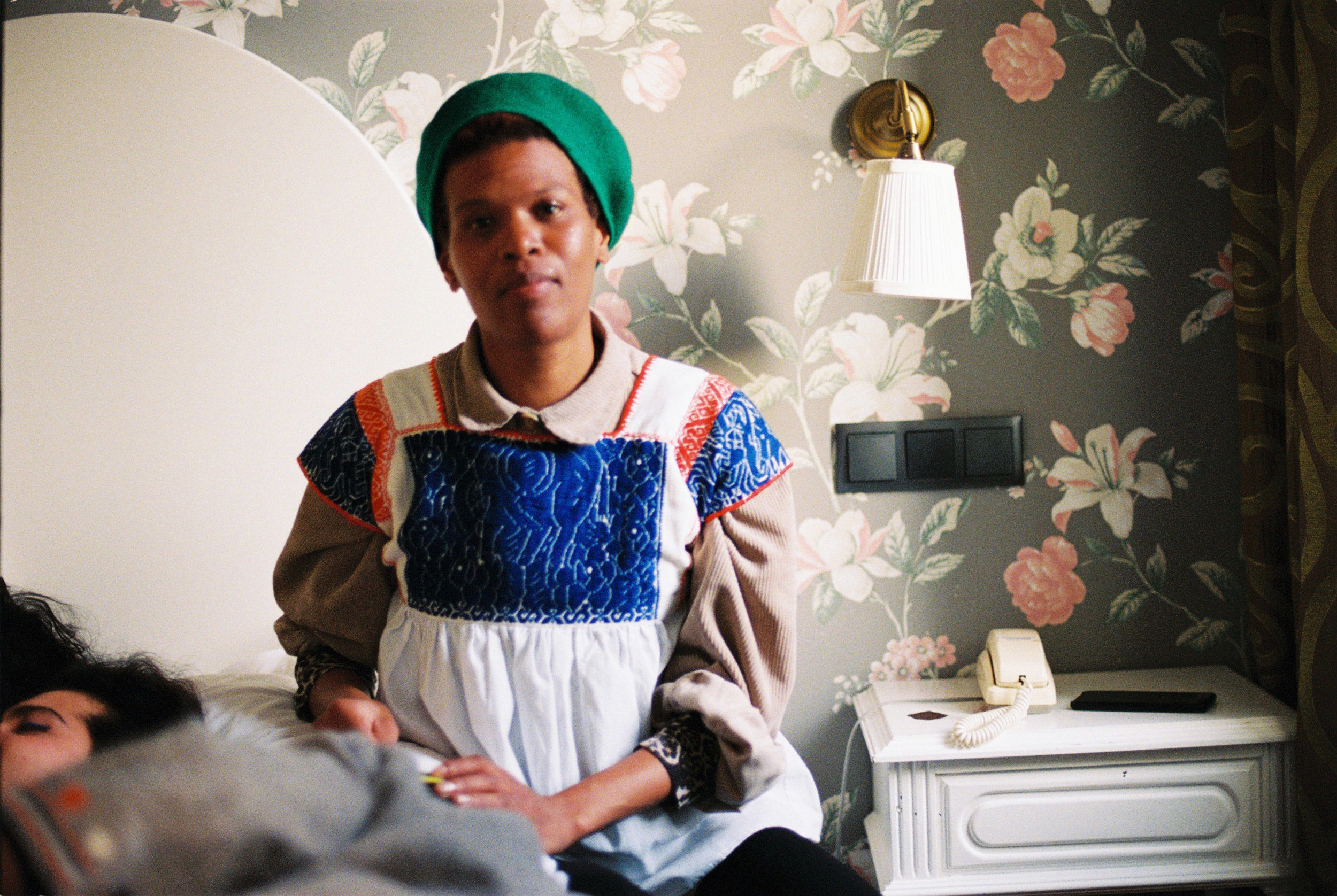
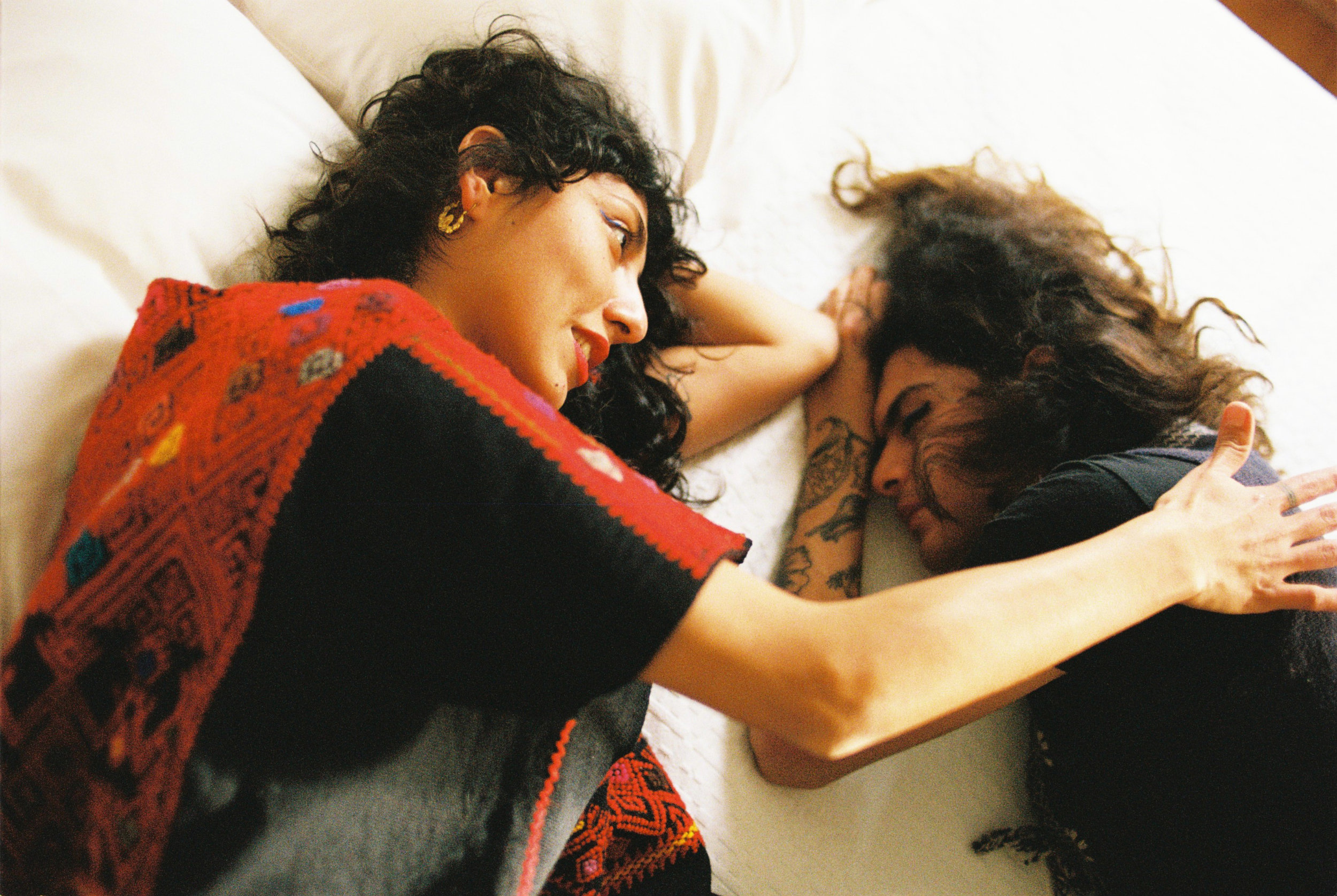
Vir had also sent me some lines about Renate Lorenz’s transtemporal drag. I re-establish their interpretation, we’re moving forward together, and I’m feeding my vision — seen in the whirlwind — of the Daftar‘s pythia. Transtemporal drag creates a queer politics (or because it exists, these politics do) that must tend towards a chronopolitics of drag that can go beyond the limits of time, and propose an alternative to the temporal cycles of the State and the market to oppose the concepts of progression and regression. Chronopolitics is a concept that designates, at its simplest, the various ways in which past, present and future are articulated at the political level, between tradition, crisis management and teleology. But another more critical use of the term makes time a political power relation, for example in Hartmut Rosa: » 5 « “The fact of knowing who defines the rhythm, duration, tempo, order of succession and synchronization of events and activities is the arena in which conflicts of interest and the struggle for power are played out.
Chronopolitics is thus a central component of any form of sovereignty.” For Lorenz, transtemporal drag is an alternative to subjection to biographical and historical concepts of time. » 6 « It transforms bodies into a historiographic instrument. In Salomania (2009), dance and performance allow the transtemporal Salome drag not only to denounce colonialism, but also to be seen as ‘becoming’ -Salome, an action in which the Salome-image is set in a social context in order to produce connections with a set of actions, movements, costumes, and contexts. As Lorenz states it, the transtemporal drag could be considered as a method allowing “to go back into the event, to take one’s place in it as in a becoming.” It would support a meeting between contemporary bodies and the historical body, to re-open the future. This last sentence applies well to the bodies of the Daftar, which are charged with connections. Disturbing pythia for bodies in transit.
I didn’t think I was saying it right. But in fact, in Le Daftar, more than the voice, it is the bodies themselves that have suddenly become oracles.
Eva is an independent curator based in France, working on feminism, postcolonial studies and critical writing.