Le Daftar
Le Daftar
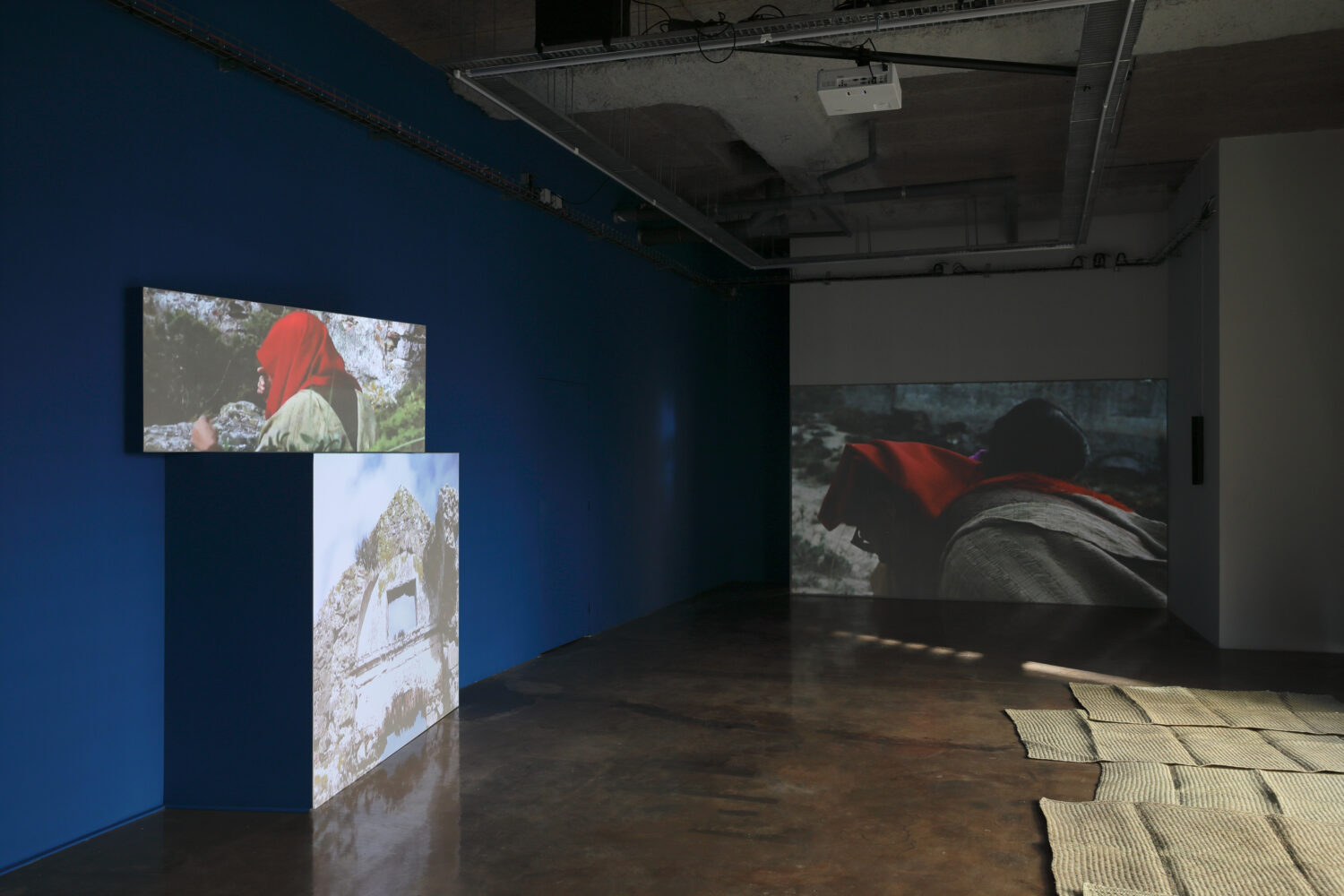
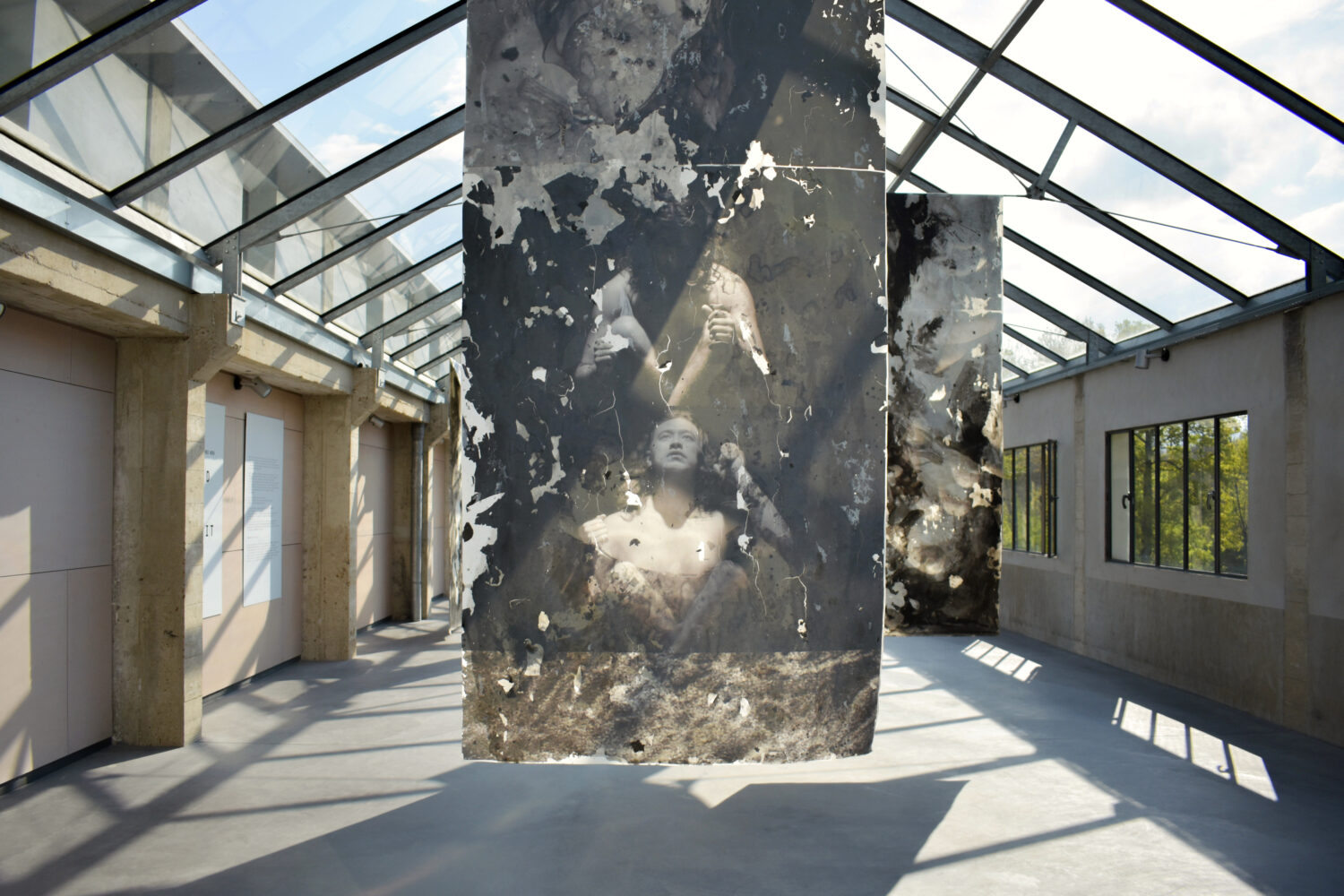
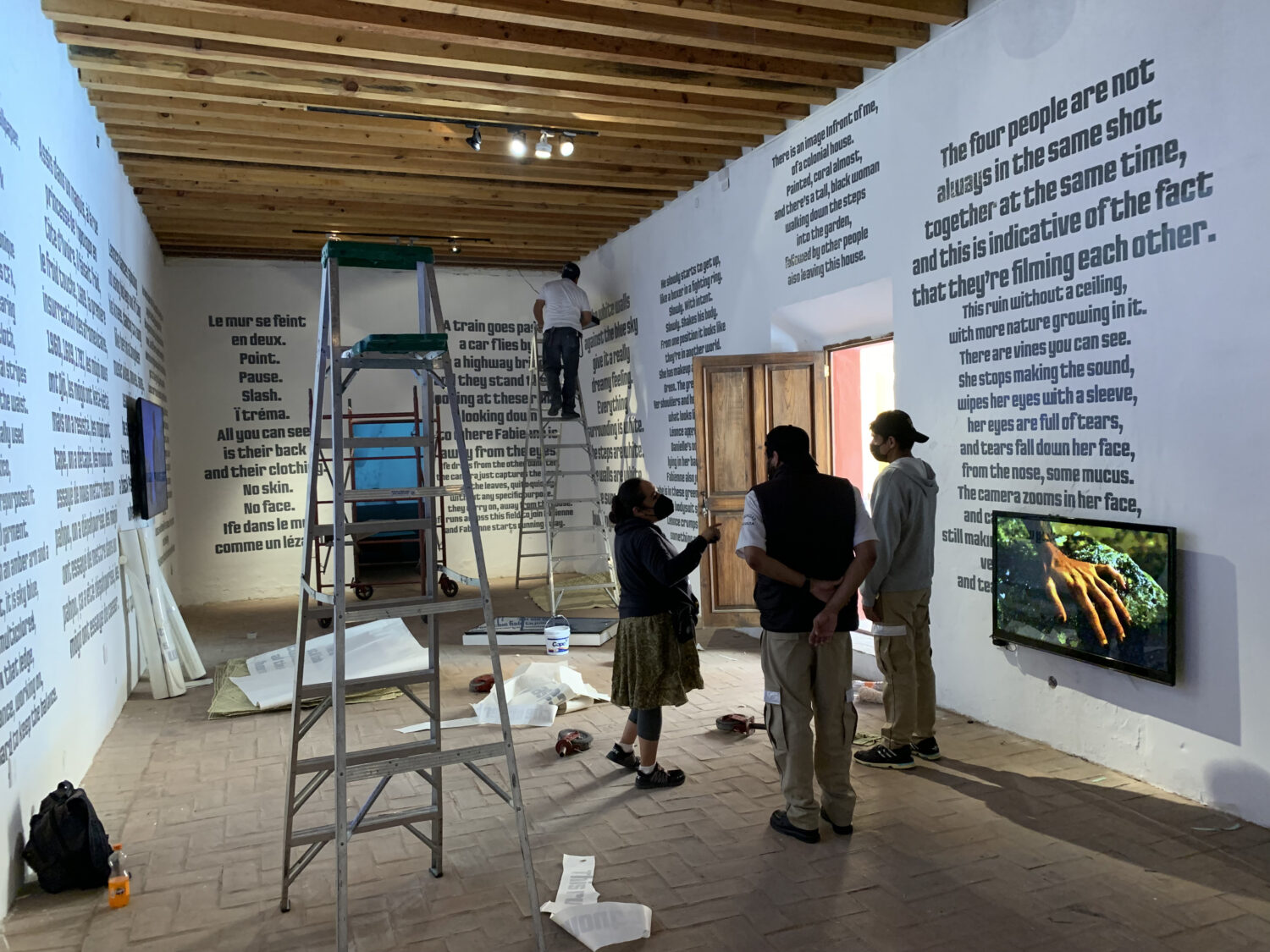
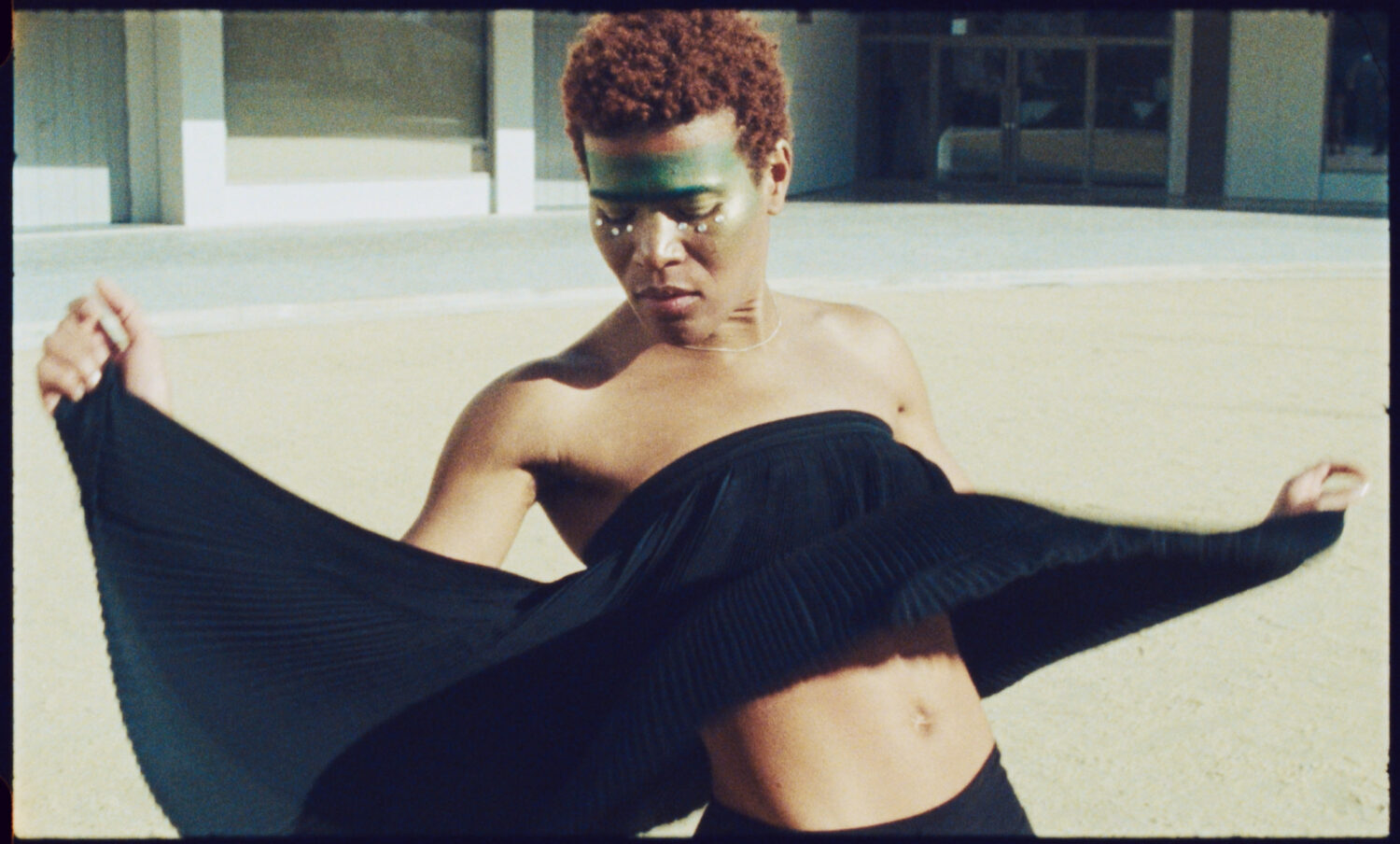
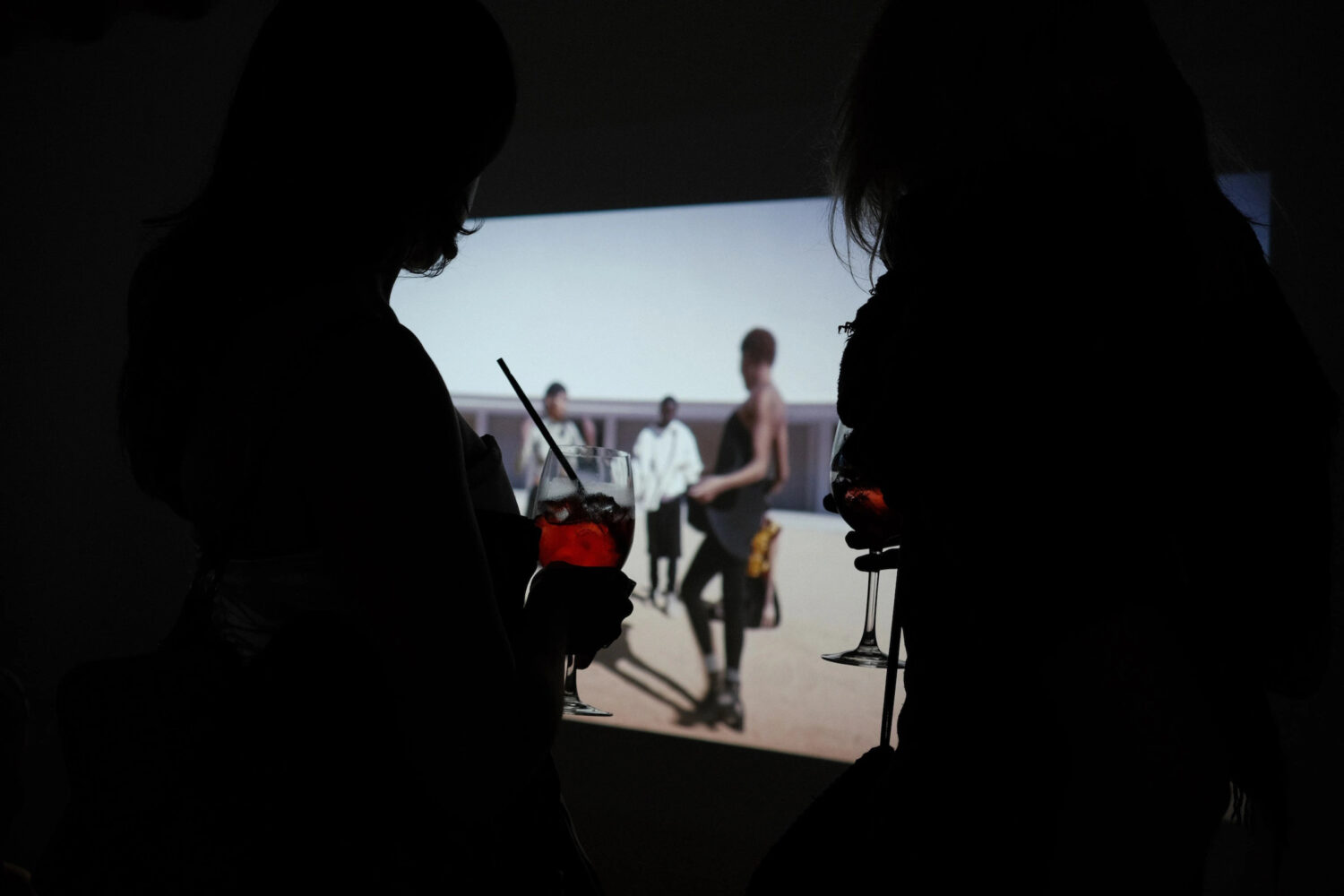
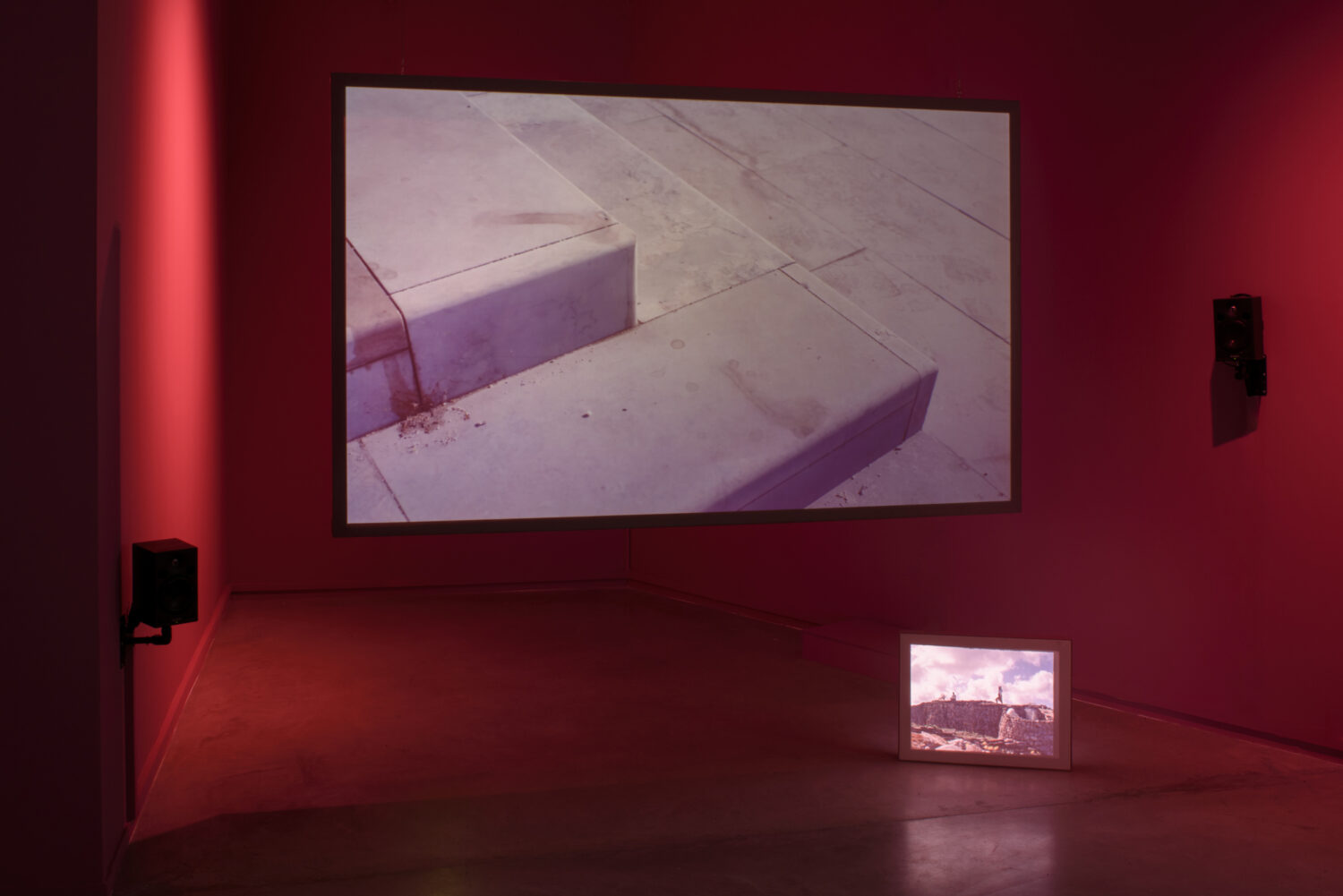
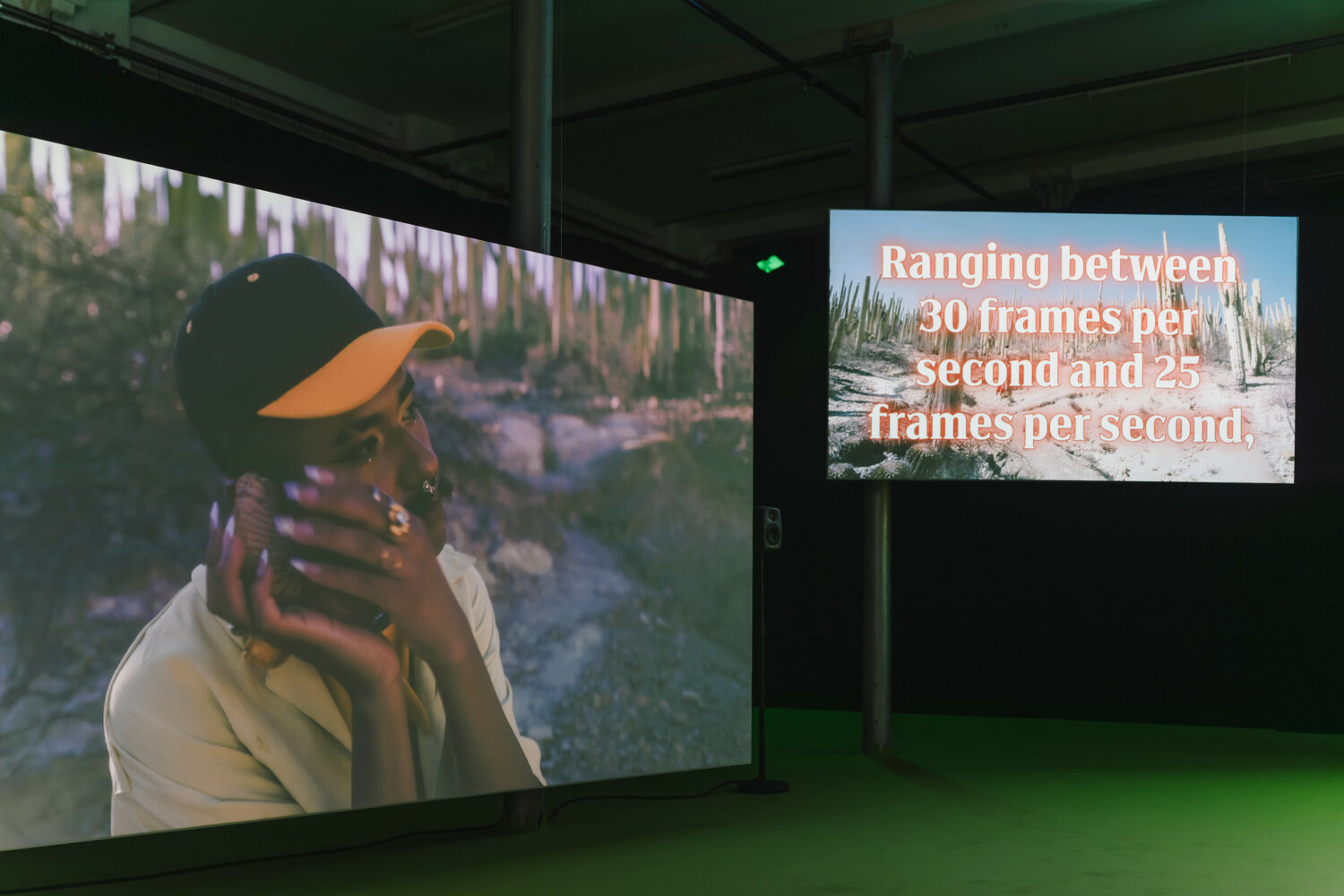
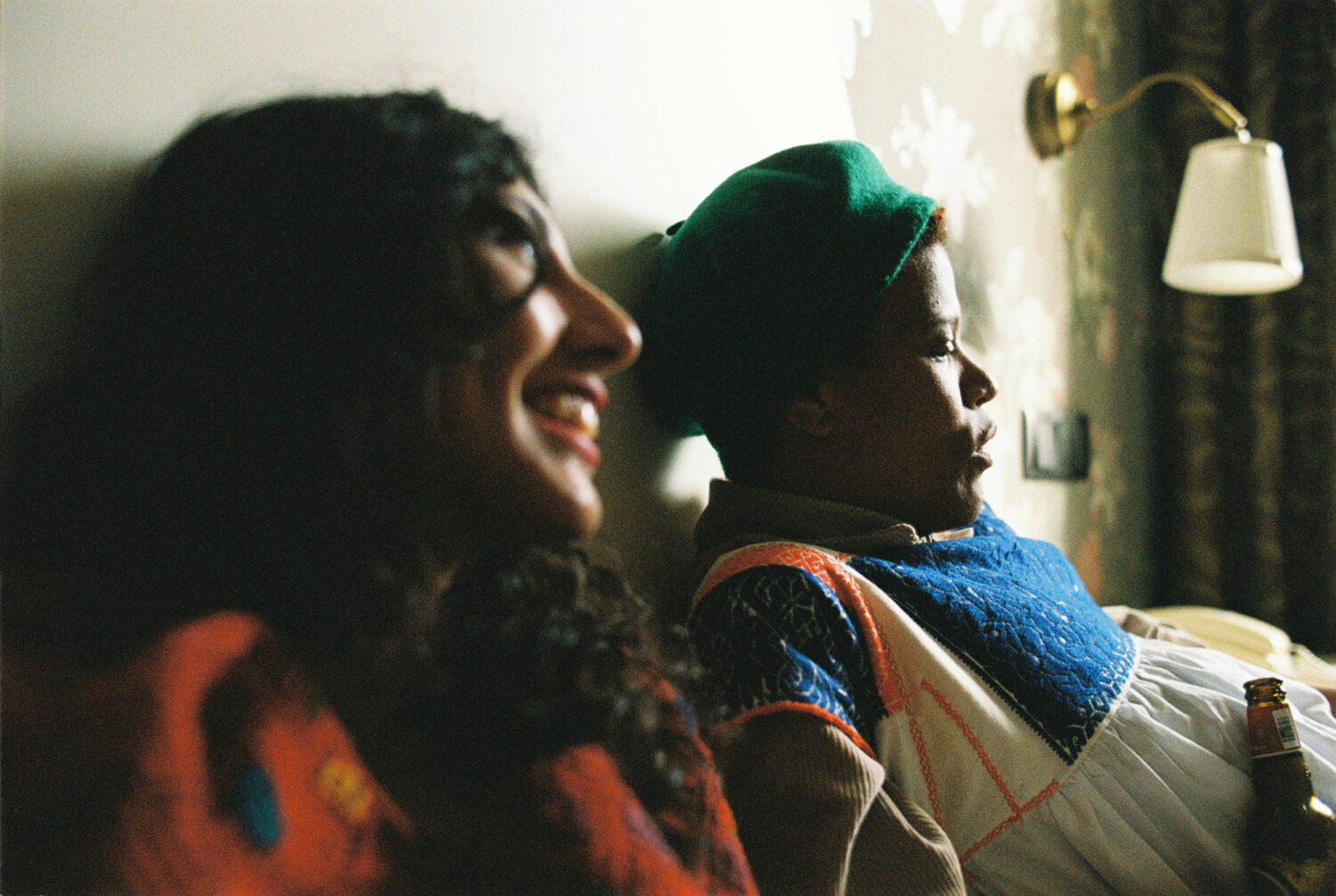
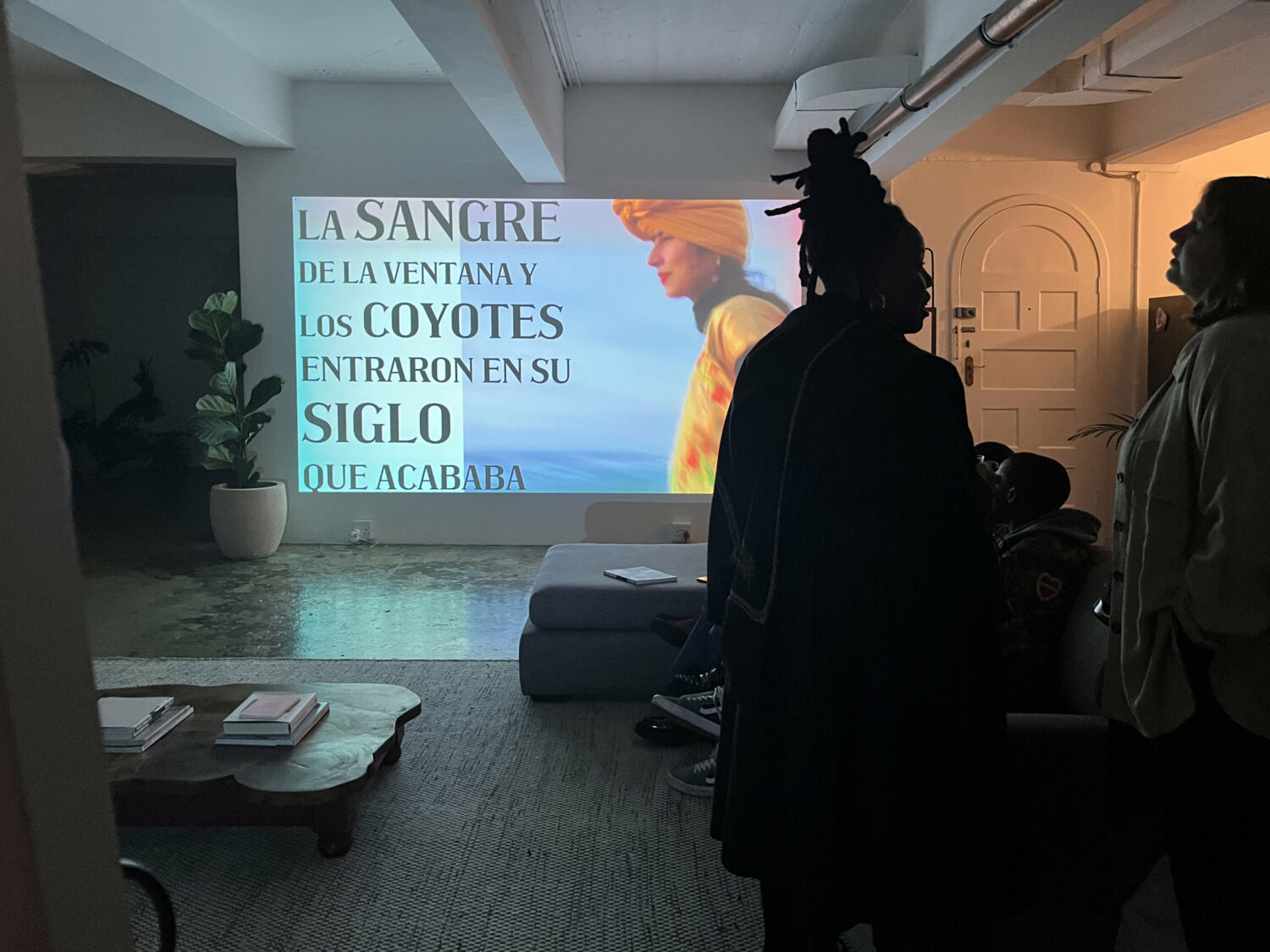
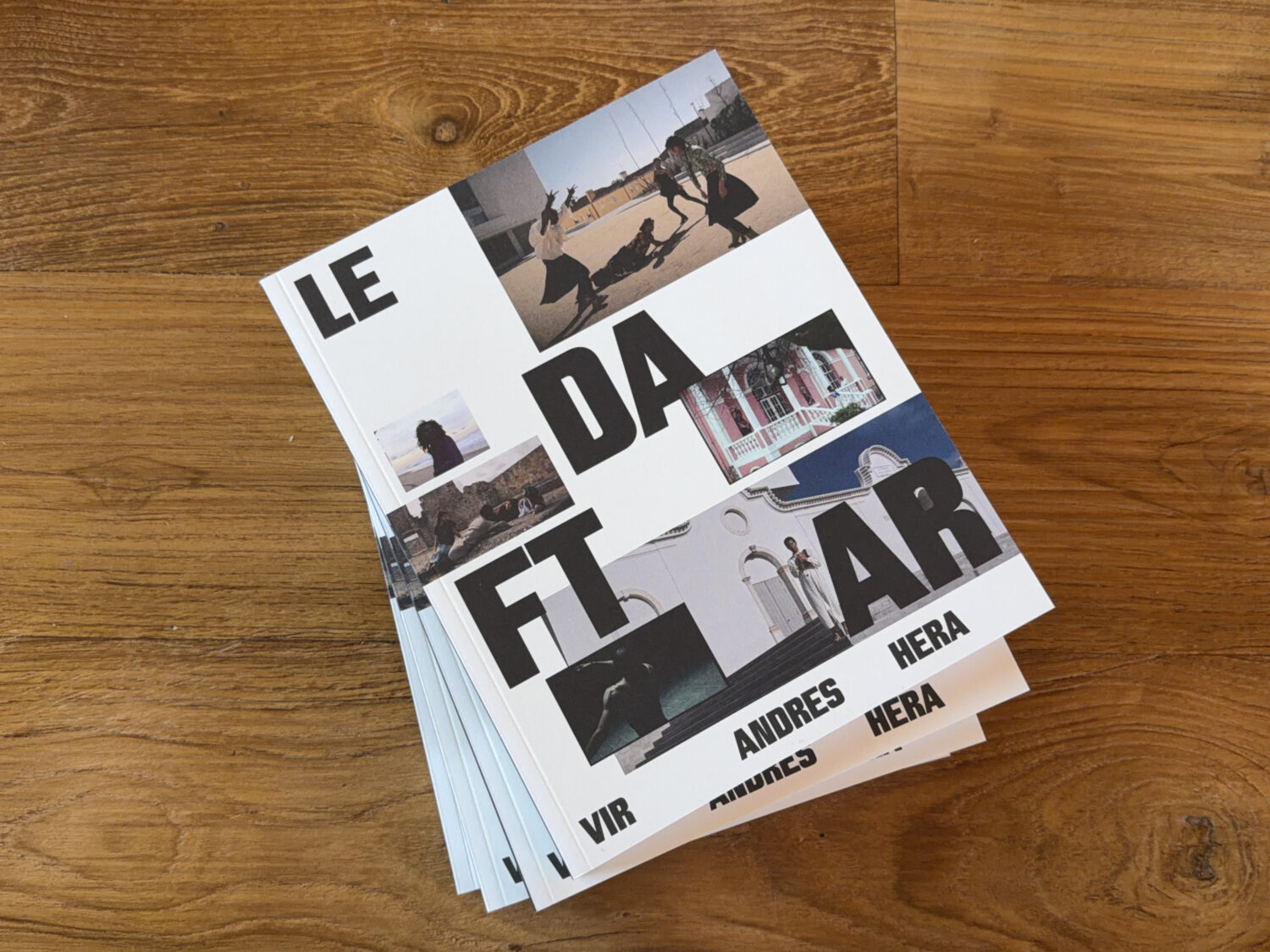
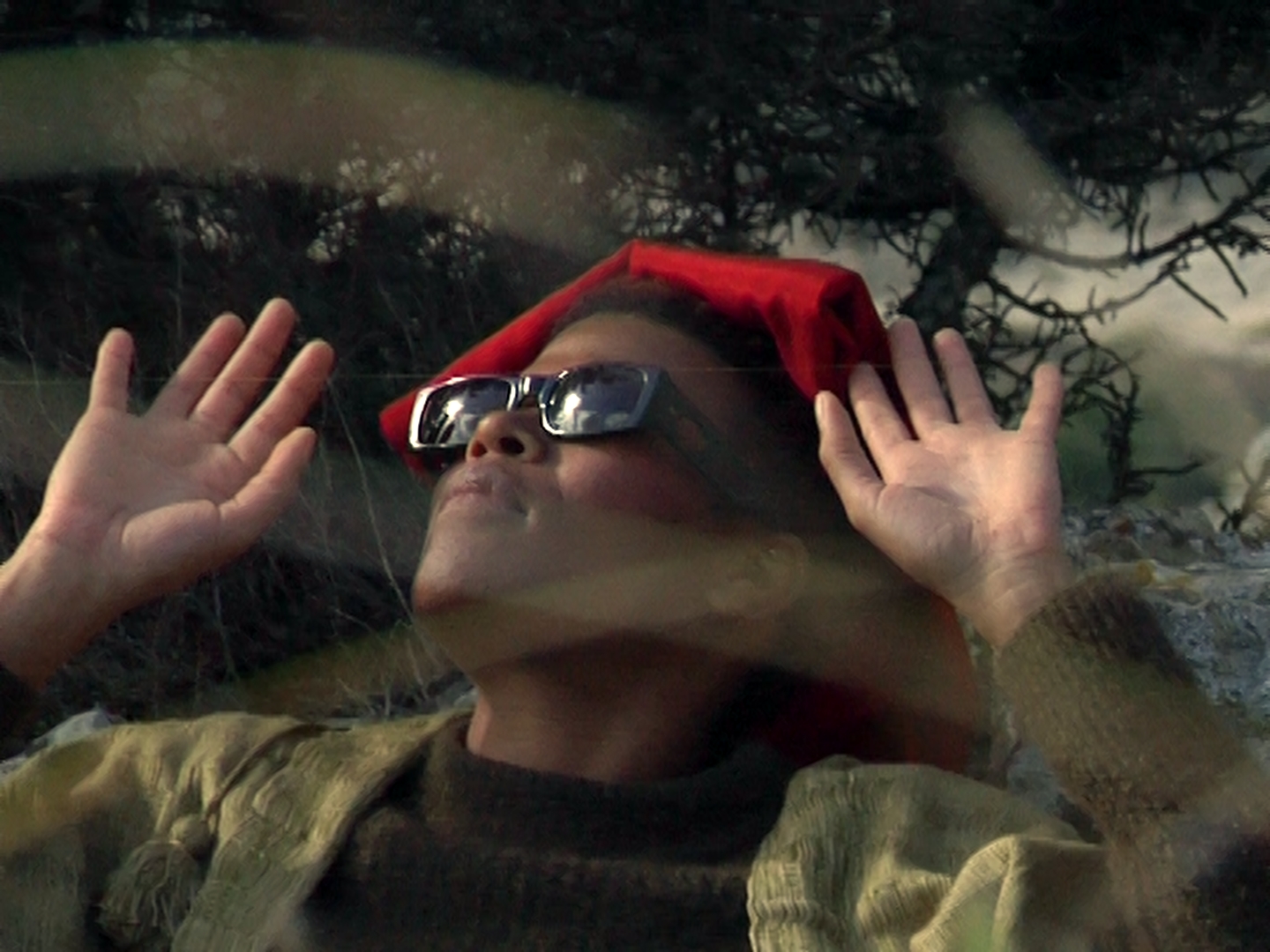
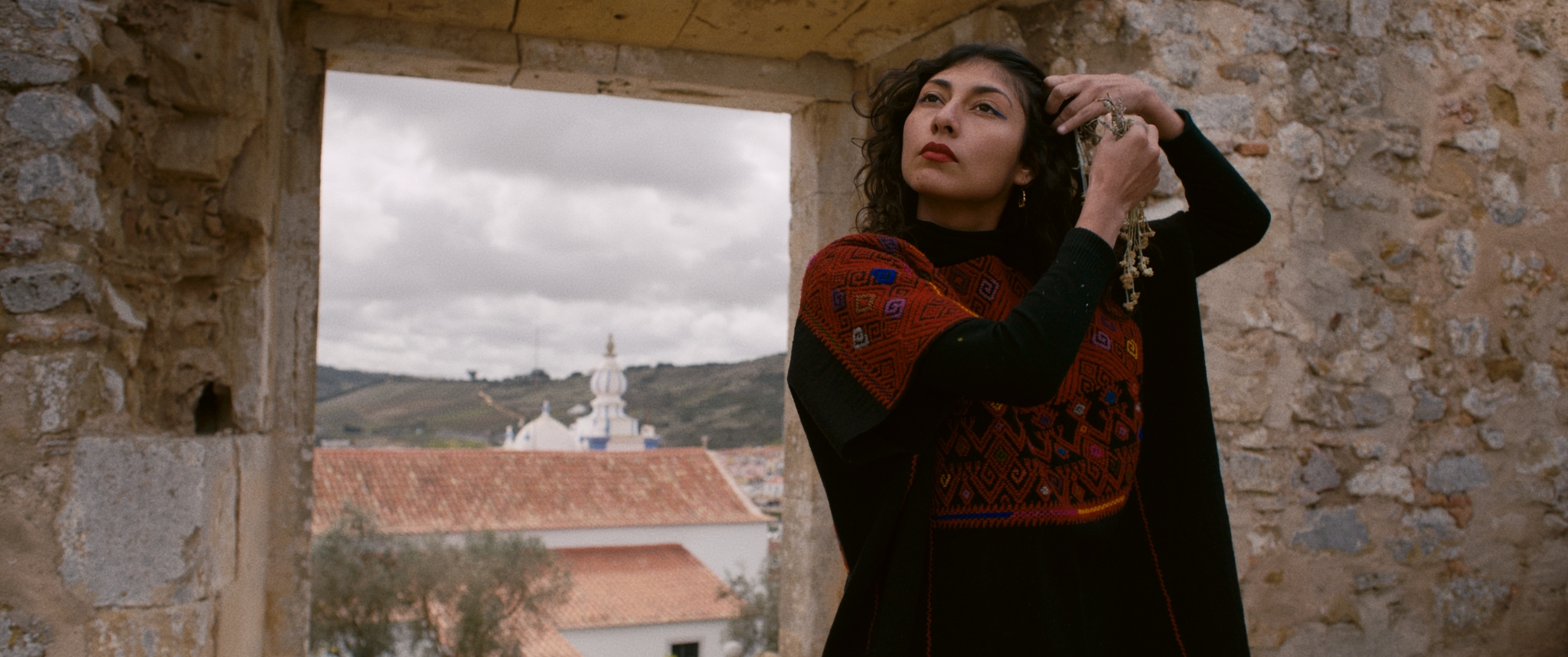
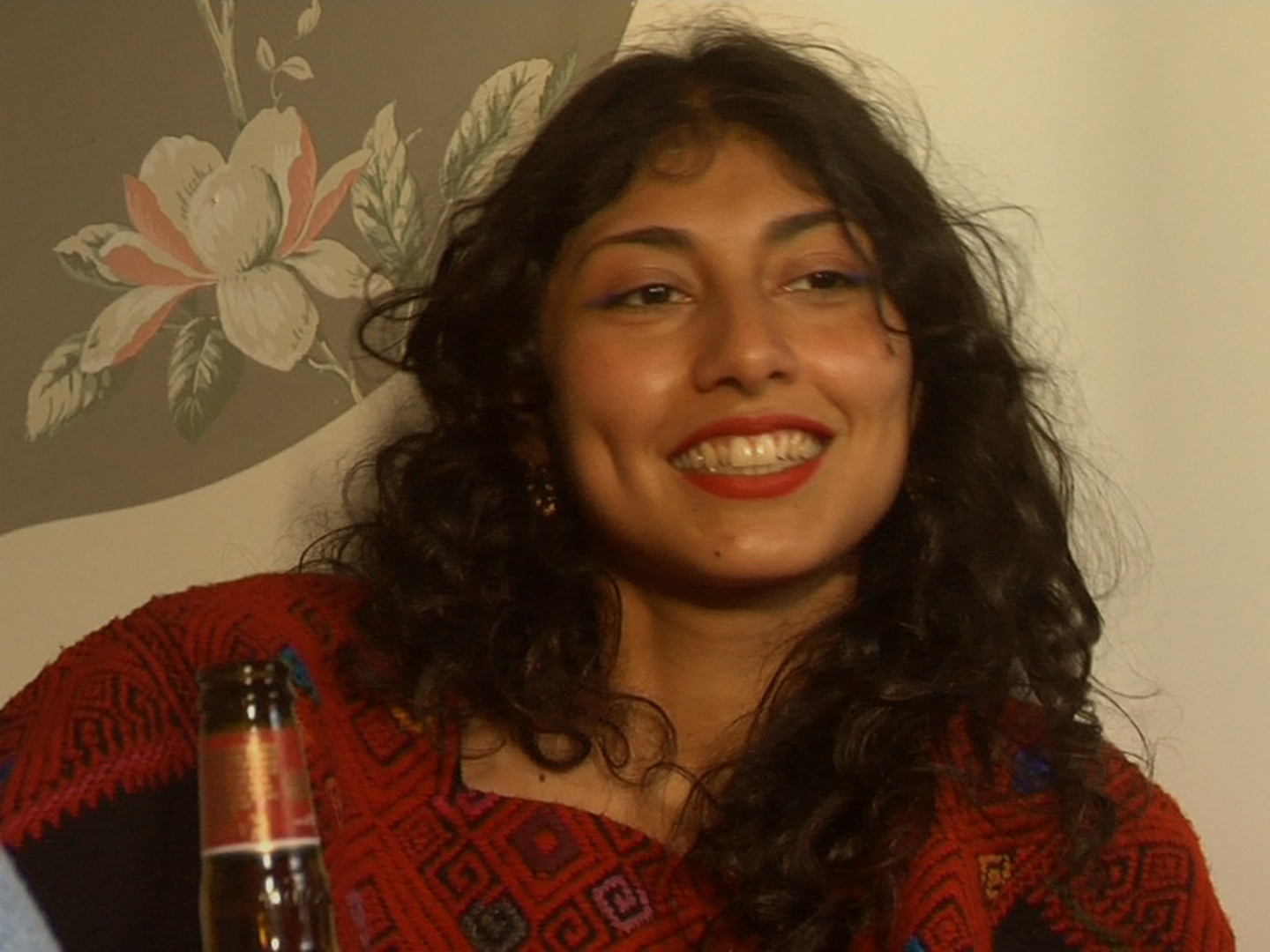
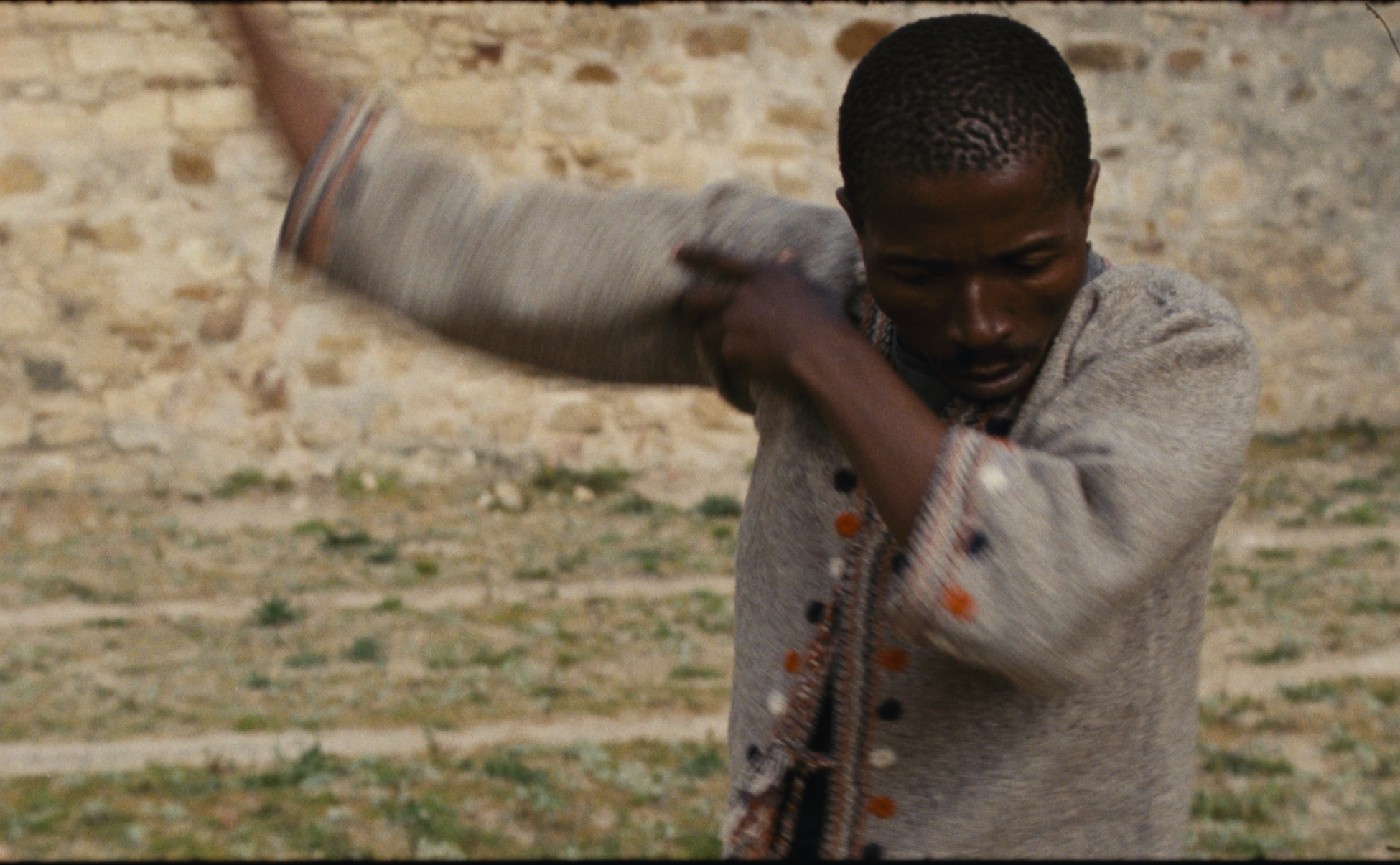
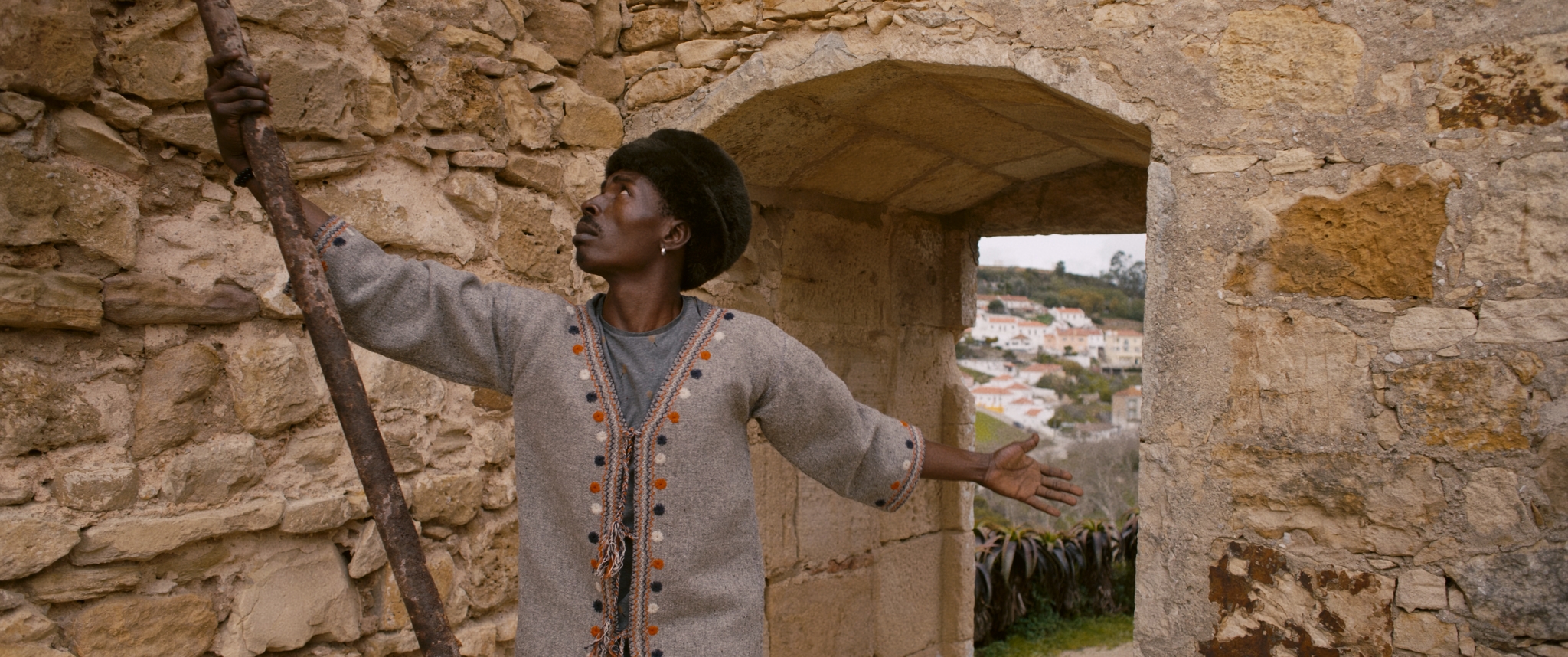
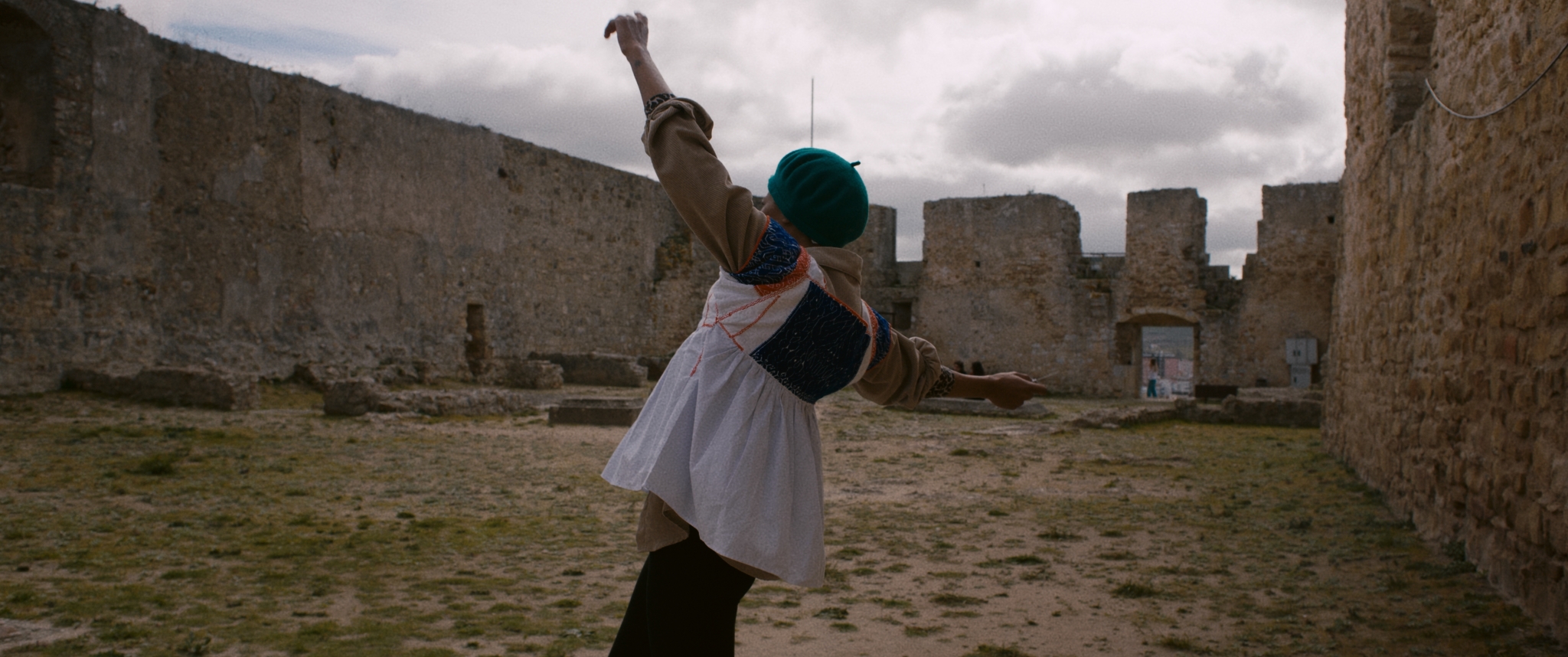
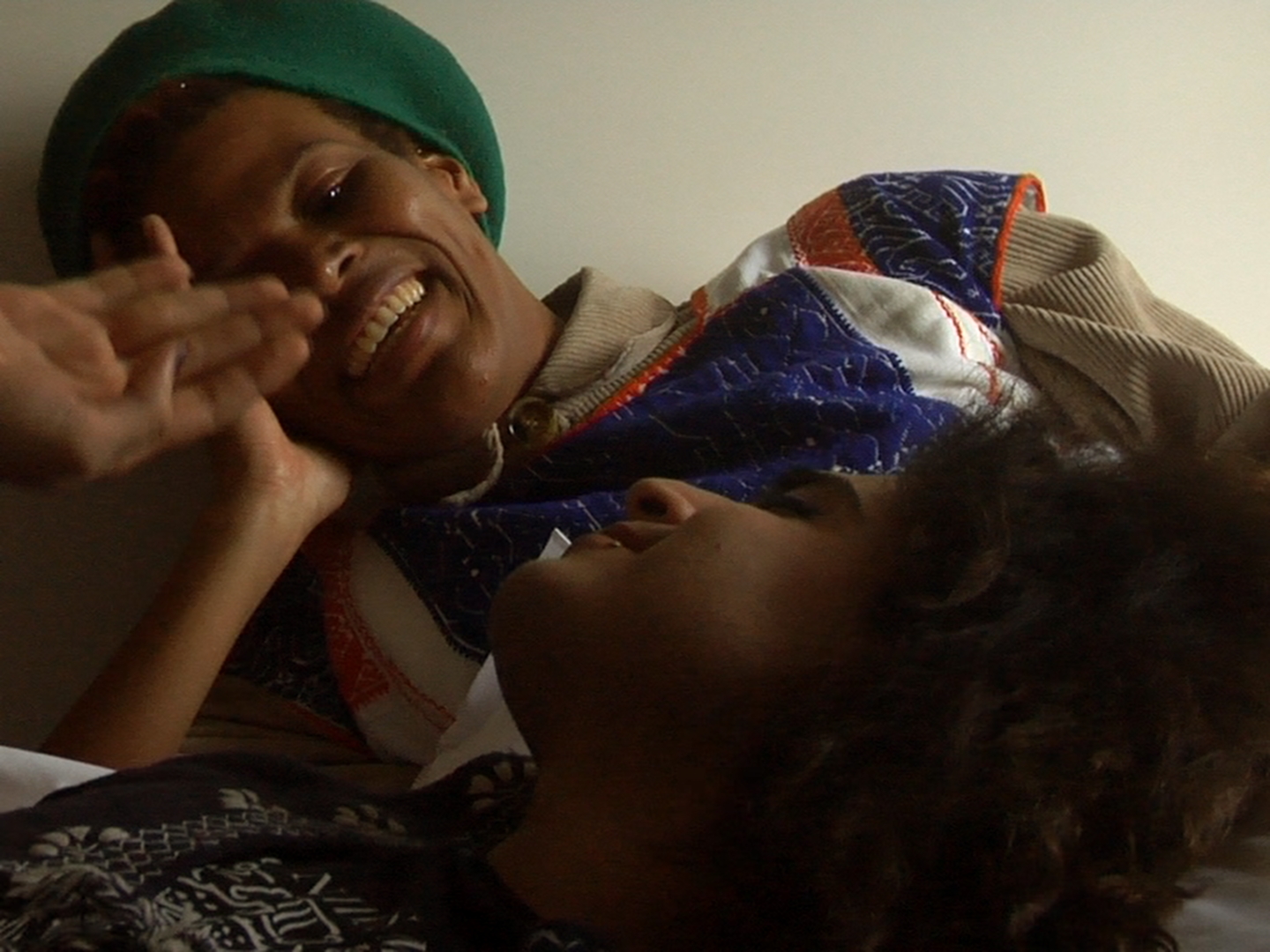
Le Daftar is a five-chapter video and sound installation developed over three years through gatherings initiated by Vir Andres Hera with invited artists. The project emerged from shared experiences of migration, exile, gender identity, and diasporic belonging within Europe.
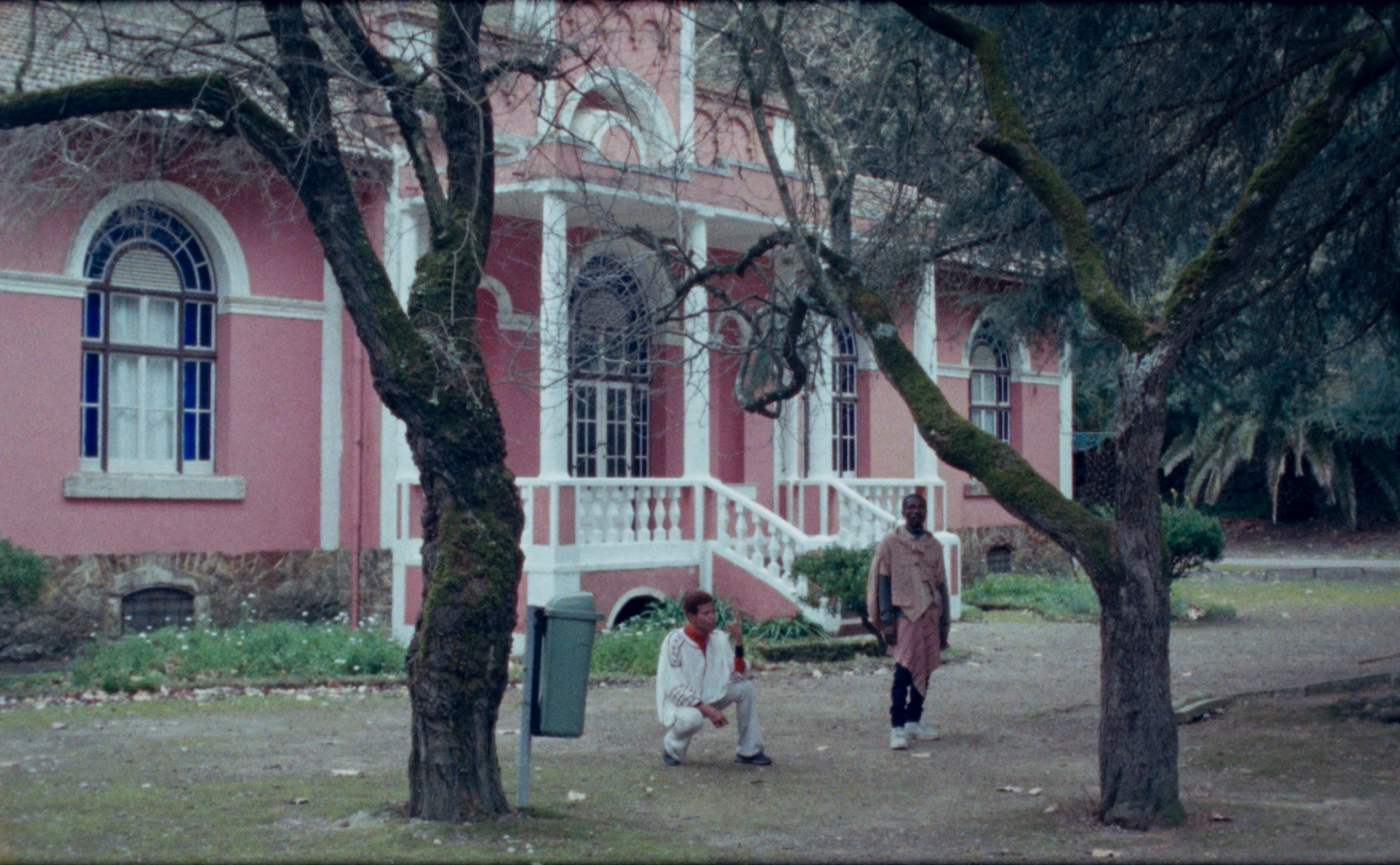
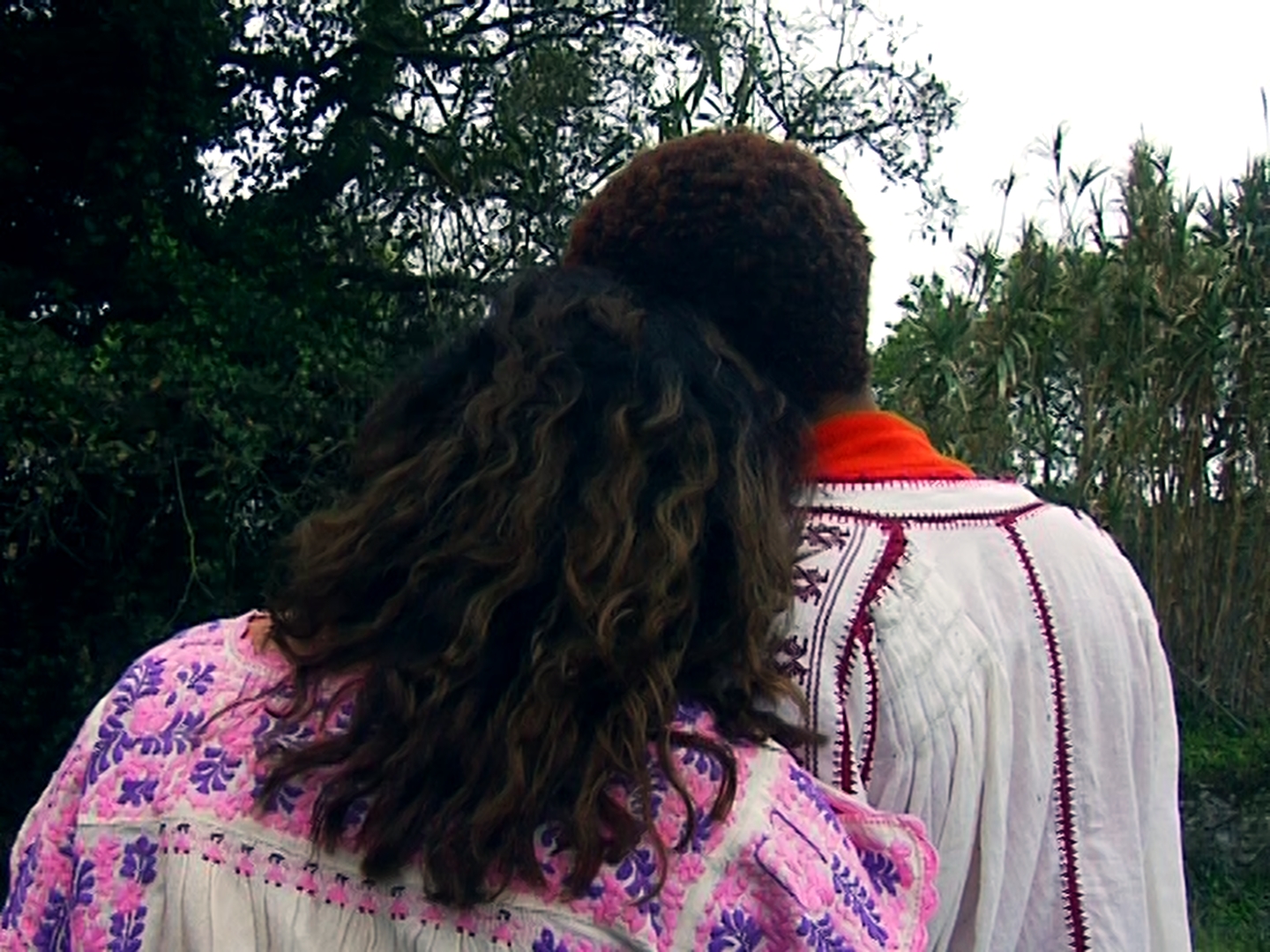
The work unfolds from a consciousness shaped across three continents: Europe, Africa, and the Americas. Europe is not treated as a stable center but as a charged terrain where colonial architectures, Atlantic histories, and contemporary diasporic bodies intersect. The installation stages encounters between mestizo and Afro-diasporic presences within European space, not to equate distinct genealogies but to explore resonances produced by entangled colonial pasts. Both inhabit structures built before them. Both negotiate visibility and erasure. Both carry layered temporalities in their bodies.
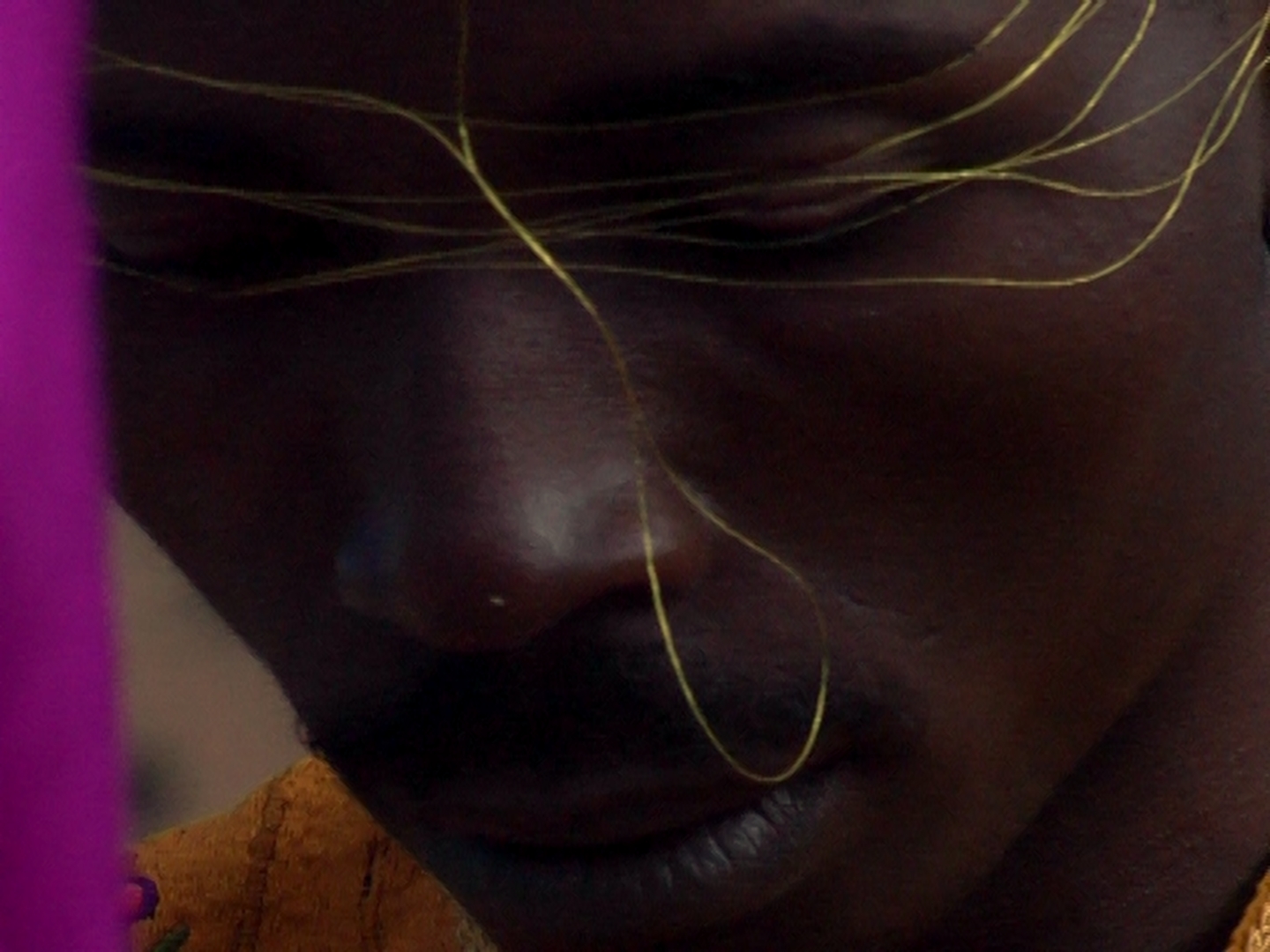
The title “Daftar” comes from the Armenian mystic poet Sayat Nova and evokes a notebook composed of multiple scripts, visible or invisible depending on light and position. This shifting manuscript becomes the conceptual matrix of the installation: languages, technologies, gestures, and temporalities overlap like palimpsests.
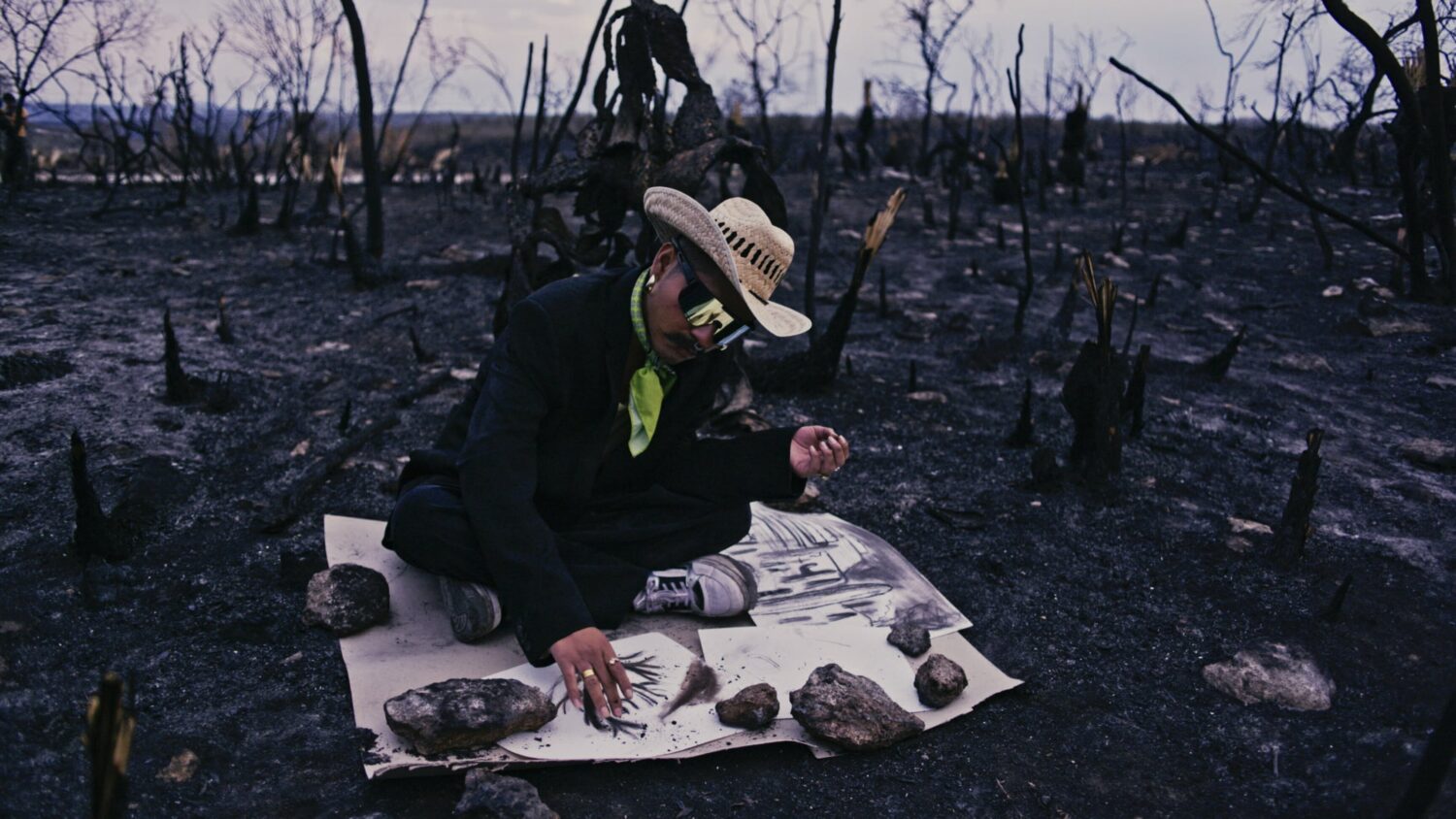
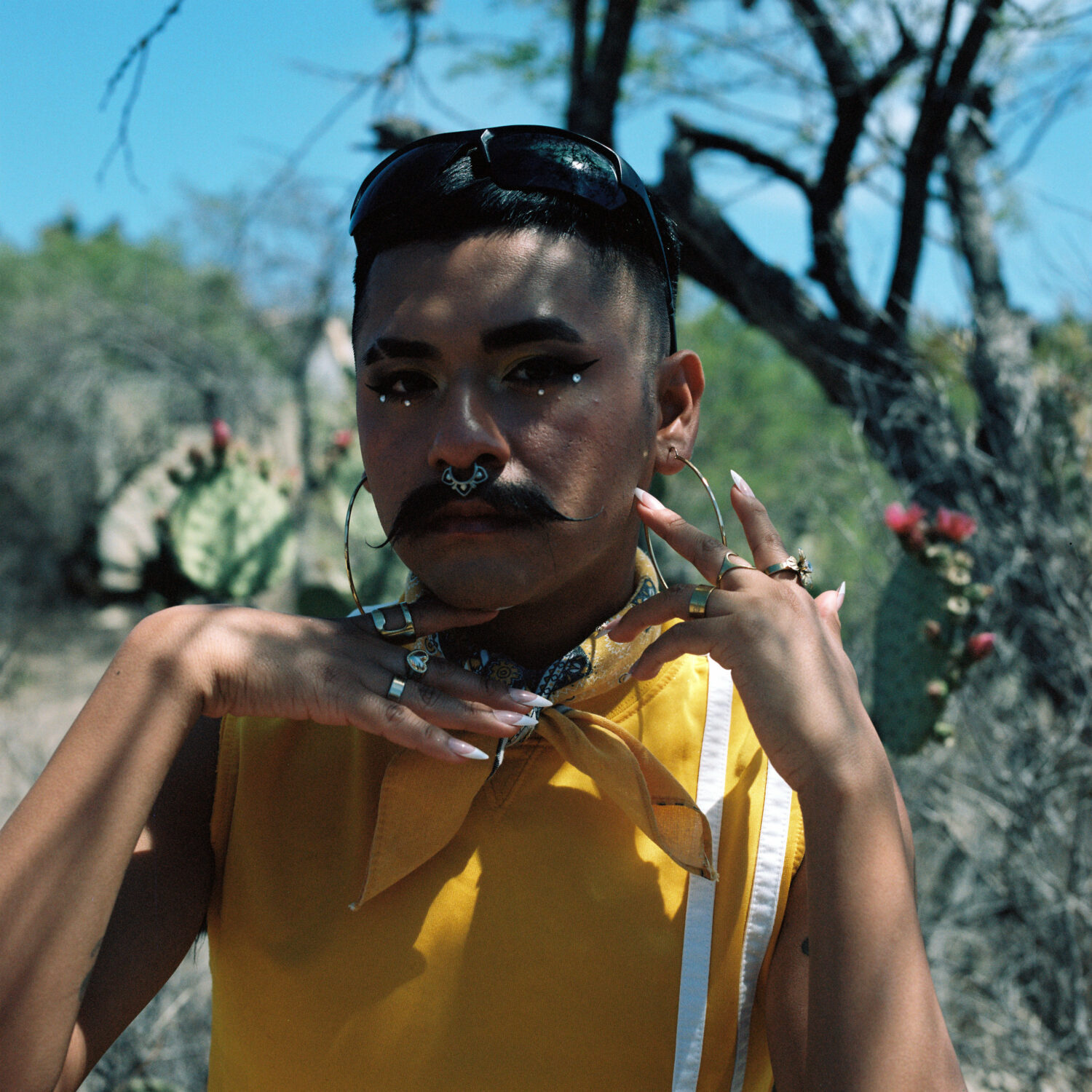
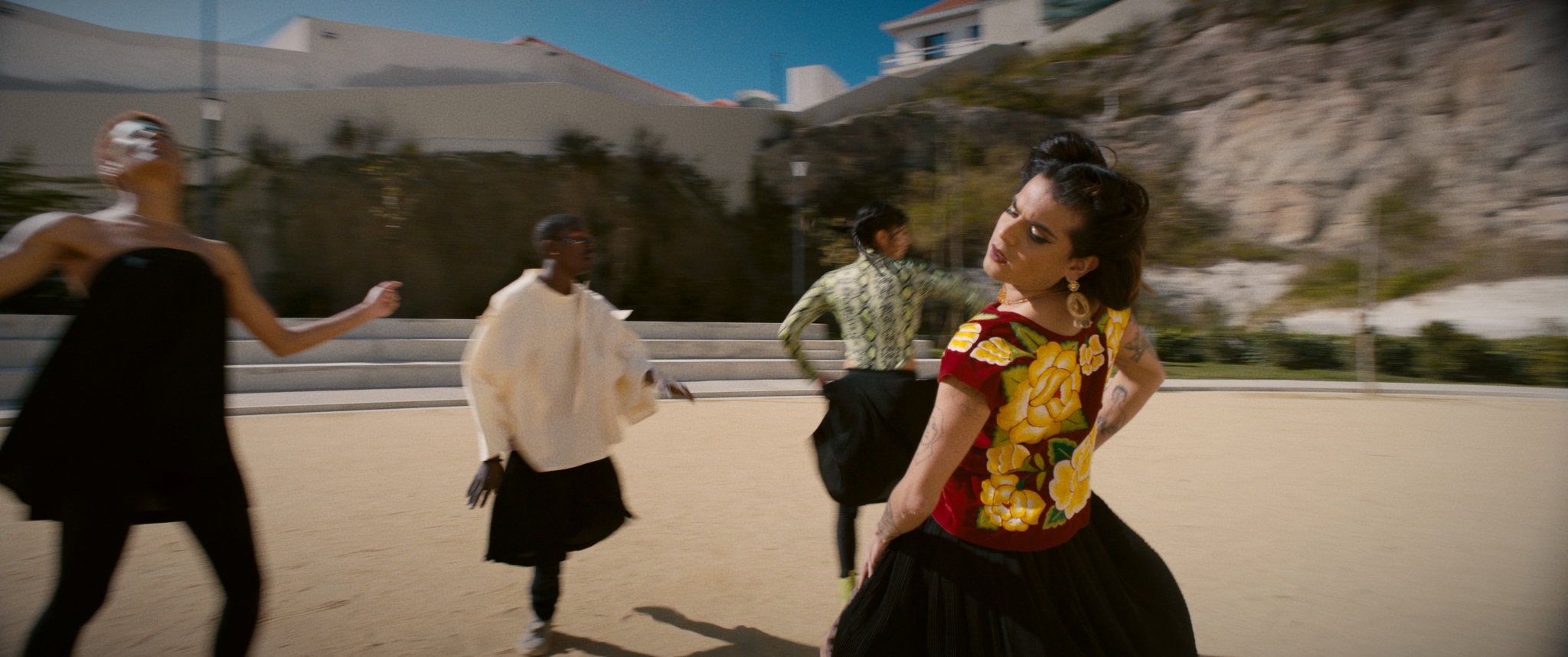
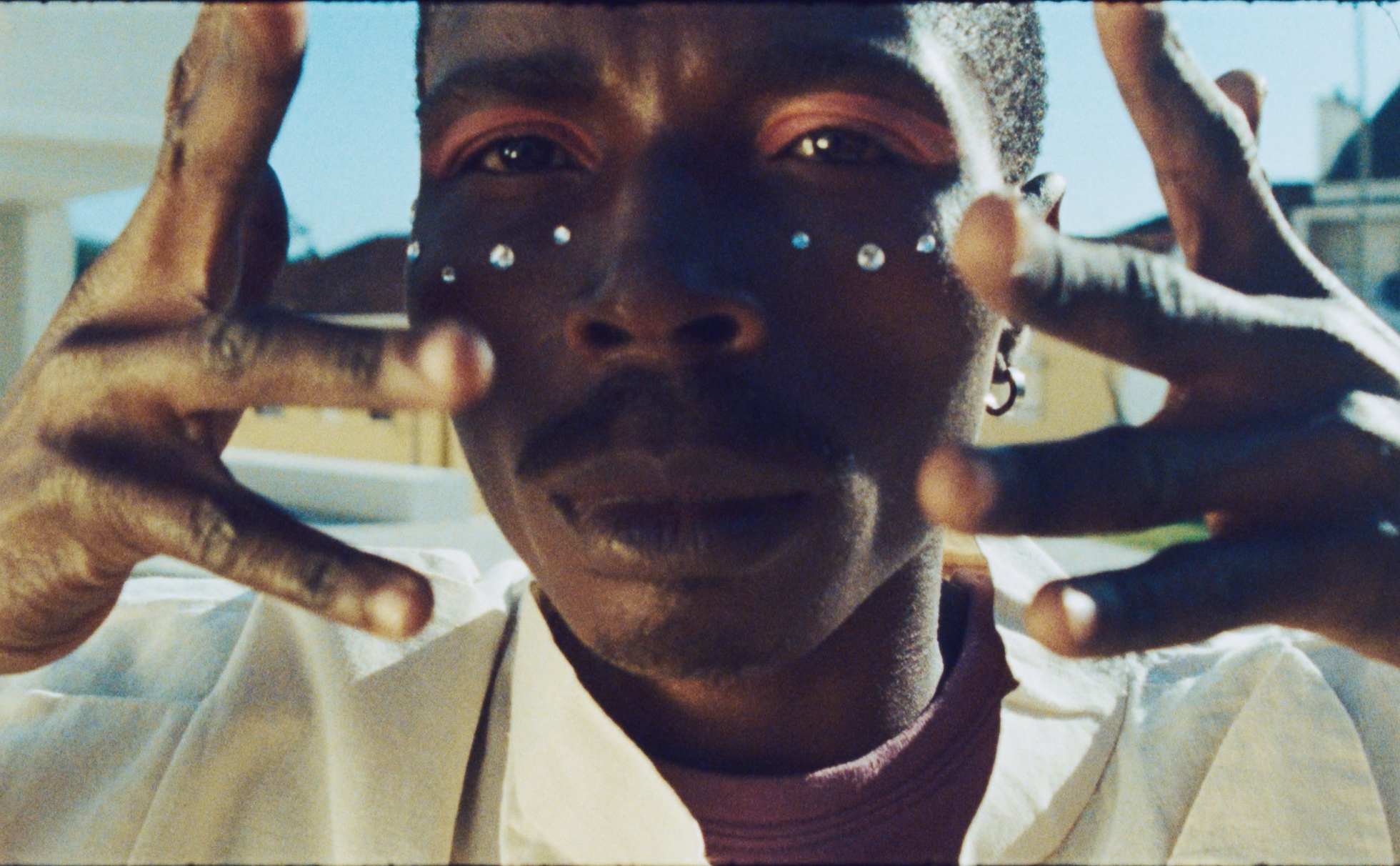
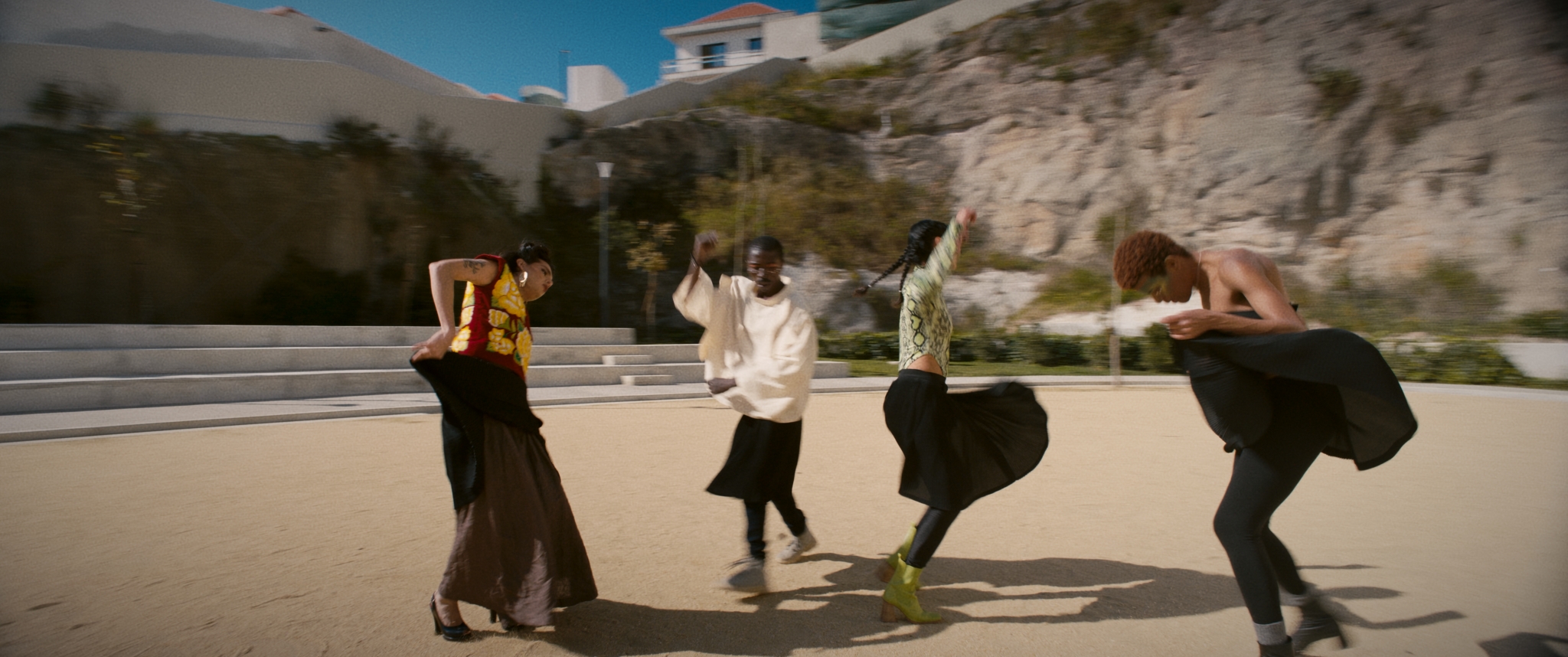
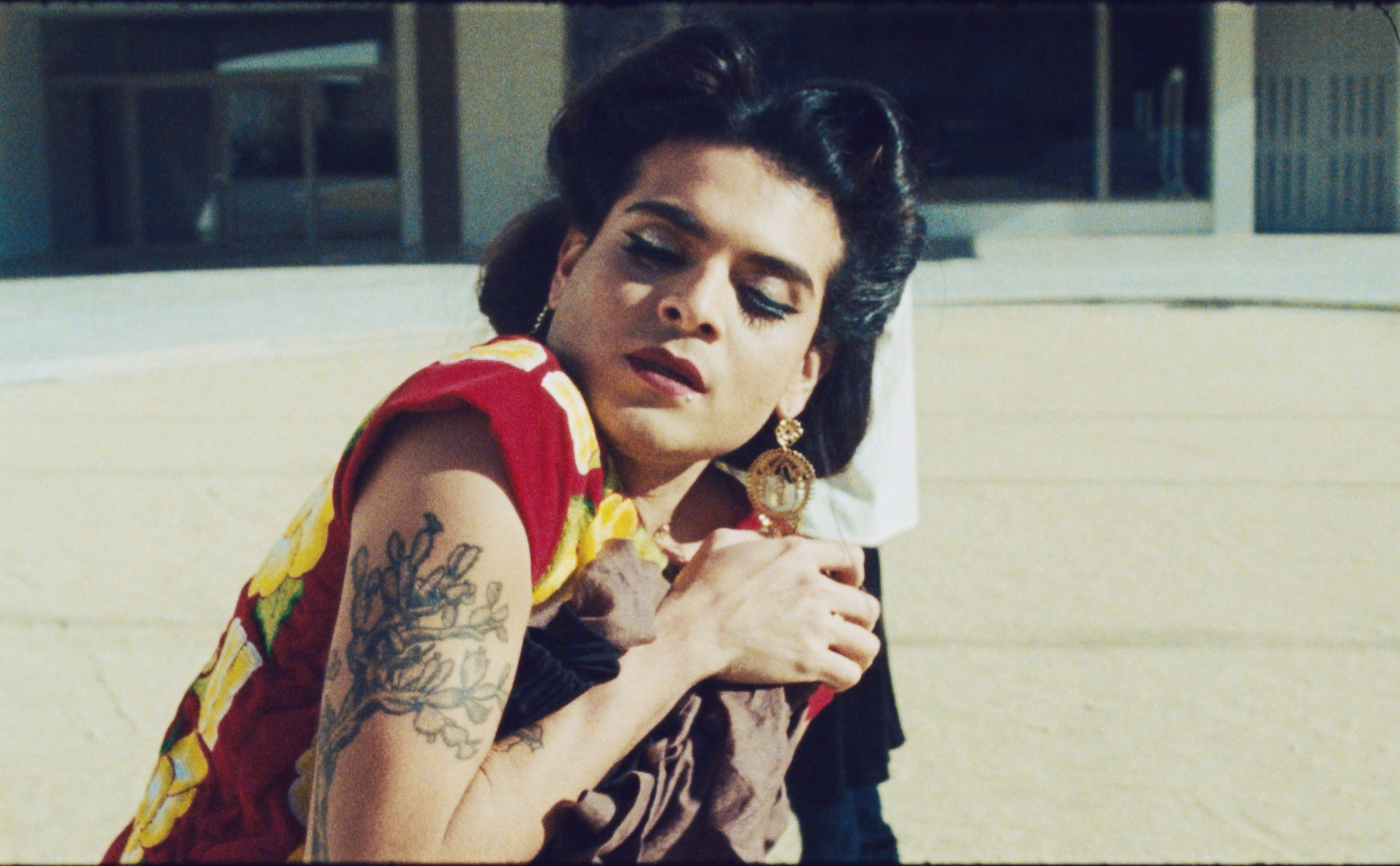
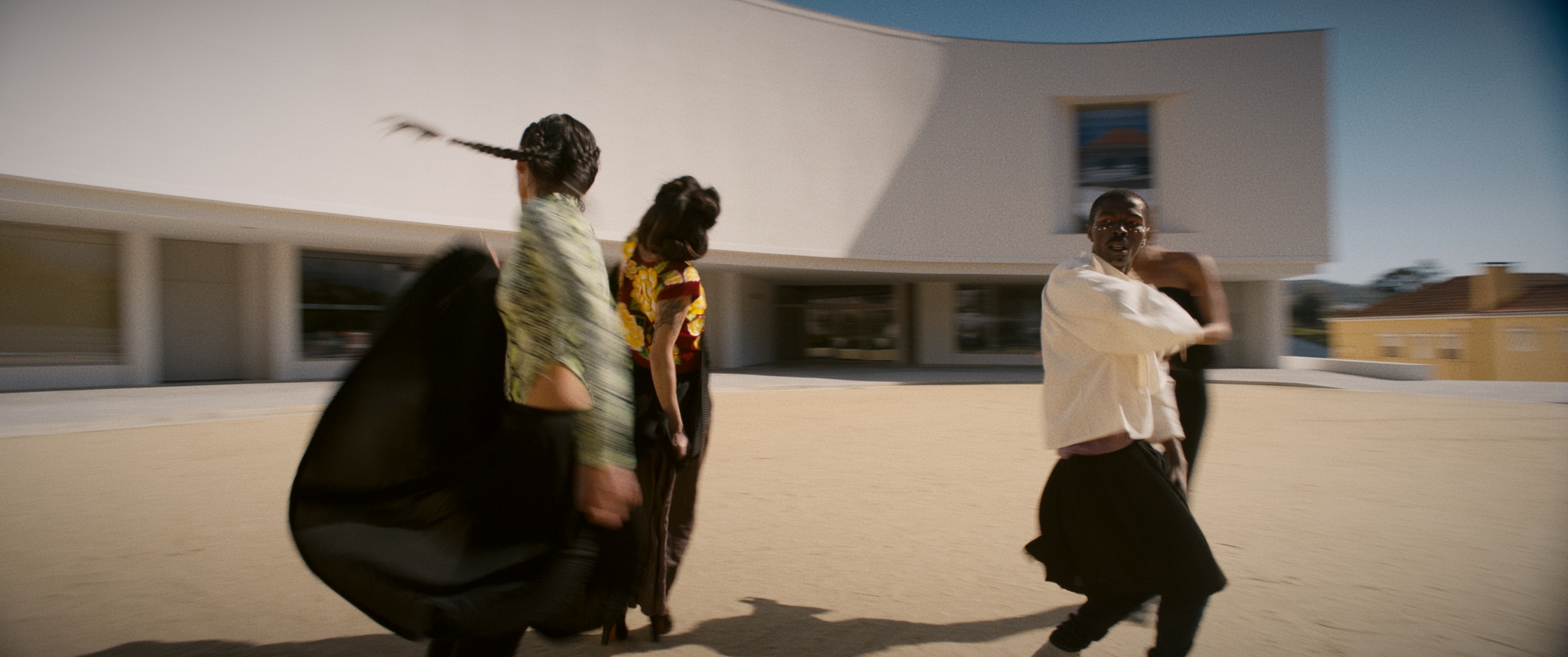
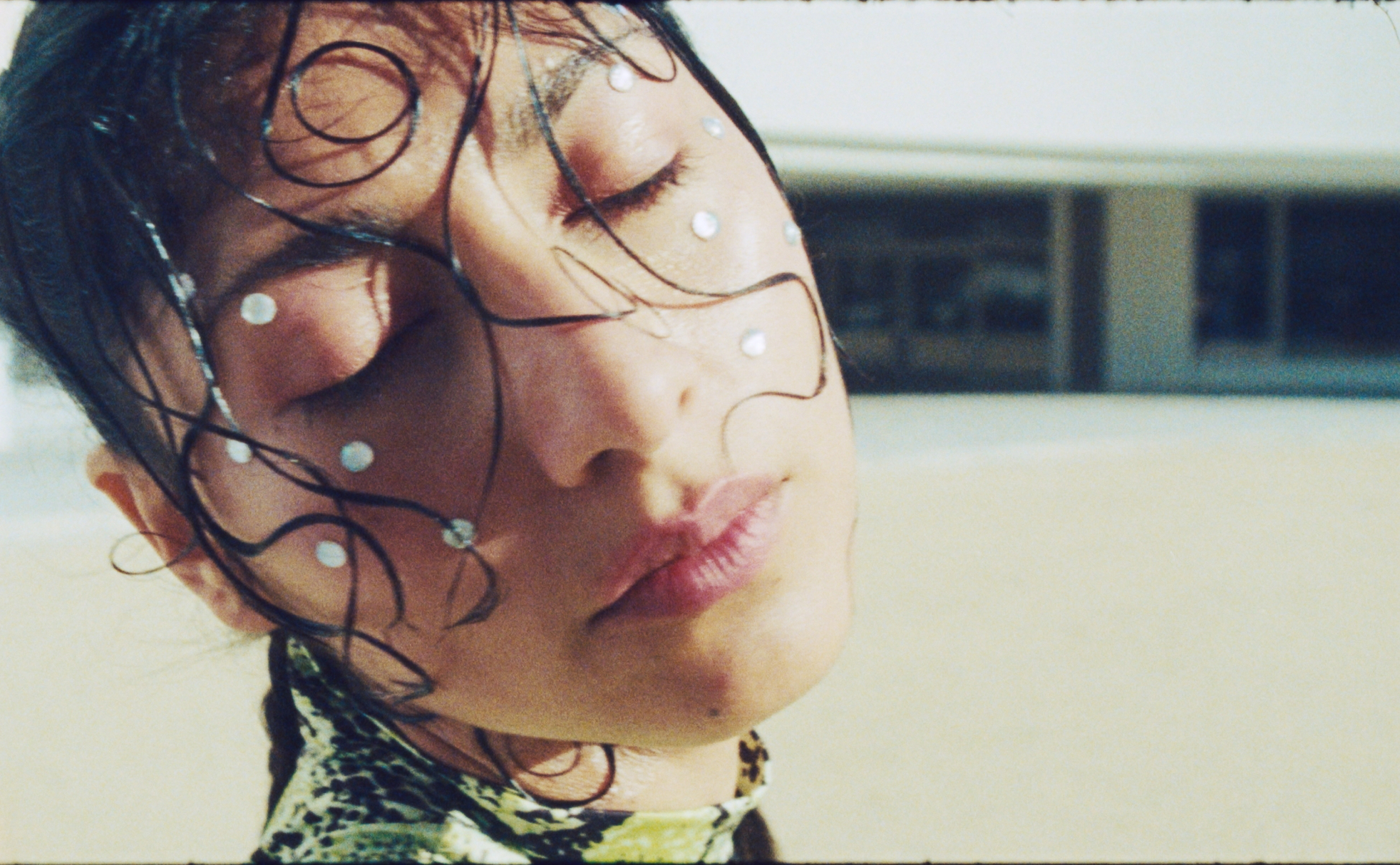
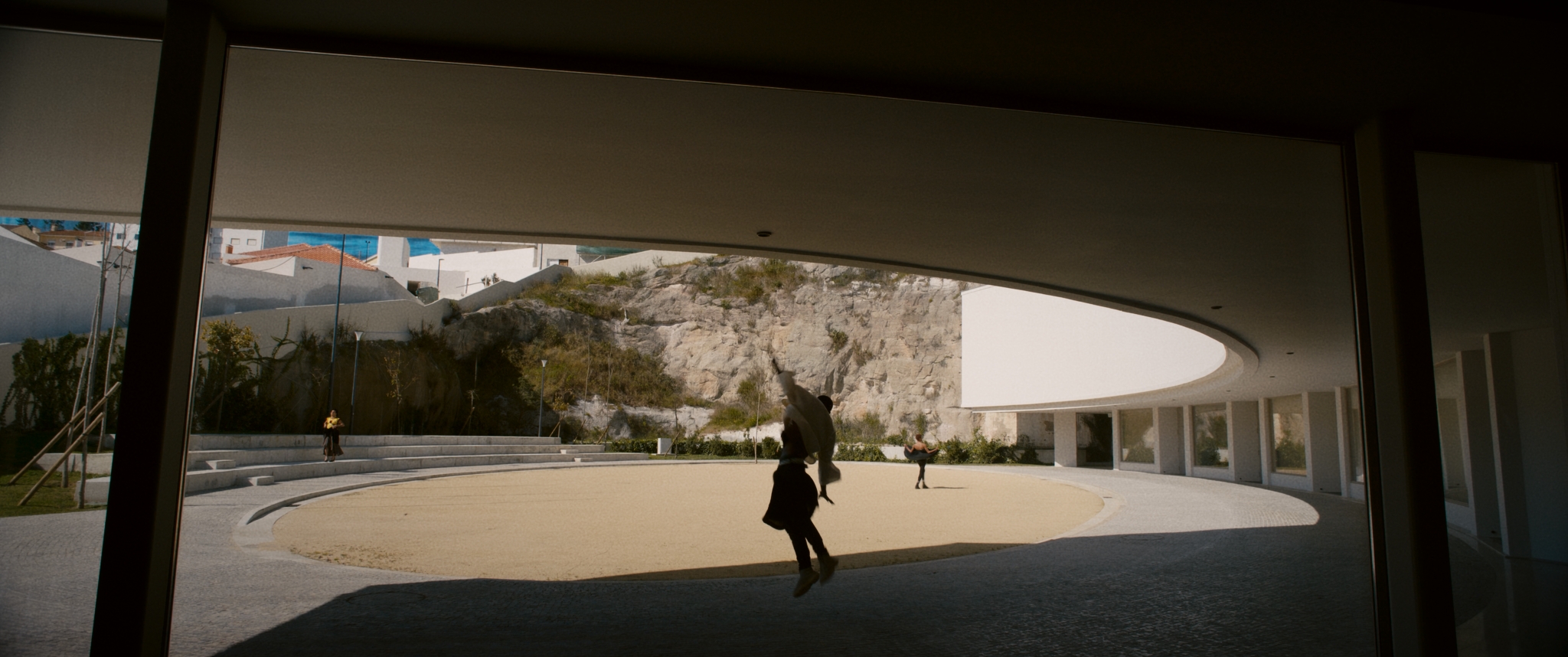
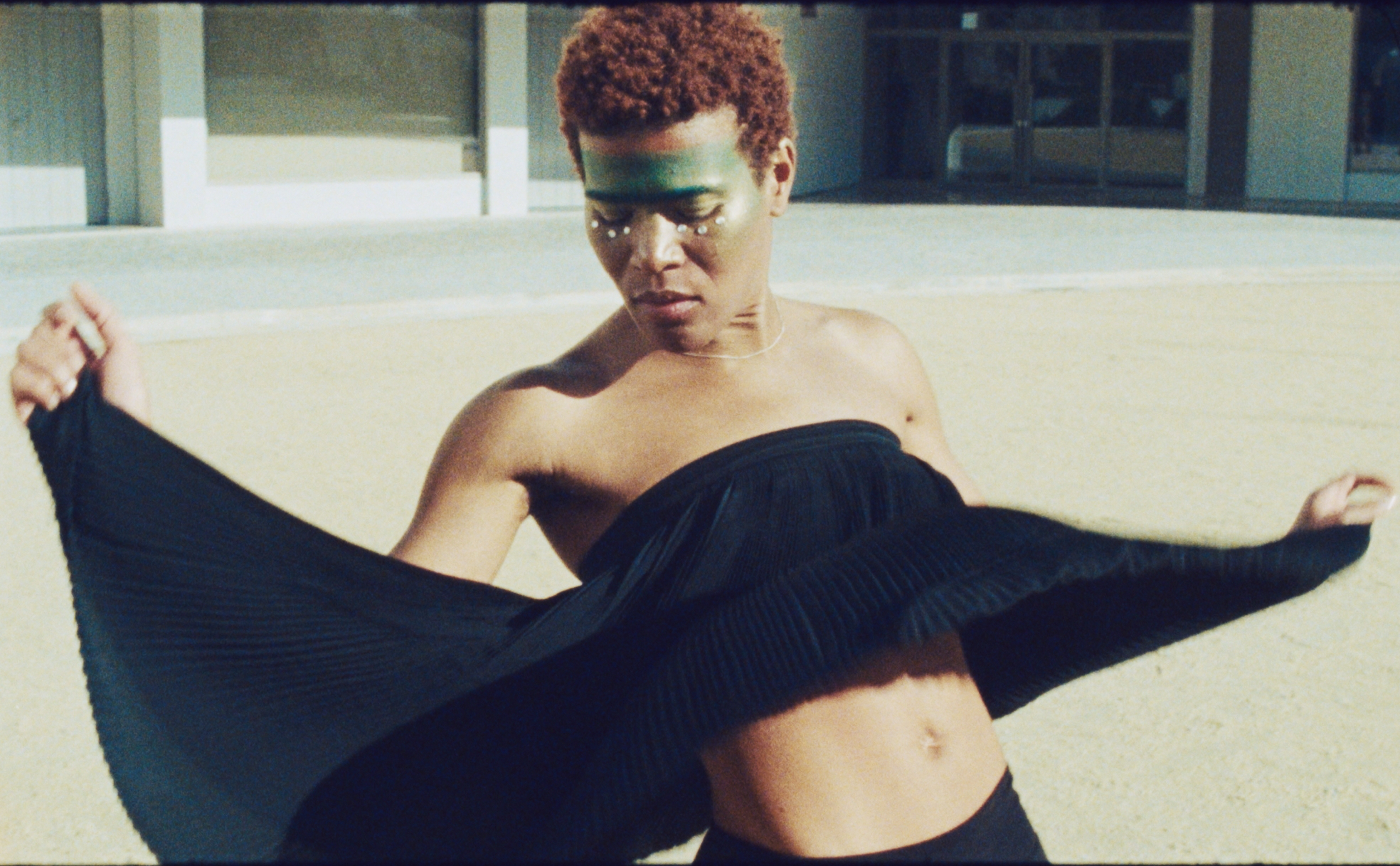
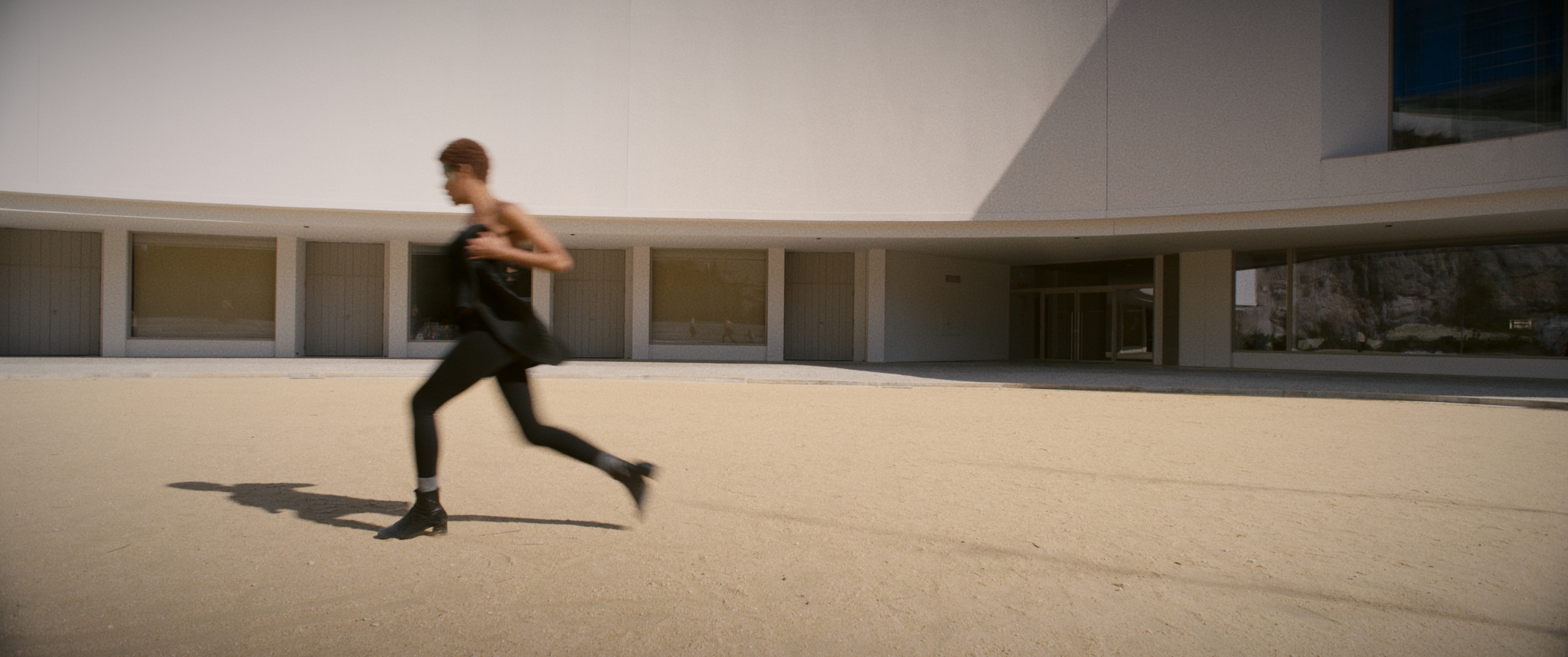
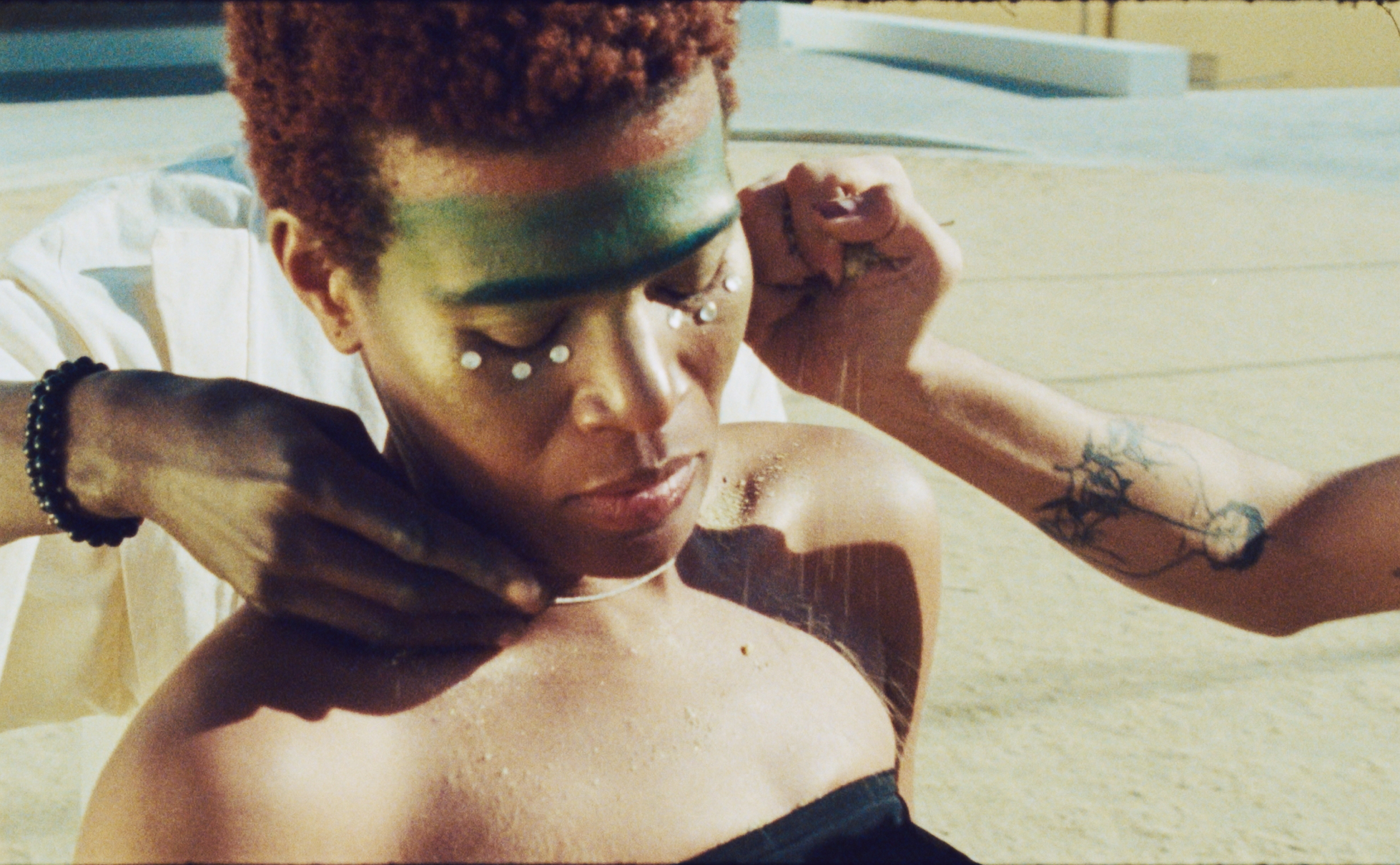
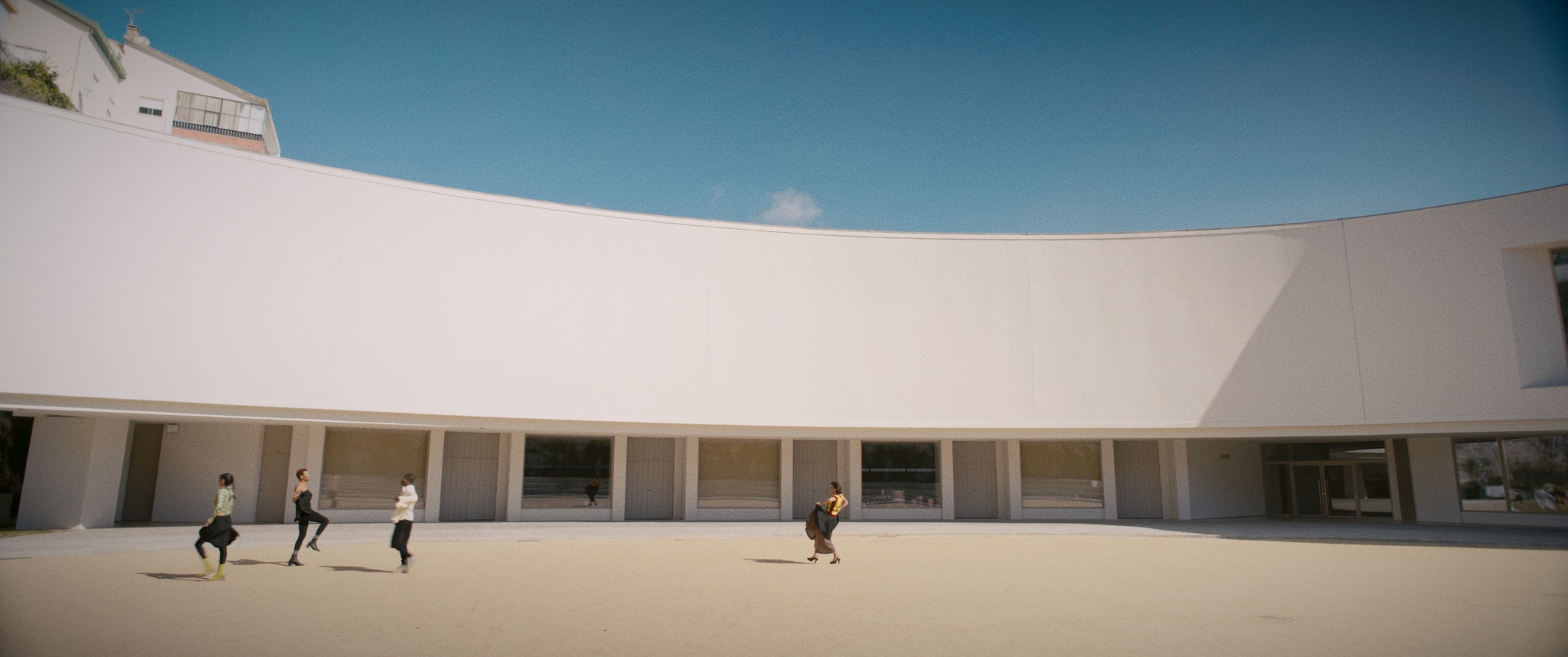
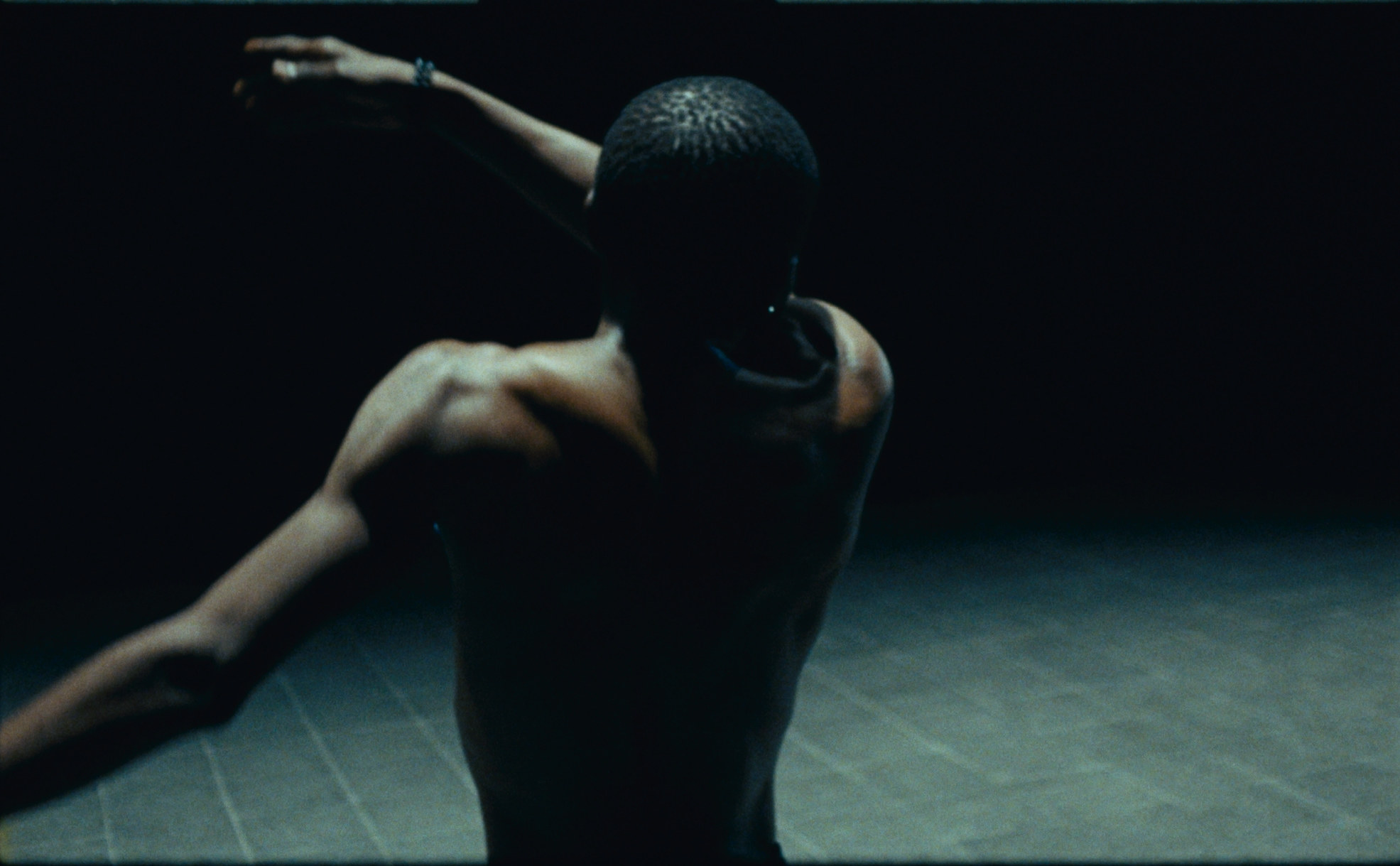
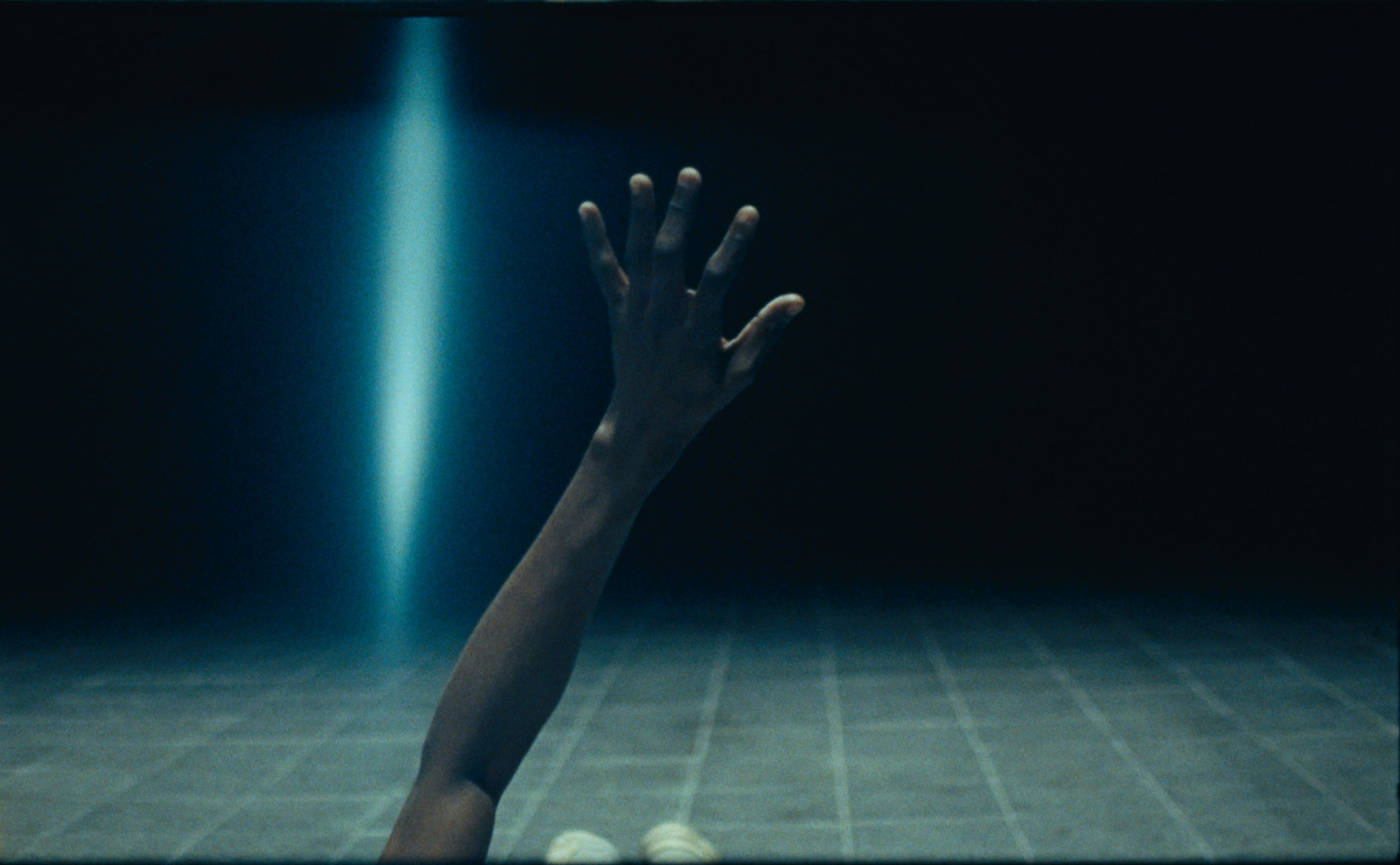
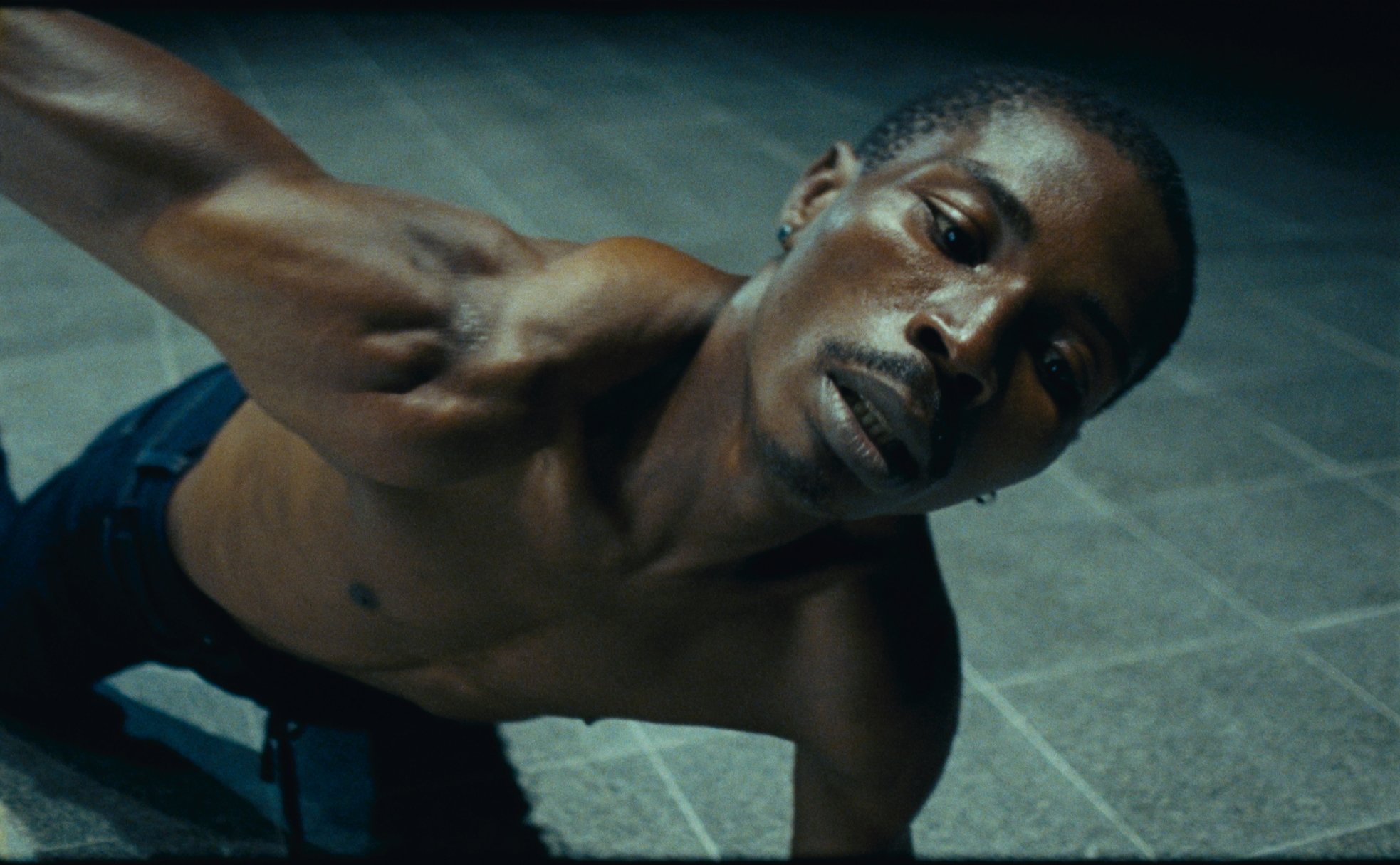
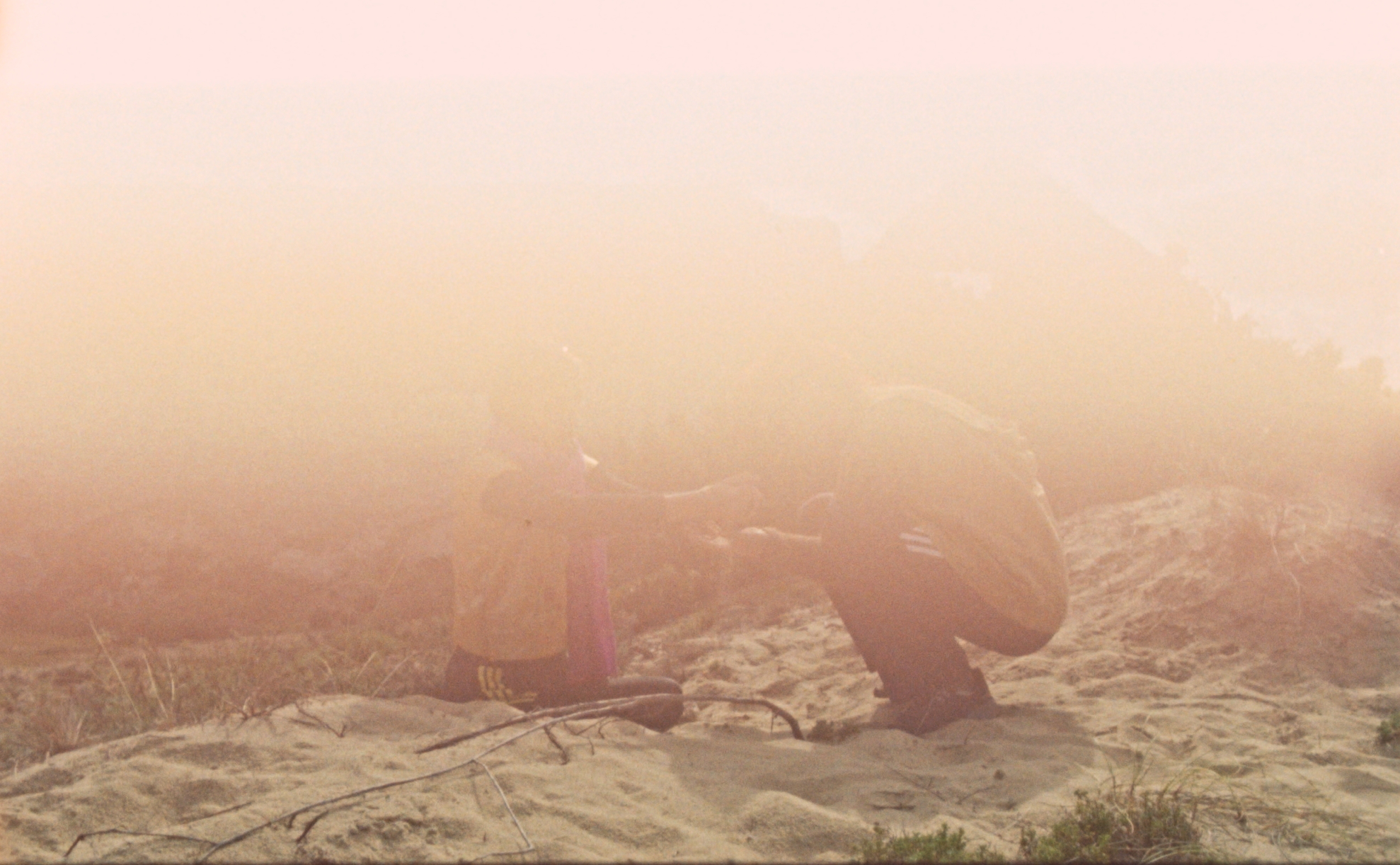
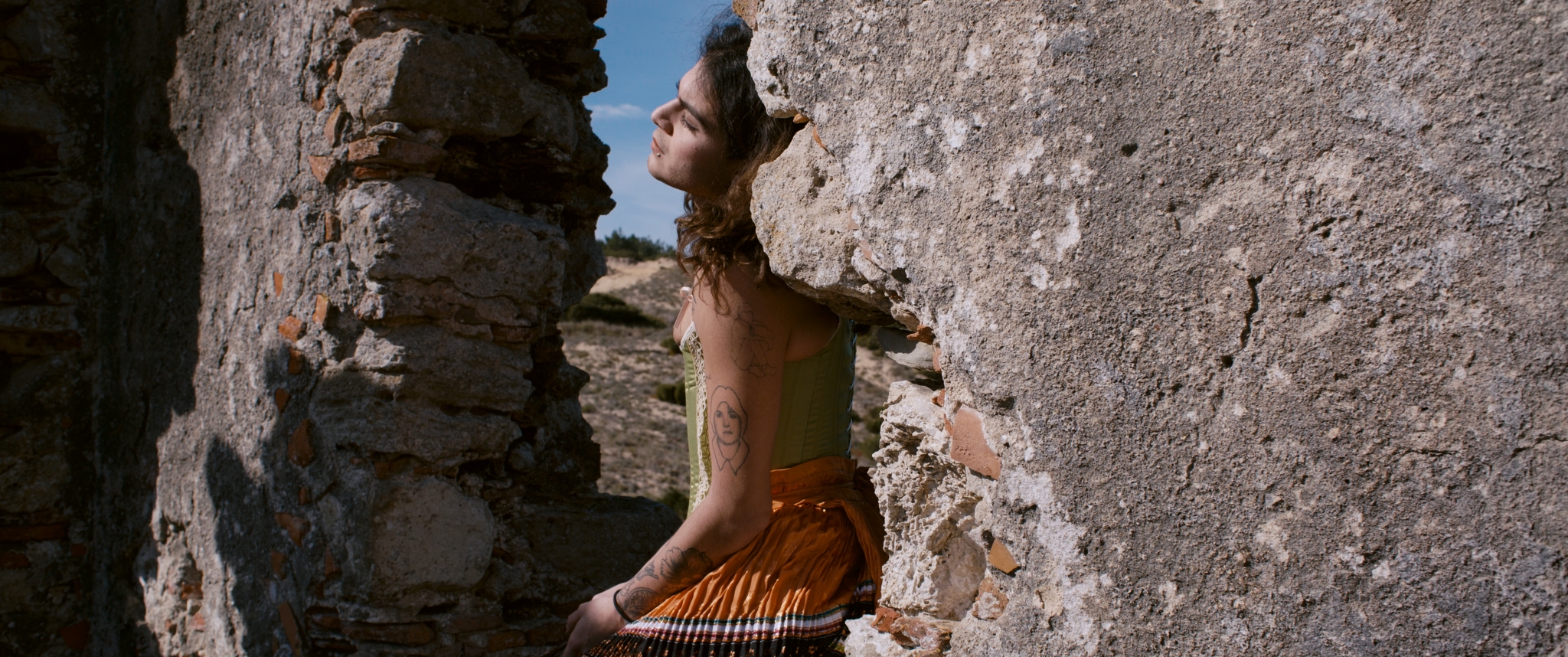
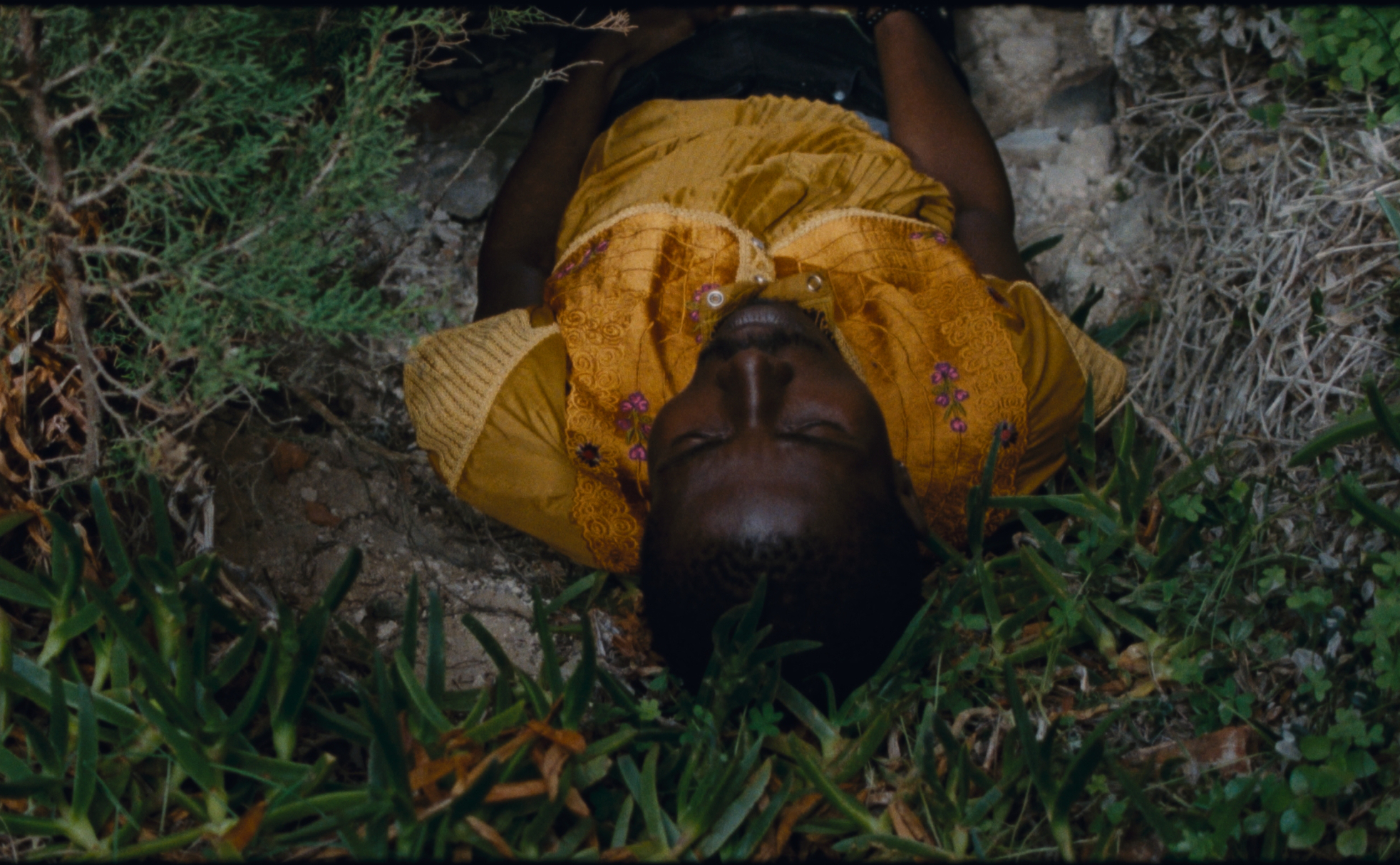
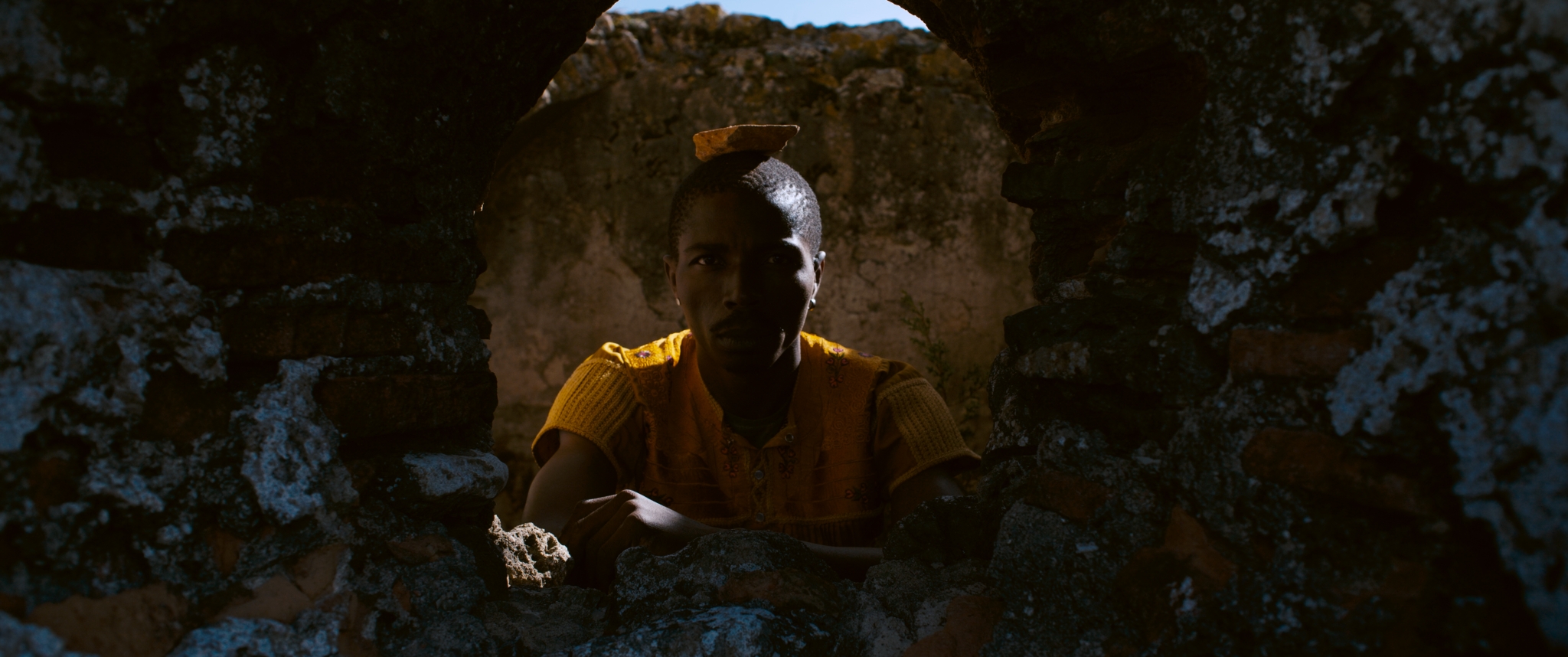
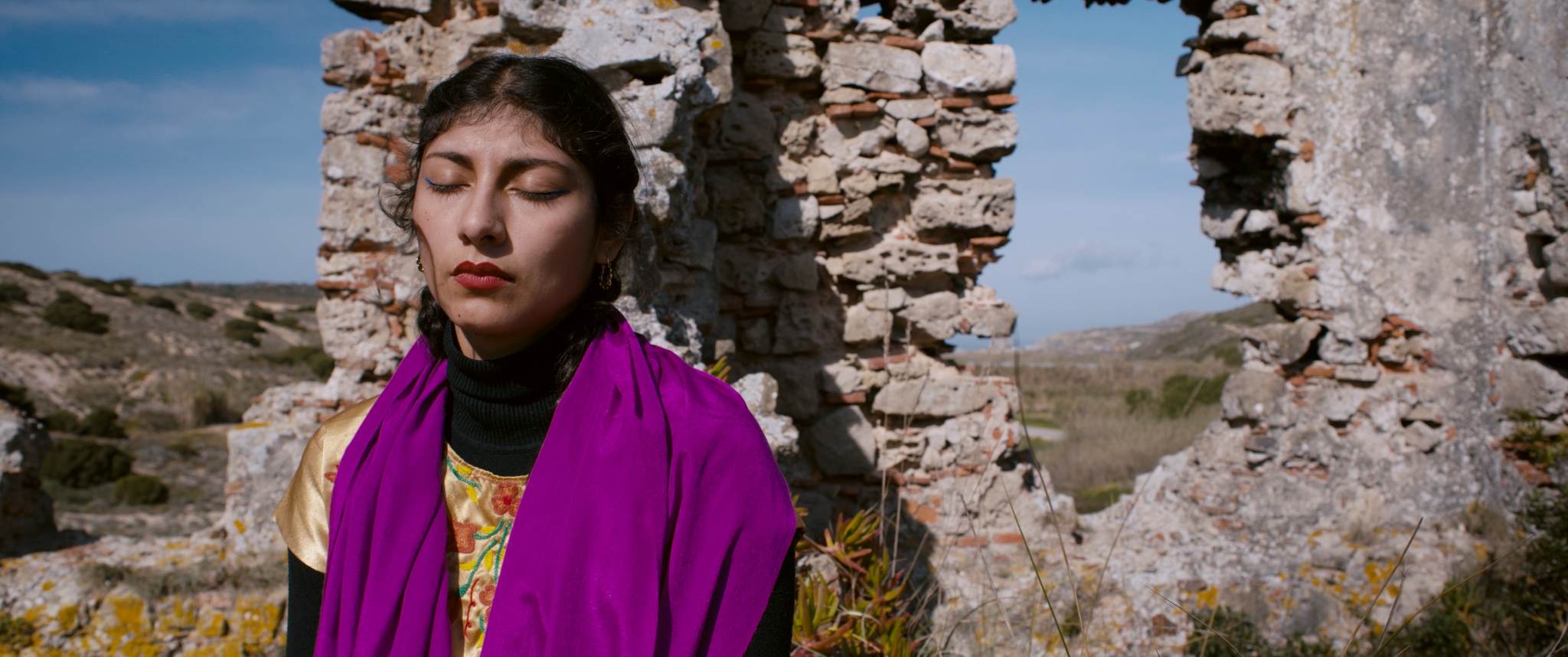
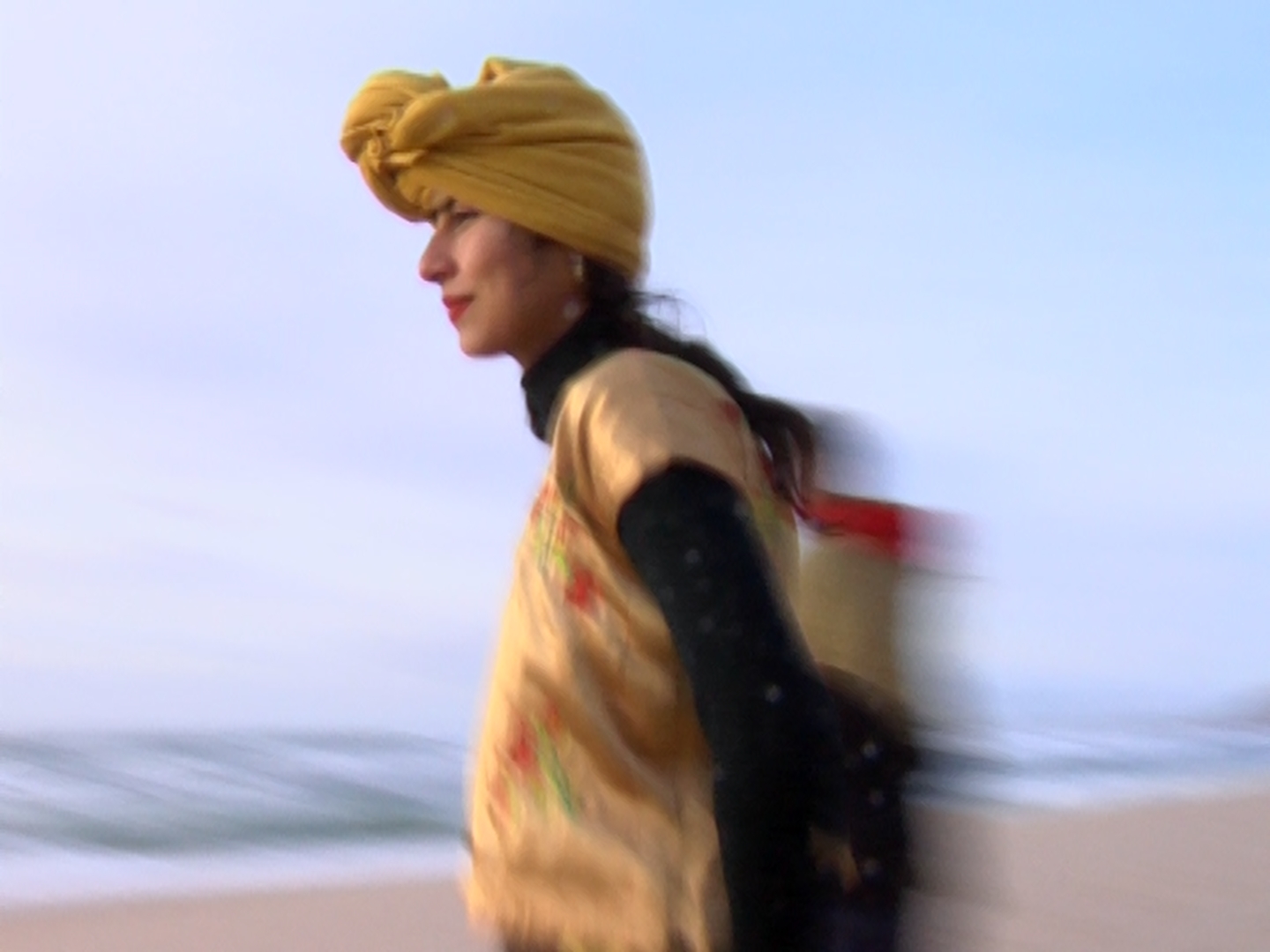
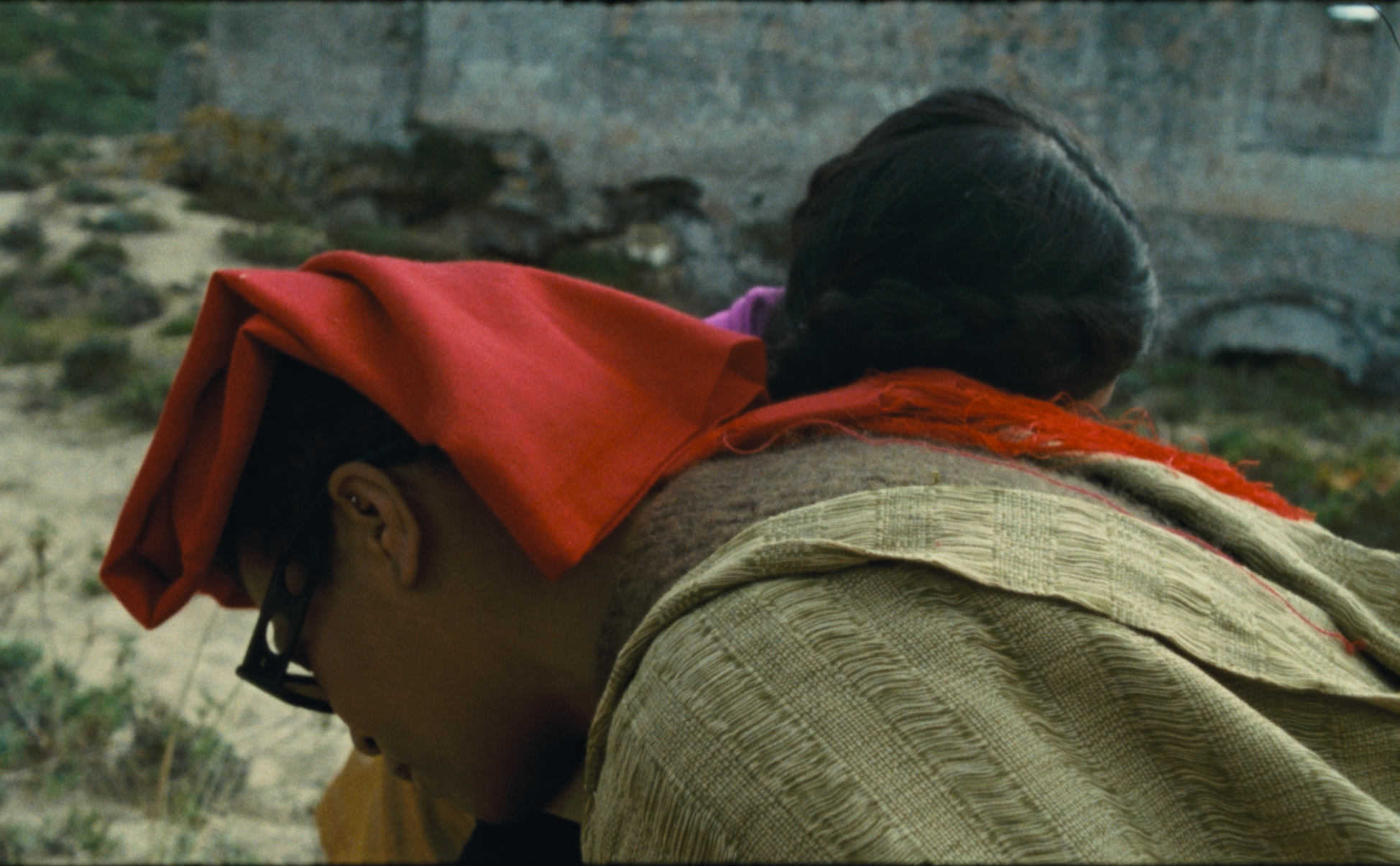
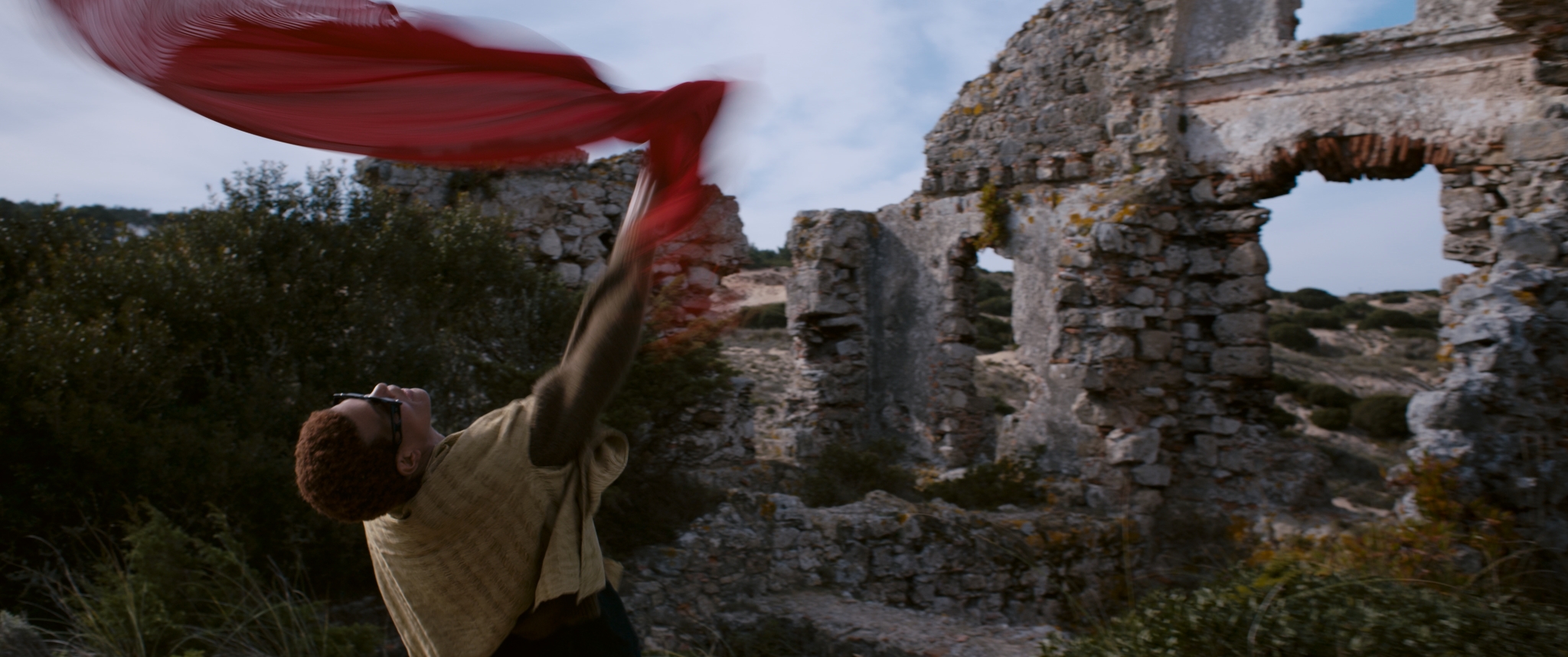
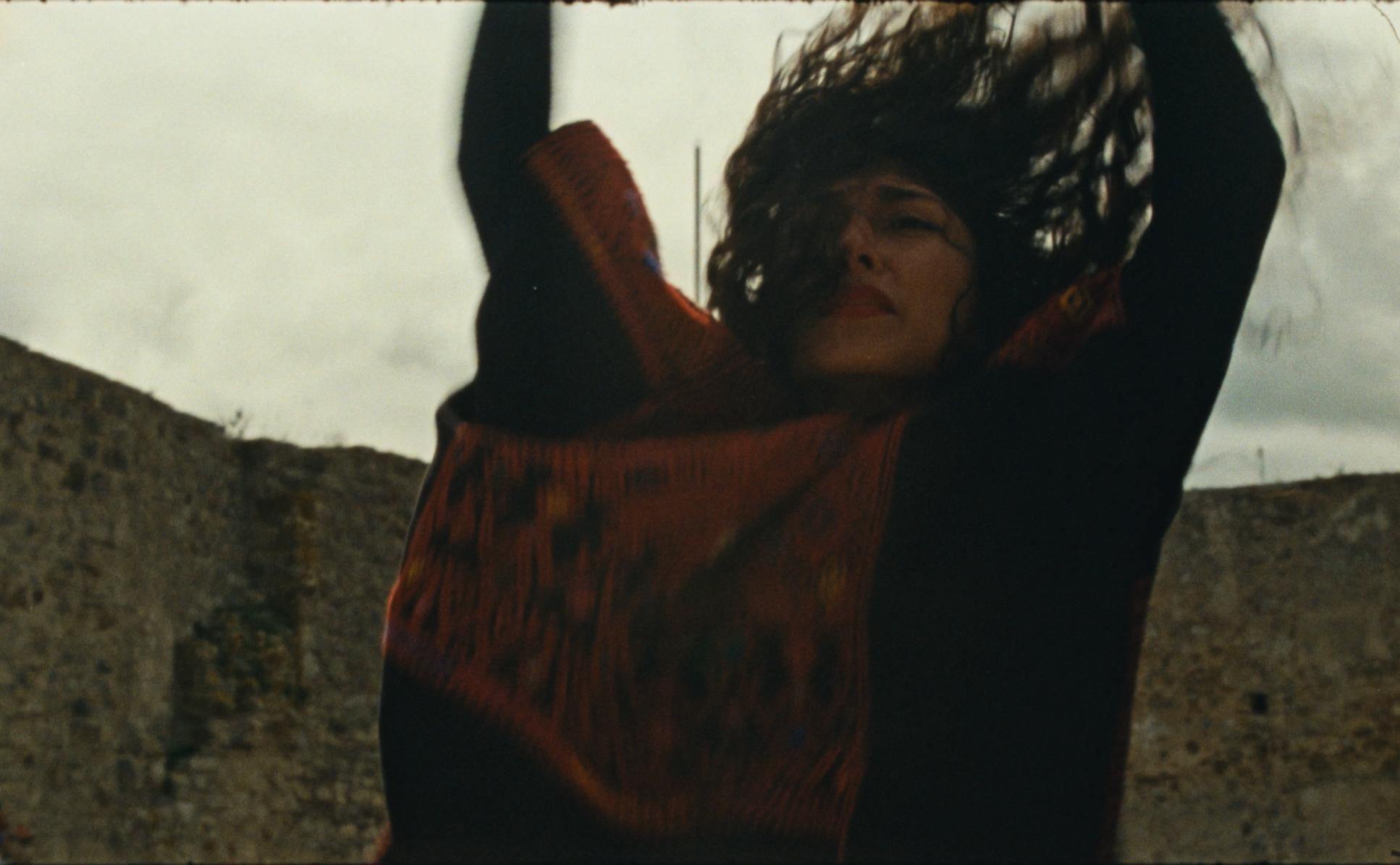
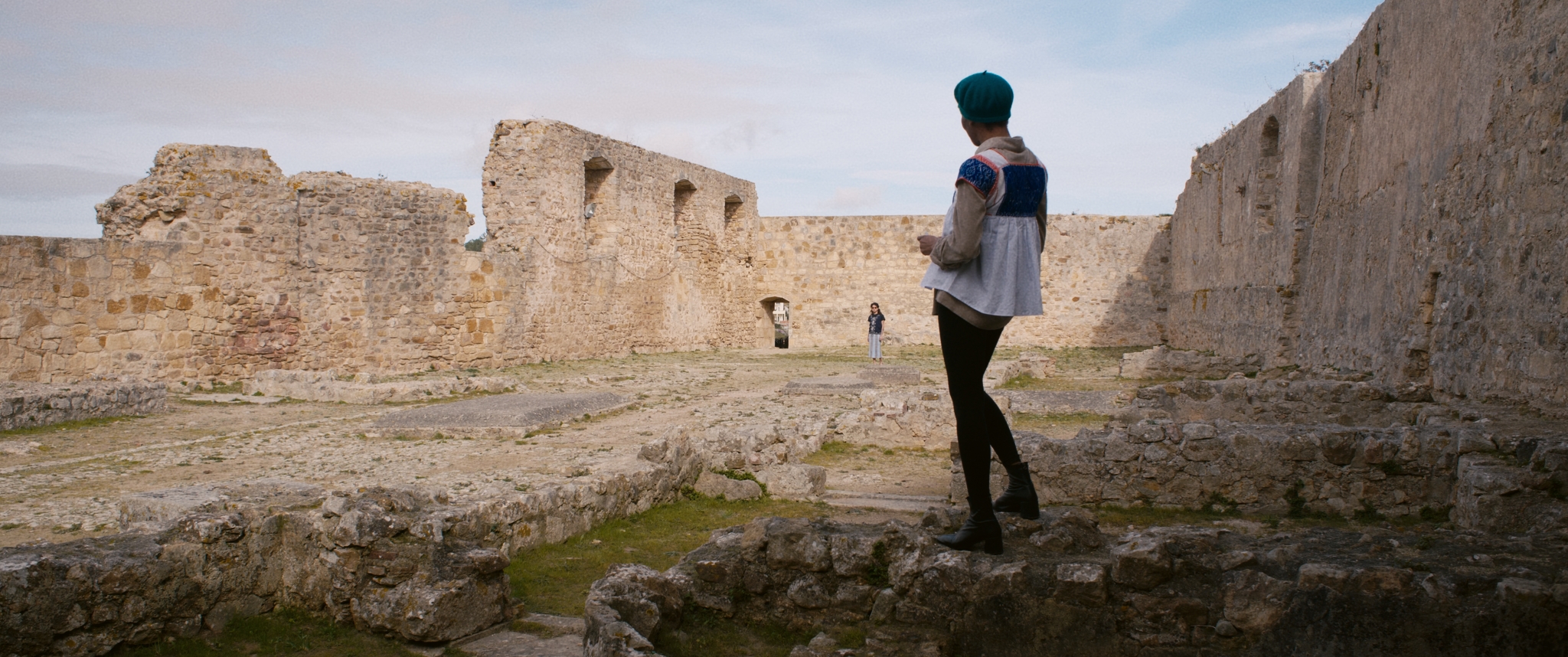
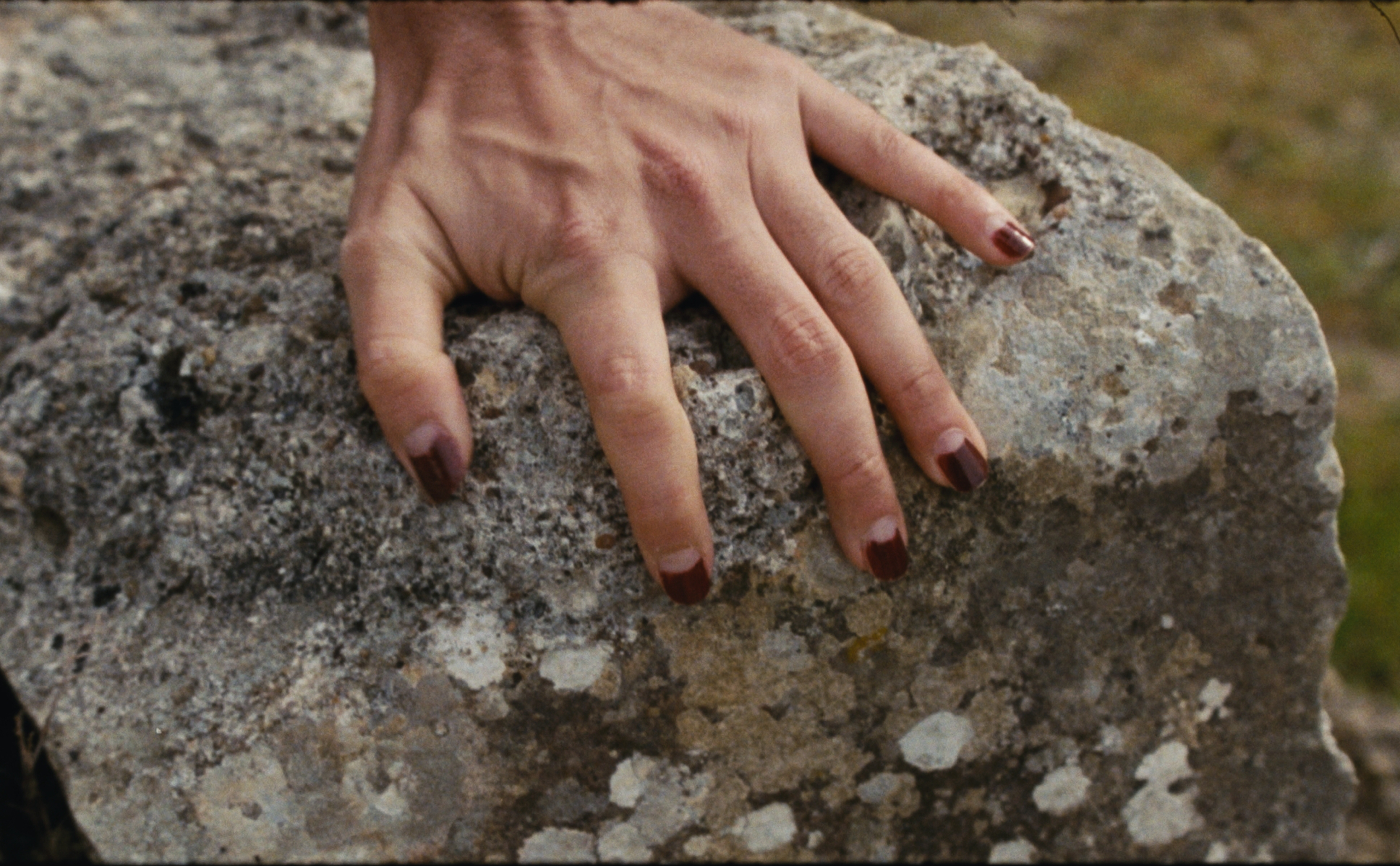
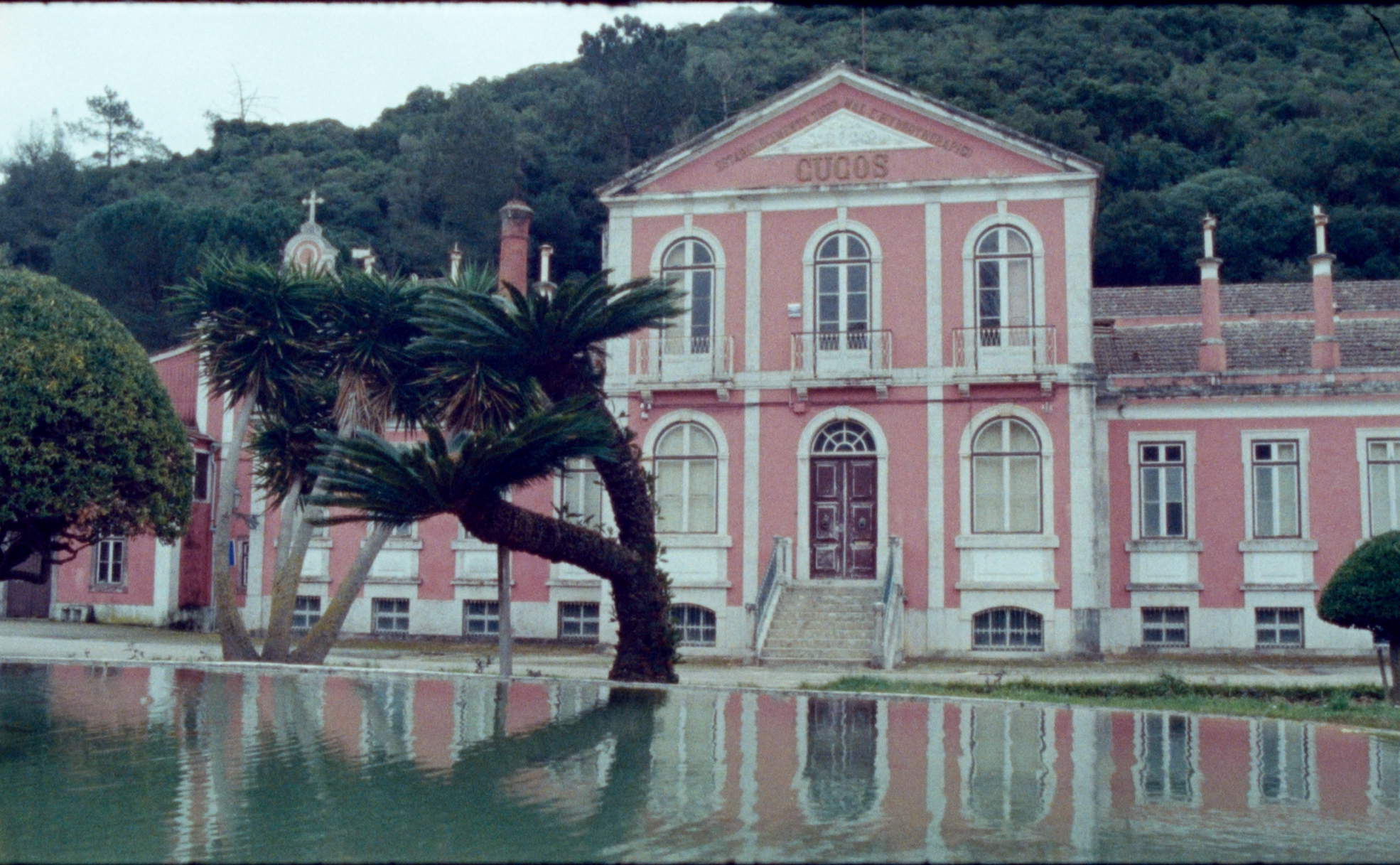
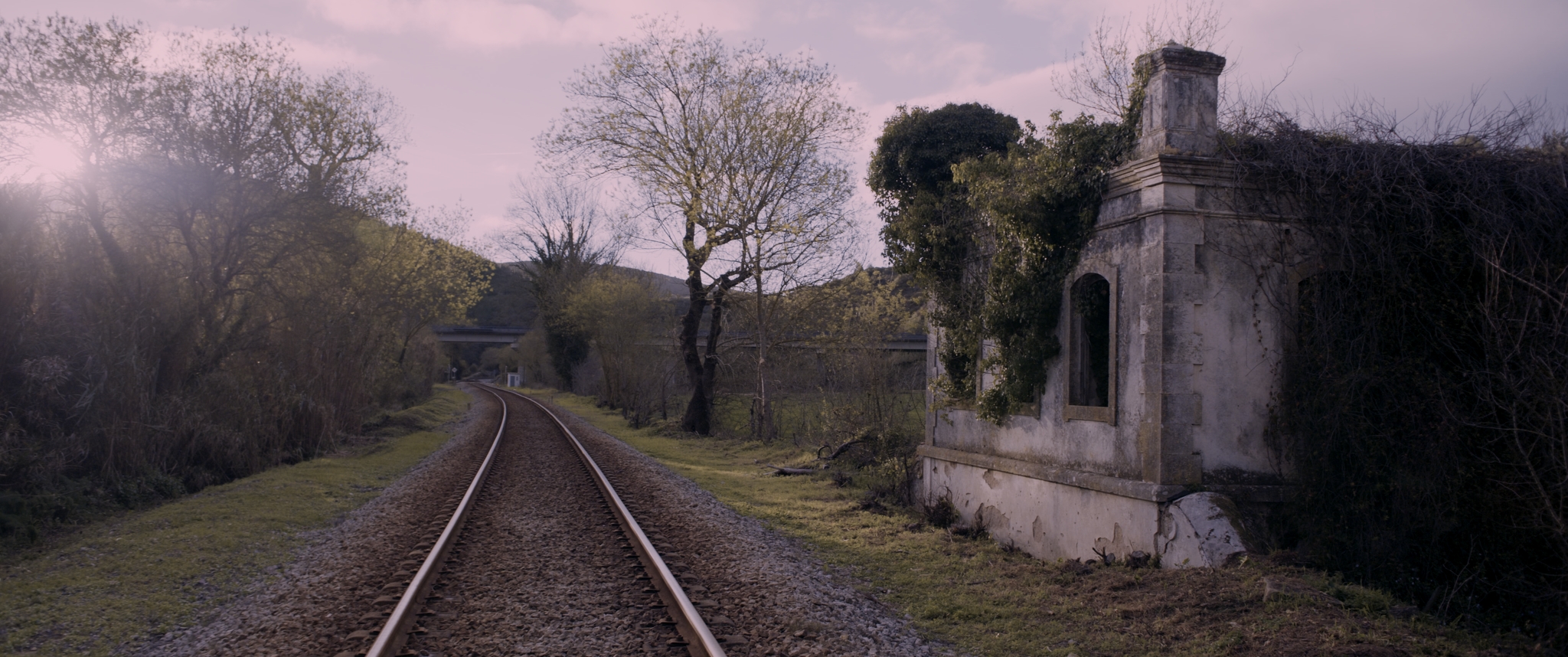
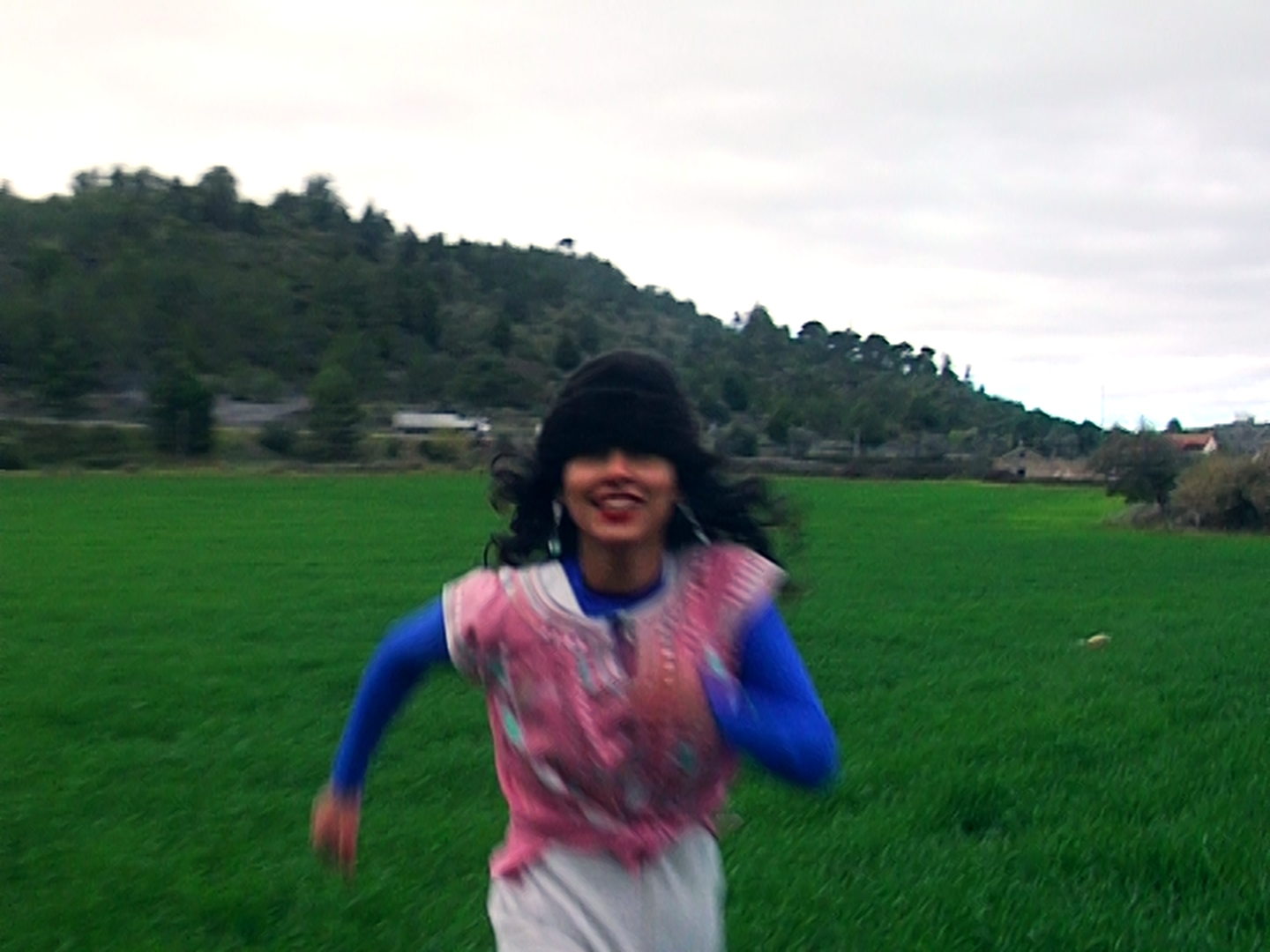
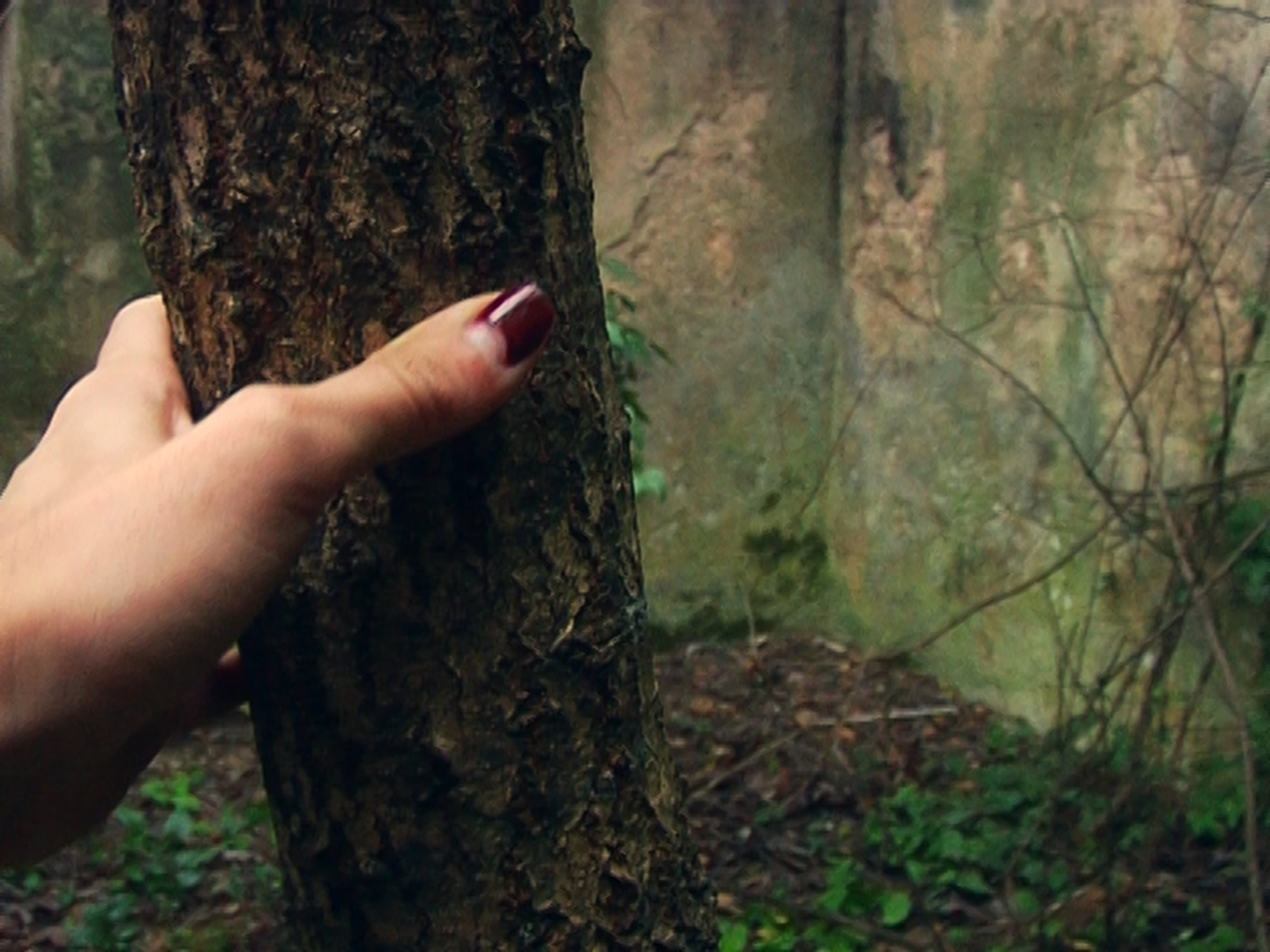
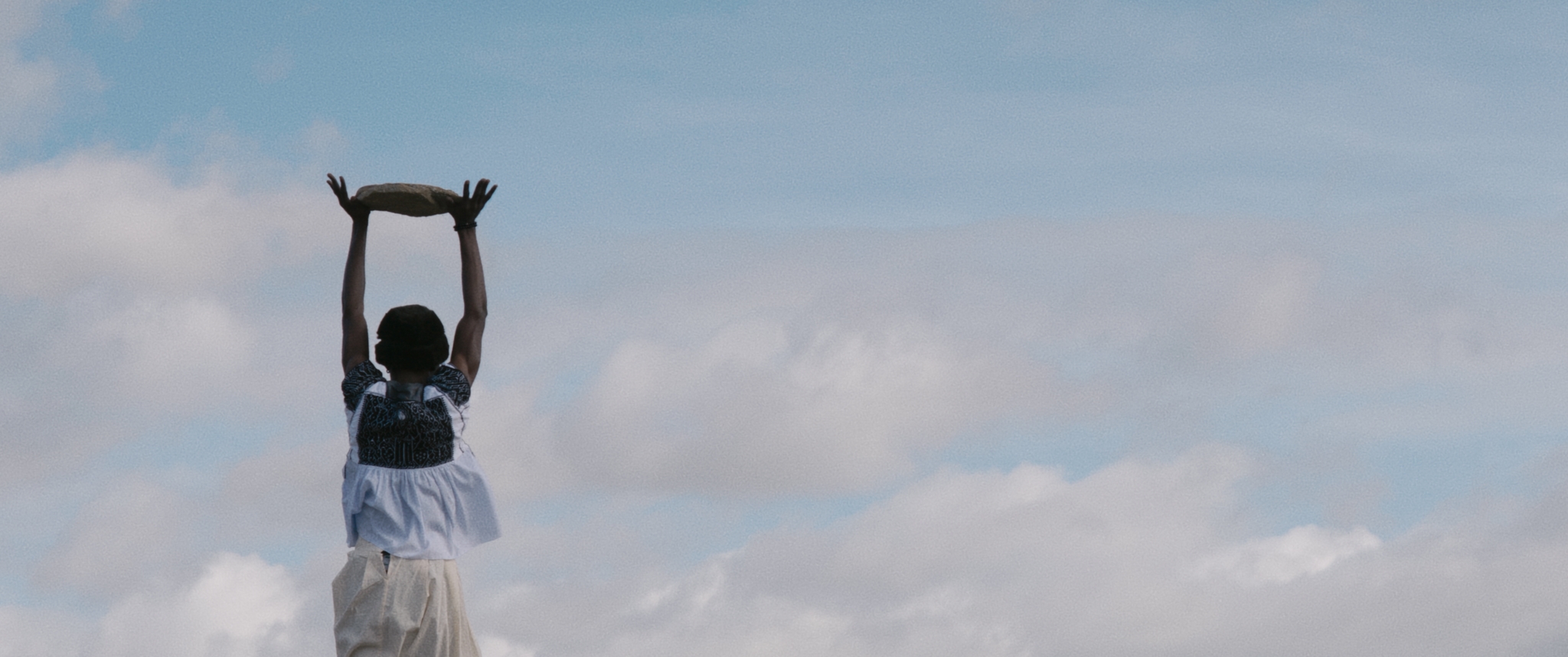
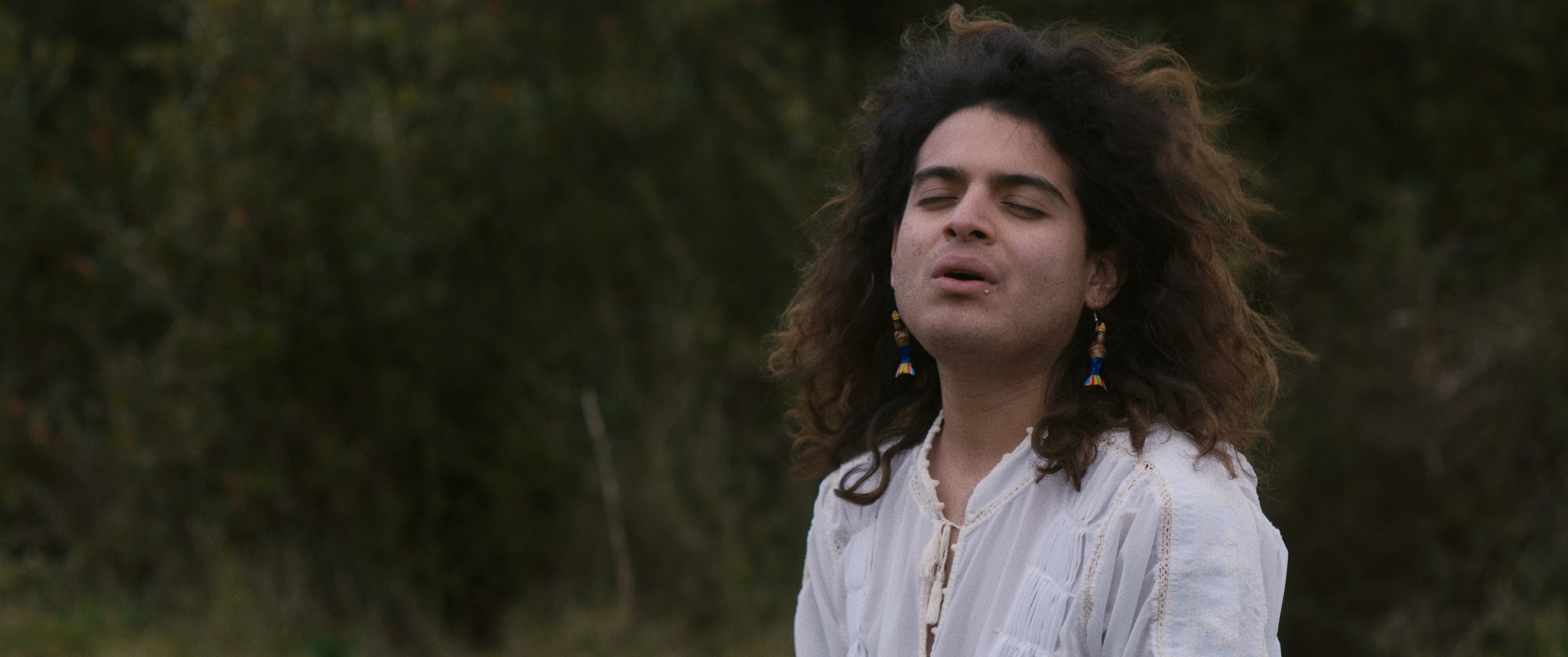
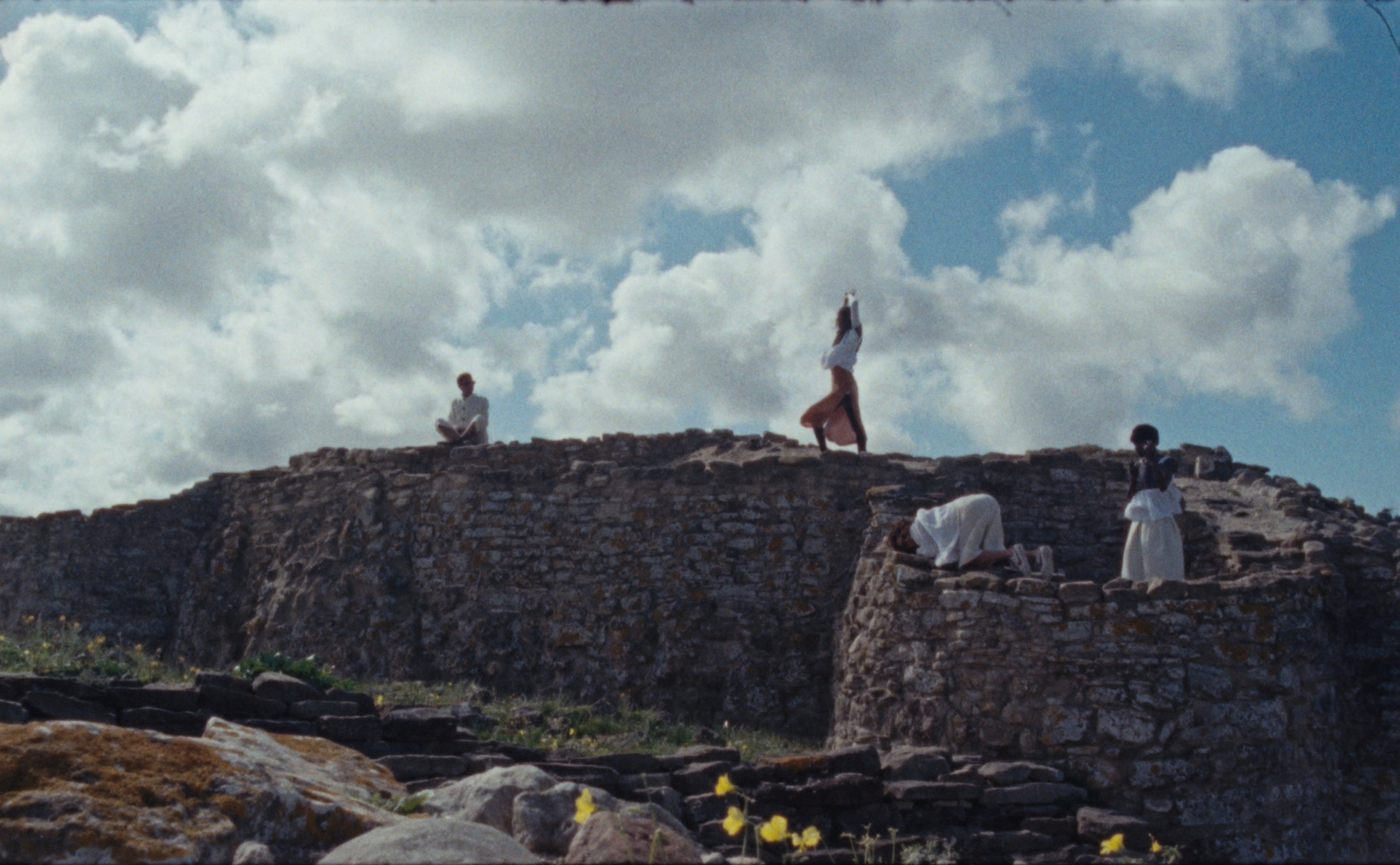
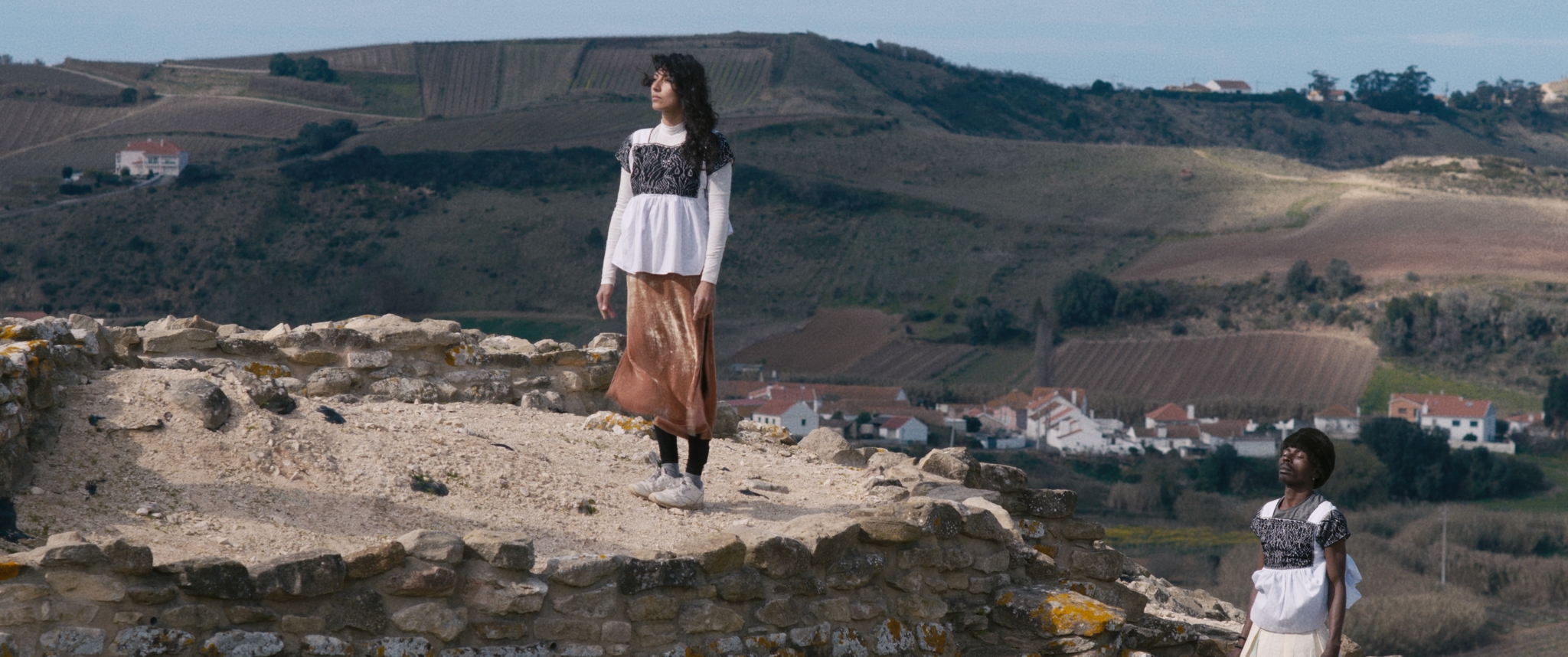
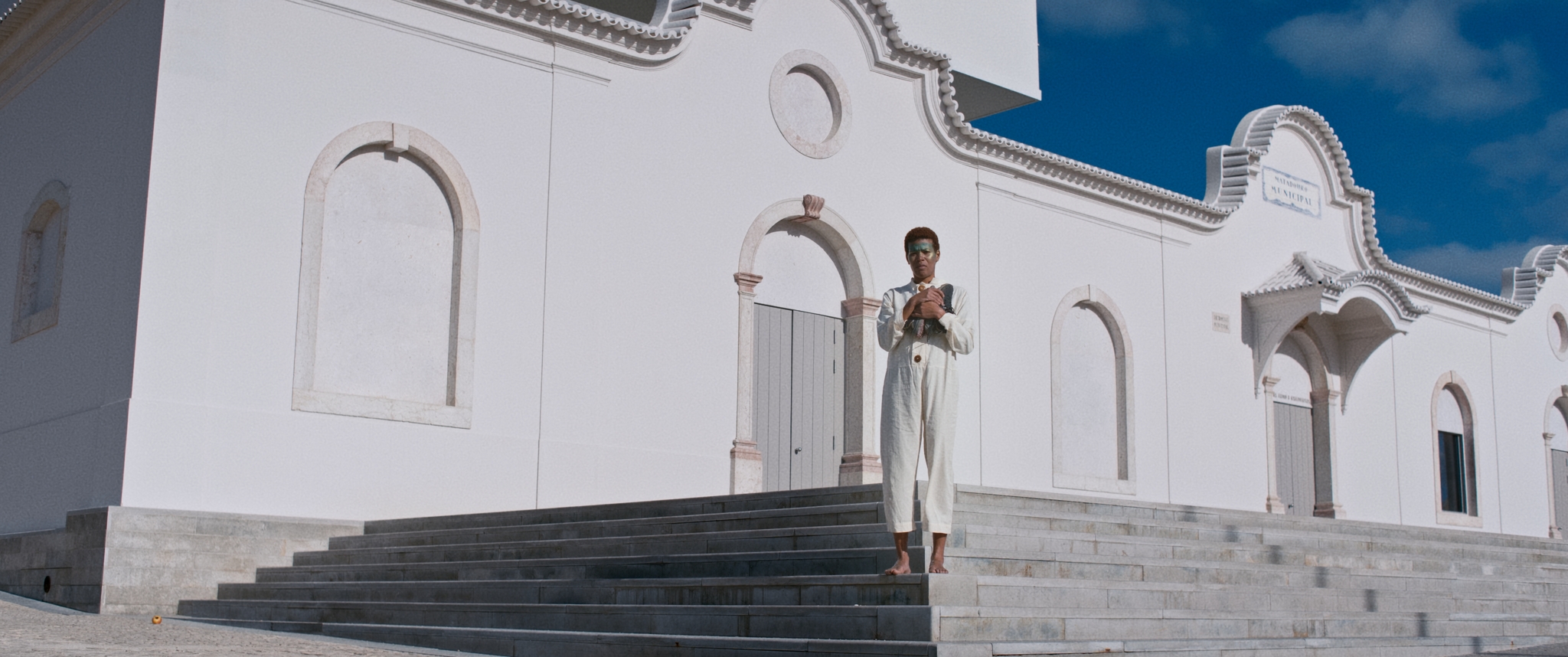
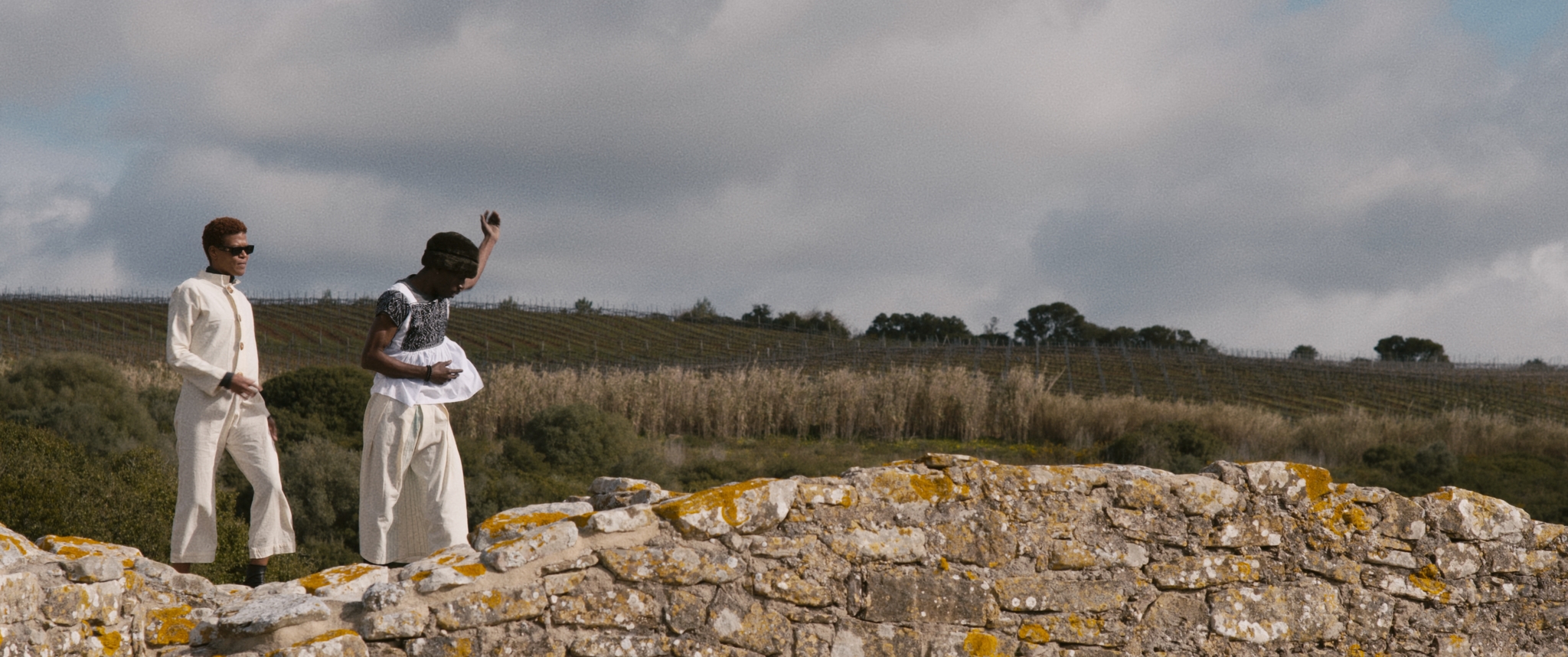
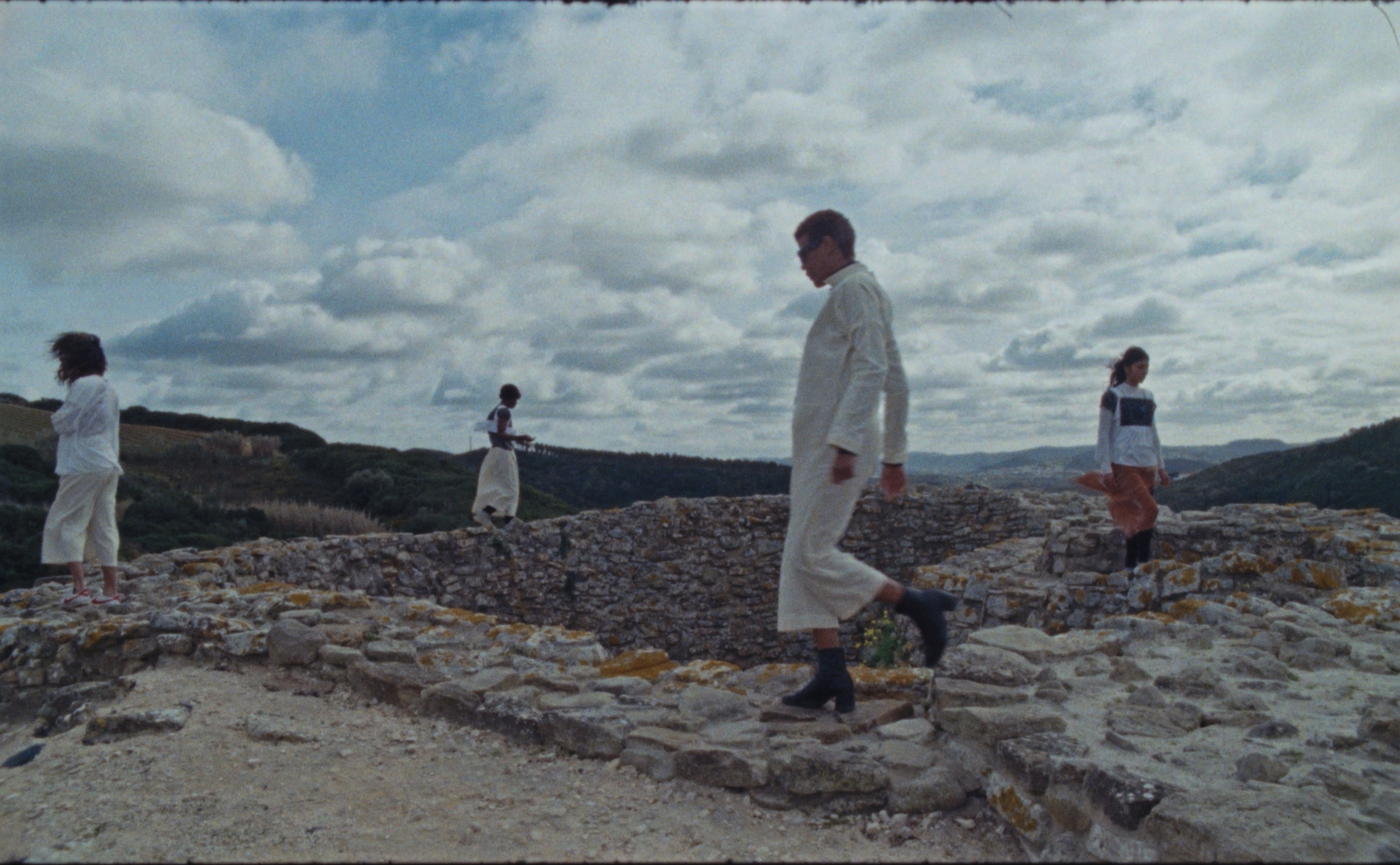
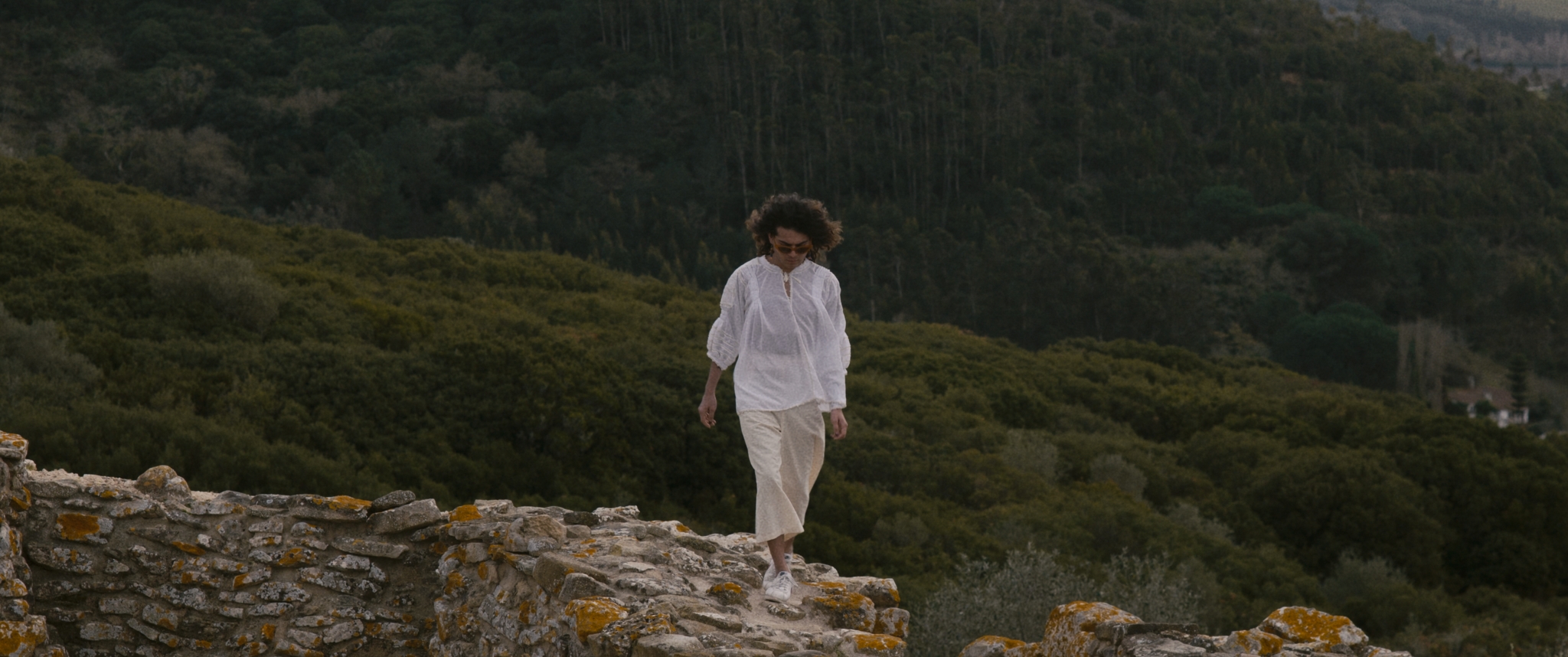
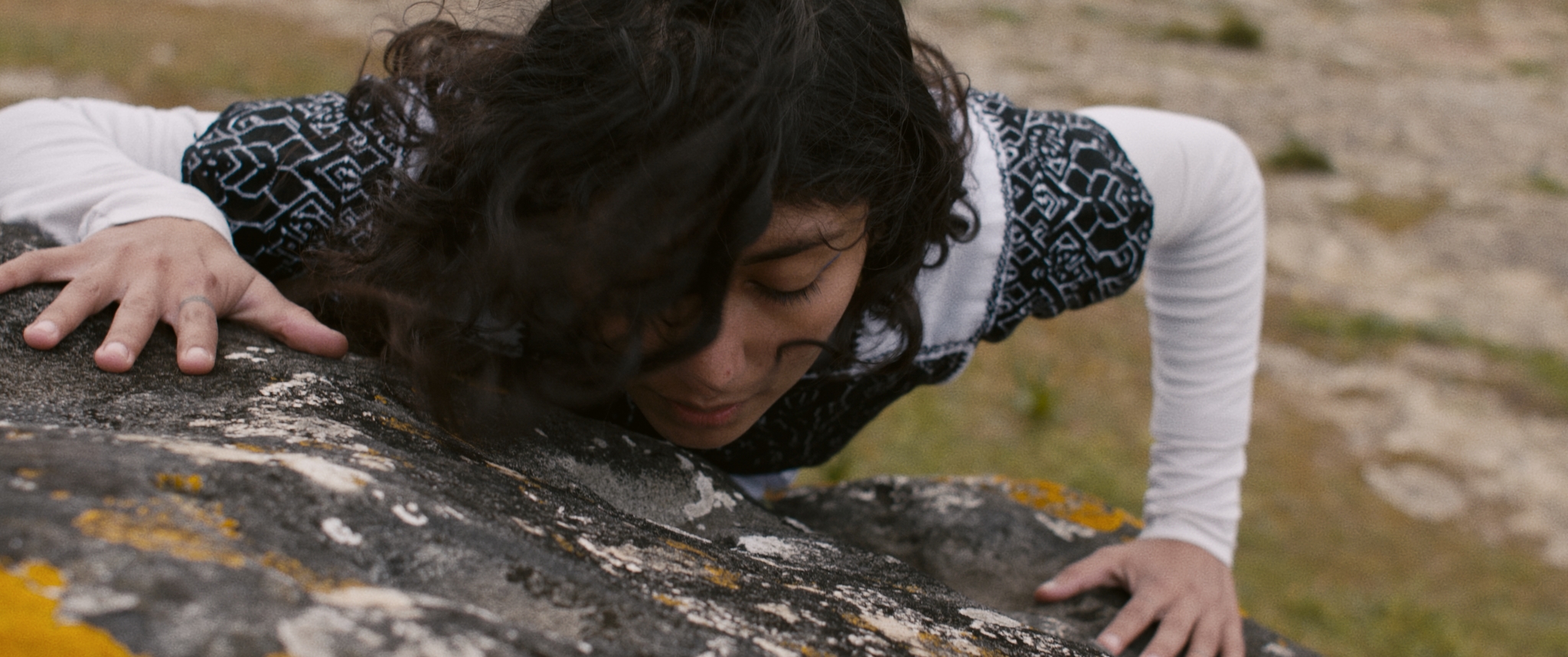
Filmed across modernist arenas, buried monastic ruins, coastal landscapes, nightclubs, and former port sites in Portugal, Le Daftar brings together four collaborators who inhabit these spaces through improvisation, ritualized movement, and suspended states of presence activating the memory of architecture.
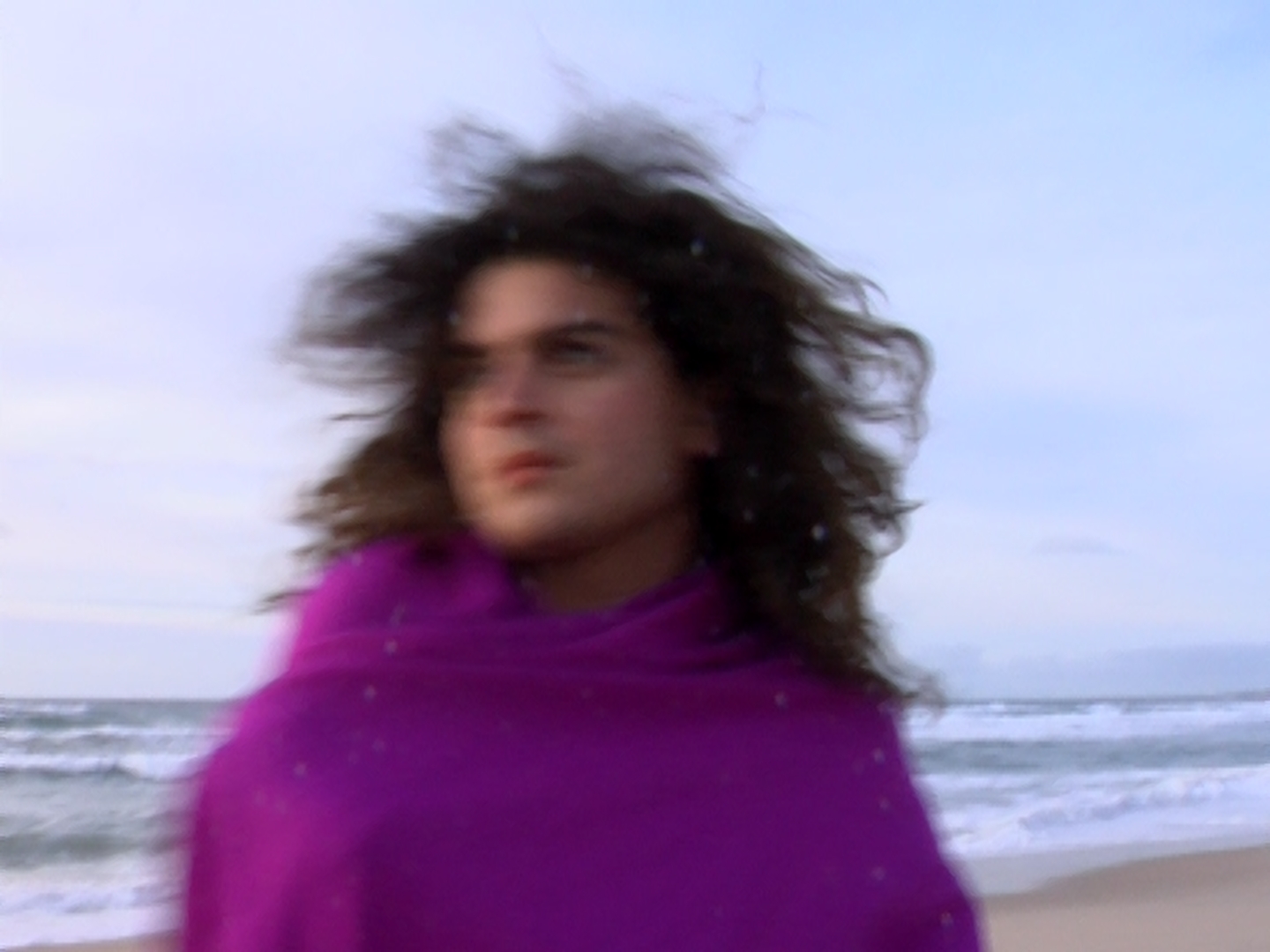
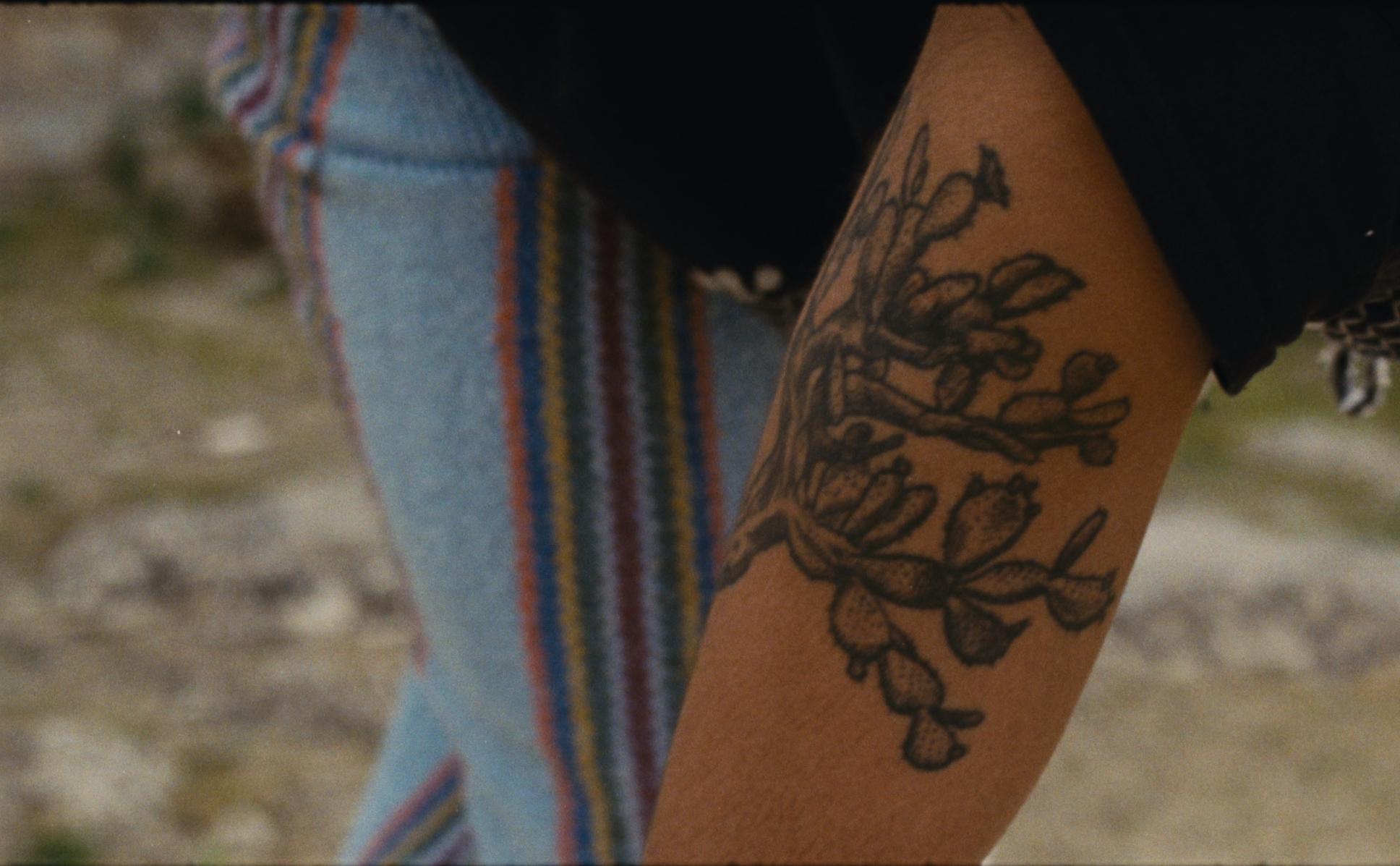
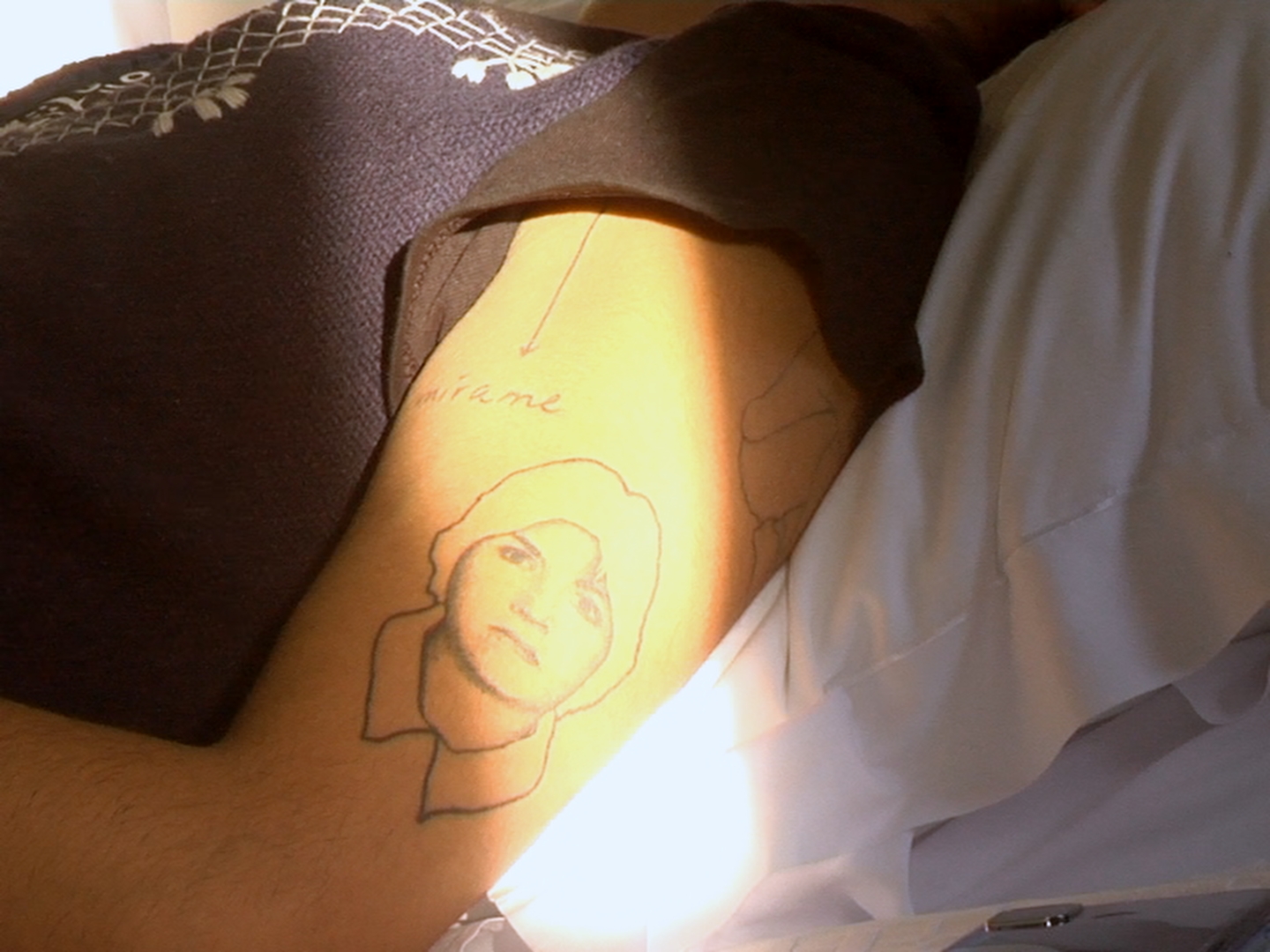
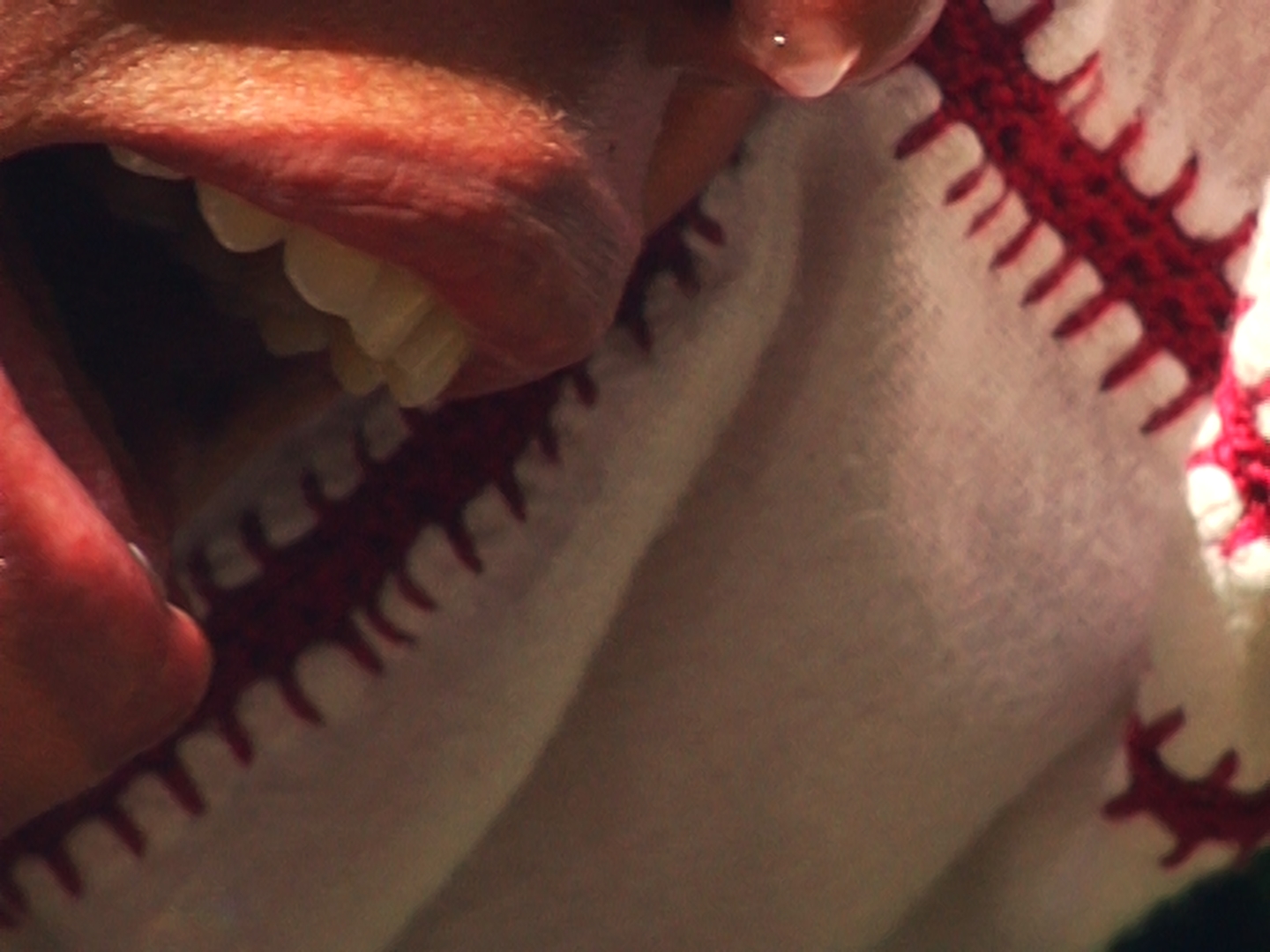
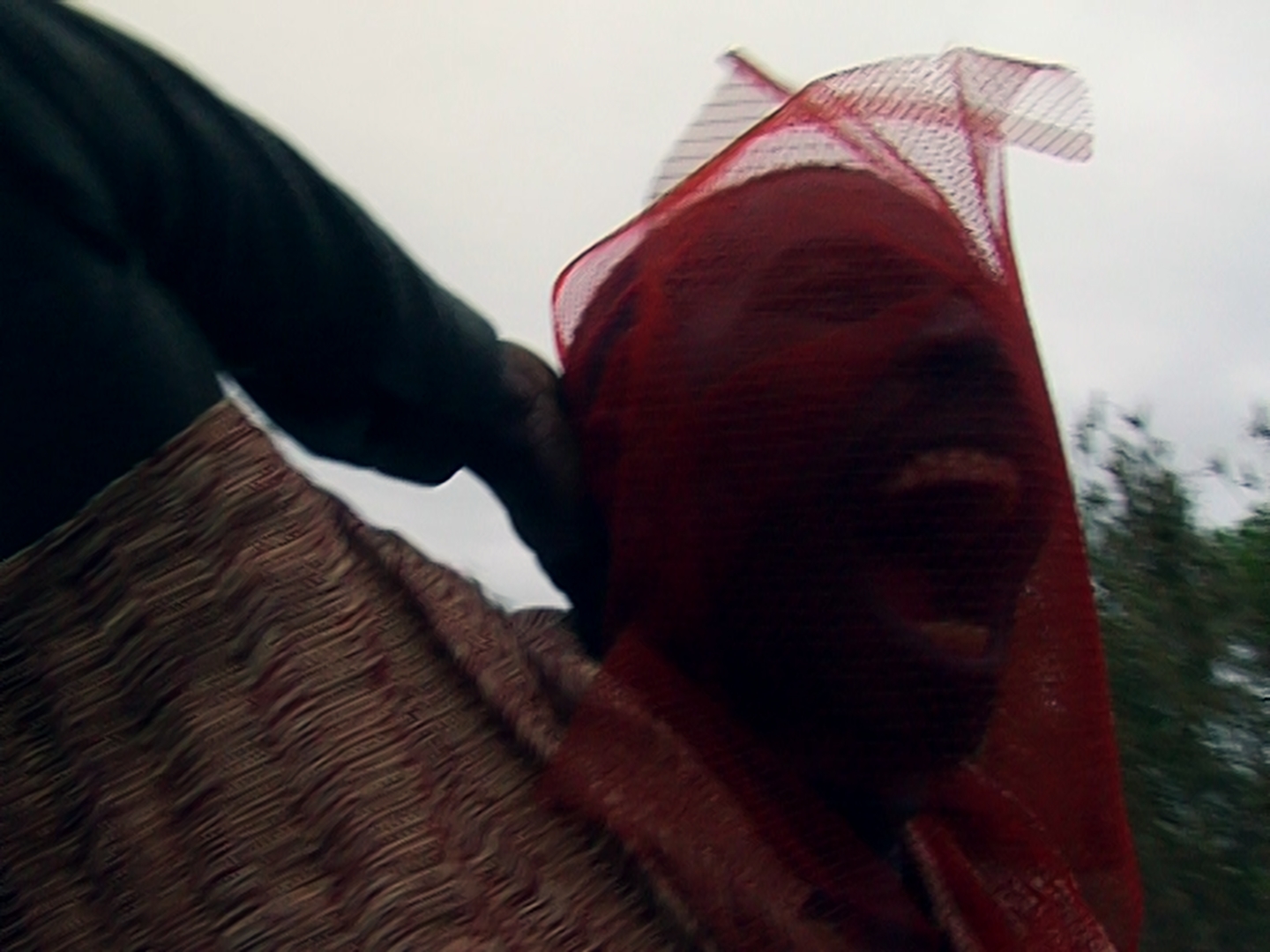
The project investigates the tension between archaeology and cinema. Archaeology is conventionally associated with excavation and the past; cinema, since its origins, with movement and the present. Le Daftar moves between 16mm film, DV, and digital formats, foregrounding the technological strata of image-making itself. The voice of poet Belinda Zhawi traverses the work in extended present-tense narration, her speech embody an oracular temporality where events remain unresolved, suspended in a “not-yet” or “in-the-future”.
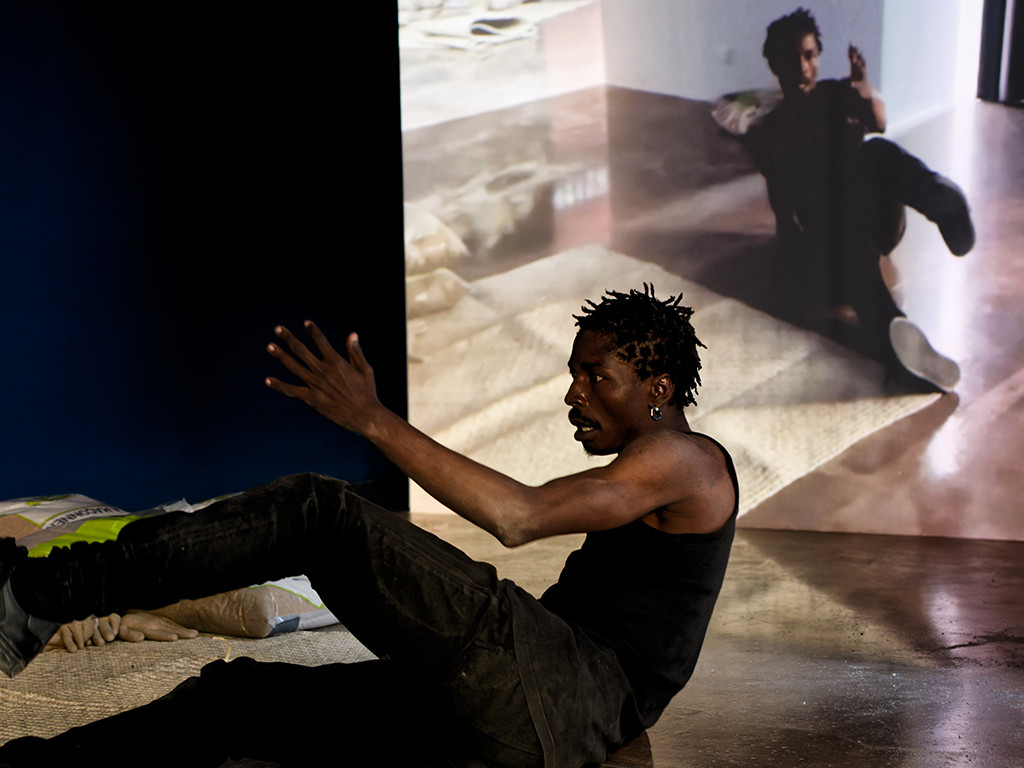
Le Daftar questions singular authorship by allowing each collaborator’s practice to shape the work’s structure. The bodies moving through displace and recompose. Le Daftar is a composition within ruins, a living manuscript that shifts according to who is looking, when, and from where.
The installation unfolds through six chapters:
Unx vuelve siempre
Bulldog. Non. MacDo. Non. Hamburger. Non.
Kété-Kété
There is an image in front of me of a colonial house
And the category is: face!
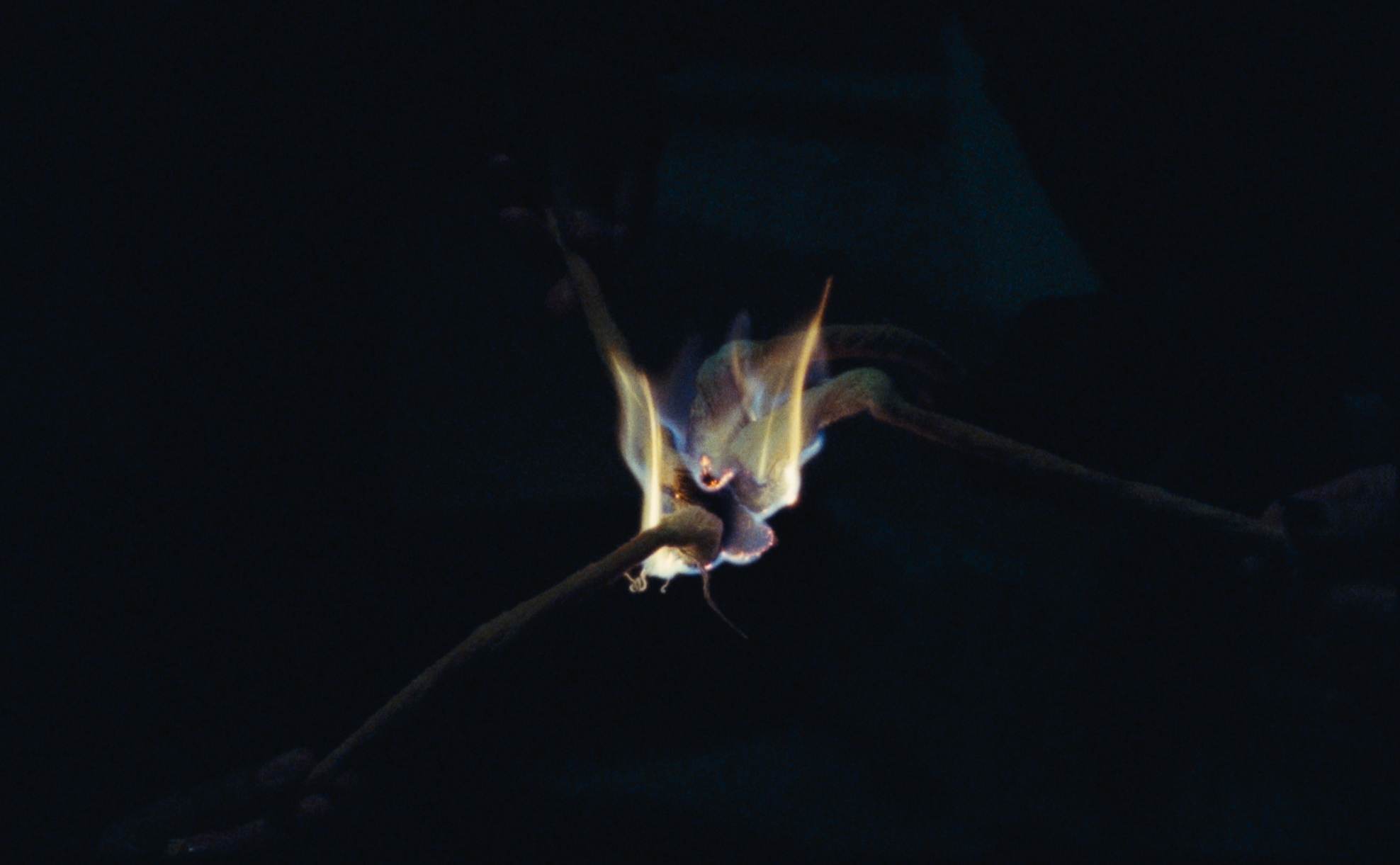
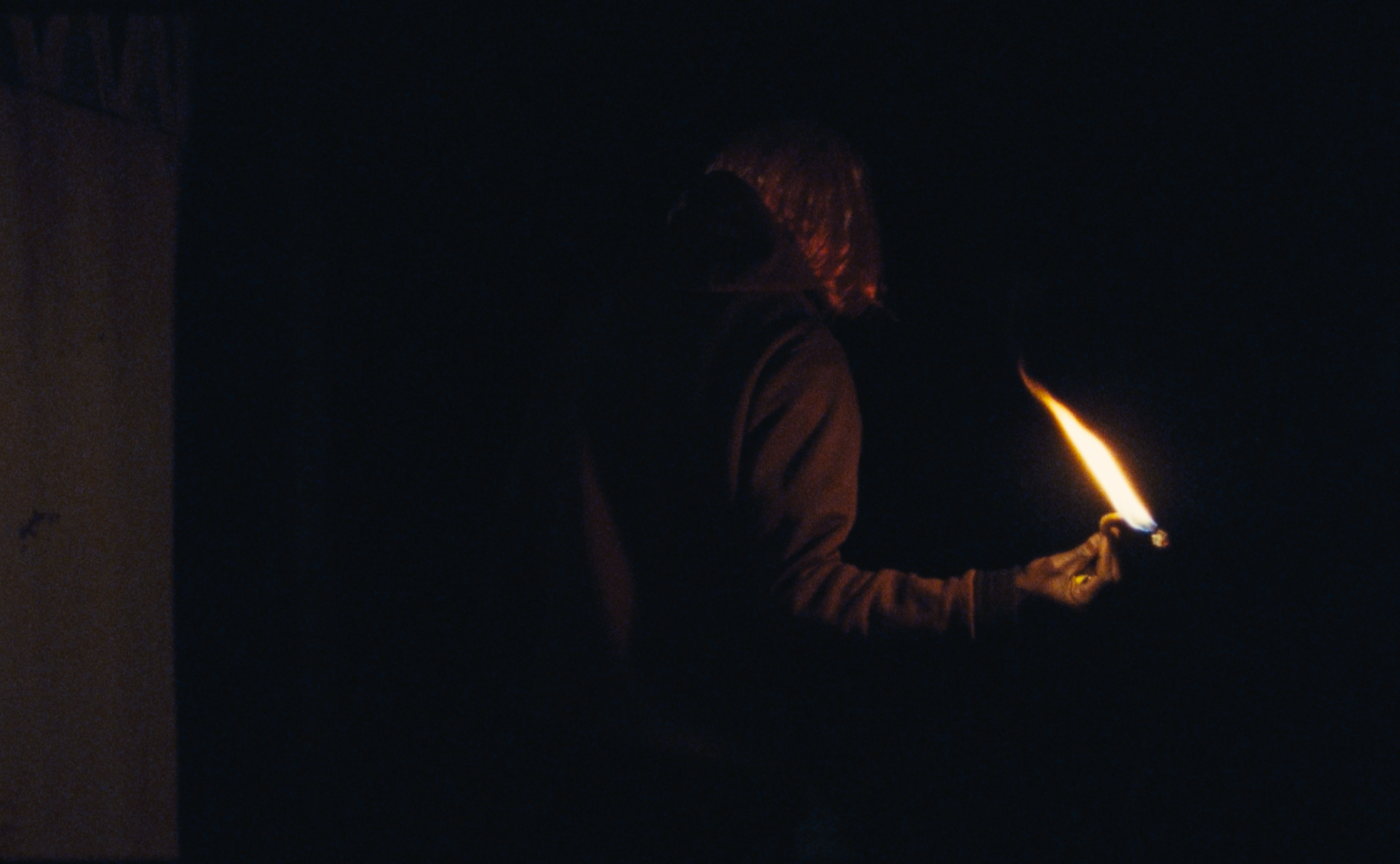
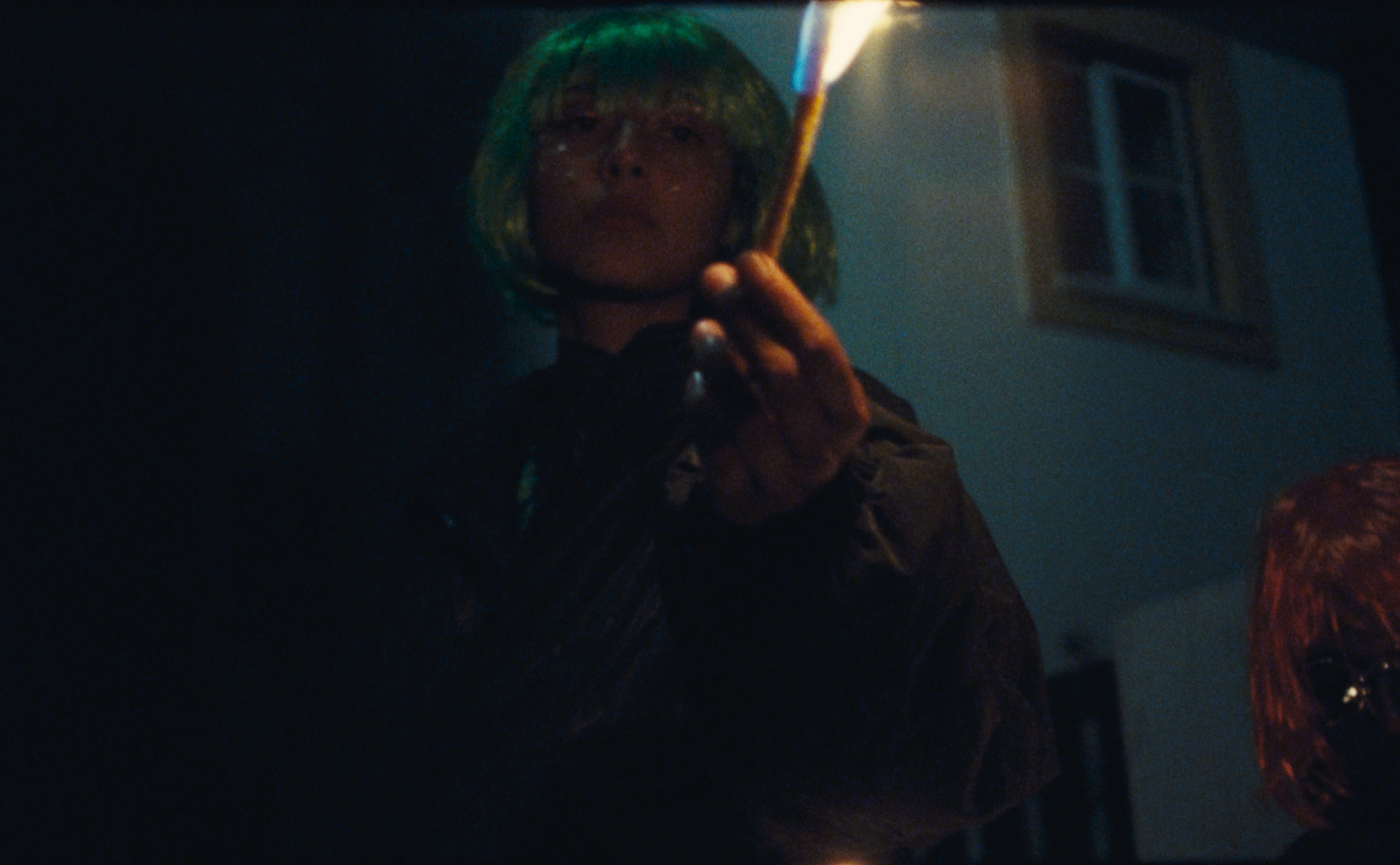
A fire burns under a pavement. In an alley.
Le Daftar later revealed itself as the first part of a film trilogy, continued with Amoxtli (2024) and Incwadi (2027). At the time of its making, it was not conceived as a trilogy. Only in retrospect did its structure become legible as an opening movement within a larger constellation of works exploring diasporic memory, transtemporal embodiment, and the reactivation of archives across geographies.
Vir Andres Hera
Aurélien is an artist working across sound, text and form, creating sensitive environments shaped by vulnerability and disorientation.
Eva is an independent curator based in France, working on feminism, postcolonial studies and critical writing.
Mahesh is a French-Indian composer and sound designer creating experimental scores in dialogue with visual art and performance.
Alexandre is a French-Tunisian cinematographer based in Brussels, working across experimental, independent and mainstream cinema.
Artist writer and performer who works from an ecology of recurring motifs such as dream, wandering and childhood, in order to reinvent the commons and counter all unidirectional trajectories.
Zipho is a South African artist and curator focusing on communality, encounter and collective cultural practices.
Daniel is a Mexican performer and artist exploring identity, migration and intimacy through drawing, painting and performance.
Tom is a director of photography exploring light and framing.
Fabienne is an artist working between contemporary art and textile design, developing long-term projects through collaboration with textile communities.
Leonce is an Ivorian choreographer and visual artist based in France, working with heterolingual practices and embodied everyday gestures.
Cheb Runner is a Moroccan-born producer, composer and DJ blending traditional sounds with electronic music across genres.
Belinda is a Zimbabwean literary and sound artist exploring Afrodiasporic narratives, colonial legacies and sound-text performance.
Daniel Galicia
Fabienne Guilbert Burgoa
Leonce Konan Noah
Onni Devii
Reda Senhaji (Cheb Runner)
Daniel Galicia
Vir Andres Hera
By Elote
Eva Barois de Caevel
Mécènes du Sud Montpellier-Sète-Béziers
Dejonghe Film production
Camescoop Belgium
CAC Torres Vedras
La Box - ENSA Bourges
ENSAPC - YGREC
Les Tanneries - Amilly
Quebra Costas Rooms (Sara Cunha, Luis Vicente), Camara municipal de Torres Vedras (Beatriz Silva), Termas dos Cucos (Teresa Antunes Silva), Ex convento de Santa Rita. FRAC Occitanie Montpellier, Triangle-Astérides France.
The art by translation fellowship: Maud Jacquin, Sebastien Pluot, Jesse Chun, Laura Genes, Vinit Agarwal.
The CAC Torres Vedras team: Milton Edgardo Batres, Rui Brás, Rui Coelho, Virgílio Pestana, Angela Silva, Marina Xavier.
All rights reserved