Lo Sagrado, Sin Mundo
Lo Sagrado, Sin Mundo
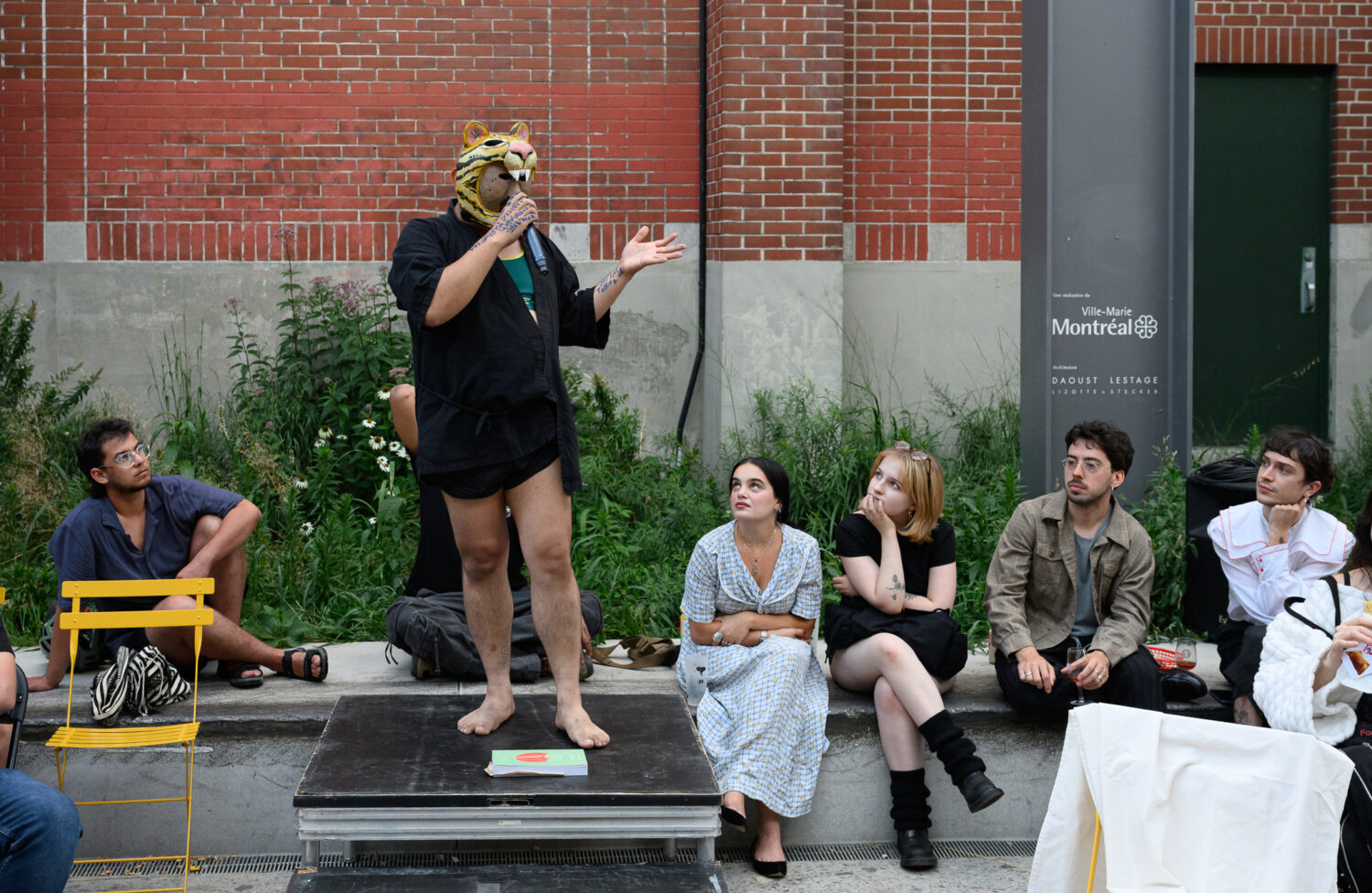
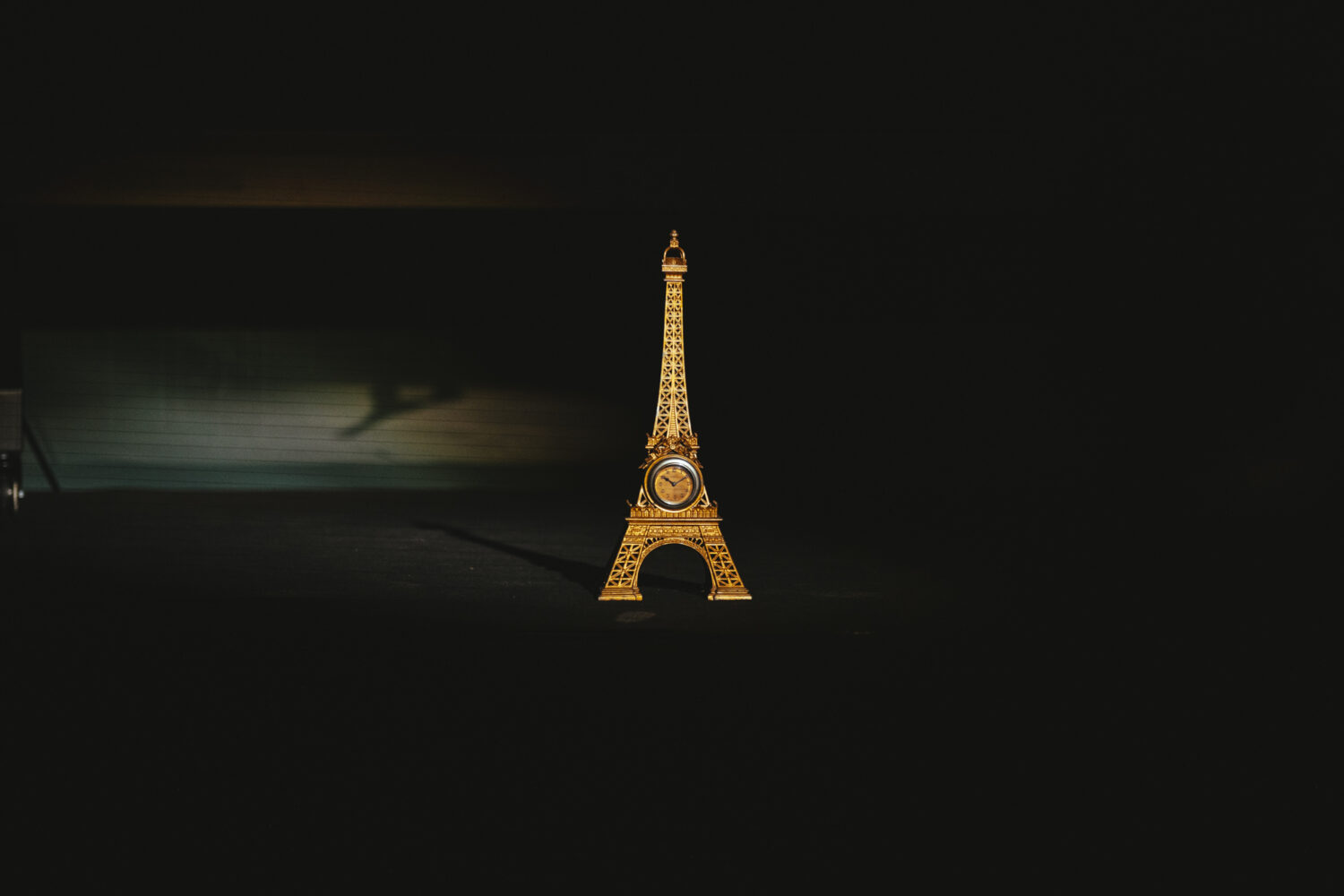
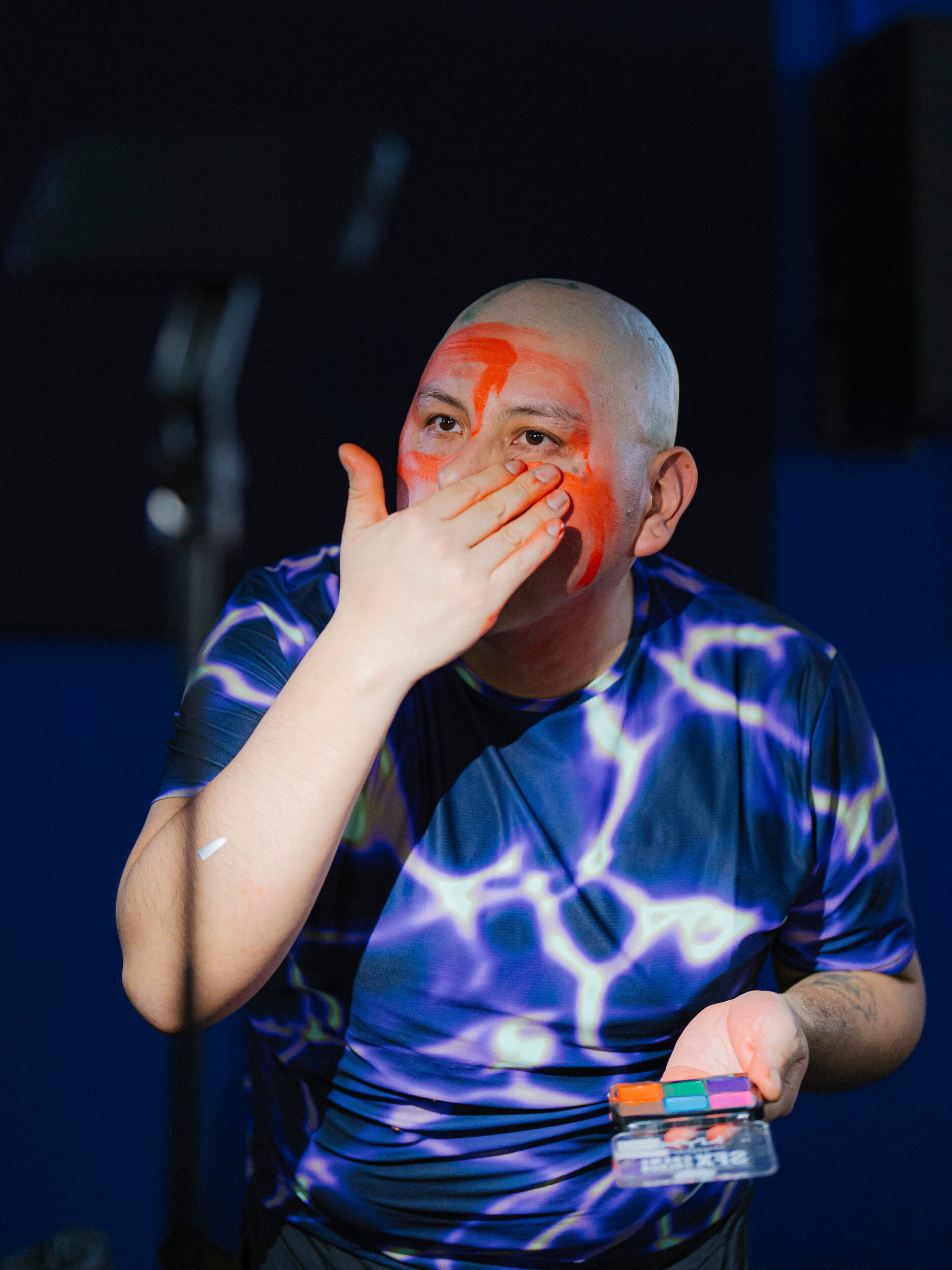
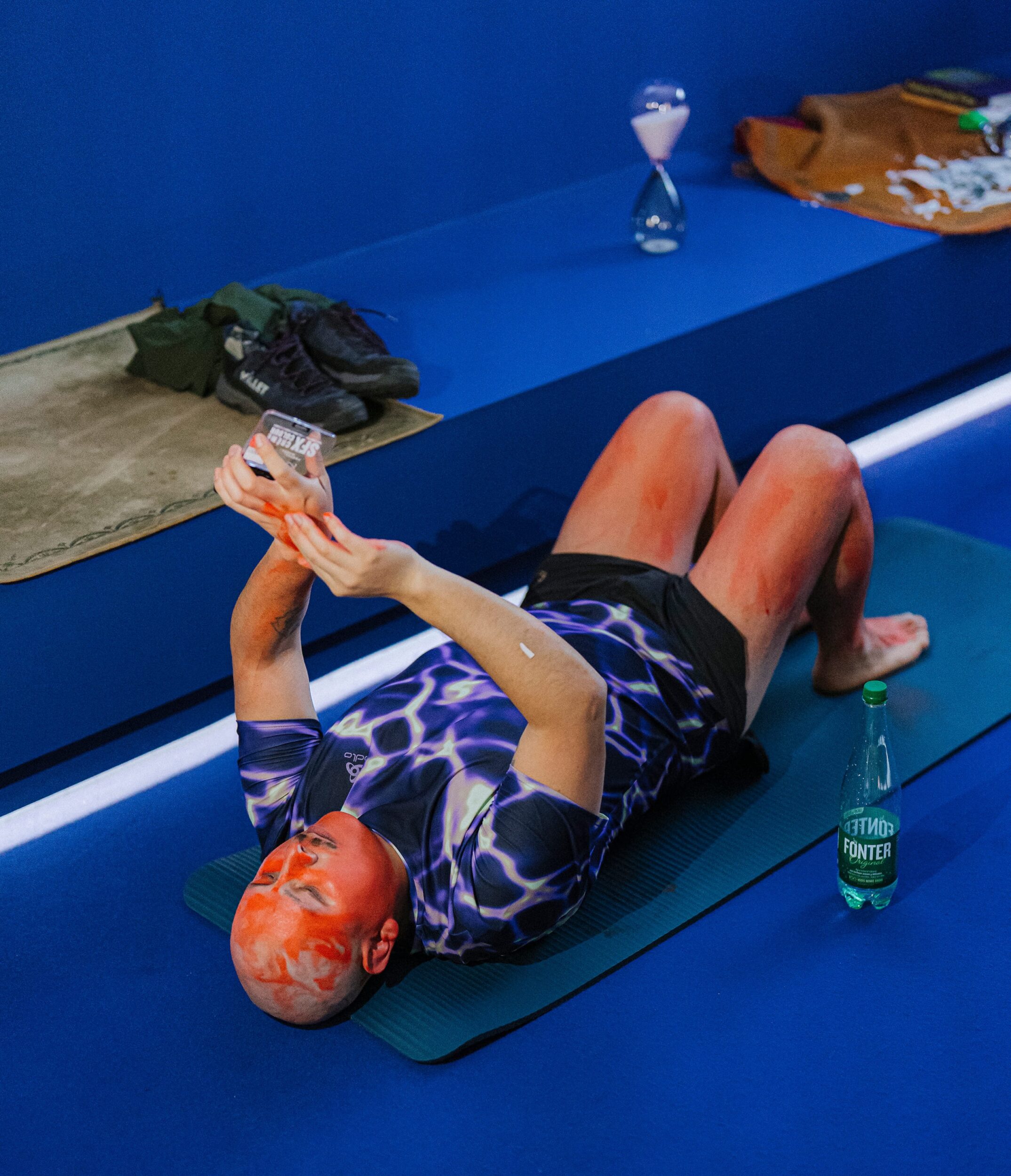
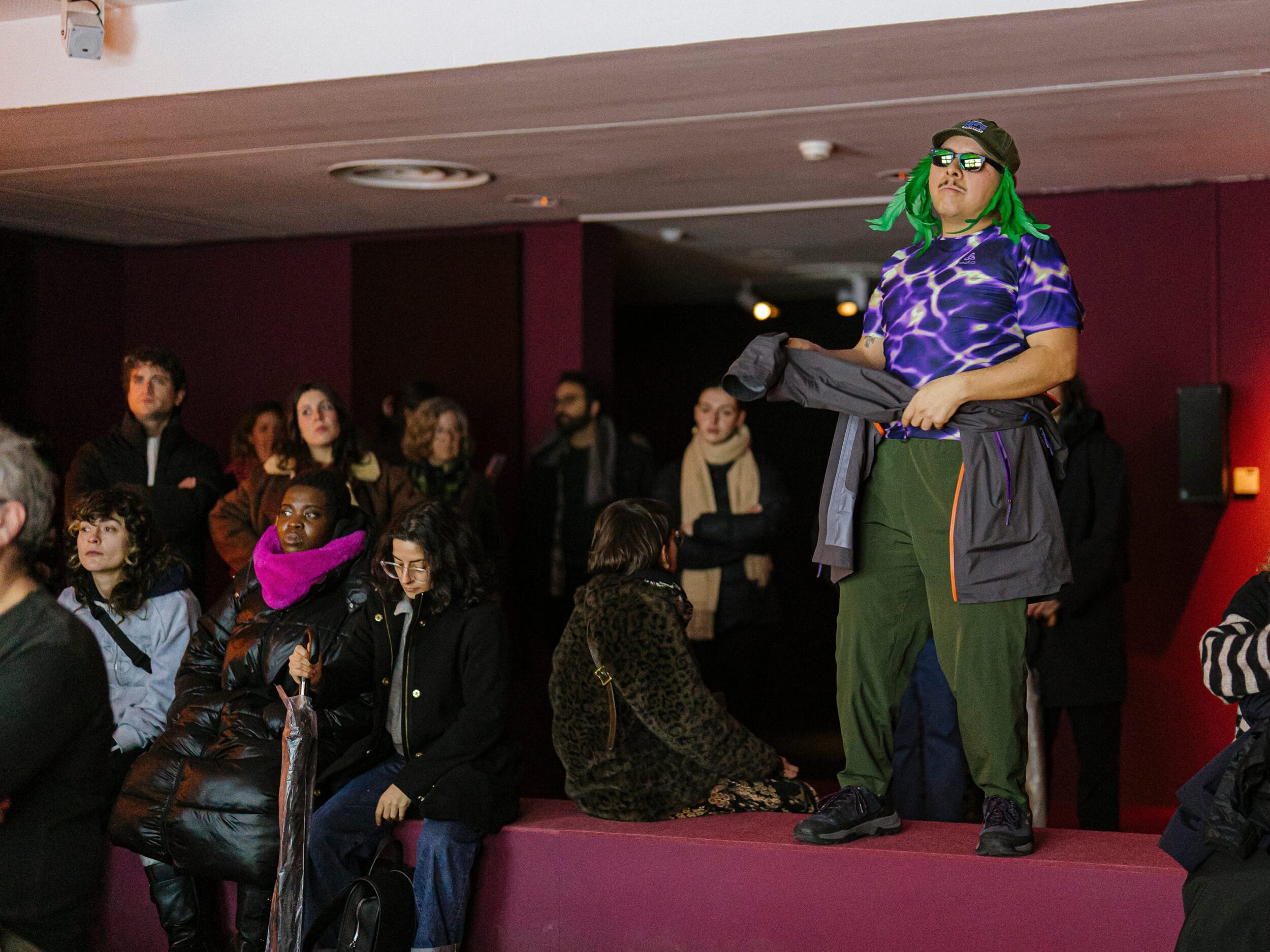
Across the performance, hiking gear, clocks, alarms, books, feathers, perfume, colonial images, and devotional or commercial objects accumulate around the body as technologies of orientation and control. Landscape appears not as a neutral outside but as a contested field shaped by racialization, surveillance and conquest.
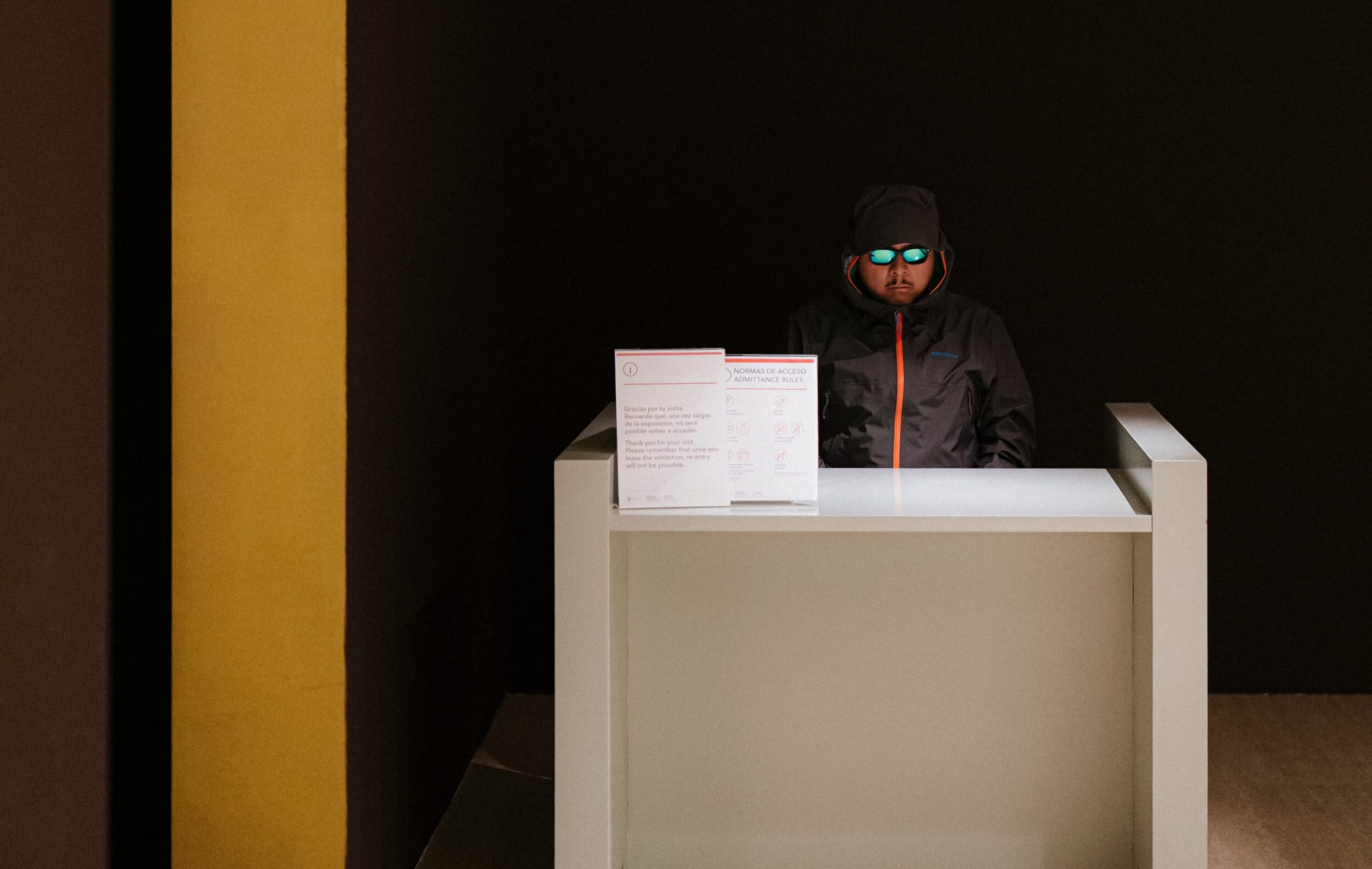
A first figure enters as a hiker moving between vigilance, queer excess, and exhaustion. Songs by Juan Gabriel and Ana Gabriel open a relation to nature that is never innocent, asking who gets to inhabit landscape freely.
As the body undresses, vulnerability intensifies. Reproductions of colonial images, including works by Vicente Albán and George Catlin, are carried, torn, and ingested. The archive passes through the mouth and the body, becoming residue, confrontation, and transformation.
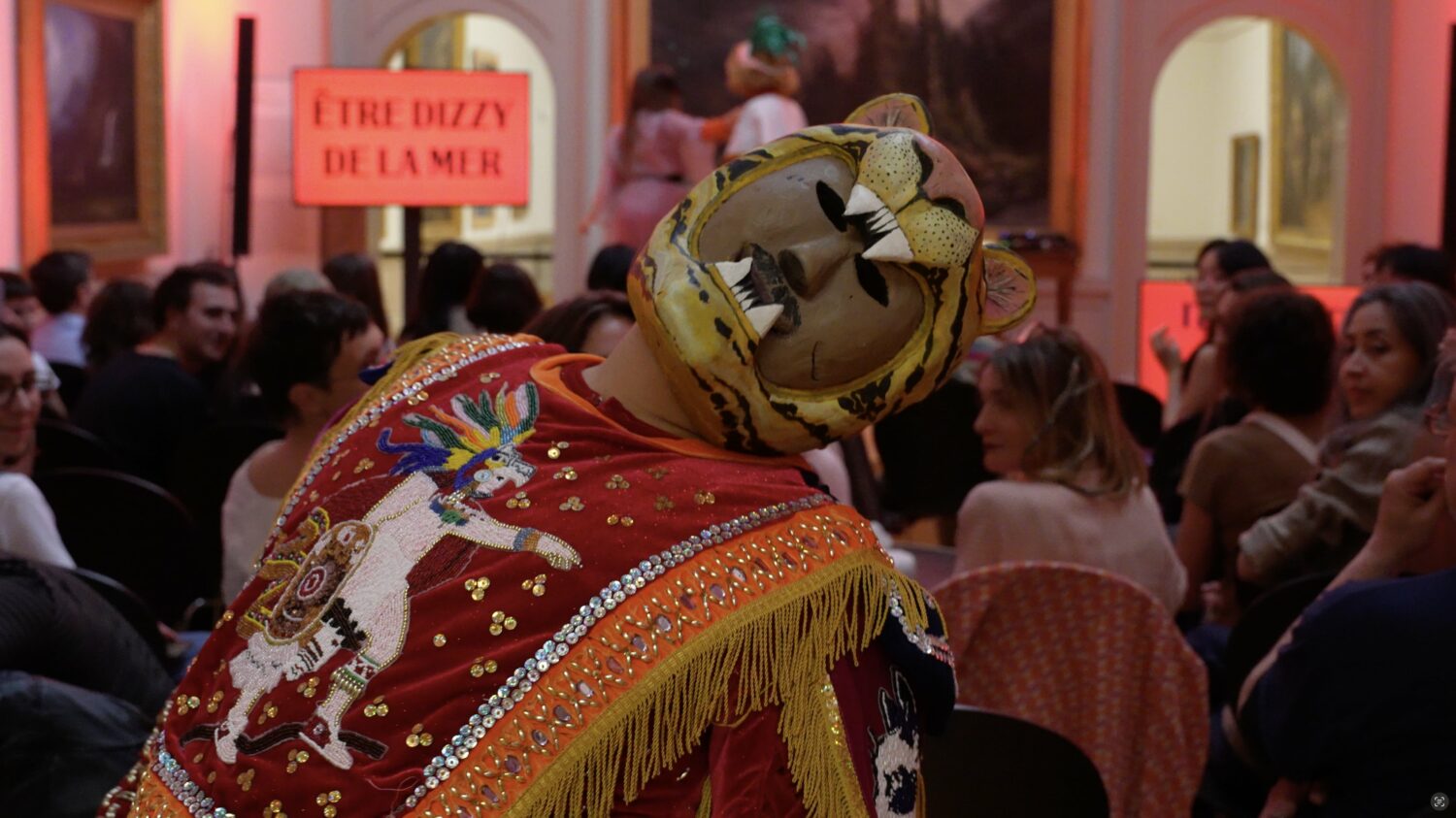
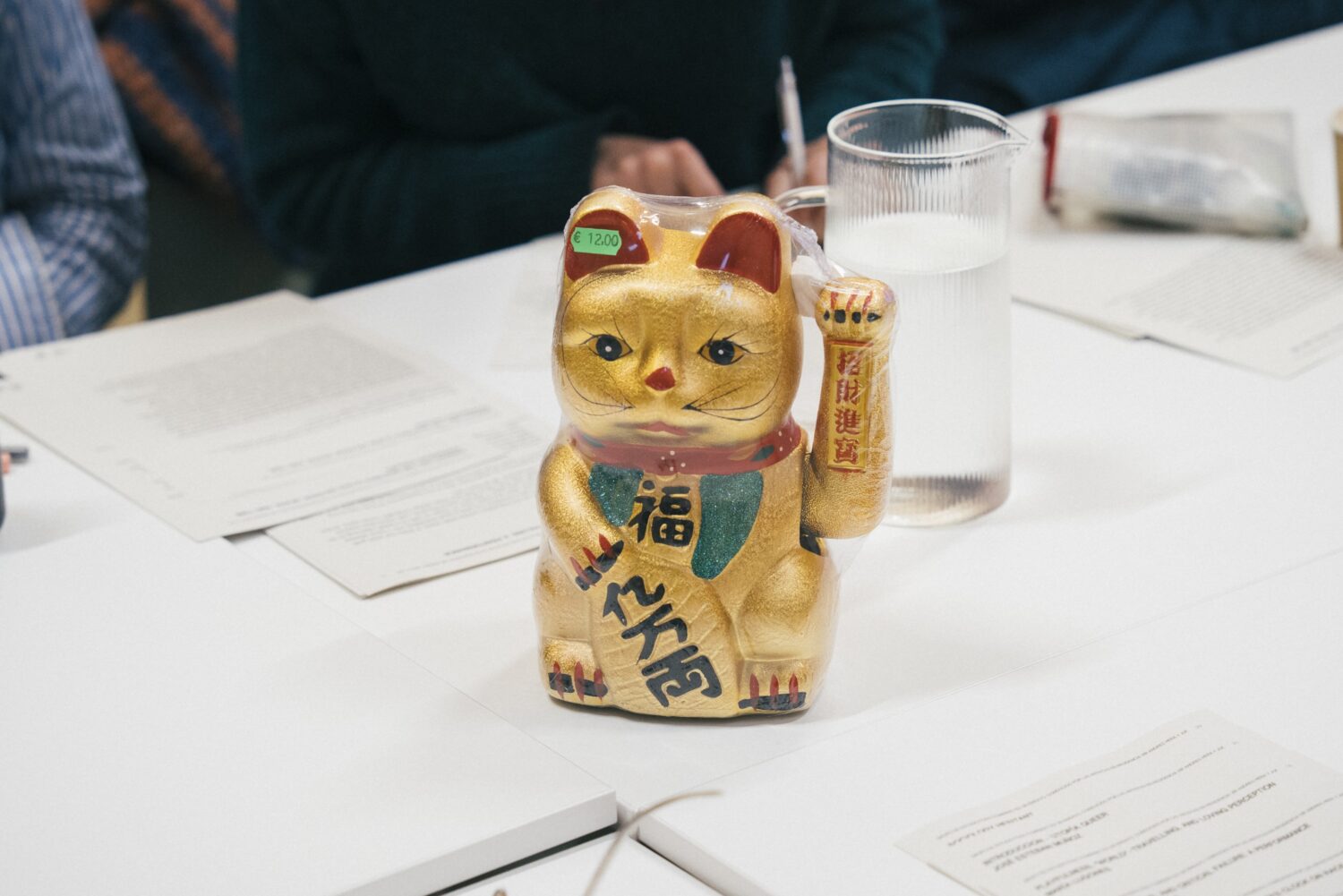
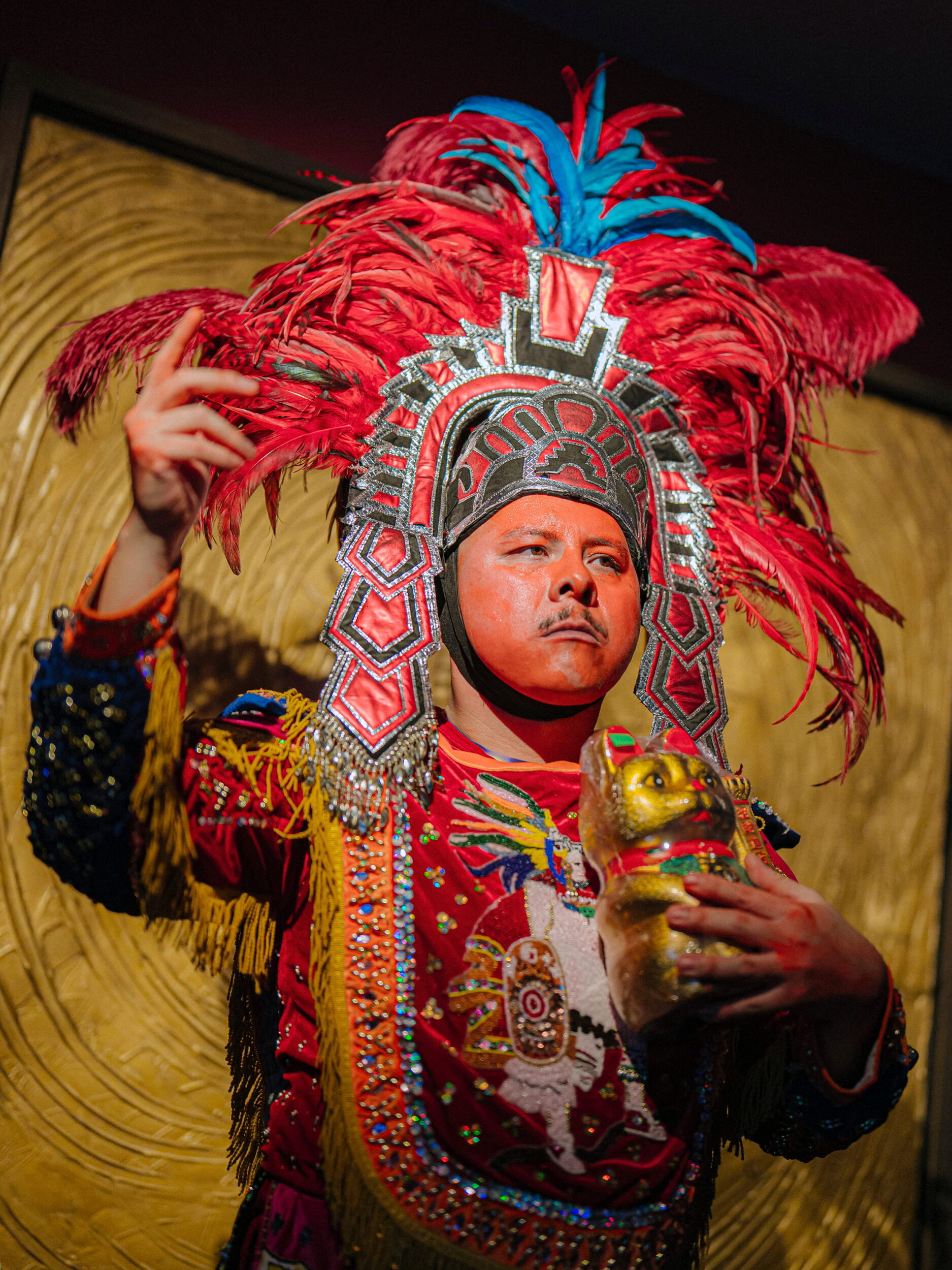
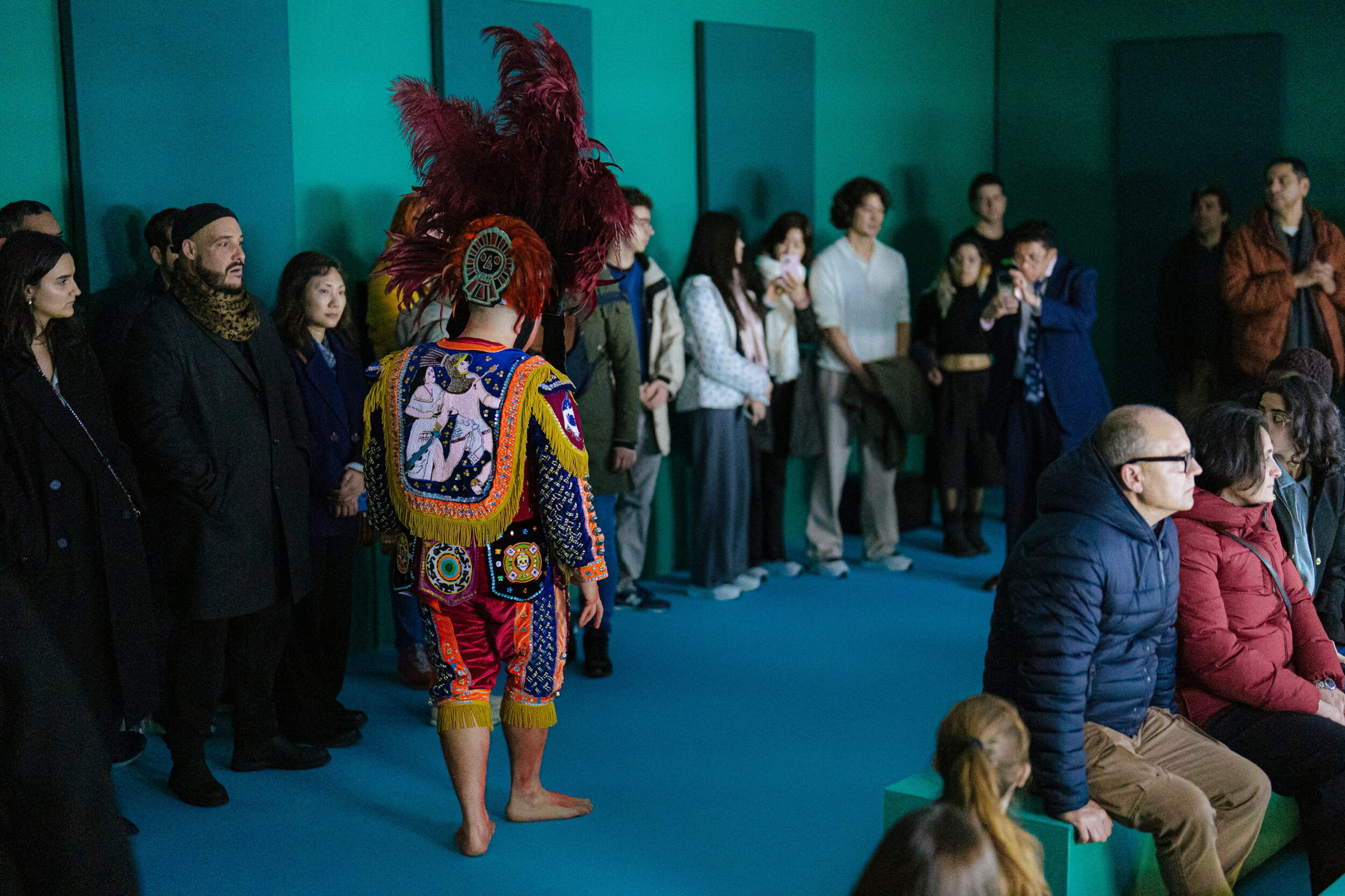
From there, the performer shifts into a red ceremonial figure that draws together pre-Hispanic, funerary, and theatrical codes without resolving them into a single origin. Holding a maneki-neko before Lucio Fontana’s Venice Was All in Gold, the work turns conquest into parody, prophecy, and return. Discovery appears here as a grotesque script still animating the present.
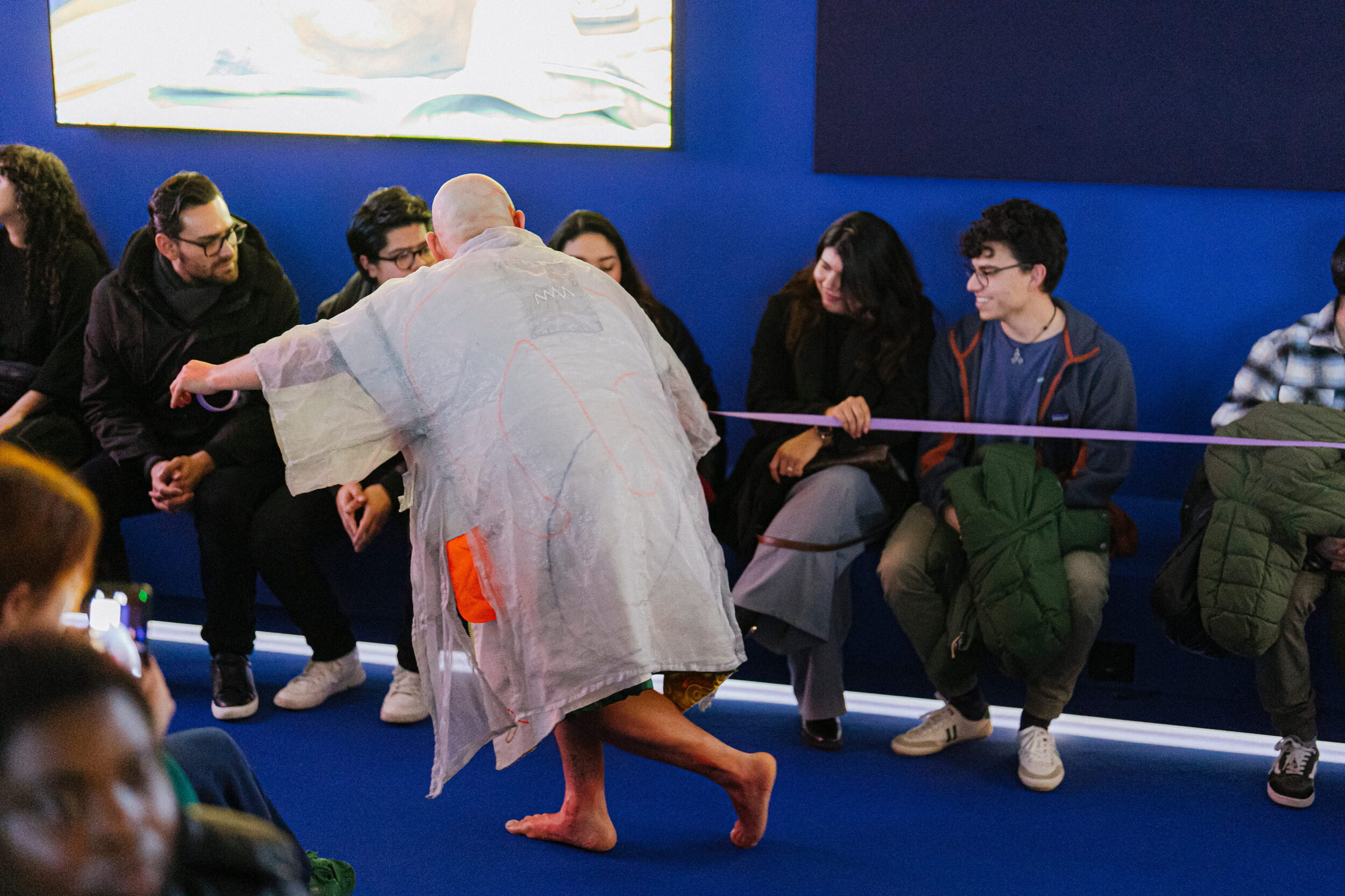
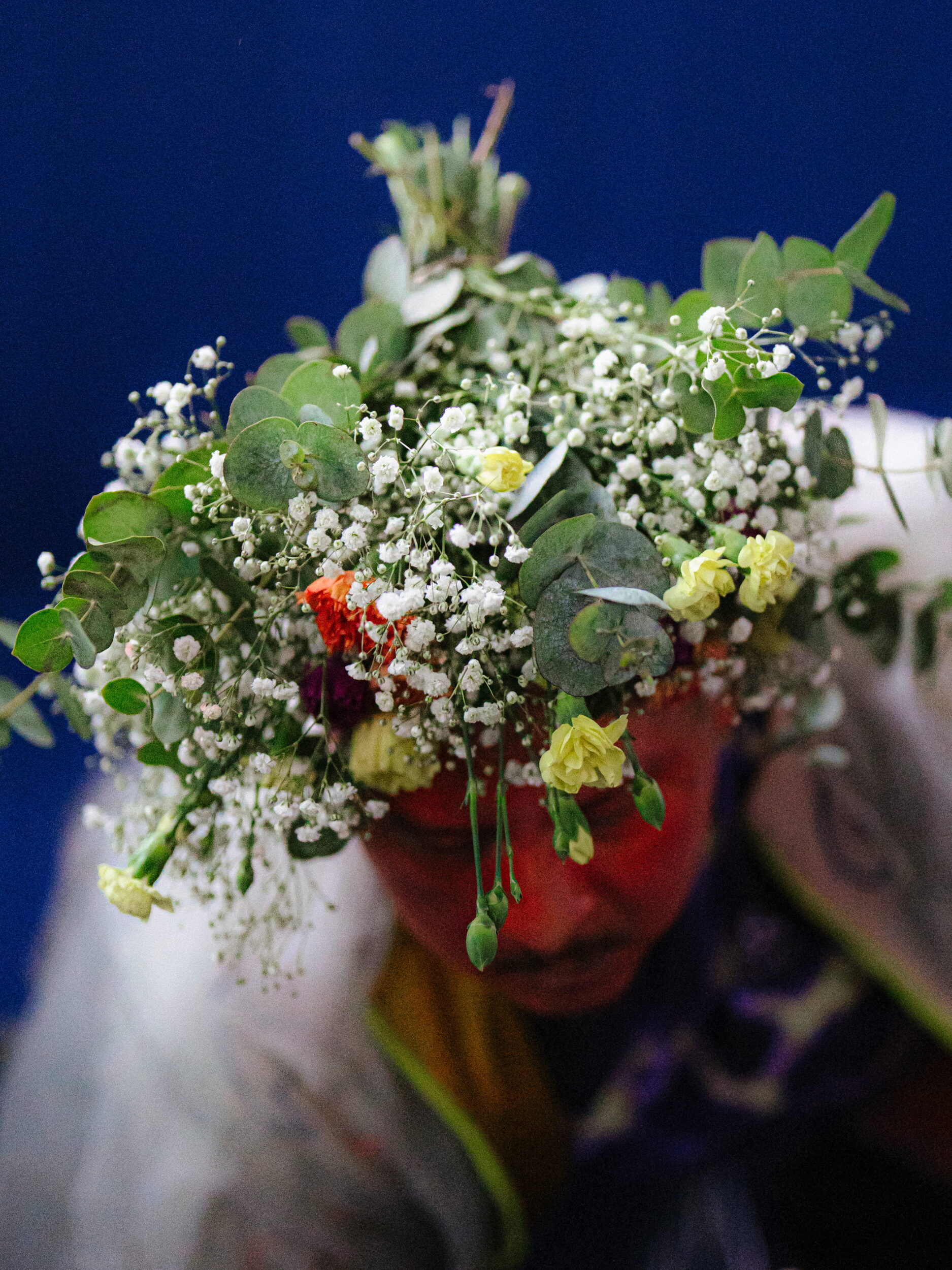
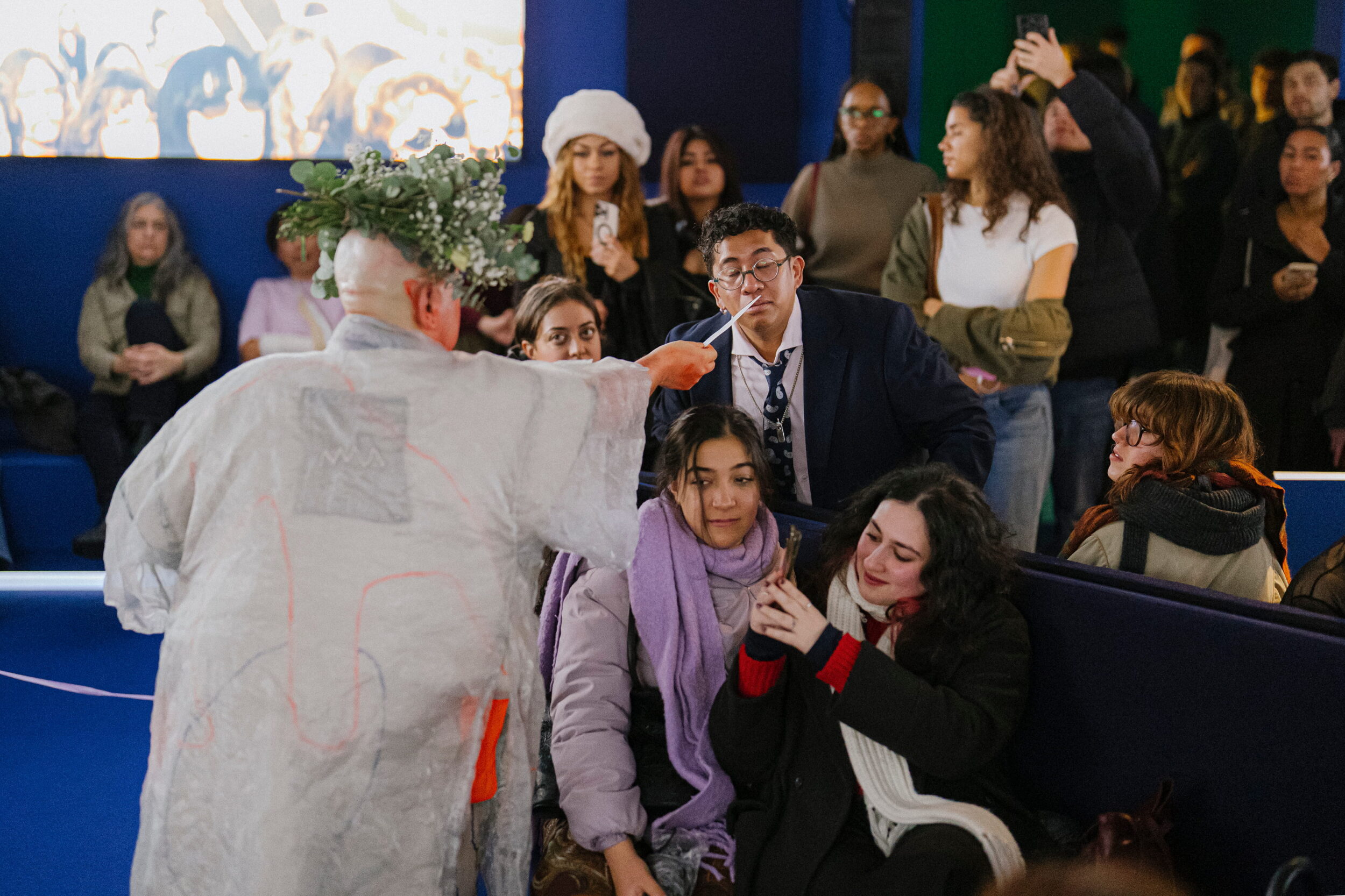
In its final movement, Lo Sagrado, sin mundo displaces vision through scent and proximity. Audience members are invited into a shared sensory field, then linked by a line of tape that briefly binds bodies across the space. The work closes with a collective gesture that is precarious and provisional.
Marina Avia
Violette Loosen
Leho de Sosa
George Catlin, Pehriska Rupa, 1832.
Lucio Fontana, Venice Was All in Gold, 1961.
Oswald de Andrade, Manifesto Antropófago, 1928.
Juan Gabriel, Tus ojos mexicanos lindos, 1974.
Ana Gabriel, Evidencias, 1988.