Seconde Jeunesse
Seconde Jeunesse
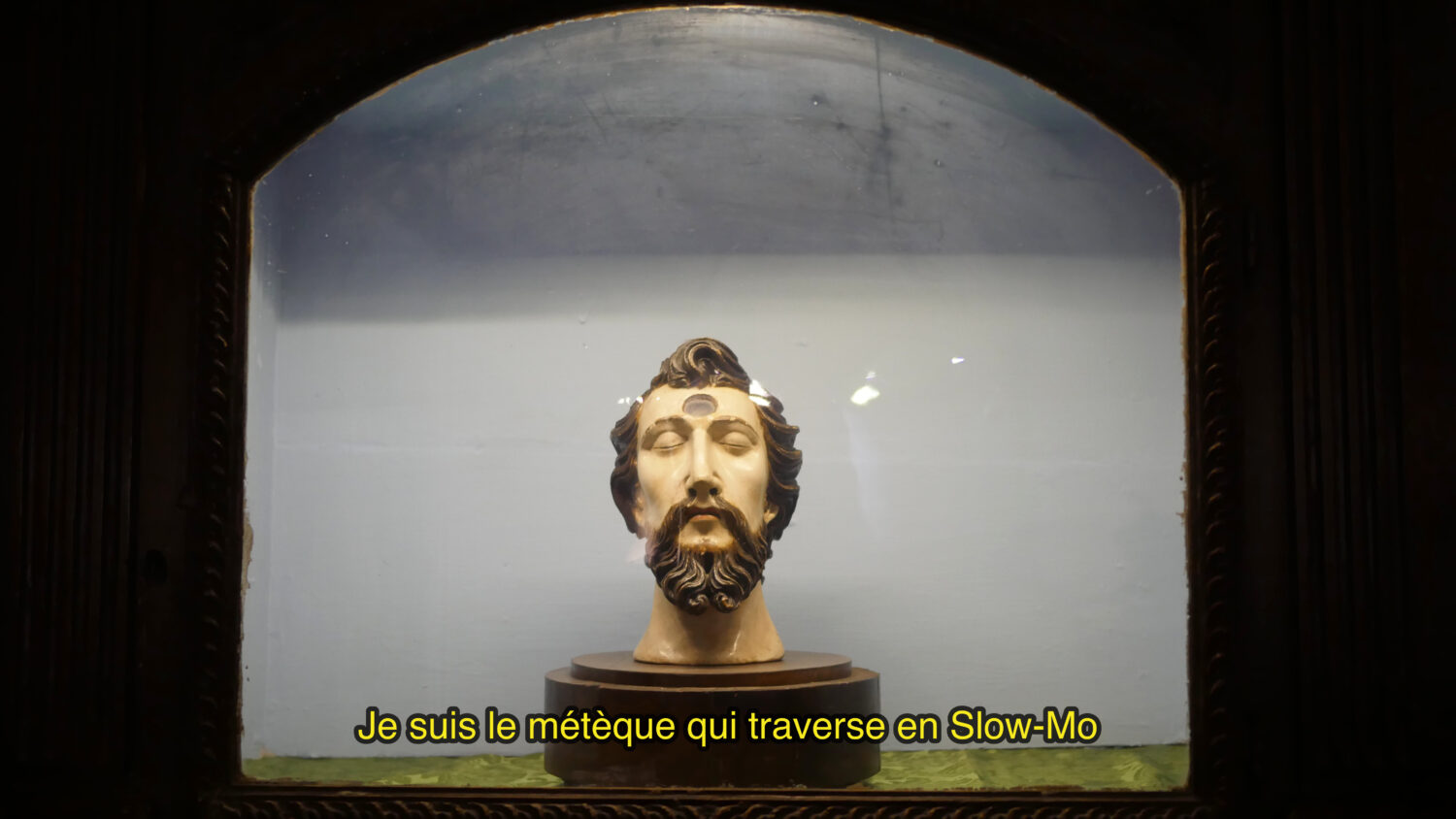
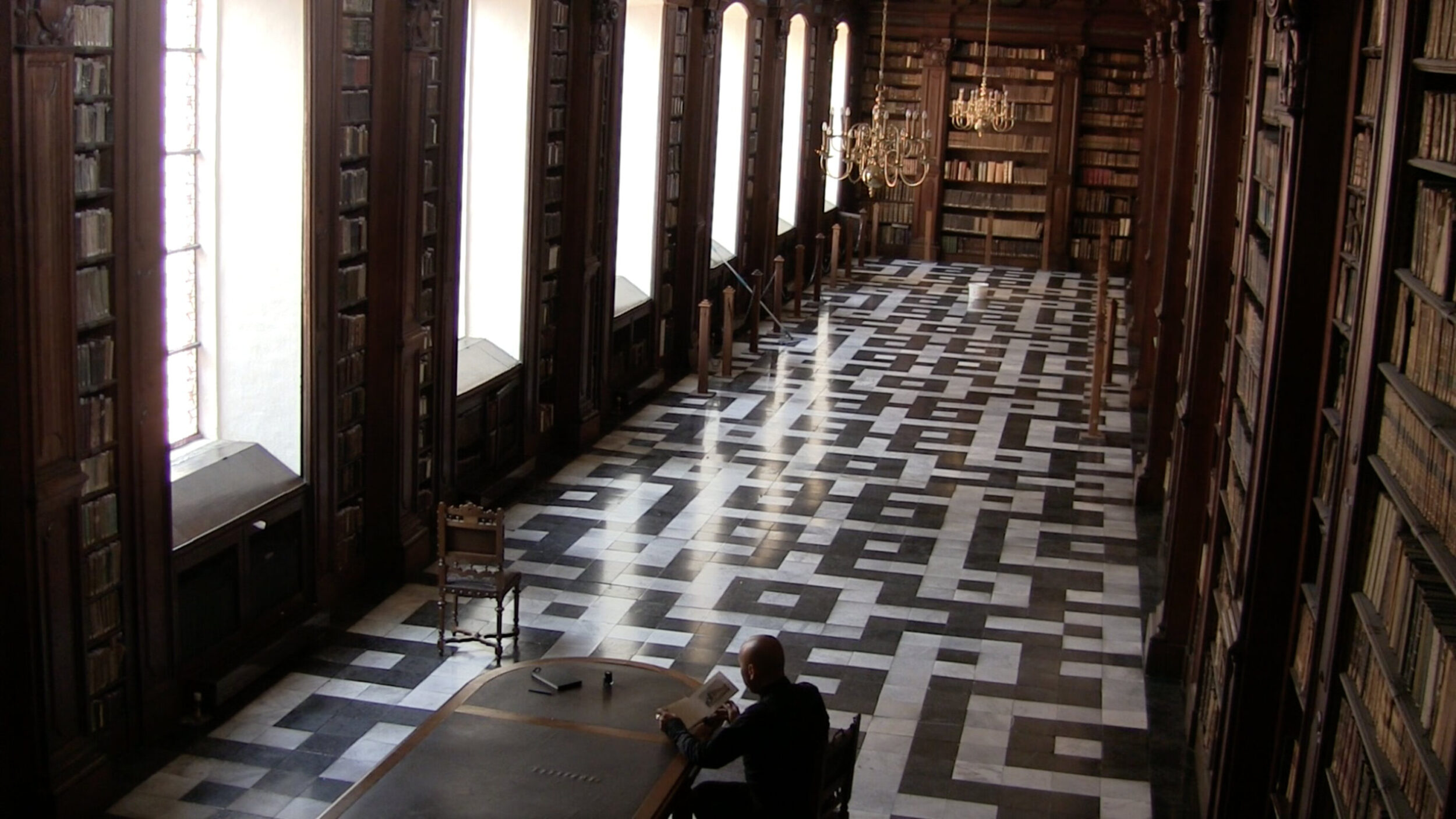
Filmed during a six-month stay at the Augustinian convent in Ghent, Belgium, while sharing the daily routines of the monastery.
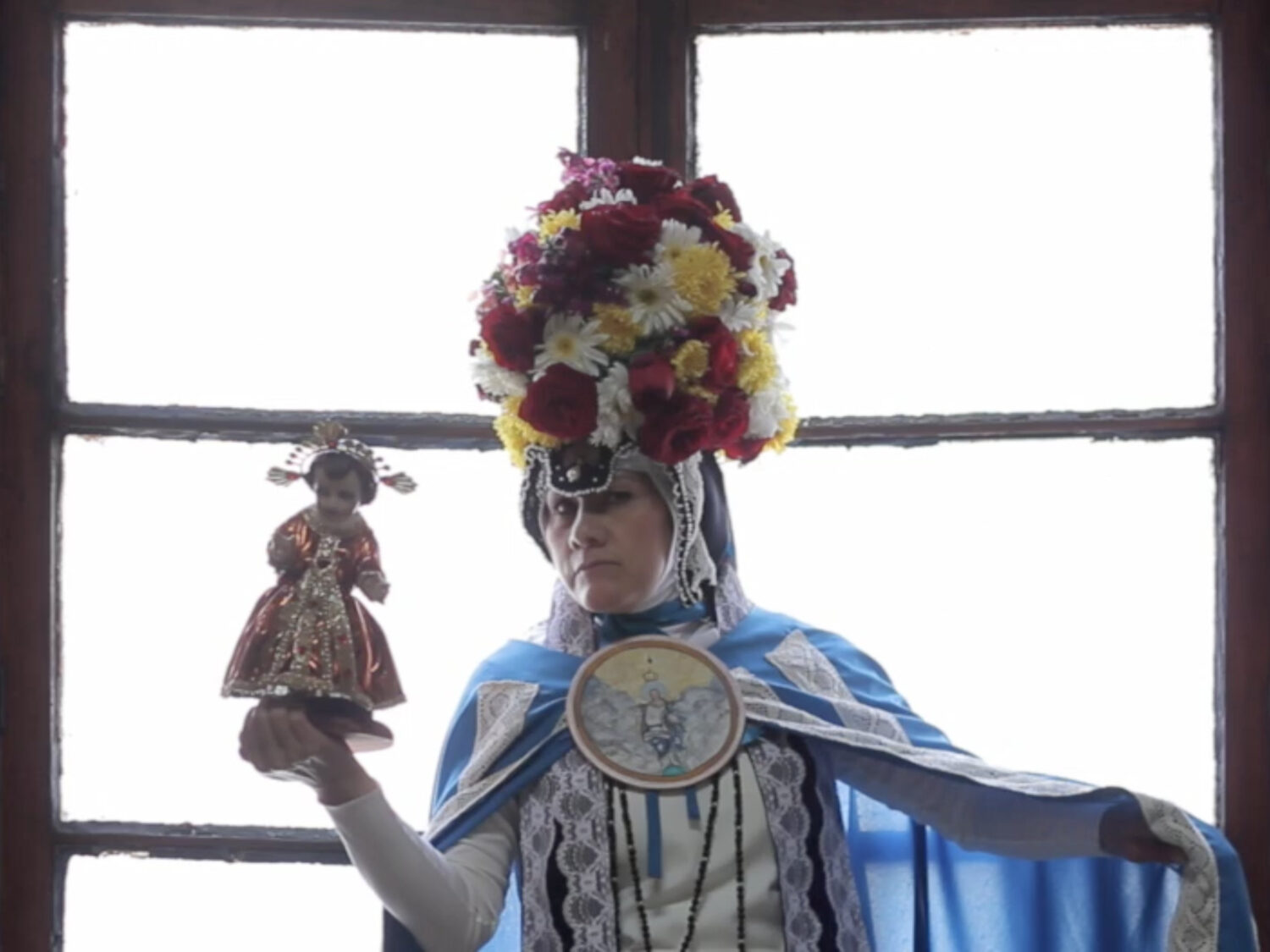
During this stay, Vir Andres Hera learns that Pieter van Gent, one of the first Franciscan evangelizers of Mexico, had lived there before departing for the Americas in the 16th century. This coincidence becomes a working condition rather than a subject.
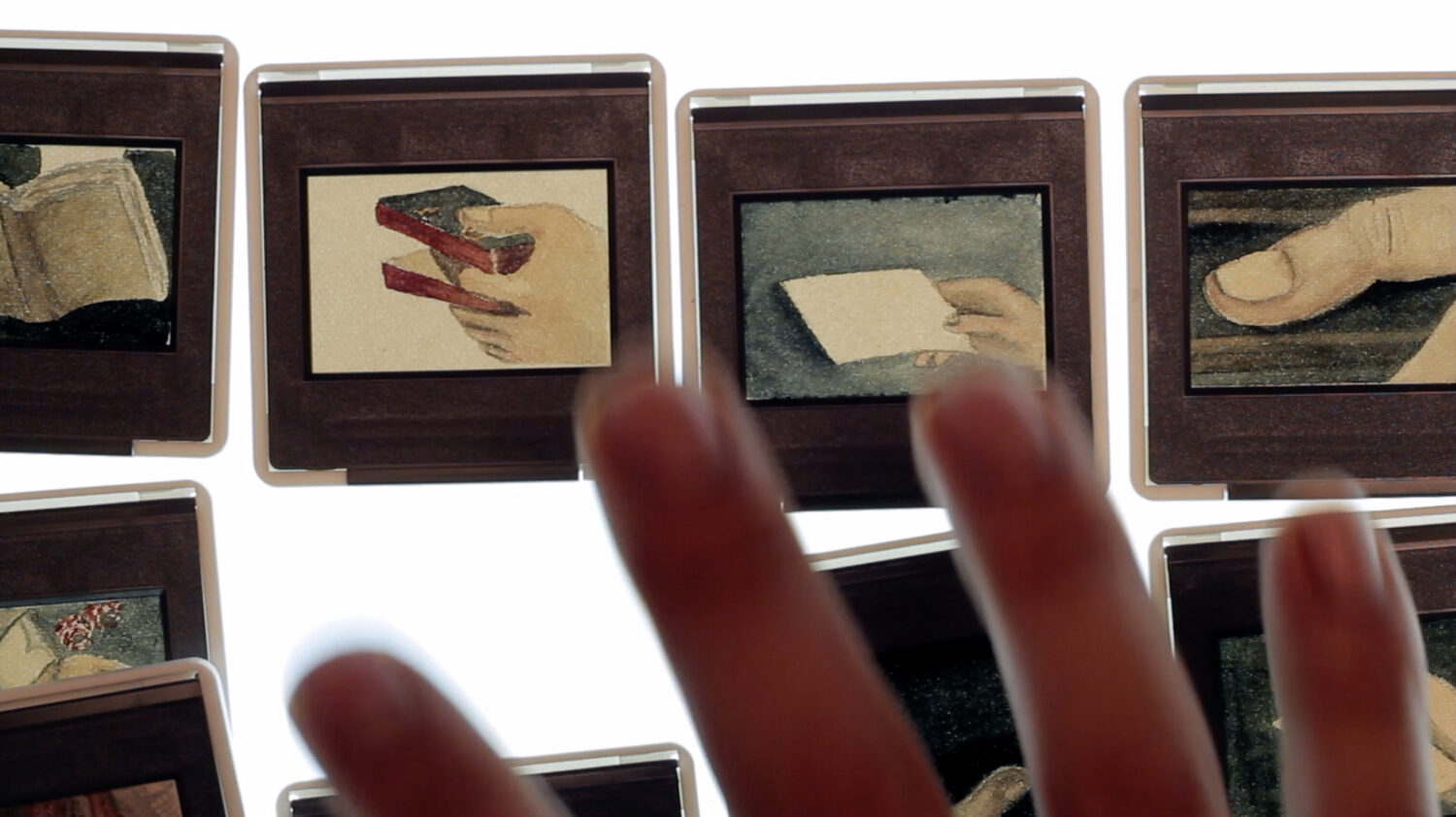
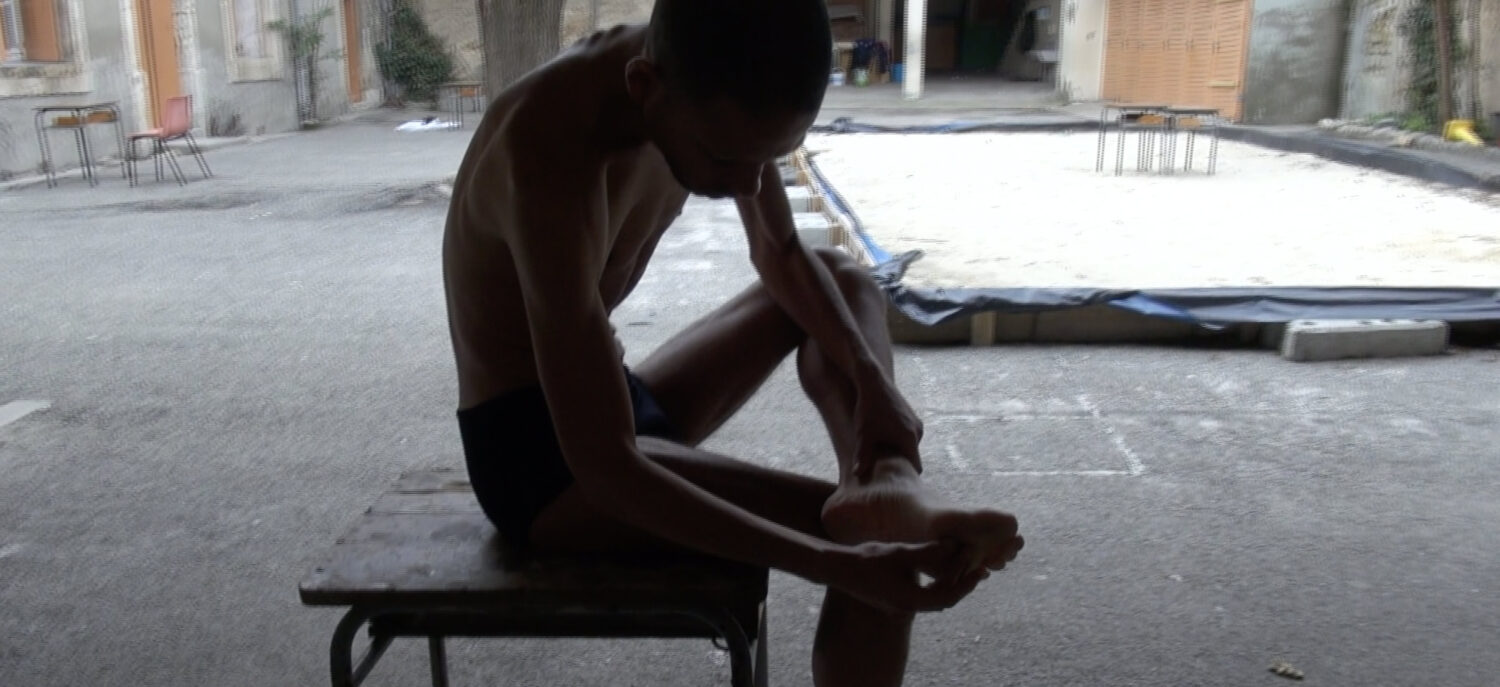
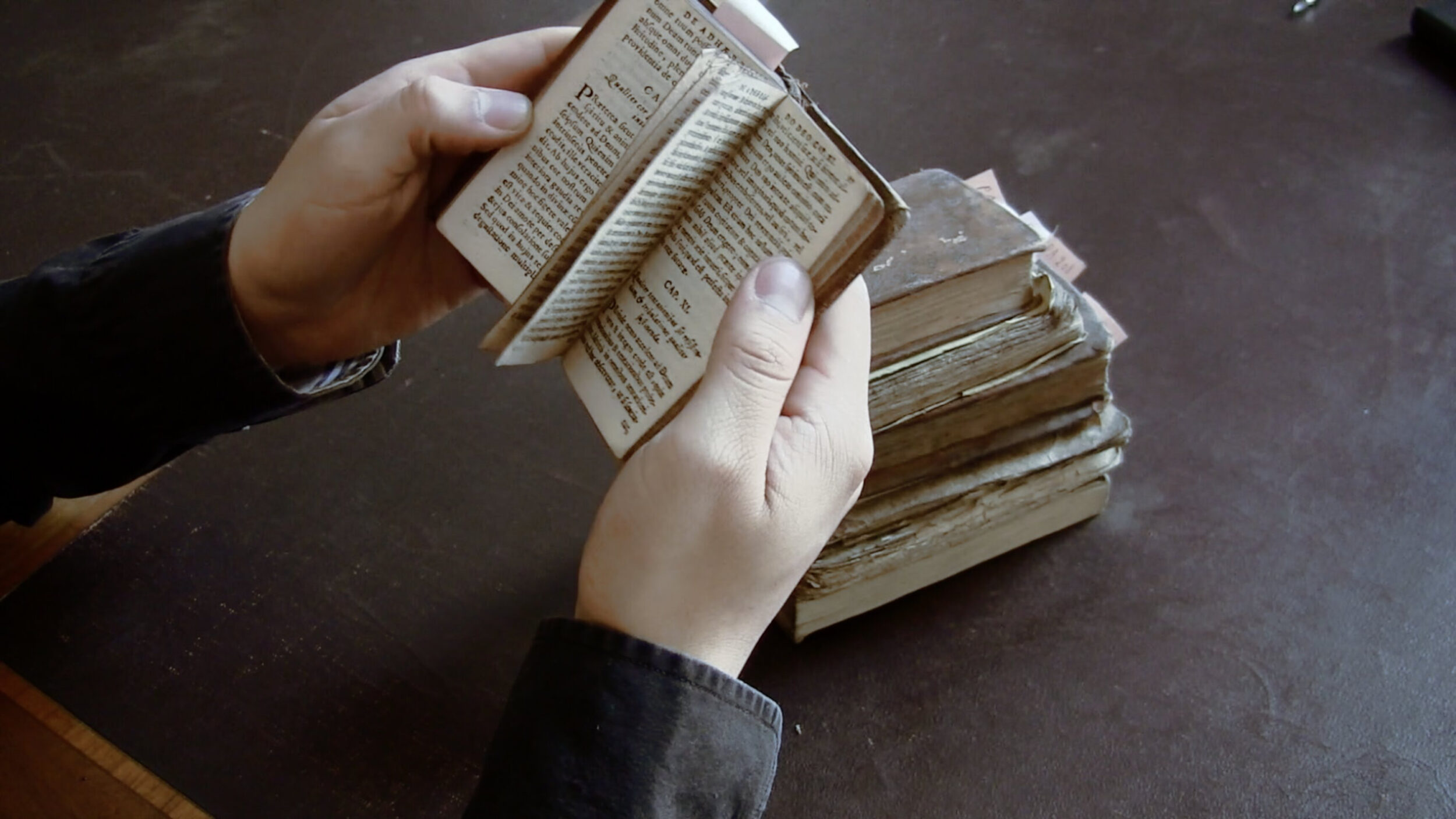
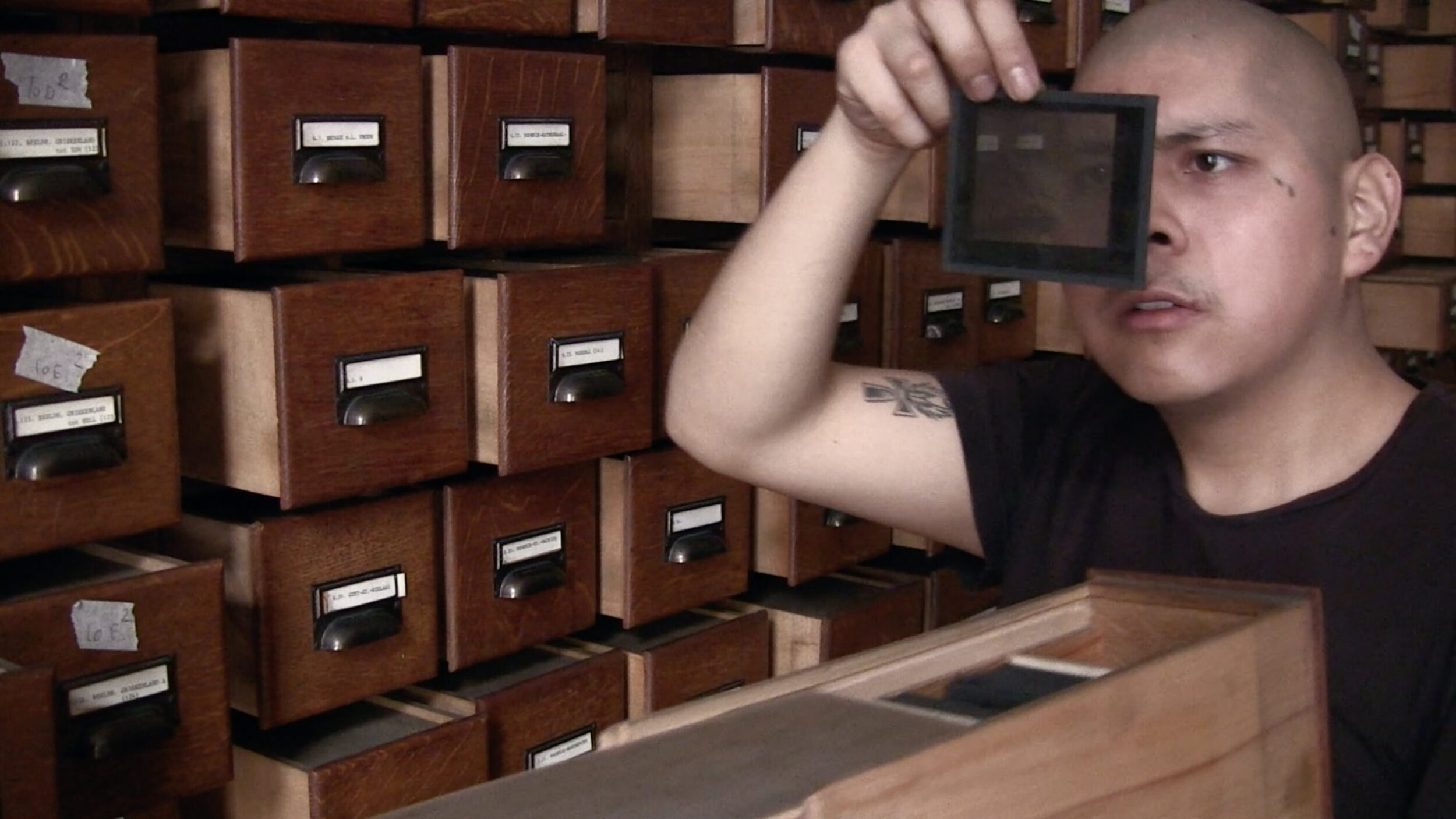
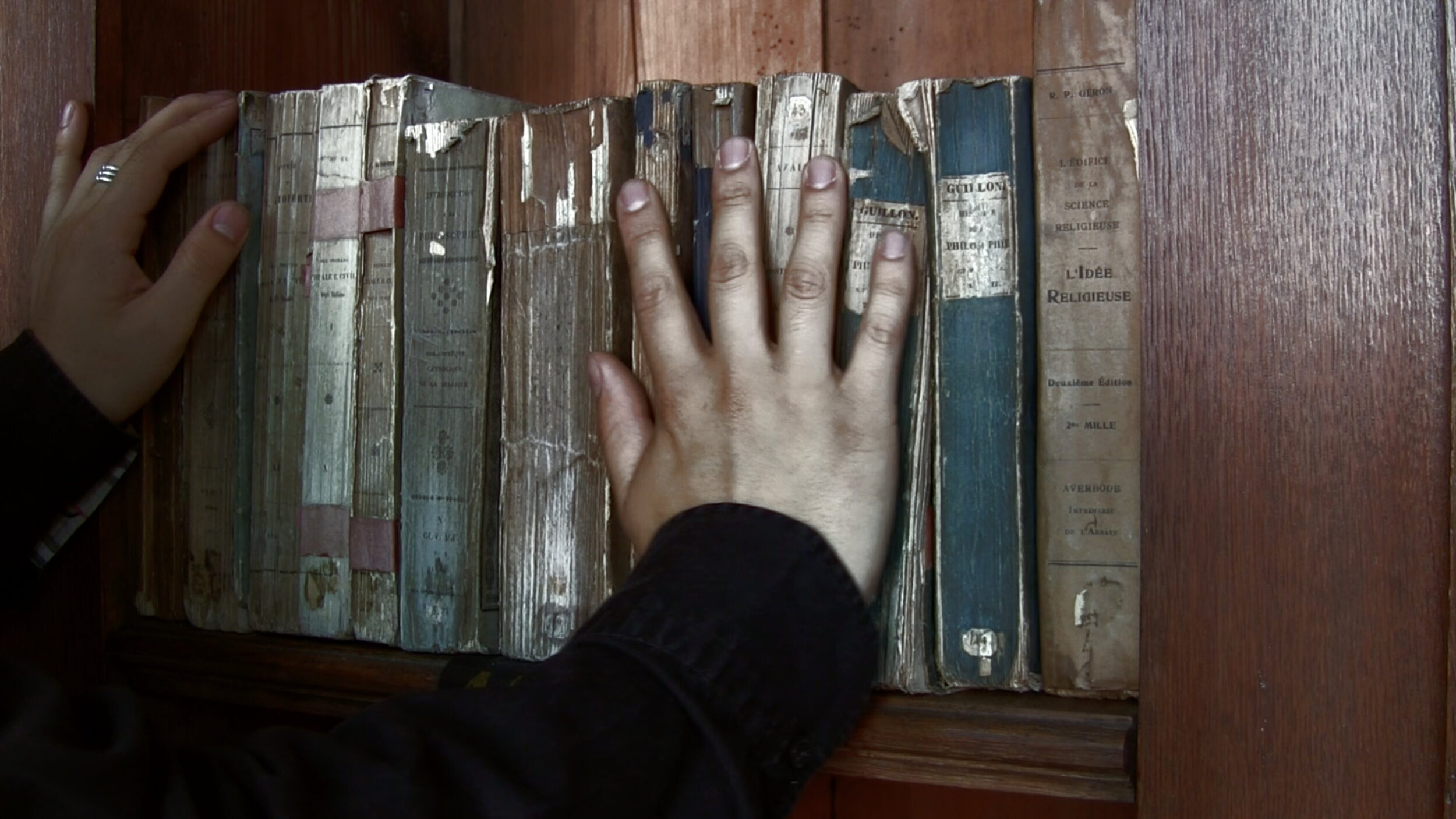
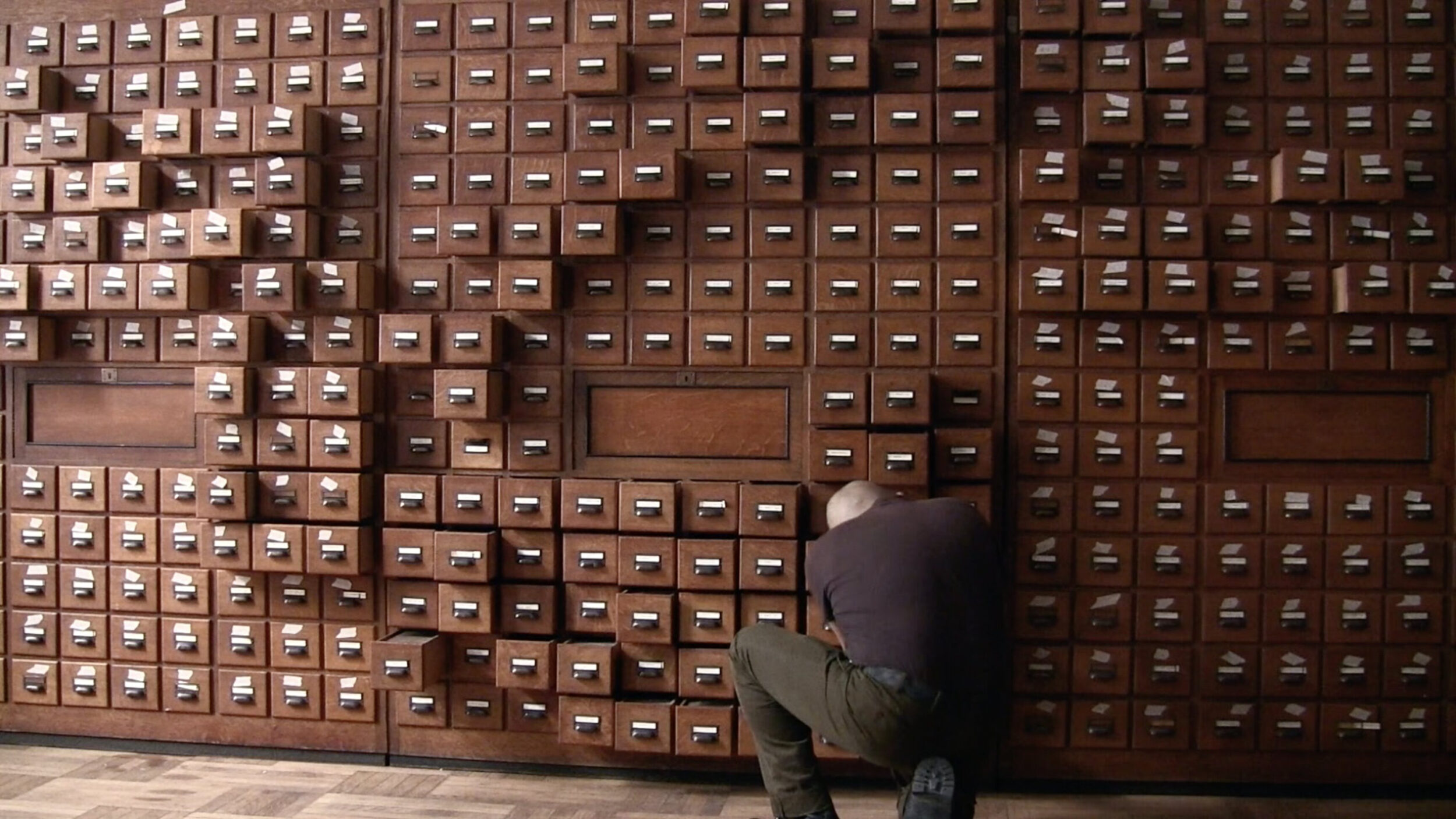
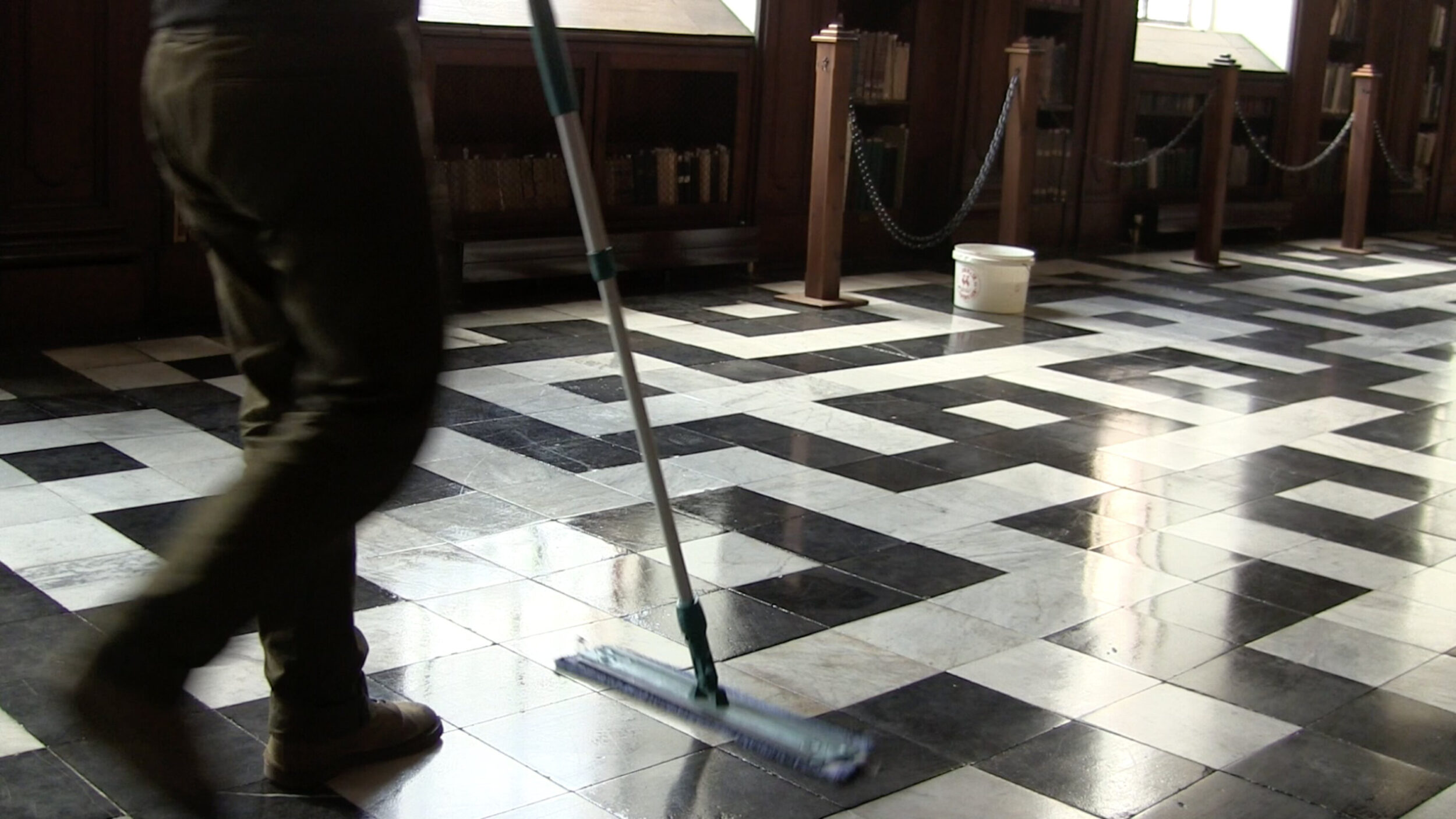
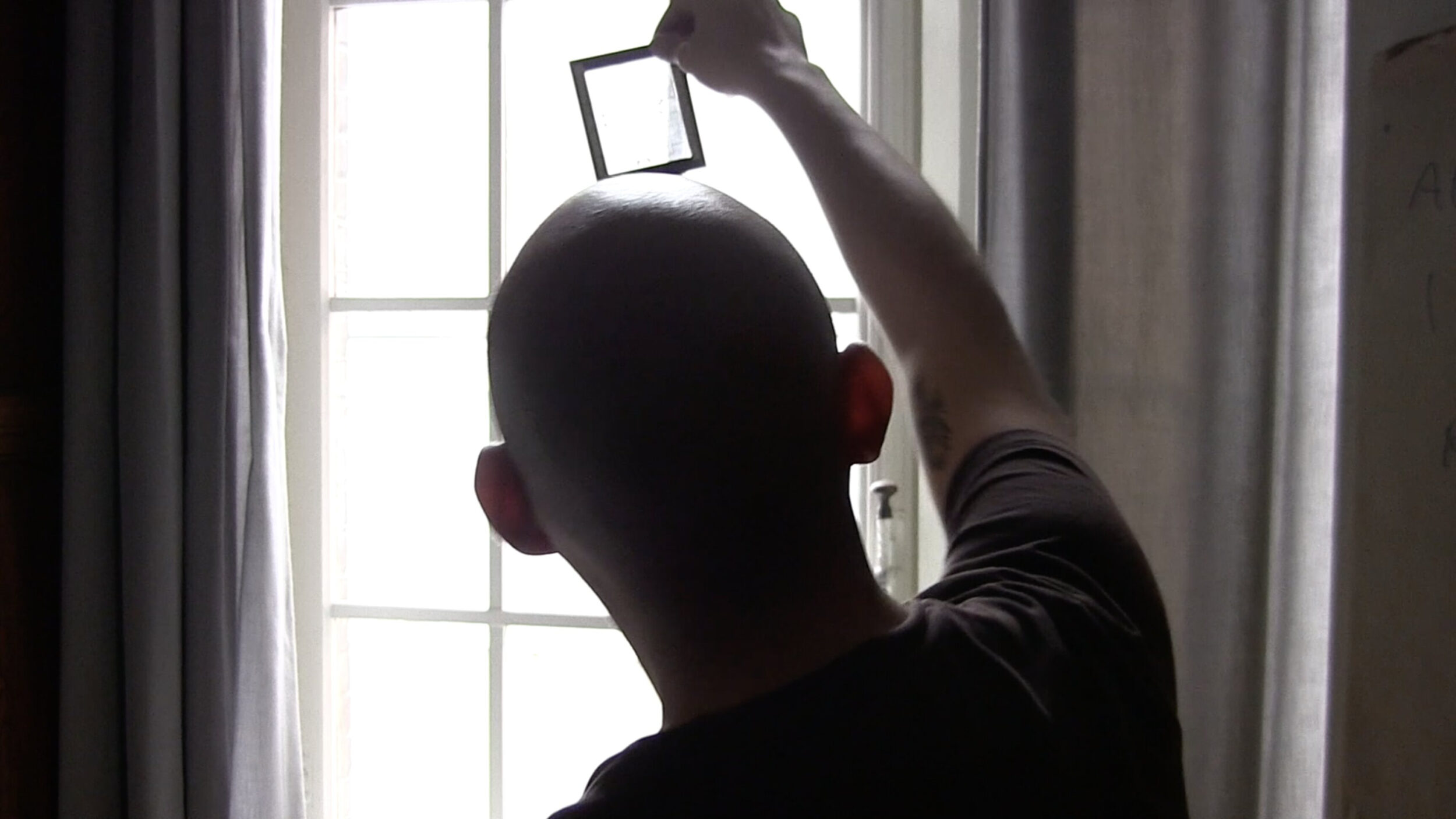
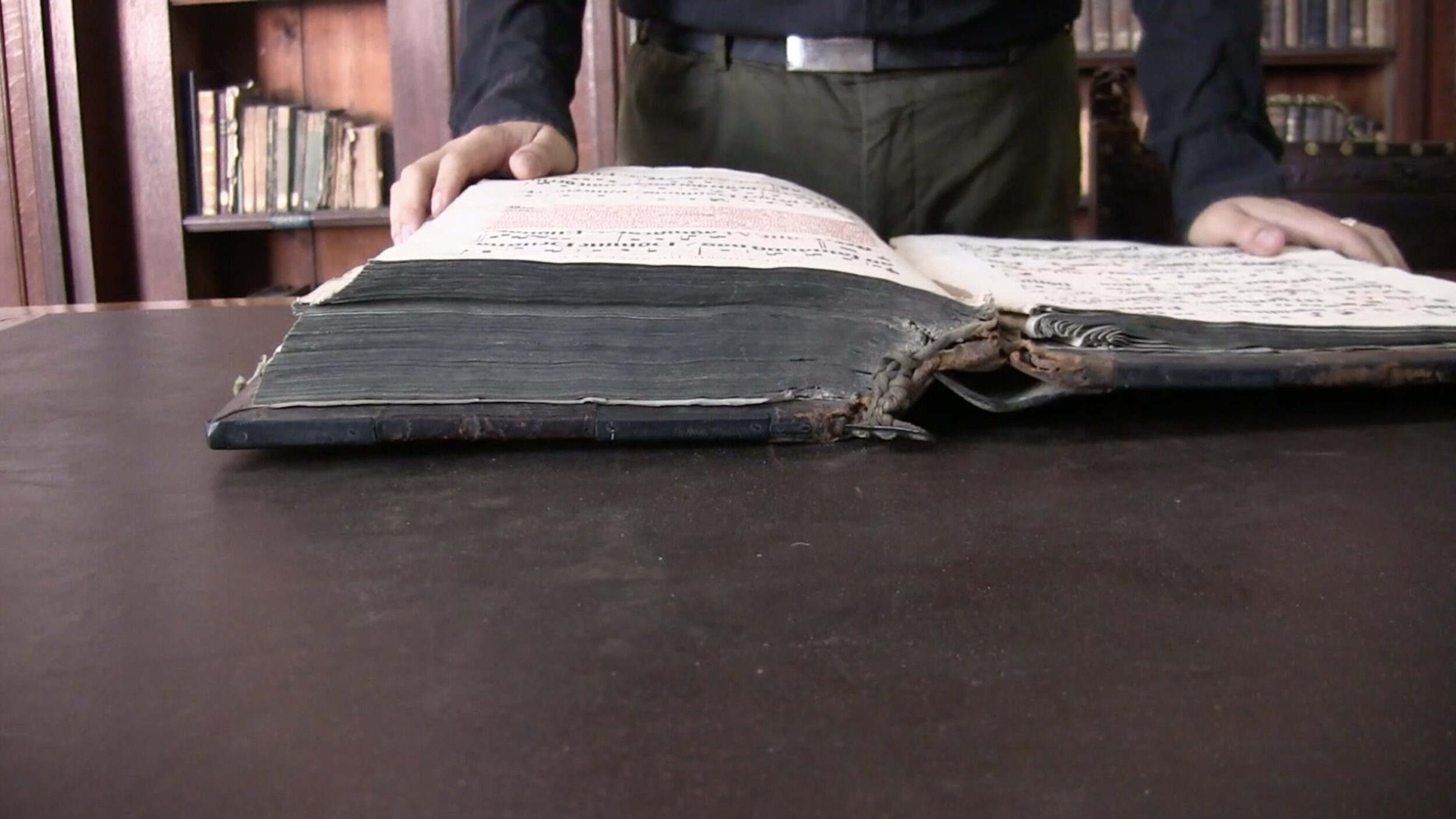
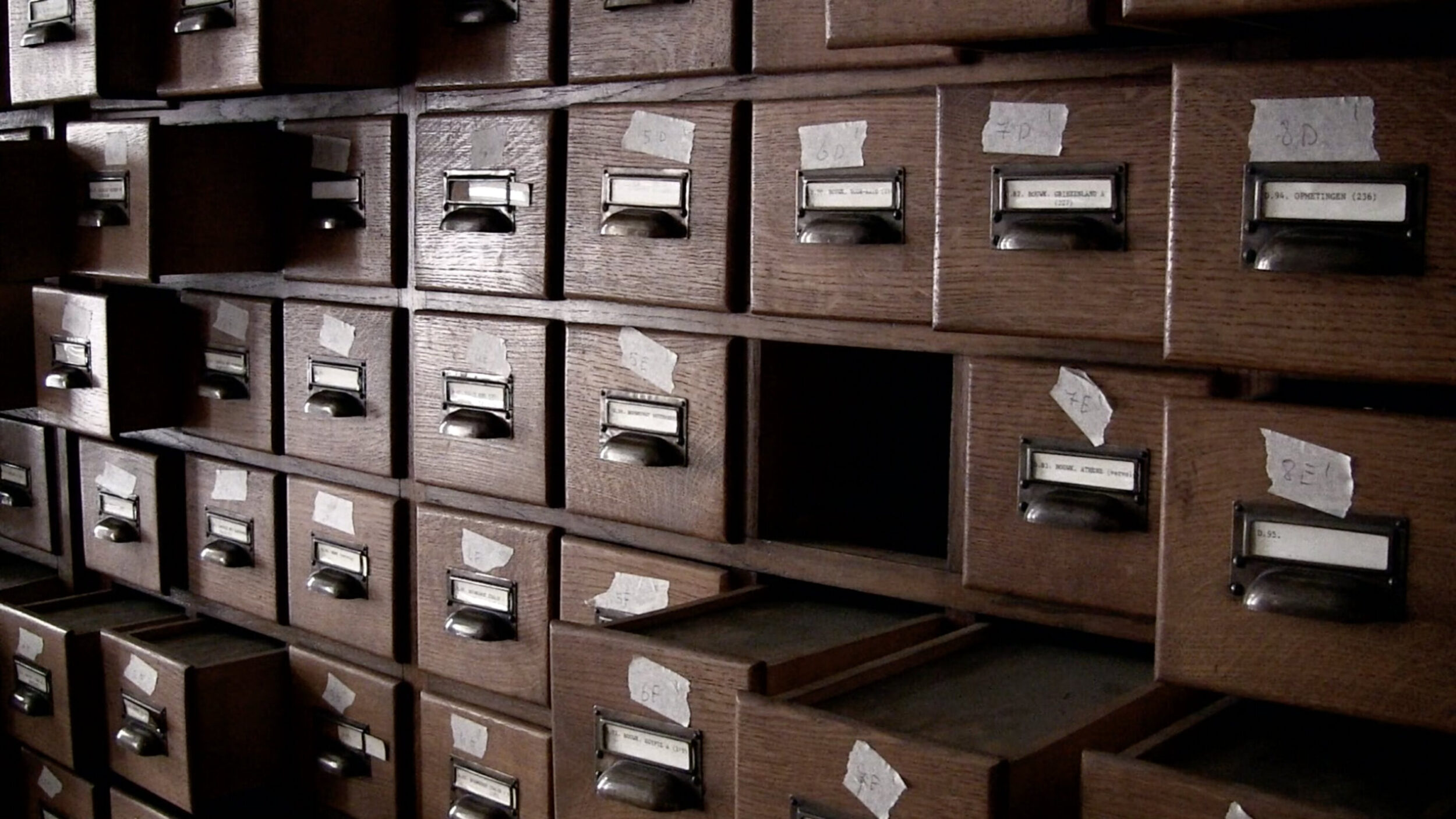
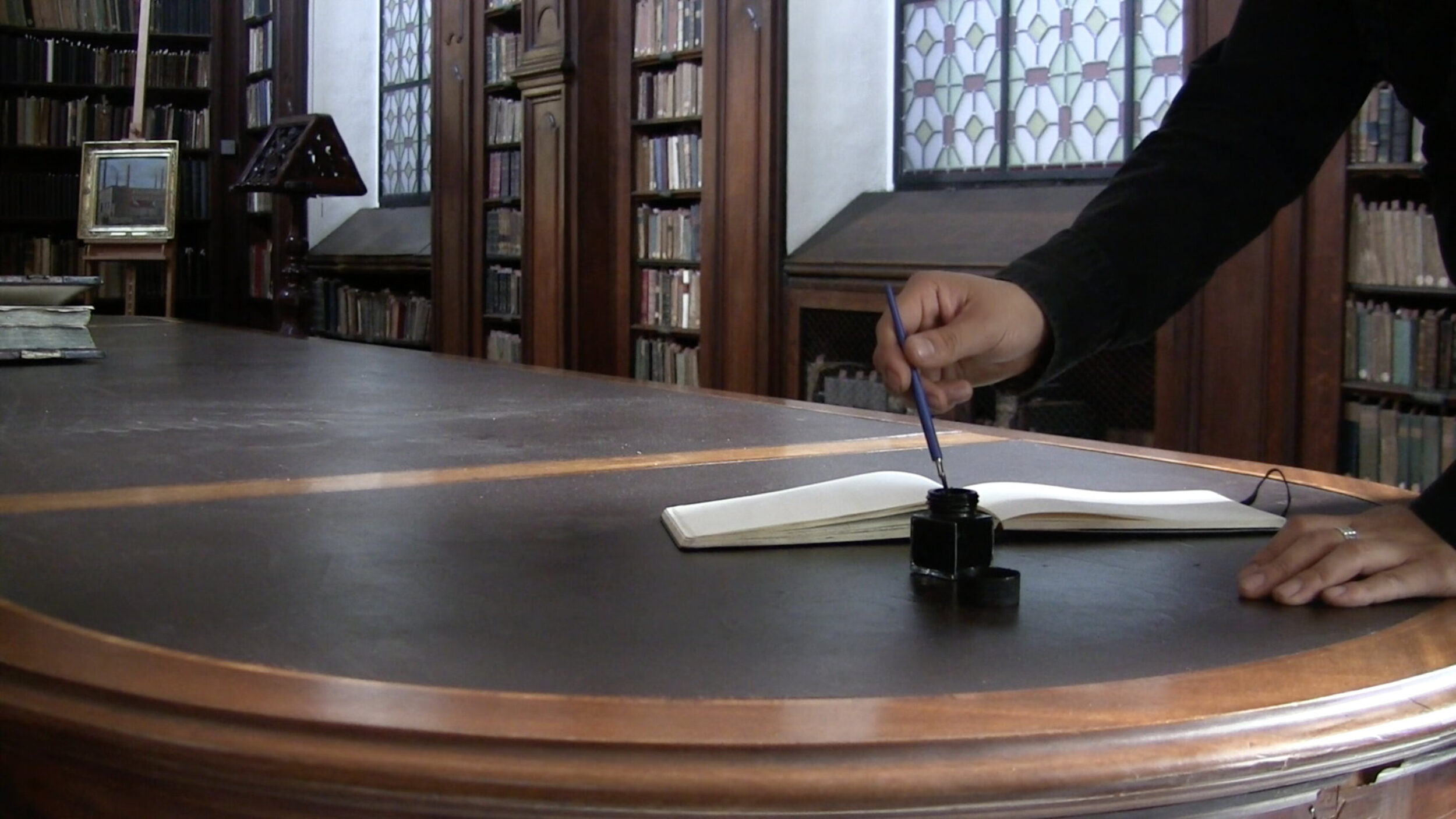
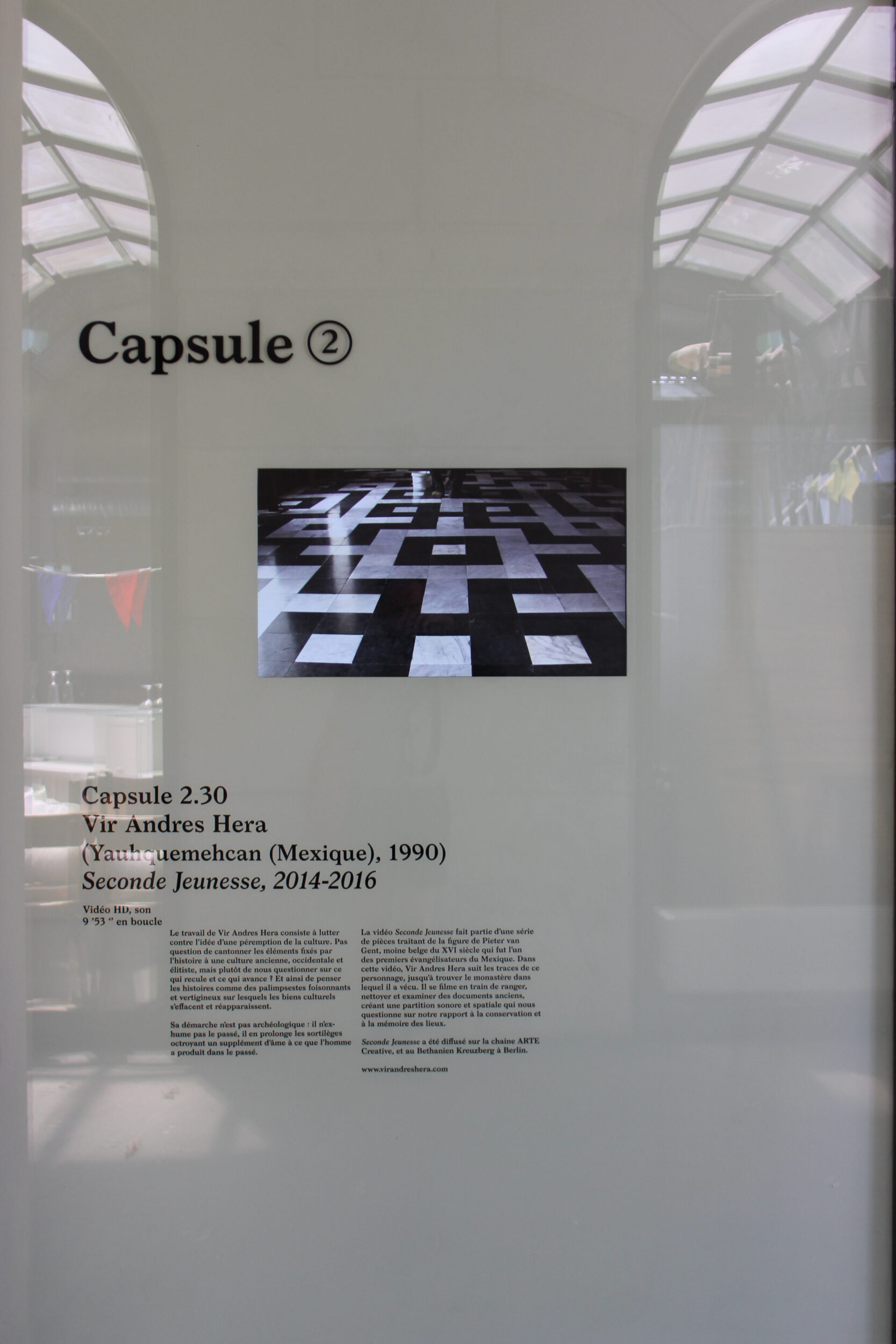
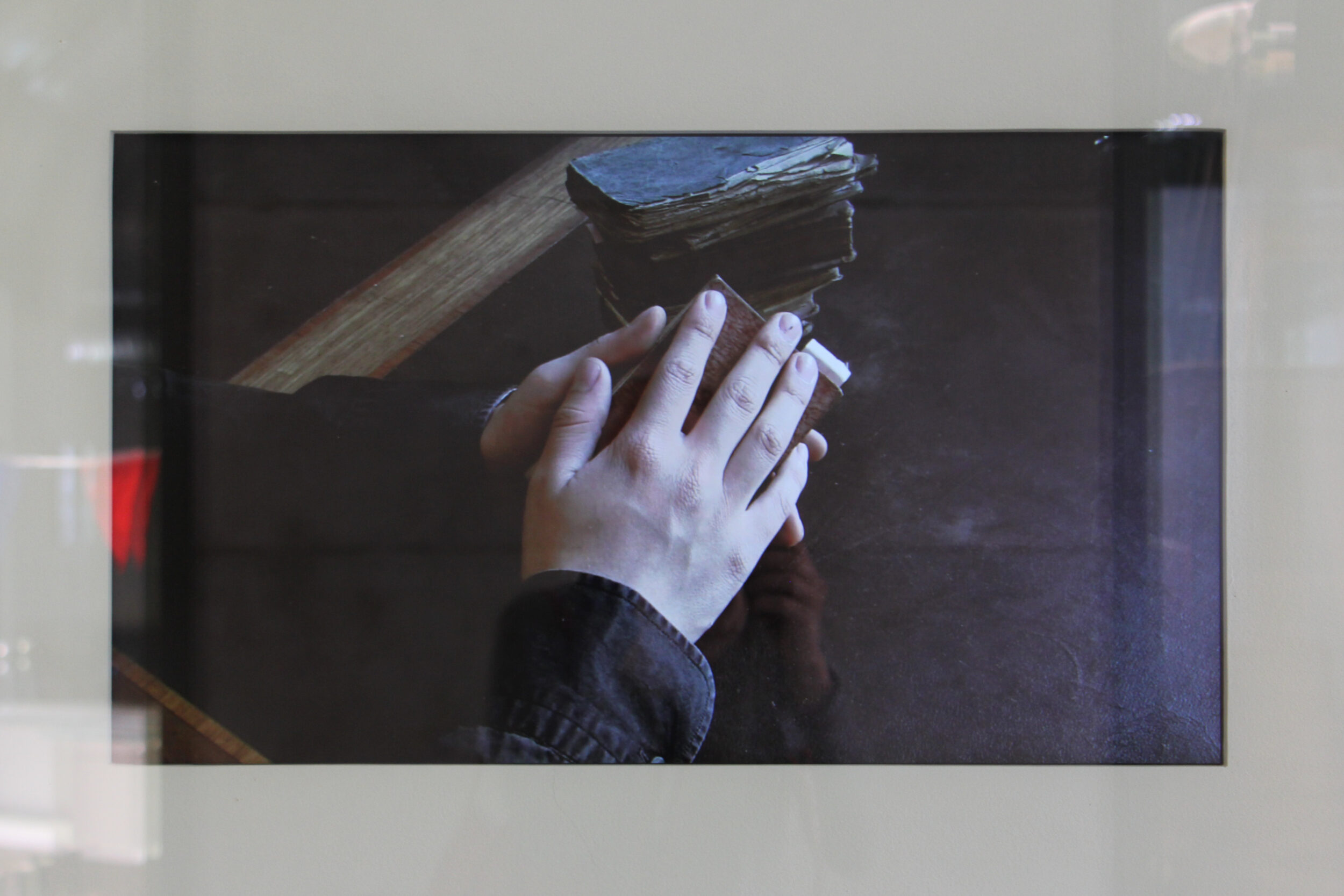
The three films document a series of gestures carried out inside the monastery’s library and archival spaces: cleaning the tiled floor, opening and displacing catalog drawers, handling theological volumes, holding a glass slide against the light, carrying books across the patterned marble surface.
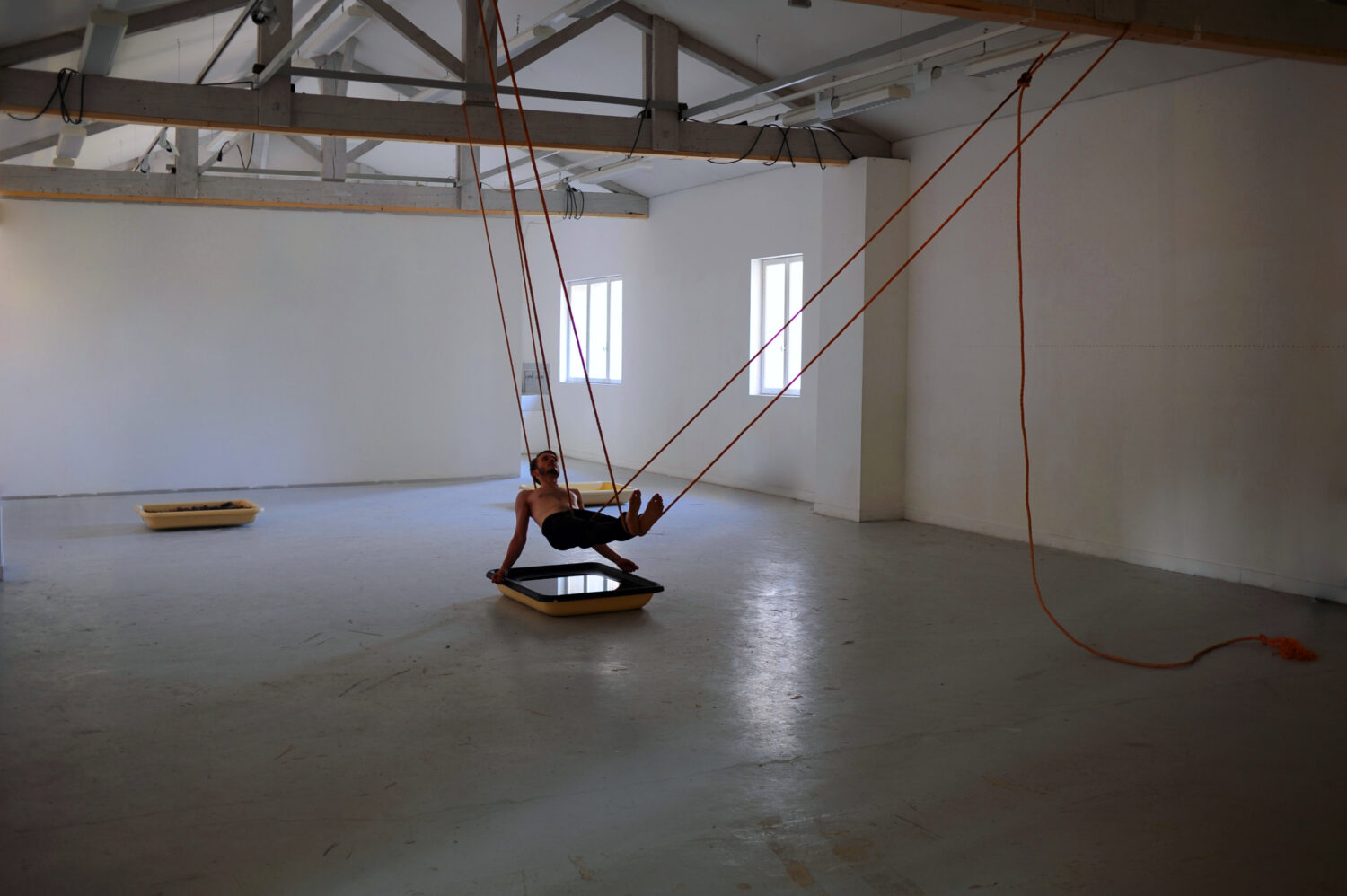
These actions oscillate between research, maintenance, and occupation. The body moves through a European archive not as visitor, but as temporary inhabitant.
Clinic Cleaning centers on custodial labor inside the library. The repetitive act of washing the tiled floor becomes a quiet intervention within a space historically dedicated to religious authority and knowledge classification.
French Chav introduces a linguistic friction. The title brings together “French,” a marker of continental prestige, and “chav,” a British term associated with class stigma. The juxtaposition produces a dissonance that reflects the artist’s position within European institutional space: neither insider nor external observer. The archive is approached as a classed and colonial structure.
The trilogy establishes a way of working that reappears in later projects: entering institutional spaces, activating their material histories through embodied gesture, and treating the archive as a lived terrain rather than a stable repository.
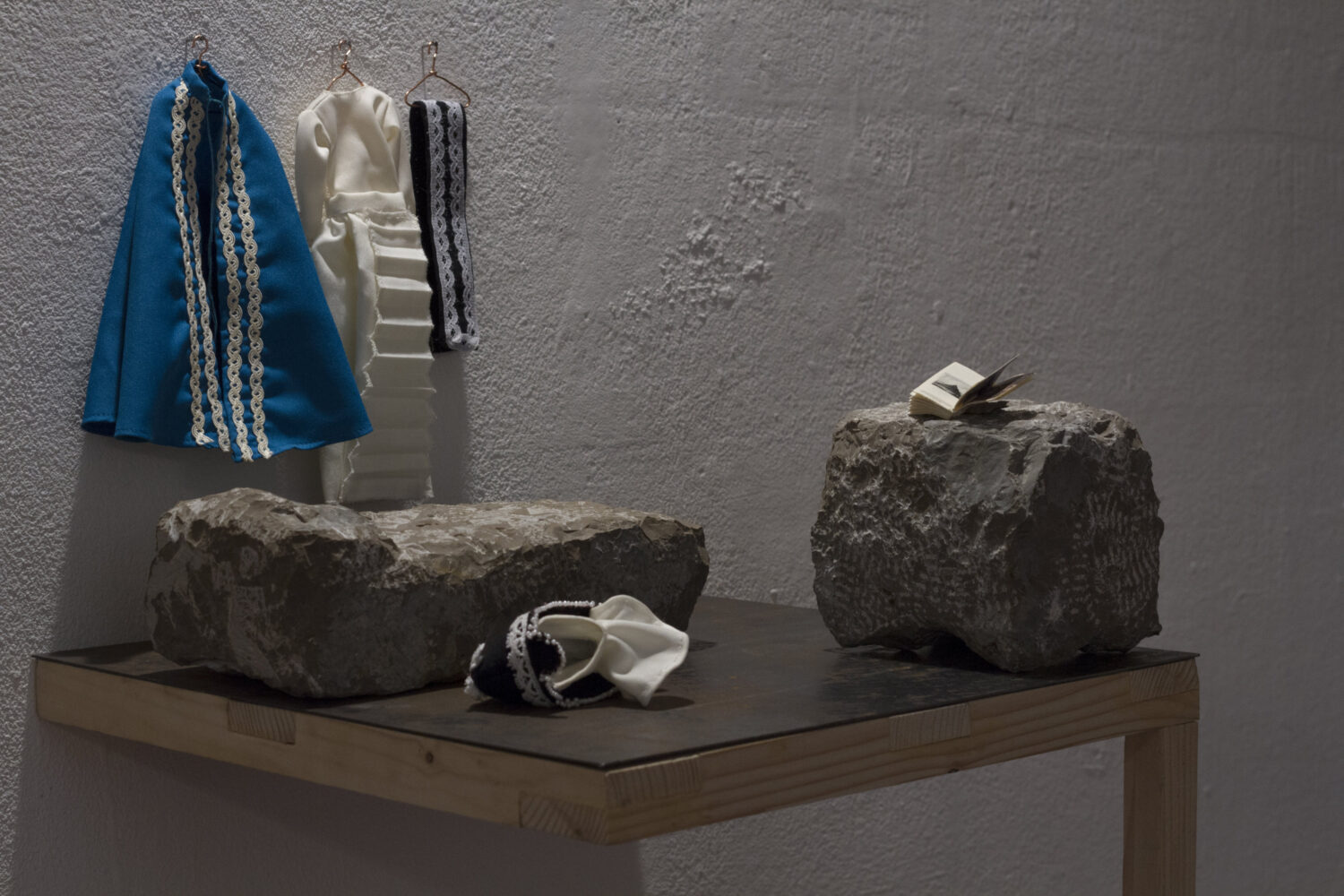
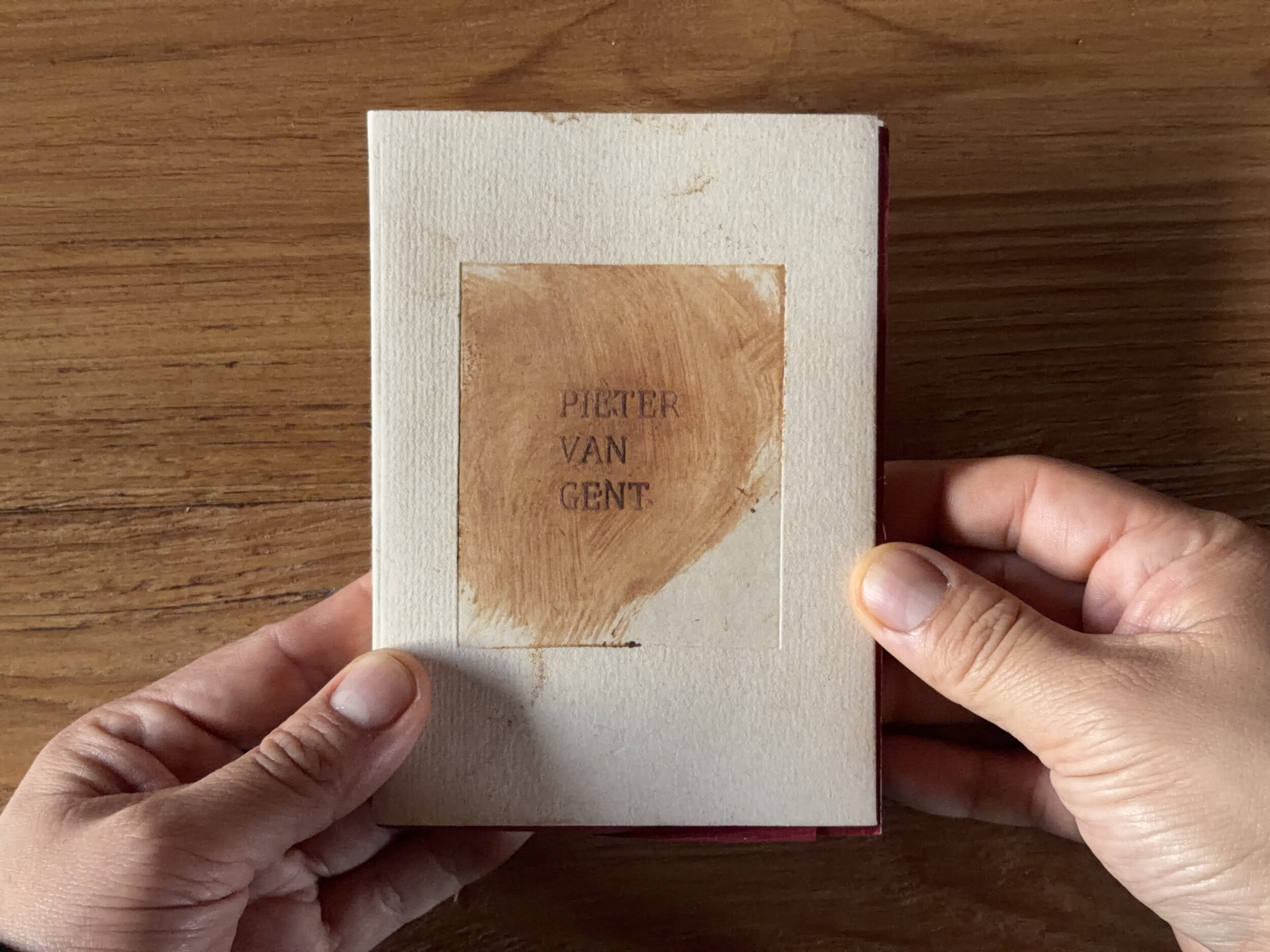
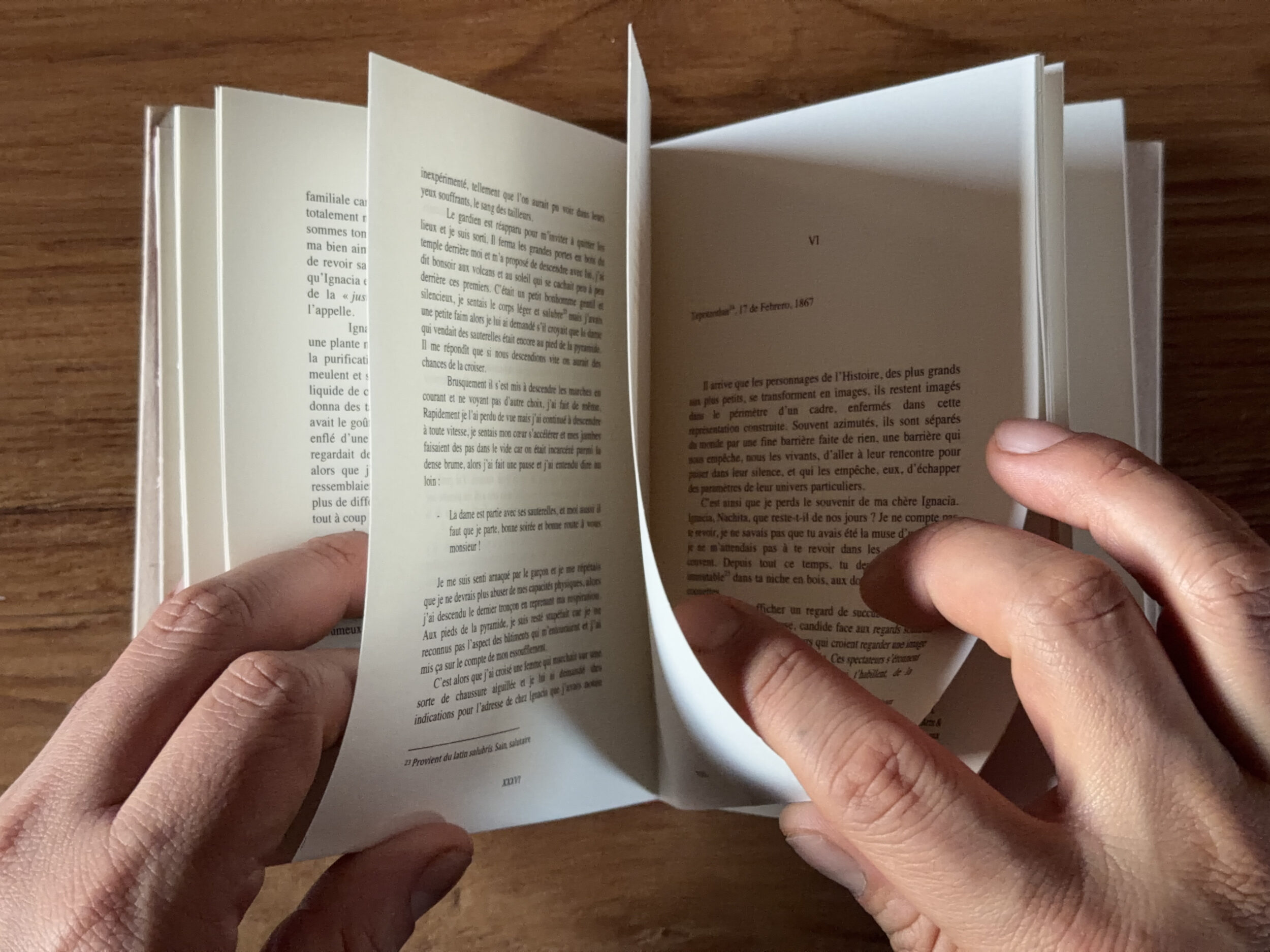
Alongside the films, the project also takes the form of a handmade publication, Pieter van Gent. Conceived as a speculative notebook, the book extends the project through writing, citation, and montage. It reworks the monastery’s historical and colonial entanglements into a fictional research object, where Pieter van Gent appears less as a historical figure than as a spectral presence linking the monastery to the colonial history of the Americas. The archive becomes a site of projection, repetition, and haunting.
Vir Andres Hera
Sint-Lukas Mixed Media Studio
Esther Venrooy
Roel Kerkhofs
Halle Nord Geneva